California Dairy Farmers REMAIN FocusED on wATER cONSERVATION LOOKING TOWARD THE fuTURE
By StoryStudio on March 17, 2023
California dairy farmers are at the forefront of sustainable innovation, leading the nation in planet-smart agricultural practices that conserve precious resources while producing nutritious dairy products for their local communities and beyond.
In early 2022, California water officials cut State Water Project allocations in response to the historic multi-year drought. Despite record rainfall in recent months, California continues to endure sustained drought conditions, putting pressure on the agriculture sector which accounts for three percent of the state’s GDP. Members of California’s agricultural sector are working diligently to adopt water-smart policies and implement innovative systems to reduce water consumption while still maintaining ongoing operations.
Water is essential to the California farmers who grow food for our state, nation, and the world. This includes California dairies, 99 percent of which are family owned. Like all farmers, California’s dairy producers understand the need to preserve resources and have long implemented water conservation measures. They have reduced the water footprint of a glass of milk by more than 88 percent in the past 50-plus years, primarily due to improved crop production efficiency, implementation of water recycling technology, and the use of byproducts as feed ingredients. Today, farmers apply 23 percent less water to their fields than they did in the early 1980s while also increasing average crop yields by more than 40 percent.
Lorem ipsum dolor sitamet
Lorem ipsum dolor sitamet
Lorem ipsum dolor sit amet, consectetur adipiscing elit, sed do eiusmod tempor incididunt ut labore et dolore magna aliqua.
Water reuse is standard practice on today’s dairy farms. Recycling and reclaiming water on dairies maximizes its value so it can continue to be used to produce the wholesome milk that is the basis for the dairy products that nourish families. This cycle of reusing water guarantees all water entering the farm is utilized to its full potential and ensures crops and cows receive the water needed to produce nutrient-rich products. This also reduces the amount of water needed to grow feed for dairy cattle.
Dairy farmers reuse water an average of four times without it leaving the farm. Fresh, clean water helps to cool milk tanks and is then used to wash and cool the cows, and later to wash down barns and help clear manure. That water is also often reused to irrigate feed crops in surrounding fields.
Up to 40 percent of dairy feed ingredients used on California farms are byproducts or coproducts of other agricultural and food production processes like almond hulls, grape pomace, and cottonseed. This is unique to the state, which grows a diversity of food and fiber crops that aren’t grown anywhere else in the U.S. and has enabled a growing number of California dairies to reduce the water needed to grow feed by as much as 1.3 trillion gallons and improve water quality protection, while also reducing greenhouse gas emissions. To ensure the quality of feed and create economic efficiencies, many California dairy farmers grow a portion of their feed crops themselves, making irrigation a primary focus of their water strategy.
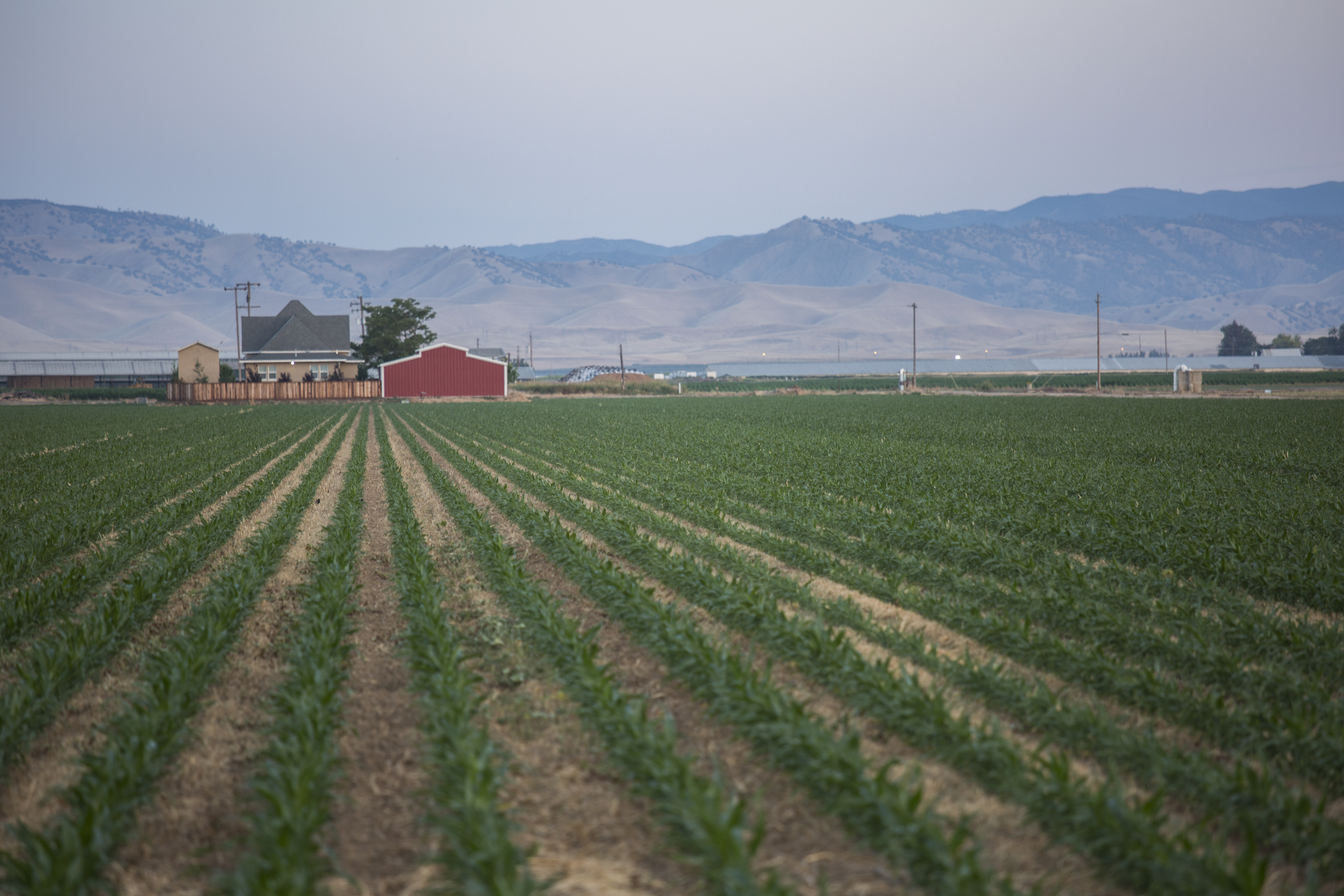
A new approach to drip irrigation, known as a Subsurface Drip Irrigation-Effluent system (SDI-E), is helping farmers save 36 percent of the water needed to grow feed crops by applying a mix of fresh water and manure-nutrient water to the plant’s roots through drip lines. The SDI system combines the advantages of a traditional sub-surface drip irrigation system with new technology that allows farmers to tap into dairy effluent, a nutrient-dense water source, to reuse water on farms and increase water efficiency. The system, introduced by technology provider Netafim USA, has been demonstrated through the cooperative efforts of dairy farmers, university researchers, conservationists, government agencies and others, including Sustainable Conservation. It is now being more widely adopted as a means to conserve water resources, reducing the amount of fresh water needed for daily farm operations.
The SDI-E system has multiple environmental benefits for California’s dairy farms that grow their own feed crops, such as saving water for feed crops, increasing water efficiency in the field, better protection of groundwater, higher volume of nutrient dense water going to crops, and reduced need for synthetic fertilizers. As of now, 26 dairy farms across California have already installed or are implementing this irrigation method, which has saved over 1.3 billion gallons of water.


Lorem ipsum dolor sitamet consectetur adipiscing elit sed dolor.


Lorem ipsum dolor sitamet
Lorem ipsum dolor sit amet, consectetur adipiscing elit, sed do eiusmod tempor incididunt ut labore et dolore magna aliqua. Ut enim ad minim veniam, quis nostrud exercitation ullamco laboris nisi ut aliquip ex ea commodo consequat.
26
Dairy farms across California have implemented the new Subsurface Drip Irrigation-Effluent system
36%
The SDI-E system is allowing farmers to save 36% of the water needed to grow feed crops
Conserving and reusing water is part of the culture on California dairies. Dairy farmers take pride in reducing water waste, and as drought conditions increase challenges facing dairy operations, farmers remain committed to continuing to develop and adopt water-smart and climate-smart innovations.
For more information, please visit https://www.realcaliforniamilk.com/sustainability.
Lorem ipsum dolor sit amet, consectetur adipiscing elit, sed do eiusmod tempor incididunt ut labore et dolore magna aliqua.
Lorem ipsum dolor sit amet, consectetur adipiscing elit, sed do eiusmod tempor incididunt ut labore et dolore magna aliqua.
Lorem ipsum dolor sit amet, consectetur adipiscing elit, sed do eiusmod tempor incididunt ut labore et dolore magna aliqua.

Lorem ipsum dolor sit amet, consectetur adipiscing elit, sed do eiusmod tempor incididunt ut labore et dolore magna aliqua. Ut enim ad minim veniam, quis nostrud exercitation ullamco laboris nisi ut aliquip ex ea commodo consequat. Duis aute irure dolor in reprehenderit in voluptate velit esse cillum dolore eu fugiat nulla pariatur. Excepteur sint occaecat cupidatat non proident, sunt in culpa qui officia deserunt mollit anim id est laborum.
Lorem ipsum dolor sit amet, consectetur adipiscing elit, sed do eiusmod tempor incididunt ut labore et dolore magna aliqua. Ut enim ad minim veniam, quis nostrud exercitation ullamco laboris nisi ut aliquip ex ea commodo consequat. Duis aute irure dolor in reprehenderit in voluptate velit esse cillum dolore eu fugiat nulla pariatur. Excepteur sint occaecat cupidatat non proident.
Lorem ipsum dolor sit amet, consectetur adipiscing elit, sed do eiusmod tempor incididunt ut labore et dolore magna aliqua. Ut enim ad minim veniam, quis nostrud exercitation ullamco laboris nisi ut aliquip ex ea commodo consequat. Duis aute irure dolor in reprehenderit in voluptate velit esse cillum dolore eu fugiat nulla pariatur. Excepteur sint occaecat cupidatat non proident, sunt in culpa qui officia deserunt mollit anim id est laborum.
Lorem ipsum dolor sit amet, consectetur adipiscing elit, sed do eiusmod tempor incididunt ut labore et dolore magna aliqua. Ut enim ad minim veniam, quis nostrud exercitation ullamco laboris nisi ut aliquip ex ea commodo consequat. Duis aute irure dolor in reprehenderit in voluptate velit esse cillum dolore eu fugiat nulla pariatur. Excepteur sint occaecat cupidatat non proident, sunt in culpa qui officia deserunt mollit anim id est laborum. Duis aute irure dolor in reprehenderit in voluptate velit esse cillum dolore eu fugiat nulla pariatur. Excepteur sint occaecat cupidatat non proident, sunt in culpa qui officia deserunt mollit anim id est laborum.
Lorem ipsum dolor sit amet, consectetur adipiscing elit, sed do eiusmod tempor incididunt ut labore et dolore magna aliqua. Ut enim ad minim veniam, quis nostrud exercitation ullamco laboris nisi ut aliquip ex ea commodo consequat. Duis aute irure dolor in reprehenderit in voluptate velit esse cillum dolore eu fugiat nulla pariatur. Excepteur sint occaecat cupidatat non proident. Lorem ipsum dolor sit amet, consectetur adipiscing elit, sed do eiusmod.

Average crop yields more than 40% even with decrease
The SDI-E system has multiple environmental benefits like increasing water efficiency
1.3 billion gallons of water have been saved by implementing this new system
Lorem ipsum dolor sit amet, consectetur adipiscing elit, sed do eiusmod tempor incididunt ut labore et dolore magna aliqua. Ut enim ad minim veniam, quis nostrud exercitation ullamco laboris nisi ut aliquip ex ea commodo consequat. Duis aute irure dolor in reprehenderit in voluptate velit esse cillum dolore eu fugiat nulla pariatur. Excepteur sint occaecat cupidatat non proident, sunt in culpa qui officia deserunt mollit anim id est laborum.
Lorem ipsum dolor sit amet, consectetur adipiscing elit, sed do eiusmod tempor incididunt ut labore et dolore magna aliqua. Ut enim ad minim veniam, quis nostrud exercitation ullamco laboris nisi ut aliquip ex ea commodo consequat. Duis aute irure dolor in reprehenderit in voluptate velit esse cillum dolore eu fugiat nulla pariatur. Excepteur sint occaecat cupidatat non proident, sunt in culpa qui officia deserunt mollit anim id est laborum. Duis aute irure dolor in reprehenderit in voluptate velit esse cillum dolore eu fugiat nulla pariatur. Excepteur sint occaecat cupidatat non proident, sunt in culpa qui officia deserunt mollit anim id est laborum.
Lorem ipsum dolor sit amet, consectetur adipiscing elit, sed do eiusmod tempor incididunt ut labore et dolore magna aliqua. Ut enim ad minim veniam, quis nostrud exercitation ullamco laboris nisi ut aliquip ex ea commodo consequat. Duis aute irure dolor in reprehenderit in voluptate velit esse cillum dolore eu fugiat nulla pariatur. Excepteur sint occaecat cupidatat non proident. Lorem ipsum dolor sit amet, consectetur adipiscing elit, sed do eiusmod.
Content from REAL CALIFORNIA MILK
Make sure to update the clien't name and click-thru URL
Headline Count:
60 Characters (including spaces)
Update the date and time published
There is a transparency layer above the image - don't lose track of this layer.
Cover Image
Width: 1328
Height: 409
Body Font: Helvetica Neue LT STD
Body Font Weight: Lt
Body Font Size: 14
Body Font Line: 25
Alignment: Left
For 1 Photo
SPACING
1) Between paragraphs
2) Between any other elements
Lorem ipsum dolor sitamet consectetur adipiscing elit sed dolor.


INSERT VIDEO HERE
SPONSORED BY REAL CALIFORNIA MILK
SPONSORED BY ReAL CALIFORNIA MILK


1.3 billion gallons of water have been saved by implementing this new system

The SDI-E system has multiple environmental benefits like increasing water efficiency

36%
The SDI-E system is allowing farmers to save 36% of the water needed to grow feed crops
26
Dairy farms across California have implemented the new Subsurface Drip Irrigation-Effluent system
Conserving and reusing water is part of the culture on California dairies. Dairy farmers take pride in reducing water waste, and as drought conditions increase challenges facing dairy operations, farmers remain committed to continuing to develop and adopt water-smart and climate-smart innovations.
For more information, please visit https://www.realcaliforniamilk.com/sustainability.
A new approach to drip irrigation, known as a Subsurface Drip Irrigation-Effluent system (SDI-E), is helping farmers save 36 percent of the water needed to grow feed crops by applying a mix of fresh water and manure-nutrient water to the plant’s roots through drip lines. The SDI system combines the advantages of a traditional sub-surface drip irrigation system with new technology that allows farmers to tap into dairy effluent, a nutrient-dense water source, to reuse water on farms and increase water efficiency. The system, introduced by technology provider Netafim USA, has been demonstrated through the cooperative efforts of dairy farmers, university researchers, conservationists, government agencies and others, including Sustainable Conservation. It is now being more widely adopted as a means to conserve water resources, reducing the amount of fresh water needed for daily farm operations.
The SDI-E system has multiple environmental benefits for California’s dairy farms that grow their own feed crops, such as saving water for feed crops, increasing water efficiency in the field, better protection of groundwater, higher volume of nutrient dense water going to crops, and reduced need for synthetic fertilizers. As of now, 26 dairy farms across California have already installed or are implementing this irrigation method, which has saved over 1.3 billion gallons of water.
Water reuse is standard practice on today’s dairy farms. Recycling and reclaiming water on dairies maximizes its value so it can continue to be used to produce the wholesome milk that is the basis for the dairy products that nourish families. This cycle of reusing water guarantees all water entering the farm is utilized to its full potential and ensures crops and cows receive the water needed to produce nutrient-rich products. This also reduces the amount of water needed to grow feed for dairy cattle.
Dairy farmers reuse water an average of four times without it leaving the farm. Fresh, clean water helps to cool milk tanks and is then used to wash and cool the cows, and later to wash down barns and help clear manure. That water is also often reused to irrigate feed crops in surrounding fields.
Up to 40 percent of dairy feed ingredients used on California farms are byproducts or coproducts of other agricultural and food production processes like almond hulls, grape pomace, and cottonseed. This is unique to the state, which grows a diversity of food and fiber crops that aren’t grown anywhere else in the U.S. and has enabled a growing number of California dairies to reduce the water needed to grow feed by as much as 1.3 trillion gallons and improve water quality protection, while also reducing greenhouse gas emissions. To ensure the quality of feed and create economic efficiencies, many California dairy farmers grow a portion of their feed crops themselves, making irrigation a primary focus of their water strategy.
California dairy farmers are at the forefront of sustainable innovation, leading the nation in planet-smart agricultural practices that conserve precious resources while producing nutritious dairy products for their local communities and beyond.
In early 2022, California water officials cut State Water Project allocations in response to the historic multi-year drought. Despite record rainfall in recent months, California continues to endure sustained drought conditions, putting pressure on the agriculture sector which accounts for three percent of the state’s GDP. Members of California’s agricultural sector are working diligently to adopt water-smart policies and implement innovative systems to reduce water consumption while still maintaining ongoing operations.
Water is essential to the California farmers who grow food for our state, nation, and the world. This includes California dairies, 99 percent of which are family owned. Like all farmers, California’s dairy producers understand the need to preserve resources and have long implemented water conservation measures. They have reduced the water footprint of a glass of milk by more than 88 percent in the past 50-plus years, primarily due to improved crop production efficiency, implementation of water recycling technology, and the use of byproducts as feed ingredients. Today, farmers apply 23 percent less water to their fields than they did in the early 1980s while also increasing average crop yields by more than 40 percent.
By StoryStudio on March 10, 2023


