
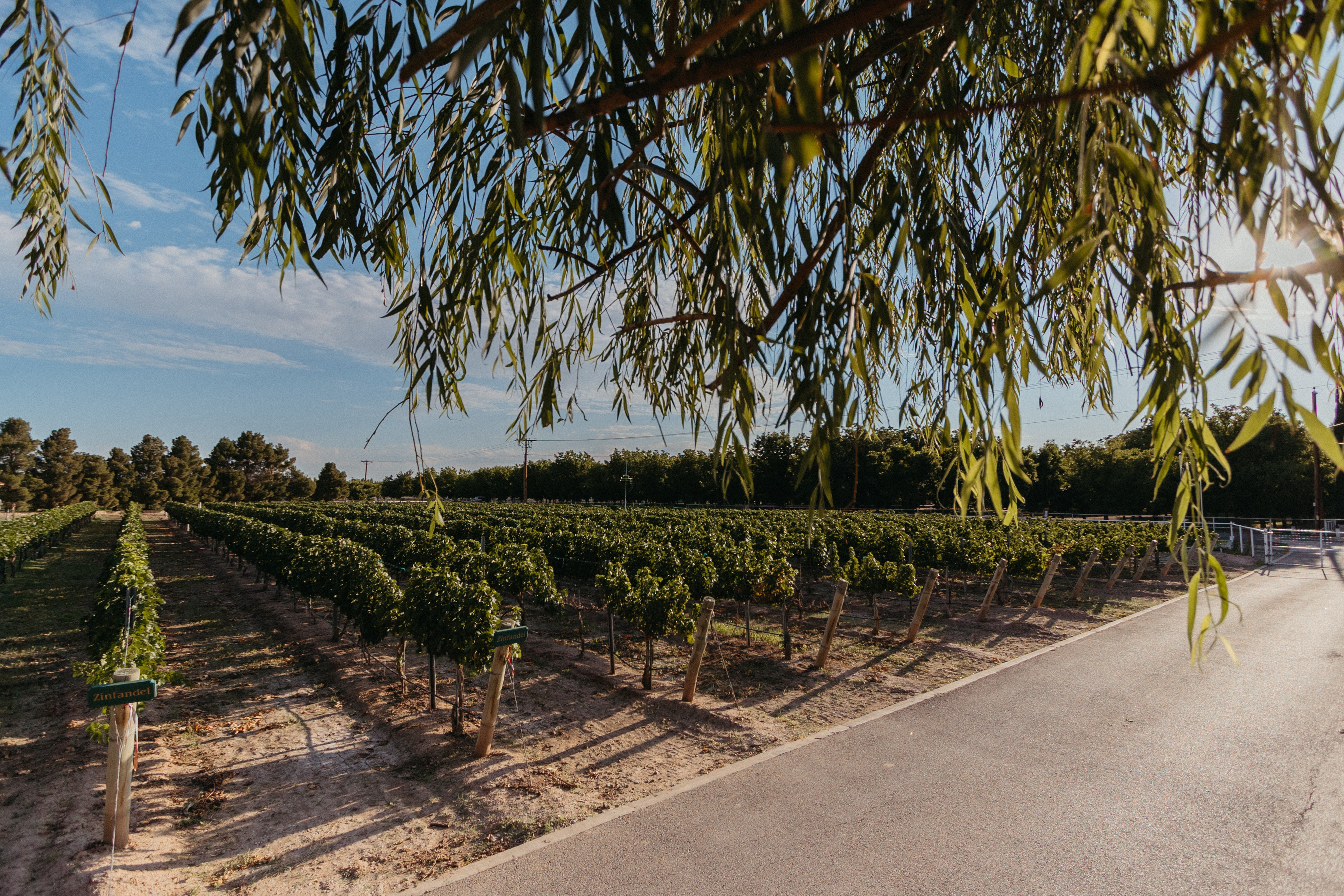


At 3,000 feet above the Texas plains, cool morning fog gives way to sun-baked afternoons, limestone-rich soils stretch from Central Texas to the Panhandle, and generations of innovative vintners craft wines that challenge Old World expectations. This is Texas wine country, where more than 600 wineries transform ancient soils and a challenging climate into distinctive bottles that speak of time and place. From the wind-swept High Plains to the rolling Hill Country, Texas winemakers aren‘t just pioneering a new frontier—they’re building on three centuries of winegrowing wisdom to create America’s next great wine destination.
Uncorked:
The Texas Wine Renaissance

This is Texas wine country, where more than 600 wineries transform ancient soils and a challenging climate into distinctive bottles that speak of time and place.
Spanish missionaries planted North America‘s first vineyard in Texas soil in 1662—well before California’s storied wine regions took root. Their legacy lives on in a new generation of Lone Star State winemakers who are quietly revolutionizing American wine. Texas vintners‘ path to distinction began with understanding their land—a unique terroir where traditional European varietals often struggled in the intense climate. The breakthrough came when they turned to warm-climate grapes like Spanish Tempranillo, Italian Sangiovese, and Mediterranean Mourvèdre.
The shift paid off. The unmatched blend of historical roots and modern innovation has transformed the state into a $20.35 billion wine powerhouse and the nation‘s fifth-largest producer, proof positive that Texas wine is more than a novelty—it‘s a force reshaping domestic wine culture. And with a territory larger than all of France, Texas’ eight distinct growing regions offer an extraordinary range of possibilities.
The expansive landscape harbors a remarkable natural advantage: Texas hosts more native grapevine species than any other place on Earth—36 members of the Vitis family, 15 of them found nowhere else. It’s this rich viticultural heritage that empowers winemakers to forge a distinctly Texan identity. Rather than trying to mimic other wine regions, Texas vintners craft wines that express their territory: more mineral-driven than fruit-forward, with round, grippy tannins and vibrant acidity. Early harvests and intense growing conditions create wines of genuine character, and a culture of sustainable practices helps protect the landscape for future generations. Across the state, vintners are producing wines that don’t just survive in this challenging climate—they excel because of it.
A Taste of Place:
Land, Climate, and Character
Brut Sparkling Rose, North Coast
2022 Pinot Noir,
Russian River Valley
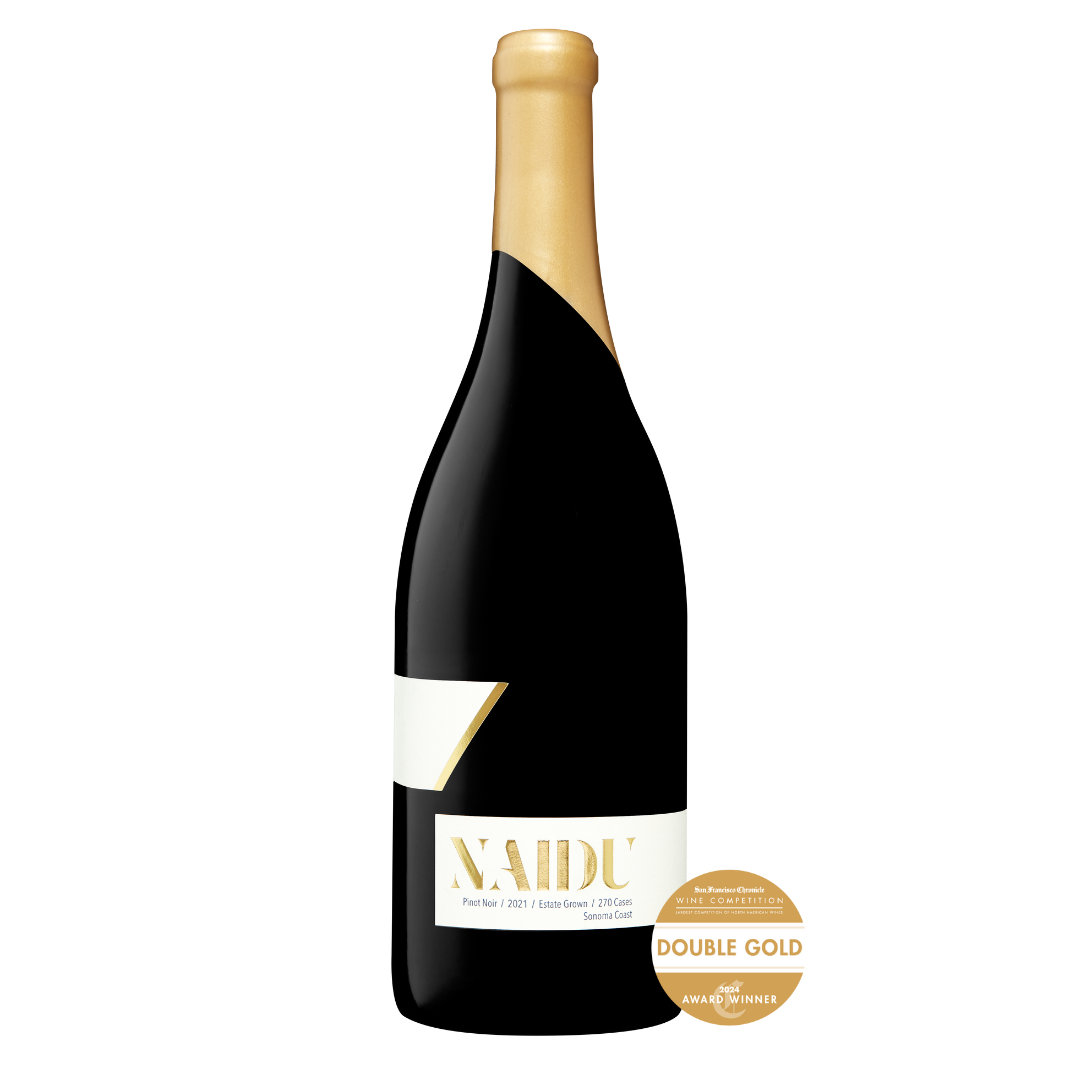
2021 Naidu Estate
Pinot Noir
Texas’ terroir and tradition comes to life through the state’s network of wine trails. From sweeping plains to forested hills, Texas’ many wine trails offer distinct windows into the state’s emerging oenophile culture. The Way Out Wineries Trail spans 500 miles through North Central Texas, where family vintners welcome visitors into a rugged paradise between Fort Worth and Austin. You might catch winemakers working their concrete tanks and barrel rooms even as they conduct tastings, sharing barrel samples and their vision for future vintages.
The Wine Road 290 near Fredericksburg showcases over 50 producers along a concentrated stretch perfect for a long weekend of exploration, including some of Texas most decorated wineries. Just minutes from Austin, the intimate Driftwood Wine Trail provides an afternoon’s escape among boutique wineries. And in East Texas, the Piney Woods Wine Trail zigzags through lush forest from Grapeland to Pittsburg, where 16 wineries craft exceptional wines from soil that once supported cotton and timber.
Unlike more established wine regions, Texas’ wine trails still offer genuine connections with the people behind the wines. The Hill Country welcomes wine lovers from Austin and San Antonio in under an hour. Dallas-Fort Worth residents can find themselves among the family vineyards of the Red River Valley after a short drive, and Houston wine enthusiasts have the Bluebonnet Wine Trail practically in their backyard. Along these trails, each tasting room becomes its own destination: here, winemakers pour their latest vintages while sharing stories of harvest challenges and cellar triumphs, making every stop a worthwhile glimpse into Texas winemaking.
Unlike more established wine regions, Texas’ wine trails still offer genuine connections with the people behind the wines.

For a world-class wine region, Texas wine country offers rare accessibility for oenophiles and casual wine fans alike. In intimate tasting experiences—where visitors often meet the winemakers themselves—each pour reveals another facet of Texas’ wine frontier, where tradition and innovation converge to create something entirely new.
Every season uncorks new experiences to tasting rooms across the state. Spring pairs tastings with spectacular bluebonnet blooms, summer evenings bring vineyard concerts under vast starlit skies, and fall fills the air with celebrations of harvest and the festival season. Even winter sparkles with holiday wine trails and cozy venues where vintners share their latest expressions. These aren’t just wineries—they’re living laboratories where visitors witness Texas wine’s evolution firsthand, and vintners continue to push boundaries and redefine what American wine can be.

Your Adventure Awaits
Ready to explore America’s most exciting wine frontier? Visit UncorkTexasWines.com to map your journey. Whether you‘re planning a weekend in the Hill Country or a bold expedition through all eight AVAs, Texas winemakers are waiting to share their story—and their wines—with you. From historic cellars to cutting-edge tasting rooms, discover where America’s oldest wine region is writing its newest chapter. Your next great wine adventure begins in Texas.
SPONSORED BY
LEARN MORE




2022 Chardonnay, Russion River Valley


Brut Sparkling Rose, North Coast
2021 Naidu Estate
Pinot Noir
2022 Pinot Noir,
Russian River Valley
From Mission Vines to Modern Wines:
The Deep Roots of Viticulture
What makes Texas wines distinctive isn’t just where they’re grown, but how winemakers have learned to embrace their unique conditions. Eight American Viticultural Areas (AVAs) tell the story of the state’s vineyards, each recognized for its singular combination of climate, soil, topography, and elevation. Bell Mountain, Texas’ first designated AVA, pioneered this recognition in 1986, suggesting the region’s potential long before today’s wine boom.
In the Davis Mountains, vineyards reach skyward to 8,300 feet, where cool, wet conditions create Texas’ most surprising wines. The Mesilla Valley, at Texas’ western tip near El Paso, basks in long growing seasons that produce wines of uncommon depth, while Escondido Valley’s 50 square miles of mineral-rich soils and arid climate forge wines of striking intensity.
In Texoma, deep sandy loam and red clay soils birth bold reds and crisp whites. Each growing season brings its own challenges—late spring frosts, intense summer heat, unexpected rains—yet Texas vintners have learned to turn these conditions into advantages through environmentally conscious cultivation methods. By adapting techniques to each region’s particular challenges, they‘ve created a model for warm-climate viticulture that future generations can follow, producing wines that could only come from this singular landscape.
Trails Through Texas Wine Country:
Following the Vine
Experience Texas Wine Country


