

Shining a light on seasonal affective disorder


Thank you to our health care heroes!
Get social with us:
Explore past months Health Content presented by Tufts Medical Center

Tufts MC Orthopedic
December 2021
Tufts MC Cardiology
January 2022
Tufts MC Dermatology
August 2021
Tufts MC Pregnancy
July 2021
Tufts MC Primary Care
June 2021
Tufts MC Weight Loss
May 2021
Tufts MC Emergency Care
April 2021


Get social with us:
Thank you to our health care heroes!
Explore past months Health Content presented by Tufts Medical Center
Tufts MC Cardiology
January 2022
Tufts MC Orthopedic
December 2021
Tufts MC Dermatology
August 2021
Tufts MC Pregnancy
July 2021
Tufts MC Primary Care
June 2021
Tufts MC Weight Loss
May 2021
Tufts MC Emergency Care
April 2021
This time of year, as the temperature drops and the days get shorter, many of us start to feel a little down. Some people call it the winter doldrums; others refer to it as the wintertime blues. Whatever you name it, this season’s colder weather, grayer skies, and longer nights can have an impact on our mental health. And for some people, the sense of depression and despair brought on by this time of year is more than just a mood swing.
Seasonal affective disorder (SAD) is a type of clinical depression in which there is a serious mood change during the winter months, when we are deprived of natural sunlight. It often comes on in late fall, around November, and peaks around January or February. In its milder forms, SAD can cause feelings of listlessness, low energy, excessive sleep, and problems concentrating. At its most severe, the disorder can spur hopelessness, guilt, and thoughts of self-harm or even suicide.
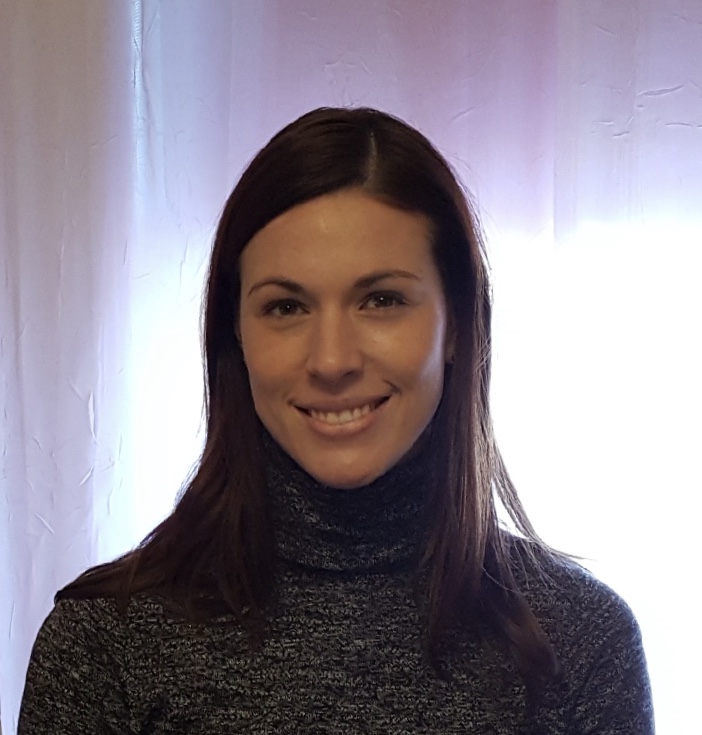
“Around this time of year, we have less sunlight, and the days are shorter,” says Emily Welsh, PMHNP-BC, a behavioral health nurse practitioner at MelroseWakefield Hospital. “And there are more cases coming out of the pandemic, when people have been more isolated. They can experience mood changes, lower energy levels, a loss of interest in activities, changes in appetite and sleep habits. And women tend to have more episodes—we don’t really know why.”
Tufts MC Medical Myths
March 2022
Tufts MC Medical Myths
March 2022
Back to hub

Back to hub

Less Surgery for Improved Breast Cancer Treatment Outcomes: A Conversation about Oncoplastics
Learn how to make this quick and easy weekday meal...
Lowell General Hospital

Learn more
The Latest in Weight Loss Surgery
With tips for getting regular physical activity, engaging in strength-training...

Tufts University
Learn more

Dental Surgery-What you should know
If you say the words Wonder Woman these days, you’d likely be transported...
Care at Home
Learn more

Dale’s Story: Spine Surgery While Awake
If you say the words Wonder Woman these days, you’d likely be transported...
Care at Home
Learn more

How to Choose a Great Surgeon
The average age of menopause in the US is 51, with ranges of several years on either side.
Tufts Medical Center
Learn more
More on Surgery
Dale’s Story: Spine Surgery While Awake
Learn more
Dental Surgery - What you should know
Learn more
The Latest in Weight Loss Surgery
Learn more
How to Choose a Great Surgeon
Learn more
Less Surgery for Improved Breast Cancer Treatment Outcomes: A Conversation about Oncoplastics
Learn more
Back to hub
Back to hub
What healthcare professionals do know are some of the root causes of SAD. The reduced exposure to the sun’s light disrupts your circadian rhythm, your biological clock, and can also lead to reduced levels of serotonin and melatonin, which can result in mood swings, depression, and lack of sleep.
They are also aware of the risk factors, including a family history of SAD, a personal history of depression, and low levels of vitamin D, which is produced naturally when your skin is exposed to sunshine. You also might be at increased risk if you live further away from the equator (meaning your days are shorter during the winter), are socially isolated, or are unable to get outside.
Symptoms range from losing interest in activities to lethargy, food cravings (particularly carbs), problems focusing, and feelings of worthlessness and suicidal thoughts.
But no matter how severe the symptoms, SAD can be treated.
“If you are just experiencing the winter blues, try finding activities that you enjoy doing,” says Welsh. “These can be indoor, such as cooking, but try to be more intentional about getting outside when possible. Meet up with friends. And try to exercise—people don’t want to get out in the cold, but getting your heart rate up is a protective factor for most types of depression and anxiety.”
Welsh also recommends changing your perspective when stuck inside during the harsher winter days. She points to other cultures in northern climates that deal with these seasonal conditions throughout the year by embracing the warmth and coziness of being indoors with loved ones or alone.
“That mentality can be helpful when applied during the tougher months,” says Welsh. “Even if you aren’t experiencing seasonal affective disorder, changing your mindset can help you enjoy the winter months.”
But if you find yourself experiencing the more severe side of SAD, if your symptoms start to impact your daily work, social, or familial relationships, or if you feel like harming yourself or others, it’s important to talk to someone. That includes seeking professional help, such as talk therapy and, if appropriate, medication.
If you think you are experiencing seasonal affective disorder and would like to seek help, or if you’d like to learn more about SAD, visit MelroseWakefield Hospital behavioral health here for more information.
“They can experience mood changes, lower energy levels, a loss of interest in activities, changes in appetite and sleep habits."
Emily Welsh, PMHNP-BC, a behavioral health nurse practitioner at MelroseWakefield Hospital