In the early morning hours as Hurricane Beryl made landfall, Terry England, RN, had a moment of realization. "It was going to be far more damaging than anticipated."
Like many Houstonians who underestimated the Category 1 hurricane that hit in July 2024, England soon found herself walking around her neighborhood searching for a cell signal, concerned about clinic operations and patient care. As a Registered Nurse and Clinical Performance Improvement Specialist for UT Physicians, her thoughts immediately turned to the patients who would need care in the hurricane's aftermath.

Always Ready:
UT Physicians Nurses Lead During Emergencies
Health care has grown into an industry where we're taking advantage of and using technologies at every turn, with so much dependency on technology, losing access to it can leave us at a considerable disadvantage.
"
By Monica Vanover on April 25, 2025
Sponsored by UT Physicians
- Kimberly Alleman, MBA-HM, BSN, RN, Chief Nursing Officer for UT Physicians
While hospitals often dominate emergency response narratives, outpatient clinics play an equally critical role. England emphasizes why it's so important for clinics to reopen quickly after disasters: “Opening our clinics quickly helps relieve the burden on emergency rooms. It is essential to allow emergency rooms to be open for critical patients. It ensures that those who need immediate and specialized attention can receive it without unnecessary delays. The patient also benefits by receiving care from providers who already know their history.”
Common post-hurricane injuries and medical needs like cuts from clearing debris, medication refills, and non-emergency health concerns can all be handled more effectively in clinic settings, preserving hospital capacity for true emergencies.
“After a hurricane, injuries might occur while clearing debris or while trying to manage without power or other resources. Most of these injuries are minor and do not require a visit to the emergency room,” England notes. “The medical attention needed can be provided by one of our physicians without having to experience the long wait times common in most emergency rooms.”

What makes nurses particularly well-suited for an emergency response is their inherent adaptability and patient focus. "The nursing profession is a resilient one," Alleman says. "We are probably some of the most resourceful groups out there. And because we're at the patient level and spend most of our time with our patients, the patient is always our focus."
England, who started her nursing career in emergency medicine before transitioning to outpatient care, brings that emergency mindset to her current role. “I feel my experience has really enhanced my ability to handle emergency situations effectively,” she says. “I've always been proactive and prefer to err on the side of caution, so I make sure to implement my emergency management plan at the earliest opportunity.”
This proactive approach includes securing medications, establishing communication plans with staff, and ensuring patients have what they need before disaster strikes.
Kimberly Alleman, MBA-HM, BSN, RN
Chief Nursing Officer for UT Physicians
Explore Hub
"It quickly became apparent that there were no safe places to go. We needed to establish operations quickly.”
Luckily, UT Physicians had protocols in place to ensure information continued flowing between clinicians, and England’s clinic reopened the next day. But with natural disasters on the rise and the threat of disruptive events like cyberattacks always present, England knew her team needed to create failsafe contingency plans to ensure quality patient care no matter what life throws our way.
For community members wondering how to prepare medically for hurricane season, UT Physicians nurses offer these essential tips:

Clinical Coordinator for UT Physicians
Terry England, RN
Led by Terry England and approved through close collaboration with Alleman and her team, these contingency plans cover everything from how to document patient care on paper to maintaining critical communications during outages. Following Hurricane Beryl, UT Physicians established a central conference line that leaders can call using cell phones if network phones fail.
“With this dedicated number, all leaders can receive updates on our current status, ongoing activities, and the next steps for our institution. It is crucial to communicate how and when to use this line before any event, ensuring that everyone is informed and can access timely updates when needed," Alleman explains.
The planning extends to partnerships with vendors and service providers. "We work directly with our lab partners to create emergency plans in the event of a cyberattack. The goal is to have a clear understanding of the steps we must follow if connectivity with our partnered lab systems is lost for an extended period of time,” Alleman says. "We've established processes with each of those vendors so that we can have our plans in place."
Some solutions are surprisingly low-tech. "We’ve performed an inventory of locations with an analog phone jack in case our teams have to resort to using an old-fashioned fax machine," Alleman says. "We're actually turning to old technologies to help support some of our contingency plans."
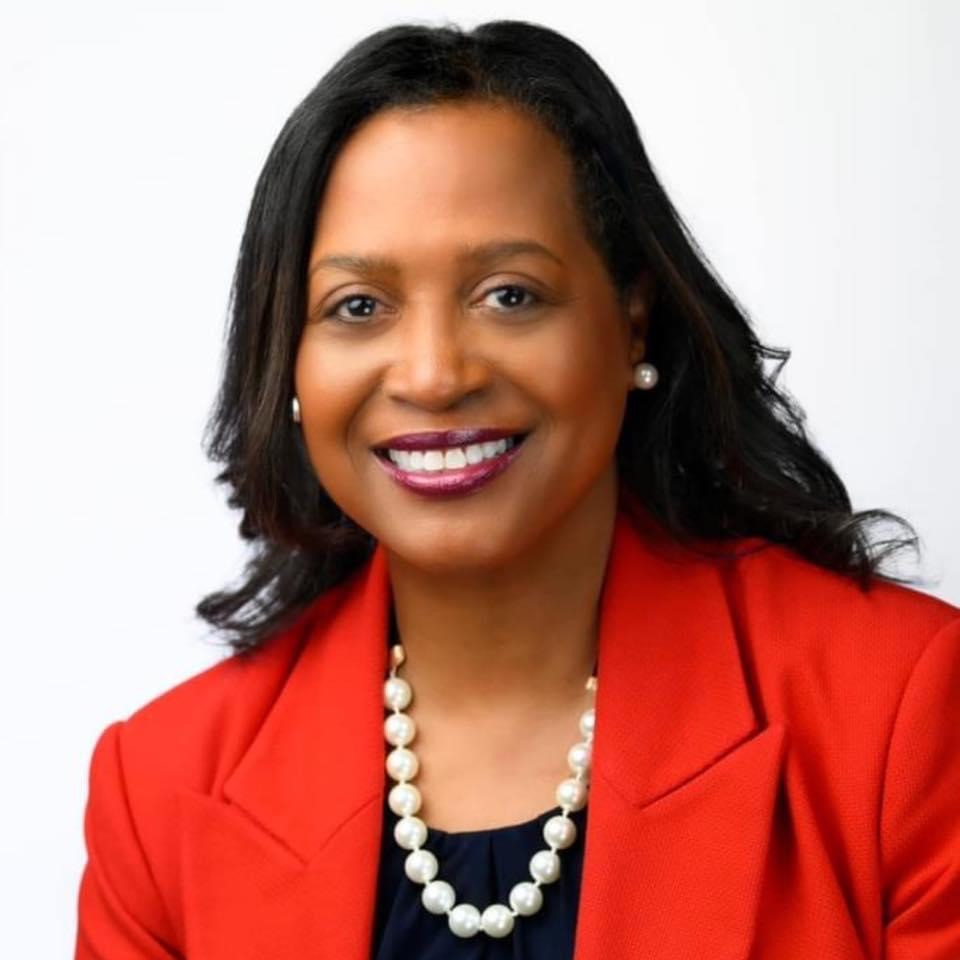
System Chief Nurse Executive at Texas Children’s
Jackie Ward
Pediatric Nurse in Acute Care at Texas Children’s
Blair McGee
For UT Physicians nurses, emergency preparedness isn't just a protocol—it's a mindset cultivated through years of experience and careful planning. With 180 clinics across the greater Houston area, UT Physicians plays a crucial role in keeping communities healthy during and after disasters.
Kimberly Alleman, MBA-HM, BSN, RN, Chief Nursing Officer for UT Physicians, explains that modern health care's increasing reliance on technology creates unique vulnerabilities during emergencies.
"Health care has grown into an industry where we're taking advantage of and using technologies at every turn," she says. "With so much dependency on technology, losing access to it can leave us at a considerable disadvantage.”
This technological dependency became starkly apparent during Hurricane Beryl, which Alleman describes as "the catalyst to really push us to focus on this going forward." The hurricane knocked out communication systems and power across Houston, leaving many clinics temporarily unable to access patient records or use phone systems.
"When you lose power and connectivity, you lose any way to look up a patient's history and the ability to document and chart,” Alleman explains. "You are truly handicapped at that moment."
This reality has prompted UT Physicians to develop comprehensive contingency plans that sometimes look to the past for solutions. "Some of them go back to what we used to do before we had computers," Alleman notes. "It requires many experienced nurses, who recall how things used to be, to come forward and share their past experiences.
Preparing for the Unexpected
Salute to UT Nurses: Always Ready to Respond
The Critical Role of Outpatient Care During Disasters
Opening our clinics quickly helps relieve the burden on emergency rooms. It is essential to allow emergency rooms to be open for critical patients. It ensures that those who need immediate and specialized attention can receive it without unnecessary delays.
"
- Terry England, RN, Clinical Coordinator for UT Physicians
Tips for Hurricane Preparedness
1. Medication management
"One of the most important things is making sure they have their medications," England emphasizes. Have at least a week's supply of essential medications before hurricane season.
2. Equipment needs
For those with medical devices that require electricity, such as oxygen concentrators, have backup options and know where to go if power fails.
3. Communication plans
"I encourage our patients to use our portal and get logged in," England says, noting that digital portals may remain accessible even when phone lines are down.
4. Special considerations for vulnerable patients
Post-surgical patients, those with chronic conditions, and others with special medical needs should have specific plans in place before disasters strike.
5. Documentation
Keep important medical information, including conditions, medications, and provider contact information, in a waterproof container.
The nurses of UT Physicians embody a spirit of resilience and dedication that serves as a model for health care professionals everywhere. As Alleman puts it, "Even if we didn't have a contingency plan, they would make sure our patients were taken care of no matter what, and they would do anything and everything they had to."
In a world of increasing technological dependency and climate uncertainty, this commitment to patient care—whatever the circumstances—provides reassurance to the communities these nurses serve.
UT Physicians is honored to have nurses like Terry England and Kimberly Alleman. During the Salute to Nurses campaign, remember to thank the nurses in your life who have made a difference. With UT Physicians nurses, specifically, we’re all better off in an emergency.
Explore Hub
Explore Hub