By Ryann Swift on August 15, 2025
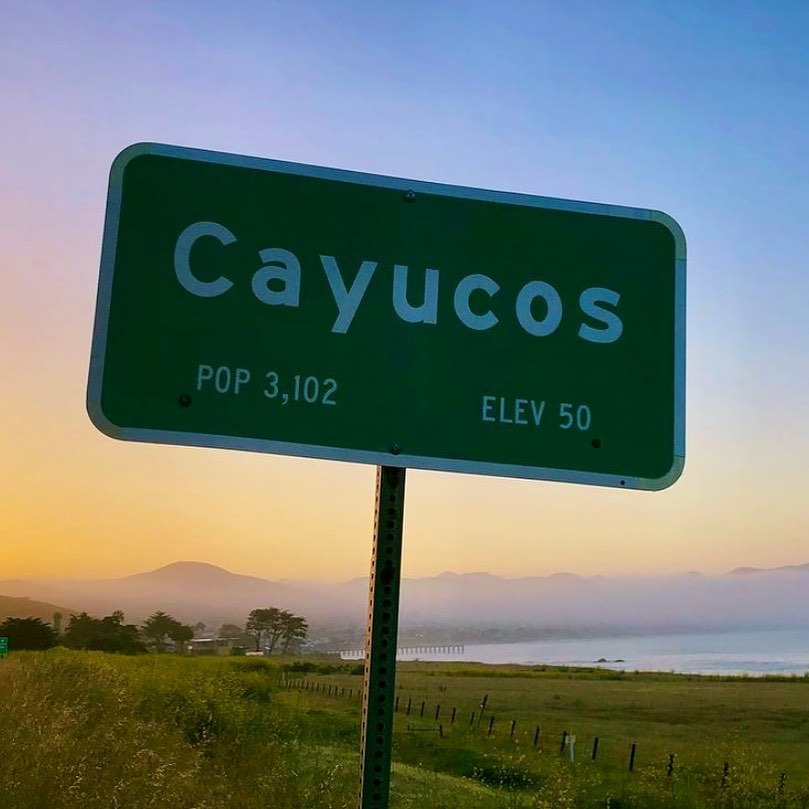
What makes a great coastal town? First, there must be convenient beach access from pretty much everywhere. Second, you need access to nature exploration. Third, excellent restaurants, cafes, and accommodations with unobstructed ocean views. Fourth comes the vibe, followed closely by a storied history. Add everything up and voila, you'll find Cayucos at the top of your list. On the weekend of September 19-21, 2025, this iconic beach town invites the community and visitors to its 150th birthday bash.
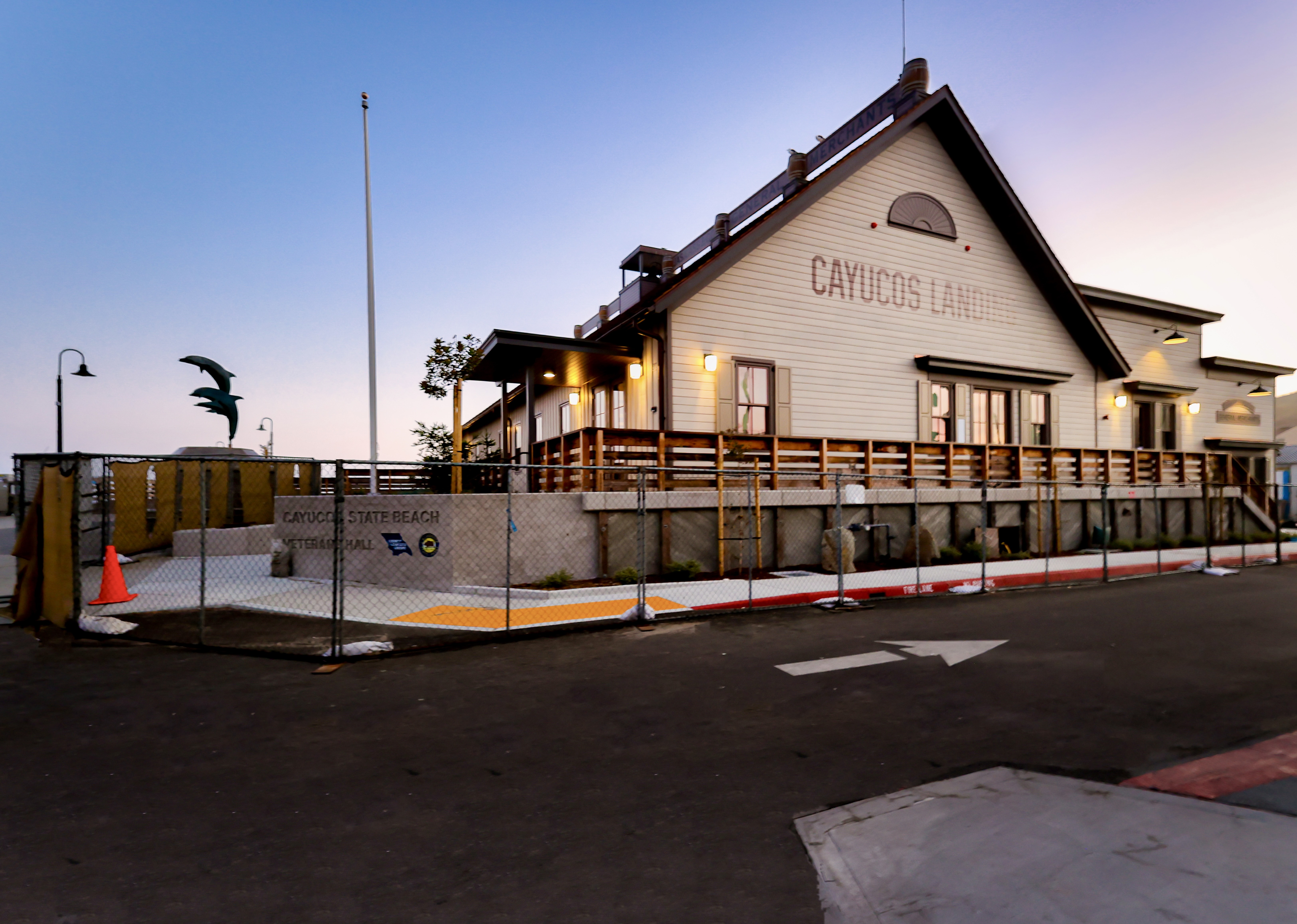
The 150th Birthday Weekend begins on Friday with a Kickoff Celebration at historic Borradori Garage, featuring live music and food vendors. A Street Faire, an all-day community festival featuring music, a beer garden, a kids’ zone, and other immersive activities, is scheduled for Saturday, September 20. On Sunday, a Champagne Toast is tentatively planned to ring in the newly restored Cayucos Landing (formerly known as the Cayucos Veterans’ Hall), located in the historic Cass Warehouse, which has long stood as a centerpiece of Cayucos' history.
Cayucos'150th Birthday: Where the Old West Meets the Pacific
Sponsored by Visitor Alliance of Cayucos
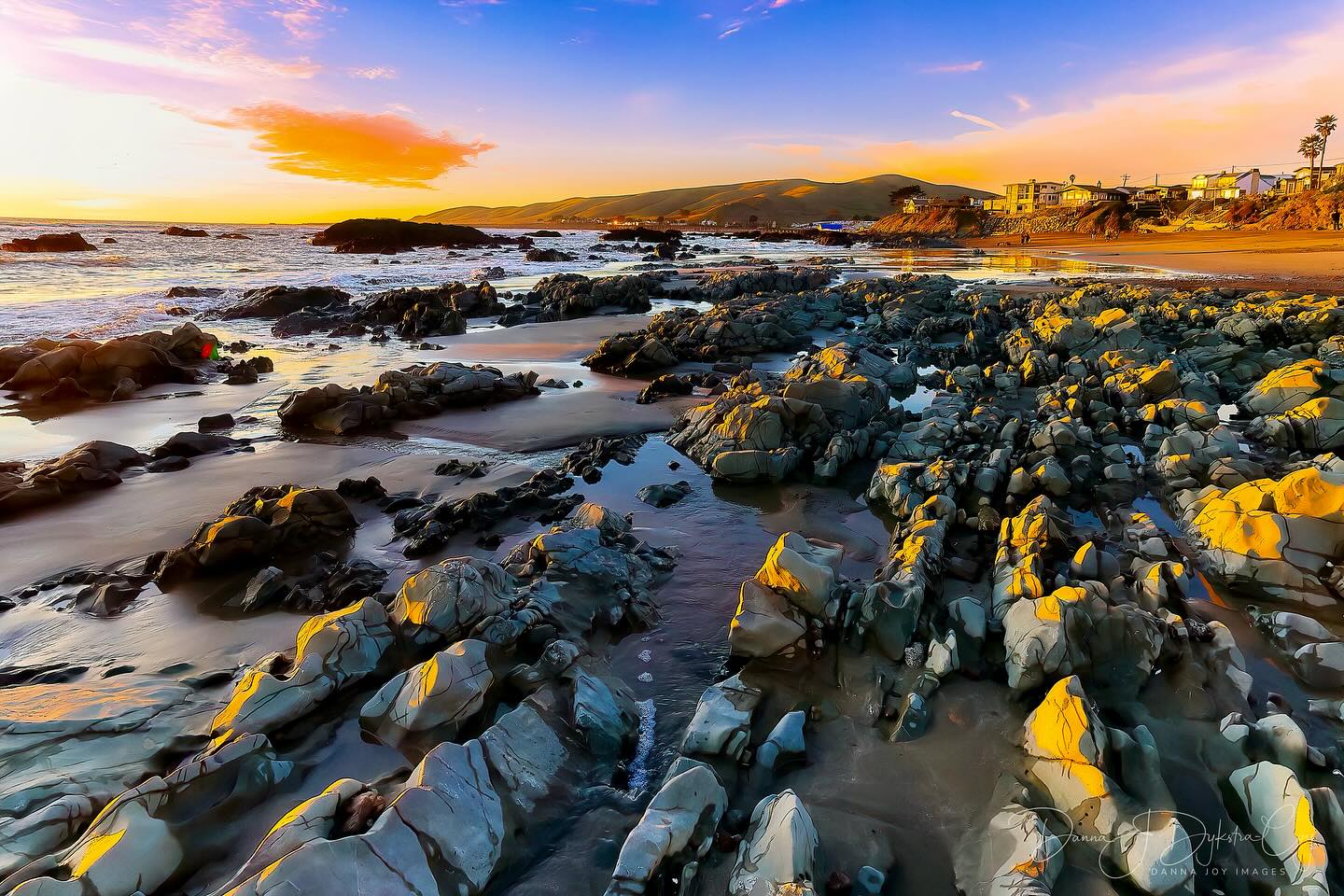
Visit the Highway 1 Road Trip website and download the free Highway 1 Beaches Map to catch your next sunset.
For over 8,000 years, the Chumash Indigenous people have called this place home, cherishing it as a sacred site. Today, the coastal waters of Cayucos are part of the newly designated Chumash Heritage National Marine Sanctuary—an area rich in history, culture, and natural beauty.
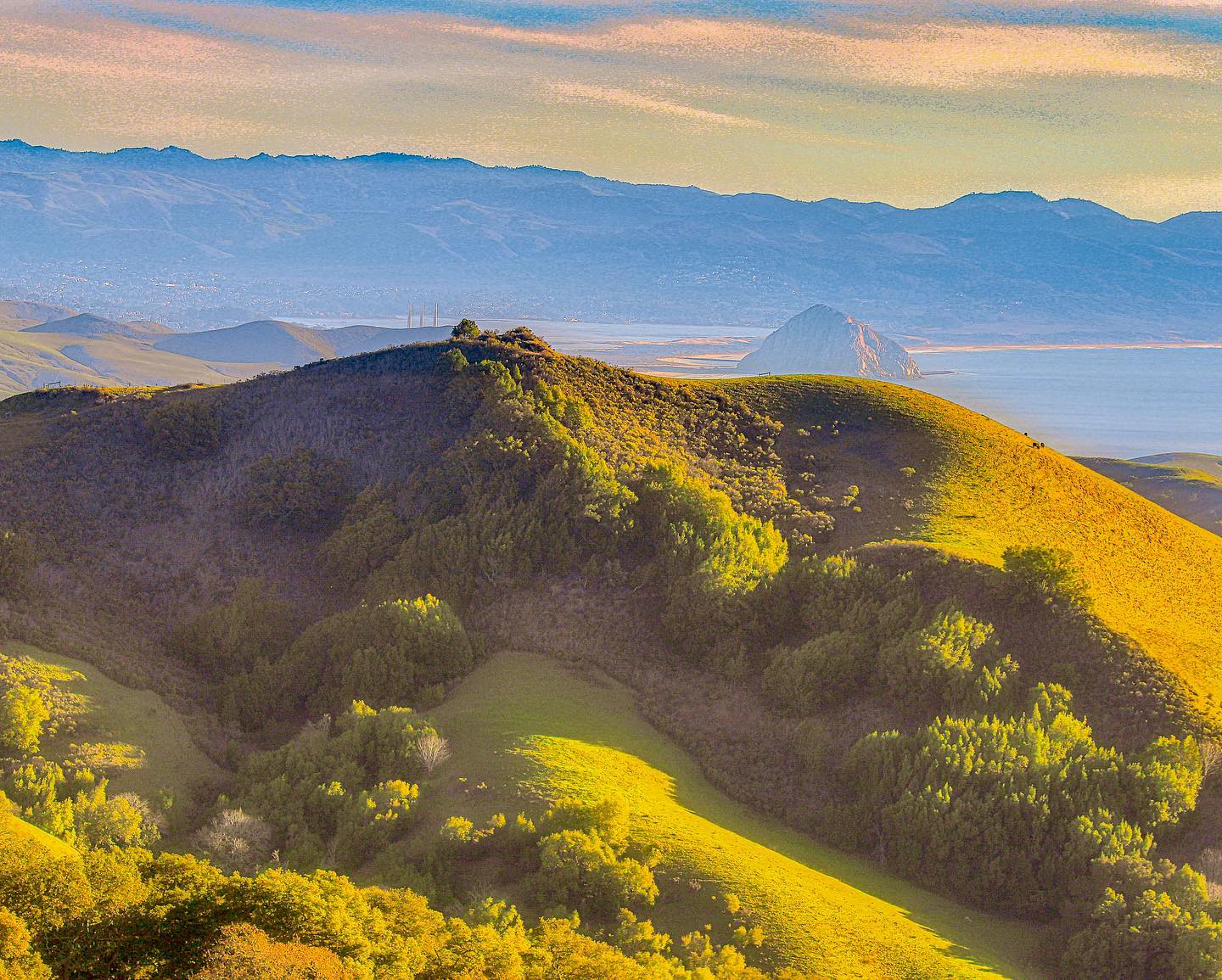
In the mid-1800s, European settlers were drawn to the area by the surrounding environment's potential for dairy farming. Swiss and Italian immigrants considered the rich, grass-covered hillsides surrounding Cayucos to be a similar habitat to Italy’s Maggia Valley and the Ticino Canton in Switzerland, two regions ideal for raising cattle.
“Few visitors realize Cayucos farmers once produced more butter than any region in North America,” says Cayucos Historical Society Founder Lou Smith. “Our mild climate also proved very appealing to Italian and Swiss immigrants. Portuguese immigrants arrived soon after to work on the farms, the ranches, and in the shipping industry. They eventually established their farms."
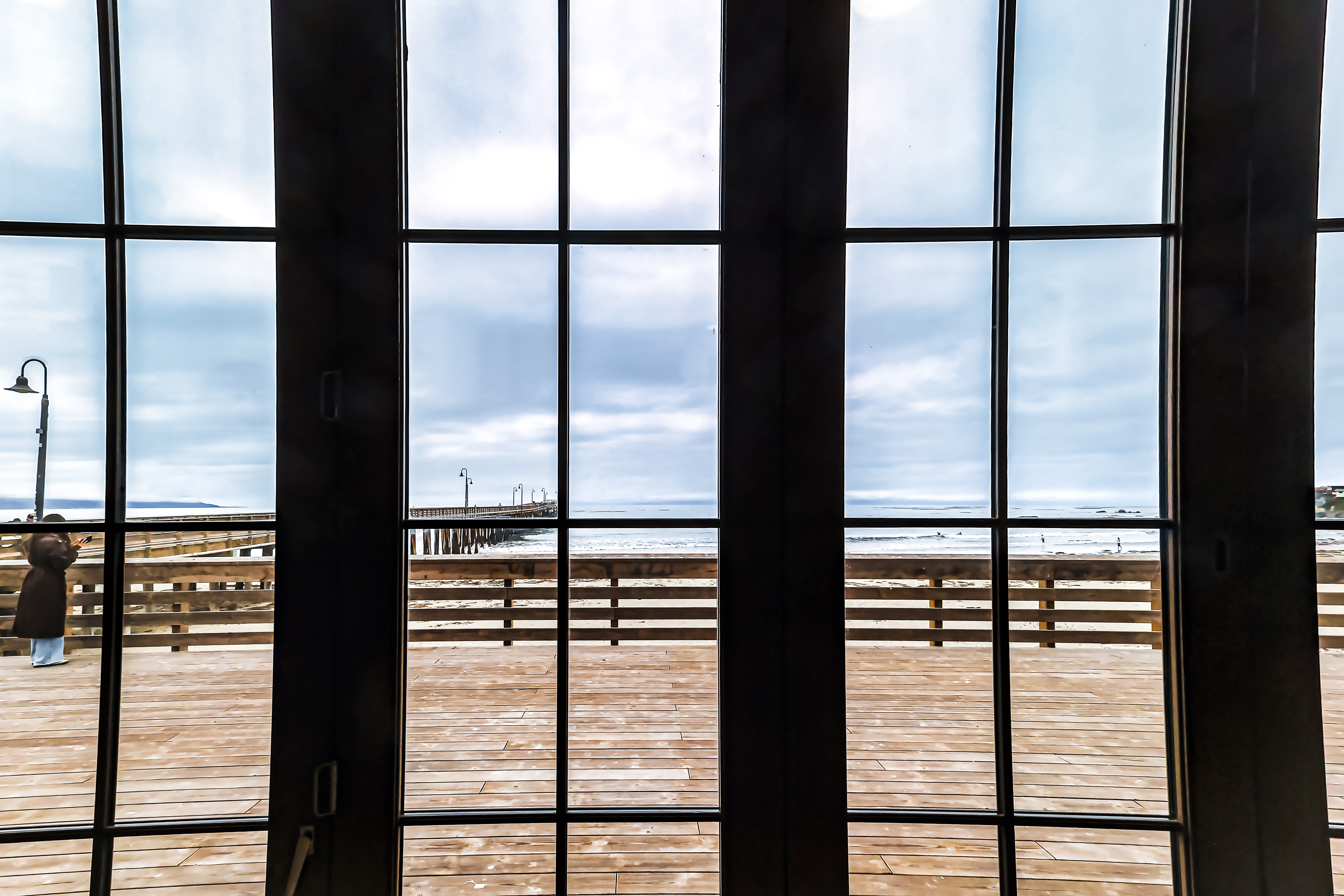
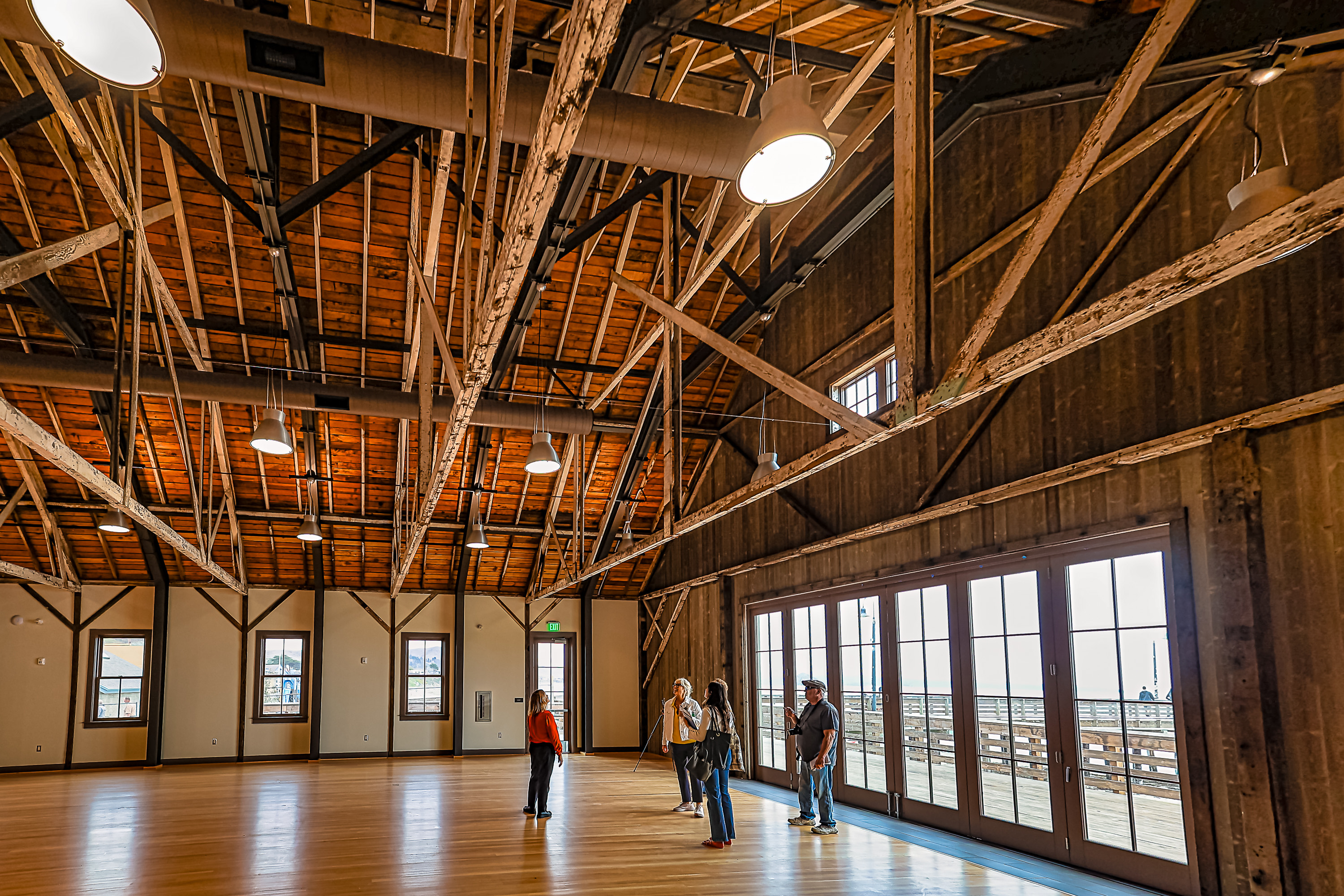
While San Luis Obispo County Parks and Recreation is not yet accepting reservations for events and weddings at The Cayucos Landing, they suggest visiting www.slocountyparks.com/cayucos/ for the link to join The Landing Interest List. You’ll be among the first to receive booking and permit information and receive an email announcement as soon as reservations open. Cayucos Landing will accommodate up to 200 people for weddings or special events, offers a commercial kitchen, meeting spaces, and outdoor BBQ at the foot of Cayucos Pier, all with an expansive ocean view and outdoor decking. The Cayucos Historical Society and Cayucos Art Association art gallery will be housed in the building and open to the public on weekends.
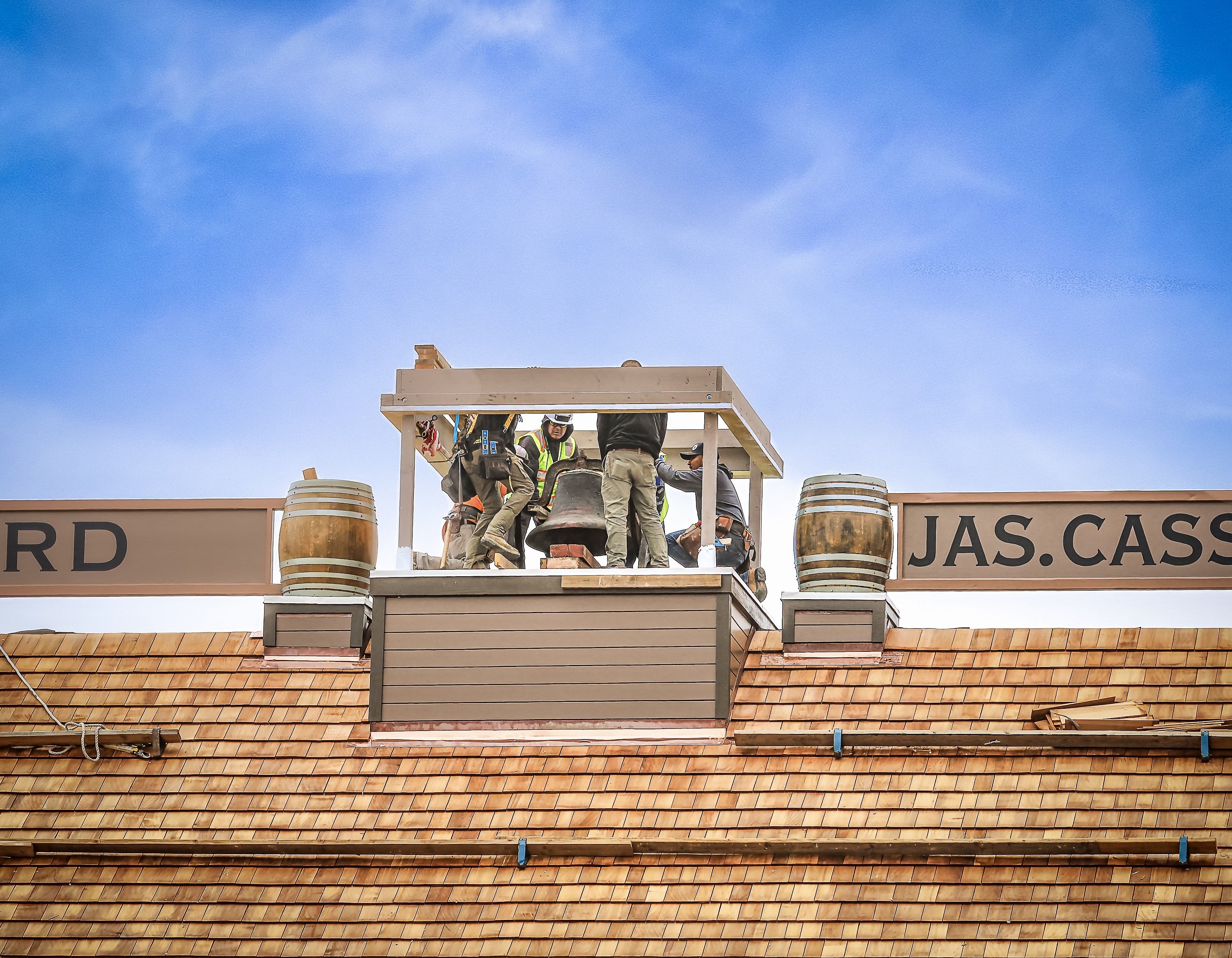
“I’m very excited that the town has renovated the Cass Warehouse because it played such an important role in the community,” says Tina Ward, the great, great granddaughter of Capt. James Cass. “I was also thrilled to learn they’ve also reinstalled the bell in the bell tower. That bell once used to signal each ship’s arrival into the harbor.”
Ward, who plans to attend the 150th Birthday Celebration, recalls many stories from her family involving Cayucos and her famous great-great-grandfather.
"I have never forgotten the story about how 'Grandpa Cass' lived to ninety-two years old before passing away while working in his garden at what is known today as the Cass House,” she says. “And how he had killed a snake with his rake that very morning!”
Ward's great-grandmother, Emily Josephine Cass, was also a Cayucos character —a strong-willed bohemian by nature — who traded shells she'd collected on the beach with people around the world.
Unlike many Pacific coastal towns that never quite recovered from their industrial past, Cayucos successfully pivoted to tourism after highway transit replaced more expensive ocean shipping. The advent of the personal automobile created a new phenomenon, the destination road trip. With over six miles of unobstructed beach at low tide and approximately 20 beach access points, Cayucos provided a desirable destination for Californians in the San Joaquin Valley seeking a cool beach holiday.
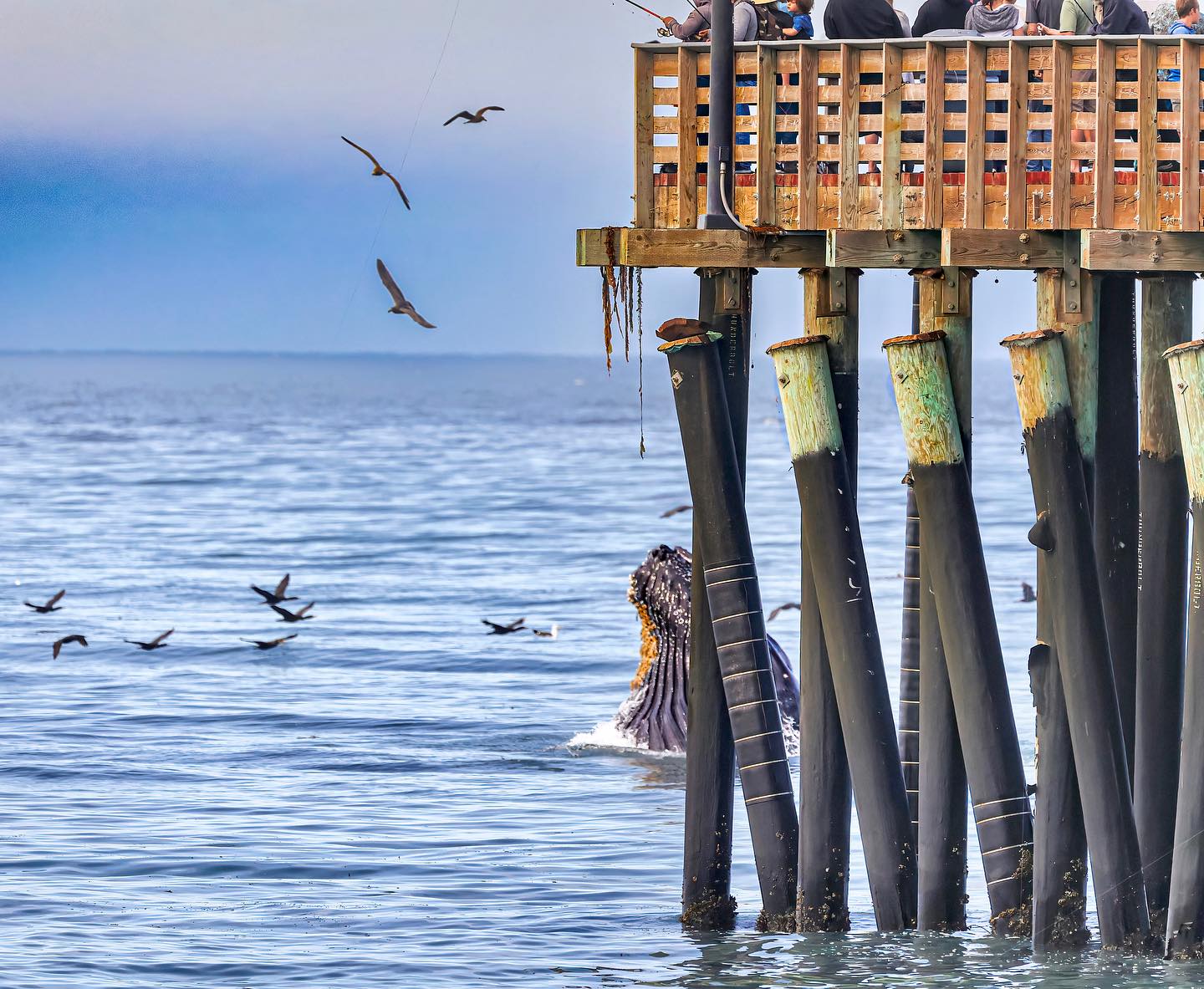
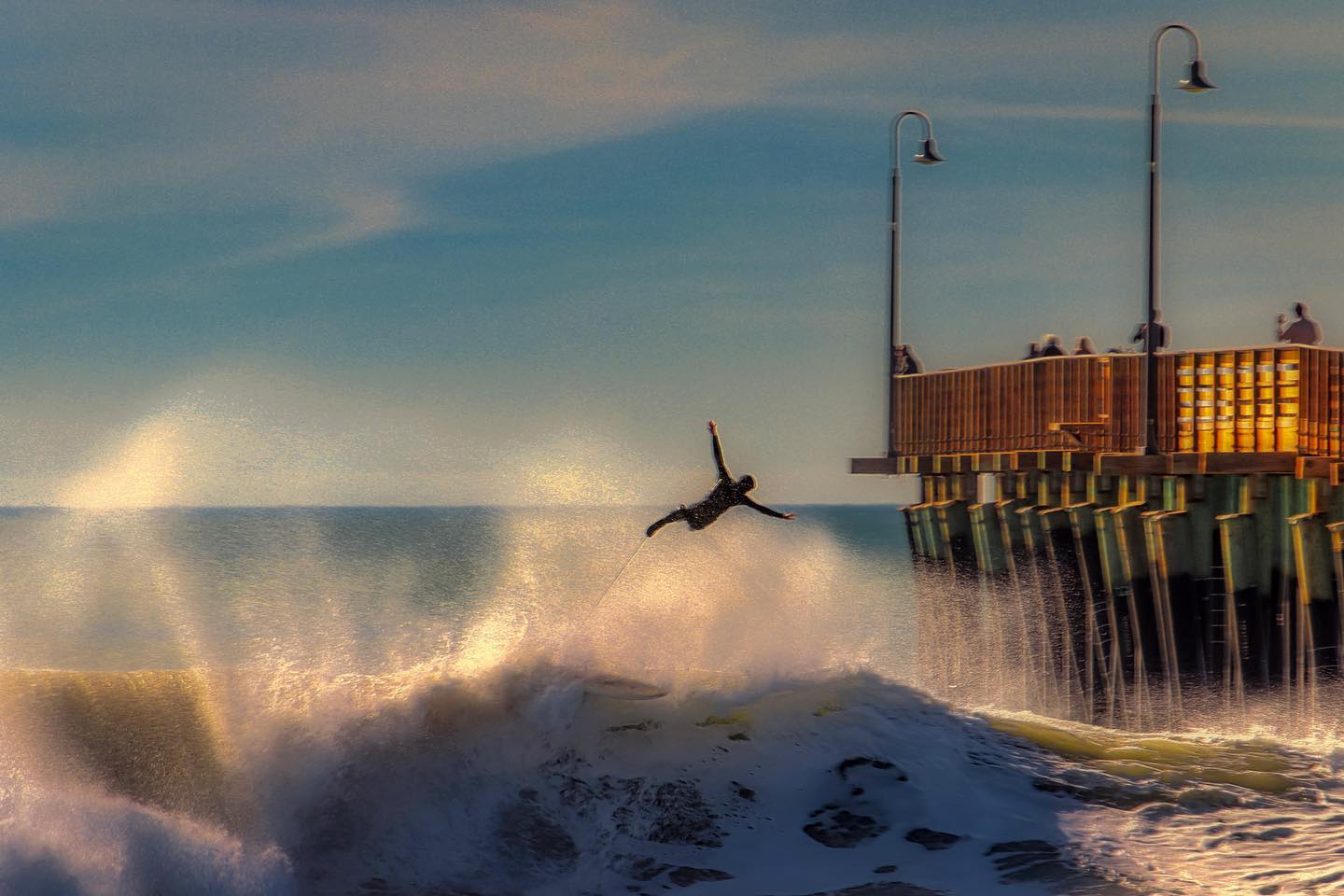
The Cayucos Pier also serves as an excellent vantage point to watch surfers and kayakers among the ocean's waves. Of course, should you choose to surf and paddle yourself, two surf shops located just off the beach offer rentals and lessons. Another outdoor adventure awaits on an Estero Bluffs State Park cliff walk. You can scamper down to several isolated beaches, including the site of the “ghost boat,” the Central Coast’s famous shipwreck. In 1999, the Cayucos Land Conservancy saved the Estero Bluffs from development. The CLC is currently working to preserve the 2,000-acre Chevron property between Cayucos and Morro Bay.
"Cayucos became a premier beach town destination with the rise of the automobile vacation in the 1920s," says historian Smith. "We remain a beautiful beach town where you can slow down and enjoy the passing of time."
Cayucos blends a California beach town vibe with a colorful history. The restoration of Cayucos Landing, along with its wide open spaces and independent amenities and lodging, promises a glorious holiday as the town celebrates 150 years of changing tides. Visit the Highway 1 Road Trip website to plot your Cayucos celebration.





Download Map


Download Map


Download Map
The Chumash Nation has inhabited the Central California Coast for millennia, living in harmony with the pristine Pacific Ocean ecosystem. The Northern Chumash Tribe drove efforts for over ten years to designate this unique environment as a marine sanctuary. On October 11, 2024, the federal government established the Chumash Heritage National Marine Sanctuary, 116 miles of coastline encompassing 4,543 square miles. This preserve is the first Indigenous-nominated and managed marine sanctuary in the U.S. “Being able to address climate change, use traditional ecological knowledge, and participate in co-management is Indigenous peoples’ contribution to saving the planet,” says Violet Sage, chairwoman of the Northern Chumash Tribal Council.
Chumash Heritage National Marine Sanctuary


Download Your Beaches, Hiking and Fishing Map


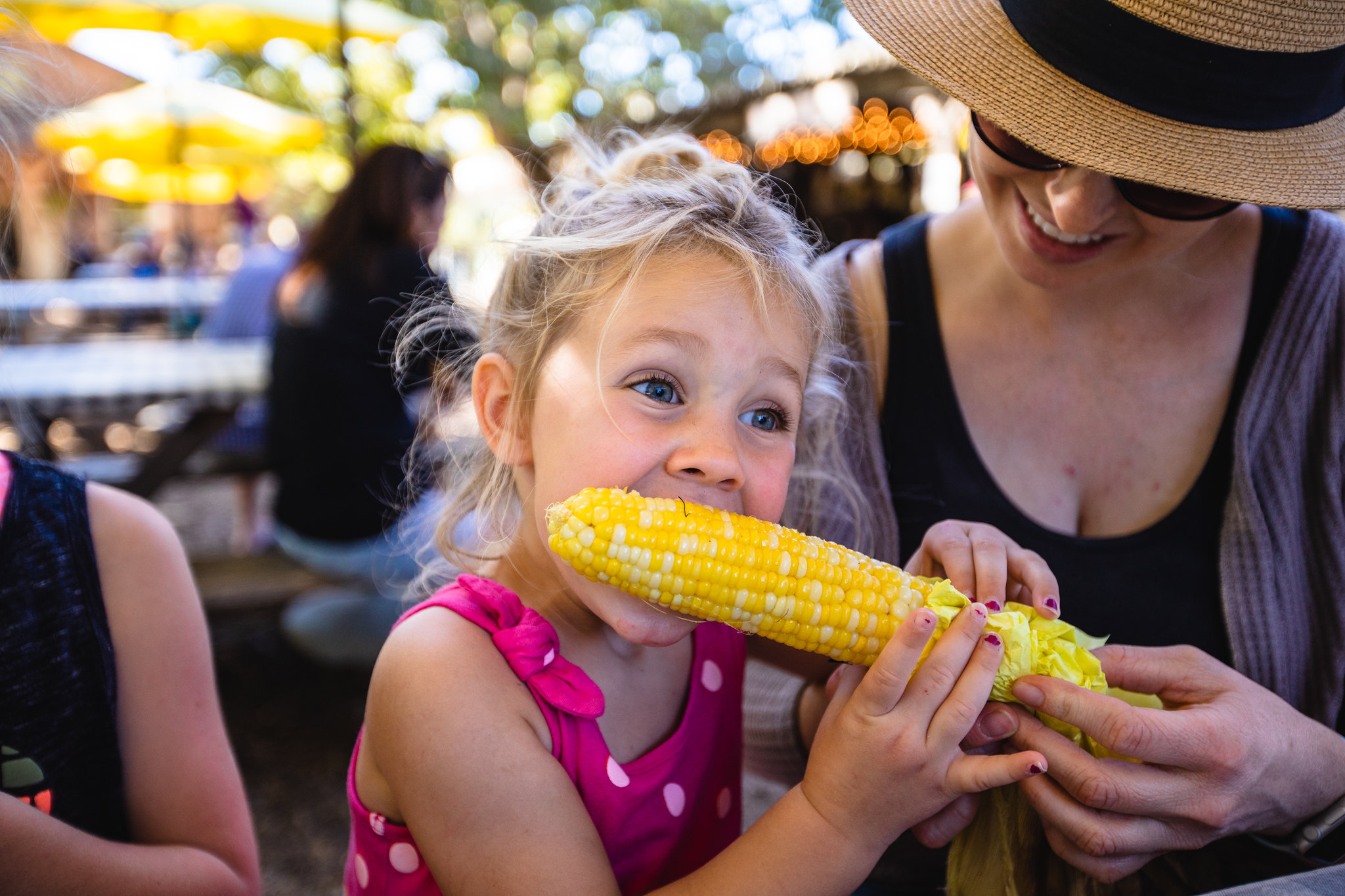


From history to kayaking and romantic picnics to riding a horse on the sand, the beaches along a Highway 1 Road Trip leave no bucket (list) unturned.
“Few visitors realize Cayucos farmers once produced more butter than any region in North America."
— Lou Smith, Cayucos Historical Society Founder
The classic agrarian immigrant story of Cayucos began in 1875, when Capt. James Cass built a private port. His warehouse, known as Cayucos Landing, stored local farm goods before they were loaded onto ships—sparking the town’s growth. This historic building still stands today, recently restored and renamed back to its original title, Cayucos Landing, after years as the Cayucos Vet’s Hall.
The day before the ships arrived to load dairy cargo became known as “Butter Day,” a lively gathering where farmers brought their goods in up to 125 wagons. Anticipating Cayucos’ growth and incorporation, Capt. Cass soon added a post office and mercantile store to his building, turning it into a bustling community hub.
After 143 years of service, the building, which served as a community gathering place for many years as the "Cayucos Vet's Hall", was deemed structurally unsafe and closed in 2016. Thanks to a collaborative effort by California State Parks, San Luis Obispo County Parks, and generous community donors through the Cayucos Lions Club, this historic landmark has undergone an $11.3 million renovation that began in 2022. Local historians collaborated with the project team to ensure that this cherished community hub closely replicated the seaside town founder’s Cass Warehouse at Cayucos Landing, as the building was originally known. The grand hall features the original rafters and framing, as well as much of the old wood siding, a bell tower, and duplicated signage.
“Just like in the past,” Smith says, “Cayucos offers mild temperatures and a great location for people to slow down and relax far from the hustle and bustle of larger cities. The shifting sands also uncover a wealth of treasures, including sea glass and interesting shells, for visitors. You never know what you will discover walking along our beach."
The Cayucos Pier, located where Cass constructed his private wharf in 1872 as part of his shipping monopoly, also reveals visual jewels from migrating gray whales to gorgeous sunsets. In 1876, Cass extended the wharf from the original 380 feet to 982 feet after he realized ships could not moor on the original pier due to shallow water. Today's pier, a favorite locale for fishing, picnics, and strolls, was most recently restored in 2015.
Several other landmarks contain colorful history throughout the beach town. Nelson's Garage is located in a former livery station. Lunada Garden Bistro and Luna Coffee reside in a former way station dating back to the town’s founding. During Prohibition, Lunada’s wine cellar served as a speakeasy for guests of Hearst Castle, including Gable and Chaplin, among others.
— Lou Smith, Cayucos Historical Society Founder
"The shifting sands also uncover a wealth of treasures, including sea glass and interesting shells, for visitors. You never know what you will discover walking along our beach."
Photography: Danna Joy Images
Photography: Danna Joy Images
Photography: Danna Joy Images
Photography: Danna Joy Images
Photography: Danna Joy Images
— Lou Smith, Cayucos Historical Society Founder
Photography: Danna Joy Images

