Next Project
sofi stadium
What if we could deliver a project without paper?
previous Project
HKS developed a patented method for stamping and sealing digital documents for architectural project permitting.
California droughts and fires make water on the of the state's most precious resources. The stadium employs Design for Ecosystems' best practices that promote resource conservation and environmental regeneration.
We did just that for the NFL’s largest stadium in Inglewood, California.
With this digital workflow, we realized significant unit count and cost reductions for the project.
PLEASE DO NOT CHANGE PAGE ORDER IN THIS FILE!
UCSD North torrey pines living & learning neighborhood
The North Torrey Pines Living and Learning Neighborhood at UC San Diego embodies sustainable, human-centered design.
Linking Design to Outcomes
By conducting research to understand the points of view of those who live in, work at and visit the neighborhood, the project team designed the campus to support holistic development social cohesion.
The design prioritizes energy efficiency and limits non-renewable resource use as it directly addresses climate and social challenges including drought, seismic activity and affordable student housing.
The three-story underground parking structure includes Parksmart Gold-targeted energy efficient solutions and features generous light swells and increased structural loads, accommodating a transformation to academic space as the university moves beyond its reliance on cars in the future.
Communal spaces such as the dining hall lounge promote social cohesion and offer students many choices. Well-being metrics showed an 8.2% reduction in depression amid unprecedented circumstances during the pandemic.
The project realized a 30% energy improvement over CEC 2016 Title 24 as well as a 70% energy reduction through the AIA 2030 Commitment with high-performance passive design strategies and systems informed by life cycle energy modeling.
ford motor company
Automotive industry leader builds resilience and inspires reinvention in a post-COVID world. The future of work is not a single solution, but a framework.
Guided by nine principles, HKS' experts partnered with Ford leadership as well as a unique coalition of external stakeholders to understand new risks, build resilience and inspire reinvention.
A translation from brain to building was a critical step to clearly connect the principles from the think tank into the specific design directions and inform Ford workplaces globally. While the think tank focused on "what" was most important to achieve, the evidence provides helpful insight into both the "why" and "how."
HKS created and facilitated an internal and external think tank to engage deep thinking and reflection from a diverse and global perspective, ultimately informing decisions regarding the future of Ford's global facility assets.
Good design has informed intent and guides the user to the envisioned best use or experience.
The insights that emerged from the think tank reflected a balanced view of the re-imagined world of work embodied by three bold ideas:
Systemic resilience The pursuit of wellness through empathy Leveraging the digital and physical world to delight and inspire in the new world of hybrid work
Jumping into the Unknown Through Scenario Planning
arctic tourism
Starting with extensive research into the global Arctic tourism market, the team analyzed leading hotels throughout the region.
We use quantitive and qualitative data to advise clients on the financial viability of their vision so that their projects can be beautiful and commercially successful.
Arctic tourism varies greatly from region to region depending on the site’s specific terrain, topography and accessibility. To determine the feasibility and appropriate amenity offerings for a luxury resort in the Lofoten Archipelago, we conducted comprehensive market research and analysis.
What could you do with this site? Will there be a market demand? What is the right mix of uses? How much should you invest? Will you get a return? Can you minimize your risk? How do you pitch this?
Our advisors performed an analysis of the project site to determine potential amenities based on a variety of factors including travel options and opportunities for a broad range of activities.
Yielding a long-term strategic vision for the resort, the development study complements current and forecasted luxury tourism trends in the Arctic region and provides supportive direction and clarity for the client group as they push ahead with the implementation of their vision for this flagship project.
CMNTY culture campus
To cultivate a community-oriented culture, the design features include pivot doors that connect the outside to the auditorium. This invites surrounding communities, including Hollywood High School students, to engage with lectures and events.
Punctuating the ground plane like sixteenth note triplets on a ledger of sheet music, vertical tree trunks cantilever from the plaza floor, superimposing a fluid matrix onto the public realm of Sunset Forest.
Lush decks extending along the inner facing facade of each tower and multiple recessed micro terraces throughout create an outdoor oasis.
Canyon Alley features rough-hewn natural stone, holding down the low end of the musical score that connects Highland Ave and McCadden Place. The feature spills out into a public arrival point between the recording studio and lecture hall.
The roofdeck provides space for a range of activities including exercise, special events and live music. It is a dynamic and engaging biophilic environment that promotes wellness and seamlessly integrates with surrounding workspace.
Energy reduction and envelope performance optimization strategies include solar heat gain reductions leveraging software applications for simulation and geometry evaluation, glazing and materials specifications and passive ventilation through operable windows.
A grand exterior staricase open to the community invites the public to ascend through a native planted atrium and reinterpreted Hollywood Walk of Fame.
A "think wall" with a habitable facade is inspired by the design concept of "ancient futures." The Highland Wall and Walk is designed to connect history of people, the site and our collective futures
The building is an urban theater with many "Instagrammable moments." Experience a concert from your creative office terrace and overlook a gorgeous Hollywood sunset.
MARTA HOLMES
Gather at the Plaza
Connect at the Terrace
Guiding Principles
A Hub for Holmes
A Day at the Hub
How do we create the plan?
A four-step process has been established to acknowledge the work done through previous efforts and to ground the project by prioritizing goals, developing actionable reccommendations and documenteing with clarity for an achievable outcome.
A welcoming place of wellbeing and belonging, designed to support the human experience through cross-generational spaces for play, connection, and active living.
The design restores both land and community by prioritizing equity, local business, and inclusive mobility by transforming the public realm into a regenerative living street.
“As a testament to the success of the process, I have introduced and approved ordinance to rezone the property to encourage Transit Oriented Development…”
— Andrea Boone, Atlanta City Councilmember, District 10
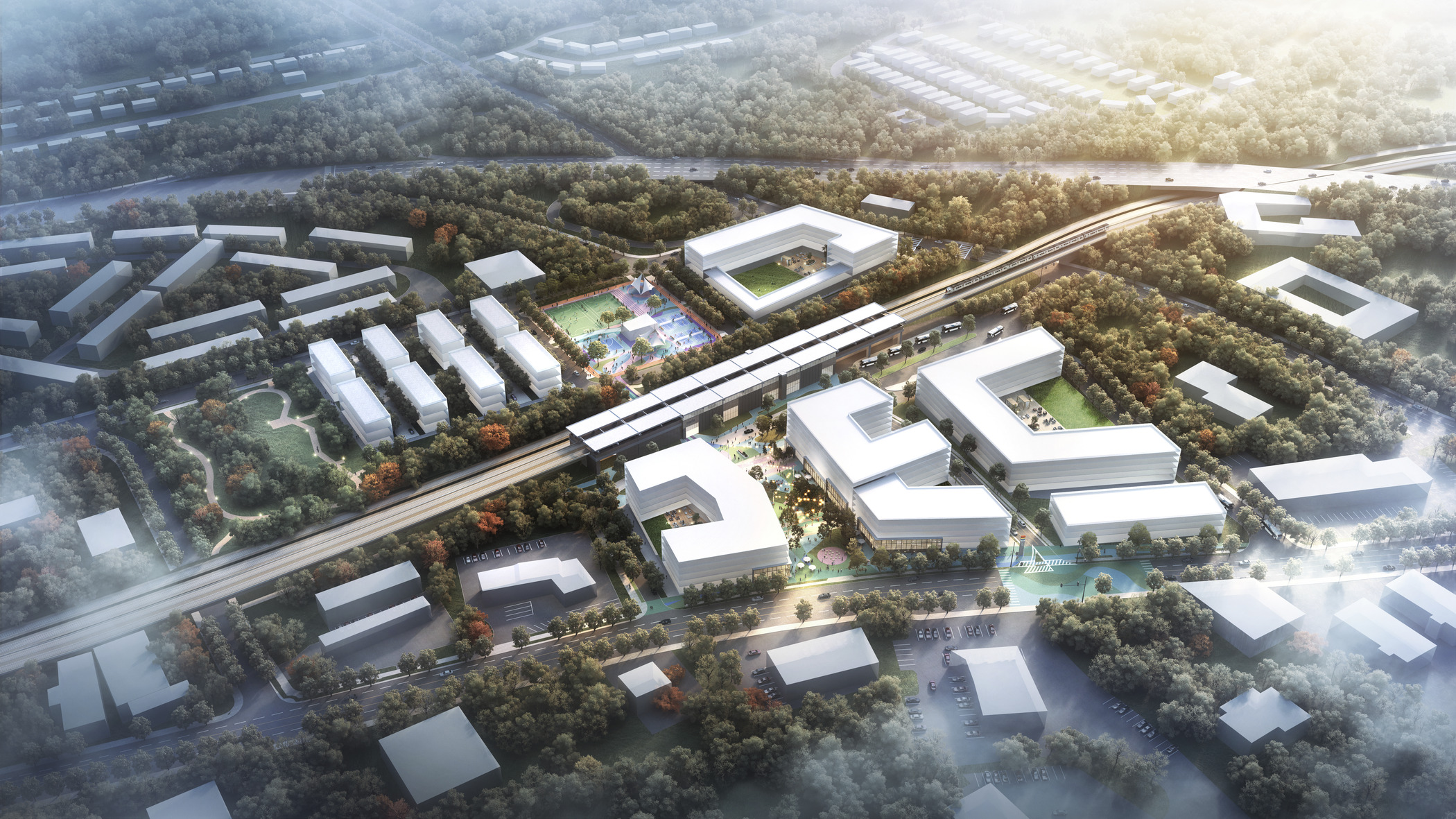
Designed to support daily life for neighbors, the Hub for Holmes also serves as a city-wide destination that integrates all modes of transit.
“The freeway served as a geographic barrier separating majority-Black neighborhoods to the south from white, affluent neighborhoods to the north.”
— Atlanta City Design Housing
The public realm is seamlessly integrated with the circulation framework to create four distinct, purpose-driven public spaces.
A Vision for Tomorrow
The Holmes MARTA Plan transforms publicly owned land into a catalyst for neighborhood connection and investment, thoughtfully balancing the needs of transit users and the surrounding community.
Grounded by Community Voices
The design team made participation easy and engaging by meeting people where they were and using a variety of interactive tools to support idea-sharing.
A transformative blueprint for what public land and infrastructure can become when shaped by purpose and people.
MARTA Holmes
MARTA Homes
The Downtown Fayetteville Livable Centers bridges history and future through community-driven design.
The Homes MARTA Plan tranforms publicly owned land into a catalyst for neighborhood connection and investment, thoughtfully balancing the needs of transit users and the surrounding community.
Community Park
A welcoming place of wellbeing and belonging, designed to support the human experience through cross-generational spaced for play, connection, and active living.
Baylor Scott & White Health
Experience Principles
Patient Journey Model Emergency Visit
Stakeholder Narrative (patient)
The 33-year old professional has been working at JPMorgan Chase & Co. for over 2 years. He and his wife recently invested in a new home, got a luxury care and enjoy upscale shopping. Outside of work, he is highly active in fitness and is extremely passionate about playing basketball. He experienced ankle dislocation while at a game and was taken to the ED by his co-player.
Career-Driven Professional
Unplanned Orthopedic Injury Emergency Department
Experience Concepts
Staff
Setting the Tone for the Day Connecting the Care Journey Leading with Wellness
Patients
Lasting Impressions Home Away from Home Tech Enabled, Tech Empowered Building Community Hospital to Home
Tech Enabled, Tech Empowered
Creating responsive spaces where patients can control their surroundings and easily adjust the ambient environment to support their unique needs can help alleviate an otherwise stressful and overwhelming time.
Examples Smart Technologies Lighting Concierge Robots
Creating user friendly environments where staff are able to seamlessly deliver care enables them to do what they do best— care for others. Ensuring that staff are able to spend more time the bedside and effectively communicate with the entire care team helps improve care coordination and support knowledge transfer.
Examples Voice activated controls Virtual care technologies Digital displays Automated alerts Technologies for learning and teaching
Connecting the Care Journey
Baptist Health
The Four Operational R's: A Master Plan Framework
Rationalize
Reorganize or reallocate service offerings in order to reduce duplication and improve operating efficiencies
regionalize
Regionalize service offerings across a broader, regional market to better deploy assets based on current and projected future needs
redesign
Redesign operational processes to alter the current inefficient trajectory of service deliver and work-arounds in order to improve outcomes
right-size
Right-size patient care services by matching volumes and programmed space needs
Total Catchment Area - 3.2M Largest not-for-profit health care system in Kentucky Kentucky’s only statewide health care delivery system Nine hospitals with over 2,000 beds 300 points of care statewide 3,000+ employed and affiliated physicians Total annual revenues > $2 billion
Project Impacts Guiding principles for future investment in facilities and sites
Ambulatory Care Standardized levels of ambulatory care Recommended major ambulatory care centers Recommended new primary care offices and clinics Recommended new primary care recruitment target Consolidation of existing physician practice locations
EXISTING FACILITIES & MAIN CAMPUS LOCATIONS Priority infrastructure projects Priority investments in clinical departments
>20 new ambulatory projects 19 prioritized hospital (clinical) projects Infrastructure improvement priorities by campus Year by year implementation schedule and capital plan with disproportionate focus on ambulatory care
Creative thinking, leadership consensus, and an innovative blueprint for future success
System Level
Campus Level
Department Level
System-wide Results
Stakeholder Engagement
Brain Health Report
We also found that workplaces designed with brain-healthy affordances and habits can support better brain health.
What if we could improve our brain health by design? HKS partnered with the Center for BrainHealth to study and test brain-healthy workplaces.
Our research study found improvement in our brain health from training and design implementation.
"I am finding that these brain health practices are becoming more intentional as I plan my days, so I am experiencing improved efficiency, stress management and greater productive collaborations with colleagues."
We found being together in-person is related to improved connection to team and increased opportunities for informal knowledge sharing.
We can help you become the designer of your brain.
Sustainable Solutions
Incorporation of tree-lined streets and shaded public areas aims to create a comfortable urban environment, promoting alternative transportation modes.
Community-Centric Design
Each station is tailored to its surrounding neighborhood, fostering vibrant transit hubs that encourage social interaction and reflect Austin's unique identity.
Enhanced Public Spaces
The project emphasizes pedestrian and cyclist pathways, expanded tree canopies for shaded corridors, and a new bridge over Lady Bird Lake.
Extensive Network
Phase 1 includes 15 stations over nearly 10 miles, connecting major job centers, educational institutions, and iconic destinations.
The Austin Light Rail project, led by the Austin Transit Partnership (ATP) in collaboration with HKS, UNStudio, and Gehl, aims to transform urban mobility in Austin through innovative design and community integration.
Austin Transit System
This initiative represents a significant shift in Austin's transportation landscape, focusing on inclusivity, neighborhood integration, and sustainability to enhance the overall urban experience.
UW health
How does an academic health system integrate with a community health system to maximize their position in the market and optimize their operations?
The system-wide planning effort considers population health, strategic marketing strategies and community-based service needs.
HKS completed the aggressive initial three-month inpatient bed decanting plan to utilize inpatient capacity at Meriter Hospital. Determined the appropriate level of stakeholder participation for administrative, board, physician, nurse and other caregivers. Developed discrete work teams that include both consulting and client participation. For this effort, HKS employed three work teams – strategy, operations and facility. Unified approach to facility utilization to minimize unwarranted clinical variation and consistent clinical experience throughout the system. HKS and UW Health developed a simple matrix to identify priority and ease of implementation of the recommended initiatives. HKS and UW Health developed a five-year facility capital plan for all inpatient and ambulatory projects.
The plan maximizes facility assets and structures ambulatory services around conveniently accessed sites, ensuring optimal patient flow.
Future State Ambulatory Hub Model
San Francisco International Airport’s Harvey Milk Terminal 1, Boarding Area B
San Francisco’s Harvey Milk Terminal 1 is setting new standards in airport design, with a strong focus on sustainability and inclusivity, honoring the legacy of LGBTQ icon Harvey Milk.
Harvey Milk Terminal 1 is the first airport terminal in the world to achieve WELL Certification, reducing energy usage by 60% while accommodating 70% more passengers.
The terminal's development was driven by a multi-year collaboration among leading firms, using a “big room” model to foster innovation and align with SFO’s goals.
Designed with people in mind, Harvey Milk Terminal 1 promotes health, well-being, and inclusivity through features such as family-friendly spaces, all-gender restrooms, and a calming acoustic environment.
Harvey Milk Terminal 1 stands as a global model for the future of airport design, embodying San Francisco’s commitment to inclusivity, sustainability, and forward-thinking innovation.
Taking inspiration from patterns found in nature and the elevated experience of first-class travel, Cove reduces the amount of space required to treat patients. At the same time, it reduces the amount of time it takes to retrofit a space. The result is increased capacity and efficiency that translates directly to your bottom line.
At 1/3rd the size of a typical exam room, this low-acuity treatment area increases capacity and efficiency without compromising the patient experience.
COVE™ TREATment AREA
Learn more at info.covebydirtt.com
COVE
fda: home as a health care hub
The "Home as a Health Care Hub" initiative seeks to drive innovation in home-based health and wellness solutions through virtual reality (VR) home prototypes. This initiative imagines a future where homes become central to our health, equitably accessible to all, and equipped with technology that eases the burden of care, even for complex conditions like diabetes.
This project aims to:
Bridge Health, Home and Tech
Understand opportunities for integrating health technology to better support diabetes monitoring and management at home and reimagine the home environment as a health care hub to advance health equity for all people in the U.S.
Build Digital Literacy
Tailor interventions to enhance digital literacy to ensure that residents can fully benefit from integrated health care technologies, ultimately improving their health outcomes and reducing disparities.
Develop Home Readiness
Respond to current challenges and identify opportunities to create adaptable, resilient, and infrastructure-ready low-income housing that integrates health technology across diverse user groups, starting with the low-income population.
Capture Equitable Insights
Understand patients and their caregivers within the context of their lived experiences, daily activities, needs, and desires, with a particular focus on their levels of health literacy.
Break Silos
Tailor interventions to enhance digital literacy to ensure that residents can fully benefit from integrated health care technologies, ultimately improving their health outcomes and reducing disparities
Drive Sustainability
Identify and implement sustainable solutions that reduce energy consumption and minimize commuting needs, enhancing the overall environmental impact and efficiency of integrated health care technologies within the home environment.
Motion Detector to Prevent Falls
Automatic Shades to Control Lighting
Glucose Monitor
Blood Pressure Monitoring
Fall Detection Mat
Smart Furniture
Apps and Equipment for Physical Activity
Learn more at hks.onl/fda
research and design: our innovation process
Fayetteville captures an estimated 17% of Fayette County population, with a 2021 census population of 19,824 residing in 6741 households. The population is fairly diverse across age, race,income and cohorts. While being historically more rural than suburban, recent development activity and housing market trends have fueled growth.
Fayetteville Planning Framework
Downtown Fayetteville Livable Centers Initiative Master Plan
Prioritize Walkability
Enhance walkability and connectivity through integrated sidewalks, multi-use trails, and a cohesive downtown streetscape.
Respect Nature
Preserve Fayetteville's natural beauty and historic character while enhancing parks, signage, and accessibility for well-being.
Enhance Social
Create a safe, inclusive, and vibrant community by promoting shared spaces, local engagement, and diverse social interactions.
Revitalize Economy
Foster a diverse and creative economy by supporting small businesses, mixed-use developments, and market-driven growth.
Fayetteville Community Understanding
Read more about the project.
Fayetteville Award
Fayetteville was awarded the Visionary Planning Award from the Atlanta Regional Commission in 2023.
Downtown Mixed Use sub-districts, consolidated from 24 zoning districts, to help public officials and private developers shape cohesive, character-driven development aligned with the Livable Centers vision.
Fayetteville accounts for 17% of Fayette County’s population, with 19,824 residents in 6,741 households as of 2021. The community is diverse in age, race, income, and cohorts, and recent growth has been driven by development and housing trends despite its historically rural character.
In 2023, Fayetteville received the Visionary Planning Award from the Atlanta Regional Commission.
The Civic Building
The Mixed-Use Civic Neighborhood is designed to meet the demand for medium and high-density residential options, civic amenities, and mixed- use development.
Transit Center Core Area
Civic Neighborhood
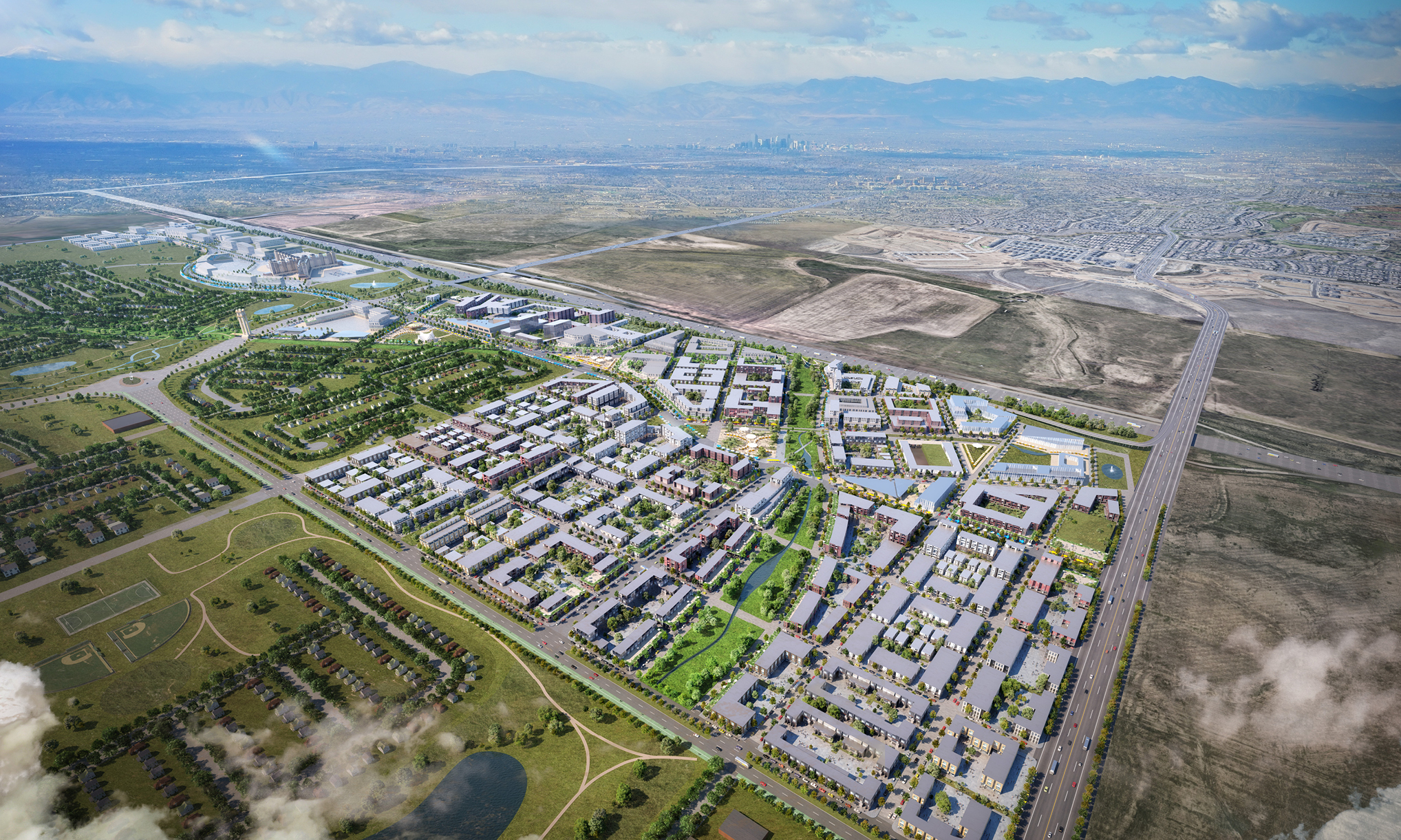
This mixed-use neighborhood delivers medium to high-density housing, civic amenities, and transit-oriented access via public transit, bike trails, and pedestrian paths. Its location along E-470 and Frontage Road ensures high visibility and easy access.
Focal Points - Core Areas
Streetscape Corridors
Ground Floor Active Use Frontage
Development Framework
Circulation Framework
Open Space Framework
Open Space
Development
Circulation
New Regional and Town Center
The plan establishes a high-density town center made up of distinct, mixed-use neighborhoods—designed to support a diverse, sustainable, and livable community.
Rooted in place
In response to Aurora City Corridor zoning, the design uses an undulating massing strategy inspired by the Rocky Mountains. Higher-density focal points—such as the hospital and mixed-use centers—anchor the skyline and transition smoothly into surrounding lower-density neighborhoods. The approach honors local character while preserving key views of the mountains and Downtown Denver.
Project Vision
The solution reimagined a sustainable, mixed-use town center and regional destination designed to attract businesses and residents. With thoughtful density, public amenities, and inclusive design, the plan supports a livable, diverse community shaped by three key strategies:
The Greenway Loop Active Ground Floor and Main Street Corridor Mixed-Use Program and Density
The Solution
The Design Guidelines focus on five core elements to drive community value and meet project goals:
Establish an ecologically grounded open space system that responds to the site and region. Enhance access through multimodal transportation and micromobility. Foster a vibrant community with thoughtful site design, active ground floors, and architecture that supports quality of life. Highlight regional and local character to create a strong sense of place. Align with Sustainable Development Goals to advance equity, sustainability, wellness, and public health.
The Challenge
The Aurora Highlands is a proposed 2,500-acre mixed-use community with a range of residential, civic, retail, and commercial uses. HKS was engaged to create a Vision Plan and Design Guidelines for a 350-acre site that would attract new businesses and residents, support diverse housing options, integrate with regional infrastructure, and reflect Colorado’s natural beauty and climate.
Aurora Highlands Design Guidelines
A Plan for a Diverse, Sustainable, Vibrant Community