REPETITIVE MANUFACTURING
PROTECTED WORKERS ARE PRODUCTIVE WORKERS
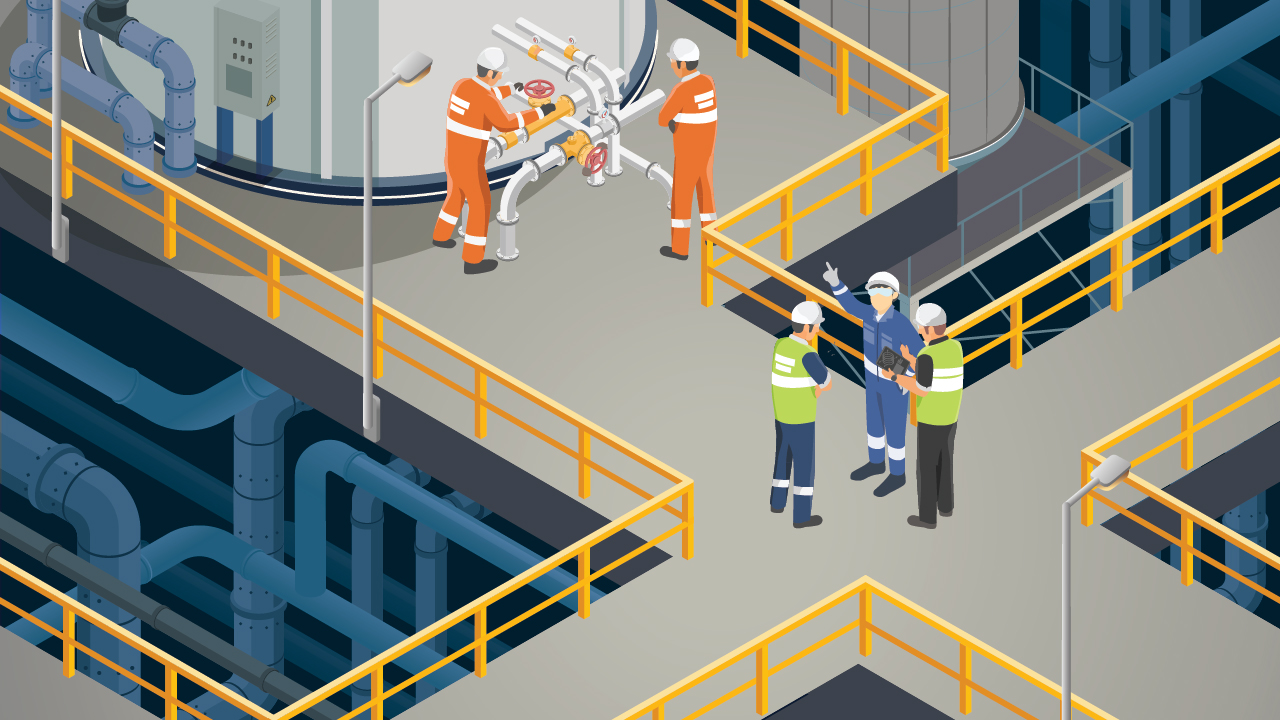
In manufacturing environments, hazardous conditions, heavy equipment, extreme temperatures and chemical exposures constitute a typical day on the job. While practices, processes and output differ by industry and application, ever-present dangers call for one standard to stay the same: prioritizing worker safety.
JOB SHOP MANUFACTURING
DISCRETE MANUFACTURING
BATCH PROCESS MANUFACTURING
CONTINUOUS PROCESS MANUFACTURING
3D PRINTING MANUFACTURING
HOME
Glass, chemical and pharmaceutical sectors can produce comparable items around the clock with greater safety with reliable PPE. Head-to-toe solutions help keep workers protected from industrial debris, chemical exposure, heavy equipment and slips, trips and falls.
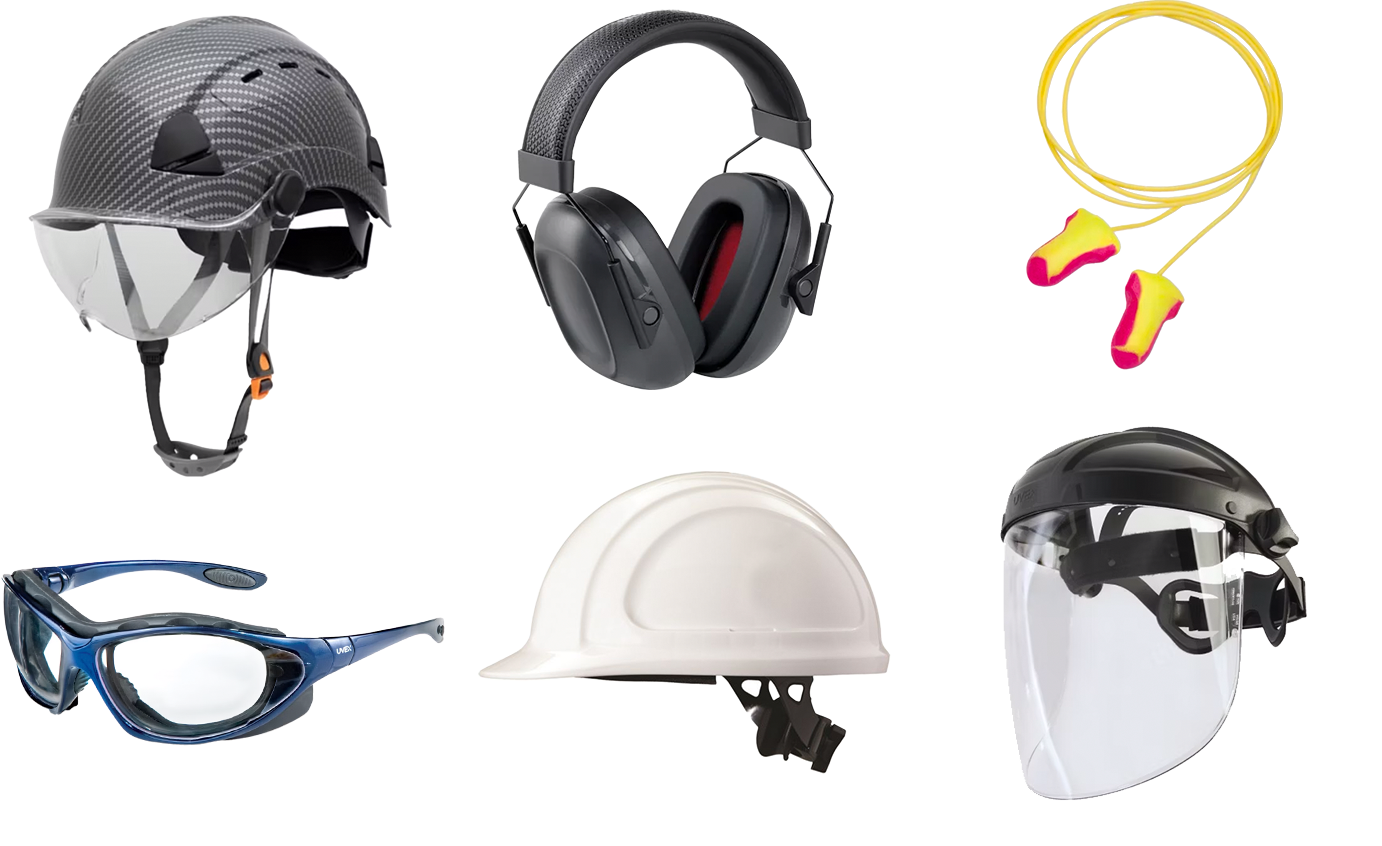
ABOVE NECK
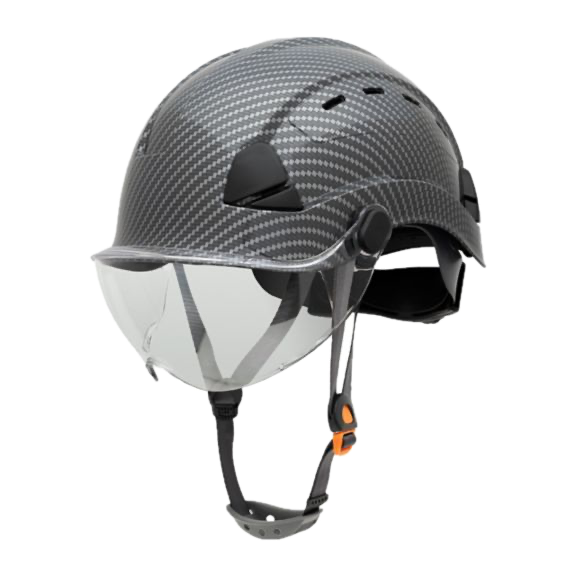
Earplugs or earmuffs can help safeguard against hearing loss from prolonged exposure to loud manufacturing environments from high-decibel machinery, including pumps and compressors. Safety goggles offer protection against chemical splashes and flying debris, and helmets help shield the face and neck from falling objects or airborne debris from drilling, grinding or other machining processes.
LEARN MORE
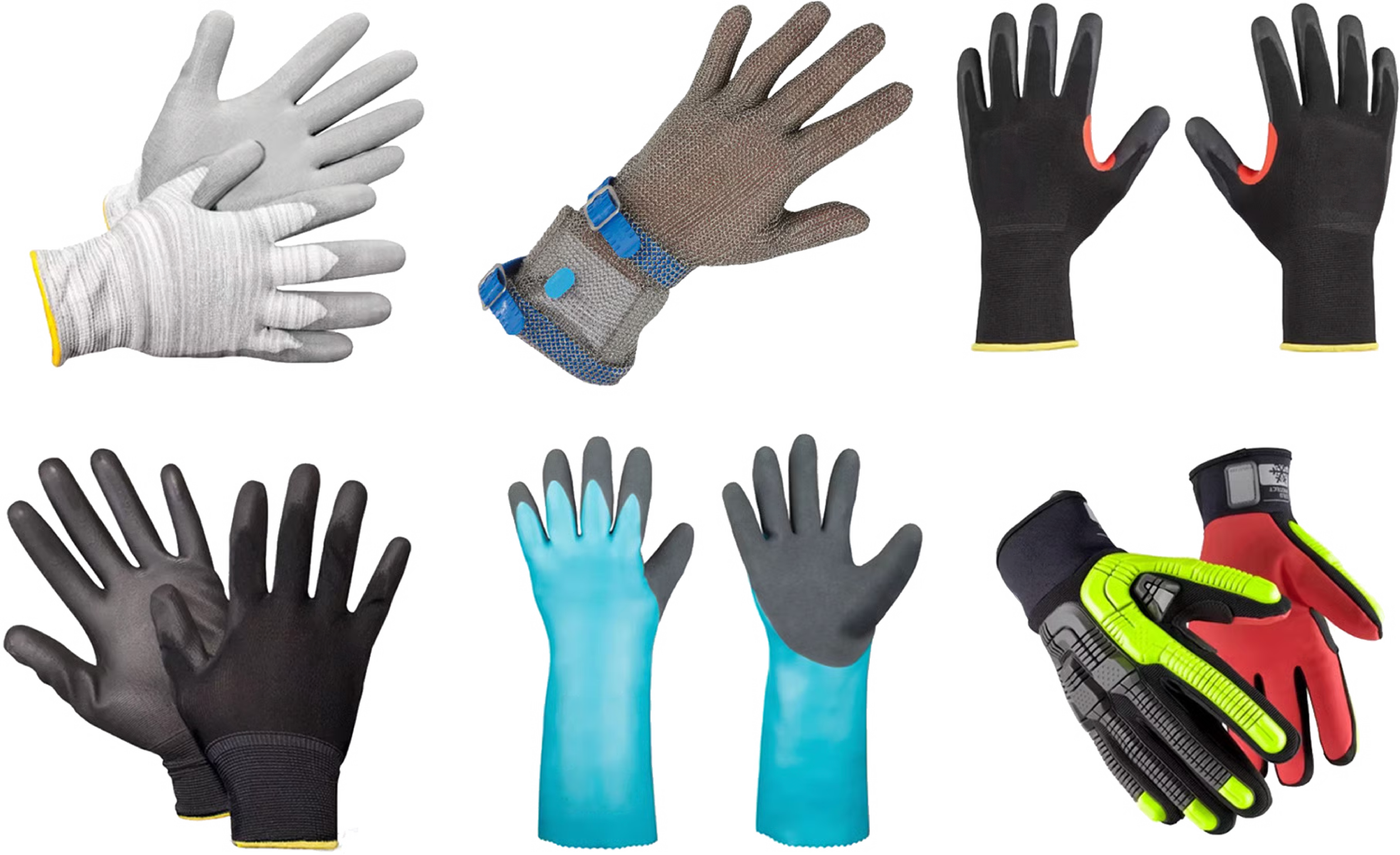
HANDS
Traditional gloves help protect against hand injuries from mechanical processes, while heat- and chemical-resistant gloves can help safeguard against skin irritation, burns or hypothermia. For electrical work, specialized rubber-insulated gloves help prevent electric shock and arc flashes.
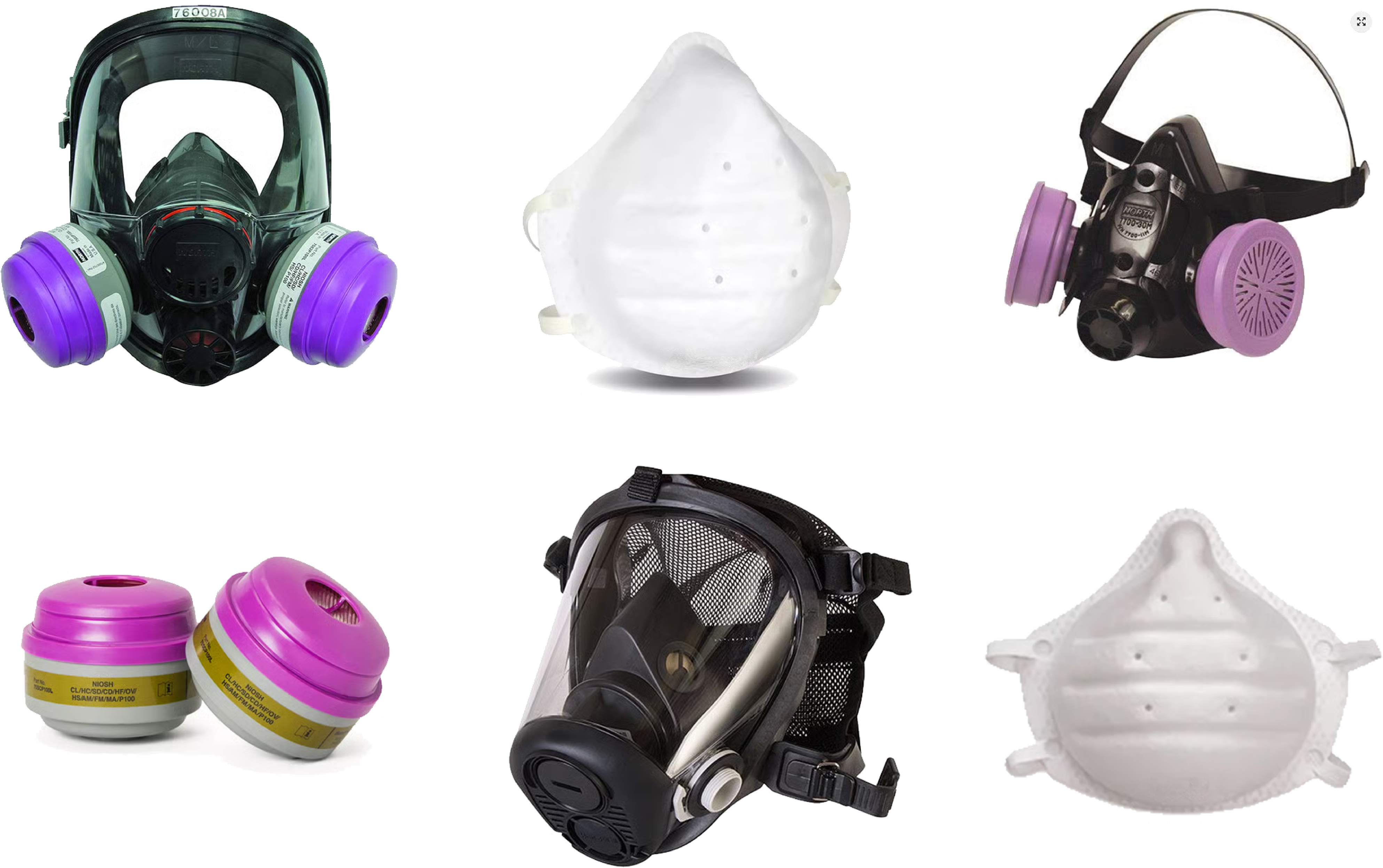
Hazardous particles can cause respiratory symptoms, particularly in tight, confined spaces with limited ventilation. Supplied air respirators and self-contained breathing apparatus deliver clean, breathable air from an outside source (e.g., compressor or tank). Disposable respirators can also help filter out harmful particles.
RESPIRATORY
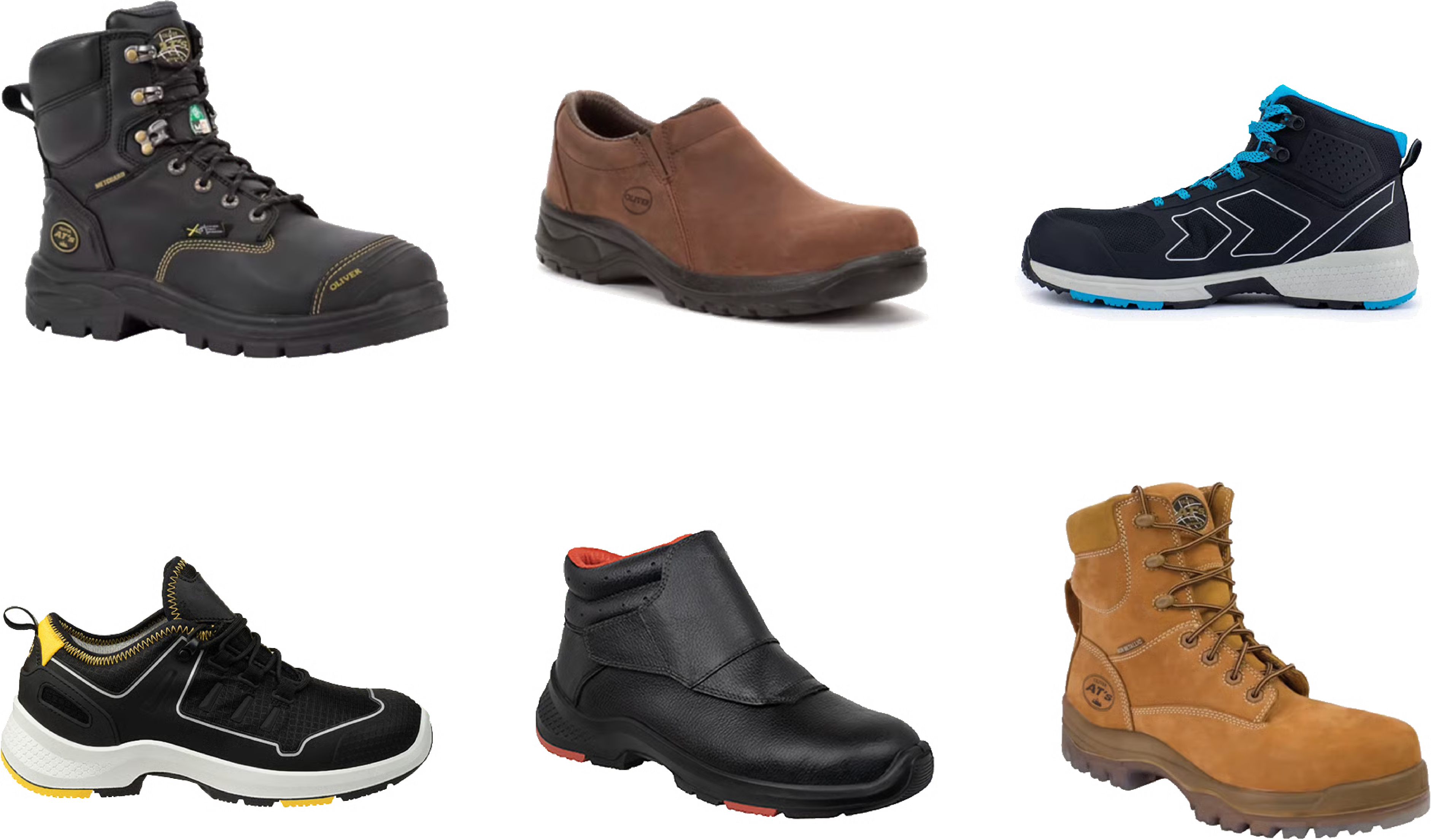
Proper footwear helps prevent injury from slips, trips and falls, and burns from hot surfaces. Oliver boots are a durable, comfortable choice with protective features such as heat resistance, steel toe caps and slip-resistant rubber outsoles.
FOOT WEAR
FOOTWEAR
The products displayed are intended to serve as general examples of items within the respective category or product line. They may not reflect the exact specifications, features or suitability required for your specific environment or application. Consult with a qualified professional or refer to detailed product documentation to determine the appropriate solution for your particular needs.
Worker safety is as important as customization across discrete manufacturing facilities. Help keep workers out of harm’s way as they modify assembly line setups, handle various materials, transfer workpieces to various machines and complete other discrete manufacturing tasks with our broad portfolio of PPE solutions.
Nonslip footwear can help prevent injury, especially on wet or uneven surfaces. Oliver boots are a durable, comfortable choice with protective features such as steel toe caps and slip-resistant rubber outsoles.
Dust and fumes from sanding, grinding or painting, particularly in tight, confined spaces with limited ventilation, can contribute to respiratory symptoms. Supplied air respirators and self-contained breathing apparatus deliver clean, breathable air from an outside source (e.g., compressor or tank). Disposable respirators — lightweight masks that help filter out harmful particles — can also be helpful.
Noise from machinery, tools and busy assembly lines can lead to hearing loss over time. Earplugs or earmuffs can help safeguard against hearing loss from prolonged exposure. Safety goggles and helmets help shield the eyes and face from falling objects or airborne debris from drilling, grinding or other discrete machining processes.
Conveyer belts, CNC machines and robotic technology present unique safety challenges. Traditional gloves help protect against hand injuries from mechanical processes, while chemical-resistant gloves can help safeguard against skin irritation and burns. For electrical work, specialized rubber-insulated gloves help prevent electric shock.
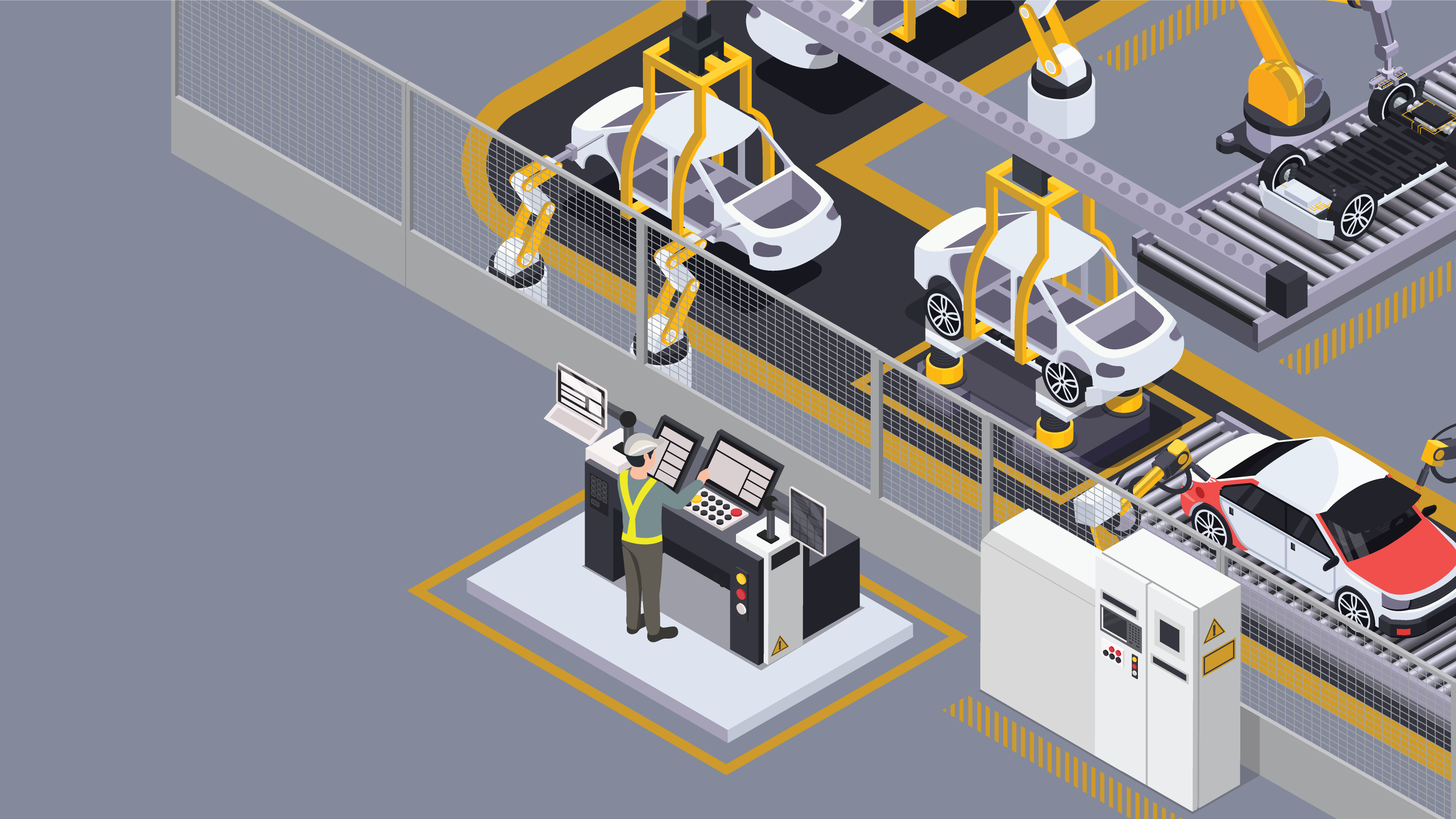
Repetitive manufacturing processes that mass produce cars and electronics are highly routine and efficient. Using heavy machinery and constant, repetitive motions also keep occupational hazards high. Add safety to assembly lines and nonstop processes with PPE that helps protect from dangers like cuts, shocks, impacts, burns and more.
Wearing earplugs or earmuffs can help safeguard against long-term hearing loss from prolonged exposure to high-decibel machinery. Safety goggles and helmets help shield the eyes and face from falling objects or airborne debris from drilling, grinding or other machining processes.
Traditional gloves help protect against hand injuries from mechanical processes, including pinch points, rotating machinery and conveyor belts. In environments where hazardous chemicals are present, chemical-resistant gloves can help safeguard against skin irritation and burns. For electrical work, specialized rubber-insulated gloves help prevent electric shock.
Chemical fumes, dust and everyday airborne debris, particularly in tight, confined spaces with limited ventilation, can cause respiratory symptoms. Supplied air respirators and self-contained breathing apparatus deliver clean, breathable air from an outside source (e.g., compressor or tank). Disposable respirators are lightweight masks that help filter out harmful particles and are typically designed for single use.
Proper footwear helps prevent injury from slips, trips and falls, especially on wet or uneven surfaces. Oliver boots are a durable, comfortable choice with protective features such as steel toe caps and slip-resistant rubber outsoles.
While stable, predictable production is a hallmark of batch process manufacturing, occupational risks — machine accidents, noise exposure, electrical hazards — still exist within clothing factories and food enterprises that employ this production method. PPE can help safeguard employees from possible shocks, cuts, burns, impacts and more.
Earplugs or earmuffs can help safeguard against hearing loss from prolonged exposure to high-decibel machinery, including mixers, grinders and compressors. Safety goggles minimize risks from chemical splashes from harmful substances, such as acids, bases and solvents. Helmets help shield the face and neck from falling objects from drilling, grinding or other machining processes.
Traditional gloves help protect against hand injuries from mechanical processes and from burns when handling hot equipment or materials. In environments where hazardous chemicals are present, chemical-resistant gloves can help safeguard against skin irritation and burns. Specialized rubber-insulated gloves help prevent electric shock, which is particularly critical if high-voltage systems and electrical controls are in use.
During batch processing, operations such as grinding and blending can generate fine particulates, which can be harmful if inhaled. Supplied air respirators and self-contained breathing apparatus deliver clean, breathable air from an outside source (e.g., compressor or tank). Disposable respirators can also help filter out harmful particles.
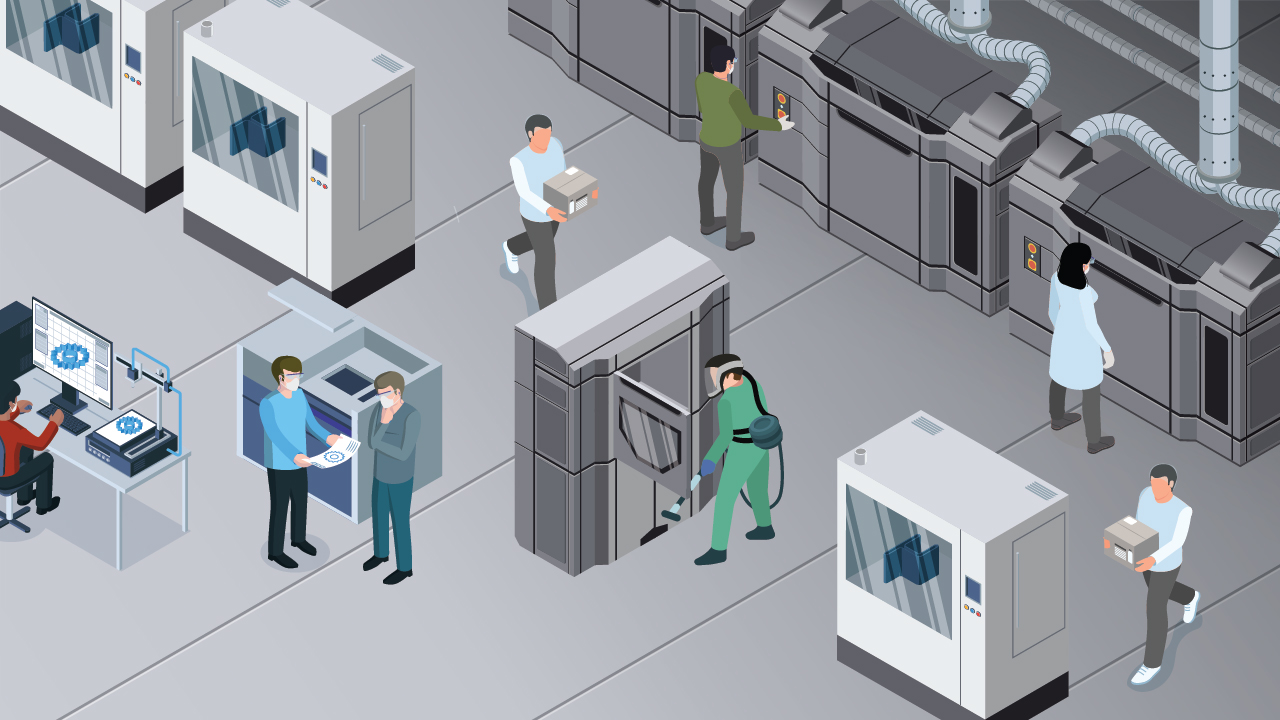
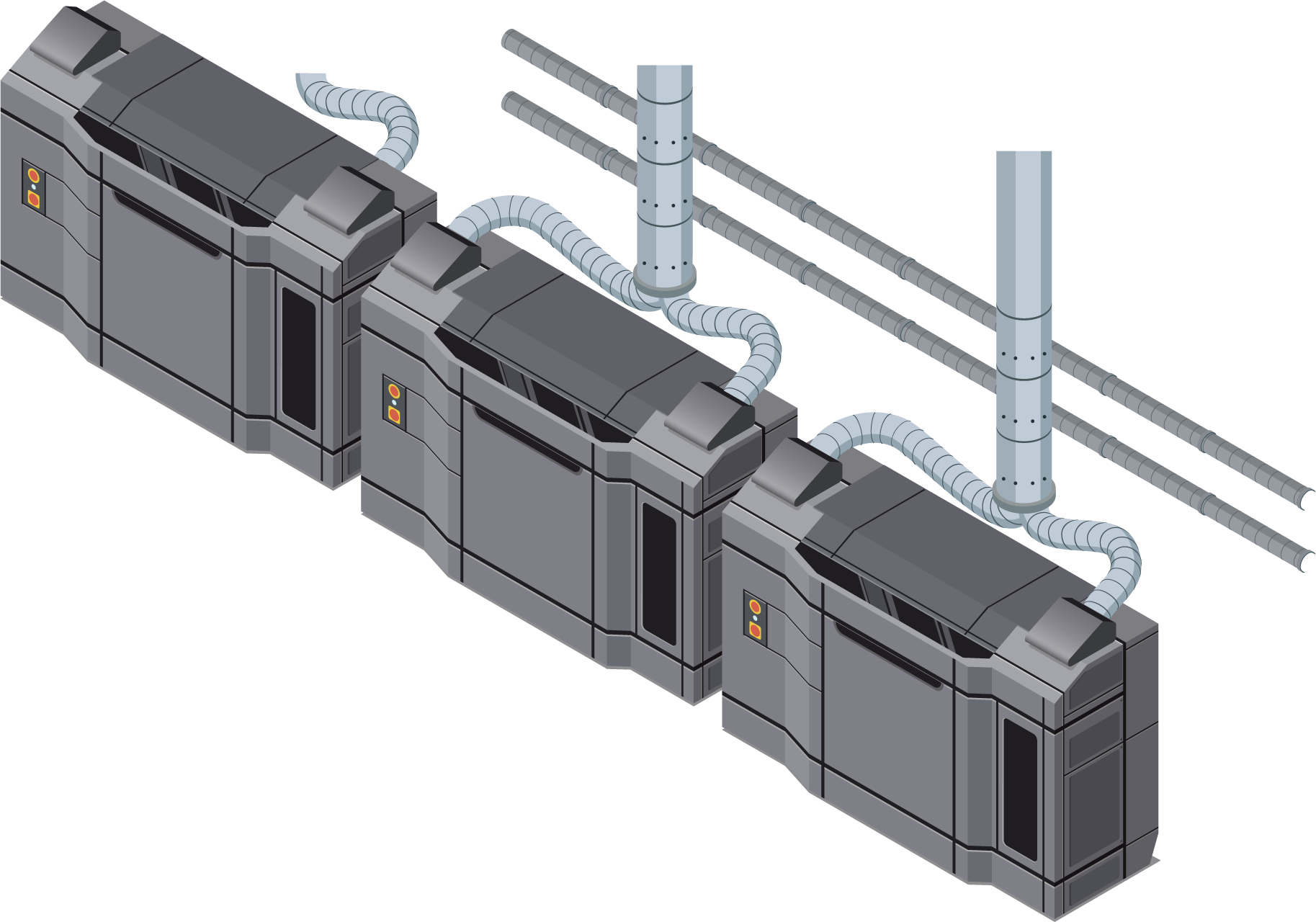
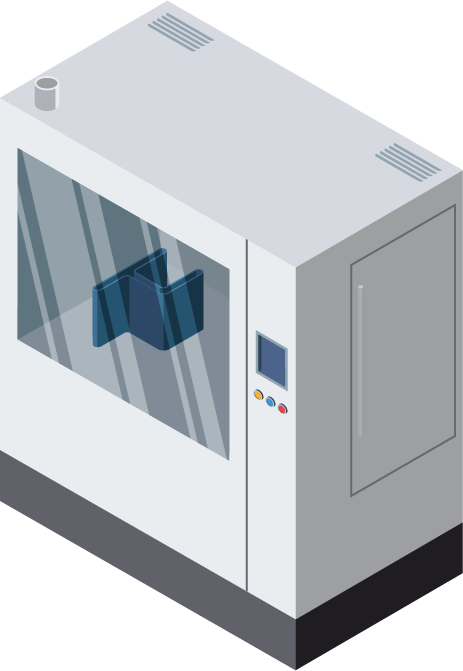
From prosthetic limbs to building materials, additive manufacturing processes like 3D printing produce various items efficiently. However, the materials and high temperatures often required by 3D printing can threaten worker safety, potentially leading to burns, injuries and respiratory hazards. PPE can mitigate these risks and dangers, creating a safer work environment.
Proper footwear helps prevent injury from slips, trips and falls, especially in areas where spills are likely. Oliver boots are a durable, comfortable choice with protective features such as steel toe caps and slip-resistant rubber outsoles.
Chemical fumes, dust and everyday airborne debris, particularly in tight, confined spaces with limited ventilation, can cause respiratory symptoms. 3D printing generates styrene, volatile organic compounds and ultrafine particles. Supplied air respirators and self-contained breathing apparatus protect against inhalation of toxic fumes and fine particulates generated during printing. Disposable respirators are lightweight masks can also help filter out harmful particles.
Traditional gloves help protect against hand injuries from mechanical processes, including pinch points, entanglements or crush hazards from rotating machinery and printer conveyor belts. 3D printing involves some hot and hazardous materials, and chemical-resistant gloves can help safeguard against skin irritation and burns. For electrical work, specialized rubber-insulated gloves help prevent electric shock.
Some 3D printers generate a lot of noise, so earplugs or earmuffs can help safeguard against hearing loss from prolonged exposure to high-decibel machinery. Safety goggles can protect eyes from exposure to debris, including resins and solvents used in many 3D printing methods, and helmets shield the head and neck face from falling objects such as print heads or build plates, which may detach from printers during operation.
Honeywell Combustion Service
Reflective Adhesive
1-Step Adaptor
3D Mesh
Honeywell Maxon
Headband Ratchet
Moisture-Wicking Materials
Suspension Straps
Embedded Liner
Internal Suspension Technology
Fibre Metal Type II Helmet
Hover over each section for more information
Increase user visibility and safety on jobsites with this helmet’s reflective adhesive components.
Assemble essential accessories like visors, earmuffs, UV shades, clips and nameplates with ease using this device.
Combined with a one-way, moisture-wicking fabric sweatband, this mesh component enables effective sweat evaporation.
This helmet is designed to fit any head size with its quick, easy and customizable adjustment system.
Accelerated sweat-evaporation technology in the adjustable chin strap helps keep wearers dry and comfortable.
Straps are knitted with LCP inlay yarns to absorb impacts and serve as an impact indicator inside the helmet.
Made of non-Newtonian materials, this liner enhances impact-absorbing performance.
Distribute impact forces evenly across the helmet’s shell on contact using this proprietary technology.
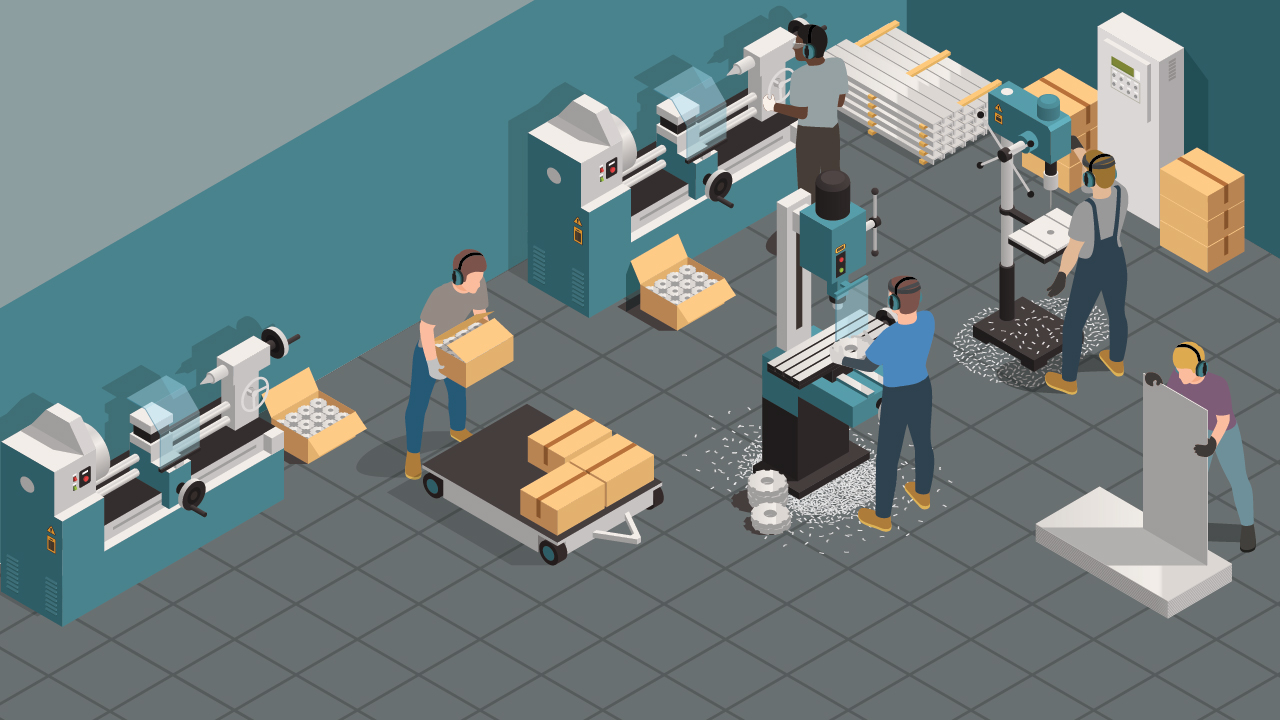
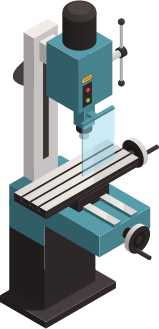
PPE moves with job shop workers from station to station, providing protection and flexibility from initial design to final product. When speed, dexterity and safety are essential, outfit your employees with leading personal protective equipment from head to toe.
In high-decibel environments, earplugs or earmuffs can help safeguard against hearing loss from prolonged exposure to loud machines, such as CNC machines, grinders and compressors. Safety goggles reduce the risk of injury from flying debris, sparks or particles. Helmets help shield the face and neck from falling objects and can offer protection in case of a fall from a ladder or other elevated platform.
Handling materials with sharp edges or working with machines with many moving parts can increase the risk of lacerations or puncture wounds. Traditional gloves help protect against hand injuries from mechanical processes. In environments where hazardous chemicals are present, chemical-resistant gloves can help safeguard against skin irritation and burns, and for electrical work, specialized rubber-insulated gloves help prevent electric shock.
In tightly confined spaces with limited ventilation, chemical fumes can contribute significantly to respiratory issues. Supplied air respirators and self-contained breathing apparatus can deliver clean, breathable air from an outside source (e.g., compressor or tank). Disposable respirators can also help filter out harmful particles.
Jobs shop floors are often crowded, and proper footwear is key to help prevent injury from slips, trips and falls. Oliver boots are a durable, comfortable choice with protective features such as steel toe caps and slip-resistant rubber outsoles.