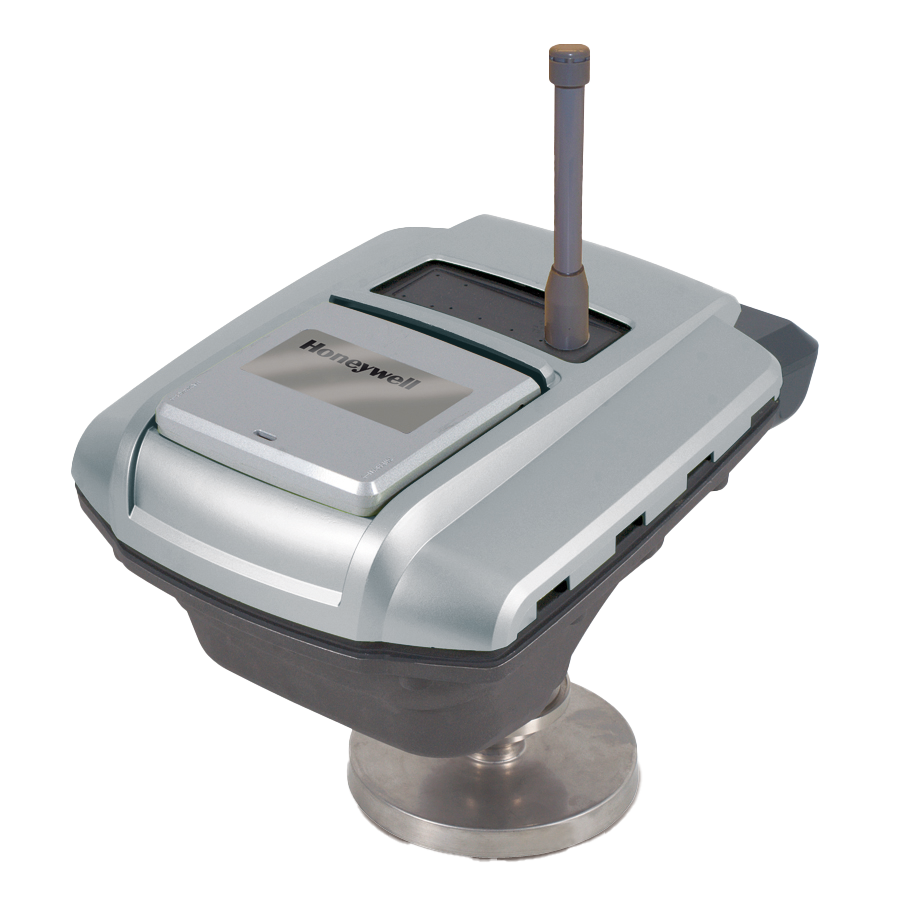
1958


A Century of Excellence, Innovation, and Trust
1st Custody transfer approved system
1925
Founded
1955
1st Automatic tank level gauge
1989
1st High accuracy radar gauge

1974 - The Invention of Code 39 and The first Barcode Scanning
The invention of Code 39, the most widely used barcode in the world today.
The inventors of the first Code 39 barcode were Dr. David Allais and Ray Stevens. They were both researchers working at Intermec Corporation (now Honeywell) in 1974 when they developed the Code 39 symbology.
Same year, the industry first UPC (Universal Product Code) barcode scanner introduced.
On June 26th, 1974 the first-ever commercial barcode was scanned, in a Marsh supermarket in Troy, Ohio.
A pack of Wrigley's Juicy Fruit Gum was the first scanned product.


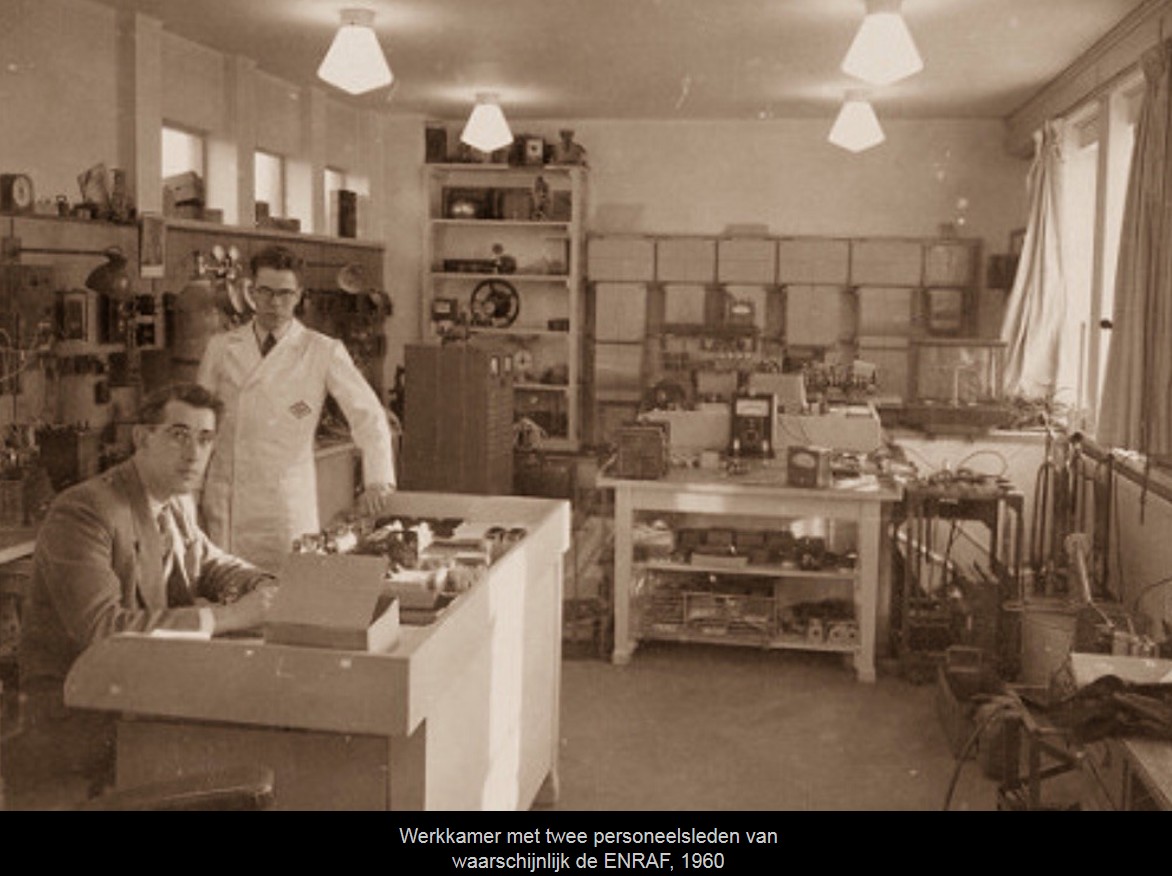
Honeywell Enraf


2008
Launch of New FlexLine Series Radar with planar antenna technology
2025
Celebrating 100-Year Milestone
2019
Launch of New Generation 954 Servo Level Gauge
2007
Acquired by Honeywell
1995
1st Radar with planar antenna technology
Direct thermal printing technology, which eliminates the need for ribbons or ink cartridges in barcode printing, has been widely adopted in various industries.
Datamax-O'Neil and Intermec (now Honeywell) were among the first companies contributing to the advancement of direct thermal printing technology.
Contribution and advancement
of Direct Thermal Printing
In 1988, the US Department of Agriculture approaches Honeywell to get help them gather information about the pollination of honeybees.
The BeeTag system is developed, utilizing micro-barcode labels attached to individual bees in order to track them and study their behavior.
The World's Smallest Barcodes

Honeywell was part of the development and integration of RFID technology into barcode printing systems, pioneering solutions that combine RFID and barcode printing capabilities for enhanced tracking and inventory management.
The RFID Barcode Printing Technology was introduced to the industry in 1991.

Introduction of RFID Barcode
Printing