

Institutions that embrace risk management are building stronger, more resilient learning environments.
Download Report

What to �Expect in 2026
To pass the risk assessment, education leaders need to manage a growing list of challenges, including funding pressures, talent shortages and workforce strain, as well as evolving name, image and likeness (NIL) regulations and liabilities. Other risk exposures from threats like cyberattacks and campus unrest must also be identified and addressed. Educational leaders with strong enterprise risk management and benefits strategies will be better positioned to build a resilient future.
Economic Viability

Vitality

Resiliency

Student-Centered Risk


Economic Viability
The education sector’s “demographic cliff” has arrived, with a smaller number of high school graduates in 2025 than the year before — and that number will continue to decline.1 At the same time, fewer than 1 in 4 Americans now believe that a degree is important to secure a good job.2
Because lower enrollment means less revenue, these factors only add to the financial challenges educational institutions are already facing from budget cuts across all levels of government.3 As a result, many institutions of higher learning and K-12 schools are navigating tough times. Cost-cutting measures such as layoffs4 and service reductions are increasingly necessary for educational institutions to sustain operations.
Another looming challenge — international student enrollment — was expected to drop by 15% in the fall of 2025, largely due to visa uncertainty and changing policies for international enrollment. This will mean a $7 billion revenue loss for colleges and universities.5 Many programs that were previously supported by international students will have to be downsized or eliminated unless institutions can find new ways to diversify their enrollment pipelines and invest in workforce-aligned programs to offset these declines.
Financial headwinds persist, but opportunities for growth do exist.
Vocational and trade-based programs are a bright spot for the sector as they experience steady growth that is expected to reach $250 billion by 2030, driven by a need for skilled labor across industries.6 Educational institutions should look to these programs as areas of strategic opportunity and risk planning.
To save money, many institutions have been underinsuring properties as rates have reached unsustainable levels. However, property insurance rates are finally coming down, with some areas seeing decreases of about 15% in Q4, making it a good time to reassess property values and coverage gaps, address deferred maintenance that could lead to liability exposures and look for potential premium savings that can be reinvested into core academic or student programs.
To save money, many institutions have been underinsuring properties as rates have reached unsustainable levels. However, property insurance rates are finally coming down, with some areas seeing decreases of about 15% in Q4, making it a good time to reassess property values and coverage gaps, address deferred maintenance that could lead to liability exposures and look for potential premium savings that can be reinvested into core academic or student programs.
Vocational and trade-based programs are expected to grow by $250 billion by 2030.6
Staffing will continue to present major challenges in the education sector in 2026. Over the last five years, 78% of teachers have considered quitting their profession because of stress and burnout,7 and growing concerns about financial solvency are only making the situation worse. In fact, rising operating and labor costs were identified as organizations’ top concerns affecting their financial viability in 2026, according to the HUB International 2026 Profitability & Resilience Executive Survey,8 underscoring how these growing labor challenges are having a broader impact on an institution’s ability to operate. Those that double down on wellbeing and benefits programs are not just helping teachers on a personal level — they’re strengthening retention, reputation and performance.
Although salaries have not kept pace with inflation, increasing them will be difficult since more than half of public school budgets are already devoted to payroll.9 Teacher absenteeism and disability leave are on the rise and closely linked with mental health struggles.10
Many educators are largely unaware of their district’s paid leave policies and other programs to support their wellbeing, which is why communicating these benefits is critically important to attracting and retaining staff. From mental and physical health to financial and professional development resources, administrators should ensure their educators know what is available to them and how to access what they need to thrive during hard times.
Employee wellbeing initiatives, strong benefits and financial planning resources directly correlate to improved productivity, retention and community reputation.
Educators who feel supported in the workplace and aren’t stressed about retirement planning can and do perform better in the classroom. Offering retirement planning and financial education through resources like HUB FinPath goes a long way to help educators minimize their external financial stress while remaining focused on their students.
Self-funded health plans with robust claims management tools are another option for educational institutions to explore, which can save money over time and allow them to reallocate that money toward teacher salaries and benefits.
Unfunded liabilities for retiree health benefits continue to be a financial burden on many educational institutions, diverting resources away from critical needs such as teacher salaries, classroom materials and specialized programs. A broker with deep expertise in the education sector can help find new ways to restructure or downsize these offerings, so budgets can be freed up for other priorities.
Better benefits programs can support the mental health and retirement needs of educators.
Vitality
Download our 2026 Education Outlook and Insurance Market Rate Report to see what to expect in the coming year.
Download Report

Several risks will continue to impact educational institutions in 2026, including cyberattacks and sexual abuse. Institutions that embed enterprise risk management (ERM) into their governance don’t just avoid losses; they free leadership to focus on innovation, growth and student success.
Educational institutions are increasingly vulnerable to cybersecurity threats from increased AI usage, but the cybersecurity knowledge and coverage gap remain prevalent. During the first half of 2025, ransomware attacks against educational institutions were up 23% year over year.11 The good news is that 70% of organizations reported they have either increased or plan to increase coverage limits for cyber insurance, according to the HUB International 2025 Profitability & Resilience Executive Survey. Doing so is a strong step toward improving risk maturity.
Sexual abuse claims against schools and their staff continue to grow in large part because of laws temporarily reducing or removing the statute of limitations for victims to file claims. In California, for example, a 2020 law allowed victims to recover damages for decades-old claims, resulting in massive payouts by school districts ranging from $5 million to $10 million — or higher, with one claim totaling $135 million.12
The costs to defend and settle claims have been steadily rising in recent years due to social inflation, which is putting additional pressure on insurers.13
This has made access to sexual abuse and molestation coverage difficult as underwriters pull back capacity and tighten up their policy requirements. Institutions must ensure they are taking proper precautions to prevent these risks and reassess their risk profile.
Board-level engagement is critical in making these changes and decisions, as is working with your insurance broker to run comprehensive risk audits across insurance lines, from general liability to sexual abuse protections and cyber coverage.
Strong ERM will go a long way toward staying on top of risks, especially those from sexual abuse claims. HUB’s risk services support team can assist institutions with improving governance and resilience that can help minimize the potential for a claim in the first place.
Comprehensive risk management strategies will move institutions ahead.
Resiliency

With a variety of risk factors growing, student mental health is a major concern, with 1 in 5 college students saying they have experienced “serious” mental distress.14 Recent legislative changes are likely to exacerbate these concerns as millions of students could now lose their healthcare coverage.15
In addition, managing student safety risks from incidents of violence, such as active assailants or protest activities, remains a top priority, particularly as it relates to student stress and wellbeing. Though most students report feeling safe in school, 50% say they have been personally or closely affected by school violence. At least 1 in 4 worries actively about school shootings, and a similar number identified cyberbullying as the threat educators are least equipped to handle.16
Institutions that proactively invest in student wellbeing will set themselves apart, as these issues can have an impact on student enrollment, retention and graduation rates. By tailoring staff training programs to guide students in understanding and navigating their benefits, institutions can maximize resource utilization, minimize confusion and strengthen student confidence and engagement.
Name, image and likeness (NIL) agreements are also creating new risks for students and institutions. Colleges and universities need to be aware of ever-changing regulations and executive orders that allow student-athletes to control
how their images are used, and what exposures they create.17 As colleges seek to regain some control by bringing student health services, counseling and athletic training programs back in-house, they may not fully recognize the complex legal and insurance implications, including greater malpractice exposure for physicians and trainers and the financial risks tied to that liability.
Forward-looking schools are positioning themselves as safe havens for athletic and academic excellence and working to mitigate these risks by seeking expert advice and innovative risk solutions from an insurance advisor with expertise in this area. Adjusting policy structures specifically designed to safeguard against lawsuits tied to athletic injuries and NIL agreements is a critical step in reducing an institution’s liability and protecting long-term sustainability.
Focusing on student health and wellbeing to support coeds on campus.
Student-Centered Risk


HUB’s education industry specialists in insurance, risk management and employee benefits will partner with you to design a customized strategy that protects your bottom line, strengthens workforce vitality and builds resilience for 2026. Key considerations include:
Moving Your Organization Forward
An ERM strategy can help educational institutions identify exposures and ensure your institution is in the best position to respond to any situation that may arise. Work with your broker to approach risk strategically and identify gaps in your institution’s coverage.
Advance your risk maturity.
Employees expect organizational support for their health, safety and wellbeing. Schools with a benefits strategy based on personalization and quality employee experiences (QEX) will see better engagement, recruitment and retention and lower risk.
Create a personalized benefits strategy.
An incident can be devastating to your institution’s reputation. Take advantage of your broker’s and insurer’s expertise and resources if an event occurs, which can include access to legal counsel, crisis management, digital forensics and other services.
Rely on your broker and carrier in a crisis.
Consistent communication with your insurance broker will help identify and mitigate issues before your next insurance renewal and position your institution in the best light. Reviewing exposures and insurance needs at least 90 to 120 days prior to policy renewal allows your broker to find the optimal mix of coverages and rates for your educational institution’s needs.
Be transparent with your broker.
Download our 2026 Education Outlook and Insurance Market Rate Report to see what to expect in the coming year.

Download Report
Meet the Experts
About Us
HUB Education
When you partner with us, you’re at the center of a vast network of experts who will help you reach your goals. For more information on how to manage your insurance costs, reduce your risk and take care of your employees, talk to a HUB Education insurance specialist.
$419M
in commercial insurance premium brokered by HUB
4,700
education clients
15,000
insurance policies managed

Job Title Here
Firstname Lastname
Practice Name Here
Linkedin Profile

Job Title Here
Firstname Lastname
Practice Name Here
Linkedin Profile
Job Title Here
Firstname Lastname
Practice Name Here
Linkedin Profile
Job Title Here
Firstname Lastname
Practice Name Here
Linkedin Profile

Job Title Here
Firstname Lastname
Practice Name Here
Linkedin Profile
Job Title Here
Firstname Lastname
Practice Name Here
Linkedin Profile
Job Title Here
Firstname Lastname
Practice Name Here
Linkedin Profile
Job Title Here
Firstname Lastname
Practice Name Here
Linkedin Profile
Job Title Here
Firstname Lastname
Practice Name Here
Linkedin Profile
Job Title Here
Firstname Lastname
Practice Name Here
Linkedin Profile
Risk Advisor
Scott Fouts
Education Practice
Linkedin Profile
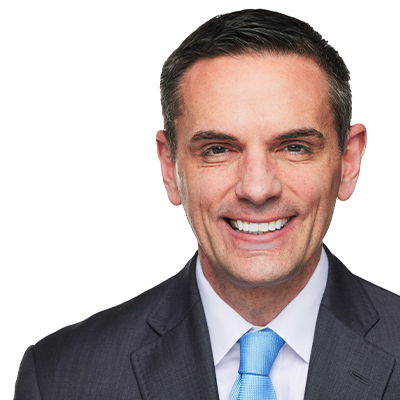
North American Practice Leader
Courtney Davis
Education Practice
Linkedin Profile













Financial headwinds persist, but opportunities for growth do exist.
Better benefits programs can support the mental health and retirement needs of educators.
Comprehensive risk management strategies will move institutions ahead.
Focusing on student health and wellbeing to support coeds on campus.
Download Report
3. Inside Higher Ed, “How the One Big Beautiful Bill Act Threatens Student Success,” October 30, 2025.
4. CNBC, “U.S. public schools brace for ‘fiscal cliff’ after surge in hiring meets budget shortfalls,” April 22, 2025.
1. NPR, “A looming 'demographic cliff': Fewer college students and ultimately fewer graduates,” January 8, 2025.
2. Forbes, “The Enrollment Cliff: How Fewer Applicants Are Reshaping Higher Education,” February 9, 2025.
5. Inside Higher Ed, “International Student Enrollment Could Drop 15% This Fall,” August 5, 2025.
6. GlobeNewswire, “Vocational Training Strategic Business Analysis Report 2025-2030: Market to Grow by Over $250 Billion with Adobe, Amazon Web Services, Anthology, Articulate Global, and Babcock International,” January 29, 2025.
7. University of Missouri, “Study reveals why teachers are leaving the classroom in the post-pandemic era,” February 25, 2025.
8. The HUB International 2026 Profitability & Resiliency Executive Survey polled 350 industry leaders and executives across North America on the issues facing them on profitability and resilience.
9. Learning Policy Institute, “How Money Matters: Education Funding and Student Outcomes,” April 8, 2025.
10. Arizona State University, “Gaining a better understanding of teacher absenteeism: How structural and organizational factors impact a teacher’s decision to be absent,” June 10, 2025.
11. Higher Ed Dive, “Ransomware attacks in education jump 23% year over year,” July 25, 2025.
12. CalMatters.org, “Heinous, heartbreaking – and expensive. California schools face avalanche of sex abuse claims,” July 10, 2025.
13. United Educators, “Large Loss Report 2025,” accessed August 3, 2025.
14. Best Colleges, “College Mental Health Statistics,” May 28, 2025.
15. Johns Hopkins Bloomberg School of Public Health, “How New Federal Legislation Will Affect Health Care Costs and Access for Americans,” July 30, 2025.
16. EMCI Wireless, “How Safe Are Our Schools? Insights from Students Across America,” April 22, 2025.
17. The White House, “Saving College Sports,” July 24, 2025.
US | EN


CA | FR
CA | EN
US | EN

Transportation
Real Estate
Nonprofit
Hospitality
Healthcare
Financial Institutions
Entertainment & Sports
Education
Construction
Agribusiness
Industry Outlooks
Industry Outlooks
Private Client
Personal Insurance Marketplace
Employee Benefits & Retirement
Product Outlooks
Product Outlooks
North American Outlook

Lorem ipsum dolor sit amet, consectetur adipiscing elit, sed do eiusmod tempor incididunt ut labore et dolore magna aliqua.
Lorem ipsum dolor sit amet, consectetur adipiscing elit, sed do eiusmod tempor incididunt ut labore et dolore magna aliqua.
Lorem ipsum dolor sit amet, consectetur adipiscing elit, sed do eiusmod tempor incididunt ut labore et dolore magna aliqua.
of teachers have considered quitting their profession because of stress and burnout.7
78%
of organizations have either increased or plan to increase their cyber insurance coverage limits.8
70%
of students say they have been personally or closely affected by school violence.16
50%
When a Texas-based school district faced rising turnover, district leaders turned to HUB for help creating a more supportive employee experience. HUB retirement specialists introduced a new approach — an auto-enrollment savings plan with a 1% contribution, district match and salary increase to make participation seamless and rewarding. Working side by side with the district to communicate the program clearly, HUB showed how small contributions could deliver meaningful long-term savings. The result: 94% employee participation, a stronger culture of financial security and renewed loyalty among staff.
Case Study
Sitemap
Terms & Conditions
Privacy Statement
© 2025 HUB International Limited. 150 N Riverside Plaza, 17th Floor, Chicago, IL 60606. All rights reserved.
Industry Outlooks
Private Client
Personal Insurance Marketplace
Employee Benefits & Retirement
Product Outlooks
Transportation
Real Estate
Nonprofit
Hospitality
Healthcare
Financial Institutions
Entertainment & Sports
Education
Construction
Agribusiness
North American Outlook
Keep pace with the latest trends.
Stay in the Know
Subscribe
Learn more about us.�Visit hubinternational.com