





Education
To pass the test on risk management, educational institutions must develop a new curriculum.
Download Report

What to Expect in 2025
Educational institutions continue to navigate a growing list of complex risks, which may include intense financial pressures, campus safety challenges and issues related to educator and student mental health. The increasing adoption of artificial intelligence is creating other exposures educational leaders cannot ignore. Educational institutions that prioritize risk education and implement effective risk management strategies can move to the head of the class.
Download Report

1
Economic Viability
Navigating emerging risks while facing financial uncertainty.

2
Vitality
Supporting educators with enhanced benefit options.

3
Resiliency
A proactive approach to risk management is essential.

4
Name, Image and Likeness
Navigating a new world of financial, compliance and power shift challenges.

Navigating emerging risks while facing financial uncertainty.
1 | Economic Viability
21%
of education respondents said they have enough insurance to protect against a cyber event, according to the HUB International 2025 Outlook Executive Survey.

Supporting educators with enhanced benefit options.
2 | Vitality

"Lorem ipsum dolor sit amet, consectetur adipiscing elit, sed do eiusmod tempor incididunt cupidatat non."
A proactive approach to risk management is essential.
3 | Resiliency
Ongoing financial challenges continue to pressure the budgets of educational institutions as higher operating costs related to salaries and overhead, campus safety, technology, insurance and facilities maintenance show no signs of easing. The declining enrollment trend is accelerating financial issues for some academic institutions, particularly those in higher education. Enrollment in postsecondary education was 10% lower in the fall of 2022 than in the fall of 2012.1 Lower birth rates, rising tuition and reduced confidence in higher education in general will likely result in further declines in college enrollment in 2025, or what some segment experts refer to as an “enrollment cliff.”2
As educational institutions navigate these financial strains, the risks they face are also on the rise, including cybersecurity threats, infrastructure vulnerabilities, campus safety and increasing sexual abuse and molestation liability concerns. According to the HUB International 2025 Outlook Executive Survey,3 increased costs, business disruption and cyberattacks are the greatest risks to financial stability facing educational institutions. However, less than 30% of respondents have developed an action plan to address these risks, and only 21% have enough insurance coverage to protect their resources and data in the event of a cyber incident.
Along with rising losses come significantly higher insurance premiums and limited capacity for many coverages, specifically in the areas of sexual abuse and molestation and in relation to large nuclear verdicts. Academic leaders who work proactively to reduce their risk can help reduce insurance costs and improve an institution’s insurability.
Educational institutions should work with their insurance broker and use data analytics and predictive modeling to assess if their current insurance program is appropriate for their exposure or if other risk transfer solutions may be better able to meet their needs at a more affordable cost. A best-in-class broker with dedicated expertise in the education sector can help evaluate alternative risk financing strategies or suggest other creative options to help an institution’s insurance dollars go further. This can include the use of parametric insurance for unique exposures, such as hail and earthquake, and the use of captives for both commercial insurance and employee benefits.
Download Report

High levels of stress among educators remain a top issue since the COVID-19 pandemic as faculty and staff continue to deal with ongoing mental health challenges, the increased politicization of the educational system and gaps in student learning.
At the K-12 level, 77% of educators reported their job is “frequently stressful,” and 68% said it is “overwhelming.”4 In higher education, 60% of faculty reported feeling stress, anxiety or depression, and 53% considered leaving their jobs because of burnout, increased workload and stress.5
These factors, as well as strained resources and concerns about campus safety, are impacting the sector’s ability to attract and retain new teachers. In fact, 52% of K-12 teachers said they would not advise a young person to enter the profession.6
Low morale in the education sector is likely affecting employee productivity, which was noted as a key priority that needs to be addressed by 67% of education sector respondents in the HUB survey.
Though educational institutions may find it difficult to compete with other industries when it comes to salary, advancing institutions provide robust and personalized employee benefit options to faculty and staff that supports attraction and retention.
According to the HUB survey, the benefit strategies that have the most traction within the education sector are mental health care, auto enrollment in benefits, offering personal, home and auto insurance and lifestyle insurance programs.
Conducting a Workforce Persona Analysis™ and leveraging analytics tools can offer key insights into the benefits that faculty and staff would most likely want and need as well as how to deliver a personalized Quality Employee Experience (QEX).
A self-insurance program can help academic institutions reduce employee benefit expenses. According to the HUB survey, 28% of academic institutions have implemented a self-funded benefits model while 17% have moved to a captive insurance model.
Case Study
�A HUB charter school client with 7,000 students and 900 employees received a 53% increase on renewals and could no longer sustain its fully funded health insurance plan. By moving to a HUB Charter self-funded health plan, the school reduced its administrative burden and accumulated reserves of more than $2 million.
Download Report

The financial performance and reputation of educational institutions are directly impacted by their ability to mitigate and manage risks, making it critical that they improve their organizational resilience. There are five key areas of focus for institutions to proactively address:
Campus Safety: Academic institutions must continuously monitor new and evolving threats to campus safety, such as active assailant, student protests and civil unrest, and have a robust plan in place to protect students and faculty from these types of events. An insurance specialist in the education sector can help educational institutions establish effective campus safety procedures and evaluate the risk of student harm from incidents like sexual abuse and acts of violence due to civil unrest or active shooters. They can also assist with developing risk mitigation strategies to prevent these incidents from happening and implement a crisis response plan should a dangerous situation unfold.
Sexual Abuse & Molestation: Long-standing challenges stemming from incidents of sexual abuse or molestation also require proactive planning and constant attention. With a 225% increase in large losses related to sexual abuse against higher education institutions since 2012,7 leaders of educational institutions can’t afford to not invest in proven abuse prevention practices.
Mental Health of Staff and Students: A 2023 study cites rising rates of severe depression, anxiety and stress among college students, faculty and staff,8 and the need for more support services is across the board, not just for one group. While staff are trying to address the needs of their students, they’re not able to get help for themselves, only exacerbating the issue.
Artificial Intelligence: According to the HUB survey, only 30% of educational institutions see AI as a top risk to their viability, but there is no question AI technology is having a significant impact across the educational sector. By understanding and embracing AI’s many advantages, including its ability to automate and streamline core operations and help preserve academic integrity, educational institutions can become true leaders in this space. A robust AI governance strategy that is developed and followed by all key stakeholders will help organizations actively manage this evolving risk.
Cybersecurity: With educational institutions possessing volumes of highly sensitive information for both minors and adults, the impact of a cyber incident could be catastrophic. Institutions must take their cyber hygiene seriously with a strongly enforced policy for managing device and network security, along with having a crisis response plan ready should an event occur.
Download Report

The evolving Name, Image and Likeness (NIL) regulations for student-athletes introduces a new environment rife with opportunities and risks for higher education institutions. Under these regulations, student-athletes in Division I and II schools can now earn compensation from endorsements, social media promotions and public appearances. However, this landscape introduces compliance challenges due to varying state regulations and the need for alignment with NCAA rules.10
From a risk management perspective, NIL impacts institutional finances, as donor funds are diverted to athletes instead of traditional university channels. It has also given rise to collectives and agents, which may exploit students’ lack of financial literacy. Mismanagement of NIL earnings can lead to tax implications, legal issues and reputational damage for both athletes and institutions.
The dynamic also shifts power balances, potentially affecting recruitment and leading to increased athlete transfers between schools. This instability could disrupt funding mechanisms and donor relationships, ultimately impacting the institution’s bottom line. In addition, NCAA athletic revenue share parameters will also put significant financial strain on many institutions across the country.
To mitigate these risks, universities should work with a best-in-class broker with sector expertise to prioritize providing financial education, like HUB FinPath or working with a wealth advisor, and establishing compliance frameworks. Forward-thinking institutions may also explore private equity partnerships to offset funding gaps, ensuring a sustainable financial future.
Download Report

Navigating a new world of financial, compliance and power shift challenges.
4 | Name, Image and Likeness �

Navigating Your Next Steps
HUB education insurance specialists will work with you to develop a tailored strategy for 2025.
1
Develop a comprehensive risk plan.
Enterprise risk management (ERM) can help educational institutions identify exposures, placing your organization in the best position to respond in case of an incident. Make sure your broker understands how to approach risk strategically and identify gaps in your institution's coverage.
Create a personalized benefits strategy.
2
Employees expect organizational support for their health, safety and wellbeing. Schools with a benefits strategy based on personalization and fostering quality employee experiences (QEX) will boost engagement, recruitment and retention, and lower risk.
An incident can be devastating to your institution’s reputation. Take advantage of your broker and insurer’s expertise if an event occurs. They can assist with legal counsel, crisis management, digital forensics and other issues that arise in case of an incident.
Rely on your broker and carrier in a crisis.
3
Consistent communication with your insurance broker will help identify and mitigate issues in advance of the next insurance renewal and position your institution in the best light. Review exposures and insurance needs at least 90 to 120 days prior to policy renewal to allow your broker to find the optimal mix of coverage for your educational institution’s needs.
Be transparent with your broker.
4

Be Prepared
Download our 2025 Education Outlook and Insurance Market Rate Report to see what to expect in the coming year.
Download Report
Meet the Experts
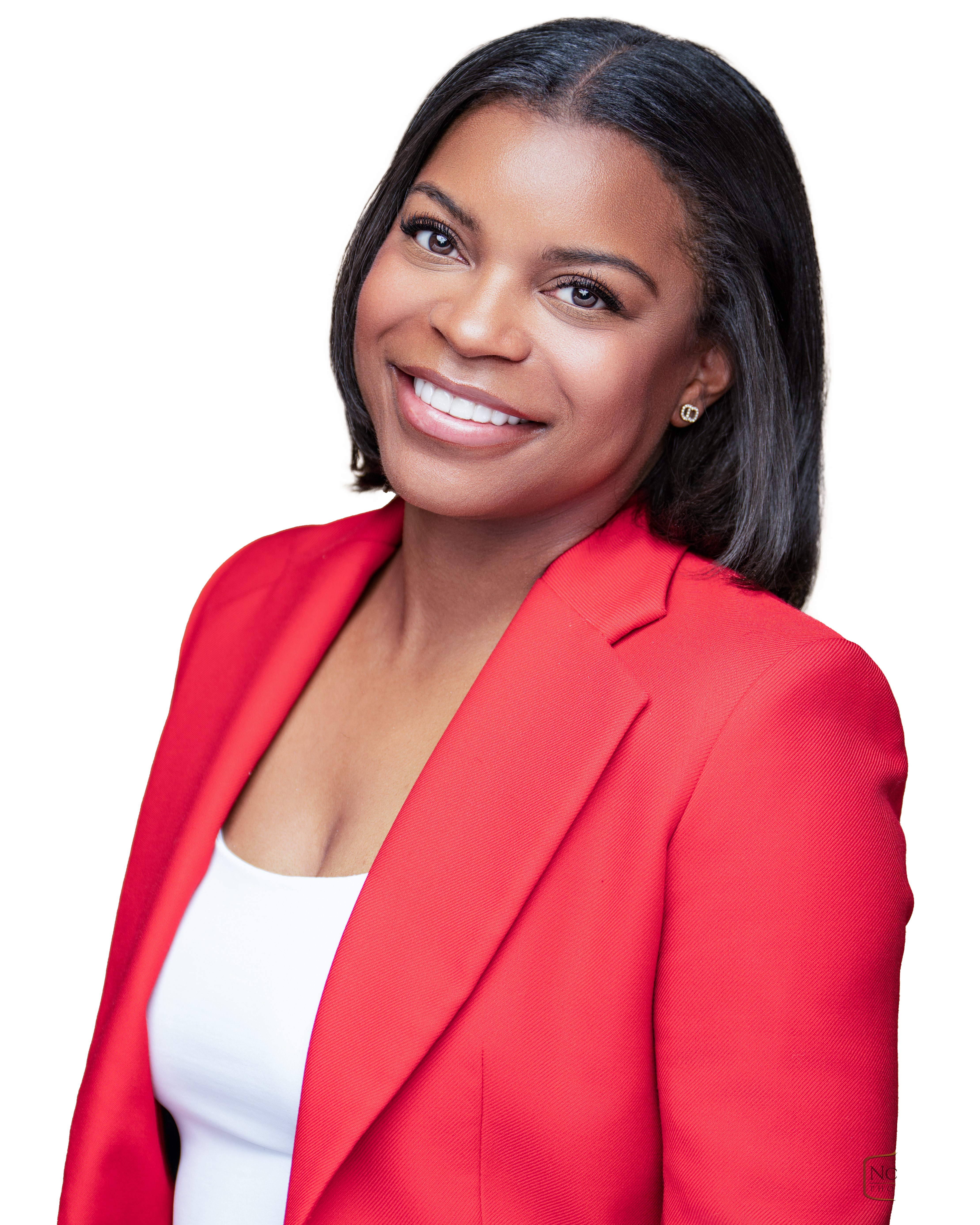
North American Practice Leader
Education Practice
Courtney Davis Curtis

Linkedin Profile
Job Title Here
Diane Stone
Education Practice
Linkedin Profile

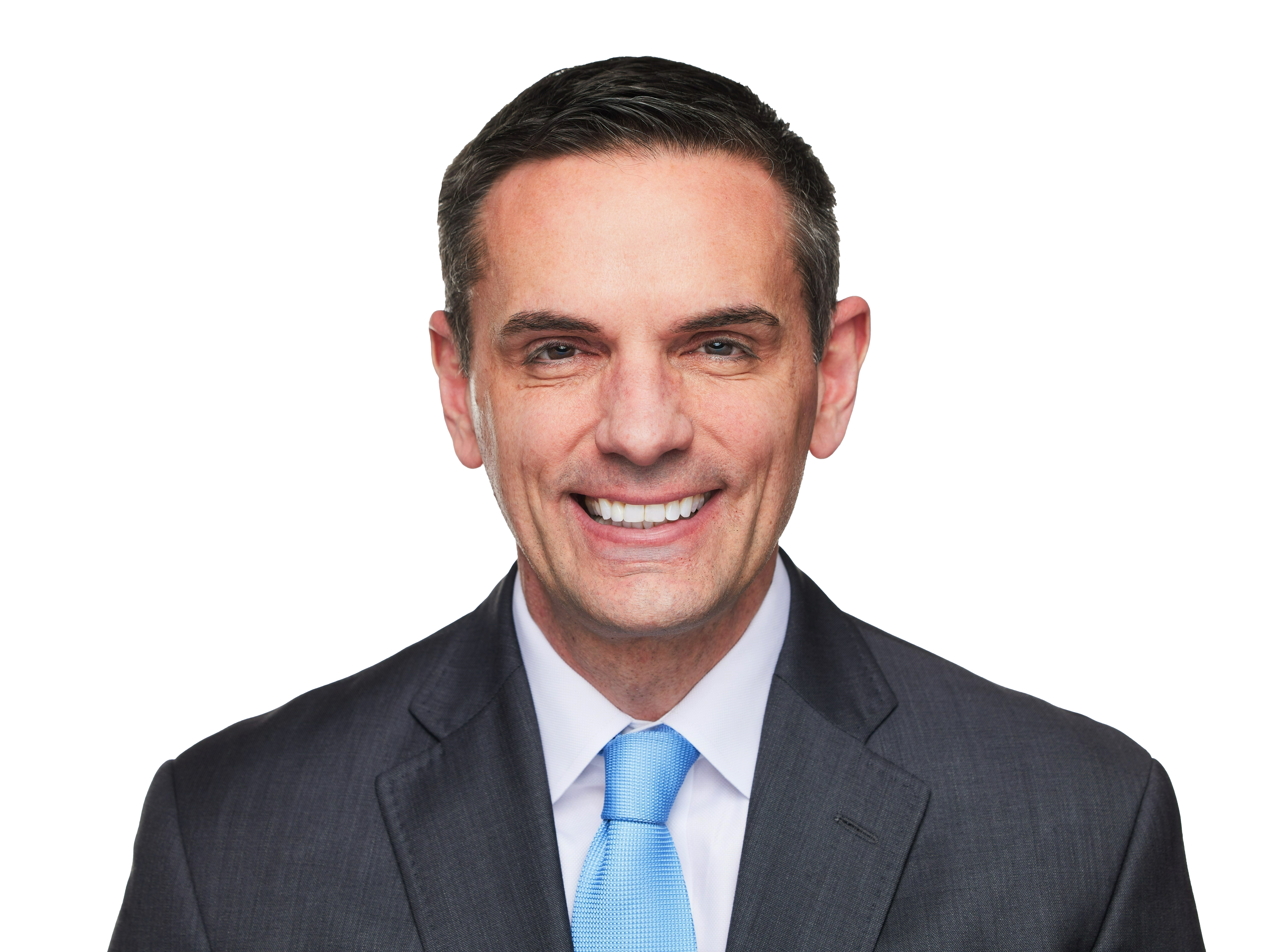
Risk Advisor
Scott Fouts
Education Practice
Linkedin Profile
Job Title Here
Firstname Lastname
Practice Name Here
Linkedin Profile

Job Title Here
Firstname Lastname
Practice Name Here
Linkedin Profile
Job Title Here
Firstname Lastname
Practice Name Here
Linkedin Profile
Job Title Here
Firstname Lastname
Practice Name Here
Linkedin Profile
Job Title Here
Firstname Lastname
Practice Name Here
Linkedin Profile
Job Title Here
Firstname Lastname
Practice Name Here
Linkedin Profile
Job Title Here
Firstname Lastname
Practice Name Here
Linkedin Profile
Job Title Here
Firstname Lastname
Practice Name Here
Linkedin Profile
Job Title Here
Firstname Lastname
Practice Name Here
Linkedin Profile
HUB Education
When you partner with us, you’re at the center of a vast network of experts who will help you reach your goals. For more information on how to manage your insurance costs, reduce your risk and take care of your employees, talk to a HUB education insurance specialist.
About Us
$350M
in commercial insurance premium brokered by HUB
4,300
education clients
14,000
insurance policies managed


Prevent and protect your organization from sexual misconduct liability risk...
Whitepaper
Read now

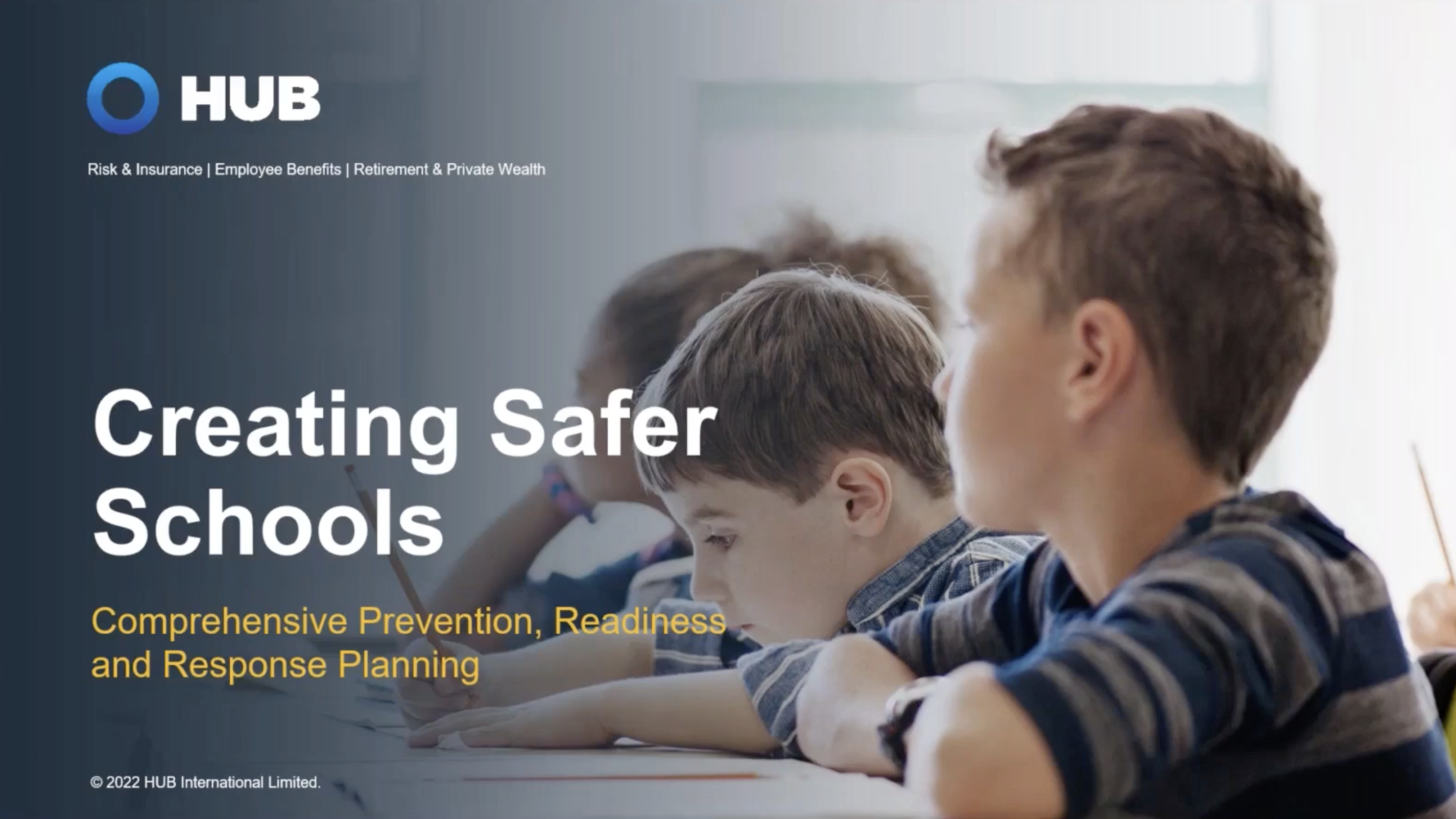

Creating Safer Schools: Comprehensive Prevention, Readiness and Response Planning
On-Demand Webinar
Watch now



A Charter school solves its chronic healthcare funding challenges and improves...
Case Study
Download now


Related Resources
US | EN


CA | FR
CA | EN
US | EN

Transportation
Real Estate
Nonprofit
Hospitality
Healthcare
Financial Institutions
Entertainment & Sports
Education
Construction
Cannabis
Agribusiness
Industry Outlooks
Industry Outlooks
Retirement
Private Client
Personal Insurance Marketplace
Employee Benefits
Product Outlooks
Product Outlooks
North American Outlook



3. HUB’s 2025 Outlook Executive Survey polled 900 C-Suite and VP-level executives on the issues facing them on profitability, employee vitality and organizational resilience.
4. Pew Research Center, “What’s It Like to be a Teacher in America Today?” April 4, 2024.
5. Campus Safety Magazine, “College Faculty Burnout: The Statistics and Solutions,” February 16, 2024.
6. Pew Research Center, “What’s It Like to be a Teacher in America Today?” April 4, 2024.
7. Praesidium, “Praesidium SML Report 2024,” accessed October 10, 2024.
8. neaToday, “The Mental Health Crisis Among Faculty and College Staff,” March 7, 2024.
9. New York Times, "How Rich Donors and Loose Rules Are Transforming College Sports," October 21, 2023.
1. National Center for Education Statistics, “Back-to-school statistics,” accessed September 8, 2024.
2. The Hill, “College enrollment could take a big hit in 2025. Here’s why,” January 10, 2024.
17%
of academic institutions have implemented a captive insurance model to manage costs and provide better coverage.3
$1.7 billion
in transactions in the NIL market this year.9

Sitemap
Terms & Conditions
Privacy Statement
© 2024 HUB International Limited. 150 N Riverside Plaza, 17th Floor, Chicago, IL 60606. All rights reserved.
Industry Outlooks
Retirement
Private Client
Personal Insurance Marketplace
Employee Benefits
Product Outlooks
Transportation
Real Estate
Nonprofit
Hospitality
Healthcare
Financial Institutions
Entertainment & Sports
Education
Construction
Cannabis
Agribusiness
North American Outlook
Keep pace with the latest trends.
Stay in the Know
Subscribe
Learn more about us.�Visit hubinternational.com
10. New York Times, “In College Sports’ Big Money Era, Here’s Where the Dollars Go,” August 21, 2024