
As discussed in our previous market alert, Subcontractor Default Insurance (SDI) claim notifications were on the rise in Q2 2023, and this trajectory has continued throughout the third quarter. Consecutive interest rate increases, inflation and tighter credit conditions have affected subcontractor balance sheets and overall subcontractor financial behavior.
Stay Up-to-Date on Events Impacting the Industry

September | 2023

©2023 Hudson Insurance Group. The information contained in this newsletter is for general information only and shall not modify the terms of any insurance policy.


Scroll down
Marketplace Update
SUBCONTRACTOR DEFAULT INSURANCE
Rising interest rates on credit lines (heavily utilized by this trade) have led to increased financial stress on electrical subcontractors’ ability to extend and repay the credit needed to procure materials.
Volatility in the commodities markets and material cost escalation continue to impact supplier pricing and the capacity to hold pricing for the duration of projects. Even with protections in their estimates, many electricians are taking losses on projects due to this volatility.
While these factors are contributory to the overarching causes in the uptick in subcontractor financial pressures leading to claims, we have noticed one other trend of particular concern – challenging bid spreads. The pillars of our business are time and money. It is therefore likely that our general contractor partners are utilizing the lowest competitive bidder. While this is not necessarily a problem in and of itself, the challenge is when a large bid differential is present among the market pricing of peer competitors. In some cases, we have seen low bid awards that show a 20-50% variance from the field of other respective prequalified bidders. This trend (and/or decision-making) has led to some larger and more complex losses in our book.
Problematic Bid Spreads
The focus of our periodic project file reviews and claim intake concentrates on the evaluation of trade bid tabulation files. Bid analysis is critical, with our expectation that tabulations and leveling sheets identify and address the anomalies. Our general rule of thumb (though not an end-all metric) is anything greater than +-10% on trade packages over $1M should be vetted or flagged. As an industry, we have not become more efficient at performing the actual sticks and bricks of the work. Each bidder must install the same amount of pipe, wire, boxes, paint, etc. with the variance in cost of work NOT being egregious. In the event of this type of discrepancy, consider line-item contingencies/allowances and mitigation factors. It's always the best option to move on to the next bidder when the numbers don't make sense (i.e., all subcontractors and vendors are bidding the same document). While there can be efficiencies found as between one bidder to the next, there are no efficiencies that can overcome such large bid differentials (>15%). Consider using prequalification metrics, work-in-progress (WIP) analysis and other directorial factors outside of price when also making decisions to award.
We have discussed this practice and thought process at length with our partners, and there is a consensus that this is an issue of critical importance. We therefore want to emphasize that large bid spread differentials have been a common and on-going trend in some of our larger claim notifications and activities.
Electricians Defaulting Has Become a Trend
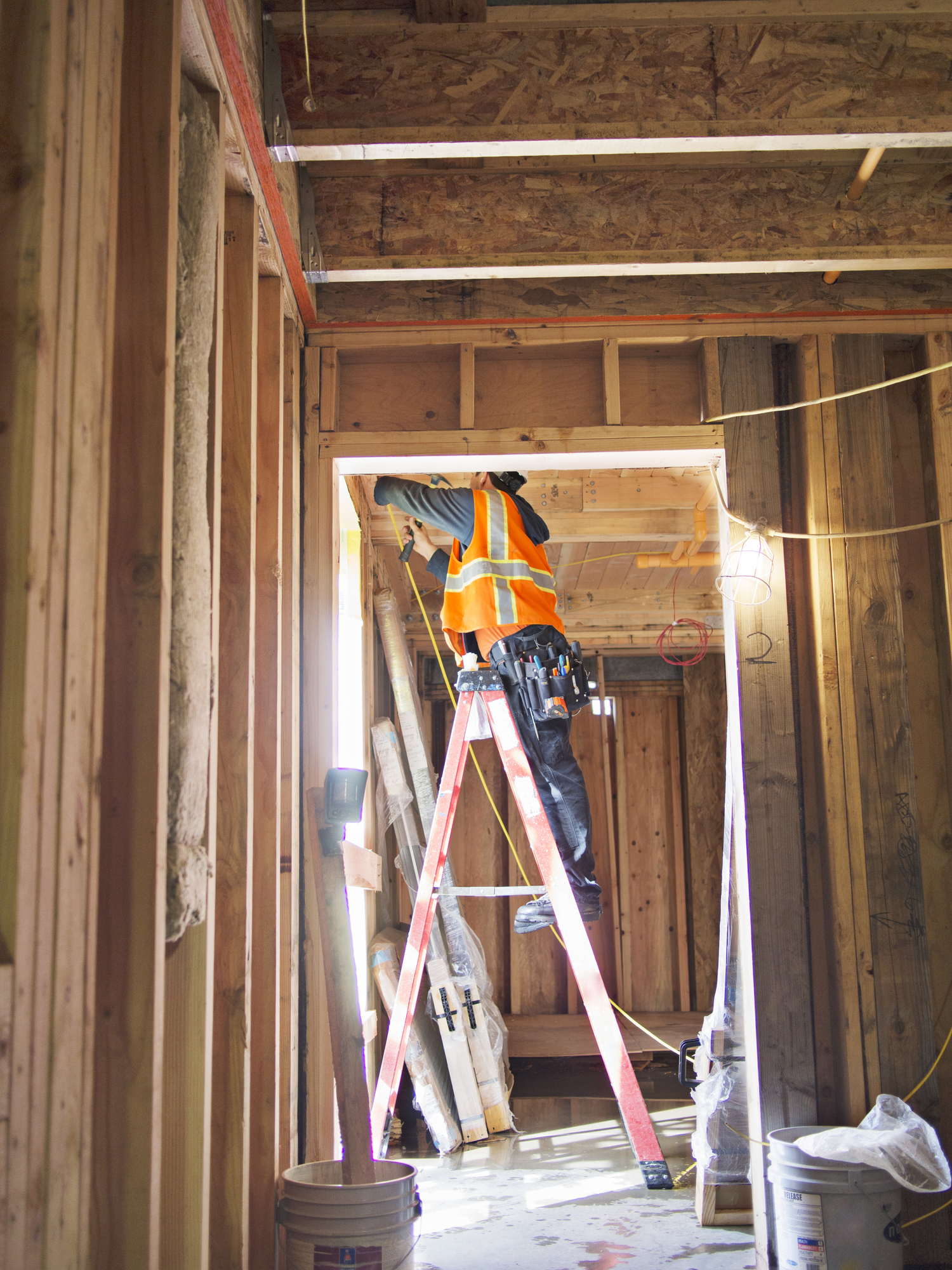
During Q3 of 2023, Hudson SDI has started to see a significant uptick in the number of default notices in the electrical subcontractor base. Many of these issues parallel what we have seen in the wood-framing industry as identified in our last alert. The following points highlight the pressure points:
Increased delivery timelines for already long-lead electrical equipment such as panelboards, meter stacks and electrical gear have impacted project schedules and subcontractors’ ability to efficiently manage production.
Shortage(s) of qualified electricians has created increased demand, driving up labor costs. Additionally, the shortage of qualified electricians has provided a workforce with less than the necessary skills to perform the work required and has mitigated the quality control of the work being put in place. These issues accentuate an already burdened labor supply. AGC recently published a survey outlining the challenges and pressures of getting and retaining talent, further reaffirming this.
These challenges continue to emphasize the need for robust subcontractor pre- and
re-qualification and risk mitigation controls in place for electrical subcontractors and other critical path trades. Proper vetting and prequalification are crucial during the preconstruction phase of the project, with continual check-in on financial health throughout the course of the project. Financial guardrails should be put in place as part of the buyout of trades. (Use your prequal results to drive your decision; this is no time for making exceptions!) A strong attention to detail for Schedule of Values as part of the subcontract negotiations and a list of all third-party suppliers should be identified at the beginning of the project to curtail overpayments and any potential liens on projects. Management practices of stored material is crucial should a subcontractor become insolvent while managing this material, so avoid getting mixed up in bankruptcy administration. WIP reviews with subcontractor executive leadership teams on a defined interval basis should be identified and included in any subcontract risk management plan (RMP).
20 - 50%
$1M
>15%
Variance in low bid awards from the field of other respective prequalified bidders.
variance from the field of other respective prequalified bidders.
Bids with a a differential of +-10% on trade packages over $1M should be vetted or flagged.
There are no efficiencies that can overcome large bid differentials.