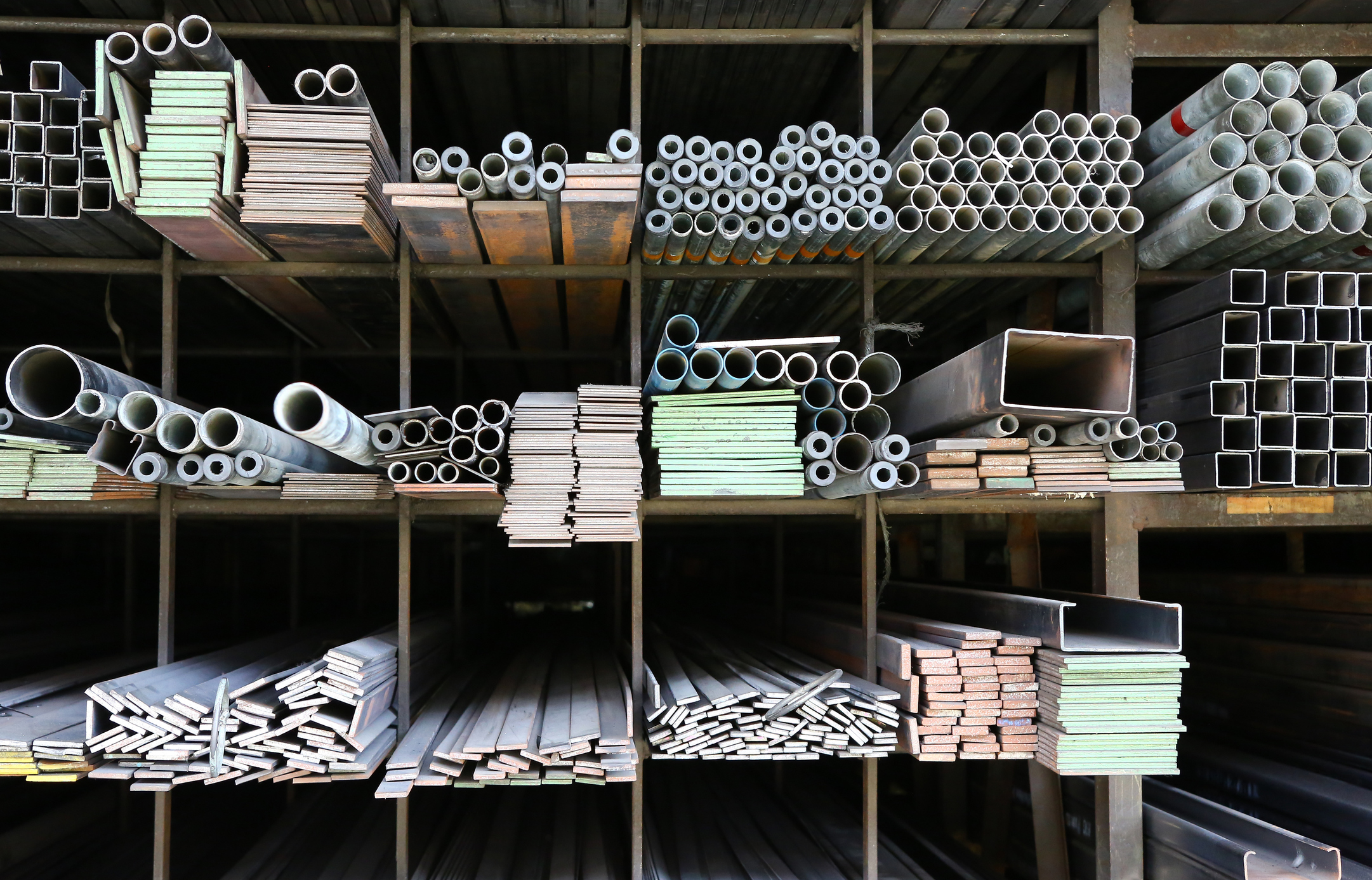
We do not necessarily advocate for them, but we are practical and understand that deposits are inevitable. They are a part of doing business, especially in construction under current supply chain pressures. Since 2020, suppliers have had the upper hand when it comes to selling their materials. Supply chain shortages, FOB challenges, and a robust construction market have put massive strain on available products. Builders want to procure materials and equipment exponentially earlier than in the past. These market conditions have given supply houses and manufacturers the ability to name their terms.
Not Getting What You Pay for: Elevated Risks of Material Deposits

©2023 Hudson Insurance Group. The information contained in this newsletter is for general information only and shall not modify the terms of any insurance policy.


SDI Newsletter | June 2023

Scroll down
When a default occurs (and they do), deposits create an erosion of available balance to re-procure the same material which the deposit was intended to address (when controls are in place). We advocate deposits be minimized, or deployed with significant controls, such that loss costs can be minimized in the unfortunate event of a default.
In summary, and to say it again — we understand that deposits in today’s market are almost inevitable. We strongly suggest considering the practices above to mitigate the inherent risk that comes with purchasing materials in advance of delivery. Always do what you can to protect your business and the project.
Negotiate deposit payments to the end of line (direct to the producer and manufacturer of product) and not supplier/broker.
Negotiate. See how flexible suppliers are willing to be around deposit requirements. In some cases, suppliers have requested up to 50% deposits. This is too much! They want your business as much as you need their materials. This is ripe for negotiation, or at least a conversation. Agreements of all types are negotiated successfully on construction projects. The same goes for deposits. Do what you can to limit or reduce your dollars at risk.
Get buy-in from your client/owner around the use and terms of deposits and include these terms within the general conditions of the construction agreement. In other words, work to de-risk and indemnify yourself when deposits are lost due to causes beyond the reasonable control of the contractor (or its subcontractors).
If clients/owners will not indemnify the builder with regards to deposits, then advocate for allowing the use of the project contingency for deposits lost due to causes beyond the reasonable control of the contractor (or its subcontractors).
As a first line of defense, discourage the use of deposits. Only allow them when mandatory for the success of the project.
#1
#2
#3
#4
#5
Steel Supply
Cabinetry
Countertops
Roofing Insulation and Materials
Lighting Fixtures and Panels/Gear
High-End Flooring Products
Elevator Equipment
Bespoke HVAC Equipment and Specialties
Implement the use of joint checks. We advocate for this as a foolproof way to ensure the end of line producer or manufacturer has been paid for the product in the event you cannot pay them directly.
#6
#6
#6
#7
Consider a UCC filing around the subcontractor. This provides a first lien right position that can be broad or specific around the scopes or materials within the subcontract in the event of default or
non-payment. A UCC filing will mandate the material belongs to the GC if successfully managed and executed.
We have observed larger deposits on the following elements:
Here are some best practices and things to
consider around deposits: