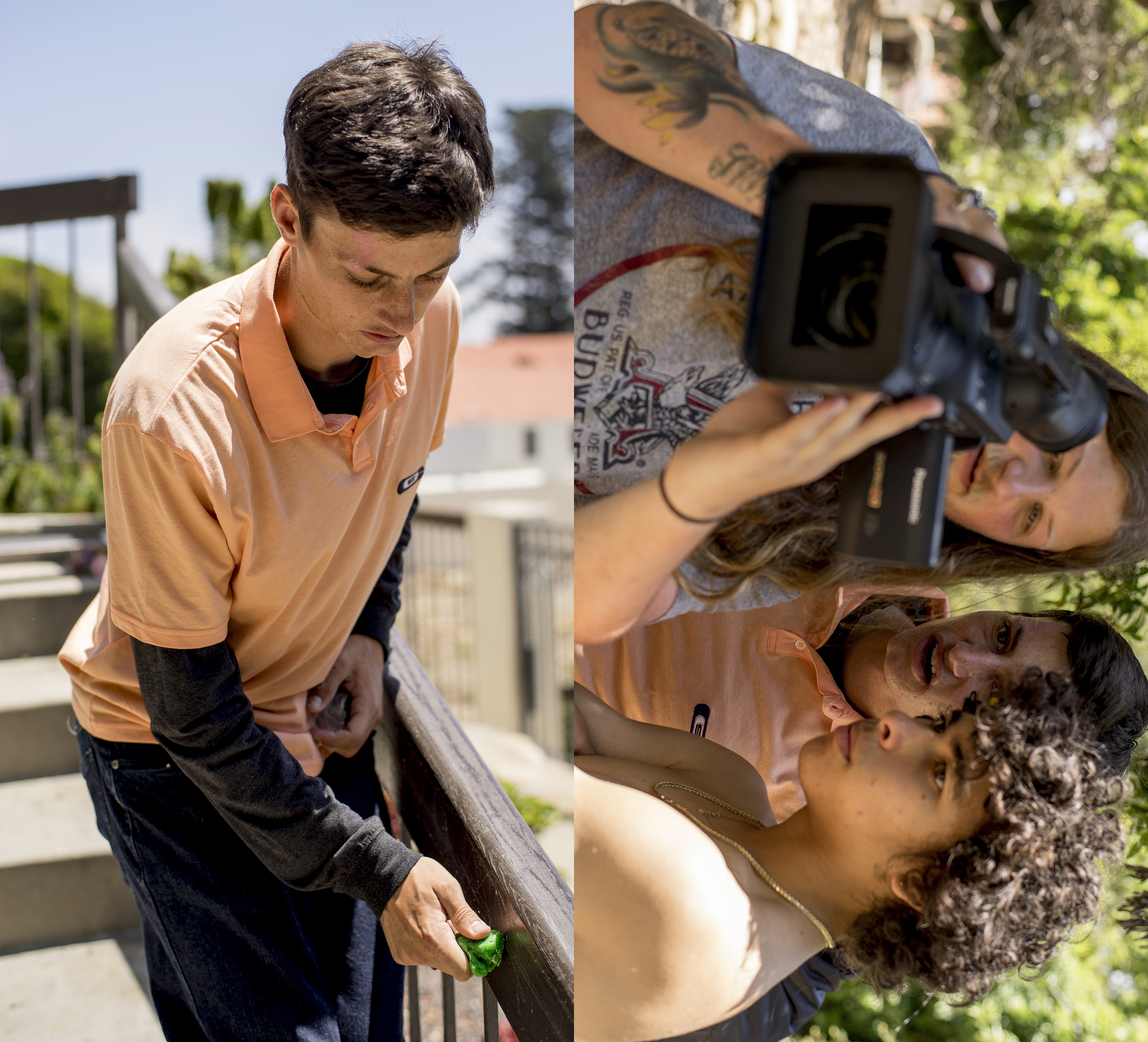
How do you go about finding new team riders?
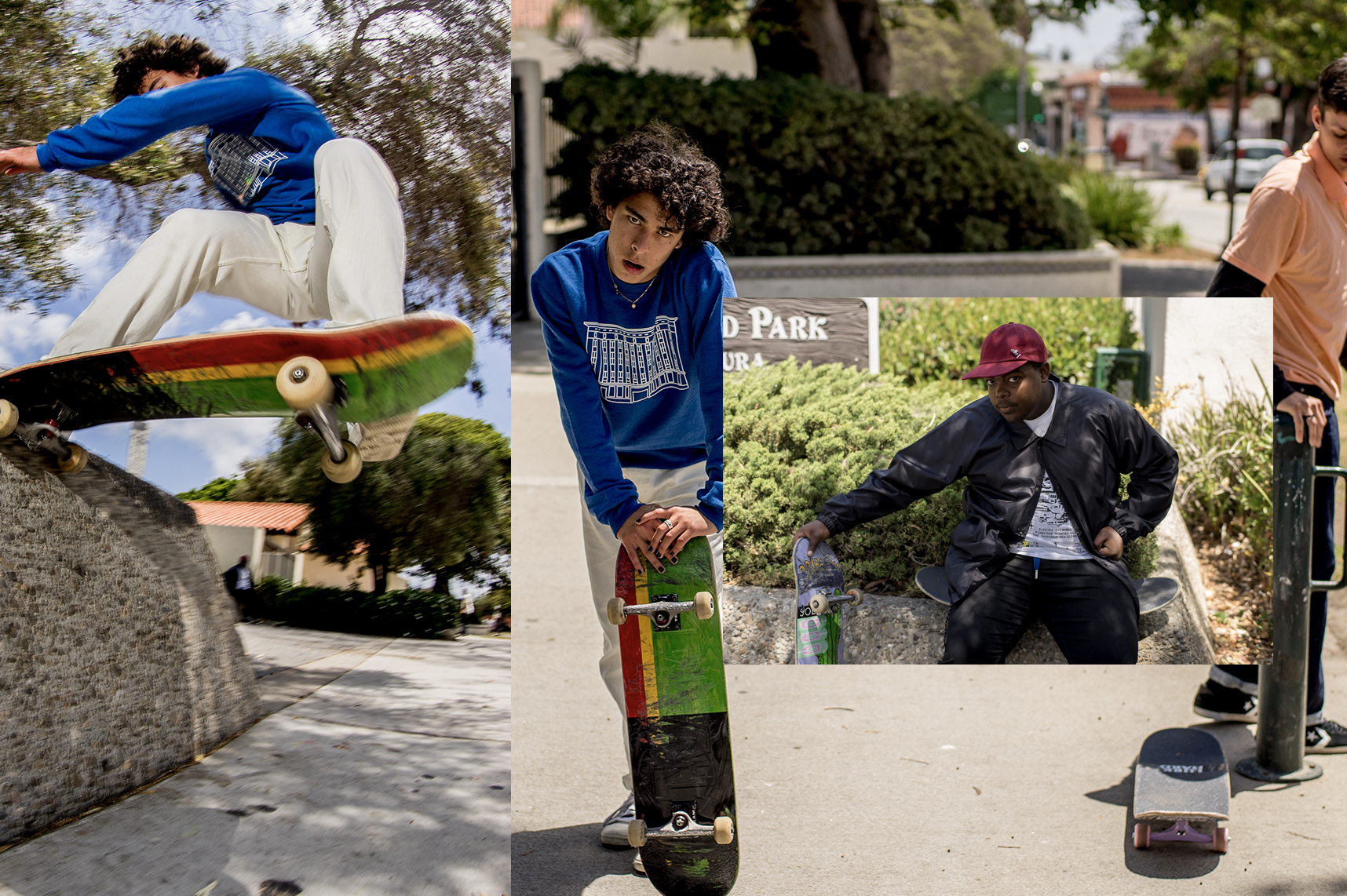
Well, we’ve got these three new ams we’re about to introduce for CCS Apparel and to be honest, I met them all from being out and about at skate events. The new crew is Zach “Ducky” Kovachs, Evan Wasser, and Kanin Garner and I met them in that respective order at Tampa Am, Camp Woodward and Street League (laughs). For keeping up on new skateboarding, nothing beats just being out in the mix with these kids and actually skating with them.
In-house apparel has become the standard for skate shops and sneaker stores, what’s the focus for the designs and graphics?
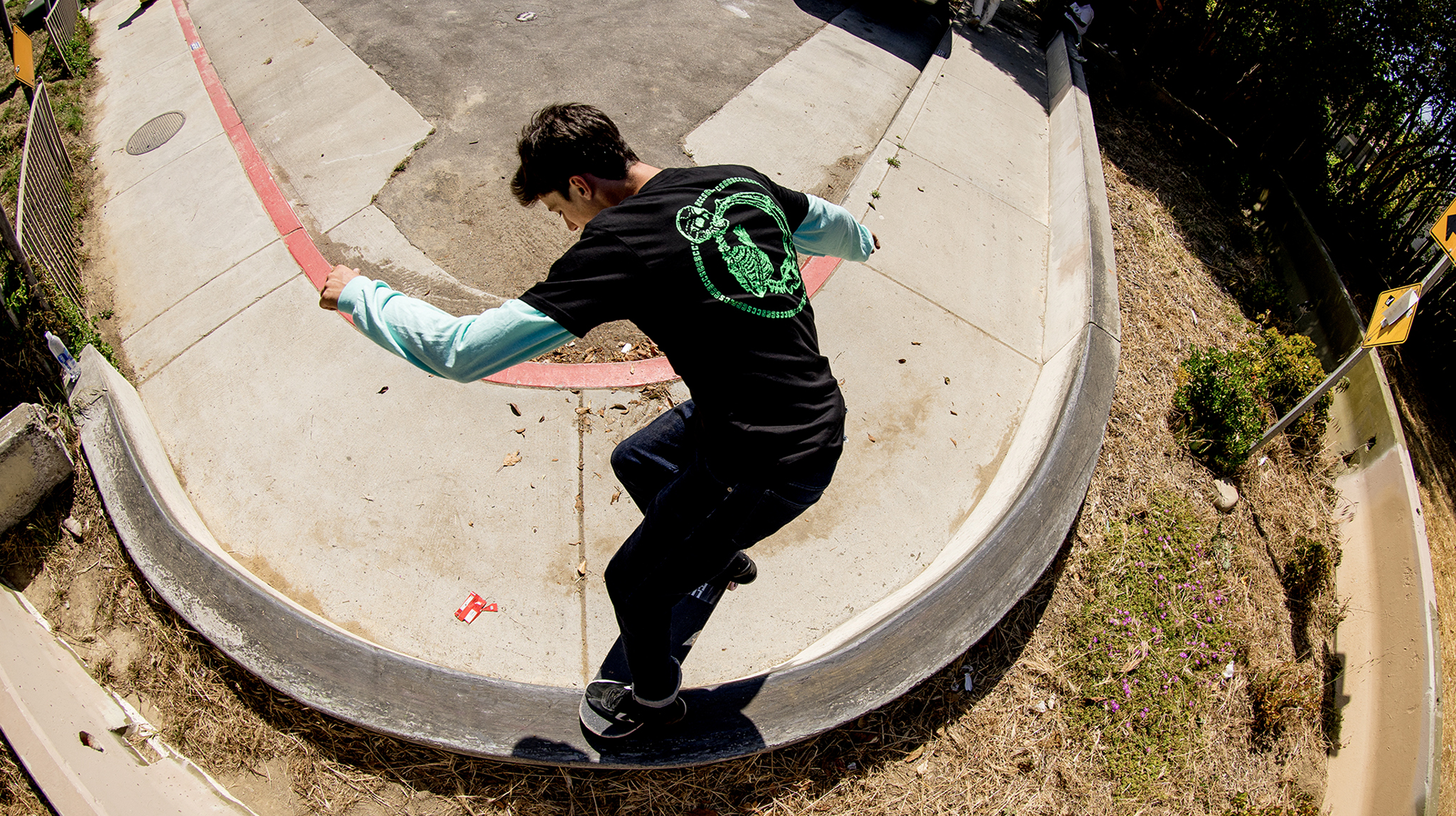
CCS private label has always been a huge part of the brand, and since we’ve been doing this we’ve focused a lot on the quality of CCS products, whether it’s a matter of how things are manufactured, or how they’re designed. A lot of our graphic and design direction comes from the influence of our team, but also just from our staff as well. The company is a lot smaller than it once was and we have a tight-knit team of people that hangs out a lot outside of work and certain designs or graphics may just come from something we’re all stoked on. We’re our own focus group, which is how it should be. The more we’re able to make stuff that we’re stoked on, the better it will all get and having the freedom to do that is what’s going to help us stand out.
The skate industry has had its ups and downs since the mid-’80s, currently in its prime… has the popularity shown through sales? Where are international orders mostly going to?
Honestly, it’s hard for us to tell how the overall market is. We believe that so much of what drives our growth is because of our relaunch of CCS. When we relaunched in January 2015, we had very little inventory and were missing a huge group of vendors. A year later, our vendor count was up substantially as was our inventory and sales growth. That wasn’t because of the skateboarding market. That was just because we were making good progress in rebuilding the business. Regarding international, I can say that in our experience, international isn’t a main driver of our business and since the dollar is up, it’s made our products more expensive for international customers.
When did e-commerce become a focus for CCS?
Since mail-order was e-commerce before there was
e-commerce, CCS was pretty well positioned to jump right into it. I remember CCS being the first ever skate company that had a website. Around 2002, I remember going to CCS.com and seeing my first ever animated GIF of Chad Muska grinding a rail and it blew my mind.
We saw the re-release of the Osiris D3, any other skate shoe models that could be revived?
Yes! We were excited to wear test that one. Whether you love it or hate it, it has a seriously huge place in skate culture and people were excited to see it come back. I would love to see
I-Path make a comeback and bring back Matt Rodriguez’s Cat shoe or the Kenny Reed mid tops. Also some of the first generation Emerica pro models like the first Ed Templeton shoes or the Andrew Reynolds 1’s. If they did what éS did recently with the Accel and just released them exactly the same as they were that would be amazing. That Accel comeback was great. Anyone who grew up in our era has skated a pair of Accel’s.
growing up, Getting CCS catalogs IN THE MAIL were the best part of each season, how many catalogs were Being shipped out in its prime and what year did that take place?
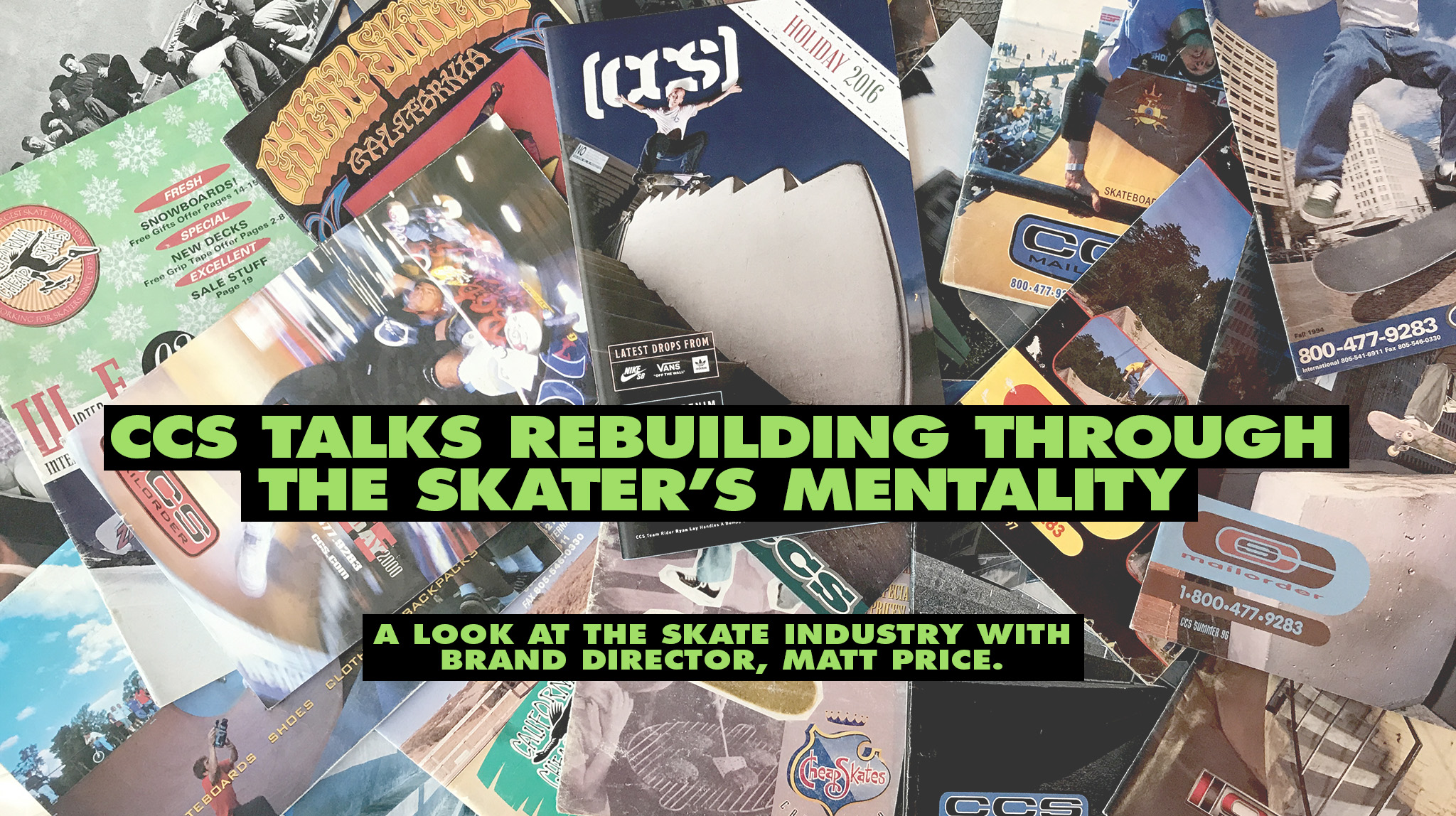
The peak of print for CCS was in 2001/2002 when they were owned by a company called Alloy. They were sending out 18 million catalogs a year in those days, which I think they realized was a little too many. When we bought the company at the end of 2014 there were about 10 million catalogs in circulation every year. Just for a point of reference, Thrasher sends out a little over 1 million magazines a year and they are huge. I wish we could still send out that many, but things are just so different now. Everything comes digitally these days and that’s why we shifted our priority from print to digital and started making a ton of content for our site and all of our social channels. I’m stoked to say though, that after a year of getting our digital marketing figured out, we are doing a few catalogs a year again. There’s no way we could let them go away, because there’s too much heritage for our brand in the print catalogs. We’re currently putting out more content than CCS ever has, but most of it is digital.
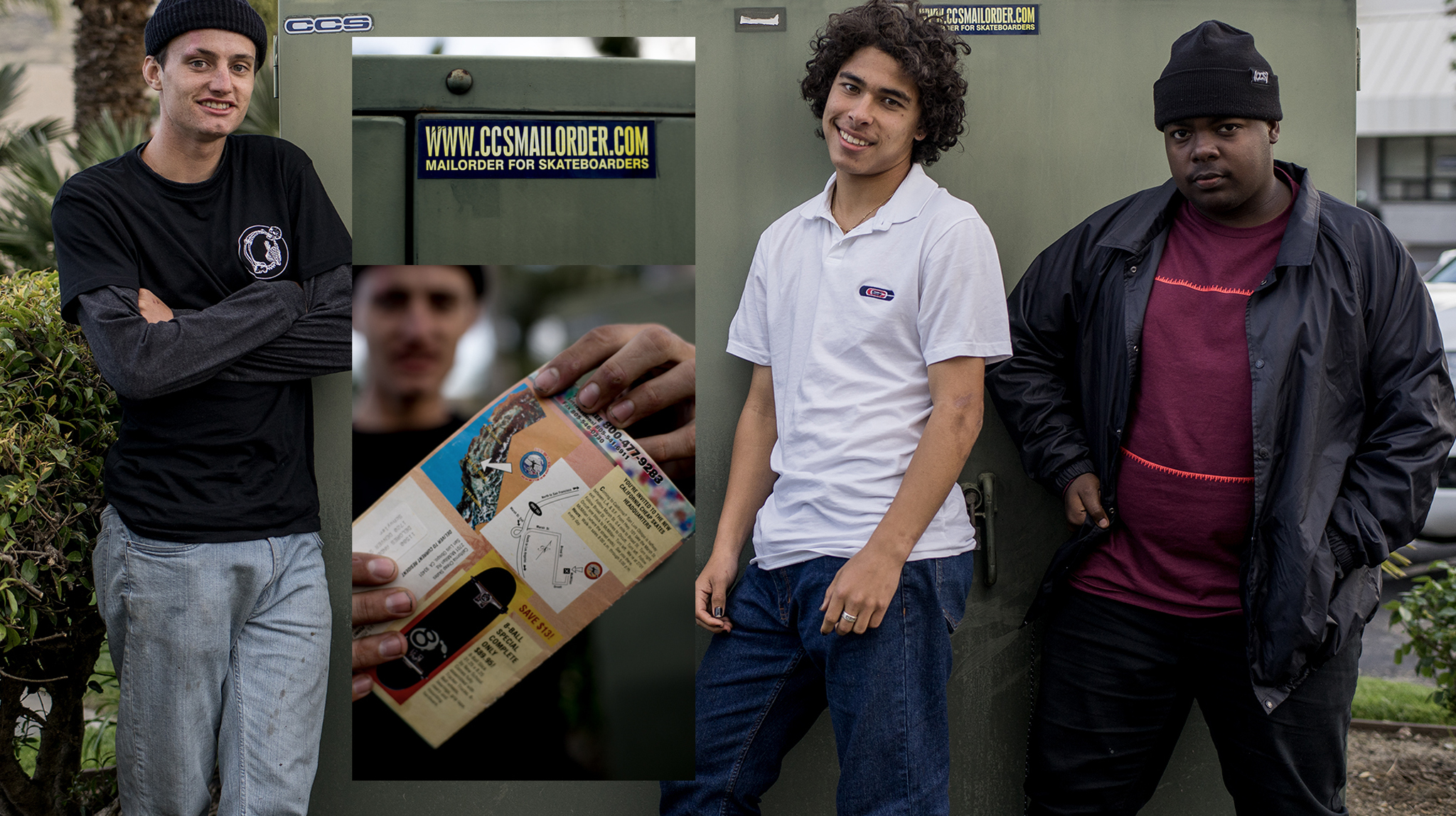
Refusing to give up on an obstacle or landing something is what skateboarding is all about, CCS has refused to stay down. Finally landing in the hands of owners that understand that ideology, what has been different this time around with the latest ownership?
I don’t know if I would call it a fashion focus, but paying attention to what people want is helpful. When the styles that people want line up with something from your brand’s history then it seems like a no-brainer. I definitely would like to see brands taking more cues from their own heritage, rather than what everyone else is doing.
I don’t see why not. As cliché as it sounds, it’s all about doing something that’s real. If you think that a company you’re into is run by people like you and making stuff for you, then of course you’re going to support that company. The days are gone where you can just make garbage and market the hell out of it to make people want it. People are able to easily find and connect with brands that are doing something real, and I think the term “streetwear” has changed a bit over the years. Rather than a style of clothes, now I think it just means that you have a high level of respect from your customers so you’re able to sell in a higher end market, and that respect seems to just come from being genuine.
Promo products, collaborations, graphic tees — skate culture is essentially the forefather of the “streetwear” industry as it is today… Supreme, Palace, Dime and other brands supported by real skaters gives a level of cultural authenticity. Do you think skate brands from the early ‘00s can be taken more seriously in the world of streetwear?
Blind just released their wide-legged pants, do you think skate brands might take more of a fashion focus for their future apparel?
Since running a business is insanely complicated, I could never comment on what anyone else did right or wrong with the brand, but I do know that one of the first things we did with the brand was focus on rebuilding the core and part of that was cutting out a lot of large expenses so we could move quickly and efficiently, the way that all upstart skate companies have operated since the beginning of this industry.
We also got to build a team from scratch since the purchase didn’t come with any employees or inventory or anything like that. This allowed us to put the right people in the right places and helped us to talk to skateboarders again. At any business, it’s all about people, and if you don’t have the right people, that genuinely care about what they’re doing, no one will give a shit about what you’re doing.
My boss (who is also the president and owner of CCS) doesn’t pretend like he’s got his finger on the pulse of skateboarding, so he’s put people in the right positions who do and without kissing too much ass, I think he’s done a good job at just letting us do what we know. All of our design, product development and marketing are in the hands of people who really care about not only the culture, but the actual brand itself. We all grew up on CCS and it means something to us.
One of the coolest things to happen in the last two years was when we had the opportunity to talk with CCS founding father, Mike Adamski, and get some more insight on the history of the brand so we could get it back to its roots.


BEFORE SKATEBOARDING was at the forefront of culture in the digital age, skate products were not so easy to find; typically just at the local skate shops, and of course the CCS Mailorder catalog. Originally known as California Cheap Skates, the retailer opened shop in 1985, shipping out millions of catalogs each season during the era when web stores weren’t yet a widely-accepted form of shopping. For those unfamiliar with CCS, they were responsible for supplying the youth with the latest goods from World Industries, Blind, enjoi, Birdhouse and the like. This helped set the scene for the action sports industry, which would go on to catalyze sneaker culture and the streetwear industry. It was an interesting time to grow up and watch the merchandise of skate brands progress from graphic tees to cut and sewn garments. So when Chad Muska decides to throw a pocket inside the tongue of his latest signature shoe — or when they figured backpacks need built-in chairs, speakers and skateboard straps — you were sure to find these innovations in the next seasonal catalog.
Things were looking promising for the skate industry after 1999, as the world just witnessed Tony Hawk’s revolutionary 900º, showing that the sport was nowhere near its limits. However this new wave of popularity brought the culture into the mainstream, placing shops like Zumiez and Active into every Westfield mall in America. This popularity split the culture into two parts; the young kids that push around suburban neighborhoods on pre-assembled completes, and the gritty counterculture side that channelled New York’s skate scene from the ‘90s. Alongside the proliferation of skate stores and the evolution of e-commerce, the business model that brought success to CCS was disrupted.
In 2000 CCS was sold to an e-commerce company called Alloy for $53 million USD before being sold to Foot Locker for $103 million USD in 2008. While the promising retailer was unable to meet the big-business expectations of Foot Locker, they would decide to call it quits in 2014 when a Portland-based businessman named Daron Horwitz opted to buy for an undisclosed amount. Horwitz, the owner of Daddies Board Shop was excited to attempt restoring the reputation of the retail giant. So far this year CCS has worked toward rebuilding the business, assembling an amateur team, and producing in-house apparel — so we caught up with brand director, Matt Price, during a roadtrip from LA to San Luis Obispo with the amateur ride team.