
Making a Difference


AReNA’s groundbreaking research on links between agriculture, nutrition, and healthy diets
This blog post is part of a special monthly series entitled “Making a Difference,” documenting the impact of IFPRI's projects and initiatives. These stories reflect the wide breadth of the Institute's research, communications, and capacity-strengthening activities around the world, in fulfillment of its mission. The blog series has been peer-reviewed by IFPRI's Impact Committee members.
Impact at a Glance
The AReNA project created a one-of-a-kind dataset that links nutrition-related indicators to agricultural and environmental indicators. This dataset includes 60 countries, 184 demographic health surveys (DHS), and 122,473 clusters. The dataset has been used for countless studies on the determinants of child stunting, wasting, and feeding practices.
CGIAR Impact Areas
Nutrition, Health, and Food Security
Despite extensive efforts to achieve Sustainable Development Goal 2, the world is falling short of its target of Zero Hunger by 2030, and levels of food insecurity remain persistently high. In 2024, 2.6 billion people worldwide could not afford a healthy diet. This is a major problem in low- and middle-income countries (LMICs), where many poor households lack access to the nutritious foods essential to healthy, diverse diets and must rely instead on cheaper, less nutritious staples. Many countries also now face the double burden of malnutrition, as undernutrition and micronutrient deficiencies coexist with overweight and obesity.
�Agriculture is at the center of food systems, and demand has been growing for research focusing on ways the agricultural sector can have a greater impact on improving diets and nutrition. Responding to this need, in 2014, IFPRI partnered with the Gates Foundation to establish the Advancing Research on Nutrition and Agriculture (AReNA) project to bridge data and knowledge gaps between these two key topics.

VIEW MORE BLOG POSTS



IFPRI is reaching the lives of millions of people through its contribution to policies and programs that reduce poverty, hunger, and malnutrition. This blog series highlights how IFPRI’s research is contributing to policy decisions and investments made by governments, development organizations, and other partners, and making a difference for food and nutrition security in developing countries around the world.
About IFPRI The International Food Policy Research Institute (IFPRI), a research center of CGIAR, provides research-based policy solutions to sustainably reduce poverty and end hunger and malnutrition in low- and middle-income countries. IFPRI was established in 1975 to identify and analyze alternative national and international strategies and policies for meeting the food needs of the developing world, with particular emphasis on low-income countries and on the poorer groups in those countries. Partnerships, communications, capacity strengthening, and data and knowledge management are essential components for translating IFPRI’s research to action and impact. The Institute’s regional and country programs play a critical role in responding to demand for food policy research and in delivering holistic support to country-led development. IFPRI collaborates with partners around the world.
This review of research outcomes was written by Tamsin Zandstra, Research Analyst, Director General’s Office, IFPRI; Derek Headey, Senior Research Fellow, Development Strategies and Governance Unit, IFPRI.






BACK TO TOP

Some of AReNA’s policy insights
Key takeaways from the AReNA project
When the AReNA project was conceived in 2013, there was a huge demand for understanding how agricultural and food policies could do more to improve nutrition, but very little specific guidance on what to do. Most existing research focused on projects to boost small-scale homestead food production rather than broader policies or ambitious programs. Little if any research covered key large-scale linkages, such as whether changes in real food prices drive dietary changes. Some economists even argued that agriculture only affected nutrition through impacts on incomes, while many nutrition programs seemed to conversely assume that knowledge was the key factor, not incomes or access to high-quality foods.
�Thanks to the AReNA project, the global research and policy communities working on agriculture now know differently.
�
First, AReNA showed that healthy foods and healthy diets such as the EAT-Lancet diet are largely unaffordable for the world’s poor, placing them out of reach for billions of people. This problem has critical implications for nutrition-sensitive social protection, as well as economic growth strategies and food policies more broadly.
�
Second, poor people live in poor food environments. While insufficient income is indeed a major obstacle to improving diets, relative prices are higher in LMICs for a wide range of healthy foods, including fruits, vegetables, and animal-sourced foods. People in those countries consume fewer of those foods, including infants and young children who need to eat high-quality foods to ensure healthy development.
�
Third, the costs of perishable healthy foods can be reduced through greater investments, particularly in the poultry and dairy industries. Countries with more intensive and commercialized poultry production systems, for example, have much lower egg prices.
�Fourth, countries with high rates of child undernutrition should prioritize the development of their livestock and fisheries sectors, and also judiciously use trade policies to improve accessibility and affordability of animal-sourced foods, which are rich in high-quality protein and multiple micronutrients. Low prices and consumption of these foods are strongly and robustly associated with reductions in child stunting.
�
Finally, livestock development strategies should also be hygiene-sensitive and focus on reducing the risks of enteric infections and zoonotic diseases for women and children in particular, as AReNA research has pointed to significant risks from child exposure to livestock feces, especially poultry.
�
The AReNA project has had a profound impact on the understanding of the complex interconnections between nutrition and agriculture. It has informed some of the most important strategic questions facing nutrition-sensitive agricultural development strategies, and played a central role in creating new indicators of the costs and affordability of healthy and unhealthy foods, and healthy diets as a whole. The huge number of academic and policy citations to AReNA studies suggests both an impact in the “real world” of policy deliberations, as well as an enduring impact on future research that can collectively help shape a more sustainable and food-secure future for all.��
AReNA was the first project to use the World Bank’s International Comparison Program (ICP) data on retail food prices—covering 175 countries and 800 food items—to study the affordability of healthy and unhealthy diets. AReNA used this data to produce a groundbreaking study highlighting the economic barriers to healthy eating, as suggested by the global benchmark diet of the EAT-Lancet Commission. It significantly influenced the adoption of healthy diet metrics in FAO-led State of Food Security and Nutrition reports and led to the widely-cited finding—used by the FAO, World Bank, and others—that 3 billion people cannot afford a healthy diet.

AReNA collaborated with IFPRI’s modeling team to integrate new indicators of dietary quality in country-level economic models, and healthy diet affordability indicators into global models such as IMPACT and MIRAGE.



A decade ago, many experts were skeptical about agriculture’s importance for nutrition, but the AReNA project really dispelled those concerns. AReNA showed us that the real prices of healthy foods vary enormously around the world and explain the massive nutritional inequalities we observe across countries; that there are huge opportunities to improve child nutrition through animal-sourced foods and livestock policies and investments; but also that unhygienic livestock practices pose serious health risks for young children. There’s still a lot to learn, but AReNA shed a lot of light on the power and pitfalls of agriculture’s complex role in shaping human nutrition.”
– Derek Headey, IFPRI

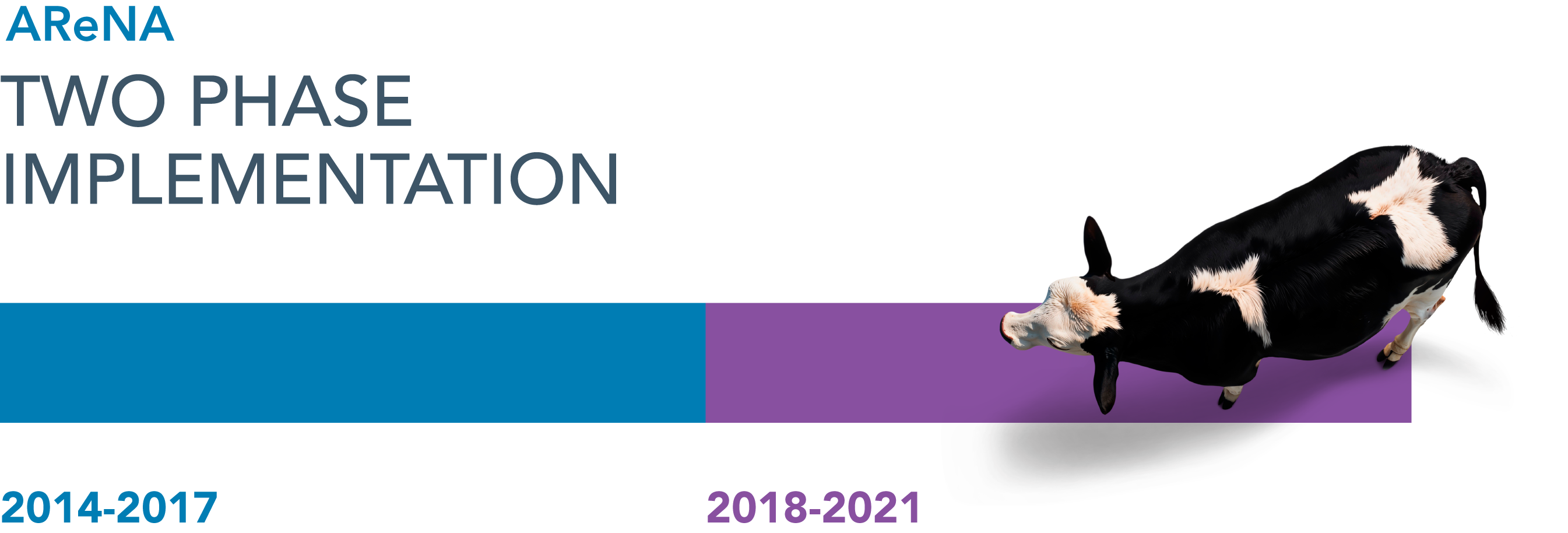
AReNA, implemented in two phases over 2014-2017 and 2018-2021, focused on the many complex pathways between agrifood systems and nutrition, including agriculture’s impacts on food prices and food market quality, livelihoods and incomes, diets and child feeding practices, as well as the broader health of farming populations exposed to zoonotic diseases, climate risks, and other hardships of rural life in LMICs.
�AReNA took a novel approach to its research methodology.
�First, recognizing an existing disconnect between nutrition surveys and agricultural surveys, the project created a huge composite dataset linking nutrition-related indicators to agricultural and environmental indicators. Nutrition-related indicators were drawn from Demographic and Health Survey (DHS) data covering 60-plus countries, 250 DHS survey rounds from 1990 to 2021, and almost 2 million children under the age of 5. These DHS data were then linked to open-sourced geographic information systems (GIS) data for each DHS community on indicators including agricultural production, soil quality, transport, electricity and irrigation infrastructure, population density, and economic development proxies such as night light intensity.
�Second, AReNA was also the first project to use the World Bank’s International Comparison Program (ICP) dataset on retail food prices for 175 countries and around 800 food items, leading to groundbreaking research on the affordability of both healthy and unhealthy foods.
�Third, AReNA collaborated with other IFPRI-led projects—such as Alive and Thrive and the Ethiopian Feed the Future and Productive Safety Net Program surveys—to add innovative new modules on topics such as livestock-related hygiene issues and food market surveys.
�Finally, AReNA worked with IFPRI’s modeling team to integrate new indicators of dietary quality in country-level economic models and healthy diet affordability indicators into global models such as IMPACT and MIRAGE. �
Prioritizing livestock and aquaculture development for improving nutrition
Animal-sourced foods and child stunting (low height for age). While nutritionists in high-income countries often emphasize the health risks of animal-sourced foods such as red meat, AReNA research shows that animal-sourced food consumption in most low-income countries should be drastically increased, especially for vulnerable groups including infants, children, and women. One prominent AReNA study in the American Journal of Agricultural Economics demonstrated the importance of animal-sourced foods for reducing child stunting by testing associations between the two among 113,000 children in 40 countries. Children who consumed at least one animal-sourced food per day were much less likely to be stunted than those who didn’t consume any, while children who consumed two animal-sourced foods per day had an exceptionally large reduction in stunting risk.
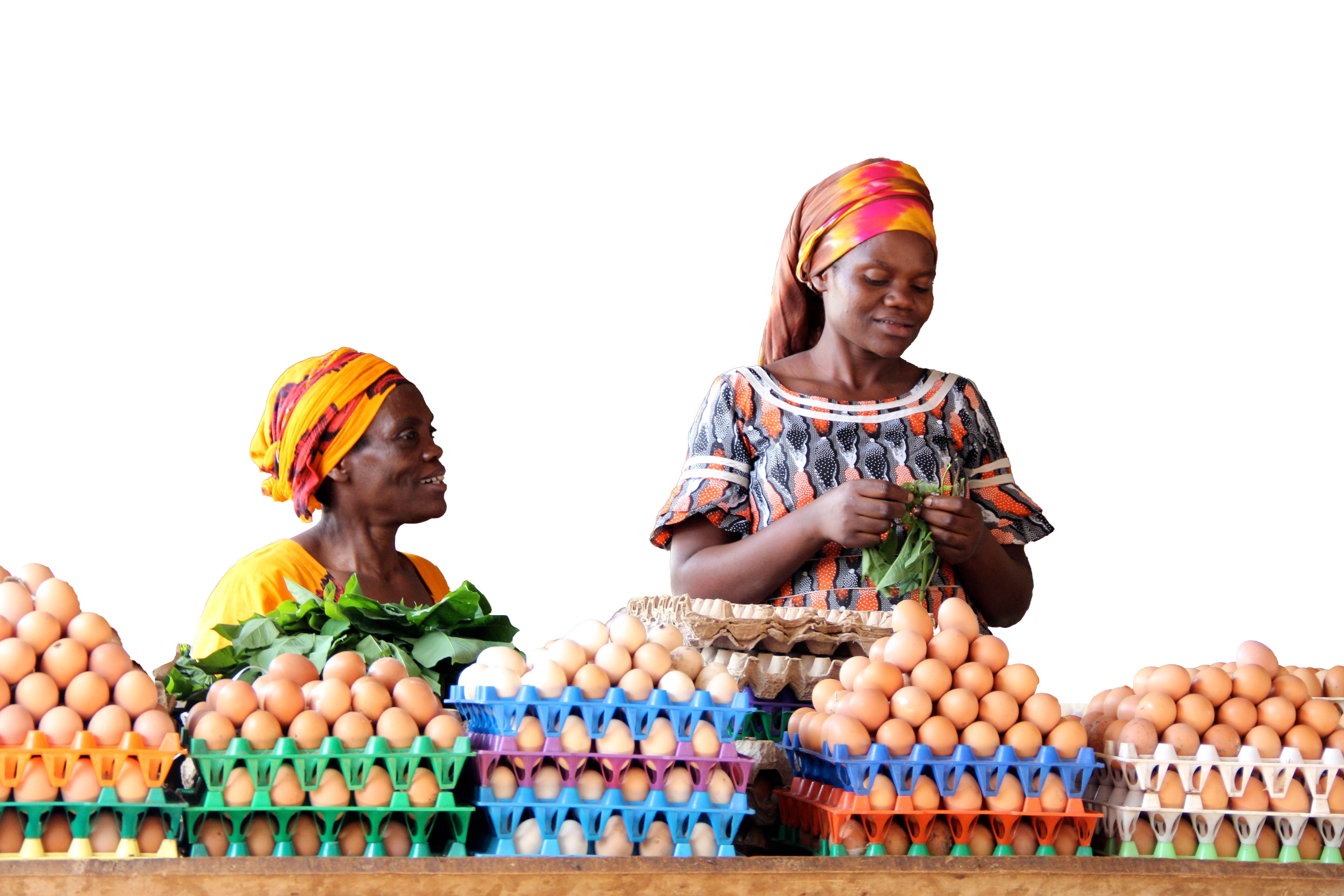
�An egg for everyone: Pathways to universal access to one of nature's most nutritious foods. Eggs are readily available and consumed regularly by young children in high‐ and middle‐income countries but are rare and expensive in much of Africa and South Asia. To provide more access to affordable eggs in rural areas, IFPRI researchers investigated and recommended aggregating egg production, with minimum flock sizes of 5,000 layers per farm. Large-scale intensive production can bring down prices significantly, allowing many more poor households to access and consume eggs. Recent experiences in Thailand and other countries confirm that this is both feasible and works.
�Dairy development and nutrition in low- and middle-income countries. AReNA research shows that dairy consumption is a particularly strong predictor for reducing stunting risk, as are underlying factors for dairy consumption, such as dairy cow ownership and lower retail prices for dairy products. A special issue of the journal Food Policy highlighted the myriad evidence linking dairy development to improved child nutrition outcomes, summarized in a synthesis paper. A study by Haile and Headey (2024) in that issue was then used in the Gates Foundation’s 2024 Goalkeeper’s Report to estimate that improving dairy productivity and supply in just five countries—Ethiopia, India, Kenya, Nigeria, and Tanzania—could prevent 109 million cases of child stunting between 2020 and 2050. This research was also cited in a 2024 article in The Economist on dairy’s potential to reduce both poverty and malnutrition in LMICs.�

Focusing more attention on the economic barriers to improving diets
Many nutrition programs around the world use behavioral change communication interventions to educate people on healthy diets. These typically do not focus on the economic barriers to good nutrition—a topic that received relatively little scholarly attention before AReNA’s groundbreaking research on food costs and the (un)affordability of healthy diets. This has been critical to shifting research and policy attention to the challenge of overcoming those economic barriers.
�The prices of healthy and unhealthy food. First, in a study cited 370 times, including 140 policy citations, Headey and Alderman (2019) developed a new metric showing the costs and complexities of diversifying diets.
�Critically, this study showed that healthy foods such as fruits, vegetables, dairy, meat, and fish can be 5 to 20 times more expensive than starchy staples such as rice, maize, or wheat flour in developing countries—while many sugar- and fat-rich foods were relatively cheap, especially in middle- and high-income countries. The study also directly linked higher animal-sourced food prices to higher rates of stunting, and lower sugar prices to higher rates of obesity. The study recommended that researchers focus on how to reduce this relative price gap to achieve better dietary and nutrition outcomes, beginning an ongoing dialogue and a growing body of scientific literature. These findings were presented in person to Gates Foundation Co-Chair Bill Gates, as well as senior officials in development agencies in the United States, the United Kingdom, the European Union, Africa, and Asia.
�The cost and affordability of the EAT-Lancet diet. The 2019 EAT-Lancet Commission report outlining the first global benchmark diet was a major research achievement of the past decade. AReNA took this a step further. Using ICP food price data, it made the first estimate of the global affordability of the EAT-Lancet diet—finding that while its costs represented a small fraction of average incomes in high-income countries, it was not affordable for the world’s poor.
�This finding was key to raising awareness of the serious economic obstacles to the EAT-Lancet’s goal of transforming diets. At the research level, this study was also an important precursor to the adoption of healthy diet metrics by the State of Food Insecurity and Nutrition reports led by the UN Food and Agriculture Organization (FAO). Affordability indicators have become an integral part of FAO and World Bank nutrition and diet datasets— leading to the widely cited statistic that about 3 billion people around the world cannot afford a healthy diet.
�Rural food markets and child nutrition. The relationship between household food production and consumption is the focus of a lot of research—an approach that often leaves out the critical role of food markets and market development. IFPRI researchers addressed this problem by examining how child dietary diversity in Ethiopia is related to the quality of local food markets. This 2019 study provided the first rigorous evidence of how expensive nutrient-dense foods are in remote rural food markets, helping to launch a rapidly growing literature on rural food environments and their potential role in improving diets and nutrition outcomes in LMICs.
Identifying the risks of livestock production for child nutrition and health
The AReNA project also conducted groundbreaking work on the risks that agricultural production represents for child nutrition and health. Two AReNA studies found that livestock ownership poses a significant risk to child nutrition in developing countries through fecal contamination of the homestead food environment. Building on research from the SHINE project, AReNA researchers found that when poultry are kept in the same dwelling where household members sleep and eat, children are more likely to have stunted growth. Another study found that the presence of livestock feces in the homestead was similarly predictive of increased stunting risk. This research led to another IFPRI impact evaluation project, implemented by the Gates Foundation and Tanager in Burkina Faso between 2016-2021, to address knowledge gaps and improve poultry value chain development, women’s empowerment, and a behavior change communication promoting healthier diets and hygiene.
While there is no easy way to measure influence from individual studies, let alone a body of research, Altmetric scores—a metric of citations in scholarly publications, reports, and news media—arguably offer the best single metric for capturing broad influence. Figure 1 reports Altmetric scores for some of the most influential AReNA publications. A better-than-average Altmetric score is around 20, so Figure 1 demonstrates the extensive reach of many AReNA publications.
Measuring AReNA’s influence on research and policy development

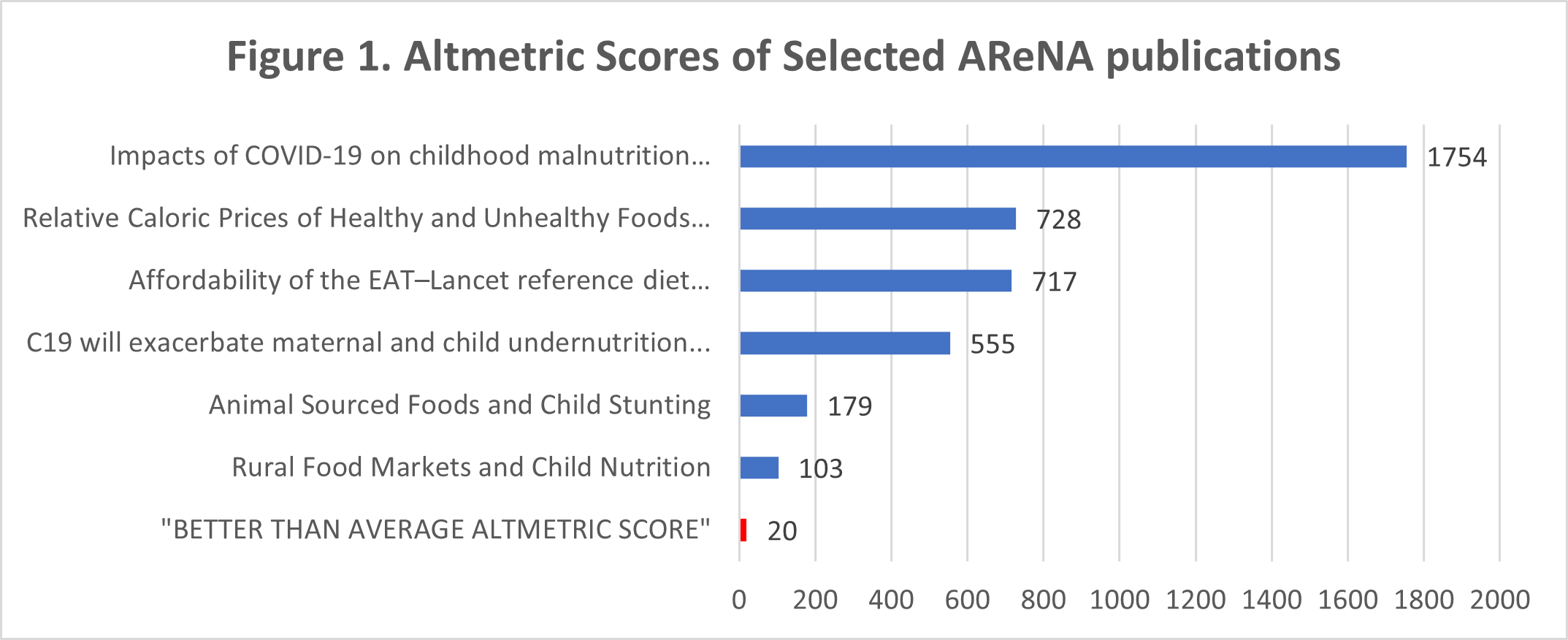
At the top of the list is a study published in The Lancet on the impacts of COVID-19 on childhood malnutrition and nutrition-related mortality. Published on behalf of the Standing Together for Nutrition Consortium, the study used the AReNA DHS dataset to evaluate the impacts of economic growth shocks on child wasting and mortality. It was extremely influential in raising awareness of the indirect risks of the COVID-19 economic crisis for child malnutrition, and in informing the actions of major UN agencies such as the World Health Organization (WHO), the World Food Programme (WFP), FAO, and UNICEF. This work was also prominently cited in a New York Times feature.
109 Million
Stunting cases prevented
Improving dairy productivity and supply in just five countries—Ethiopia, India, Kenya, Nigeria, and Tanzania—could prevent millions of cases of childhood stunting between 2020 and 2050.
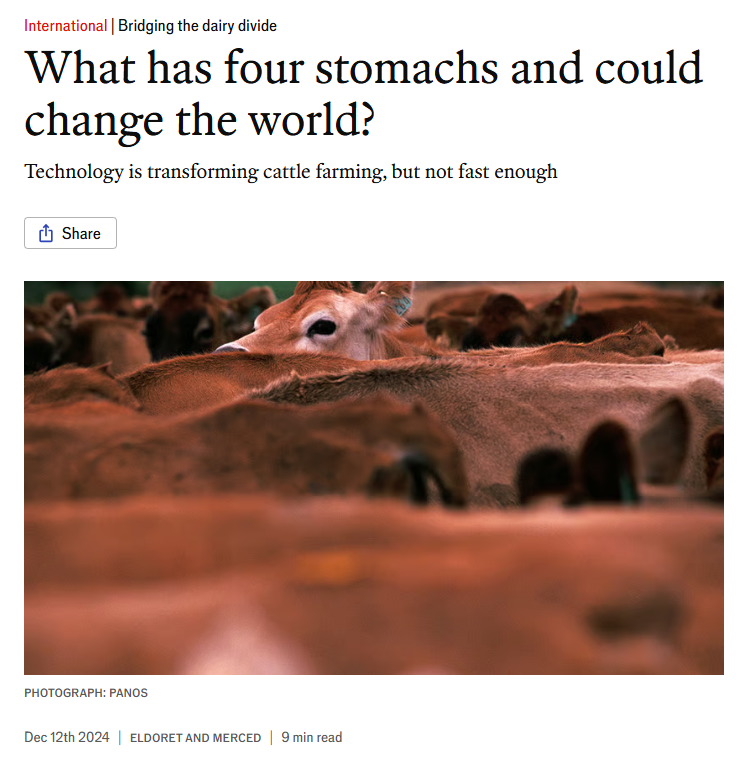
Source: The Economist
Source: IFPRI
VIEW MORE BLOG POSTS
IFPRI is reaching the lives of millions of people through its contribution to policies and programs that reduce poverty, hunger, and malnutrition. This blog series highlights how IFPRI’s research is contributing to policy decisions and investments made by governments, development organizations, and other partners, and making a difference for food and nutrition security in developing countries around the world.
About IFPRI The International Food Policy Research Institute (IFPRI), a research center of CGIAR, provides research-based policy solutions to sustainably reduce poverty and end hunger and malnutrition in low- and middle-income countries. IFPRI was established in 1975 to identify and analyze alternative national and international strategies and policies for meeting the food needs of the developing world, with particular emphasis on low-income countries and on the poorer groups in those countries. Partnerships, communications, capacity strengthening, and data and knowledge management are essential components for translating IFPRI’s research to action and impact. The Institute’s regional and country programs play a critical role in responding to demand for food policy research and in delivering holistic support to country-led development. IFPRI collaborates with partners around the world.


BACK TO TOP
This review of research outcomes was written by Tamsin Zandstra, Research Analyst, Director General’s Office, IFPRI; Derek Headey, Senior Research Fellow, Development Strategies and Governance Unit, IFPRI.