Yalew Mekonnen
Research Officer, IFPRI — Addis Ababa
Gashaw T. Abate
Research Fellow, IFPRI — Washington DC
Swati Malhotra
Communications Specialist, IFPRI — Washington DC
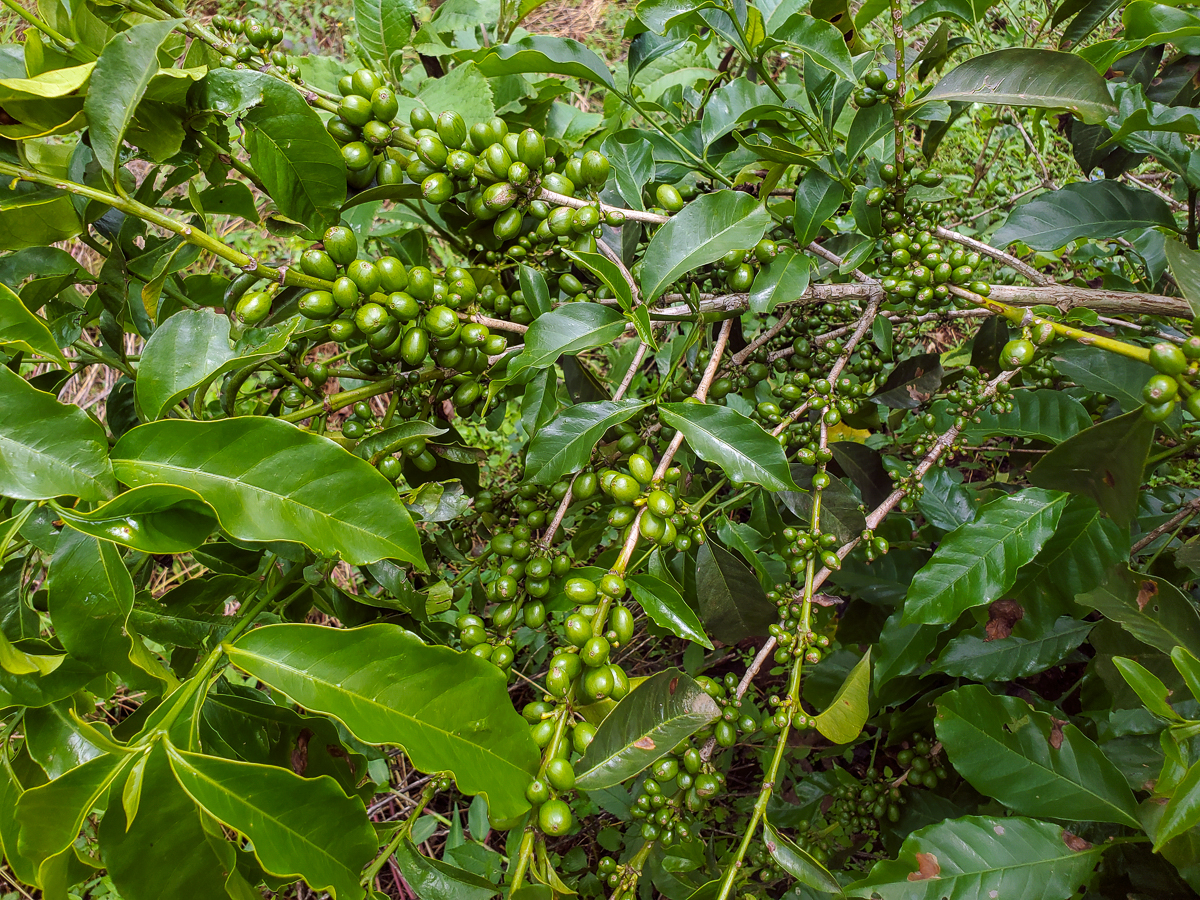
Coffee is one of the most highly consumed drinks in the world, along with water and tea. It is also Ethiopia’s most important export crop, accounting for a third of the country’s commodity exports in 2021/22. Ethiopia’s highly valued Arabica coffee is cultivated by more than 6 million smallholders, and the industry employs almost 15 million people across the value chain.
While coffee production and exports have generally increased over the last decade, several constraints still hold Ethiopia’s coffee sector back from achieving its full potential. The main constraints include older, low-yielding coffee trees and poor farm management and agronomic practices. Most of Ethiopia’s coffee trees were planted more than 20 or 30 years ago, and farmers often do not know how to rejuvenate their coffee trees to sustainably improve their yields.
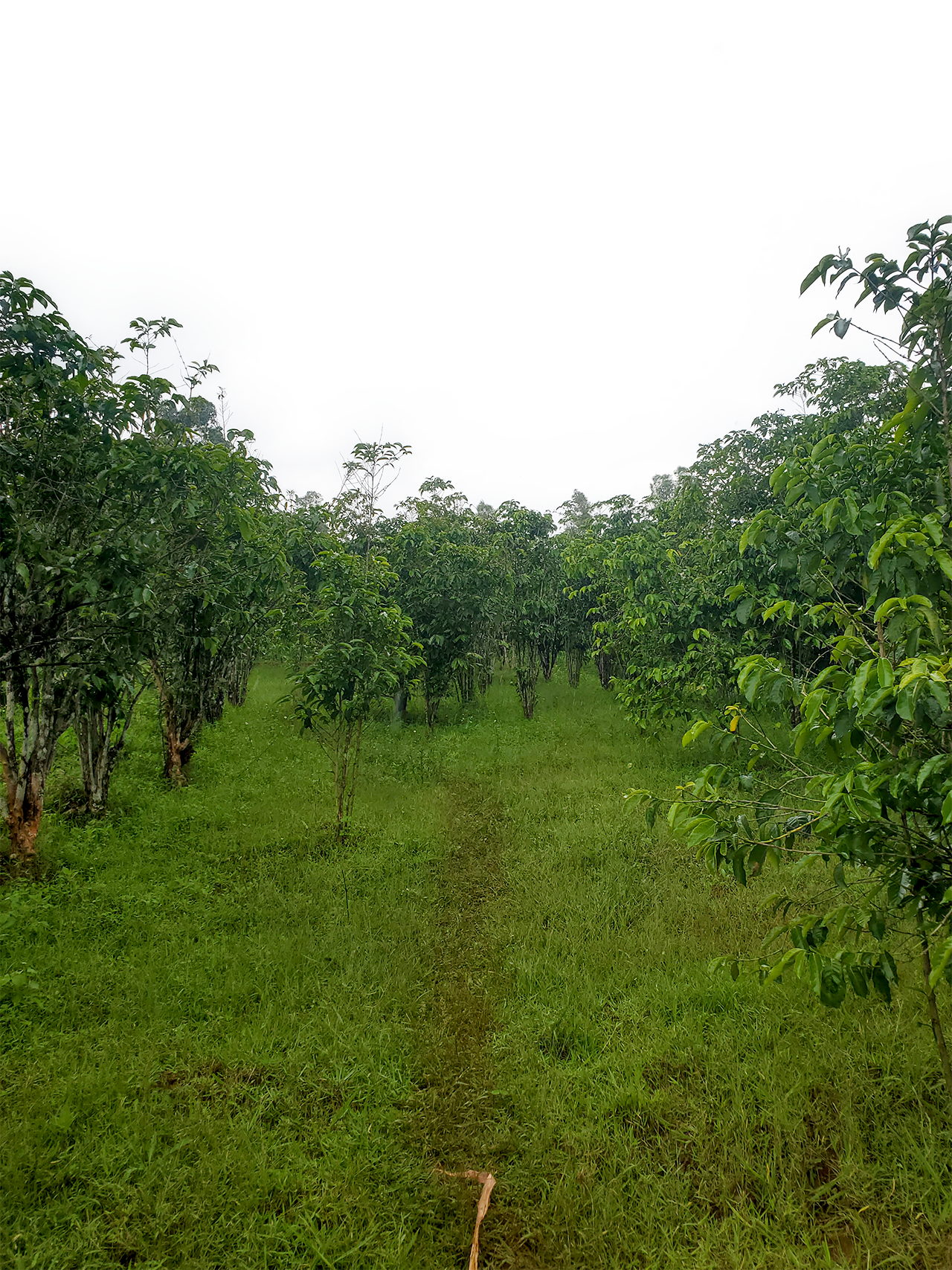
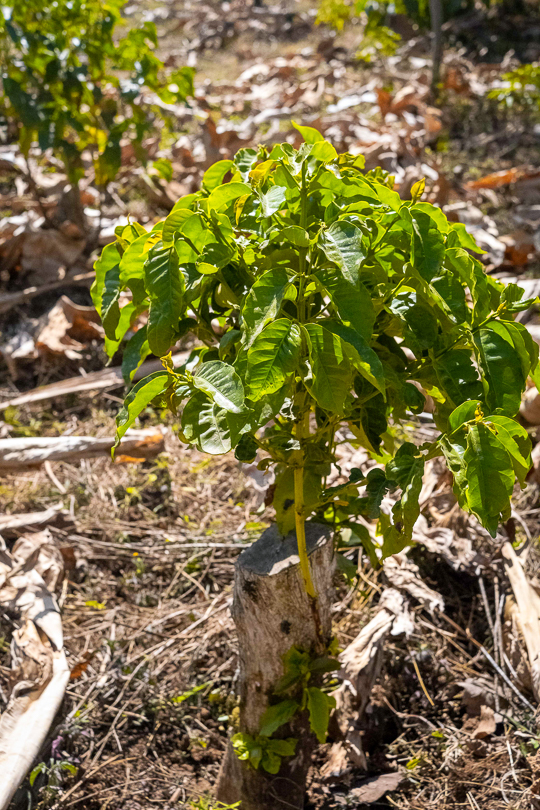
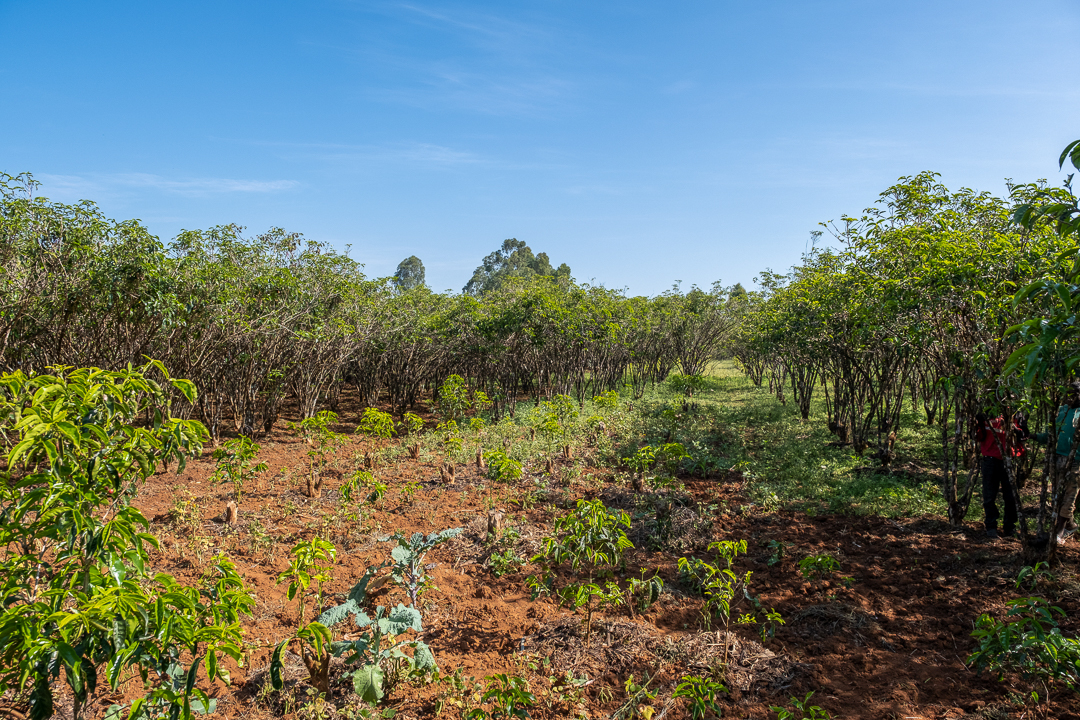
Rejuvenated coffee trees after three years.
To support Ethiopia’s coffee farmers in revitalizing their coffee plantations, IFPRI, in collaboration with Laterite, is evaluating a coffee agronomy training program implemented by TechnoServe (TNS) with assistance from HereWeGrow. The training program is promoted through TNS’s Coffee Farm College. This program addresses the challenges posed by aging coffee trees and helps to increase yields. It aims to improve the productivity and resilience of coffee trees by promoting proven production practices such as rejuvenation, shade management, and composting through participatory and experiential learning methods.
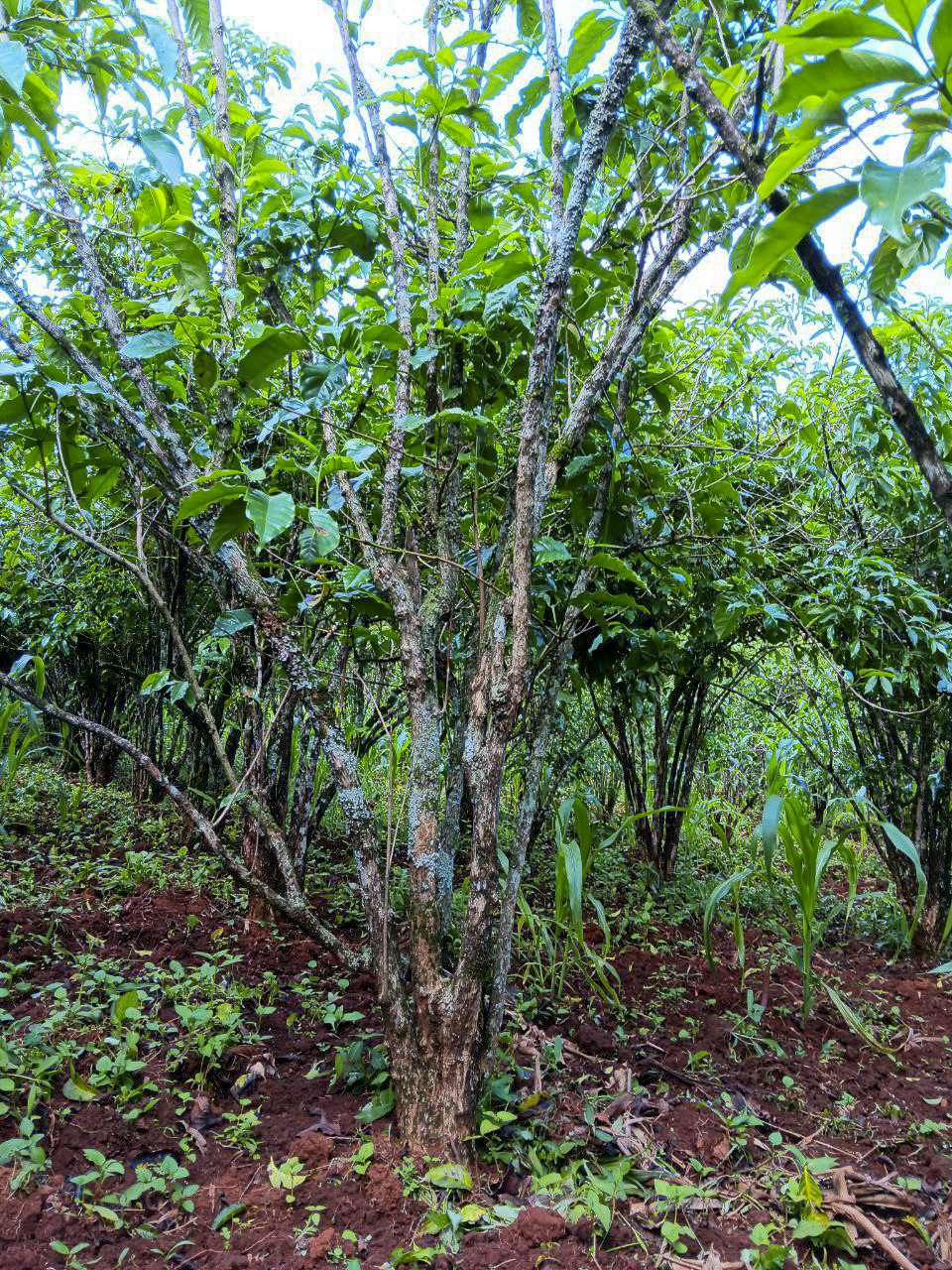
Low-yielding and aged coffee trees in Ethiopia.
In May 2023, Yalew Mekonnen, a Research Officer based in IFPRI’s Ethiopia office, conducted a field visit in two program woredas—Aleta Chuko and Bona Zuria—in Sidama, one of Ethiopia’s six main coffee-producing areas. During the visit, he assessed the adoption of best agricultural practices promoted by the TNS program and impacts on coffee yields. Yalew held detailed discussions with coffee farmers and visited the farms of eight coffee-producing households over a two-week period.
Localized training sessions represent the core of the TNS Coffee Farm College approach. Multiple trainings held throughout the season cover a range of topics and offer lessons relevant to the coffee production calendar. The trainings draw on TNS’s Africa-wide experience and are adapted to local conditions in collaboration with the Jimma Agricultural Research Center (JARC). Holding small-group sessions at a focal farmer’s demonstration plot allows program participants to see firsthand how implementing best practices can improve the health and productivity of coffee trees. The program also introduces the tools needed to properly adopt best practices.
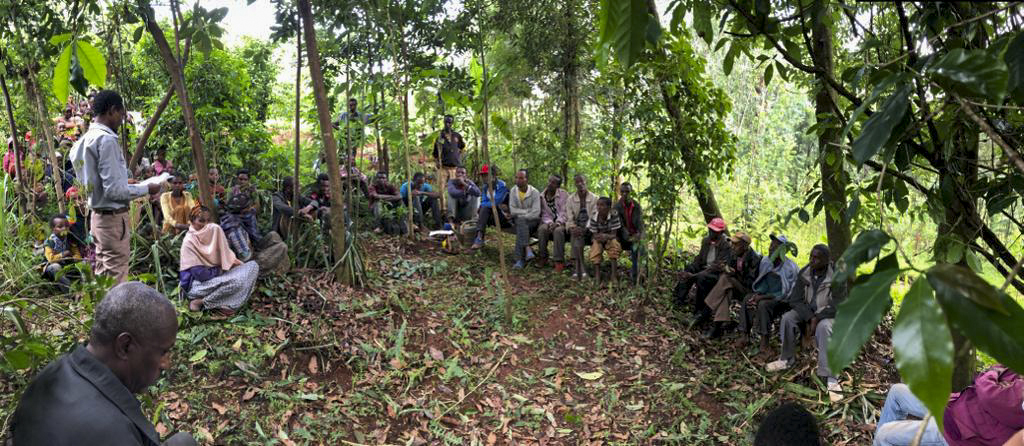
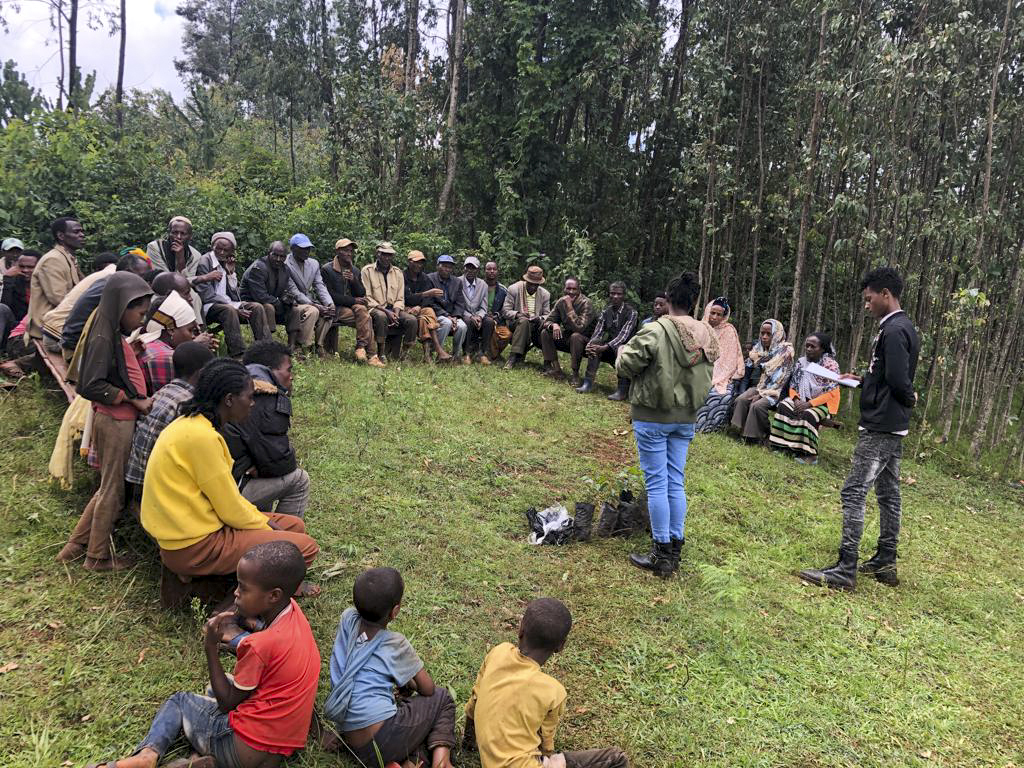
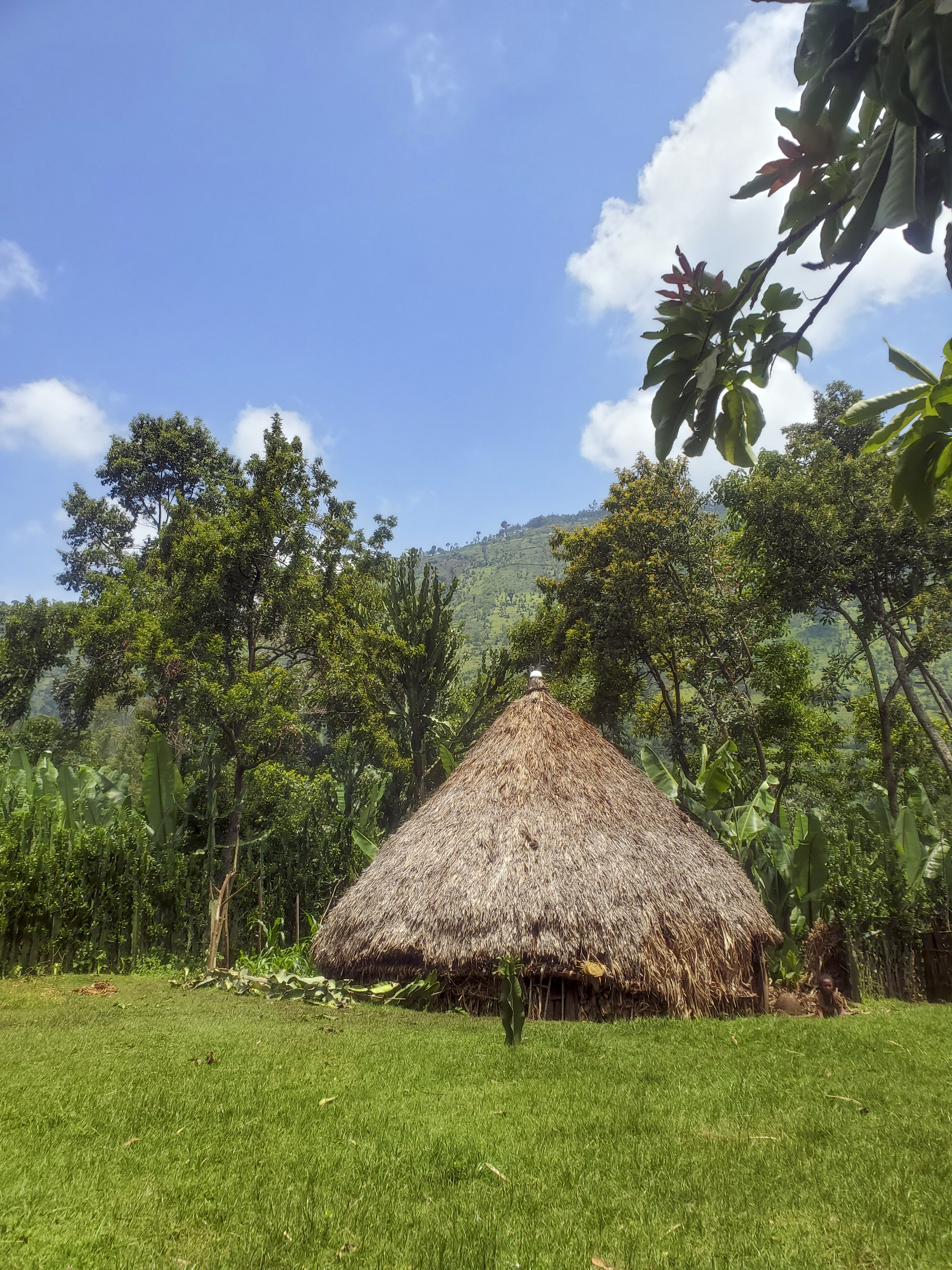
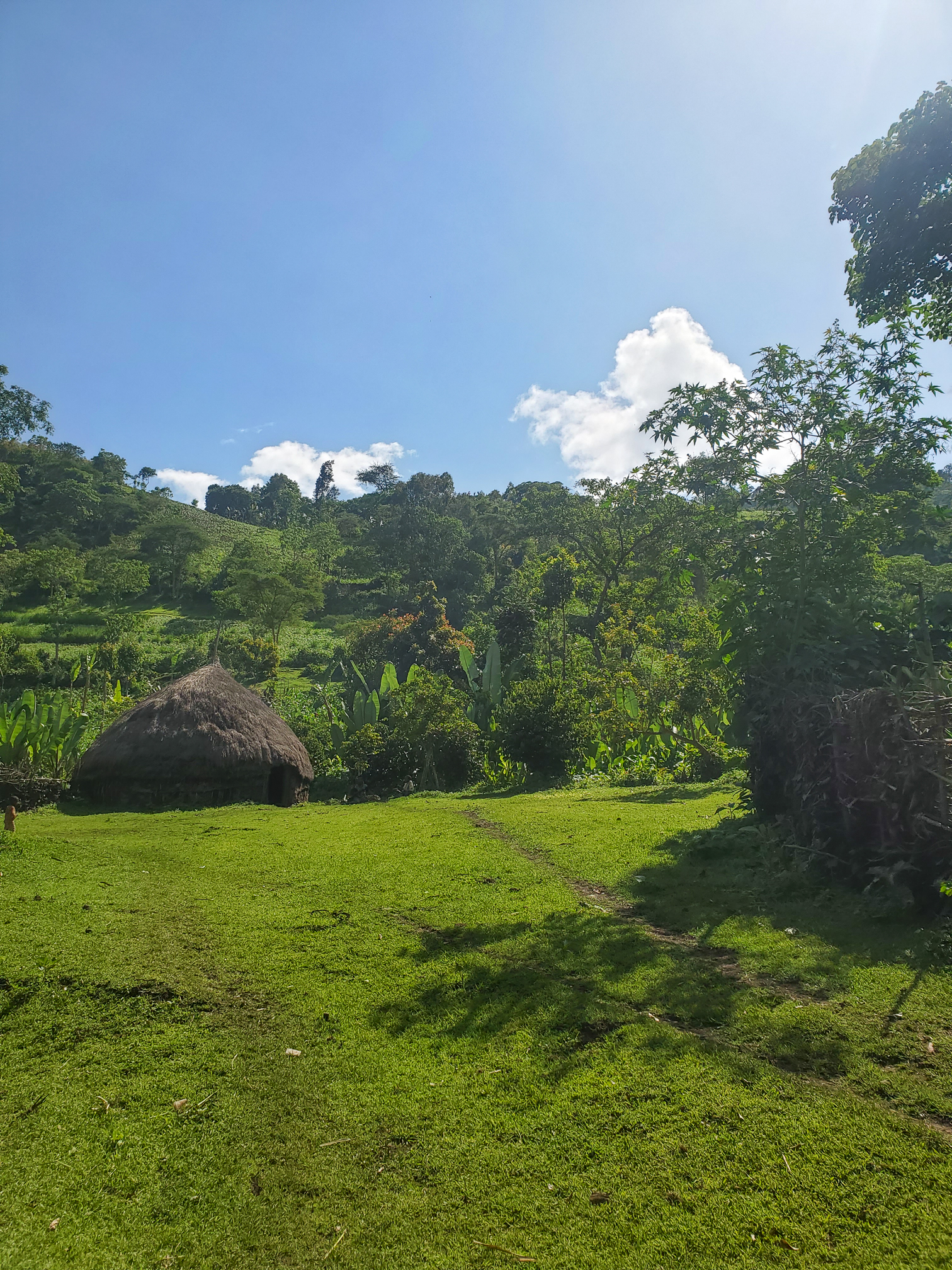
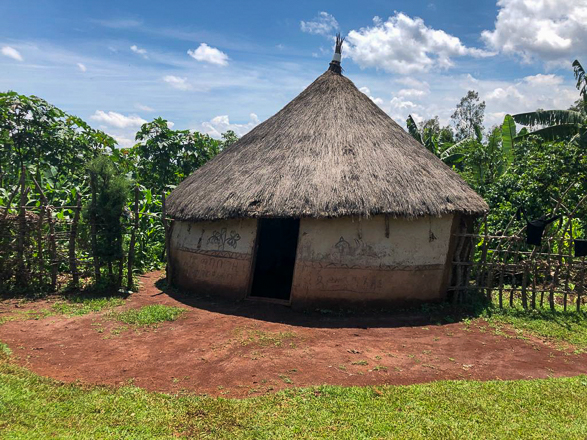
(Top) TechnoServe's Coffee Farm College training. (Right) A coffee smallholder's house in Sidama.
“I stumped only a few trees after the training because I was not sure whether the coffee would regrow and produce more beans. Now, I have observed the benefits and plan to stump more coffee trees in the near future.”
Male participant, Bona Zuria woreda
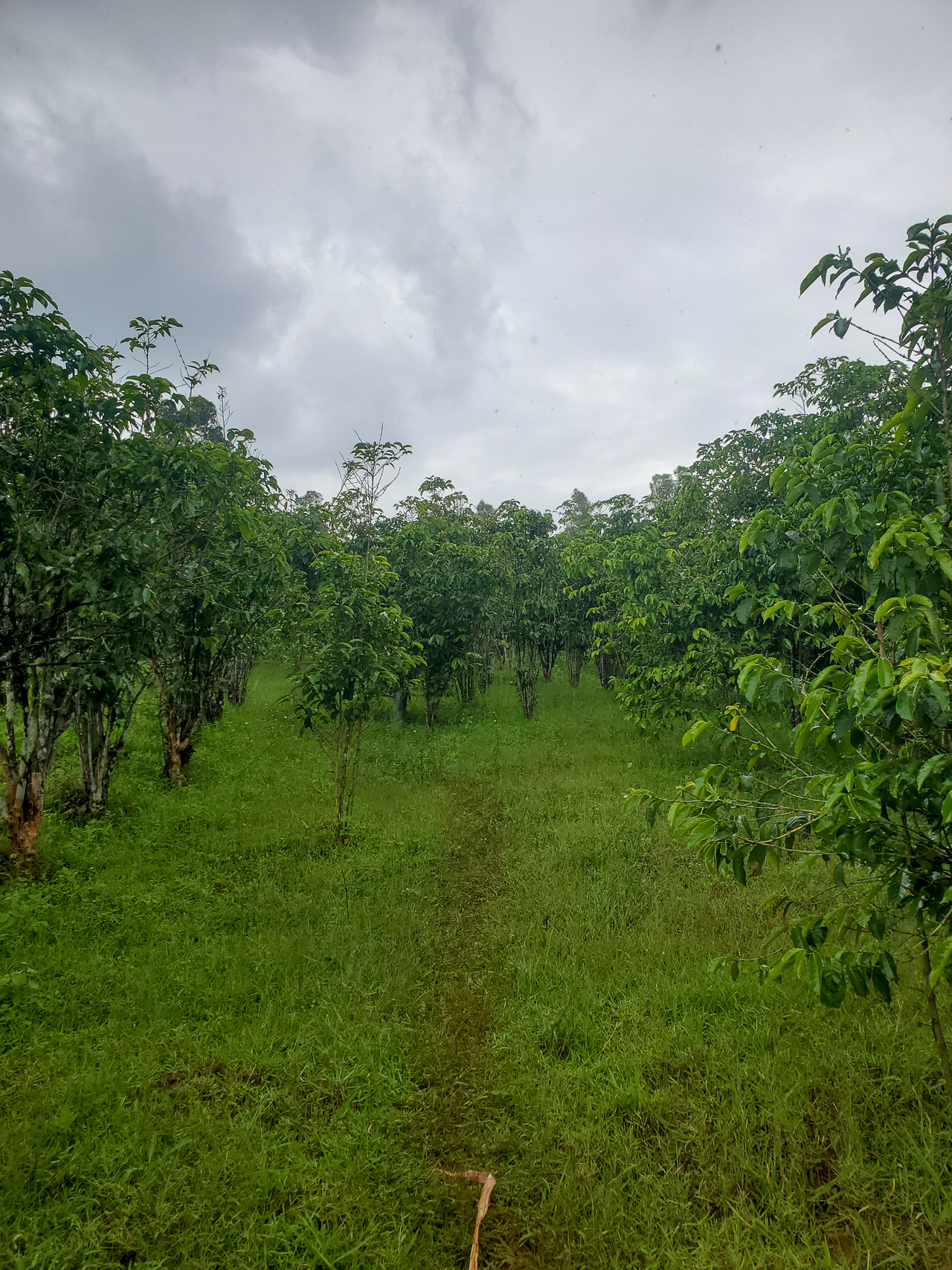
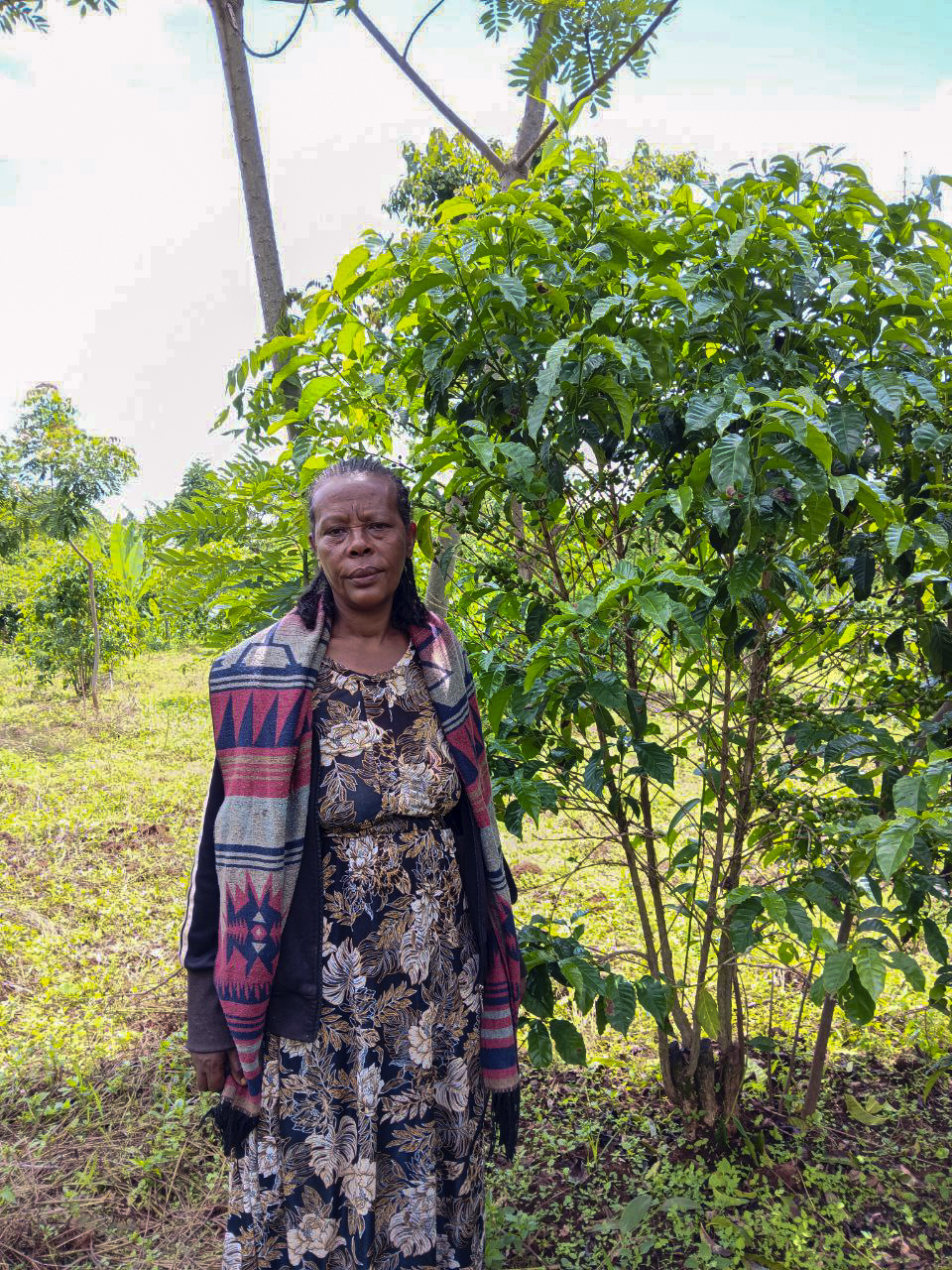
Amsalech Bezabeh (widowed woman, coffee producer)
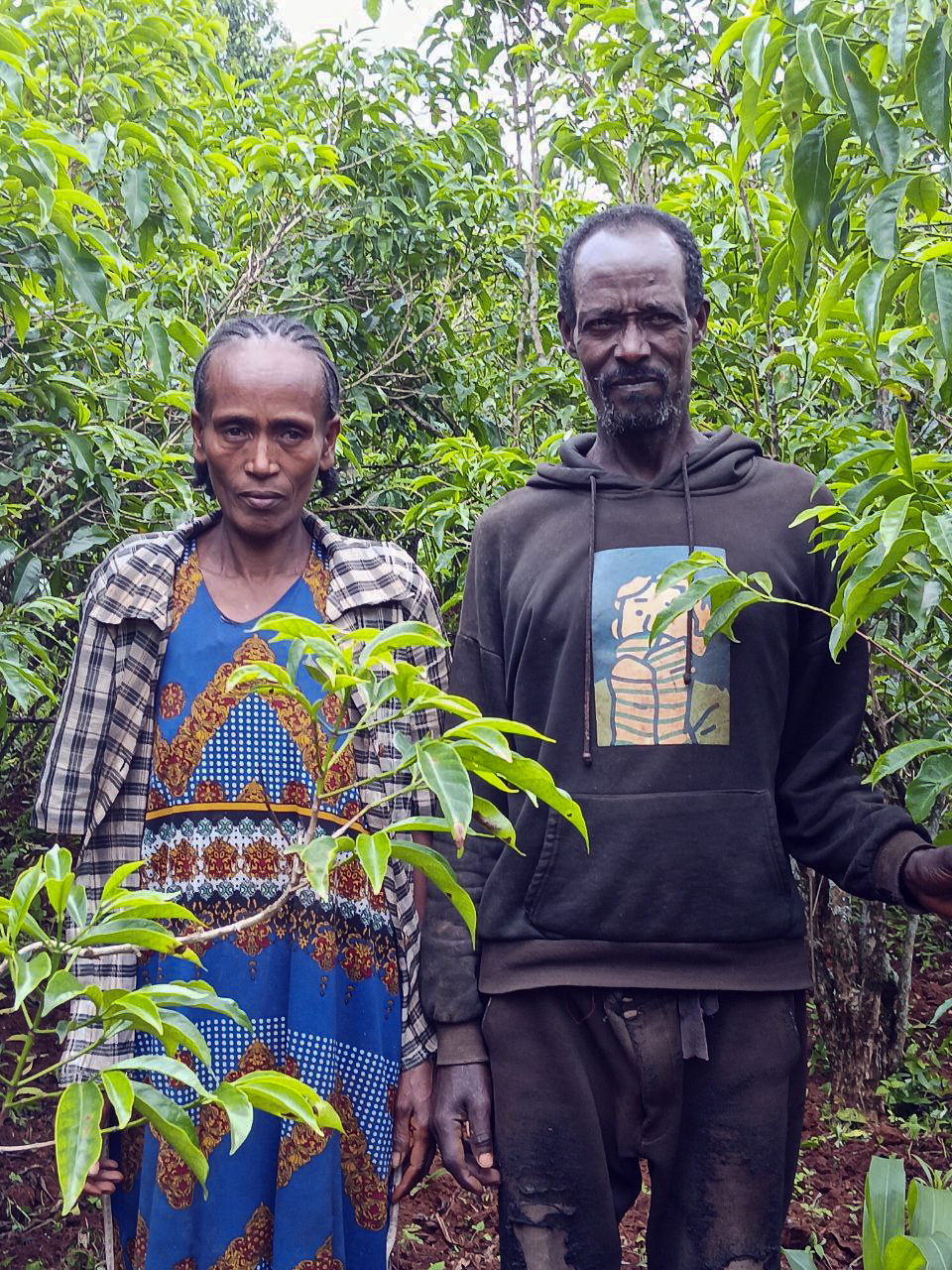
Mr. Ledamo Hidamo with his spouse Ayelech Lankamo
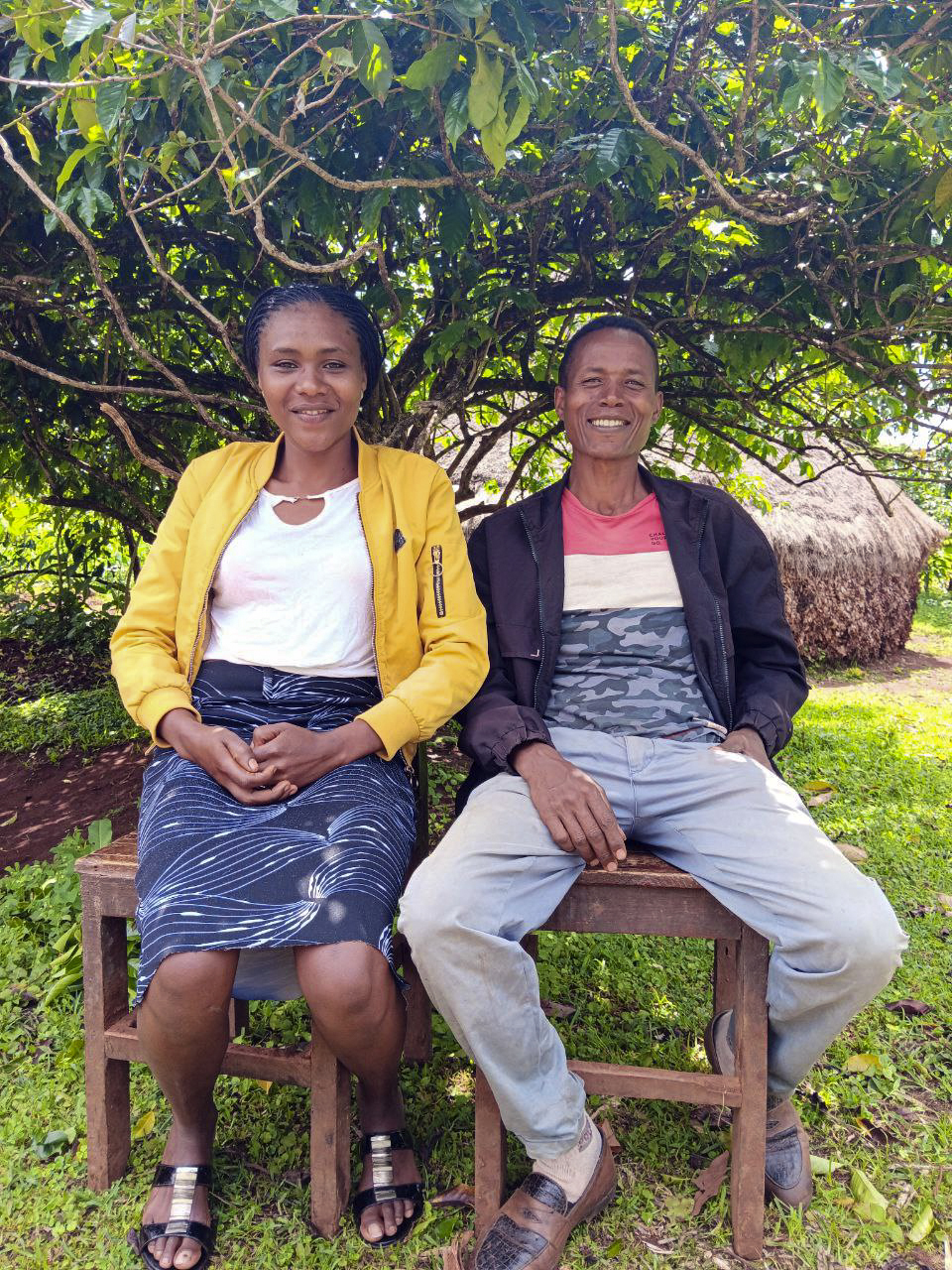
Shimelis Legesse with his spouse Mekides Girma
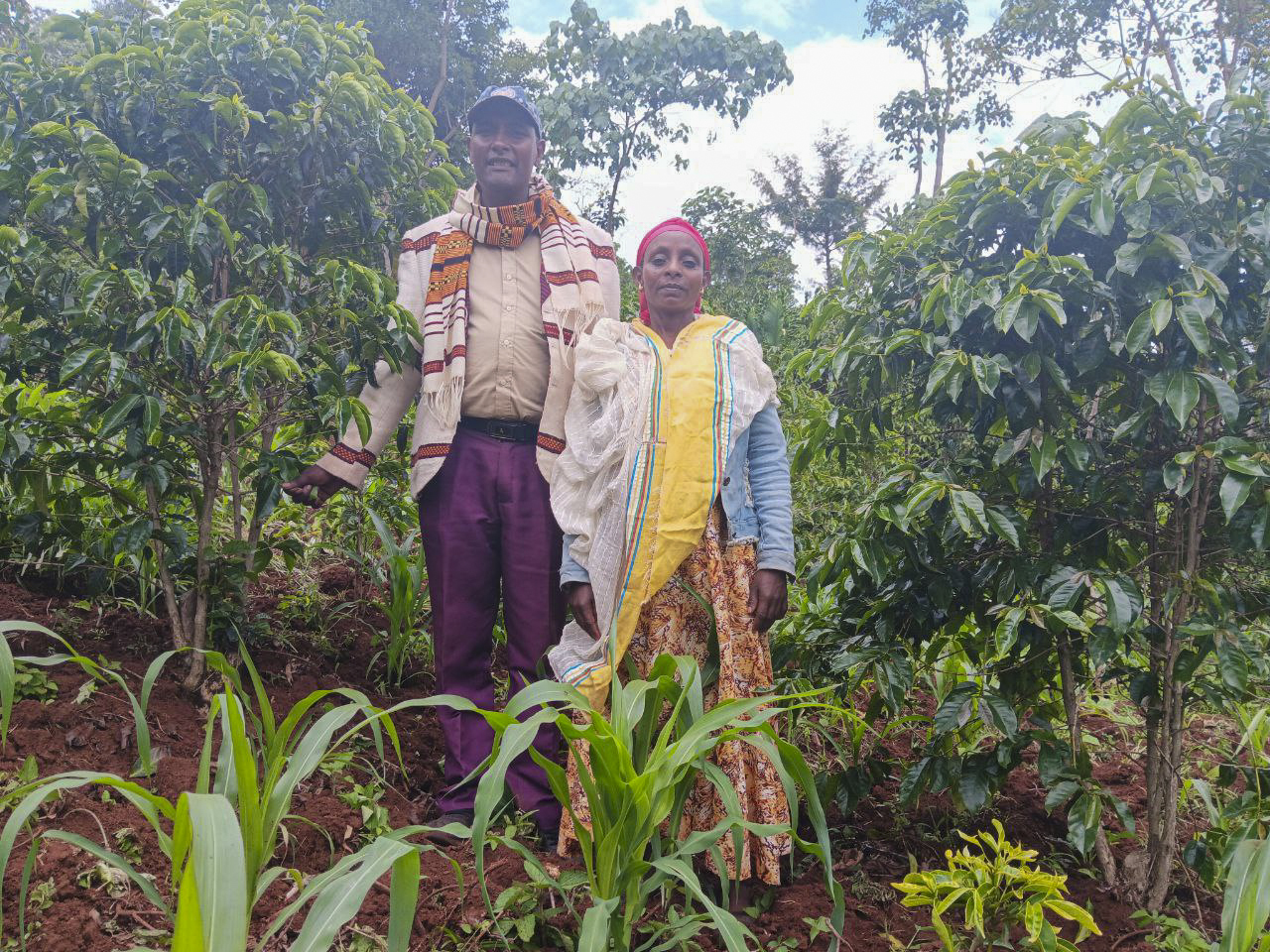
Nigusse Sisay with his spouse Messeret Hamara
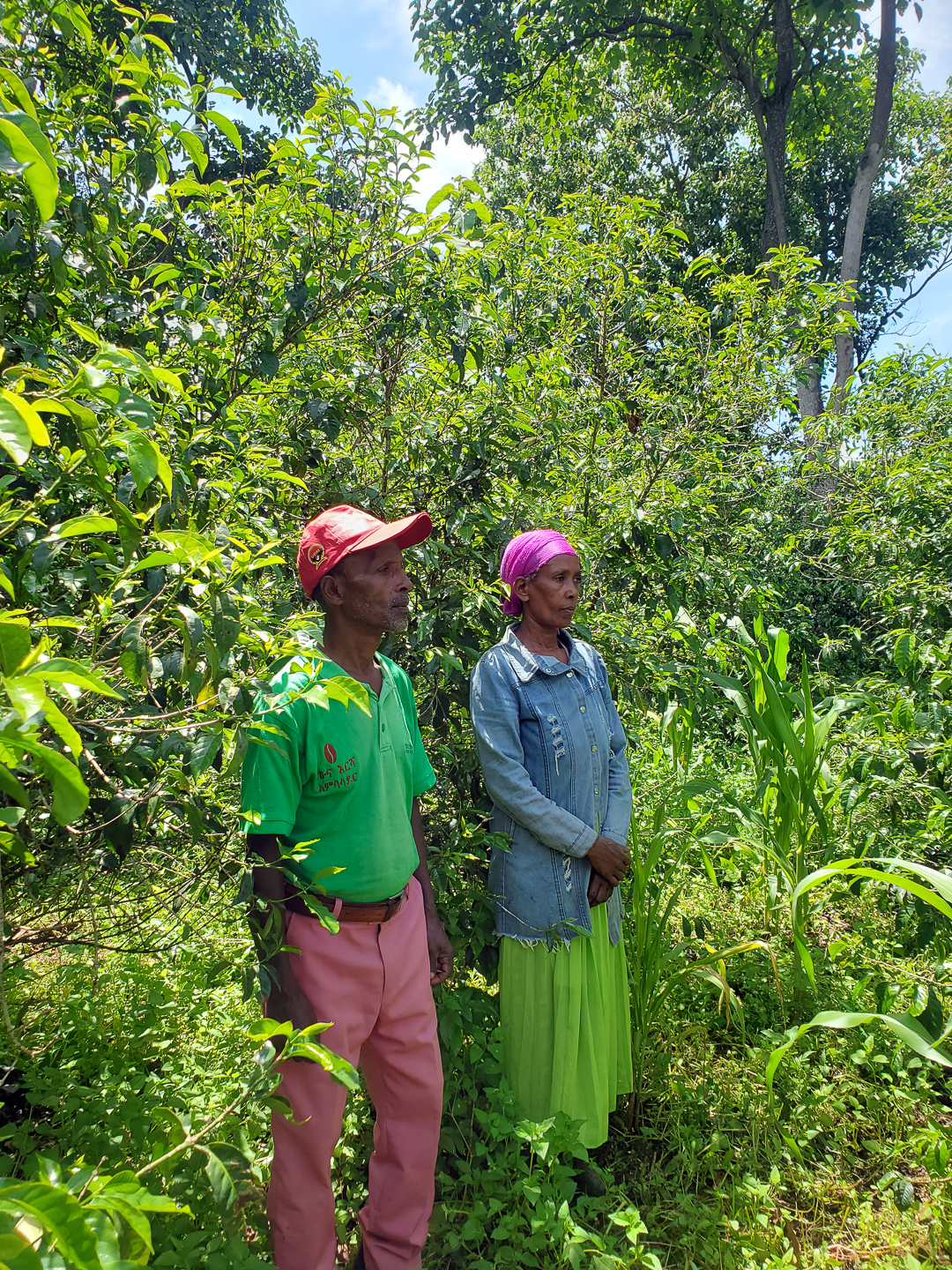
Mekonnen Bantera with his spouse Abebech Gada
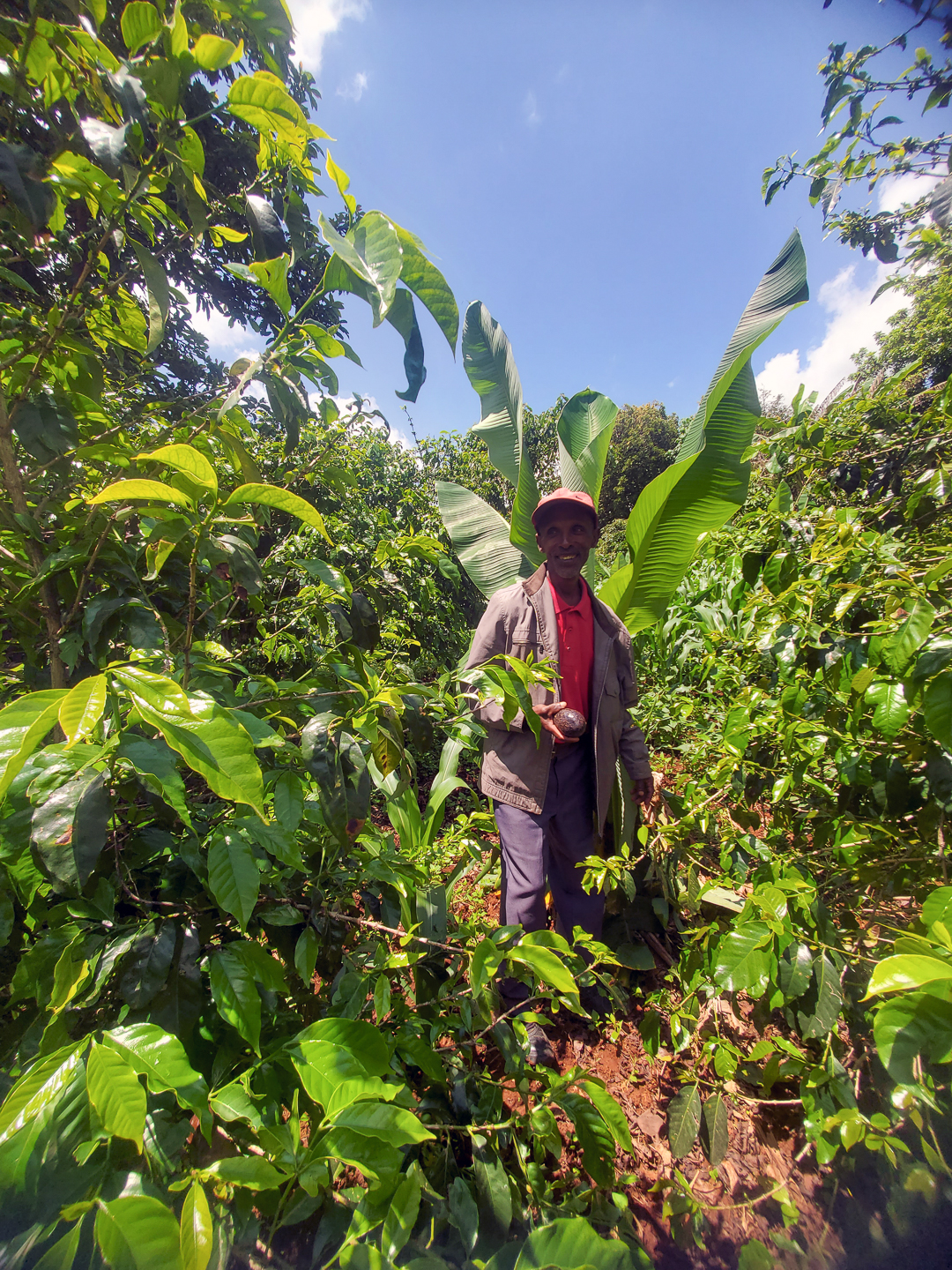
Mr. Mekonnen Bantera
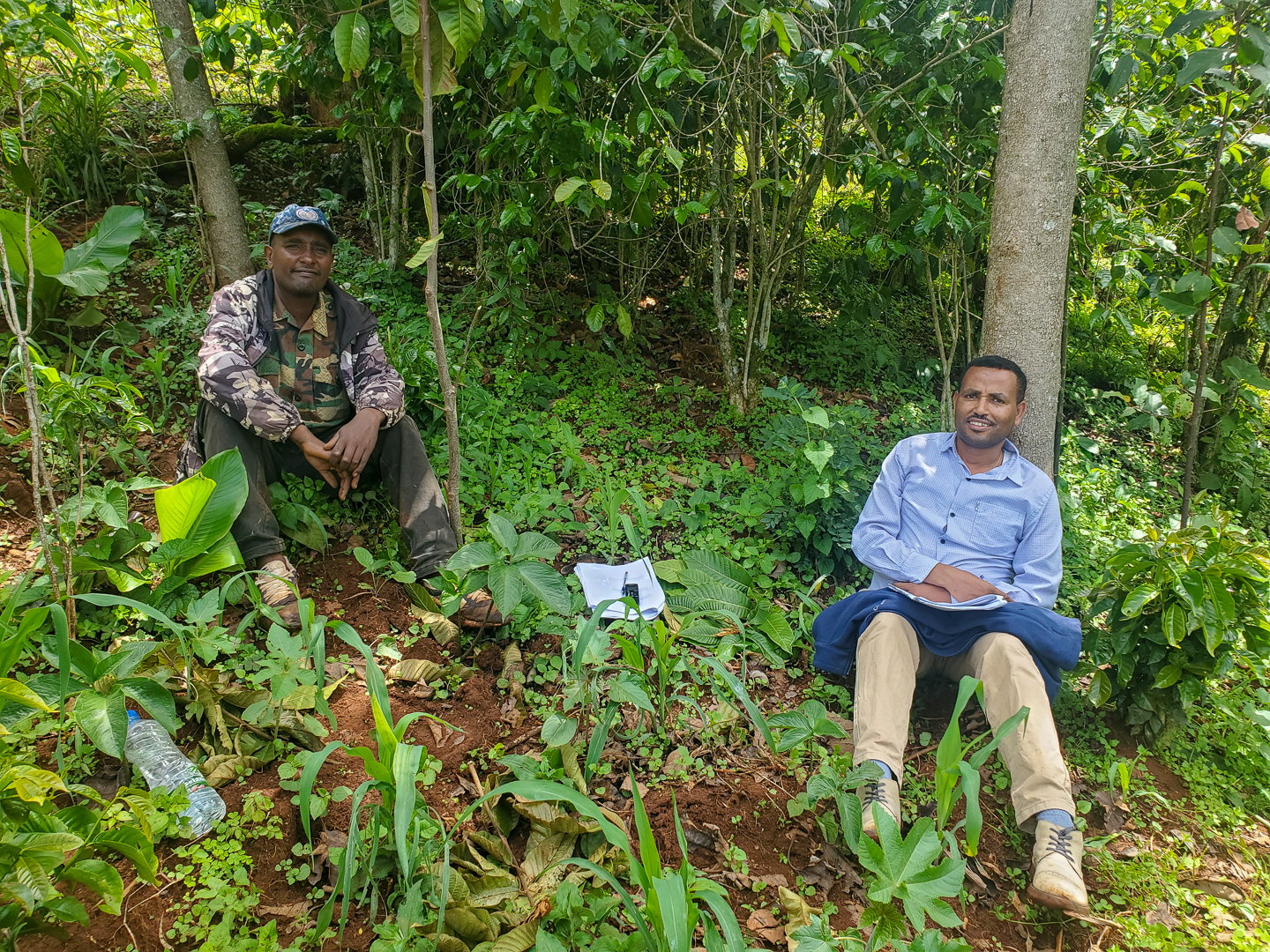
Mr. Nigusse Sisay with Yalew Mekonnen (Research officer-IFPRI)
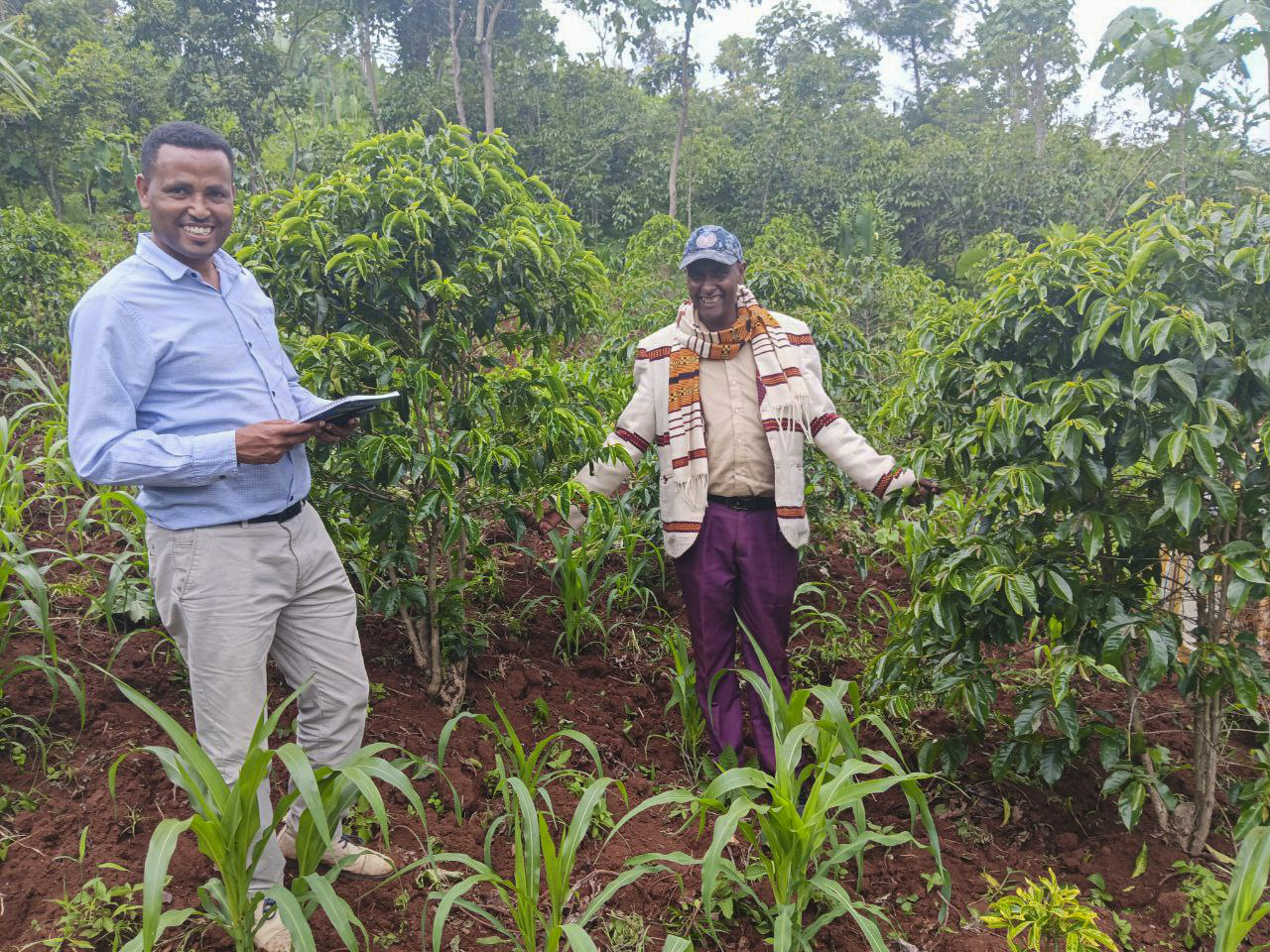
Mr. Nigusse Sisay with Yalew Mekonnen (Research officer-IFPRI) checking stumped coffee trees
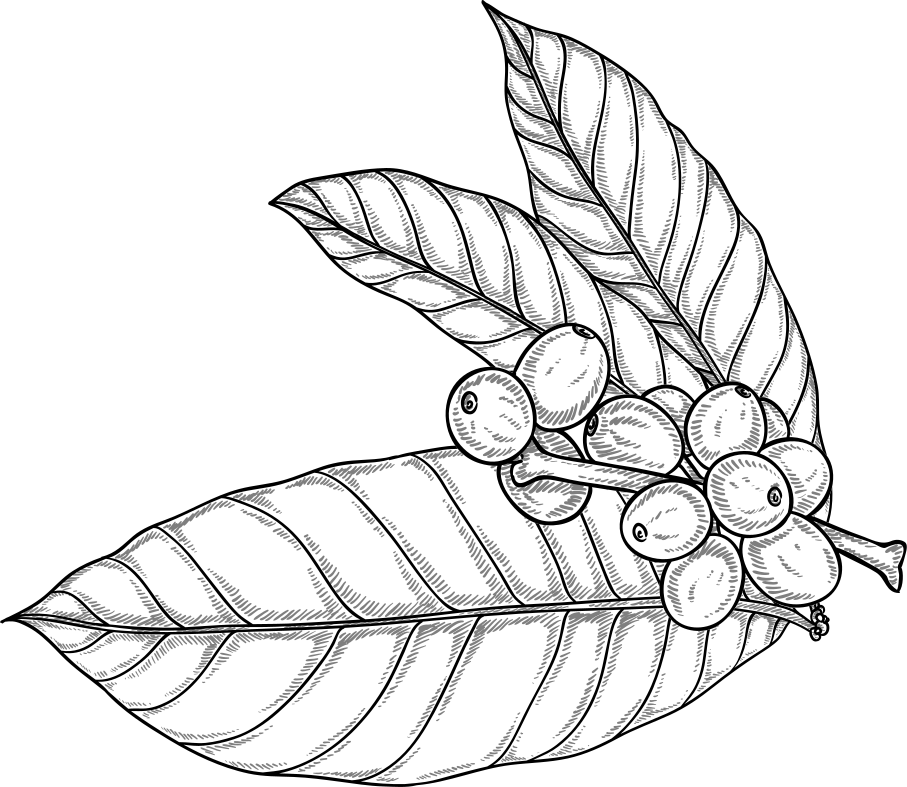

Brewing prosperity through rejuvenation
Improving Ethiopia’s smallholder coffee productivity through regenerative practices
A photo essay


The training program covers seven key best practices:
Click on the cards below for more information
Stumping involves cutting old and unproductive coffee trees at their base to stimulate a complete renewal. This rejuvenation method can increase the quantity and quality of the coffee harvest.
More
Stumped coffee trees over time
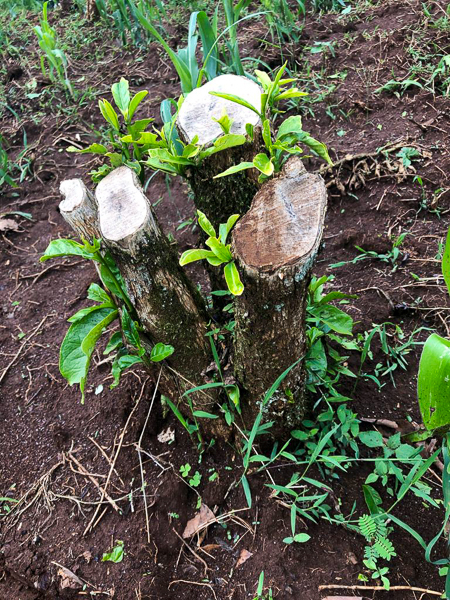
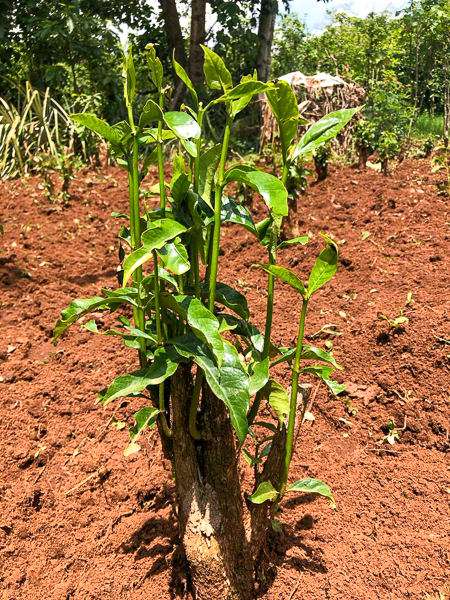
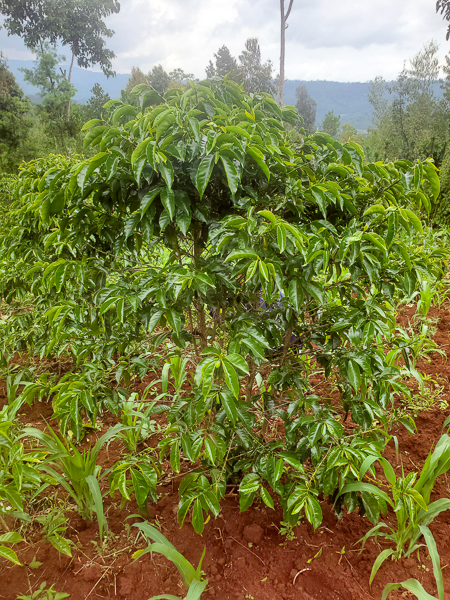
Stumping can lead to a meaningful increase in coffee yields after two to three years. It also produces bigger, higher-quality coffee cherries than old coffee trees that have not been stumped.
Back
Coffee rejuvenation (stumping)
1
Coffee rejuvenation (stumping)
1
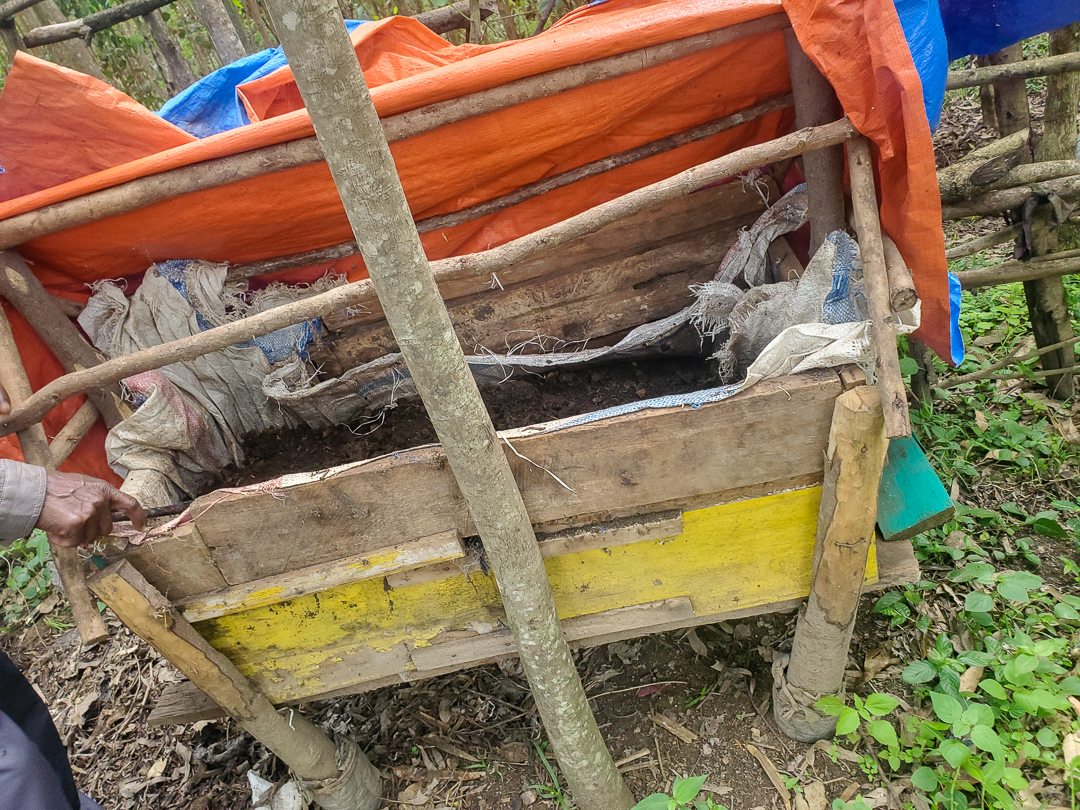
Adding nutrient-rich compost to coffee trees
Back
The use of chemical fertilizers is limited in Ethiopia—instead, farmers use manure to improve soil fertility. The TNS training expands their knowledge by teaching them how to prepare compost to produce their organic coffee.
Coffee nutrition
2
More
Plant nutrition affects the productivity and quality of coffee trees, and thus determines the income of smallholder farmers. Compost or composted manure is used to improve soil fertility and replenish nutrients.
Coffee nutrition
2
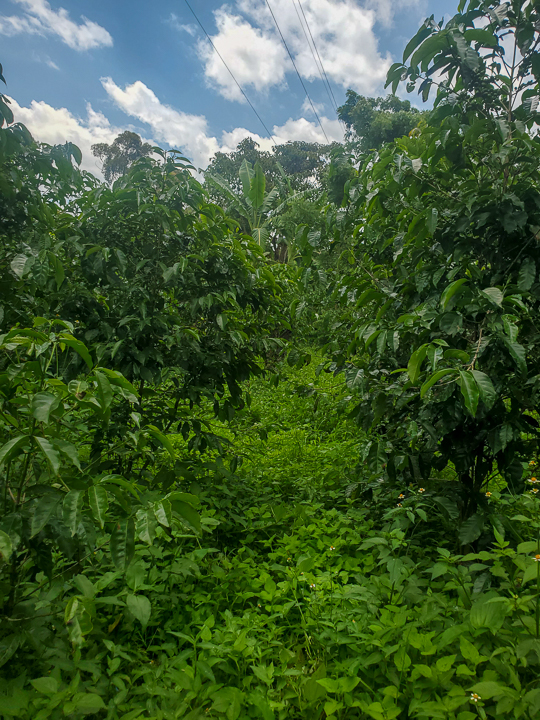
Weeded coffee trees before (L) and after (R)
Back
Before the training, farmers controlled weeds by digging under coffee trees. Farmers in the TNS program learned about more effective non-chemical methods to control weeds, such as using a sickle or hook to remove new weeds.
Weeding
3
More
Weeds can aggressively compete with coffee trees for soil moisture, nutrients, and sunlight, affecting coffee yields. The TNS training recommends techniques to help farmers manage weeds in their plots.
Weeding
3
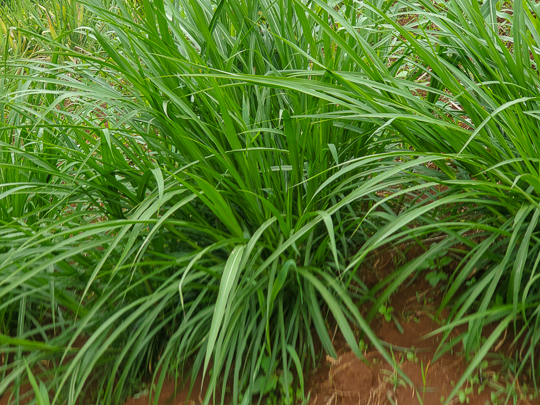
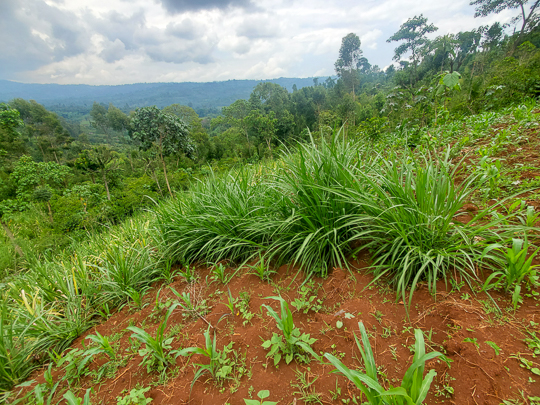
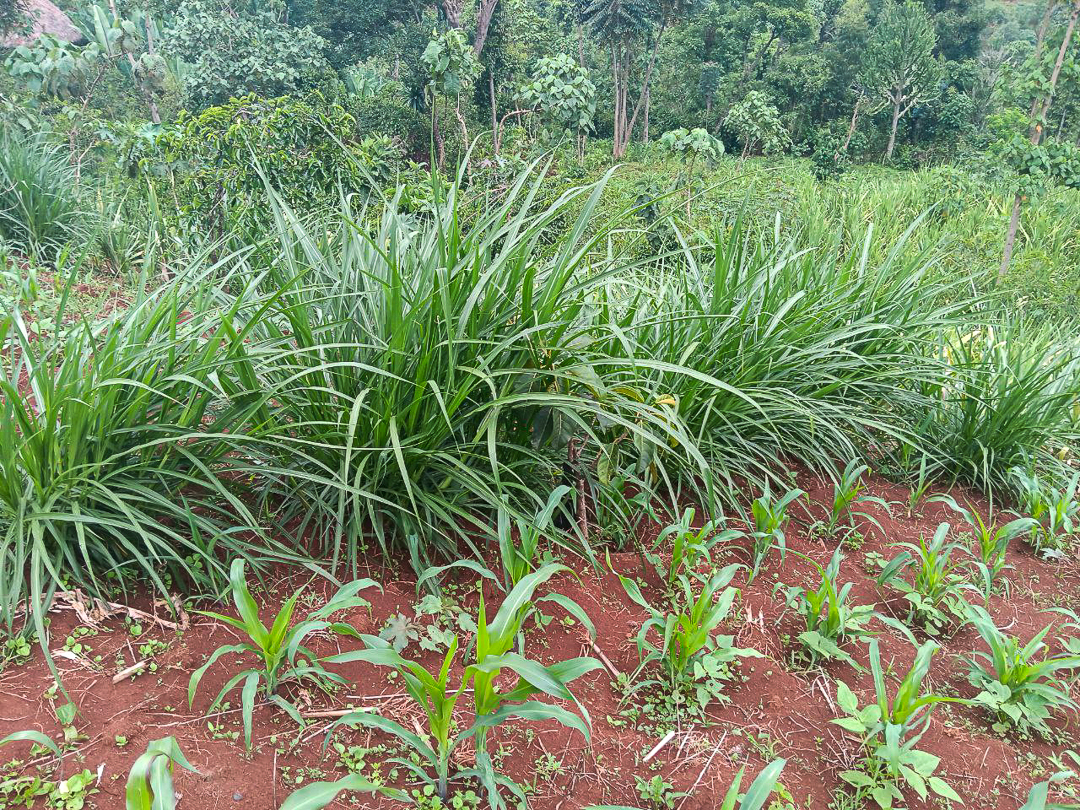
Elephant grass grown around coffee trees to prevent soil erosion
Back
Program participants from highland woredas emphasized the importance of soil conservation and implementing different mechanisms to control soil erosion. To protect against erosion, farmers plant elephant grass in and around their coffee plots.
Soil erosion control
4
More
Due to their location in the highlands, some coffee-producing woredas experience high levels of rainfall. For farmers, this heightens the risk of soil erosion, degrading soil fertility on coffee farms and affecting their productivity.
Soil erosion control
4
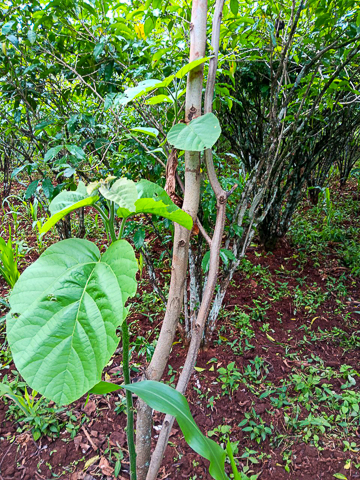
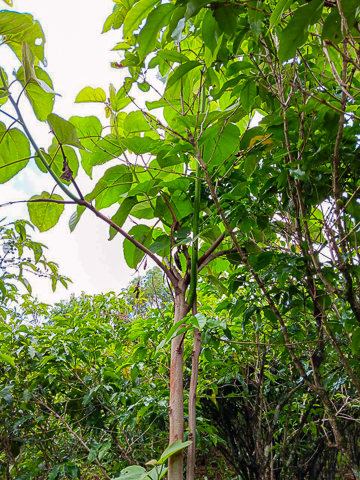
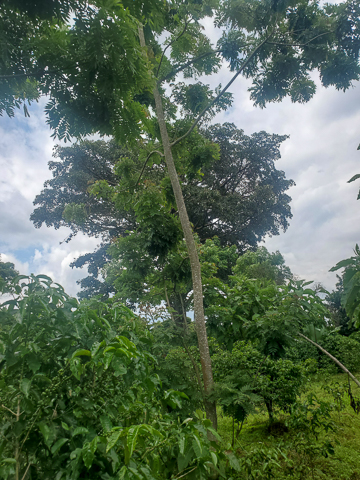
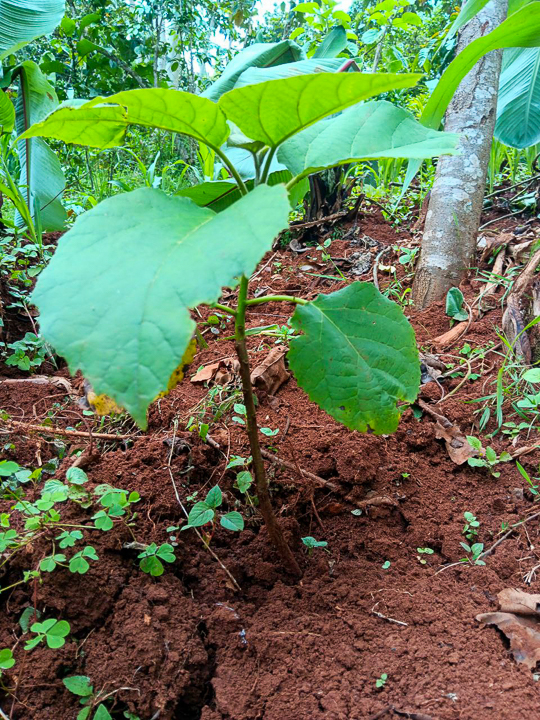
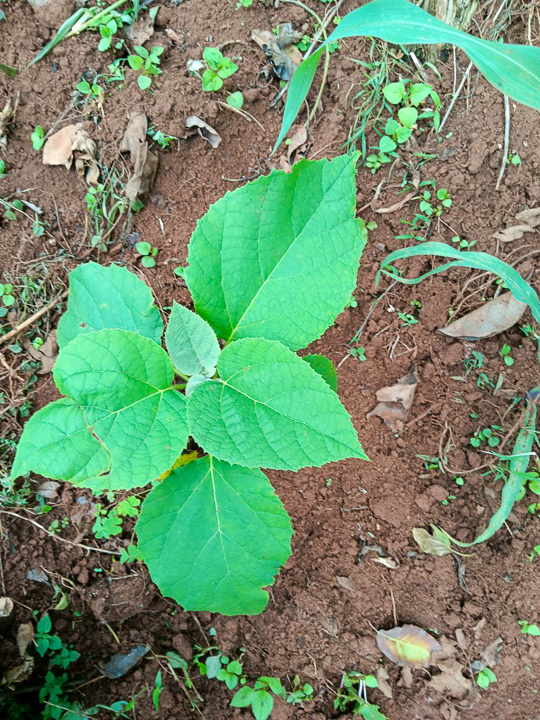
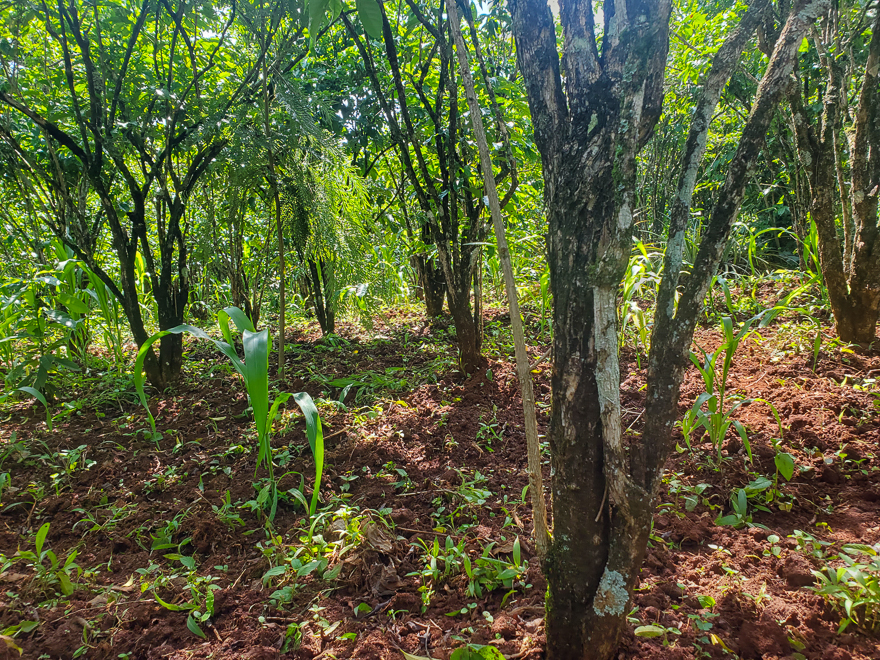
Shade trees growing around coffee crop
Back
Shade improves the productivity and quality of coffee beans by protecting trees from high temperatures, controlling pests, preventing soil erosion, improving soil health, and suppressing weeds. Shade-grown coffee also supports multiple ecosystem services, including climate change adaptation.
Shade tree management
5
More
Growing coffee under shade trees can have both economic and environmental benefits. TNS training teaches coffee farmers how to care for existing shade trees, identify suitable tree varieties, and plant new trees.
Shade tree management
5
Back
The program promoted a wide range of control methods that farmers can use to avoid or reduce the occurrence of pest and diseases, including genetic controls (planting disease-resistant seedlings) and better farm management practices (pruning, stumping to reduce egg laying sites).
6
More
Pests and diseases can cause severe losses in coffee yields and reduce the quality of the harvest. Farmers use a wide range of methods to control these issues on their farms.
Integrated pest and disease management
6
Integrated pest and disease management
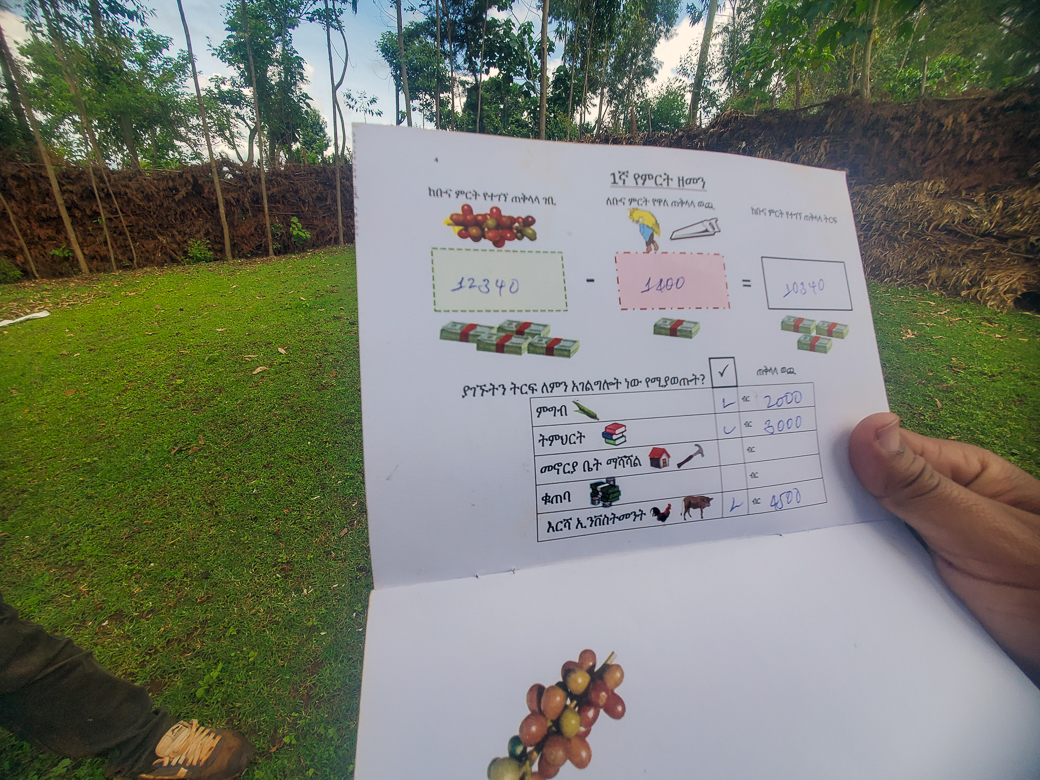
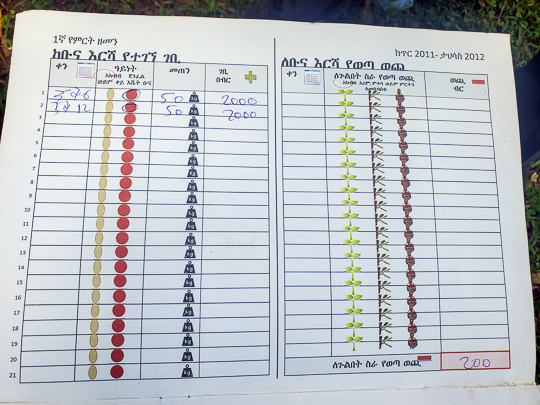
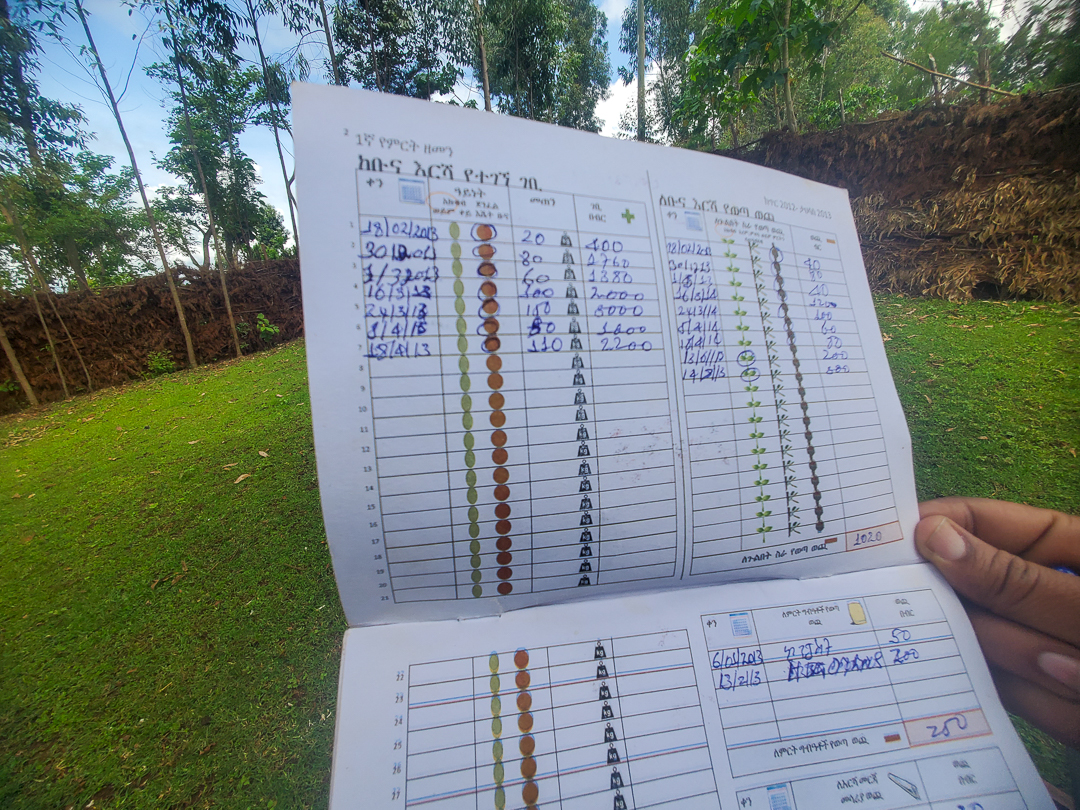
TechnoServe supplied record-keeping and finance planners
Back
TNS trains farmers on recordkeeping and financial planning. The program produced a simple, user-friendly recordkeeping booklet written in the local language, which is distributed to coffee farmers to record both costs and income from coffee production.
7
More
Keeping financial records to track farm expenses and income is not a common practice among smallholder farmers in Ethiopia. This suggests that most farmers have limited knowledge of the returns from their coffee production.
Recordkeeping and financial planning
7
Recordkeeping and financial planning




Recognition of program completion
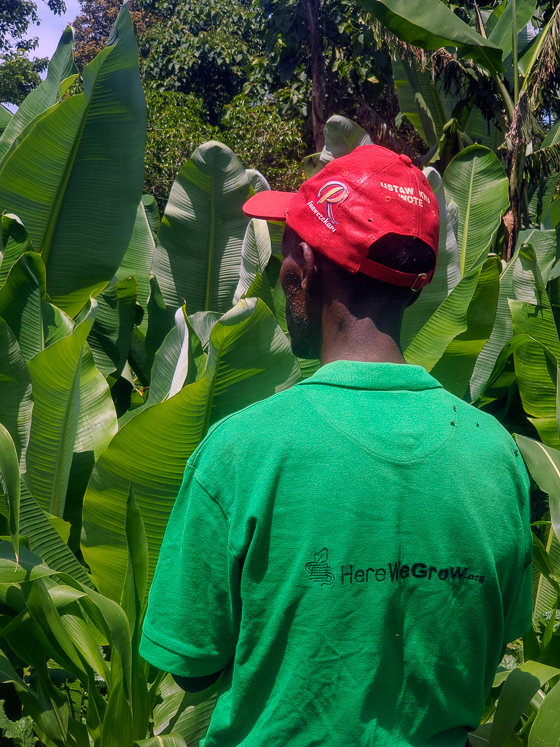
Coffee farmers who successfully completed the Coffee Farm College program were awarded certificates by TNS. Some farmers also received farm tools and promotional apparel from TNS as an incentive. Based on their active participation in the training program and implementation of its practices, these farmers were awarded wheelbarrows, shovels, saws, and scissors.

“Before stumping the coffee trees, no coffee beans were being produced. During that time, they almost stopped producing beans. The stumped coffee trees produce more compared to the production level before stumping. From the stumped coffee trees, I harvest about 3 kg of coffee beans.”
Female participant, Aleta Chuko woreda
Certificate


Program impacts
The TNS program has had a meaningful impact on the adoption of best practices, especially stumping. However, the program’s effects on the intensity of adoption are more limited—the average household stumped fewer trees than what is needed to ensure sufficiently strong results for production and income.
Farm households want to see the yield benefits of best practices before adopting continuously and at scale. Farmers are also reluctant to adopt best practices such as stumping because they can lead to short-term production losses. Complementary interventions that compensate farmers for the cost of learning and adoption could help encourage them to adopt best practices at scale.
Results from a pilot yield assessment of stumped plots show that farmers who participated in the TNS program and adopted the promoted practices began to harvest more coffee beans. While these initial results on adoption and yield are encouraging, rigorous evidence on the long-term impact of best practices on yield and income is needed to promote adoption at scale.
T-shirt
Tools

Program impacts
The TNS program has had a meaningful impact on the adoption of best practices, especially stumping. However, the program’s effects on the intensity of adoption are more limited—the average household stumped fewer trees than what is needed to ensure sufficiently strong results for production and income.
Farm households want to see the yield benefits of best practices before adopting continuously and at scale. Farmers are also reluctant to adopt best practices such as stumping because they can lead to short-term production losses. Complementary interventions that compensate farmers for the cost of learning and adoption could help encourage them to adopt best practices at scale.
Results from a pilot yield assessment of stumped plots show that farmers who participated in the TNS program and adopted the promoted practices began to harvest more coffee beans. While these initial results on adoption and yield are encouraging, rigorous evidence on the long-term impact of best practices on yield and income is needed to promote adoption at scale.
Rejuvenated coffee tree after one year (L) and rejuvenated coffee tree after three years (R)
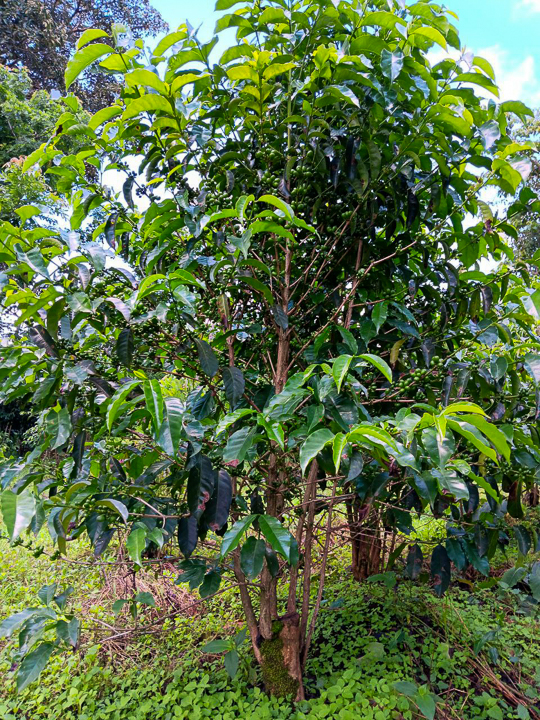
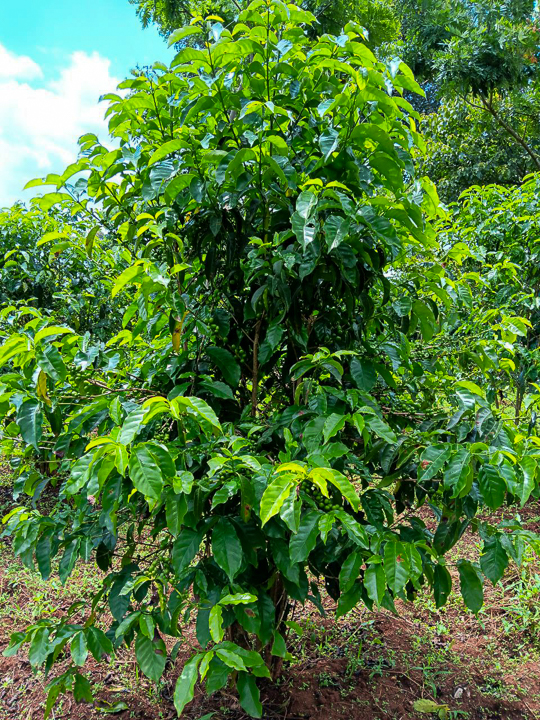
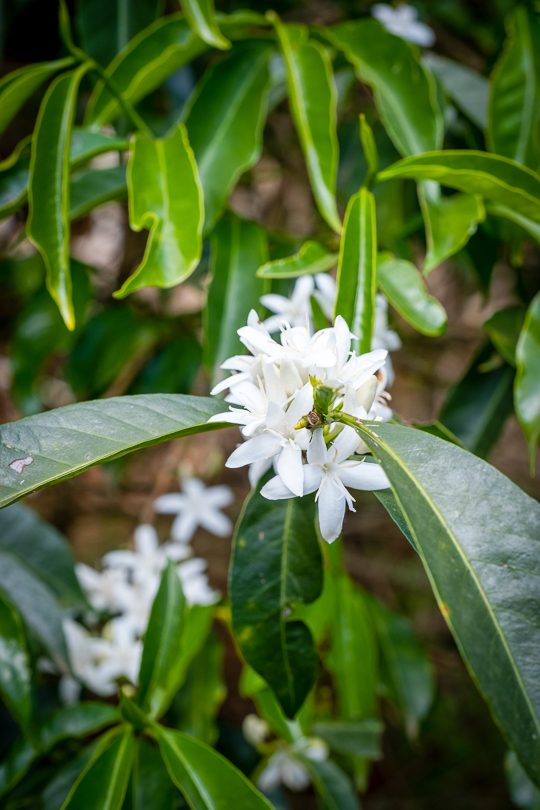
Nourished coffee tree with dark green leaves
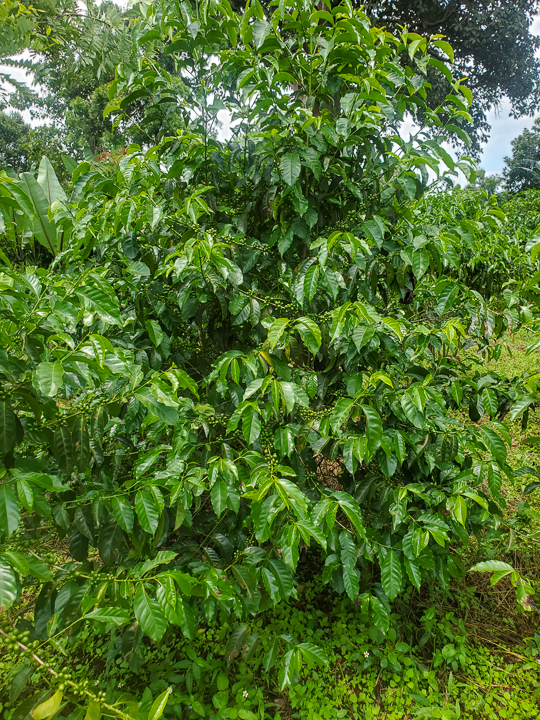
Coffee field with proper weed control
Soil erosion control using elephant grass
Newly planted trees for coffee shade
Financial records maintained by a coffee farmer
Brewing
prosperity
through
rejuvenation
Improving Ethiopia’s smallholder coffee productivity through regenerative practices
Read Sidama Coffee Agronomy Program: Impact report