1973
1976
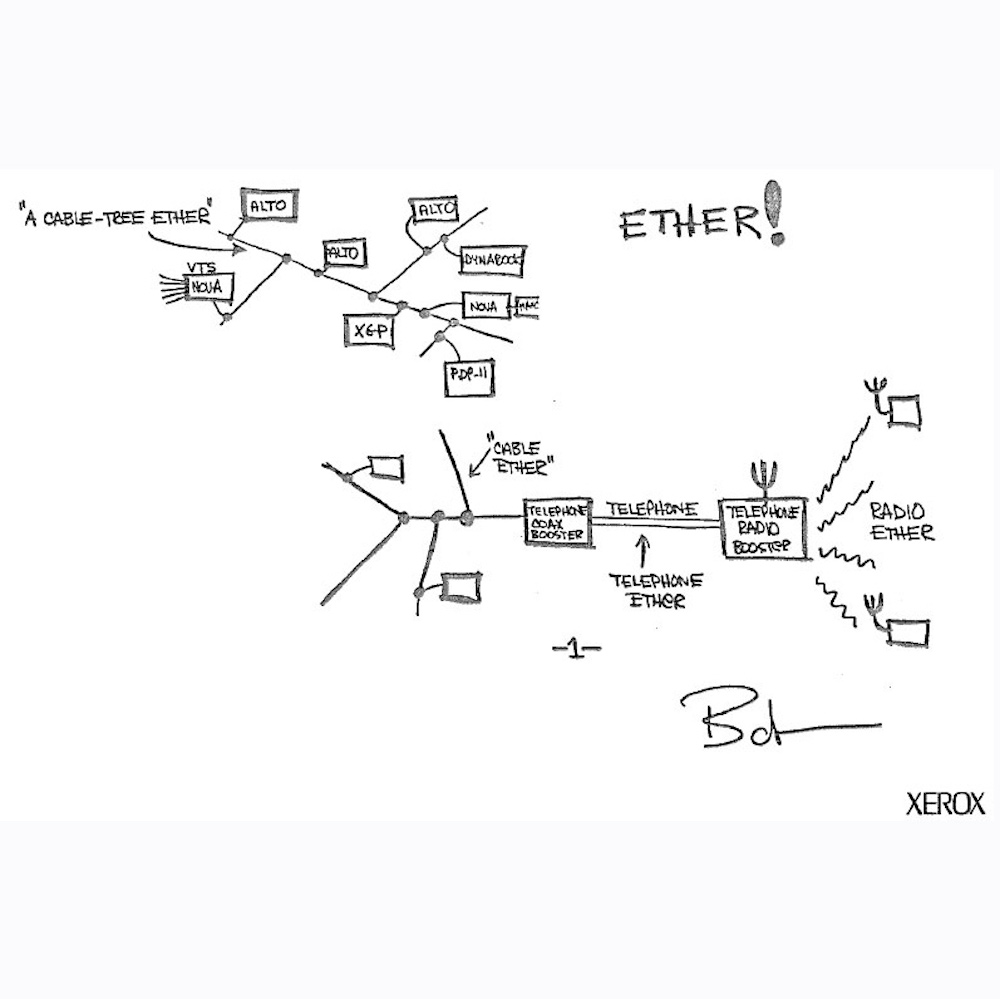
May 22, 1973
Robert Metcalfe sends a memo outlining his concept for what becomes the Ethernet.
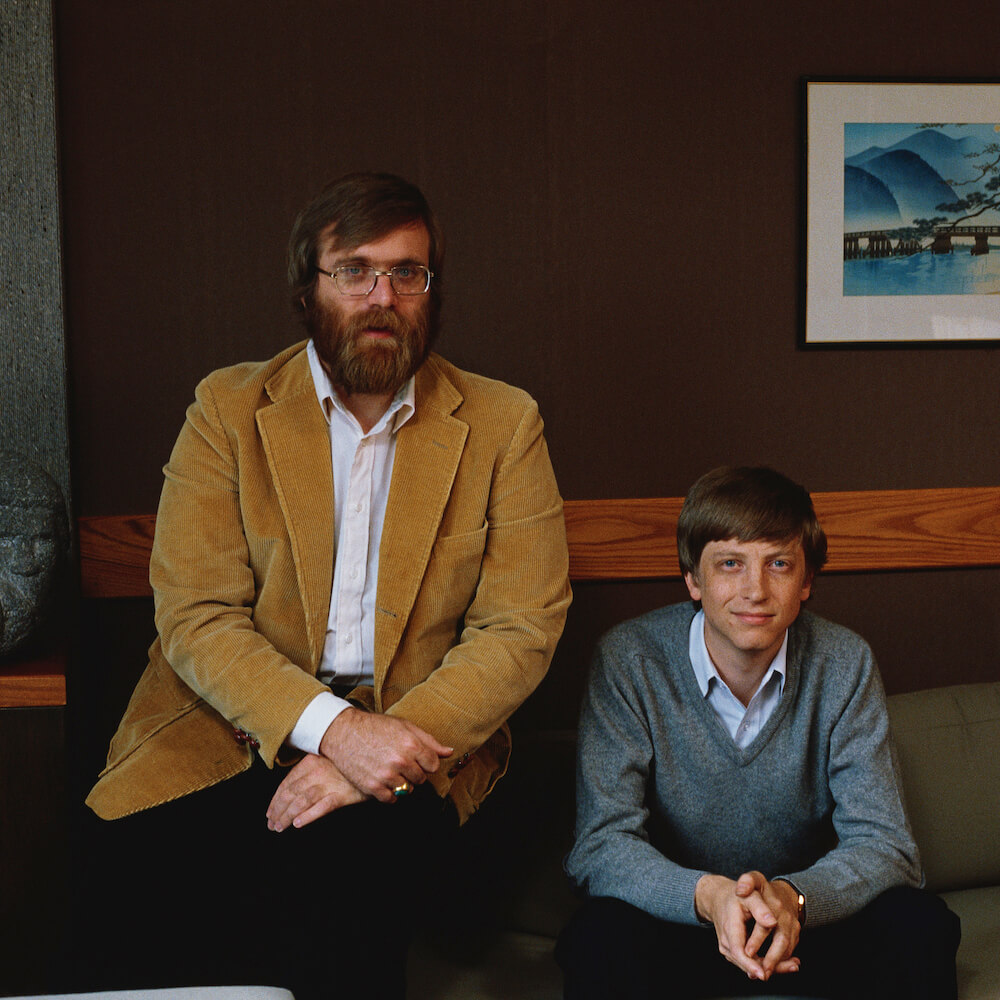
April 4, 1975 Microsoft is founded.
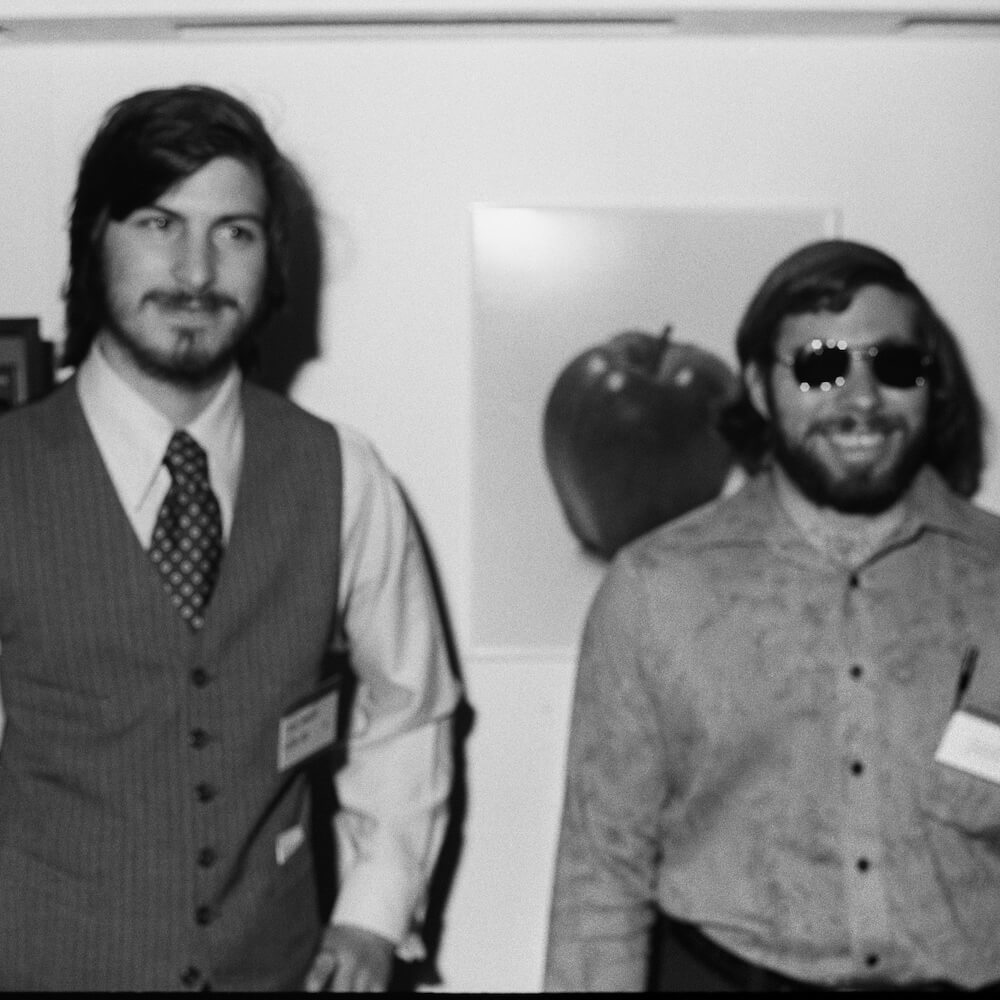
April 1, 1976
Steve Jobs and Steve Wozniak launch Apple.
Early 1976
The INWG votes are tabulated and they decide not to adopt TCP/IP standards, launching the protocol wars.
Computer history
World history


May 1975
INWG calls for a vote about whether to adopt the TCP/IP standards.
1975
1973
Cyclades and the English NPL establish an internetwork for research purposes.
1975
INWG calls for a vote about whether to adopt the TCP/IP standards.
Lorem ipsum title goes here
1981
1979
Metcalfe co-founds the networking products maker 3Com.
1984
Cisco is founded in San Jose, California.
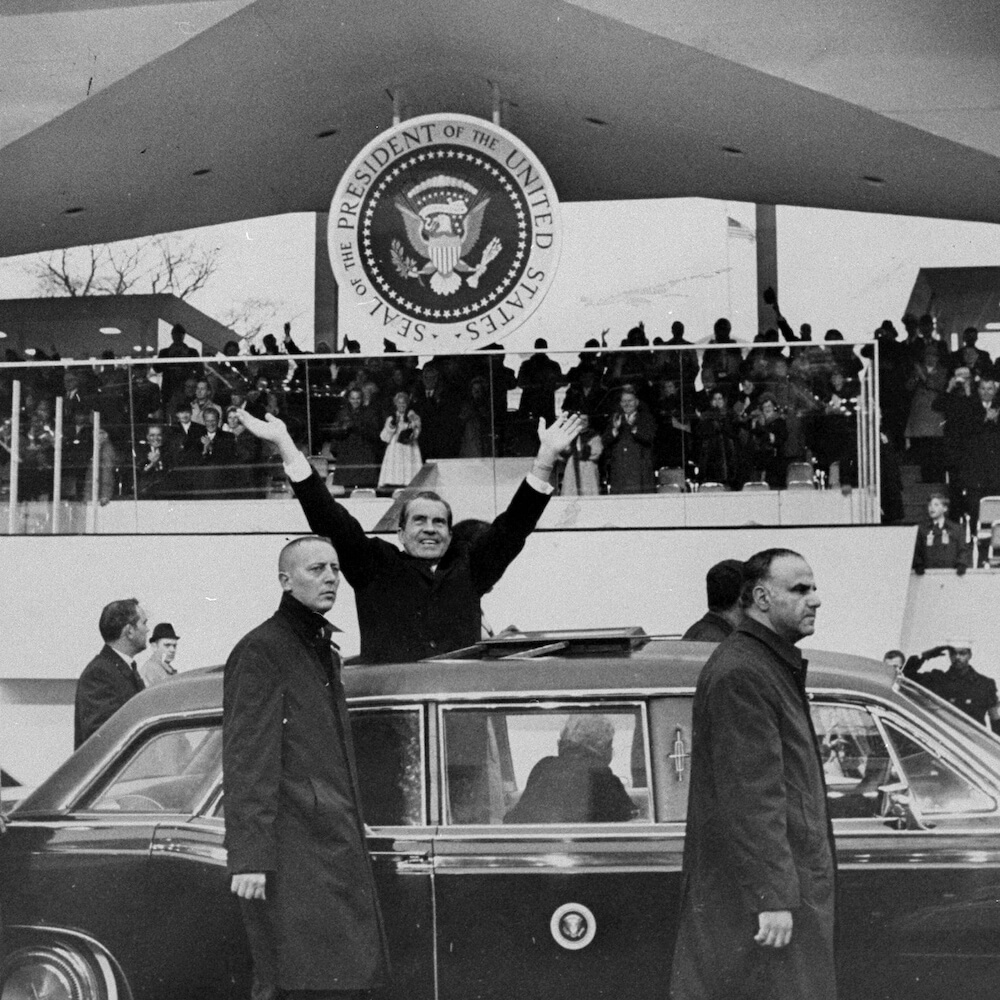
December 1, 1981
Major Joseph Haughney proposes writing a trade article about all of the problems with the aging Arpanet.
1979
1960's
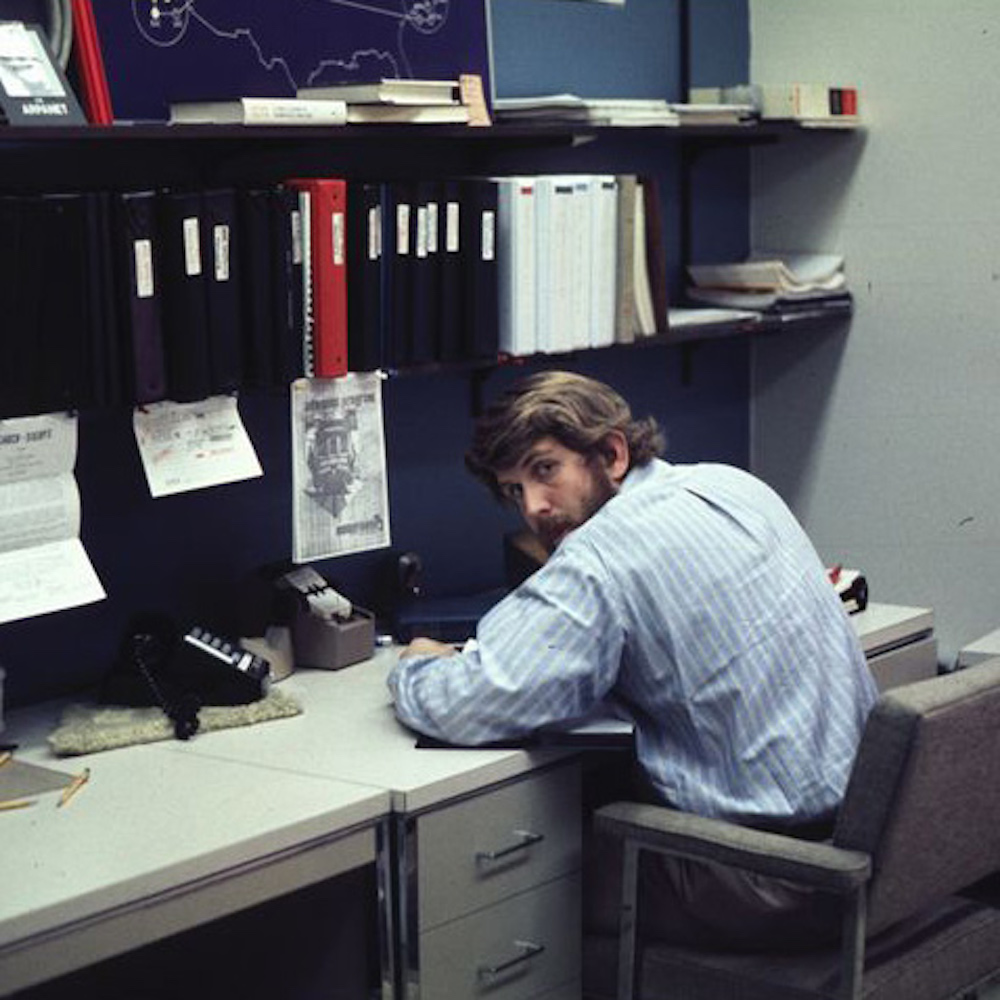

January 1, 1983
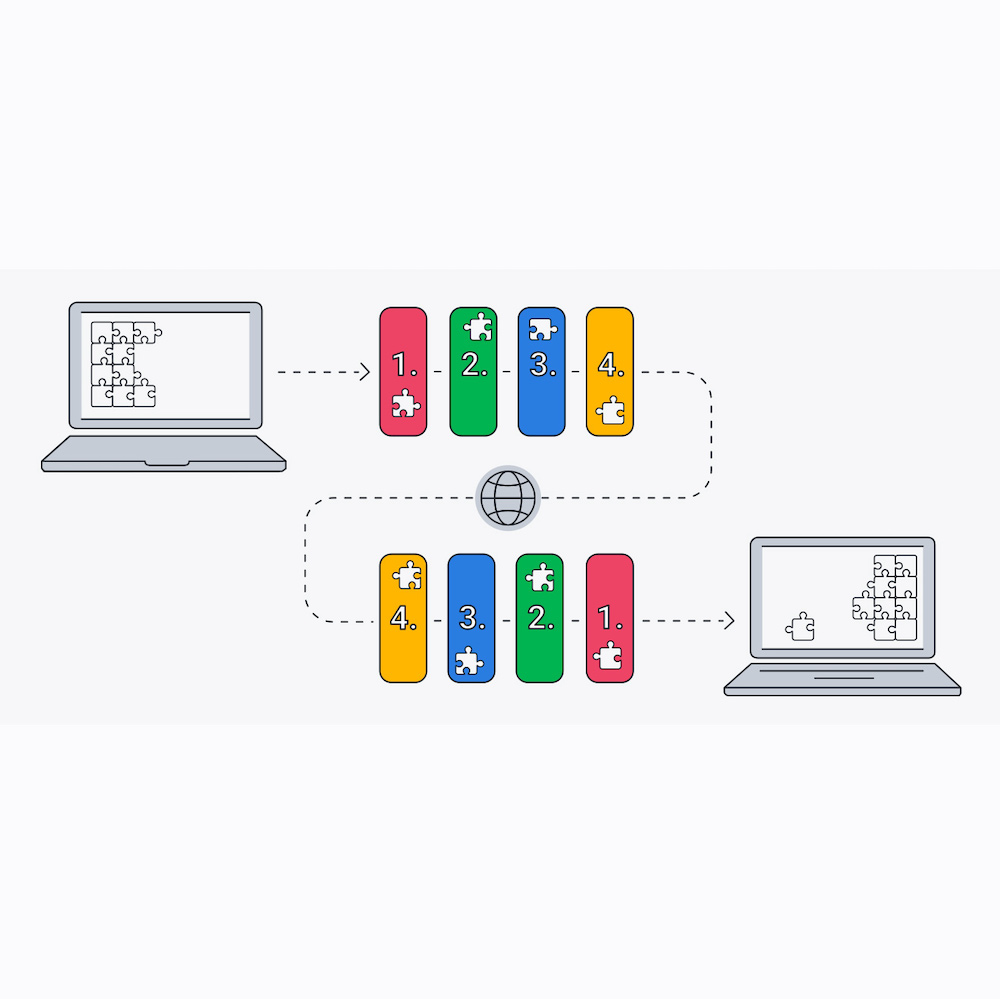
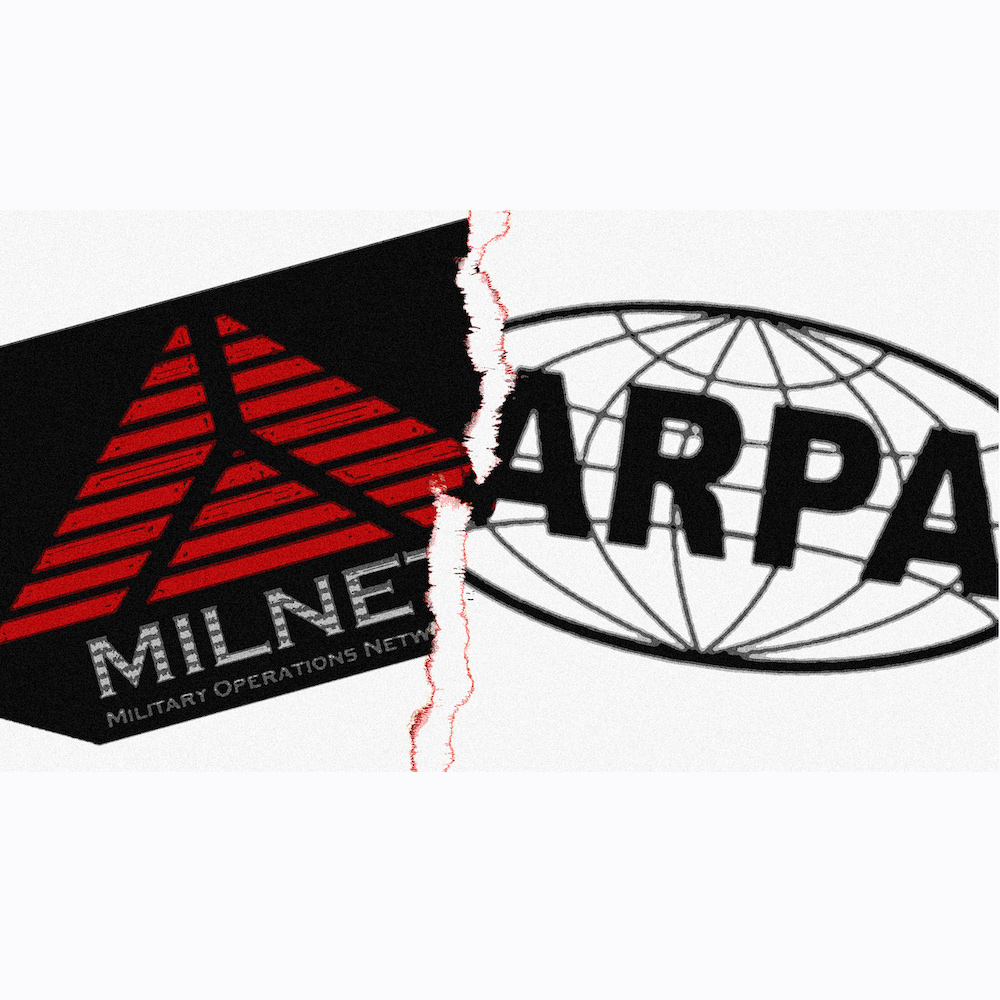
The Arpanet mandates that everyone switch to the TCP/IP protocols.
1984
Arpanet and Milnet have officially split.
Early 1984
The National Science Foundation sets up an office to manage the $500 million Advanced Scientific Computing Program.
1984
1983
December 1, 1981
Major Joseph Haughney proposes writing a trade article about all of the problems with the aging Arpanet.
Lorem ipsum title goes here
1985
1992
Mid to late 1980s
Few companies support products using the OSI protocols and prefer TCP/IP protocols.
1985 to 1986
Irish academic Dennis Jennings sets up the NSFNet for the National Science Foundation.
1992
The final blow to the protocol wars is dealt at a meeting of the Internet Engineering Task Force when proponents of TCP/IP share their preference for “rough consensus and running code.”
October 29th, 1969: First message sent from UCLA to SRI (Lo and behold)
1996
Len Kleinrock sets up a webpage on UCLA’s site that describes him as the ''inventor of the Internet technology'' and credits him with ''having created the basic principles of packet switching.''
1990's
Early 1984
The National Science Foundation sets up an office to manage the $500 million Advanced Scientific Computing Program.