We’re in a milestone year as The AI Summit New York approaches its 10th edition — a decade in which our flagship event has grown in step with one of the most extraordinary shifts in modern technology: the evolution of artificial intelligence.
A Decade of AI Transformation: From Concept to Commercial Reality
2016-2018
From AlphaGo to chatbots — the first steps in commercial AI
2019-2021
The shift to scale. MLOps, breakthroughs, and the first big deployments in the AI evolution decade
2022-2024
The generative revolution and enterprise AI transformation
2025-Beyond
Agentic AI, quantum leaps… and new risks
From AlphaGo to chatbots — the first steps in commercial AI
AI has leapt from bold promises and sci-fi headlines to become a defining force in business transformation. Today, it’s a daily dependence, powering customer experiences, supply chains, creative workflows, financial systems and cybersecurity operations.
Over the same decade, The AI Summit has grown from a niche gathering of researchers and early adopters into a global stage for enterprises, policymakers and innovators. What began as a forum for exploring possibilities is now where businesses come to showcase real-world impact, exchange best practices, and shape the next era of AI adoption.
With the event approaching its 10th edition this December, it’s a moment to reflect on just how far we’ve come and to chart the course for the decade ahead. That arc spans early proofs of concept, enterprise-scale breakthroughs, the generative revolution and the possibilities now on the horizon.
And as the community that joins us each year knows, the next chapter promises to be even more disruptive — and full of opportunity.
So, here’s a decade of AI innovation, in brief:
2016-2018
Scroll >
2016
Moments such as Google DeepMind’s AlphaGo defeating world champion Lee Sedol in 2016 at Go — a game of near-infinite complexity — captured global attention. Many saw the victory as a signal that AI could not only outthink humans in logic-based domains, but also demonstrate creativity, intuition and long-term strategy, a feat widely considered impossible at the time.

Not long after, DeepStack became the first AI to consistently beat professional poker players, demonstrating its ability to handle games of incomplete information — where not everything is visible and bluffing is a key part of the game. And, in 2017, Google Lens put AI image recognition directly into consumers’ pockets, with smartphones suddenly able to identify flowers, landmarks and products with a simple point of the camera.�

It was at this point that the AI hype reached fever pitch. Yet, despite the sense of limitless possibility, real-world applications remained elusive. So, as the media continued to frame each breakthrough as a step toward science fiction, the business world took note, and venture capital began pouring into AI start-ups.
By 2018, PwC was predicting that AI could contribute $15.7 trillion to global GDP by 2030. Commentators described AI as “the new internet,” and boardrooms scrambled to draft their first AI strategies.
global GDP projection (PwC, 2018)
$15.7 trillion
For first-mover enterprises, these were the years of pilots and proof-of-concepts. Retailers experimented with recommendation engines, banks tested fraud detection tools, and insurers trialled automated claims processing. Call centers began deploying the first commercial chatbots — clunky, yes, but useful enough to hint at their future potential.
Meanwhile, Big Tech was busy seeding the ecosystem, as Google, Microsoft, and AWS rolled out the first wave of cloud-based AI services. From speech recognition to computer vision APIs, this marked a critical step: businesses could now “plug in” intelligence without having to build models from scratch. AI was no longer just a research capability — it had become an accessible service.
Still, most deployments were tentative, and results were mixed. Costs remained high and talent scarce, yet belief was growing. The years 2016–2018 didn’t revolutionize business overnight, but they laid the groundwork that would allow AI to scale.
It was against this backdrop that The AI Summit New York launched in 2016. From the outset, the event positioned itself as the first global stage dedicated to the business of AI, bringing together researchers, enterprises and investors to debate both the promise and the pitfalls of the technology.
Those early gatherings captured the excitement and uncertainty of the time, with exploratory conversations, pilot case studies and a healthy dose of skepticism. The summit also gave AI its first true home in the business world, where the earliest serious strategies for adoption began to take shape and set the tone for the decade that followed.
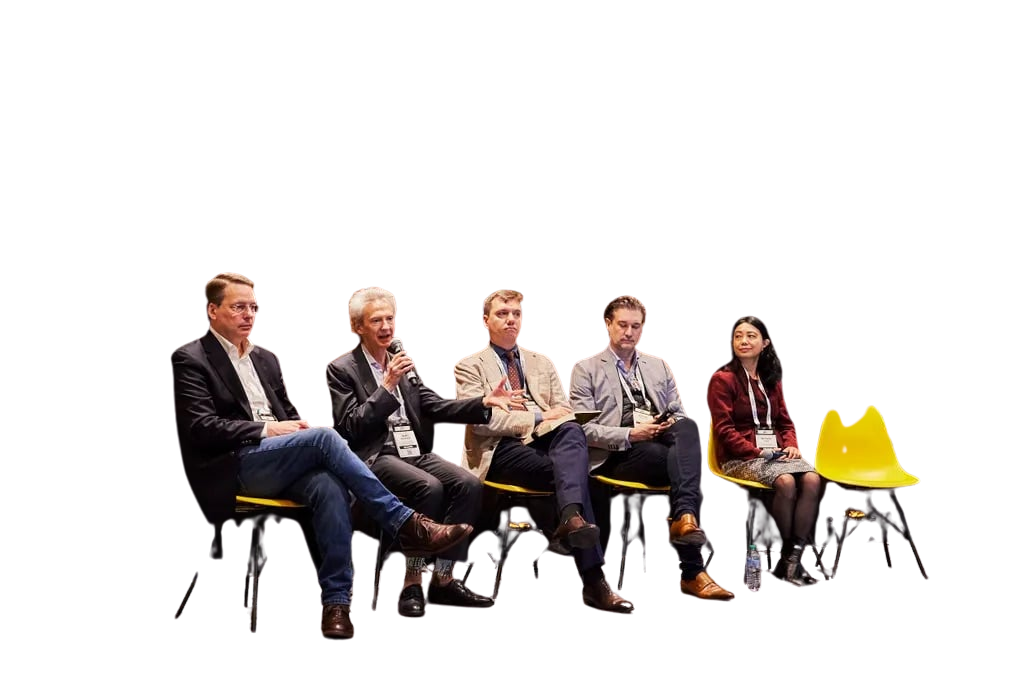
AlphaGo Captures the World’s Attention
2018
The Hype Era
2017
AI Expands Beyond the Lab
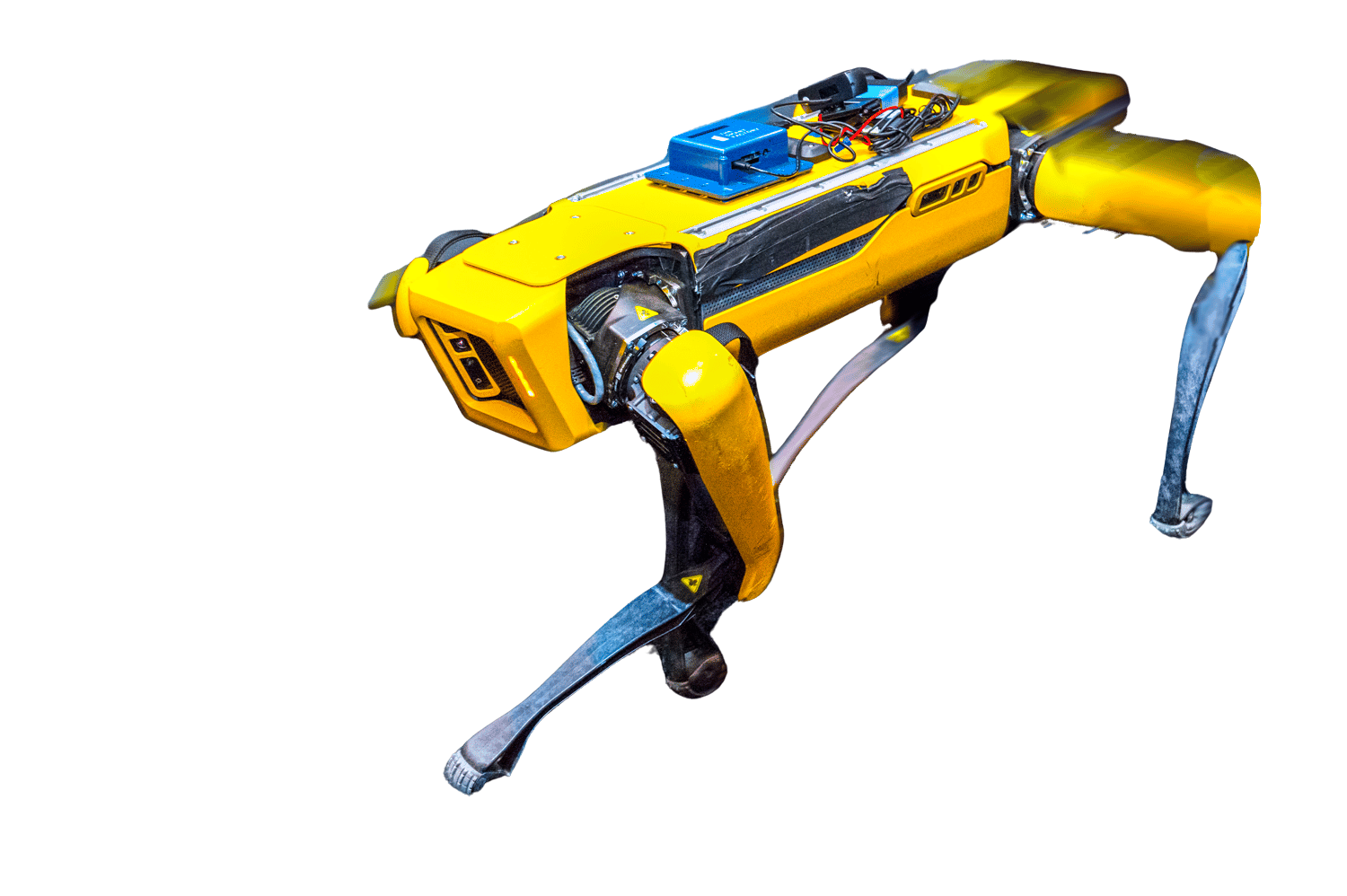
2018
The First Business Application

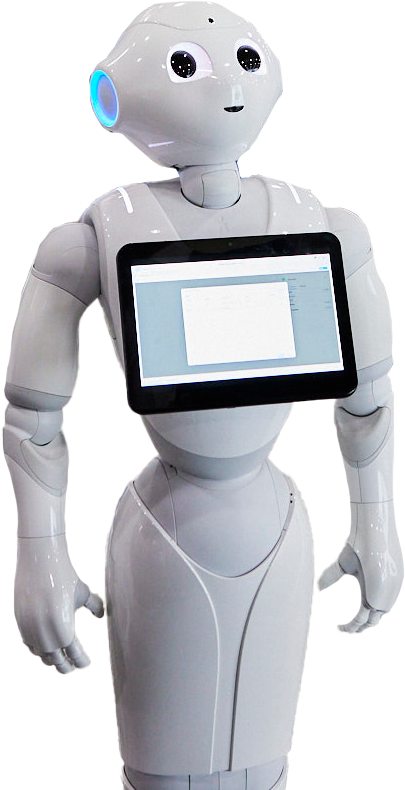
The shift to scale. MLOps, breakthroughs, and the first big deployments in the AI evolution decade
2019-2021
2019
Scaling from Pilots to Production
If 2016–2018 were the years of hype and experimentation in the history of commercial AI, then 2019–2021 were all about scale and operational deployment. Enterprises moved beyond pilots and began integrating AI into core business functions.
Manufacturers turned to AI for predictive maintenance, analyzing sensor data to anticipate equipment failures. Retailers used it to optimize supply chains and forecast demand, while banks applied AI to automate customer service and personalize financial advice, streamlining processes that once required large teams. HR departments began experimenting with AI to screen CVs, analyze employee sentiment and support workforce planning.
2019
Infrastructure and Breakthroughs
A key enabler of this shift was the rise of Machine Learning Operations (MLOps). Just as DevOps had transformed software deployment a decade earlier, MLOps provided the infrastructure to run AI reliably. Platforms such as Databricks, DataRobot, and MLflow enable enterprises to train, deploy, and monitor models at scale, thereby reducing failure rates and operational headaches.
At the same time, research continued to break new ground, with Google’s BERT revolutionizing natural language processing in 2018 by enabling models to understand context rather than just individual words. A year later, OpenAI’s GPT-2 showcased generative text at a new level, with machines suddenly able to summarize, translate and write in ways that felt far more natural. So, businesses quickly began embedding these capabilities into search engines, chat interfaces, translation tools and document workflows.
2020
AI Under Pressure
Then came the shock of COVID-19 in 2020. The pandemic stress-tested global systems and accelerated digital adoption almost overnight. AI played a vital role in modeling virus spread, supporting vaccine research, and helping stabilize disrupted supply chains. With pressure to reduce in-person headcount, customer service centers heavily relied on AI chatbots, and automation became a vital lifeline.
The same year saw the release of OpenAI’s GPT-3, a 175-billion-parameter language model that stunned researchers and the business world alike. As the predecessor to today’s game-changing ChatGPT, GPT-3 could write articles, generate code and even compose poetry with startling fluency. Initially a tool for researchers and developers, it foreshadowed the generative AI revolution that soon followed.
By 2021, enterprises had moved beyond pilots and were embedding AI throughout their businesses. McKinsey reported that the top AI use cases were in customer operations, product development, and marketing. In other words, AI had migrated from back-office experiments to the front lines of customer value creation — with enterprises now running it at scale.
For The AI Summit, these were defining years. What began as speculative debates about what AI might achieve matured into serious discussions about deploying it responsibly, at scale and with measurable ROI.
The event became the stage where enterprises moved from curiosity to commitment, testing ideas, sharing breakthroughs and setting the strategic direction that would shape the decade of adoption to come.
2021
From experimentation to enterprise scale
The generative revolution and enterprise AI transformation
2022-2024
2022
The Generative Breakthrough
If the previous era was about scaling the possibilities, then this next one was when AI went mainstream. The catalyst? Generative AI.
The watershed moment came in November 2022, when OpenAI first launched the ChatGPT we know today. Built on GPT-3.5, it became the fastest-growing consumer app in history, reaching 100 million users in just two months. For business leaders, ChatGPT was no longer an abstract idea or the subject of a research paper; it was something they could try instantly in their browser. Suddenly, AI felt tangible, personal and undeniably helpful.
Generative AI wasn’t limited to text either, as tools such as Stable Diffusion and Midjourney also brought image generation to a global audience, reshaping the landscape of enterprise AI. Runway ML added video capabilities, and within months, enterprise platforms had integrated generative models. Microsoft rolled out Copilot across Office, Salesforce launched Einstein GPT, and Adobe introduced Firefly for creative workflows. AI had left the back office and become a core layer of productivity.
2023
Mainstream Adopton and Caution
Adoption followed quickly, with a 2024 McKinsey survey finding that 65% of enterprises were using generative AI in at least one function. Marketing, sales, product development and IT topped the list, with content creation, ideation and coding proving particularly ripe for disruption.
But excitement was tempered with caution. Generative AI introduced “hallucinations” — when a model confidently produces content that’s false, misleading or nonsensical — alongside intellectual property concerns and data security risks. By 2024, McKinsey reported that nearly half of enterprises using genAI had faced at least one negative outcome. Boards began treating AI as both a strategic governance challenge and a technology decision.
This was also a period of intense regulatory debate in the evolution of commercial AI. The EU AI Act moved closer to approval, proposing a risk-based framework for AI use. In the US, the White House issued guidelines for AI safety, while the UK positioned itself as an aspiring hub for AI regulation. For enterprises, compliance and ethical oversight became as important as productivity gains.
2024
AI Everywhere
Meanwhile, generative AI continued embedding itself into daily life. By 2024, Google had integrated AI Overviews into its search results — a clear signal that AI had shifted from “a tool you choose to use” to “a layer baked into the digital experience.”
The takeaway: generative AI didn’t just expand adoption; it reframed AI’s role in business — from operational efficiency to creativity, strategy and competitive edge. And once again, The AI Summit New York was the stage where enterprise and societal leaders came together to debate the opportunities and confront the risks of this new wave.
Today, as The AI Summit New York celebrates its tenth year, the event has grown into a global hub where C-suite executives, policymakers, researchers and practitioners gather to navigate the new frontiers of AI. Conversations have matured from pilots to enterprise-scale deployments, regulation, ethics and long-term strategy.
The summit now reflects the full breadth of AI’s impact — from the boardroom to the lab, from productivity to geopolitics — and continues to be the place where the future of AI in business is shaped.
Agentic AI, quantum leaps... and new risks
2025-Beyond
2025
Agentic AI and Autonomous Systems
It’s clear today that AI is no passing business trend but a structural force reshaping work and the wider world. The next decade promises deeper integration, greater autonomy and new frontiers of innovation.
Already in 2025, enterprises are piloting agentic AI systems — models capable of managing workflows, coordinating with other digital agents and taking independent action. Deloitte predicts that by the end of the year, 25% of enterprises will have deployed these agents, a figure expected to reach 50% by 2027. This shift promises significant productivity gains, but also raises urgent questions: how do we ensure accountability when machines act independently?
At the same time, AI is rapidly establishing itself as the next frontier in productivity. Copilots are expanding into HR, finance, legal and R&D, embedding intelligence across entire organizations. Industry-specific models are also emerging — from tools that accelerate drug discovery in healthcare to platforms that optimize energy grids and manufacturing design.
2026-2028
New Era of AI Risk and Ethics
Yet the risks are evolving just as quickly. A 2025 SoSafe report found that 87% of cybersecurity professionals had encountered AI-driven attacks in the past year. In response, new solutions are emerging — from “AI hallucination insurance” to red-team testing frameworks for genAI. The ethics debate has also matured: the question is no longer whether to regulate, but how to regulate effectively.
However, the innovation horizon is expanding rapidly, with the quantum AI era promising breakthroughs in climate modeling, logistics, and materials science. Low-code and no-code platforms are putting powerful tools into the hands of non-specialists, democratizing access. And API-driven intelligence is making AI modular, allowing companies to integrate new capabilities like Lego blocks.
So, we’re moving beyond a conversation around efficiency. The coming decade will redefine creativity, industry structures and even global competitiveness. With more than 60 countries now publishing national AI strategies, the geopolitical stakes of leadership in AI have never been clearer.
However this unfolds, one thing is certain after 10 years of development: the technology is not slowing down. The challenge for enterprises is no longer whether AI will transform their industry, but how quickly — and on whose terms.
2029-Beyond
The Next Decade Redfined
In the AI evolution decade, the technology has gone from a research curiosity to the heartbeat of global business. From AlphaGo to agentic AI, from bold predictions to boardroom priorities, the transformation has been staggering — and it’s only accelerating.
The AI Summit New York has grown alongside this revolution. For a decade, it has been the stage where the AI community comes together to test ideas, challenge assumptions and set the agenda for what’s next.
This December 10-11 in Javits Center, New York, we celebrate our 10th edition — and it’s more than an anniversary. It’s a chance to connect with the people shaping AI’s future, hear first-hand what’s coming, and leave with the insights that will define your strategy.
Don’t just watch the next era of AI unfold. Be in the room where it begins.
The next era: Looking back at the AI evolution decade while moving forward
GPT-3:175
billion
parameters

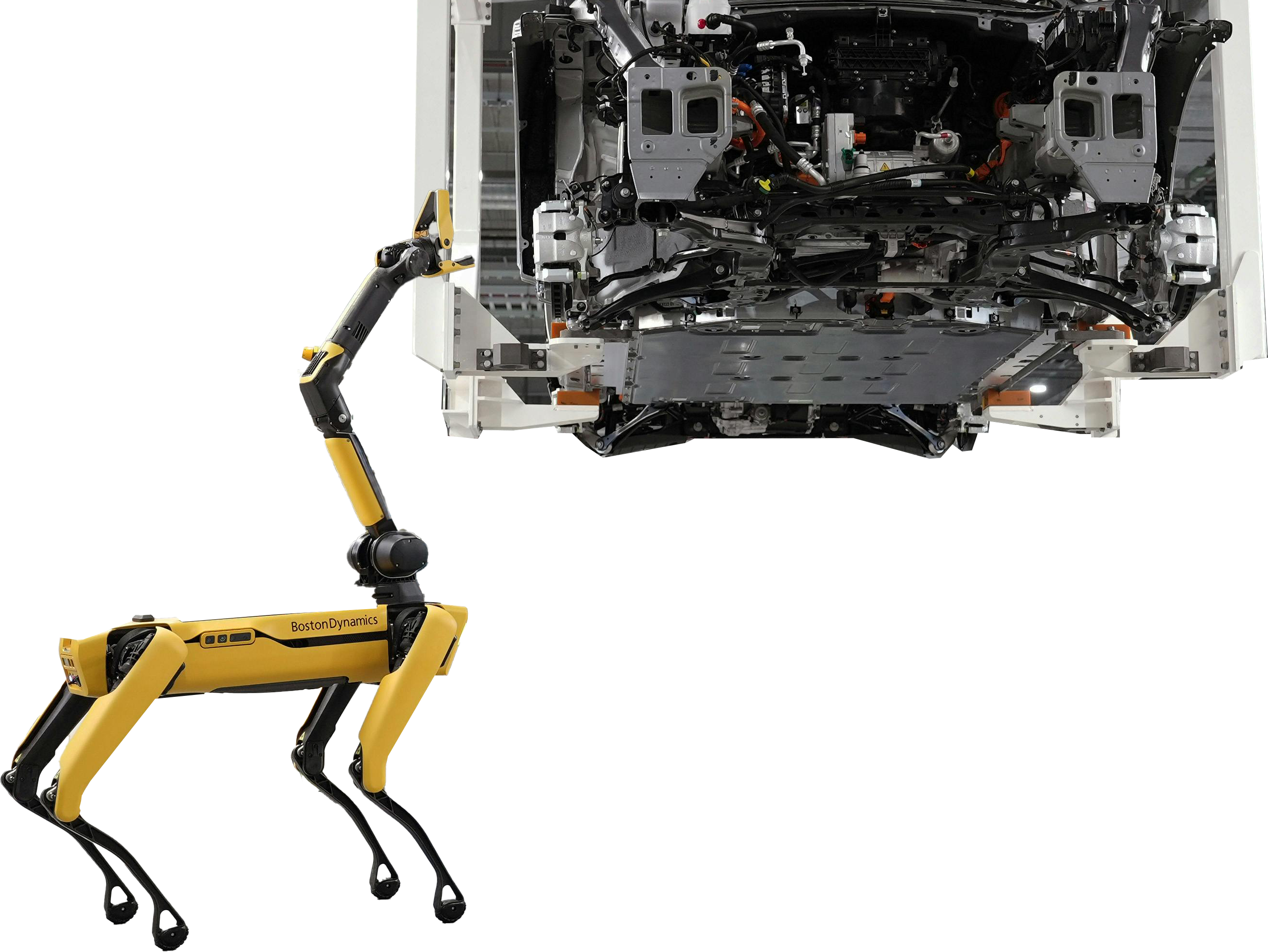


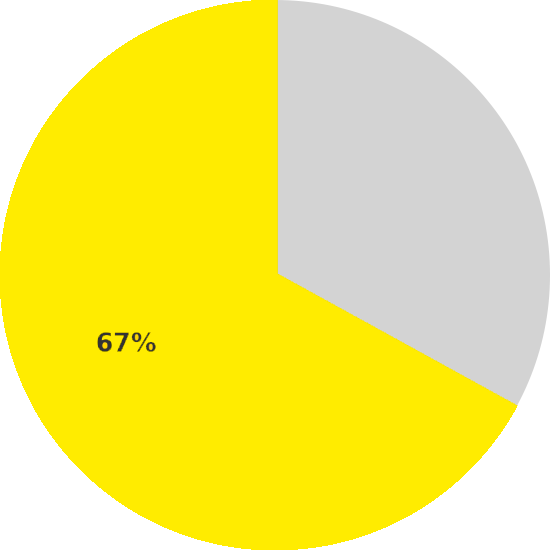
65% of enterprises use generative AI
75%
50%
25%
0%
2025
2026
2027
% of Enterprises with digital agents


60+ countries pushing national AI strategies

2019-2021


2019-2021
2019-2021
2022-2024
2016-2018
2019-2022