







This story illustrates the profound impact recognition has on nurse well-being, job satisfaction, and patient care.





Jordan's Story
Alex's Story

By fostering meaningful connections and genuine appreciation, Alex ensures the team feels valued, motivated, and engaged. Here’s what Alex does to champion recognition:
Alex understands that recognition is not just a nice gesture—it’s a key part of creating a positive and thriving workplace culture.


“Your quick action during the code blue yesterday was lifesaving for our patient. We’re lucky to have your expertise.”
Alex opens Inspirus Connects to send a personalized message to her coworker.
Instead of generic "good job" comments, Alex makes recognition specific and meaningful, highlighting each nurse's individual efforts and impact.
Alex regularly uses Inspirus Connects to recognize her teams efforts, showcasing their hard work to the entire organization.
See Example
Personalized Recognition:

Studies show timely recognition is more impactful and motivates continuous effort. (SHRM)
Recognition happens in the moment—whether during rounds or at the end of a shift—to ensure efforts are acknowledged when they matter most.
Next ->
Alex doesn’t wait for monthly meetings to recognize the team.
Timely and Consistent Praise:
Alex encourages team members to use Inspirus Connects to recognize and thank one another for their contributions. This reinforces a culture of mutual appreciation and collaboration.
continue...
Peer-to-Peer Recognition Programs:
Beyond milestones like "Nurse of the Month," Alex also celebrates small victories, like a nurse successfully de-escalating a difficult patient interaction. These small moments of acknowledgment make a big difference in morale.
Celebrate Wins—Big and Small:
Alex ensures recognition is inclusive and equitable. Every nurse, from veteran team members to new hires, is acknowledged for their contributions, helping everyone feel valued and supported.
Inclusive Recognition:
Enhanced Job Satisfaction:
Nurses who receive regular recognition report higher job satisfaction levels. A study found that meaningful recognition programs, such as personalized verbal acknowledgment from leadership, boost job satisfaction among nurses.
Improved Retention Rates: Consistent recognition leads to decreased nurse turnover.
Research indicates that meaningful recognition contributes to improved nurse retention.
Better Patient Outcomes:
A positive work environment, bolstered by recognition, directly impacts patient satisfaction. Hospitals with the highest-rated work environments receive 7.4% higher patient experience scores.
Alex sets clear goals for recognition frequency and tracks success in employee engagement surveys, making sure recognition is consistent and impactful.
Next ->
Transparent Recognition Goals:

Continue...
Meanwhile...
Continue...
continue...
continue...
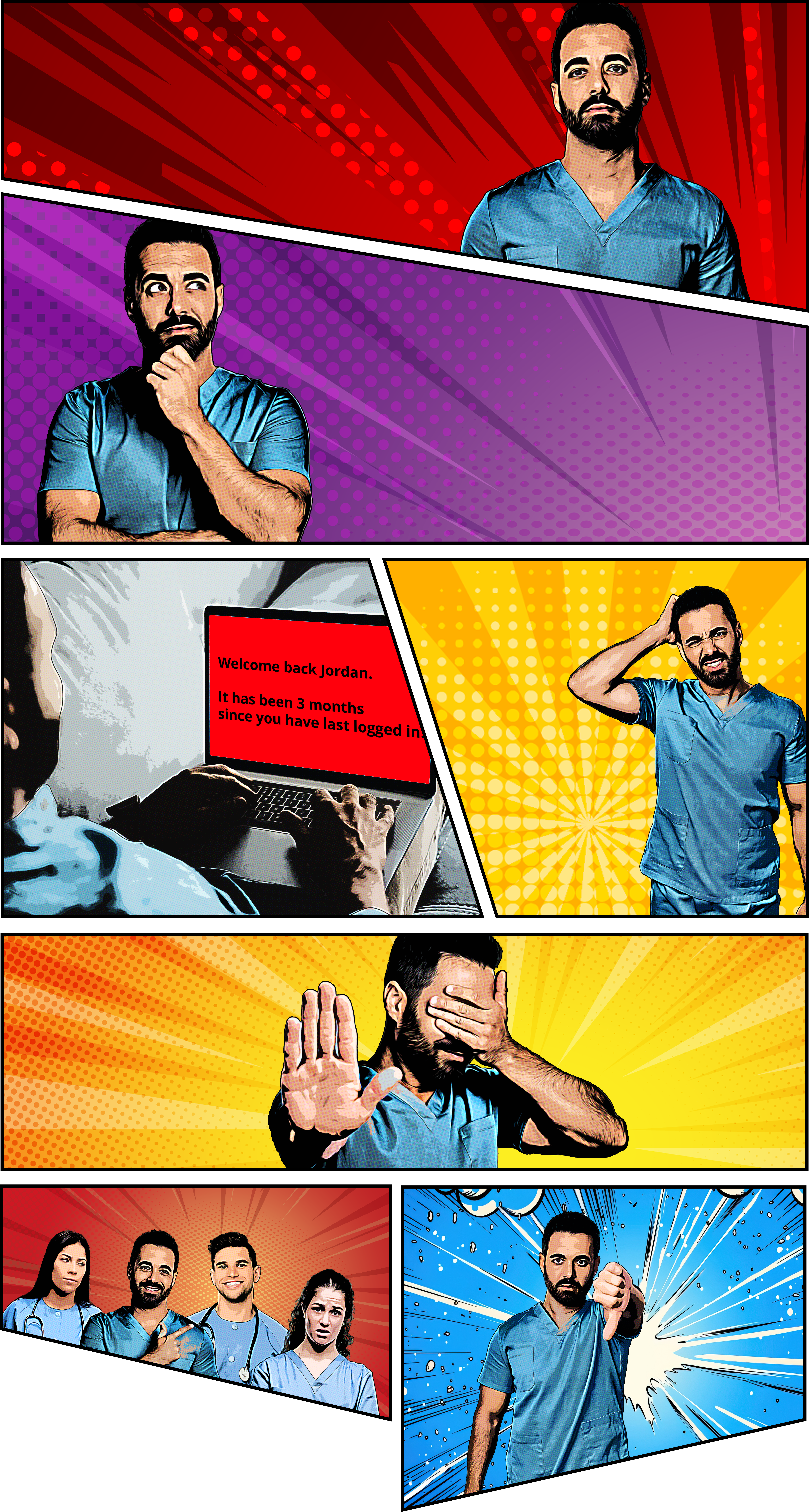
Unlike Alex, Jordan misses key opportunities to recognize his team and foster a positive work environment. His lack of engagement and poor recognition practices lead to burnout, disengagement, and turnover. Here’s what he neglects:
Jordan, another nurse manager, seldom acknowledges the hard work of the nursing staff. This lack of recognition leads to a disengaged and dissatisfied team.

Jordan: The Villain – Neglecter of Recognition
When Jordan occasionally recognizes his team, it’s often impersonal, such as “Great job today” without any specifics. This doesn’t resonate with the team or show them that their individual efforts are truly appreciated.
Vague and Generic Praise:
His team feels overlooked, contributing to disengagement and frustration.
Jordan only acknowledges the team during performance reviews or annual meetings, leaving long periods of unrecognized effort.
Inconsistent Recognition:
Jordan doesn't encourage team members to recognize one another, limiting the overall positivity and collaborative spirit on the team.
Next ->
No Peer-to-Peer Recognition:
Jordan only acknowledges major achievements and ignores the day-to-day efforts that keep the unit running. As a result, nurses feel that their consistent hard work is invisible.
Overlooking Small Wins:
When Jordan does offer recognition, it’s often directed toward a select few, leaving others feeling excluded and undervalued. This leads to tension and resentment within the team.
Favoritism in recognition:
Increased Burnout:
Nurses experiencing a lack of recognition are more prone to burnout. A study found that 79% of participants reported that receiving recognition from their managers could help reduce burnout.
Higher Turnover Rates:
Burnout significantly contributes to nurse turnover. Research indicates that burnout leads to a 12% increase in the likelihood of nurses leaving their positions.
Decline in Patient Care Quality:
Disengaged nurses may exhibit decreased attention to detail and compassion, adversely affecting patient care. Studies show that meaningful recognition was a significant predictor of decreased burnout and increased compassion satisfaction.
Jordan doesn’t prioritize employee feedback about recognition. Nurses have suggested changes, but without follow-through, they feel unheard and undervalued.
Next ->
NO FOLLOW-through:
Continue...
COntinue...
Continue...
continue...
continue...
NEXT->
Studies indicate that generic feedback is
far less effective at boosting engagement. (Gallup)
Next ->
Next ->
Next ->
Next ->
Unlike Alex, Jordan misses key opportunities to recognize his team and foster a positive work environment. His lack of engagement and poor recognition practices lead to burnout, disengagement, and turnover. Here’s what he neglects:
Jordan, another nurse manager, seldom acknowledges the hard work of the nursing staff. This lack of recognition leads to a disengaged and dissatisfied team.
NEXT->
Jordan: The Villain – Neglecter of Recognition
Studies indicate that generic feedback is
far less effective at boosting engagement. (Gallup)
When Jordan occasionally recognizes his team, it’s often impersonal, such as “Great job today” without any specifics. This doesn’t resonate with the team or show them that their individual efforts are truly appreciated.
Next ->
Vague and Generic Praise:
His team feels overlooked, contributing to disengagement and frustration.
Jordan only acknowledges the team during performance reviews or annual meetings, leaving long periods of unrecognized effort.
Next ->
Inconsistent Recognition:
Jordan doesn't encourage team members to recognize one another, limiting the overall positivity and collaborative spirit on the team.
Next ->
No Peer-to-Peer Recognition:
Jordan only acknowledges major achievements and ignores the day-to-day efforts that keep the unit running. As a result, nurses feel that their consistent hard work is invisible.
Overlooking Small Wins:
When Jordan does offer recognition, it’s often directed toward a select few, leaving others feeling excluded and undervalued. This leads to tension and resentment within the team.
Favoritism in recognition:
Increased Burnout:
Nurses experiencing a lack of recognition are more prone to burnout. A study found that 79% of participants reported that receiving recognition from their managers could help reduce burnout.
Next ->
Higher Turnover Rates:
Burnout significantly contributes to nurse turnover. Research indicates that burnout leads to a 12% increase in the likelihood of nurses leaving their positions.
Next ->
Decline in Patient Care Quality:
Disengaged nurses may exhibit decreased attention to detail and compassion, adversely affecting patient care. Studies show that meaningful recognition was a significant predictor of decreased burnout and increased compassion satisfaction.
Jordan doesn’t prioritize employee feedback about recognition. Nurses have suggested changes, but without follow-through, they feel unheard and undervalued.
Next ->
NO FOLLOW-through:
Continue...
COntinue...
Continue...
continue...
continue...
End of Story
Next ->
Next ->
Next ->
By fostering meaningful connections and genuine appreciation, Alex ensures the team feels valued, motivated, and engaged. Here’s what Alex does to champion recognition:
Alex understands that recognition is not just a nice gesture—it’s a key part of creating a positive and thriving workplace culture.
Next ->
“Your quick action during the code blue yesterday was lifesaving for our patient. We’re lucky to have your expertise.”
Alex opens Inspirus Connects to send a personalized message to her coworker.
Instead of generic "good job" comments, Alex makes recognition specific and meaningful, highlighting each nurse's individual efforts and impact.
Alex regularly uses Inspirus Connects to recognize her teams efforts, showcasing their hard work to the entire organization.
See Example
Personalized Recognition:
Studies show timely recognition is more impactful and motivates continuous effort. (SHRM)
Recognition happens in the moment—whether during rounds or at the end of a shift—to ensure efforts are acknowledged when they matter most.
Next ->
Alex doesn’t wait for monthly meetings to recognize the team.
Timely and Consistent Praise:
Alex encourages team members to use Inspirus Connects to recognize and thank one another for their contributions. This reinforces a culture of mutual appreciation and collaboration.
continue...
Peer-to-Peer Recognition Programs:
Beyond milestones like "Nurse of the Month," Alex also celebrates small victories, like a nurse successfully de-escalating a difficult patient interaction. These small moments of acknowledgment make a big difference in morale.
Celebrate Wins—Big and Small:
Alex ensures recognition is inclusive and equitable. Every nurse, from veteran team members to new hires, is acknowledged for their contributions, helping everyone feel valued and supported.
Inclusive Recognition:
Enhanced Job Satisfaction:
Nurses who receive regular recognition report higher job satisfaction levels. A study found that meaningful recognition programs, such as personalized verbal acknowledgment from leadership, boost job satisfaction among nurses.
Next ->
Improved Retention Rates: Consistent recognition leads to decreased nurse turnover.
Research indicates that meaningful recognition contributes to improved nurse retention.
Next ->
Better Patient Outcomes:
A positive work environment, bolstered by recognition, directly impacts patient satisfaction. Hospitals with the highest-rated work environments receive 7.4% higher patient experience scores.
Alex sets clear goals for recognition frequency and tracks success in employee engagement surveys, making sure recognition is consistent and impactful.
Next ->
Transparent Recognition Goals:
Continue...
Meanwhile...
Continue...
continue...
continue...
End of Story
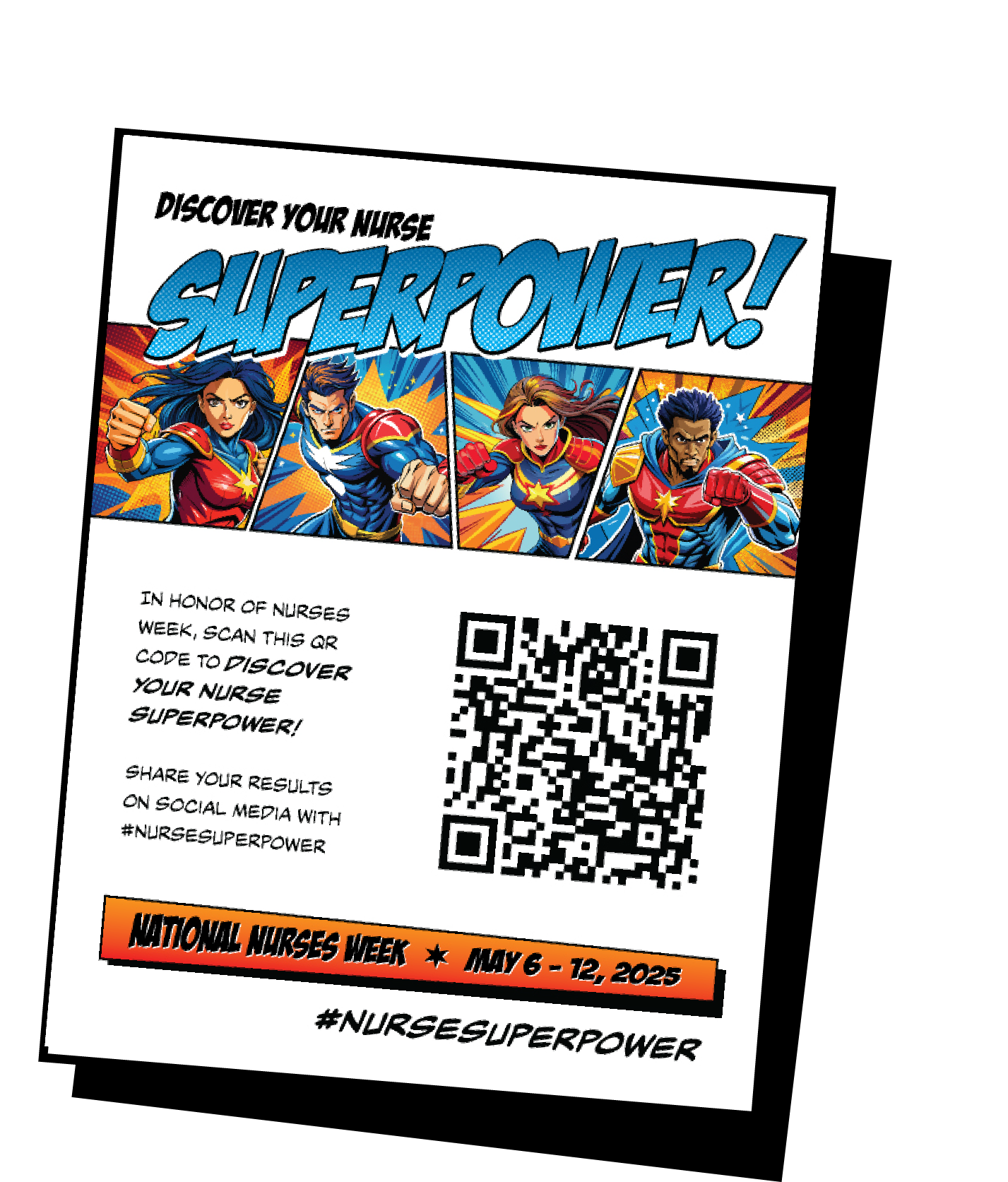
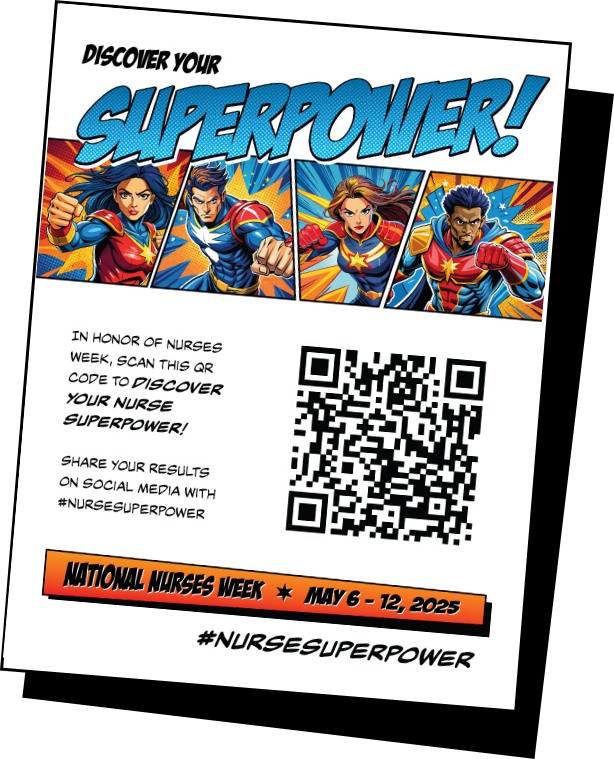
In celebration of Nurses Week and our theme, "Celebrating Our Superheroes," we present an interactive narrative contrasting the outcomes of effective nurse recognition (the Hero) versus poor recognition practices (the Villain).
Next ->

Conversely, neglecting recognition, as the Villain does, can lead to detrimental outcomes for both staff and patients.
This narrative underscores the critical role of recognition in nursing. By embracing the Hero's approach of meaningful acknowledgment, healthcare organizations can enhance nurse satisfaction, improve retention, and deliver superior patient care.
Next ->
Next ->






Continue Exploring
This story illustrates the profound impact recogniton has on Healthcare workers well-being, job satisfaction, and patient care.