SUSTAINABILITY REPORT 2025
CONTENT
Statement From our Founders
The World of International SOS
Global Sustainability Trends
Our Sustainaibilty Strategy
Healthy Planet
Healthy People
Healthy Principles
Summary Goals & Progress
The International SOS Foundation
Statement from our Founders
Global Trends
Sustainability Strategy
Disclaimer
AEA International Holdings Pte Ltd (“AEA”) and its affiliates (the “International SOS Group”) offer an overview of our commitments to sustainability principles. As stewards of responsible business practices, International SOS Group aims to transparently communicate progress, challenges, and achievements. This report outlines our reporting processes, our greenhouse gas emissions (GHG), our initiatives and our efforts to minimise our impacts. We recognise that incorporating sustainability into our business model is an ongoing responsibility and journey. This is a web version of the International SOS Group 2025 Sustainability Report and is an exact copy of the PDF version. The information and data contained in this report cover our Fiscal Year from July 2023 to June 2024 and reflect our global presence, which includes our London and Singapore headquarters. Our operations encompass over 150 operational and non-operational facilities across our business lines in more than 90 countries worldwide. This report reflects our best efforts at transparency regarding our data, methodologies, and processes, as well as our data gaps and challenges. The International SOS Group accepts no responsibility for information on other websites that are accessible from this site via hyperlinks.
ABOUT THIS REPORT
Scroll to navigate through the report
Click on hexagones to access the associated chapters
Goals & Progress
International SOS Foundation
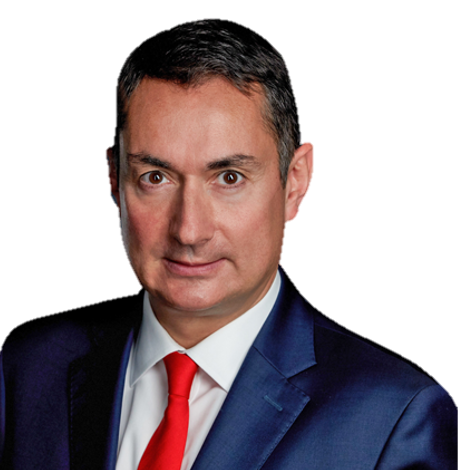
Arnaud Vaissié
Co-founder, Chairman & Chief Executive Officer
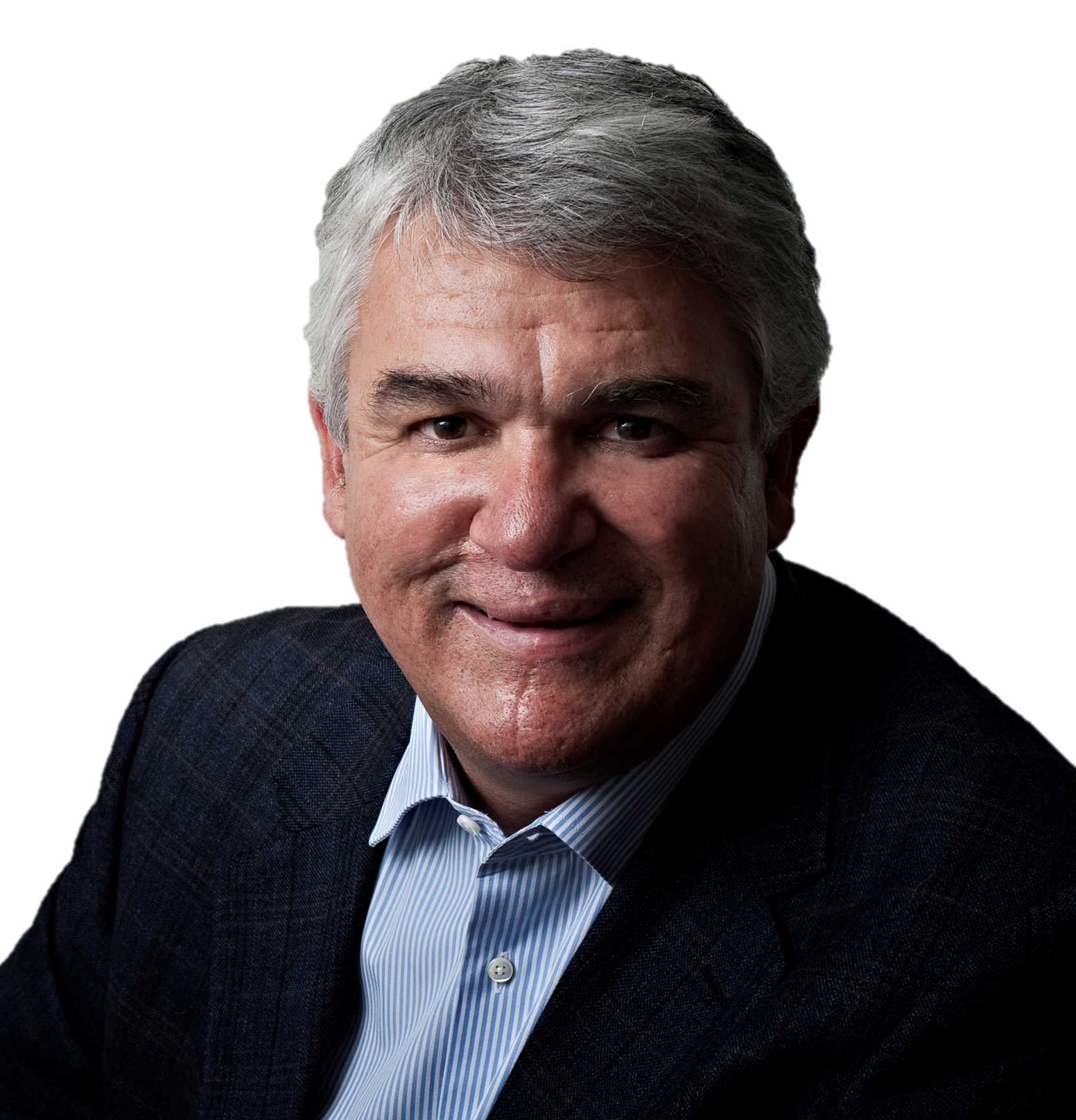
Dr Pascal Rey-Herme
Co-founder & Group Medical Director
GRI Indexing
As we celebrate our 40th anniversary, we reflect on our journey with immense pride and gratitude. Over the past four decades, our commitment to sustainability has evolved significantly and helped guide our actions. This year, we are particularly proud of the strides we have made in enhancing our non-financial reporting and environmental data collection. In 2024, we successfully built a robust environmental data and reporting methodology, laying the foundation for transparent and accurate sustainability reporting. This effort culminated in our first global Group carbon footprint assessment, a comprehensive exercise that helped us develop a detailed emissions inventory, which will serve as a useful tool in our ongoing efforts to reduce our carbon footprint. Our commitment to supporting global resilience and emergency response to extreme weather events continues. In the face of increasing disaster frequency and severity, our focus on organisational resilience has enabled us to respond swiftly and effectively, ensuring that we continue to meet the needs of our clients. The changing geopolitical landscape and narrative around sustainability present new challenges, as well as new opportunities. As regulatory frameworks and public discussions evolve, we continue to focus on the intersection of sustainability, public health, Duty of Care, and worker safety. We are proud of the evolution of our sustainability practices and the role they have played in shaping our company. As we look to the future, we reaffirm our commitment to making a positive impact through continuous improvement and innovation. The International SOS Group is committed to operating our business guided by sustainable principles. Our focus remains on enhancing our environmental performance, supporting global resilience, and adapting to the ever-changing external landscape. We are confident that our efforts will not only benefit our company and clients but also contribute to a more sustainable and resilient world. Thank you for your continued support and partnership.
THE WORLD OF INTERNATIONAL SOS
ABOUT INTERNATIONAL SOS
The International SOS Group of Companies, celebrating 40 years of saving lives and protecting the global workforce from health and security threats, has grown from a single location in Jakarta to become the world's leading security risk management, health, and wellbeing solutions company. Wherever our clients are located, we deliver customised health, security risk management and wellbeing solutions to support growth and productivity. In the event of extreme weather, an epidemic or a security incident, we can respond immediately to help protect our clients. Our medical and security expertise focuses on prevention and assessment, offering real-time actionable insights and on-the-ground support to mitigate and minimise risks. We help protect our clients' people and assets, as well as help meet regulatory and compliance requirements. We help organisations fulfil their Duty of Care responsibilities while empowering business resilience, continuity, and sustainability. Founded in 1985, International SOS has grown to serve 9,000 organisations, including the majority of the Fortune Global 500, many leading government agencies, educational institutions, and NGOs. Today, our global team includes 4,400 medical professionals and 1,000 security experts. Our 13,000 multi-cultural medical, security, and logistics experts speak nearly 110 languages and dialects, providing support and assistance in 90 countries, 24/7, 365 days a year. Through our strategic acquisitions, joint ventures, partnerships, and alliances, we've built an industry-leading network of over 89,000 providers. Our headquarters are co-located in London and Singapore.
OUR MISSION
To pioneer the international medical & security risk services sector.
OUR VISION
To be the world’s leading medical & security services company.
OUR VALUES
We work with passion, entrepreneurial spirit and teamwork to serve our clients and our colleagues.
We are committed to applyng our professional expertise to deliver the highest quality services to our clients.
We treat all of our global, diverse stakeholders with respect and deliver on our commitments with the highest integrity.
We care about the interest of our clients, subscribers and workforce and aim to make a real difference to their lives.
4,605
medical personnel and leverage advanced TeleHealth capabilities.
Our remote sites are supported by over
2,585
Medical Evacuation Response Plans
300,000
Our workplace health and wellbeing solutions helped nearly
corporate clients' employees become healthier & more effective at work
health checks and questionnaires through our WorkSafe Health Checks to provide targeted medical feedback
We delivered
Implemented
22,786
1,700
Medical & security evacuations
32,050
Security & travel services
Medical services
323,847
150,000
Medical kits delivered worldwide
International SOS Supply sourced:
28
Assistance Centres
31
Security Locations
260
offshore installations
75
countries
International SOS has remote and workplace healthcare services sites in:
including over 650 onshore land-based projects and over
89,000
On-the-ground providers in our global assistance network
104,400
Network Services (Excluding the USA)
3.0
million
Assistance calls
Click on the arrows to learn more
319,121
total learning hours
20.4 hours on average per employee (2)
To see our workforce profile, CLICK HERE
(1) 20.4 hours on average per employee Data includes online and instructor-led courses delivered across the organisation. (2) Average calculated based on the total number of employees as at the close of the fiscal year.
(1)
Source: The data is sourced from the International SOS HRM system, which excludes recent acquisitions not yet fully integrated, specific locations (Indonesia, Brazil, and Guyana) where the system is not fully utilized, recent divestments, and certain employee categories such as locums, casual staff, and those hired through third parties or agencies.
Employees, per region and contract type
Employee Region
Africa
Americas (North America)
ANZ
Asia
Europe
Europe MiddleEast
IAS
Pacific
SEA
Grand Total
1
5
0
86
130
224
507
8
1,740
72
1,345
713
594
521
2,205
10,695
3
88
6
16
2
38
123
790
420
2,572
144
1,114
AIESEC Intern
Intern
Fixed Term Employees
Permanent Employees
7
Joint-Venture Partner
94
963
2,144
120
695
1,252
533
464
296
1,696
8,815
LATAM
44
321
277
Sustainability Trends 2025
Major Risk Categories & Sustainability Implications
AI Opportunities in Sustainability
A Sustainable Path Forward
The 2025 Risk Outlook report, released separately by International SOS, highlights a world increasingly fragmented by geopolitical instability, extreme weather events, resource scarcity, and the risk of infectious diseases. These factors not only disrupt business operations but can significantly impact employee wellbeing and productivity. These and other risks also impact sustainability trends, and evaluating them plays a crucial role in mitigating risks and building organisational resilience.
THE TRENDS SHAPING THE FUTURE
2023 will take the unfortunate distinction of being the hottest twelve months recorded in human history. One in four people globally faced extreme heat waves driven by climate change, while cities from Miami to Delhi experience a record number of unprecedented extreme heat waves. Climate change has evolved from long-term concern to immediate threats, as severe weather events, temperature extremes and other impacts increase in intensity, frequency and geographical breadth. READ MORE
By some estimates 2020 was the first time when those born in the 1980s and after – so called Generation X and Generation Y - made up a majority of the global workforce for the first time. These cohorts bring a new set of expectations of and attitudes to their contracts with employers. READ MORE.
Cutting waste and minimising inefficiency gives a message to staff about the performance the organisation expects of them, but those staff are also critical to delivering value while maintaining productivity and agility. Human capital must be nurtured and valued to maximise creativity and productivity, prioritising the health and security of workers to create truly efficient organisations. READ MORE.
Artificial intelligence has been with us for years but the surge of interest prompted by the public launch of large language models with text interfaces such as Bing and ChatGPT has brought it into sharp focus. This generative AI gives us a new sense of the technology’s potential to transform time-consuming tasks by finding patterns in massive datasets that yield insights, while learning from feedback on its performance. READ MORE.
Click on titles to read more details
SUSTAINABILITY TRENDS FOR 2025
MAJOR RISK CATEGORIES AND SUSTAINABILITY IMPLICATIONS
A SUSTAINABLE PATH FORWARD
A Focus on Climate Adaptation and Resilience: Increased threats of extreme weather and natural hazards are pushing businesses to incorporate climate risk assessments into their strategic planning. Additionally, a heightened focus on the health impacts of extreme weather is prompting companies to ensure that their operations do not exacerbate health vulnerabilities for their workforce and in the communities where they operate.
Increased Adoption of Alternative Energy Sources: Companies now have growing options to transition to high-quality alternative fuels, such as sustainable aviation fuel and renewable electricity, to meet their decarbonisation goals. Other transition tools becoming increasingly available include renewable diesel, carbon sequestration credits, carbon removal programmes, and direct-to-air carbon capture to reduce emissions impacts.
Integration of AI and Technology in Non-Financial Reporting: The integration of artificial intelligence (AI) and advanced technologies in non-financial data reporting is revolutionising data collection, analysis, and governance. AI enables companies to automate data gathering, improve the accuracy of sustainability metrics, and enhance the ability to meet regulatory requirements. This technological advancement facilitates more detailed and real-time reporting, allowing stakeholders to make better-informed decisions.
Enhanced Regulatory Frameworks: Regulatory guidance on non-financial disclosures is prevalent, and included in frameworks such as the EU’s Corporate Sustainability Reporting Directive (CSRD) and the Corporate Sustainability Due Diligence Directive (CSDDD). While recent amendments to the CSRD have reduced some of the regulatory complexity, some companies are required to report comprehensively on greenhouse gas emissions, climate risks, and broader sustainability metrics.
Geopolitical Uncertainty: The fragmentation of global trade poses significant risks to international business operations. Changing political priorities, such as local production, tariff barriers and migration flows, can supersede sustainability concerns, while domestic economic and security threats can reduce sustainability funding and focus. A loss of public faith in many global institutions and experts makes the necessary global cooperation and collaboration to tackle climate issues increasingly challenging.
Extreme Weather Events and Resource Scarcity: Natural Hazards are accelerating, leading to more frequent and severe extreme weather events. These events disrupt supply chains, damage infrastructure, and increase operational costs. An extreme weather event can be traumatising as it unfolds and can also have devasting consequences for those impacted, physically and mentally. Organisations invest in climate adaptation and resilience measures to protect their assets and ensure business continuity. Additionally, sustainable resource management practices can help mitigate the risks associated with resource scarcity
Disinformation and Misinformation: High levels of disinformation and misinformation intensify insecurity and complicate risk management. Companies that ensure transparent and accurate communication with stakeholders can build trust and credibility, including sustainability and social topics. Frameworks that emphasise transparency and accountability can help businesses navigate the challenges of misinformation.
Social and Political Unrest: Internal fragmentation within countries, driven by acute social and political issues, complicates risk management for local employees. Companies must be sensitive to local contexts and implement equitable practices to mitigate these risks. ESG strategies that promote social equity and community engagement can help businesses build stronger relationships with local stakeholders and enhance their social license to operate.
AI OPPORTUNITIES IN SUSTAINABILITY
AI offers significant opportunities for enhancing Sustainability performance by providing innovative solutions and insights that help businesses operate more sustainably, ethically, and transparently.
Opportunities:
Environmental Impact Analysis: AI can analyse granular energy consumption data, identify inefficiencies, and suggest energy-saving measures, resulting in a potential reduction in energy costs and a decrease in carbon emissions. Supply Chain Transparency: AI can track and verify the sustainability of supply chains, ensuring that suppliers adhere to environmental and social standards. An AI-driven supply chain monitoring system can help improve compliance with labour standards and reduce the risk of human rights violations. Predictive Maintenance: AI can predict equipment failures and schedule maintenance, reducing downtime and extending the lifespan of assets, as well as helping schedule maintenance cadences that can help operational efficiency and save energy.
In a world characterised by fragmentation and uncertainty, a continued focus on sustainability can be challenging and time-consuming. By integrating robust frameworks into their operations, pivoting to a focus on climate resilience and adaptation, and remaining focused on long-term goals, organisations can mitigate growing sustainability risks. As companies, including International SOS, navigate the complexities of the evolving risk landscape, a commitment to sustainable principles is essential for long-term success and business resilience.
OUR SUSTAINABILITY STRATEGY
Materiality Matrix
Sustainability Governance
Access to skilled workforce
Data privacy & protection and cyber security
Business continuity
Business integrity, transparency & ethics
Digitalisation of healthcare and assistance
Patient care, client satisfaction and quality of assistance
Employee health, safety & wellbeing
Security & safety
NCDs & mental health
Epidemics & public health
Innovation
Mobility and evolving traveller behaviour
Extreme weather conditions
Environmental impact of our operations
Modern leadership & engaging work
Relationship with assistance partners and suppliers
Respect & care
Community impact & engagement
Access to a skilled workforce is a top priority for our business. Our ability to help our clients manage their health and security risks is highly dependent on our access to a skilled workforce globally. Consquently we are committed to developing highly competent talent.
At International SOS, we regularly review and assess the impact of our operations on all relevant stakeholders, including our employees, clients, partners, suppliers, local communities, the planet and civil society. Beyond the assessment and actions of our own impact, we support our clients' sustainability priorities. For four decades, International SOS has been managing risks impacting our clients and helping develop workforce resiliency to security and health threats. We believe that our expertise in security and health, the professionalism of our employees and our commitment to the highest standards of service contribute to the sustainable development of our own organisation and our clients. We support our clients in upholding commitments to creating a safe, healthy and sustainable workplace. Our commitments highlight our ambition and demonstrate how we hold ourselves accountable for our impact, performance and areas of improvement.
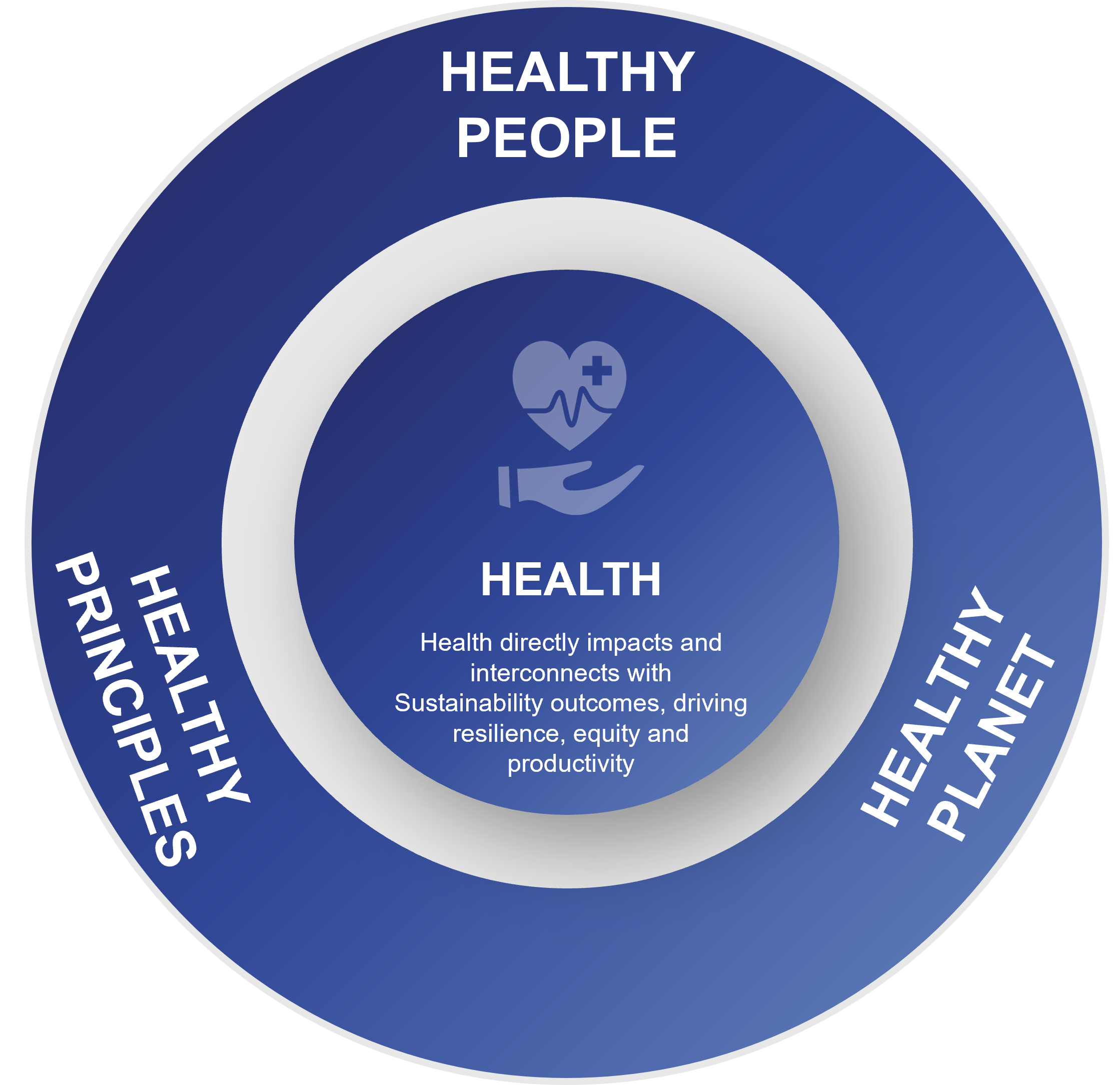
HEALTHY PLANET Environment
HEALTHY PEOPLE Social
HEALTHY PRINCIPLES Governance
At International SOS, sustainability governance is integrated into the broader corporate governance structure through a clear and structured interaction between the Sustainability Advisory Board (SAB) and management. The Sustainability Committee, operates under the SAB and includes cross-functional senior leaders, meets quarterly to monitor progress, reassess priorities, and coordinate actions across the organisation. The Committee is composed of 13 members from different backgrounds, business areas, expertise, and geographic regions. Bi-annually, a representative from the Committee meets with the SAB to present updates on sustainability performance, seek strategic feedback, and align on emerging priorities. These bi-annual meetings also serve as a key channel for escalating insights and recommendations, ensuring that sustainability remains a core consideration in the organisation’s overall strategic direction. Our SAB oversaw the development and evolution of our journey, in coordination with our Sustainability Committee. The Sustainability strategy was created in alignment with our policies, business objectives, risk and material topics. The Committee meets regularly to set and review our priorities, actions and tangible progress on our sustainability journey. Our sustainability policies and processes are aligned with international best practices and frameworks, including the Global Reporting Initiative (GRI) framework. Our policies follow, whenever possible, relevant standards and frameworks.
OUR SUSTAINABILITY ADVISORY BOARD
Kai Boschmann
Chief Marketing & Communication Officer London
Baptiste Vaissié
Group Chief Financial Officer London
Laurent Fourier
Chief Executive Officer, Health & Security Subscription Services Geneva
Jennifer Gibb
Group HR Director Singapore
Dr Myles Neri
Group Medical Director, Medical Services Sydney
Shireen Advani Lee
Group General Counsel Singapore
GROUP ESG COMMITTEE
Gareth Lewis
ESG Director London
Our sustainability initiatives and strategies are anchored in International SOS’ mission, vision and values. Additionally, the focus of our corporate citizenship and philanthropy centres on healthcare and education, particularly as it relates to Duty of Care and upskilling local communities in healthcare outcomes. Our organisation also focuses on the wellbeing of our employees, our social license in the communities where we operate and ensuring that all our employees, suppliers and partners uphold our values and high ethical standards of conduct. Our journey from corporate social responsibility to sustainability reflects our organisational resilience and adaptation to a broader, more inclusive and fit-for-purpose approach. Tying in the health pillar to all our sustainability initiatives aligns with our core competencies, as well as areas where International SOS can deliver the highest impact.
International SOS reporting focuses on these three dimensions:
Mark Crawford
Group Deputy Director Quality
Sydney
Philippe Guibert
Group Medical Director, EMEA Practice, Consulting & Solutions
Paris
Maria-Fe Aguilar
Group ESG & Sustainability Manager
London
Alexandra Azevedo
Group Travel Manager
Natalie Piccari
Group VP, Real Estate & Workplace Strategies
Houston
Clive Gillard
Director of Medical and Security Air Transport Services
Amélie Chatelet
Group Marketing Manager
Barcelona
Nidia Knight
General Manager, IAS
Singapore
Shafi Mohammed
Group Director, OH&S Compliance
Dubai
Zelda Bezuidenhout
Global Director of Network Services, Governance & Quality
Johannesburg
Atul Verma
Quality & Compliance Director MedSupply
Steven Hong
Group Deputy CFO, Operations & Share Services
Fast-growing digitalisation and the pandemic-induced shift to remote work demand heightened data privacy and cybersecurity measures. As a digital solutions provider, we have reinforced our focus on these areas, extending it to our internal system infrastructure to ensure seamless business operations.
SUSTAINABILITY STRATEGY
At International SOS, our mission to protect and save lives underscores the vital role of health in sustainability. Recognising its profound influence on resilience and operational success, we have made health a key pillar of our sustainability strategy. Integrating health into our overall sustainability strategy enhances the connectivity between workforce wellbeing, business continuity, and long-term resilience. We collaborate with industry and government partners to embed health outcomes into delivery frameworks, ensuring organisations, suppliers, and customers prioritise health provision and accessibility. A healthy workforce drives economic productivity, employee engagement, and reduced attrition, while investments in community health can foster broader social and economic benefits. Natural hazards pose significant health risks, from disease spread to occupational hazards. We minimise our environmental footprint while leveraging our healthcare and security expertise to help clients manage health risks, such as water quality, air pollution, and extreme weather impacts.
SUSTAINABILITY GOVERNANCE
C H A I R
Our commitment to business continuity is critical for supporting our clients effectively. Our proactive and comprehensive approach allows us and our clients to meet today's business continuity challenges confidently.
As a global organisation with employees spanning over 90 countries, we prioritise human rights. Our offices strictly adhere to both local and global laws and standards, ensuring a fair, safe, and ethical work environment. We recognise the growing importance that clients and stakeholders place on integrity and transparency, values that we also hold in high regard.
The pandemic underscored the importance of remote access to healthcare due to overwhelmed public health systems and restrictions. This topic has gained greater external significance compared to previous matrix editions.
Ensuring high-quality care and assistance for clients, particularly in protecting their workforce, is a priority for International SOS. The current challenging times highlight the high importance of addressing client expectations on this subject. This issue remains a very important topic of our internal and external impact.
The health, safety, and wellbeing of our people remain very important topics for us and external stakeholders. In recent years, organisations have further recognised the significance of prioritising workforce health for productivity and business continuity.
As a healthcare provider, our priority to address epidemic-related risks has intensified in recent years. Due to the COVID-19 pandemic our focus has shifted towards preventive (e.g., vaccination programmes) rather than public health awareness.
Innovation plays a vital role to our business and even more to our clients. We continue to enhance our approach through digital innovation. For example, we are expanding our TeleConsultations services to over 30 countries and value the creative impact of partnerships with specialist organisations.
As travel gradually resumes following a significant decline in mobility for our clients due to COVID-19 travel restrictions, we are proactively advising and addressing challenges in this area.
As a global leader in health and security, we prioritise Non-Communicable Diseases (NCDs) and mental mealth as important topics. Our sustained focus on these areas continues to be significant for International SOS, with growing awareness necessitating specialised expertise.
Despite organisations prioritising health, security, and safety, these areas continue to be central to our focus. While the challenges in security and safety have shifted with the pandemic, their importance to businesses remains unchanged. The evolving scope has not altered our focus, both internally and externally.
At International SOS, we acknowledge that an engaged workforce and modern leadership are key to business productivity and sustainability. Although many organisations have focused on other challenges during and after the pandemic, modern leadership has remained a priority for us and our clients.
Reduced travel led to fewer assistance cases, but increased complexity. This emphasised the importance of our assistance network and maintaining a steady state for this measure.
Respect and care are core strengths for us, reflecting the varied population we serve and promoting a forward-thinking, market-driven approach. It is crucial for understanding customer needs and delivering innovative solutions. While we have always paid careful attention to respect and care in our global operations,we continue to expand on this agenda.
Our corporate citizenship philosophy centres on healthcare and education for the wellbeing of our employees and communities. Community health is integral to sustainable development, as a healthy workforce depends on a healthy community.
Due to global travel restrictions and reduced mobility, the impact to mobile workers has been reduced. However, there has been a spike in natural disasters and other climate-related events. In response, we intensified our focus and advisory efforts on the subject.
We are committed to upholding international environmental best practices for our employees, customers, and providers worldwide. While the broader external focus on environmental impact remains stable, we continue to prioritise and evolve our approach in this area. Within our "Environmental Impact of Our Operations" category, biodiversity is a key consideration. International SOS is committed to advancing our efforts in this space and will continue to make progress in addressing priority issues related to biodiversity and the broader environmental footprint of our operations.
OUR MATERIALITY MATRIX
Click on each topic to learn more
Learn more about our material topics by hovering over them.
EXTERNAL IMPACT
INTERNAL IMPACT
HIGH
HIGHER
HIGHEST
CRITICAL
Our sustainability strategy is anchored in our materiality matrix, which outlines the largest risk impact areas to our company and our ability to influence these areas. The materiality matrix is critical for developing our risk framework and ensuring that we are prepared to adapt and/or mitigate critical impact areas for the business. Our first materiality matrix at International SOS was developed in 2018–2019 through a structured process aimed at identifying and prioritising the most relevant sustainability issues for the organisation. This initial effort involved a comprehensive review of key sustainability topics, prioritisation by key internal and external stakeholders, and validation by senior management. Client interviews were also conducted to ensure external perspectives were reflected. Since then, the matrix has been reviewed and slightly adjusted on a bi-yearly basis by our Founders and sustainability board to remain aligned with evolving priorities and stakeholder expectations. We are actively working towards conducting a double materiality assessment for the International SOS Group as part of our commitment towards enhancing our sustainability strategy and reporting disclosures. This assessment will help us identify and prioritise the most significant sustainability impacts, risks, and opportunities across our operations and value chain. We expect to align with the requirements of the Corporate Sustainability Reporting Directive (CSRD) by the required disclosure period, which will strengthen our approach to responsible business practices.
Engagement with regulators & stakeholders
Our ability to deliver high-quality healthcare and security support globally is sustained by continuous engagement with regulators, stakeholders, and partners. This priority is paramount internally and continues to increase in importance, fostering strong collaboration for seamless post-pandemic operations.
SUSTAINABILITY JOURNEY
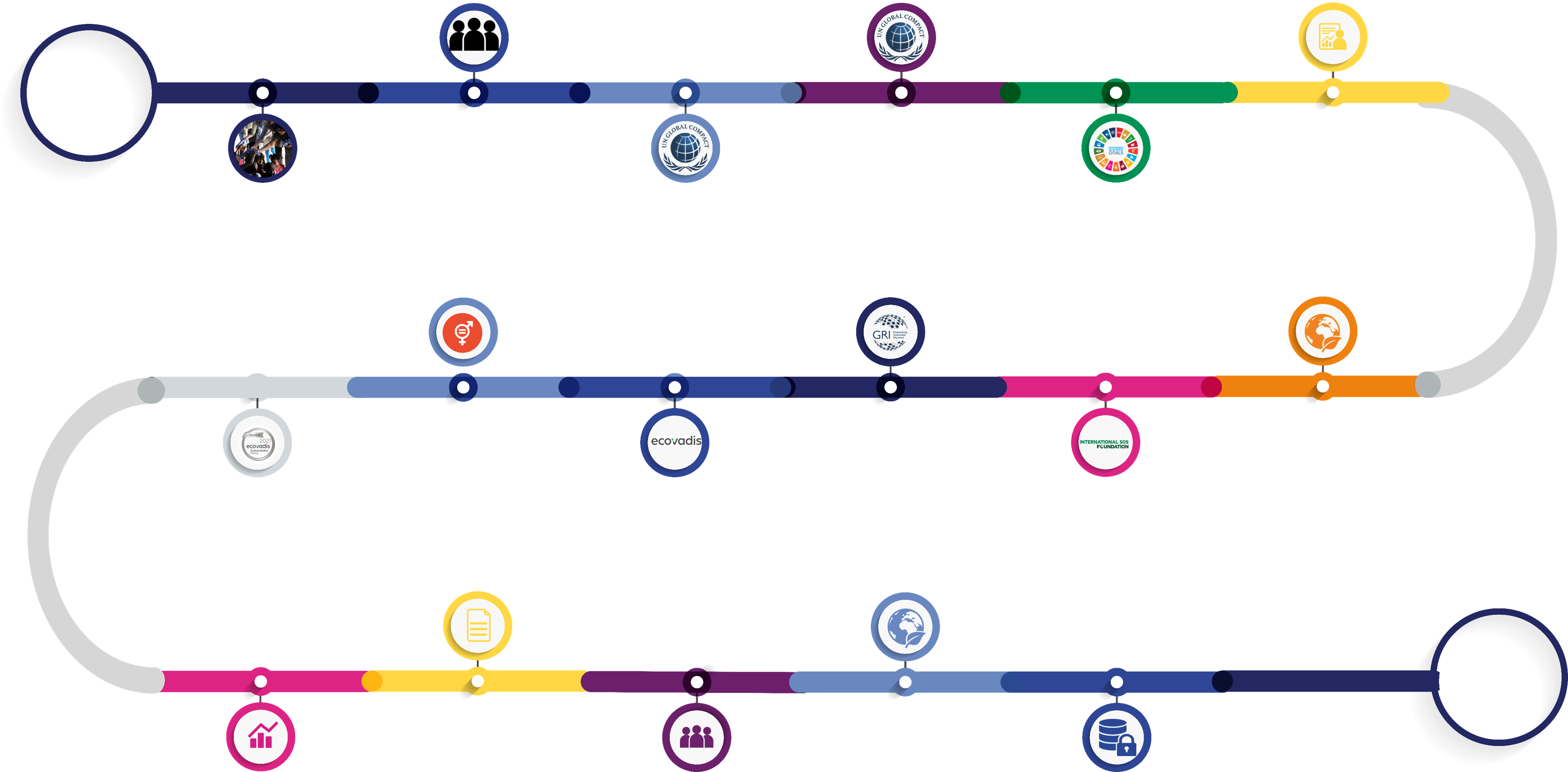
2009 First CSR report
2014 CSR committee & board establishment
2015 UNGC Local Network membership
2016 Environment statement UNGC Global membership
2017 CEO signs SDGs commitment
2018 CSR to Sustainability First Materiality Assessment
2019 Evolved CSR report to Sustainability report
2020 International SOS Foundation publishes new sustainability training
2020 Supporting GRI training Involvement in UNGC statements
2021 Participation in UNGC Gender Equality Programme Signature of the UNGC Women Empowerment Statement
2020 First EcoVadis rating
2021 Materiality Re-assessment EcoVadis EcoVadis rating - Silver medal
2022 Carbon data Gap Analysis Sustainability Report
2022 Sustainable Procurement Policy
2022 Environmental Survey
2023 Global CSR initiatives database
2024 Global Group-wide carbon footprint Implementation of SaaS data platform
UPCOMING... Supply chain risk assessment Double materiality assessment Operational decarbonisation analysis
Sustainability Journey
HEALTHY PLANET
Environment Management System
Scope 3 Emissions Strategy
Biodiversity
OUR ENVIRONMENTAL IMPACT
Our Goals & Progress
ENVIRONMENT MANAGEMENT SYSTEM
PARTNERING TO CAPTURE CO2 EMISSIONS
Through EcoMatcher’s digital blockchain-based platform, organisations can offset their environmental footprint by planting trees and forests in a detailed, accountable and verifiable way. EcoMatcher is a social enterprise and certified B Corporation that works in collaboration with vetted foundations and non-governmental organisations (NGOs) to plant trees in Indonesia, the Philippines, Nepal, Bhutan, Thailand, Malaysia, India, United Arab Emirates (UAE), Uganda, Kenya, Madagascar Ecuador, Guatemala, and Haiti. By working with vetted foundations, EcoMatcher and International SOS ensure that farmers plant quality seedlings, educate them on farming best practices, and improve their livelihoods. The farmers own the planted trees; hence, they benefit from selling the produce or giving back to their community.
Visit the International SOS Foundation forest in India HERE
Visit the International SOS forest in Nepal HERE
TREES
donated & planted
940
1,060
Did you know?
With a total of 2,060 trees purchased for the two forests, we make a significant impact on both the planet and local communities. Learn more about the impact of our forests:
CO2 sequestered by our trees to date
199.4 tons
515 tons
CO2 sequestered over trees lifetime. This corresponds to absorved the CO2 waste of:
2,060
Flying hours / Person
219,149
Litres of Petrol / Car
Contributing to protect, restore and promote sustainable use of terrestrial ecosystems and maintain life on land and biodiversity through the plantation of a total of 2,060 trees for both International SOS and International SOS Foundation forests. Ten different species of trees are included in the two forests (Mango, Tamarind, Teak, Red sandalwood, Hog Plum, Nepalese Alder, Java Plum, Mahogany, Black Juniper and Camphor Tree).
The plantation process of the two forests allows the employment of several planters, providing them and their families with income. The plantation of the two forests has contributed to help
Both forests serve as a vital sanctuary for a wide range of wildlife, offering essential habitat for both existing and returning local species. Through dedicated tree planting efforts, the forests support biodiversity by nurturing environments that benefit animals large and small. This includes important invertebrates such as the Indian Black Ant, Indian Flower Chafer, Indian Leaf Insect, Blue-Spotted Emperor, Giant Asian Mantis and Himalayan Giant Honey, all of which rely on healthy forest ecosystems to thrive. These efforts not only protect current inhabitants but also help restore ecological balance for species that may return in the future.
local families
Looking ahead, we will continue to refine our environmental KPIs, ensuring they align with global standards while advancing our core purpose of protecting people and operations worldwide. As we progress on our climate journey, we focus on strengthening these management systems to build a solid foundation for future reductions and enhanced sustainability governance.
At International SOS, we recognise that robust environmental governance is essential to manage climate-related risks and opportunities effectively. Our approach combines clear leadership accountability with integrated data management systems, enabling us to advance our environmental initiatives while maintaining our commitment to service excellence. Environmental governance at International SOS is embedded at the highest level through the Sustainability Advisory Board, which includes members of our highest governing body. This board ensures comprehensive integration of environmental considerations with business strategy through bi-annual reviews that provide oversight of our progress and enable responses to emerging challenges and opportunities. Additionally, our Group Sustainability Director leads the strategic integration of sustainability considerations into operational processes, reporting directly to the SAB, the Chief Marketing Officer and the Chief Financial Officer. We have implemented a structured system that embeds accountability across core operational functions to support effective environmental management. Our approach integrates teams from Finance, Real Estate, and Travel management across the Group, establishing clear channels for data collection, verification, and reporting of emissions data. Our new carbon footprint calculation and emissions inventory platform, which features multiple validation checkpoints and has been integrated with existing operational processes, allows us to leverage established data collection channels while maintaining robust quality controls. During FY23/24, we made significant progress in our sustainability journey by completing our first Group-wide comprehensive carbon footprint assessment. This milestone enables us to adopt a data-driven approach to environmental stewardship as we evaluate opportunities to reduce emissions across our operations while upholding the exceptional service standards our stakeholders expect. Our analysis encompasses:
BIODIVERSITY
Business Travel
Scope 1
Scope 2
Indirect Operational Emissions
Scope 3
In today’s interconnected world, International SOS recognises the impacts of biodiversity and nature on the success of our sustainability efforts, as well as the impacts on our clients and communities where we operate. The worlds of sustainability and nature are closely intertwined, and we subscribe to the philosophy that private companies need to address the natural-capital challenge as a key element in mitigating negative climate effects and helping avert nature-related tipping points. At International SOS, we understand that our company actions can have consequences on biodiversity, and we are exploring changes in our processes and operations that can have a positive impact on nature. We recognise the importance of biodiversity for the health and stability of global ecosystems and its effects on air quality, water systems and climate regulation, while continuing to evaluate impacts of threats such as habitat destruction, pollution, and natural hazards. As a responsible organisation committed to positive impact, we acknowledge the need to address these challenges and contribute to both the preservation and restoration of biodiversity. We are in the early stages of analysing our organisation’s impacts on biodiversity, but we aim to making meaningful progress. We will be releasing our first Biodiversity Statement in due course, that is closely linked to our operational impacts and aligning with the Global Reporting Initiative (GRI) Biodiversity Standards. Additionally, we are building out partnerships with leading organisations in the biodiversity space to collaborate and leverage the expertise of our partners to develop material impact. Partnering with Salesforce and the Net Zero Cloud data platform, which allows us to efficiently track our environmental data, we are integrating our data insights to help design initiatives and processes that support biodiversity objectives.
Our recently implemented data collection and calculation processes incorporate validation checkpoints with our Facilities and Finance teams. We have implemented a confidence rating system for all collected data to assess uncertainty, categorising data entries based on record quality and source reliability. Where gaps exist, we apply conservative estimation methodologies based on historical patterns and regional benchmarks.
15
Direct Operational Emissions
Carbon Footprint Assessment
Our GHG emissions inventory aligns with the GHG Protocol Corporate Standard, GRI 305: Emissions standards, while progressively working toward full alignment with ESRS E1 requirement and CDP technical guidance. We have determined the operational control approach, following the GHG Protocol, as our Operational Control boundary. This approach focuses on facilities where we maintain decision-making power over operating policies and practices that influence emissions. This approach provides a comprehensive yet focused view of our environmental impact across our global operations.
The results of our carbon footprint FY23/24 measurement are:
108 operational sites in scope
Scope
Emissions associated with fuel combustion in boilers, generators, and vehicles. 174.2 tCO2e
Emissions associated with the purchase of electricity, steam, heat, or cooling and are a results of our energy use. 6,039.4 tCO2e
Emissions, not included in Scope 2, that occur in the value chain, specifically associated with the business travel of employees. 9,740.6 tCO2e
Category 6: Business Travel
Data Collection & Quality Management
Our comprehensive data management system integrates multiple data sources: Utility consumption data from billing systems Travel data from our global booking platform Facility-specific operational data from our site management systems Quality assurance is embedded throughout our process through: Validation checks are embedded in the collection process and in our carbon footprint platform Cross-functional verification involving Finance, Facilities, and Sustainability teams Data completeness assessments for each reporting period To ensure continuous improvement, we: Conduct reviews of data collection processes Document and address data gaps where relevant Maintain detailed activity data logs for transparency
Addressing the natural-capital challenge is about mitigating negative impacts and seizing opportunities to make a positive difference. By exploring changes in our processes and operations, we are looking for opportunities to contribute to the resilience of ecosystems. For example, our London HQ has a stand-alone Biodiversity Strategy which includes the introduction of 110 new plant species into the ecosystem, 5,914 new trees planted, the management of a robust beekeeping and gardening facility and a Principal winner of the BALI Biodiversity Award and Green Flag Award. As we develop our biodiversity and nature credentials, we will continue to engage with stakeholders, including our employees, clients and partners, to raise awareness about the importance of biodiversity and to foster a culture of environmental stewardship. We are excited about the opportunities ahead and look forward to collaborating with our partners to impact nature positively.
Community Impact
Planet Impact
Biodiversity Impact
HEALTHY PEOPLE
Rising to the Climate Challenge
Our People Growth & Impact
Our Engagement to Local Communities
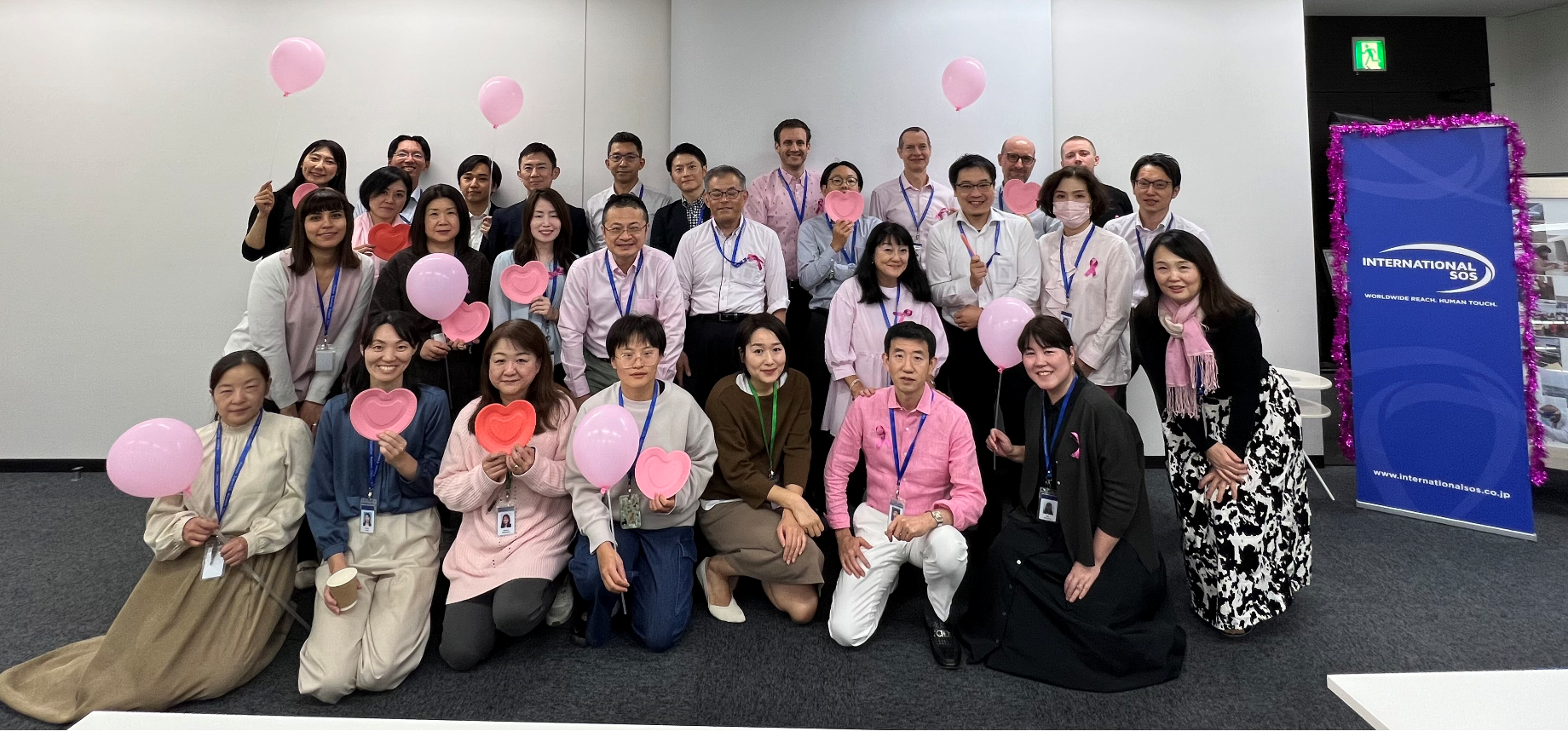
On January 1, 2024, a magnitude 7.5 earthquake struck near the Noto Peninsula in Ishikawa Prefecture, Japan, causing significant damage and loss of life. International SOS employees in Tokyo organised a "Relief Bazaar" in response to this disaster. Our colleagues donated items such as clothes, bags, and dishes, which were sold to raise funds. The proceeds were donated to support relief efforts for the earthquake victims. Simultaneously, the team collected non-perishable food items and donated them to a local food bank dedicated to helping children in need. This initiative addressed the growing issue of food insecurity, ensuring that children affected by the earthquake received the nourishment they required.
Relief Bazaar and Donation for Noto Peninsula, Japan
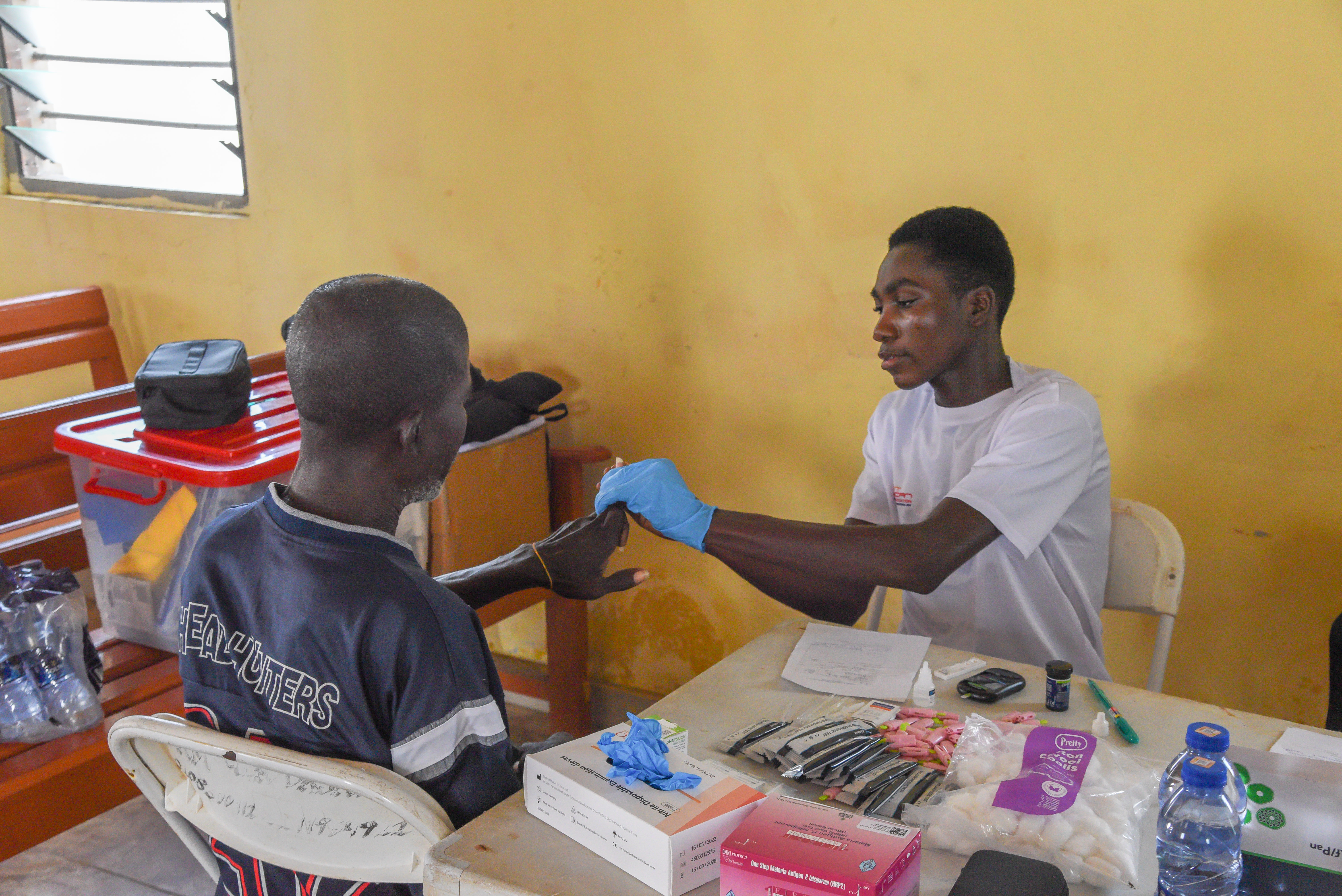
In 2024, the Ellembelle District in Ghana’s Western Region became the focus of a collaborative health initiative between International SOS/WARA, the Ellembelle District Health Team and one of our regional strategic clients. Over several days, health workers and volunteers travelled across 10 communities in the district to address key health challenges like malaria, typhoid, cholera, sexually transmitted infections, teenage pregnancy, and non-communicable diseases. The programme had a tangible impact on over 2,374 residents receiving health screenings and preventive care. Among them were community members who gained early detection of health issues and actionable advice to improve their wellbeing. Additionally, 2,500 students participated in discussions about teenage pregnancy, empowering them with knowledge to make informed decisions about their futures.
Improving Access to Health in Ellembelle, Ghana
RISING TO THE CHALLENGE
OUR ENGAGEMENT WITH LOCAL COMMUNITIES
Our Corporate Social Responsibility (CSR) commitments are focused on healthcare and education initiatives, which tie closely into our core competencies and areas of expertise. This commitment transcends across our organisation, guiding investments and partnerships with suppliers, clients and stakeholders. Over time, we have expanded our impact areas to include Mental Health & Wellbeing, and Workplace Safety, leveraging our resources and expertise for meaningful impact.
As a global security and health leader, International SOS operates in diverse and challenging environments, addressing risks and challenges to safeguard our workforce and clients' business success. Our commitment extends beyond essential services to our clients, such as critical medical support, and covers health and security consulting, crisis management, emergency response, risk management and more. We also place the utmost importance on safeguarding our most valuable asset – our people. Risk assessment and preparedness are cornerstones of our offerings, and we support our clients in managing hazards through rigorous protocols, adhering to international standards, and following sustainability frameworks. Our workforce, especially those in on-site medical and security roles, faces health and security risks and may require strict infection control, contingency plans, and comprehensive measures for diseases, biological hazards, threats, and cyberattacks.
LEARNING & DEVELOPMENT
SUPPORTING GLOBAL RESILIENCE OF OUR CLIENTS
Our dedication extends to employees’ wellbeing, addressing workplace hazards and upholding the highest occupational health standards. We are at the leading edge of certifications, including the achievement of ISO 45001 certification in 91% of the Medical Services Business Line.
Click on the highlighted locations to learn more
OUR PEOPLE: GROWTH & IMPACT
20.4 hrs/employee - per year
Health, safety, and wellbeing is what we do so well for our clients and what we commit to doing at the highest standards for our workforce too. We continue to foster access to health and wellbeing care, for our clients’ workforce, the communities where we operate, and partners the same way we do for our employees.
OCCUPATIONAL HEALTH AND SAFETY (OH&S)
International SOS continuously invests in upskilling and reskilling our people to ensure they are able to meet both the current and future needs of our clients. Our employees completed voluntary eLearning and face-to-face courses:
TRIF: 1.4 incidents per million-man hours worked
TRIIFR: 1.4 incidents per million-man hours worked - 30% reduction achieved in 2 years
Zero high-consequence work-related injuries (excl. fatalities)
The world is experiencing an unprecedented surge in extreme weather events. According to the World Meteorological Organization's State of Global Climate 2023 report, the past nine years have been the warmest on record. 2023 saw global temperatures rise 1.45°C above pre-industrial levels, bringing record-breaking heatwaves, floods, and storms across continents. The economic impact was equally severe, with weather-related disasters causing losses exceeding $250 billion in 2023 alone[1]. In India, where extreme weather events affected 93% of days in the first nine months of 2024, claiming over 3,200 lives and affecting 3.2 million hectares of crops, International SOS has demonstrated how our global capabilities can deliver local resilience. Our response showcases the critical role of prepared, coordinated action in an era where climate impacts are becoming increasingly severe and frequent.
[1] World Meteorological Organization. State of the Global Climate 2023. https://library.wmo.int/idurl/4/68835
FROM GLOBAL RESOURCES TO LOCAL SOLUTIONS
Our climate-related emergency response in India alone tells a compelling story: 80 climate-related cases managed: 37 direct assistance cases requiring immediate intervention 43 advisory cases providing critical guidance Support services spanning: Emergency evacuations Critical supply chain maintenance Safety assessments Emergency transportation Temporary accommodation arrangements
During a major flooding incident in India, we received an urgent call from a client organisation's manager regarding their employee's elderly father in Chennai. Acquiring a generator or a battery-operated portable suction machine for the person was critical, along with essential medicines, food, and drinking water, mainly as relocation was not an option despite the dangerous conditions.
(1) Immediate action: We quickly engaged with the State Disaster Response Force (SDRF) to alert them of the situation.
(2) Network-powered solutions: When flooding made standard delivery impossible and vendors couldn't reach the location due to resource shortages, we leveraged our extensive ground presence across India. Our local network proved invaluable - we identified a local doctor who, using his intimate knowledge of the area, volunteered to navigate the flooded routes to make the critical delivery.
(3) Successful delivery: The doctor not only delivered the critical medical device but also brought the requested supplies, proving that local knowledge combined with our coordination capabilities could overcome severe weather challenges.
(4) Continuous monitoring: Our Assistance Centre maintained constant communication with the client's employee until power was restored, ensuring complete resolution of the situation.
Our response demonstrated the value of our multi-layered approach:
As extreme weather events become more frequent globally, our role has evolved from emergency response to strategic partnership in climate resilience. Our approach combines: Preventive Planning: Integration with early warning systems Health and security advisory Strengthened local resource networks Enhanced incident management and emergency response protocols Robust supply chain contingency planning Technical assistance for infrastructure resiliency Operational Excellence: 24/7 global monitoring, alerts and response Rapid local resource deployment Seamless coordination with authorities Flexible response strategies Our mission expands beyond emergency response to become strategic partners in resilience. The Chennai flooding case exemplifies our approach - combining global expertise with local knowledge to deliver critical support when it matters most. Each of our interventions represents more than a successful operation – it's a testament to the importance of a prepared, coordinated response. From the flood-affected streets of Chennai, International SOS continues to adapt and strengthen its capabilities to support clients and their people in navigating an increasingly complex natural hazards. Our commitment remains unwavering. International SOS stands ready as a trusted partner, ensuring that when extreme weather strikes, our clients and their people have the support they need wherever they are in the world.
Over the past years, we have invested more than
USD 207,000*
in direct support to implement initiatives worldwide
International SOS helps communities by donating the time and expertise of our subject matter experts in health and security for pro bono projects. Employee time contributions make up 32% of our CSR investments. In addition to the time investment, we have invested more than USD $207,000* in direct support to implement initiatives worldwide and have directly donated USD 160,000. The map below highlights some of our 108 CSR initiatives implemented in the diverse regions where we operate since 2021.
(*) The DIRECT SUPPORT mentioned do not account for the time and expertise contributed by our employees involved in implementing any initiatives.
This volunteer effort demonstrated the commitment of International SOS employees to making a difference in the lives of others during times of crisis. By combining creativity with compassion, the event raised essential funds and donations and fostered a sense of community and shared purpose among International SOS employees.
Volunteers played a crucial role in mobilising their communities, creating a collaborative atmosphere that encouraged widespread participation. Their involvement ensured the programme delivered immediate results and left a foundation for continued health awareness in the district. The campaign was not just about providing medical support—it was about bringing people together, equipping them with the knowledge and tools they need to improve their lives, and creating a foundation for better health in Ellembelle for years to come.
BEYOND RESPONSE: BUILDING EMERGENCY RESILIENCE
*TRIF: Total Recordable Injury Frequency TRIIFR: Total Recordable Injury Frequency Rate
HEALTHY PRINCIPLES
Addressing Scope 3 Emissions
Certifications & Accreditations
Our goal & progess
Partnerships & Reporting Ecosystem
ADDRESSING SCOPE 3 EMISSIONS: OUR COMMITMENT AND PROGRESS
CERTIFICATION AND ACCREDITATIONS
PARTNERSHIP & REPORTING ECOSYSTEM
International SOS works in constant collaboration with different associations, civil society and international organisations to deliver the highest standards of medical and security services.
Click on the partners logos to reveal more details
Initiated by the International Finance Corporation (IFC) and the World Bank in 2019, EPiHC supports private sector healthcare providers in integrating ethical principles into their operations to improve health services and establish sustainable business models. Recognising the critical role of ethical integration in achieving universal health coverage, the Government Services business line, of the International SOS Group, joined EPiHC in 2023 as a signatory. This commitment aligns with our goal to build trust within communities and contribute to global health objectives. The ten principles of EPiHC are aligned to our values and our ESG(H) strategy:
Ethical Principles in Health Care (EPiHC)
1. Respecting Laws and Regulations 2. Making a Positive Contribution to Society 3. Promoting High Quality Standards 4. Conducting Business Matters Responsibly 5. Respecting the Environment
6. Upholding Patient’s Rights 7. Safeguarding Information and Using Data Responsibly 8. Preventing Discrimination, Harassment and Bullying 9. Protecting and Empowering Staff 10. Supporting Ethical Practices and Preventing Harm
The EcoVadis ranking is an influential sustainability assessment tool that evaluates companies based on their environmental and social performance. Since 2019, we have actively participated in the EcoVadis ranking, consistently disclosing information for assessment. Our sustainability journey has been marked by notable achievements, starting with the Bronze Medal recognition as our initial milestone. Through dedicated efforts, we maintained the Bronze Medal, reflecting our commitment to advancing our Sustainability agenda. The EcoVadis scoring methodology is dynamic, undergoing continuous evolution to incorporate increasingly stringent criteria. Through this assessment process, we have demonstrated improvement in our score during the FY23/24. We are proudly ranked in the 84th percentile. Moving forward, we are committed to collaborating with internal and external stakeholders to strengthen our sustainable practices. Our priority areas include business ethics, environmental protection, human and labour rights, and building a sustainable supply chain. This ongoing commitment reflects our proactive approach to meet evolving EcoVadis standards and our dedication to a sustainable future.
EcoVadis
OVERALL SCORE 64/100
PERCENTILE 84th
Click on the icons to reveal more details
Our commitment to excellence is reinforced by certifications that reflect our dedication to quality, security, and sustainability. Of particular significance to our core operations, we proudly hold ISO/TS 13131 Health Informatics for Telehealth Services, making us the world's first organisation certified for the delivery of Telehealth services. In addition to these ISO certifications, MedAire, a business line of the International SOS Group, has achieved the National Business Aviation Association's (NBAA) Sustainable Flight Department Accreditation Programme, a testament to our commitment in reducing carbon emissions and enhancing sustainability practices in business aviation.
International SOS' Medical Services business line proudly holds the ISO 45001 certification. We are committed to ocupational health and safety (OH&S). As of FY 22/23, we have achieved ISO 45001 certification for 91% of our sites pertaining to the Medical Services business line.
The ISO 45001 certification is particularly relevant to our Medical Services business line (MSBL), given its core operations. Our medical staff primarily support clients on their sites, works on the ground, and provides patient care globally, wherever needed. Due to the inherent high occupational health and safety risks associated with these activities, ensuring that our risk management framework and continuous improvement practices meet stringent international standards remains and is always a top priority. While our Medical Services business line is primarily ISO 45001 certified, the knowledge and practices gained serve as a valuable foundation for other divisions of our organisation. Other business lines align their practices under the same standards as MSBL to ensure a cohesive approach to occupational health and safety throughout the organisation.
ISO 9001 is an international standard for quality management systems frameworks meant to enhance customer satisfaction, improve processes, and demonstrate a commitment to delivering high-quality products and services.
ISO 9001 is important to our services, as it guides robust quality management practices across our operations. This certification ensures that our processes are consistently monitored, evaluated, and improved to meet or exceed the expectations of our clients and stakeholders. By achieving the ISO 9001 certification across 63% of our operational sites, we enhance the efficiency and effectiveness of our services, foster a culture of continuous improvement, and ultimately deliver value and quality in the provision of our health and safety solutions worldwide.
Our robust system to manage data security risks follows best practices and principles required for ISO 27001 and 27701 certifications.
In an era where cyber threats are material and omnipresent, this rigorous standard helps cultivate a heightened risk awareness, enabling the proactive identification and addressing of potential vulnerabilities in our data platforms. With ISO 27701, we have diligently certified our Privacy Information Management System (PIMS) across our vital services and applications, covering our Medical Services, Assistance Centres, Workforce Resilience applications, and supporting applications across the Group. These achievements highlight our dedication to upholding privacy standards, risk management, cyber-resilience and operational excellence, especially around handling sensitive medical information. Percentage of sites ISO 27001 and ISO 27701 certified:
The ISO 13131 is an international standard focused on health informatics guidelines. It assesses risks to healthcare quality, safety, and continuity through TeleHealth services. These guidelines enable organisations to employ risk management processes, quality objectives, and procedures to ensure TeleHealth services adhere to the highest international regulatory standards.
International SOS takes pride in being the first organisation to adopt ISO 13131. This commitment not only enhances our reputation but also delivers significant health benefits to our clients. As we expand the availability of our TeleHealth services to more countries, we remain dedicated to following ISO 13131 guidelines, ensuring compliance not only within our organisation but also among our partners, including medical providers.
MedAire was granted the Sustainable Flight Department Accreditation by the National Business Aviation Association (“NBAA”). This demonstrates our stance and commitment to environmental responsibility in the aviation industry.
The NBAA accreditation programme focuses on optimising a sustainability culture, with a specific emphasis on reducing CO2 emissions associated with personnel air travel and implementing environmental programmes such as recycling and resource reduction. All accredited companies must document at least a 10% reduction or offset compared to their baseline year emissions output, allowing for a phased approach towards carbon neutrality by 2040. As an accredited entity, we have a responsibility to uphold best practices. This accreditation is not merely a mark of distinction but a call to leadership and responsibility.
In 2024, we embarked on a significant journey to measure and manage our Scope 3 emissions, marking a pivotal step in our sustainability efforts. This year, we conducted our first-ever comprehensive emissions inventory measurement, centralising all our Scope 3.6 travel data with our partners APTI and Thrust Carbon. Through their precise travel management tool, the first step in our carbon management programme has enabled us to calculate, analyse, and develop targeted strategies to reduce our travel-related emissions effectively. Following the guidance set out in our Sustainable Procurement Policy, we have made substantial progress in onboarding newly selected and targeted suppliers across our Supply International Division. We are proud to report an increase in the percentage of suppliers signing our Supplier Code of Conduct, demonstrating their commitment to our sustainability standards. Additionally, we have expanded the reach of our Sustainable Procurement Self-Assessment tool, ensuring that more suppliers are aligned with our environmental and social criteria. We recognise the immense challenge ahead in screening and managing our extensive network of over 10,000 suppliers and service providers. We are meeting this challenge head-on through the implementation of our Net Zero Cloud platform and plan on a strategic and thoughtful roll-out of supplier management in the coming years. This advanced tool will enable us to embark on an efficient and targeted management of supplier screening, ensuring that we maintain high standards across our supply chain. Understanding the importance of supply chain emissions and screening, we are working closely with our largest procurement teams, particularly in areas such as IT procurement. Our goal is to ensure that our suppliers meet the highest standards and to partner with them in developing innovative programmes that promote emissions reductions and circular economy practices. By fostering these collaborations, we aim to drive meaningful change and create a more sustainable supply chain.
60
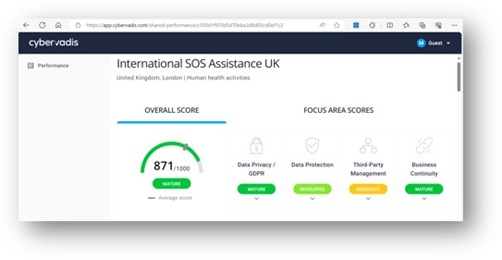
We are delighted to announce that in FY23/24, International SOS has maintained a "Mature" score of 871/1000 in the CyberVadis assessment. Additionally, the integration of the RiskRecon tool has earned us an "A" rating with an Information Security Maturity Score of 8.5/10. This accomplishment reflects our unwavering commitment to maintaining a robust and mature information security posture. In our commitment to robust cybersecurity, International SOS employs CyberVadis, a leading solution for comprehensive third-party cybersecurity risk assessments. Recognised as the first scalable platform of its kind, CyberVadis aligns with major international compliance standards, combining automation efficiency with expert precision. CyberVadis provides standardised cybersecurity ratings, offering insightful benchmarks. Companies undergoing the assessment receive a detailed improvement plan to enhance their cybersecurity practices. We independently assess our standards using CyberVadis, well-known for evidence-based evaluations of policies, processes, and technologies in information security. Additionally, our cybersecurity strategy incorporates RiskRecon, our automated tool which provides a technically rich and actionable analysis of our organisation's internet surface area.
CyberVadis
International SOS remains a long-standing signatory to the UN Global Compact for Business. Our Sustainability priorities and continuous efforts are focused on aligning with the UNGC’s principles. To strengthen our global engagement, we are expanding participation in UNGC Local Networks, which included the UK, Singapore, and, more recently, our MedSupply International business line based in Dubai.
UNGC
Since 2018, International SOS has been committed to transparent and comprehensive reporting in accordance with the Global Reporting Initiative (GRI) standards. Our dedication to sustainability reporting is reflected in our ongoing efforts to implement the GRI standards, ensuring that our stakeholders receive accurate and meaningful information about our Sustainability practices. In addition to our consistent reporting, we are proud to have played a role in shaping the reporting landscape. International SOS actively contributed to the creation of the GRI 403: Occupational Health and Safety standard, underscoring our commitment to advancing sustainability reporting practices in the realm of Occupational Health and Safety (OHS). An index found later in our Sustainability Report provides a detailed breakdown of our reporting against specific GRI Standards.
GRI
%
International SOS Group operates in 153 operational and non-operational sites.
of operational sites and non-operational sites of International SOS Group1
One of our key partnerships in this endeavour is with Circularity First and through this collaboration, we have successfully reduced 4.63 tons of CO2 equivalent by adopting remanufactured and circular economy practices instead of purchasing new IT equipment. This approach has also resulted in the avoidance of 156kg of eWaste, highlighting the tangible benefits of our commitment to sustainability. As we continue to advance our Scope 3 emissions management, we remain focused on the broader impact of our actions. Our efforts to centralise and analyse travel data, enhance supplier engagement, and implement innovative solutions are all part of our comprehensive strategy to address the supply chain footprint challenge. By integrating these practices into our operations, we are not only mitigating negative climate effects but also contributing to the resilience of ecosystems and communities. Looking ahead, we are committed to building on our achievements and driving further progress in our sustainability journey. We will continue to leverage the capabilities of our Net Zero Cloud platform, collaborate with leading organisations, and engage with our suppliers on our sustainability goals.
International SOS Supply is certified on ISO 14001:2015 Environmental Management System (EMS) enhancing sustainability standards within our supply chain. This covers the supply and distribution of pharmaceuticals, vaccines and medical products including medical devices, medical equipment, consumables and medical kits. With ISO 14001:2015 Environmental Management System (EMS) in place, we manage our environmental objectives and responsibilities, reduce waste, optimise resource consumption, and exert all possible efforts to lower greenhouse gas emissions. We ensure that environmental considerations are integrated into business processes, promoting continuous improvement and compliance with environmental regulations fostering sustainable practices across the entire supply chain, leading to long-term environmental and economic benefits.
International SOS Supply has implemented the ISO 20400:2017 - Sustainable Procurement Guidance Standard into our supply chain and we are progressively expanding to integrate sustainability into our procurement processes. We have been independently assessed by a global certification body and soon will achieve a Certification on Compliance award on ISO 20400 implementation. With implementation of Sustainable Procurement, we align our purchasing decisions effectively to contribute positively to society and the economy while also improving overall business performance. Sustainable Procurement enables our transparency and accountability, encouraging our suppliers to adopt sustainable practices, which in turn strengthens the entire supply chain's resilience and reputation. Ultimately, ISO 20400 is supporting us in achieving long-term sustainability and competitive advantage in our supply chain business.
As a trusted partner in global health and security, International SOS recognises that achieving sustainable impact requires more than operational excellence — it demands a principled approach to how we measure, manage, and mitigate our broader footprint. Our Healthy Principles reflect this commitment by aligning our operations with internationally recognised standards, rigorous certification frameworks, and transparent reporting practices. We address scope 3 emissions, foster strategic partnerships, and continuously pursue third-party accreditations to ensure accountability, integrity, and long-term value creation. These frameworks underpin our sustainability strategy and support our mission to protect and save lives while building resilient systems that stand up to today's complex global risks.
Offer our Employee Assistance Programme (EAP) for internal wellness support to 100% of our employees, globally.
FY24/25
The Employee Assistance Programme (EAP) continues to be available to 100% of our employees, globally. This target was achieved before the due date.
Pillar
Target
Target Year
Progress FY23/24
Status
FY25/26
Increase by 10% the locations where we offer our TeleConsultation services for continuous improvement to access to health for clients and communities.
In the FY23/24, we are providing TeleConsultation services in 102 countries, marking a notable surge of over 200% compared to the 35 countries served in the FY21/22.
The Empower Mentoring Programme aims to: a. Maintain a consistent 30% completion rate for participants. b. Achieve a Mentee Net Promoter Score (NPS) of 70% or above for each edition of the programme. Reach a total of 130 managers who have completed the programme by 2025.
Annually
During FY23/24, the results of programme, International SOS: a. We maintained a 30% promotion rate for mentees within two years of completing the programme. b. The latest iteration of the programme received an NPS of 50% from mentees. Since the programme was initiated, 115 managerial employees have completed the Empower Mentoring Programme
100% of eligible employees* undergo annual merit review process. (*) Eligible employees include all directly employed G&A staff and specific COS staff, contract-based.
Complete OH&S audits in 90% of MSBL in 2025
Maintain the Total Recordable Injury Frequency Rate (TRIFR) at or below 0.70 incidents per million work hours in our Medical Services business line.
Completed
80.5 % of Medical Service Centres were audited by end of FY23/24.
1.40 incidents per million-man hours worked
We are on track to achieve the target by FY 24/25, currently having 86% completion by December 2024.
Achieve a completion rate of 100% for the Malaria eLearning by the end of 2024.
Obtain ISO 45001:2018 certification in 100% of our Medical Services business line sites.
Achieve an 85% completion rate for our Sustainability eLearning module.
Expand by 10% our 360 Leadership Assessment Programme for people managers by end of 2023.
FY 23/24
80.5 % of Medical Service Centres were audited by end of FY23/24. We have planned audits to reach the target by the end of 2023, calendar year and continue progress to reach our next target.
By the end of FY 23/24, 91% of our employees had completed the Sustainability eLearning module, marking a 10% increase from the previous year.
By the end of 2023, 96 managers had participated in a 360 Leadership Assessment Programme, representing a 28% increase in the number of people managers completing the programme.
95% of all employees to complete web-based training on employee health and safety, diversity, discrimination and harassment (Global Compliance Course) year on year.
Achieve 75% completion rate for newly introduced function-specific Sustainability courses for Real Estate and Travel managers.
Achieve a 5% reduction in carbon emissions from business travel from our FY 22/23 business travel baseline.
Retain 55% of interns through our partnership with AIESEC who have completed the Global Talent Programme (GTP) cycle.
Q2 FY23/24
FY30/31
Q2 FY25/26
Real Estate and Travel managers trained in GHG accounting and on the new environmental management system.
International SOS is actively reviewing our business travel practices and policies to identify opportunities for reducing related emissions.
(100%) All interns who completed the Global Talent Programme in FY23/24 were retained.
OUR GOALS & PROGRESS
Click on each reporting pilar to see our targets and progress
250,000 total hours of training across the Group with an average of 20 training hours per employee.
319,121 total learning hours - 20.4 hours/employee.
10% of targeted suppliers identified based on FY24/25 business shall sign International SOS Supplier’s Code of Conduct.
100% of our International SOS Supply International Quality Assurance and Sourcing teams have completed the Sustainable Procurement Policy training.
100% of International SOS Supply Quality and Sourcing team members completed the training on Sustainable Procurement for FY24/25.
95% of all employees to complete the Global Compliance Course annually.
As part of our continuous effort to comply and document our committment on the environment, we aim to release our new biodiversity statement.
96% employees of International SOS completed the Global Compliance Course in FY23/24.
We are currently working on our biodiversity statement that we aim to release by Q4 of FY25/26.
10% of targeted suppliers identified based on FY24/25 business shall complete the International SOS Sustainable Procurement Self-Assessment Questionnaire.
Perform on-site Sustainability evaluation along with planned Quality Audits at all applicable pharmaceutical manufacturer supplier sites.
7.2% of the targeted suppliers identified have already signed the International SOS Supplier's Code of Conduct. We are on track and should reach the targeted 10% by FY25/26.
7.2% of the targeted suppliers identified have already completed the International SOS Sustainable Procurement Self-Assessment. We are on track and should reach the targeted 10% by FY25/26.
100% of applicable pharmaceutical manufacturer supplier sites have been covered with on-site evaluation and quality audits for FY24/25.
Thought Leadership
Education & Training
Duty of Care Recognition
The International SOS Foundation is a registered charity and was started with a grant from International SOS. It is a fully independent, not-for-profit organisation. Through a range of ground-breaking thought leadership, CPD and IOSH accredited training and expert led events, the Foundation helps to share vital insight, understanding and practical risk mitigation measures. In today’s complex world where we face regular health and security related poly crises, the Duty of Care landscape is evolving significantly and becoming more complex for global organisations to navigate. The International SOS Foundation continues its efforts, now more than ever, to drive awareness and raise the standards in Duty of Care.
Since its inception in 2011, the Foundation has partnered with several associations and organisations to bring to the public a wealth of health and safety information. Below are some of our latest key contributions.
THOUGHT LEADERSHIP KEY CONTRIBUTIONS
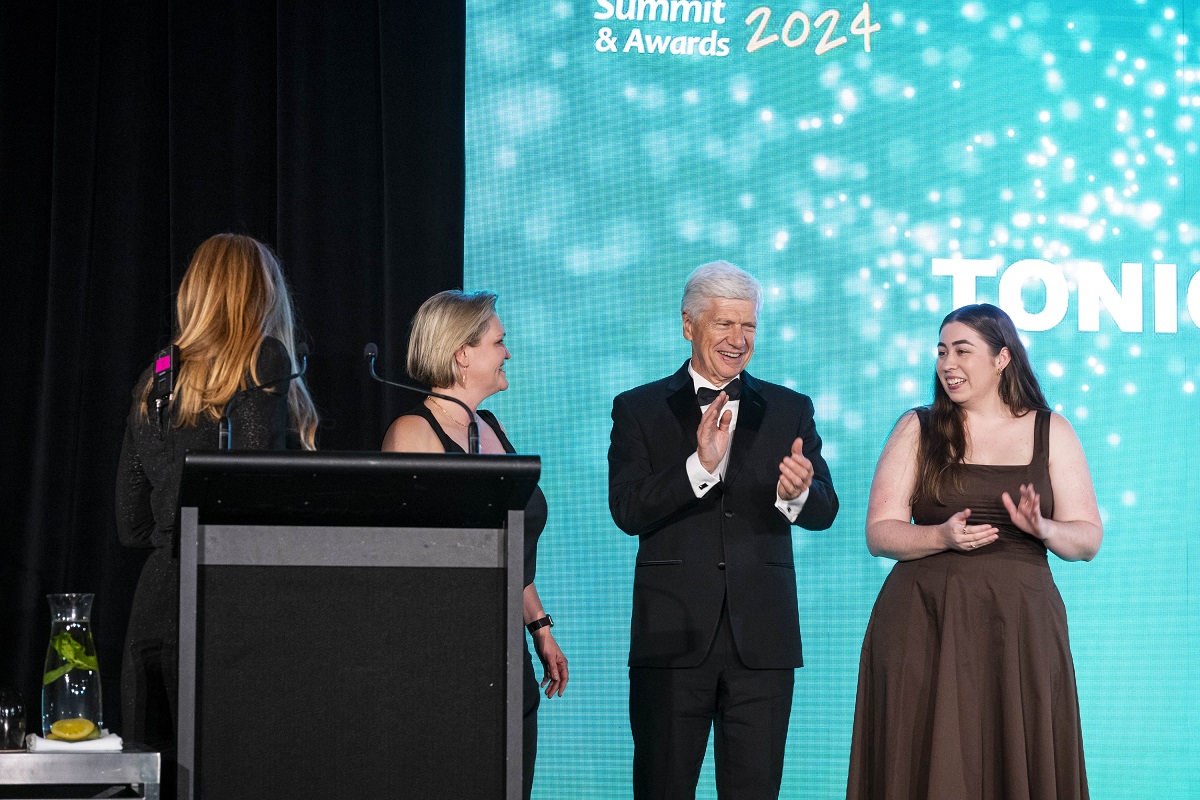
For the seventh time, the International SOS Foundation was thrilled to host the 2024 Duty of Care Awards and Summit, the leading global event celebrating the critical importance of Duty of Care responsibilities. It took place in Sydney, Australia on 31 October 2024. The Summit takes place during the day in the form of a classroom-style gathering of industry leaders to unveil the latest trends, ground-breaking research, and best practices in Duty of Care. The Awards take place in the evening in the form of a black-tie gala event. We welcomed leaders, experts, and commissioners from various roles and responsibilities, including Security, Medical, Risk, Operations, Sustainability, Mobility, and Travel Risk specialists. Attendees represented a mix of clients, prospects, partners, and press. The award entries were submitted under six categories: Duty of Care Ambassador, Workplace Wellbeing, Crisis Agility Response, Sustainability, Diversity & Inclusion and Innovation.
RECOGNISING ORGANISATIONS' EFFORTS IN DUTY OF CARE WORLDWIDE
The CPD-certified Duty of Care Summit welcomed over 150 delegates from 13 countries. The agenda featured 26 industry-leading speakers who discussed trends, challenges and best practices in mitigating the workforce's health, safety, security and wellbeing. Topics included preventing workplace violence, geopolitical instability, navigating climate resilience, creating a culture of inclusion, AI, prioritising mental health in the workplace, the Duty of Care protocol and an exclusive case study session entitled “Leading innovation and financial inclusion across PNG”, from the Bank of Papua New Guinea. The Duty of Care Awards ceremony recognised six winners across our six categories, as well as runners-up and highly commended. Entrant organisations came from over 29 countries, spanning a range of sectors, from leading technology firms and financial institutions to top-tier education and aerospace organisations. A charitable auction was held during the Awards ceremony, raising 6,000 USD for local charity, Gunawirra. This community-led organisation has 13 years of experience supporting Aboriginal and Torres Strait Islander mothers, children, and communities. The next edition of the Duty of Care Awards and Summit will take place in 2026 in Rome, Italy.
Over the past years the International SOS Foundation has built and expanded its series of certified trainings on various Duty of Care related topics. Last year alone, the International SOS Foundation trainers delivered five different certified courses, bringing together leaders and professionals to learn and share on topics including Duty of Care, Crisis Management and ISO 31030 standard. Leading up to the launch of the new ISO 31031 Guidance Document for Managing Risk for Youth and School Trips in 2024, the International SOS Foundation is developing a complimentary course targeted at this specific audience.
The International SOS Foundation has designed the World’s only certified Duty of Care Training programme entitled, Safety, Health and Security for the Mobile Worker. The training courses provide occupational safety and health practitioners with the knowledge and skills necessary to actively participate in the management of safe, healthy and secure travel for their mobile workforce. This course is accredited by the Institution of Occupational Safety and Health.
EDUCATING & TRAINING PROFESSIONALS ON DUTY OF CARE
The International SOS Foundation has designed a new virtual training course entitled Workforce Wellbeing certified by CPD. This course provides individuals and leaders responsible for Wellbeing within their respective organisation, with the competencies necessary to plan, design and deliver best in class programmes. Addressing questions such as: how to develop a framework for Wellbeing, how to uncover the right gaps, how to ensure that a programme evidence based, how to measure success and best report on Wellbeing within your organisation.
CPD certified, this virtual training course is designed to provide individuals responsible for, or part of their organisations crisis management team with the competencies necessary to actively participate in protection and resilience of their organisation, people and assets. Throughout the programme, participants will learn the methodology behind an effective crisis management response, define the roles and responsibilities of a crisis management team, provide an effective approach for situation monitoring and decision-making.
CPD certified, the six hour course will equip stakeholders with the practical tools necessary to develop or update their travel risk management policies to address the most pertinent health and security risks impacting their workforce. The course will lead with a comprehensive review of ISO 31030 specifically focused on the core areas most impacting organisations
This CPD-certfied course covers how to prepare an organisation to manage OHS and wellbeing sustainably and which metrics and initiatives to prioritise for sustainability reporting. The course was developed with Sancroft Sustainability consultancy and Louis Wustemann, a former editor of IOSH Magazine.
DUTY OF CARE: A SINGAPORE PERSPECTIVE In partnership with Herbert Smith Freehill Prolegis, this paper entitled, "Duty of Care: A Singapore Perspective" aims to guide businesses on the evolving Workplace Health and Safety (WHS) requirements for mobile employees of Singapore organisations.
DUTY OF CARE FOR BRITISH ORGANISATIONS: SAFEGUARDING YOUR INTERNATIONAL WORKFORCE In partnership with Herbert Smith Freehills and AIRMIC, the International SOS Foundation has developed this whitepaper to explore the critical aspects of Duty of Care for British organisations.
DUTY OF CARE - SAFEGUARDING YOUR INTERNATIONAL WORKFORCE RESPONSIBILITIES OF AUSTRALIAN ORGANISATIONS Developed in partnership with Herbert Smith Freehills, the paper entitled “Duty of Care - Safeguarding your International Workforce” highlights the responsibilities of Australian organisations to employees on business travel and overseas assignments.
SAFEGUARDING YOUR INTERNATIONAL WORKFORCE - ENSURING COMPLIANCE FOR ITALIAN ORGANISATIONS The whitepaper entitled, “Garantire la sicurezza dei propri dipendenti all’estero. Come attestare la conformità delle organizzazioni italiane” was created by the International SOS Foundation in collaboration with the international law firm Gianni & Origoni and the certification organisation RINA.
DUTY OF CARE: COMPANY RESPONSIBILITIES IN INTERNATIONAL TRIPS FOR SPANISH ORGANISATIONS This paper, prepared in partnership with a prestigious law firm, provides practical guidance on how organisations can meet their Duty to Protect obligations, including how to assess risks, make decisions and empower travellers.
DUTY OF CARE: EMPLOYER’S LIABILITY FOR EMPLOYEES ABROAD The whitepaper “Salariés à l’étranger: L’obligation de sécurité de l’employeur” was created by the International SOS Foundation in collaboration with the French Law firm Toison & Associés. The paper aims to help organisations understand the legal basis of the employer’s obligation to ensure the safety of employees travelling on business. The paper shares best practices on travel risk management in line with ISO 31030 and provides answers to very practical questions frequently asked by security managers and international mobility HR staff.
DUTY OF CARE - SAFEGUARDING YOUR INTERNATIONAL WORKFORCE - ENSURING COMPLIANCE FOR SWISS ORGANISATIONS The paper entitled, “Safeguarding your International Workforce - Ensuring Compliance for Swiss Organisations”, was created in partnership with the Swiss lawyers r&associés avocats and the Association of Swiss Travel Management (ASTM).
GRI STANDARDS INDEX
GRI STANDARD / OTHER SOURCE
DISCLOSURE
LOCATION
GRI 2: GENERAL DISCLOSURES 2021
2-1 Organisational details
2-2 Entitites including in the organisation's sustainability reporting
2-3 Reporting period, frequency and contact point
Statement From The Founders
2-4 Restatements of information
Our Goals & Progress - Healthy; People; Healthy Planet
2-6 Activities, value chain and other business relationships
2-7 Employees
The World of International SOS - Workforce profile
2-8 Workers who are not employees
2-9 Governance structure and composition
Our ESG Strategy
2-10 Nomination and selection of the highest governance body
2-11 Chair of the highest governance body
2-12 Role of the highest governance body in overseeing the management of impacts
2-13 Delegation of responsibility for managing impacts
2-14 Role of the highest governance body in sustainability reporting
2-17 Collective knowledge of the highest governance body
2-18 Evaluation of the performance of the highest governance body
2-22 Statement on sustainable development strategy
2-28 Membership associations
Healthy Principles - Partnership & Reporting Ecosystem
GRI 3: MATERIAL TOPICS 2021
3-1 Process to determine material topics
Our ESG Strategy & Health Growth - Our Materiality Matrix
3-2 List of material topics
Indirect economic impacts
3-3 Management of material topics
ESG Trends and Outlook
Procurement practices
Healthy Principles - Addressing Scope 3 Emissions
Anti-corruption
Energy
Healthy Planet - Carbon Footprint Overview
Emissions
305-3 Other indirect (Scope 3) GHG emissions
305-5 Reduction of GHG emissions
Supplier environmental assessment
Healthy Principles - Addressing Scope 3 Emissions Healthy Planet
308-1 New suppliers that were screened using environmental criteria
Our Goals & Progress - Healthy Principles
Employment
Occupational health and safety
Healthy People; Healthy Principles -
403-1 Occupational health and safety management system
Healthy People; Healthy Principles - Our Goals & Progress - Healthy People
403-2 Hazard identification, risk assessment, and incident investigation
403-3 Occupational health services
403-5 Worker training on occupational health and safety
403-6 Promotion of worker health
403-7 Prevention and mitigation of occupational health and safety impacts directly linked by business relationships
403-9 Work-related injuries
Our Goals & Progress - Healthy People
403-10 Work-related ill health
Training and education
404-2 Programmes for upgrading employees skills and transition assistance programmes
404-3 Percentage of employees receiving regular performance and career development reviews
Diversity and equal opportunity
Our ESG Strategy & Health Growth - ESG Strategy Governance; Healthy People - Our CSR Commitment
405-1 Diversity of governance bodies and employees
Our ESG Strategy & Health Growth - ESG Strategy Governance; Our Goals & Progress - Healthy People
Security practices
Local communities
Our ESG Strategy & Healthy Growth - ESG Strategy Governance; Healthy People - Our CSR Engagement to Local Communities
Supplier social assessment
Our ESG Strategy & Healthy Growth - ESG Strategy Governance; Healthy Principles - Addressing Scope 3 Emissions
Customer health and safety
Our ESG Strategy & Healthy Growth - ESG Strategy Governance; Healthy People
Customer privacy
ESG Strategy
Health Principles
Targets & Progress
The World of International SOS, Disclaimer
2-2 Entitites included in the organisation's sustainability reporting
Disclaimer, Statement From The Founders
Sustainability Strategy - Sustainability Governance Healthy Planet - Environmental Management system
Sustainability Strategy - Sustainability Governance
Sustainability Strategy - Sustainability Governance Healthy Planet - Environmental Management System
Healthy Principles - Partnership & Reporting Ecosystem Our Sustainability Strategy - Sustainability Journey
Our Sustainability Strategy - Our Materiality Matrix
Our Sustainability Strategy - Our Materiality Matrix Healthy Planet - Biodiversity
Our Sustainability Strategy - Our Materiality Matrix Healthy Principles - Addressing scope 3 emissions
Our Sustainability Strategy - Our Materiality Matrix Healthy Planet - Environmental management system Healthy Principles - Scope 3 emissions strategy
305-1 Direct (Scope 1) GHG emissions
Healthy Planet - Carbon Footprint Assessment
Our Sustainability Strategy - Our Materiality Matrix Healthy Principles - Scope 3 emissions strategy
Healthy Principles - Scope 3 emissions strategy Our Goals and Progress
Our Sustainability Strategy - Our Materiality Matrix Healthy People
Healthy People - Introduction Healthy Principles - Certification and Accreditations
Healthy People - Introduction
Our Goals and Progress
Healthy People - Our People: Growth and impact Our Goals and Progress
403-8 Workers covered by an occupational health and safety management system
Healthy People - Introduction Our Goals and Progress
Our Sustainability Strategy - Our Materiality Matrix Healthy People - Our People: Growth and impact Our Goals and Progress
Healthy People - Our People: Growth and impact
Our Sustainability Strategy - Our Materiality Matrix Healthy People - Our engagement with local communities
Our Sustainability Strategy - Our Materiality Matrix Healthy People - Our People: Growth and impact
Sustainability Strategy - Our Materiality Matrix
Scroll to navigate through the index
101-1 - Policies to halt and reverse biodiversity loss
Healthy Planet - Biodiversity
203-1 Infrastructure investments and services supported
Healthy People - Our engagement with local communities
Anti-competitive behaviour
305-2 Indirect (Scope 2) GHG emissions
305-3 Indirect (Scope 3) GHG emissions
404-1 Average hours of training per year per employee
internationalsos.com