RISK OUTLOOK
2026


Leading through uncertainty,
shaping the pace of preparedness
RISK AT FULL TILT
INTERNATIONALSOS.COM
As the velocity of threats rises, the speed at which organisations can identify and react to them becomes a differentiator between those who thrive in a complex risk environment and those who
just manage to survive.
of respondents say that being able to detect risks more quickly would give them competitive advantage.
80%


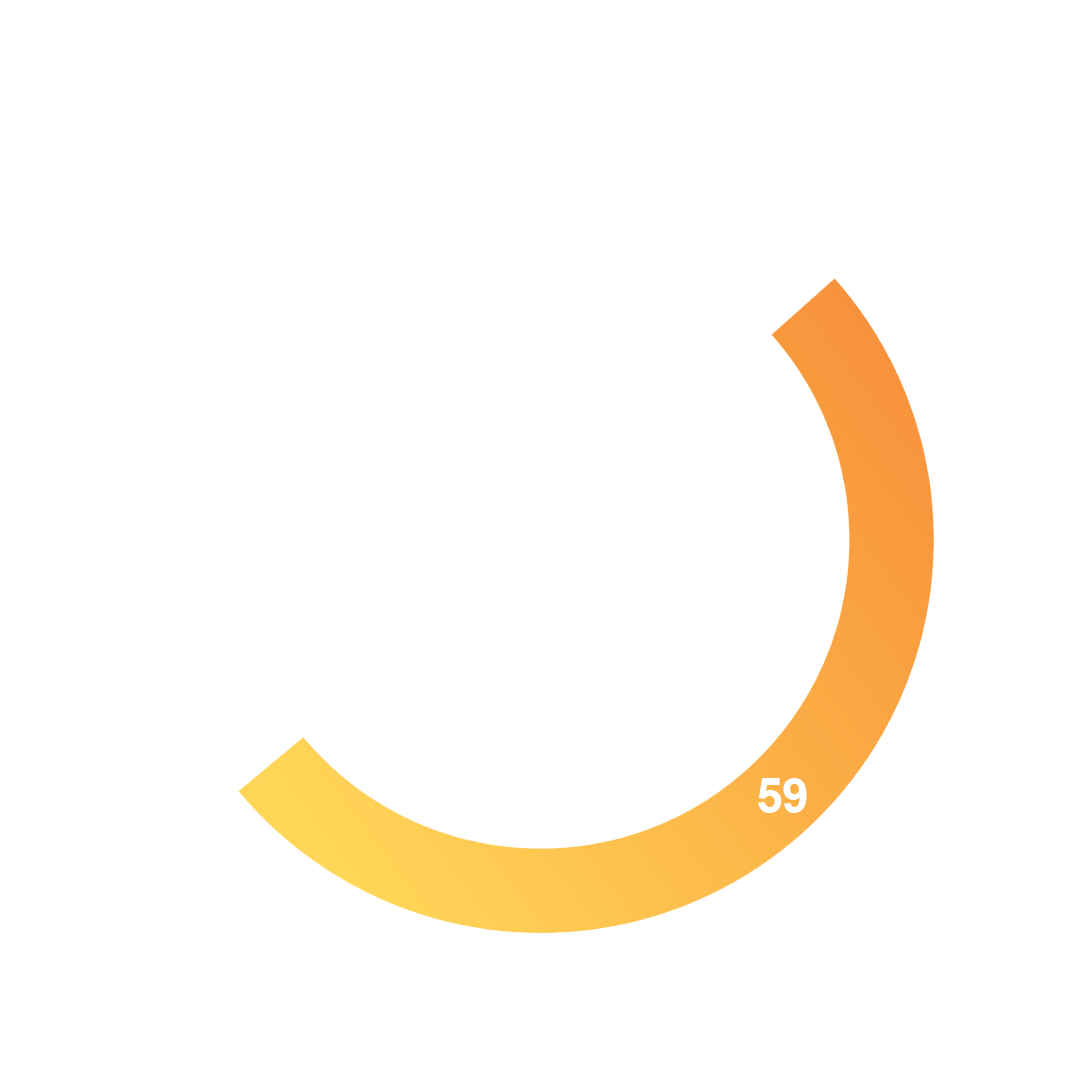
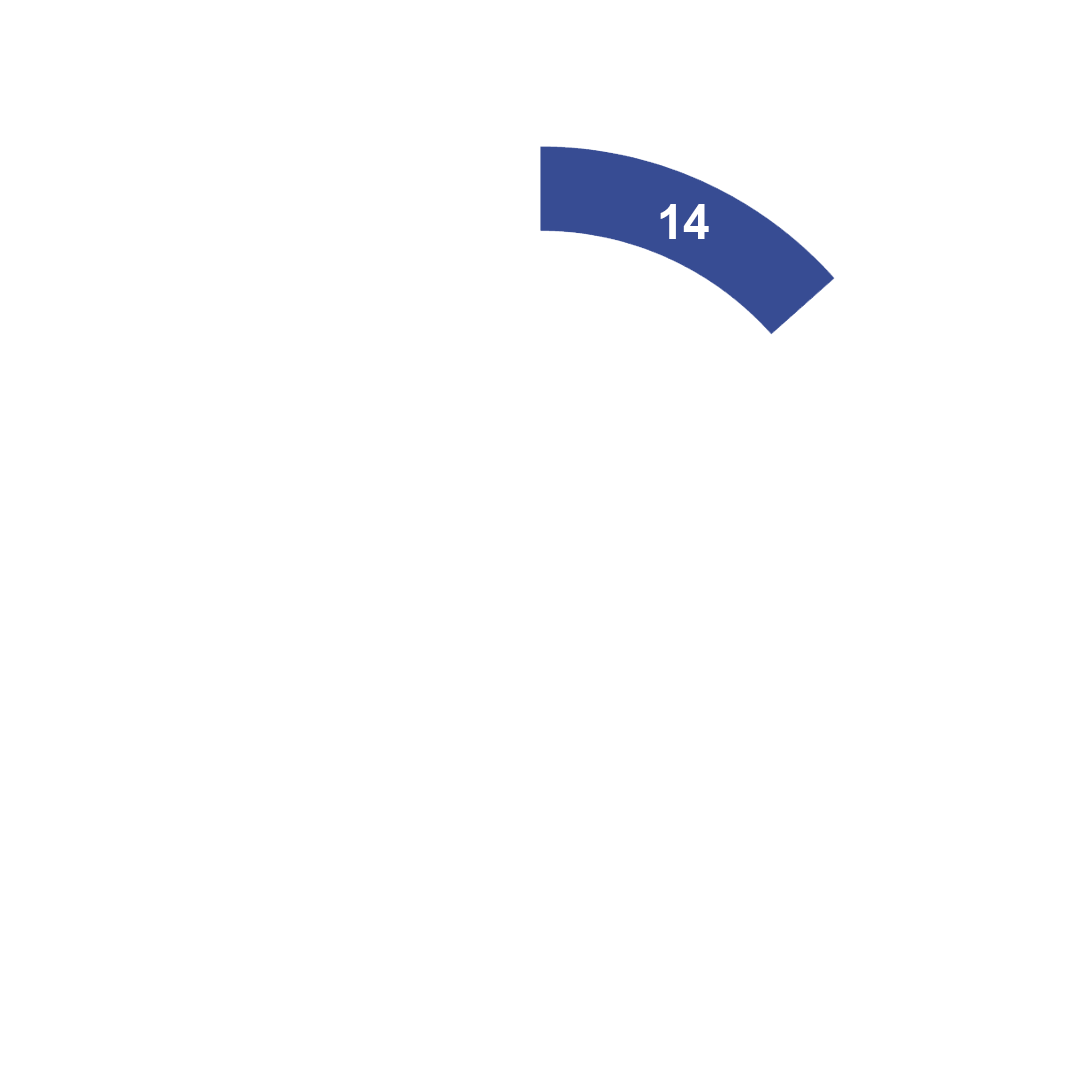
Speed of Organisational Response to New Risk

Fairly Quickly
Very Quickly
Not At All quickly
Not Very Quickly


CLICK TO REVEAL %
Not Sure

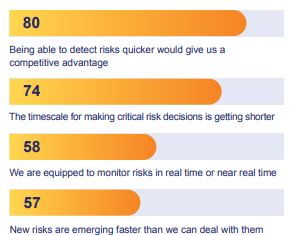
Agreement with statements on organisational risk environment


Being able to detect risks quicker would give us a competitive advantage
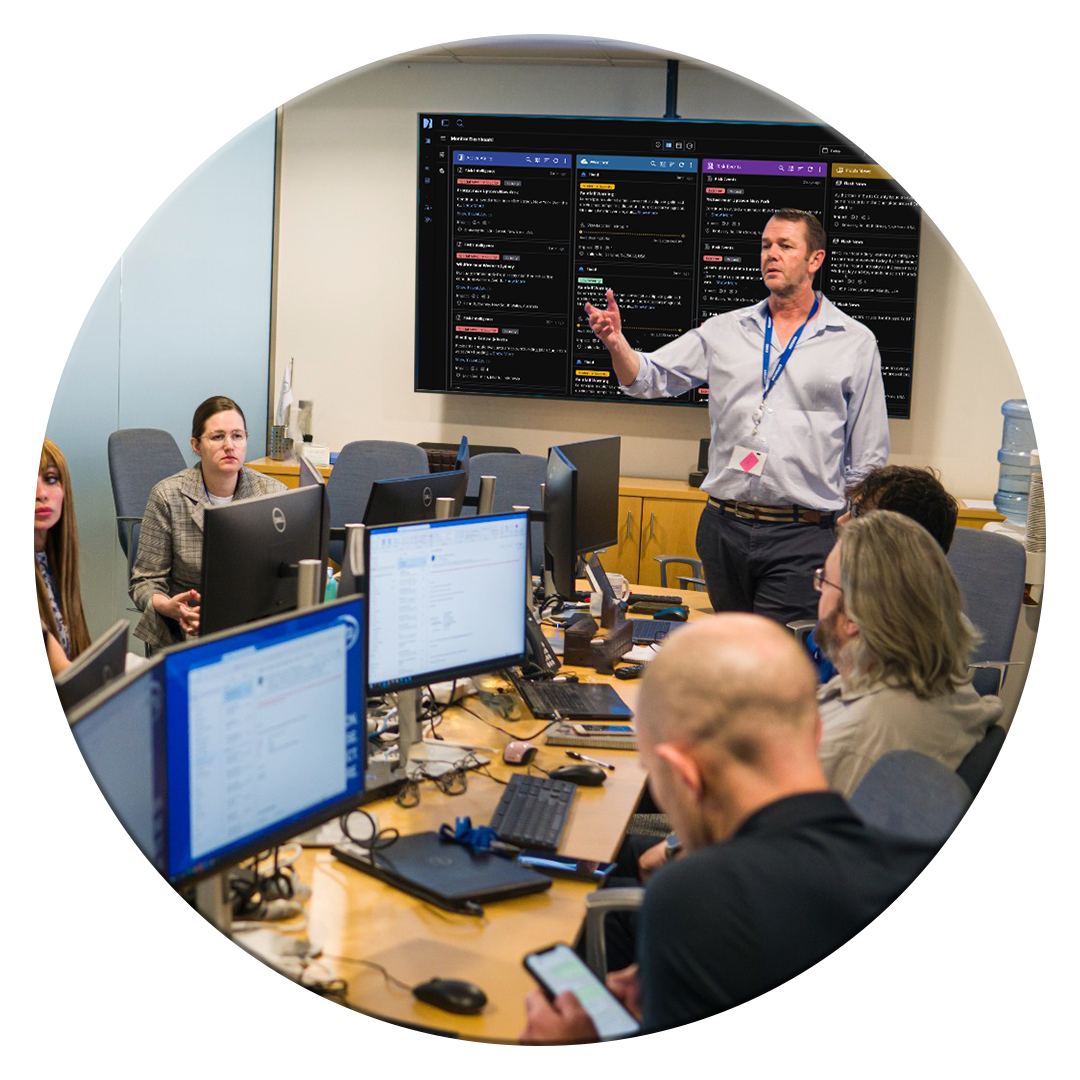
The timescale for making critical risk decisions is getting shorter
We're equipped to monitor risks in real time or near real time
New risks are emerging faster than we can deal with them





80
74
58
57
A WORLD AT ODDS
INTERNATIONALSOS.COM


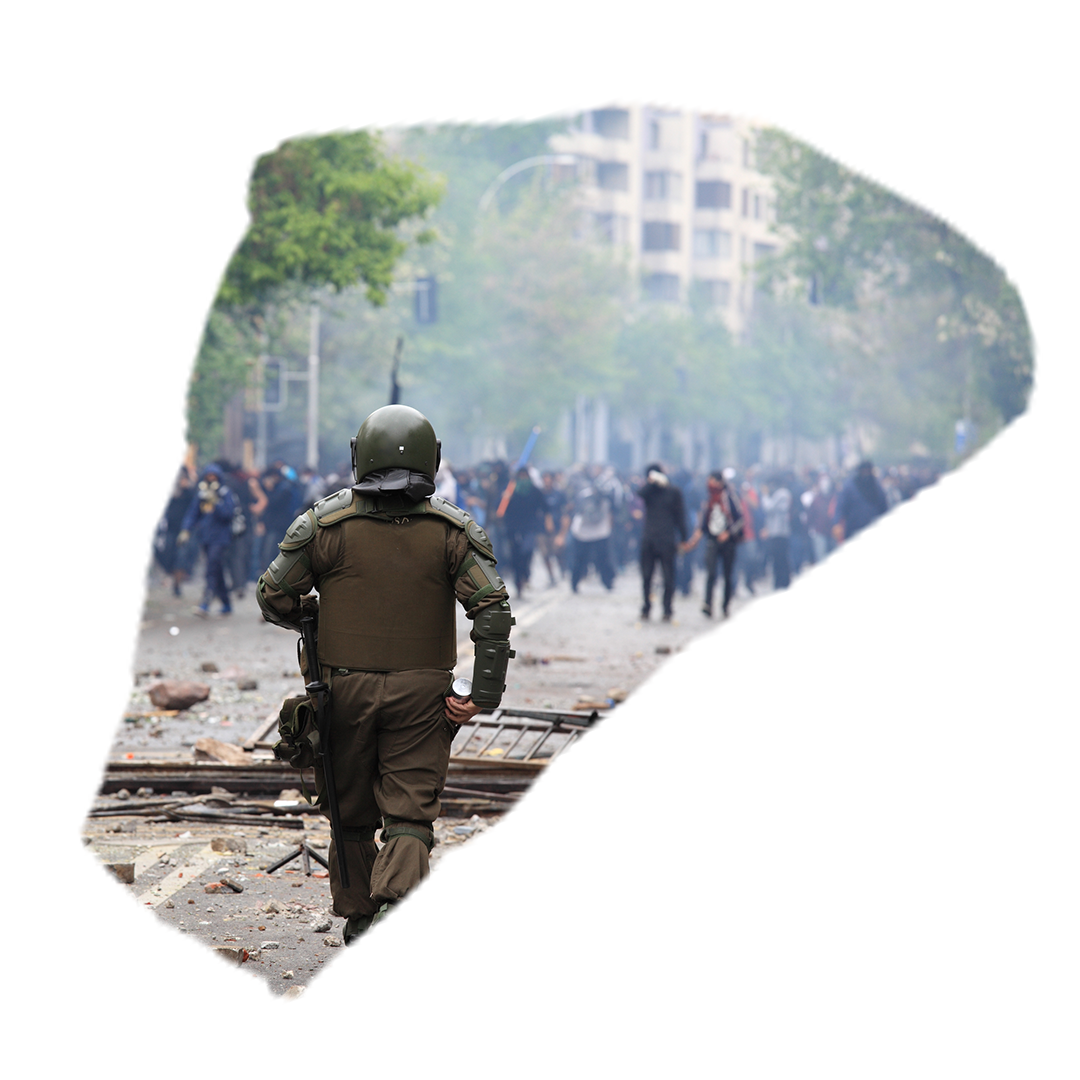
Geopolitical tensions have direct security implications. 2025 saw a significant increase in armed conflict and violence in many locations. This is likely to continue in 2026.
CLICK TO SEE EACH OF THE THREE AMPLIFIERS


We have been highlighting the growing risk of information overload and dis/misinformation for the past five years. Unfortunately, we expect the problem to continue to accelerate through 2026.
According to International SOS Global Medical Director, Dr. Irene Lai:

Organisations must have robust processes to assess the quality of health information consumed, with trusted sources and expert advisors to discuss complex issues, implications and importantly proportionate actions.”
Companies have increasingly faced situations where corporate values, ethical standards, or compliance obligations collide with political shifts, policy changes, or public sentiment.
Businesses prefer to trade in stable regulatory and political conditions, even when those conditions aren’t 100% favourable – rather than trying to ride unpredictable waves of change.
THE TRUTH GAP
THE SIGNAL AND THE NOISE
CORPORATE CONSCIENCE

EVERYTHING, ALL AT ONCE
INTERNATIONALSOS.COM
New threats are increasingly overlapping, coming in waves to stretch organisational resilience and capacity to respond.


EXTREME WEATHER
FORGETTING HEALTH, FORGETTING THE HUMAN
FATAL
BYTES
CLICK ON EACH OF THE TOPICS BELOW TO SEE MORE

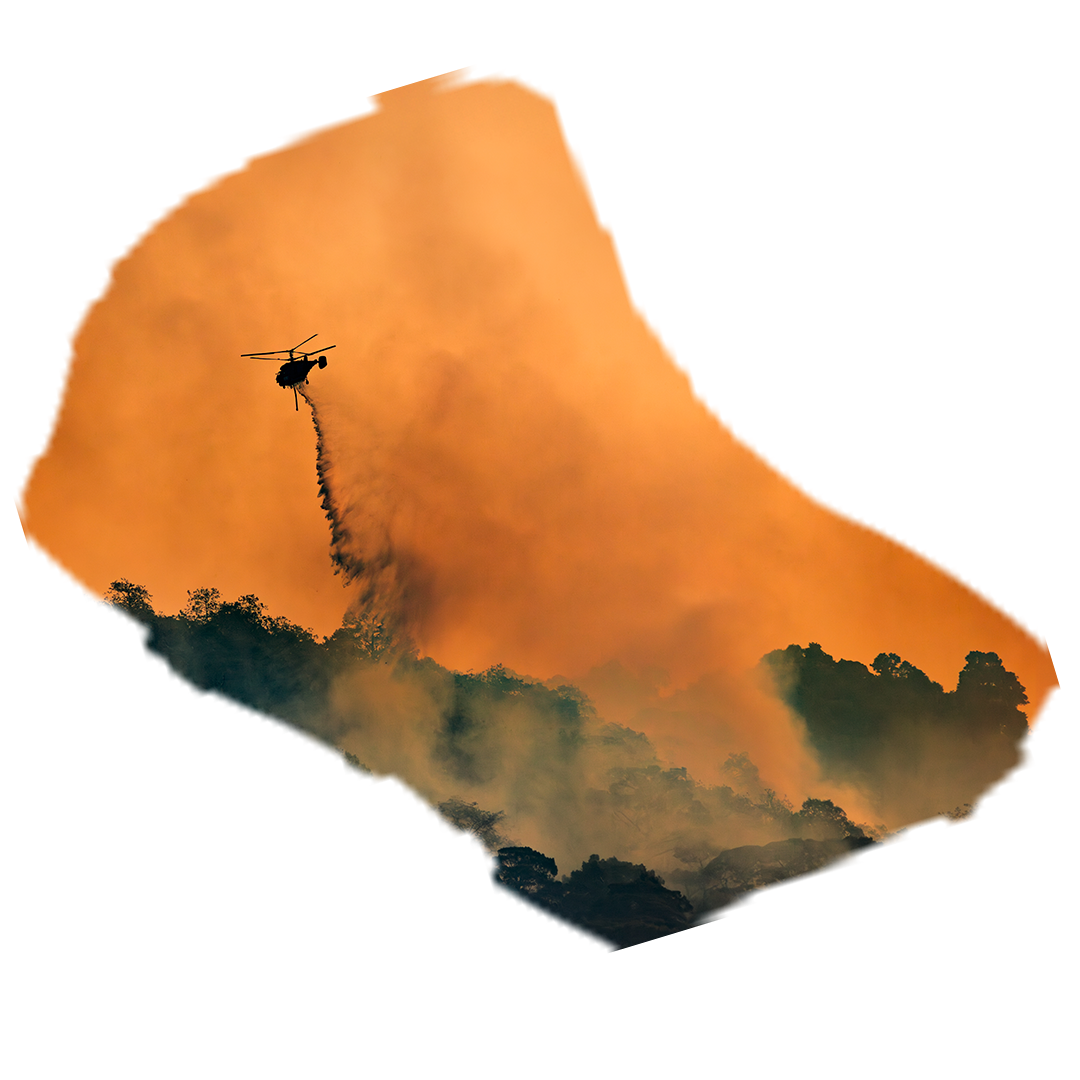
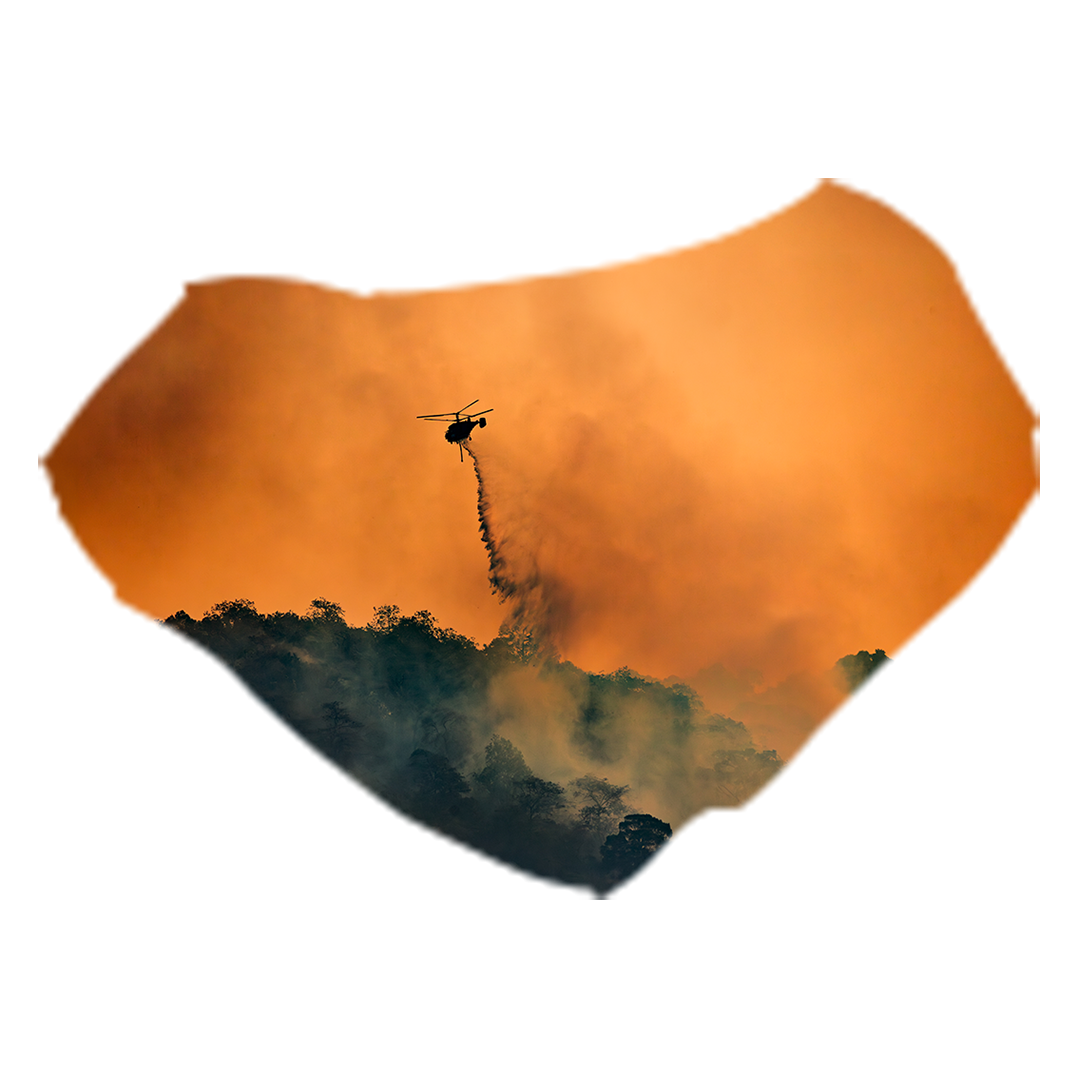
Extreme weather is an example of a threat that fuses security and health risks. As the frequency of hazardous weather events increases, it becomes more urgent for businesses to account for them in security and health risk planning.
FORGETTING HEALTH, FORGETTING THE HUMAN
Health risks often evolve slowly, which can lead to reduced attention and complacency. Post-pandemic confidence has shifted focus away from health issues, even as vulnerabilities grow. Preventable conditions such as malnutrition, antimicrobial resistance, and resurgence of diseases like cholera and malaria are increasing. Mental health concerns continue to rise globally, yet remain under-prioritised in organisational risk planning.
55
KNOWN EXISTING INFECTIOUS DISEASES
A NEW INFECTIOUS DISEASE
HEALTH IMPACTS OF NATURAL DISASTERS
CHRONIC NON-COMMUNICABLE DISEASES
AIR
POLLUTION
INADEQUATE HEALTHCARE
FOOD AND WATER SCARCITY
43
53
44
50
49
45
52
43
45
38
60
27
71
Not very or not likely at all
Very or fairly likely
FATAL BYTES

Cybersecurity remains one of the most significant organisational risks. Remote attempts to breach corporate IT systems by state and non-state actors are increasing, with ransomware attacks causing major disruption and reputational damage.
The US Cyber Intelligence Threat Integration Center tracked 2,593 ransomware attacks worldwide in 2024, up 15% on 2023 after doubling the year before.
The rise of remote work and mobile connectivity adds further vulnerabilities, while misinformation and social engineering amplify risks.
EXTREME WEATHER
BACK TO TOPICS

BACK TO TOPICS

BACK TO TOPICS



More than 1 billion people worldwide live with a mental health condition, but only 17% of organisations rank mental health among their top three concerns.
63%
increase in heat-related deaths since
the 1990s, reaching an estimated 546,900 yearly deaths on average (2012–2021)
Wildfires
Heatwave
Storm
Flooding
HUSH TRIPS - WHERE IN THE WORLD
INTERNATIONALSOS.COM

In the past year, an increasing number of businesses have been caught off-guard by calls for assistance from workers facing security or health crises in locations the organisation did not expect them to be working in.
IMPLICATIONS

22%
of respondents says their organisation has the capacity to monitor employee hush trips.
“Companies need to do their very best wherever their employees are, but I think employees also have a responsibility to be honest and transparent with their employer about where they're conducting business, especially if it's different from where the company expects them to be.
- Dave Komendat, International SOS Senior Security Adviser

CLICK TO REVEAL %