The Energy Orchestrator Market Model
A Platform-based energy ecosystem with distributed physical connections
This phase transforms the utility into a true platform orchestrator, capable of managing an ecosystem of energy resources, market participants and services. This future state is characterized by new business models and value streams that enable utilities to pull energy from a variety of sources, ensuring their relevance in an increasingly distributed energy world and allowing them to meet the ever-increasing demand for energy.
Tech giants enter the energy market
Major technology companies are evolving from energy consumers to energy producers, fundamentally challenging traditional utility business models through massive infrastructure investments.
Google: $10B investment in direct energy infrastructure, 500MW nuclear partnership with Kairos Power. Microsoft: $30B Global AI infrastructure investment Partnership. Three Mile Island nuclear procurement. Strategic Shift: From energy consumers to producers, challenging traditional utility business models.
Data centers drive energy demand
Data centers are becoming massive energy consumers, projected to consume 6.7-12% of total U.S. electricity by 2028, requiring new approaches to energy supply and management.
Current usage: 176 terawatt hours in 2023 (4.4% of total U.S. electricity) Projected growth: 325-580 terawatt hours 2028 AI Impact: Primary driver of 35-50% electricity demand surge by 2040
Core Market Dynamics Emerge
The energy ecosystem begins transforming with new market dynamics including energy prosumers, demand response programs, personalized energy services and the electrification of transportation
Energy prosumers: Customers who both consume and produce energy Demand response: Programs that adjust electricity usage during peak periods Personalized services: Customized energy solutions based on individual needs and preferences Electrification of transportation: Large-scale transition to electric vehicles requiring new charging infrastructure
Distributed Resources Expand
Distributed energy resources proliferate, including virtual power plants, flexibility Services and private generation assets that require sophisticated coordination.
Distributed resources: Decentralized energy generation and storage assets Flexibility services: Grid support through load management and resource optimization Virtual power plants: Aggregated distributed resources acting as single power plant
Digital Connectivity Technologies
Advanced connectivity technologies create the digital nervous system enabling real-time coordination across the energy ecosystem.
V2G (Vehicle-to-Grid) Electric vehicles providing grid services API integration: Seamless connectivity between platforms and systems IoT sensors: Internet of Things devices for real-time monitoring DLT (Distributed Ledger): Blockchain technology for secure transactions
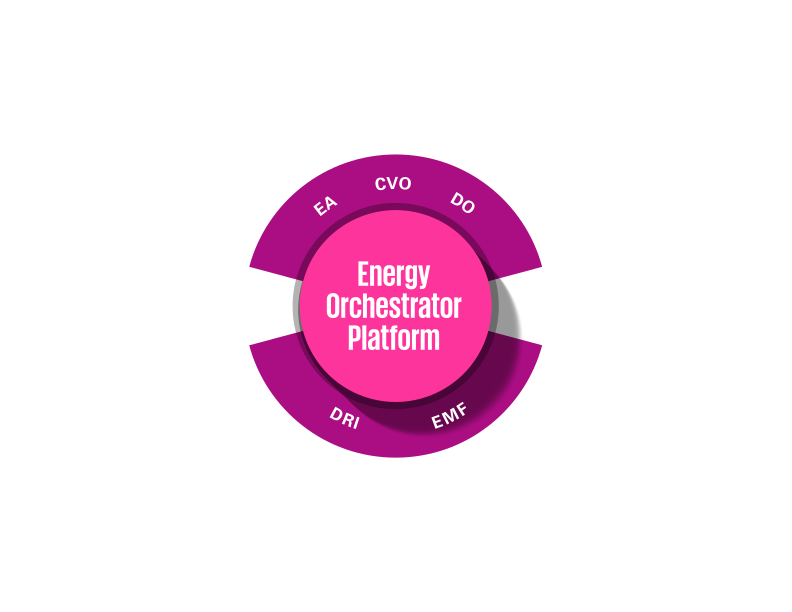
Energy Orchestrator Platform Core
The central platform emerges with five core functions managing data flows and coordinating ecosystem participants through sophisticated orchestration capabilities.
EA (Ecosystem Architect): Designs platform strategy and engagement frameworks CVO (Customer Value Orchestrator): Delivers personalized energy solutions DO (Data Orchestration Officer): Manages data as strategic asset across ecosystem DRI (Distributed Resource Integrator): Coordinates distributed energy resources EMF (Energy Market Facilitator): Creates and operates energy marketplaces
Energy Orchestrator Ecosystem
The fully realized platform-based ecosystem where digital connectivity replaces physical infrastructure limitations, enabling comprehensive energy orchestration across all participants.
Digital transformation: Digital connectivity replacing physical infrastructure constraints Fleet electrification: Large-scale electric vehicle integration with V2G capabilities Peer-to-peer trading: Direct energy transactions between ecosystem participants Strategic partnerships: Collaborative relationships enabling ecosystem value creation Flexibility markets: Real-time optimization of grid resources and services Blockchain settlements: Automated, transparent financial transactions