NORTHERN HARRIER
Soaring to a Brighter Future
With our eyes on the horizon, we’re inspiring hope for birds and people.
ANNUAL REPORT 2024
FROM OUR CHIEF EXECUTIVE OFFICER
THIS YEAR MARKED THE COMPLETION OF THE FIRST LEG OF our journey to deliver on the vision outlined in Flight Plan, Audubon’s bold and transformative strategic plan for 2023–2028. Together we are forging a future where birds thrive across the Americas, and the people and communities who cherish them are empowered to make a difference. The crises we face—climate change and biodiversity loss—are daunting, but they are not insurmountable. At Audubon, we have embraced the urgency of this moment. Fueled by science, strengthened by partnerships, and inspired by the resilience of birds, we are taking decisive action to protect habitat, advance climate solutions, champion public policy, and build powerful collaborations across the hemisphere. This commitment was on full display earlier this year in Newfoundland where I had the privilege of spending time with our Indigenous partners. Our partnership highlights their leadership in conserving the boreal forest—one of the most important ecosystems on the planet. Hearing firsthand how these communities are working to protect this vital habitat filled me with hope. Similarly, at COP16 in Colombia’s Cauca Valley, we brought global leaders into the fi eld to experience the breathtaking biodiversity of the region. As they marveled at birdlife, they witnessed the tangible impact of efforts by Audubon and our local partners to safeguard a landscape essential to migratory and endemic species alike. Moments like these bring our work to life, demonstrating how birds inspire people to act on behalf of our shared planet. They remind me why every acre, every dollar, every partnership, and every bird matters. They reflect the unshakable optimism and determination that drive our mission to protect birds and the places they need, today and tomorrow. Through Flight Plan we are putting the full power of our hemispheric organization toward “bending the bird curve” to halt, and ultimately reverse, the precipitous decline of birds across the Americas. Your belief in Audubon made this fi rst year a resounding success. Thank you for dreaming with us, working with us, and soaring with us.
Urgency, Action, and Optimism
CHIEF EXECUTIVE OFFICER
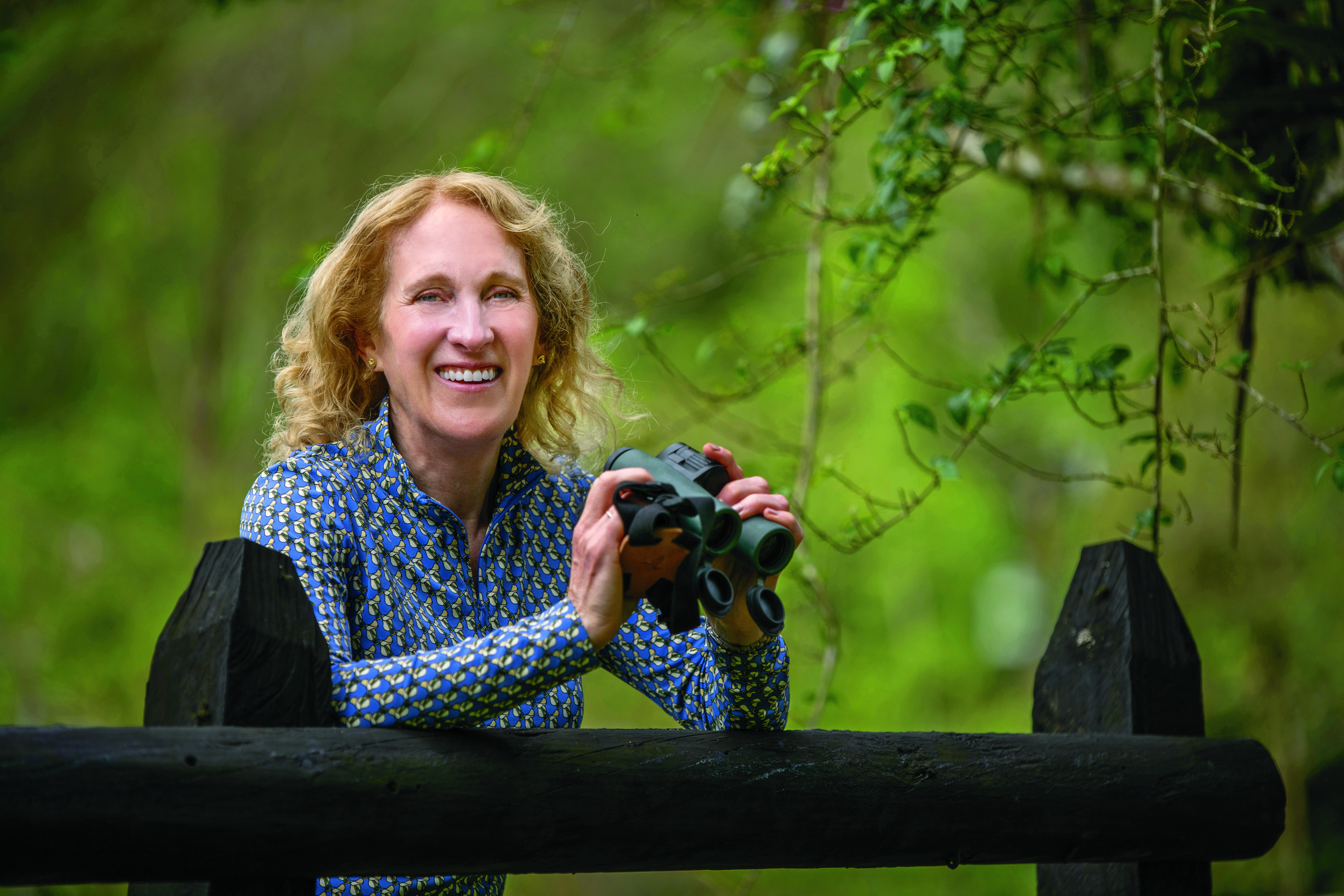
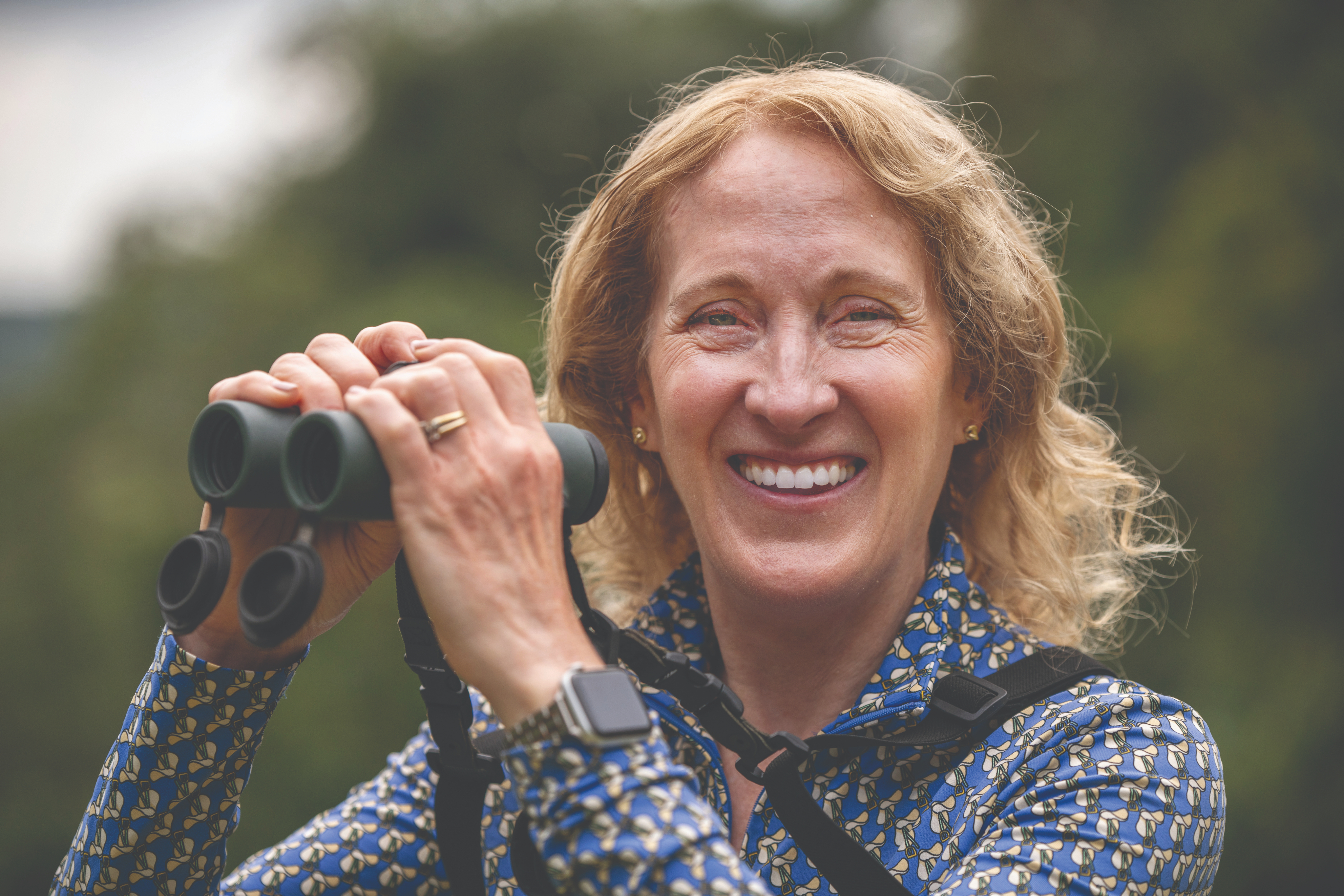
Dr. Elizabeth Gray
“ Through Flight Plan we are putting the full power of
our hemispheric organization toward ‘bending the bird curve’ to halt, and ultimately reverse, the precipitous decline of birds across the Americas.”
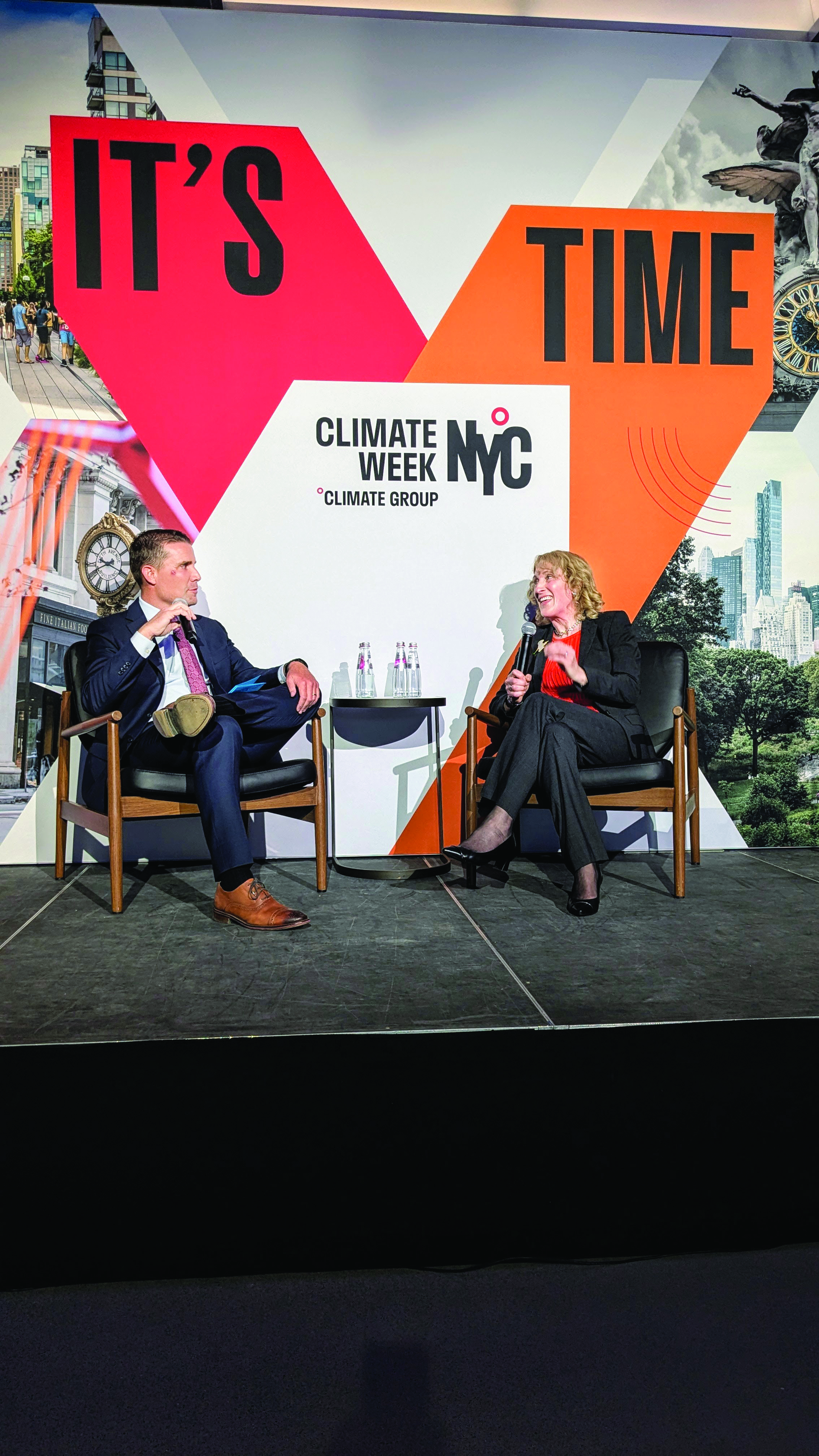
During Climate Week NYC 2024, Audubon led and participated in discussions that emphasized a science-based approach to solving the interconnected challenges of climate change and biodiversity loss. Dr. Gray spoke with leaders from government and industry about how to ensure the Inflation Reduction Act would continue to serve as an important catalyst for climate action.
NEW YORK CITY
Taking the Stage on Behalf of Birds at Climate Week
Habitat Conservation
We expanded our conservation efforts throughout the hemisphere, protecting and restoring essential habitat in places such as Great Salt Lake, North America’s boreal forest, and Cauca Valley, Colombia.
Climate Action
To mitigate climate change, we worked to transform how energy is produced and transmitted, helping bring to fruition renewable energy projects that are capable of powering 30 million homes.
Policy Leadership
We advanced the largest expansion of the Coastal Barrier Resources System in decades through legislation that will protect habitat for birds like Red Knots, American Oystercatchers, and Piping Plovers.
Community Building
Through initiatives like our biannual Leadership Conference and The Birdsong Project, we inspired people of all ages to gather together and take action in support of Audubon’s mission.
Here are a few examples of the progress we made toward achieving our key milestones during Flight Plan’s first year:
On Our Way
HABITAT CONSERVATION
NEXT
Conserve 300 million acres of connected, climate-resilient bird habitat
Audubon’s 2028 Milestones:
Pass Audubon’s Healthy Birds, Healthy Planet policy agenda
POLICY LEADERSHIP
Support the generation of 100 gigawatts of renewable energy Store 30 billion tons of carbon in conserved lands
CLIMATE ACTION
Double Audubon’s membership and inspire new constituents and coalitions to help advance our conservation efforts
COMMUNITY BUILDING
Flight Plan
Our bold strategic plan will achieve new levels of impact for birds, people, and the planet.
Read more about Flight Plan
2024 Report
Habitat
Climate
Policy
Community
Workplace Excellence
Reach & Impact
Financials
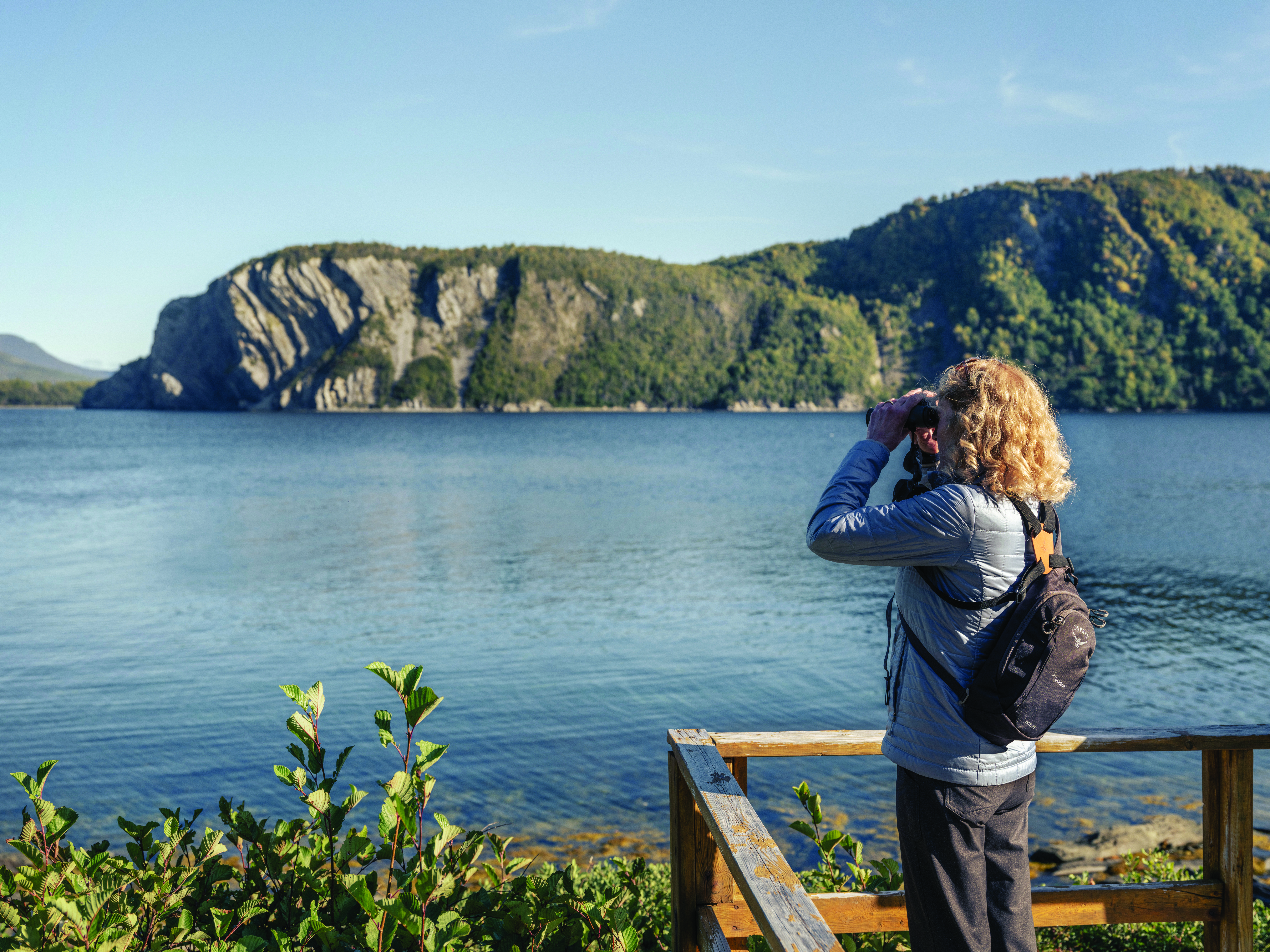
Dr. Gray overlooks Bonne Bay in Newfoundland, Canada. The boreal forest in this region of Gros Morne National Park makes for ideal bird habitat.
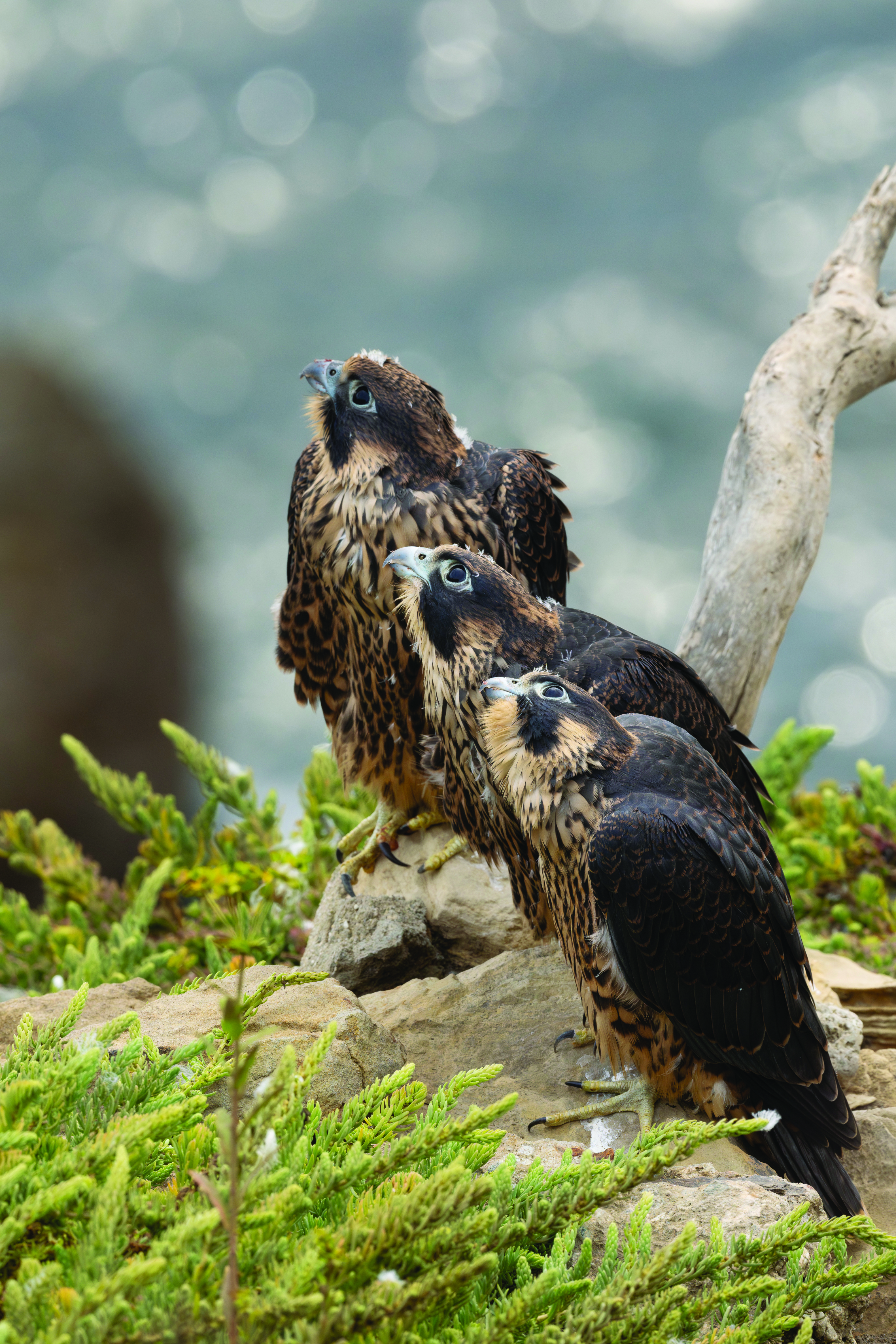
PEREGRINE FALCONS
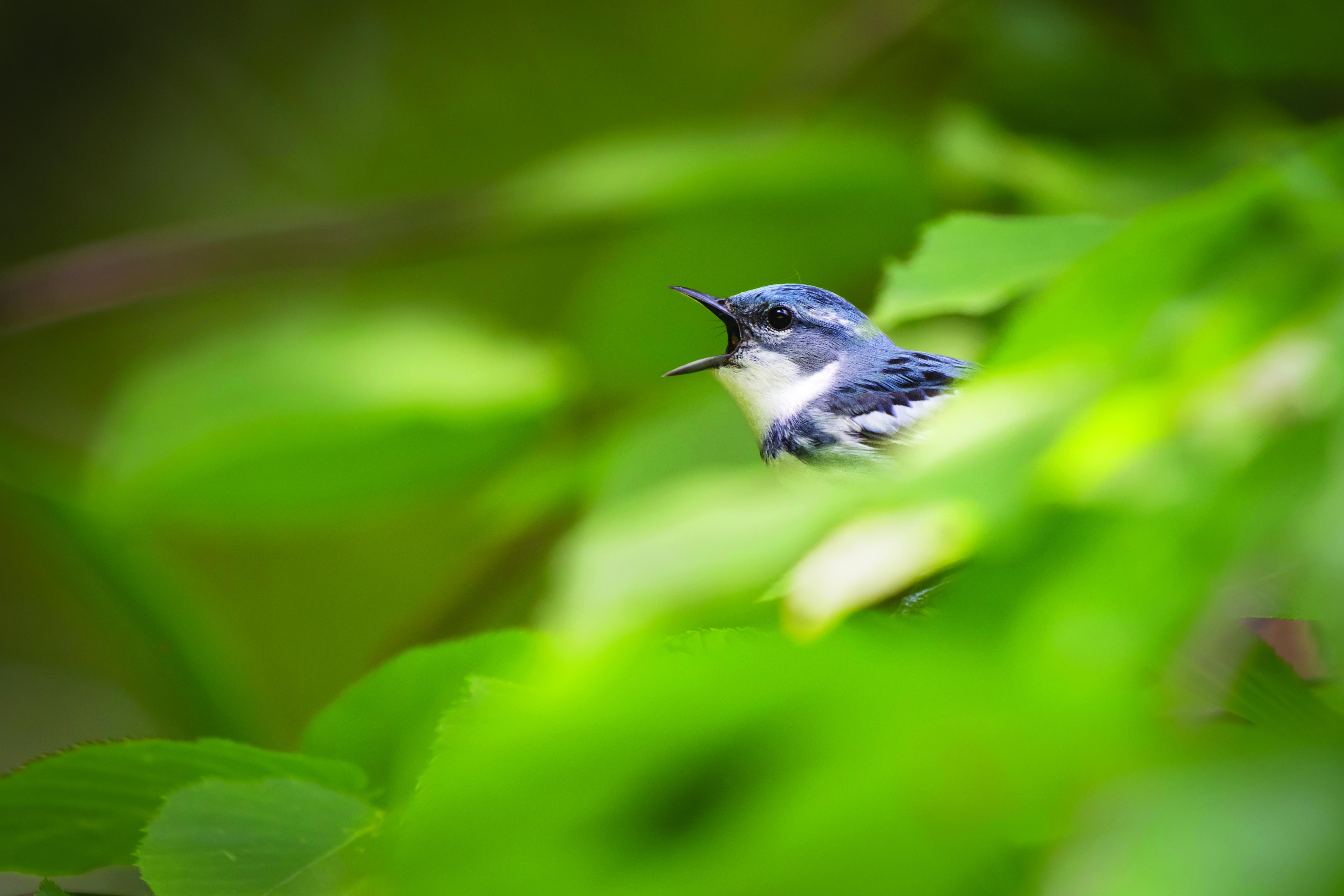
CERULEAN WARBLER
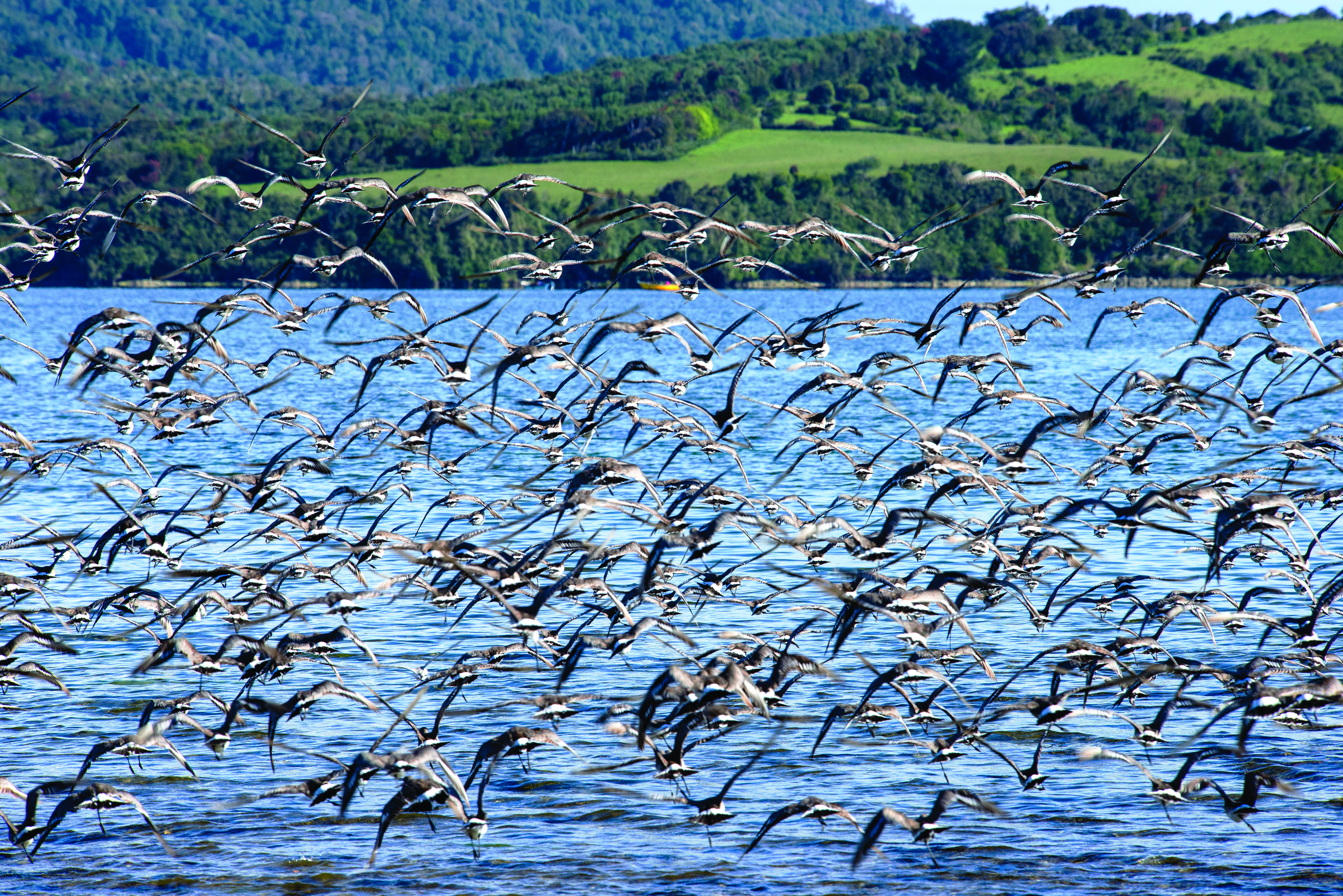
HUDSONIAN GODWITS
FROM OUR CHIEF CONSERVATION OFFICER
across the hemisphere, we will maximize our impact on behalf of birds and people.”
“By working collaboratively and collectively
AUDUBON DEVELOPED FLIGHT PLAN IN RESPONSE TO THE DEFINING challenges of our time: the dual crises of climate change and biodiversity loss. The plan is structured around ambitious milestones spanning four key areas: Habitat Conservation, Climate Action, Policy Leadership, and Community Building. By working collaboratively and collectively across the hemisphere, we will maximize our impact on behalf of birds and people. With the help of our partners, we are rapidly scaling our impact across the places that matter most to birds—from the boreal forest of Canada and the grasslands of the Great Plains to coastal Chile—and we are implementing blueprints to protect this precious habitat. Our conservation, restoration, and management efforts are already improving more than 116 million acres across the Americas. Flight Plan provides the roadmap to a stronger Audubon and a thriving future for birds, people, and the planet. Thanks to supporters like you, we’re already well on our way.
Where We're Flying
CHIEF CONSERVATION OFFICER
Marshall Johnson
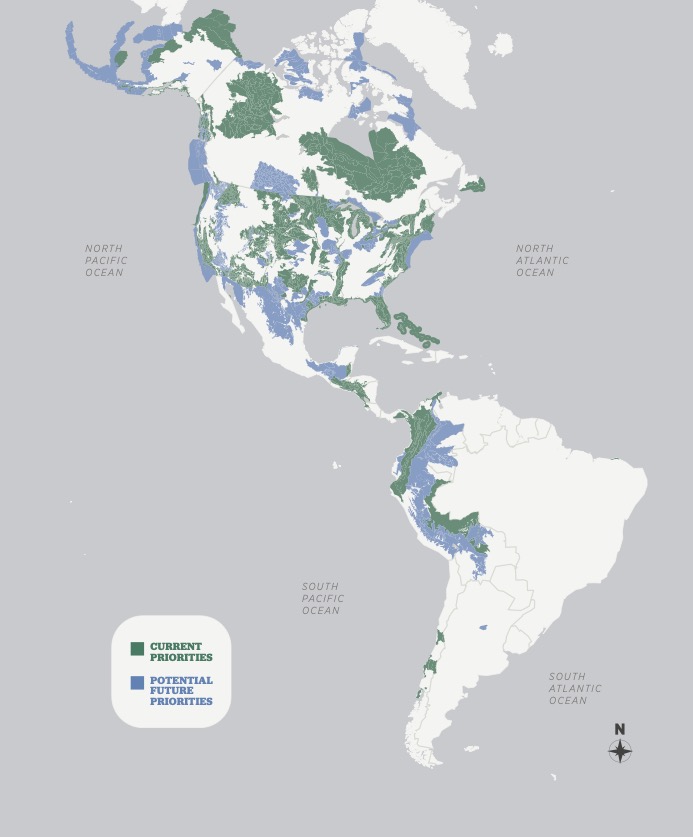
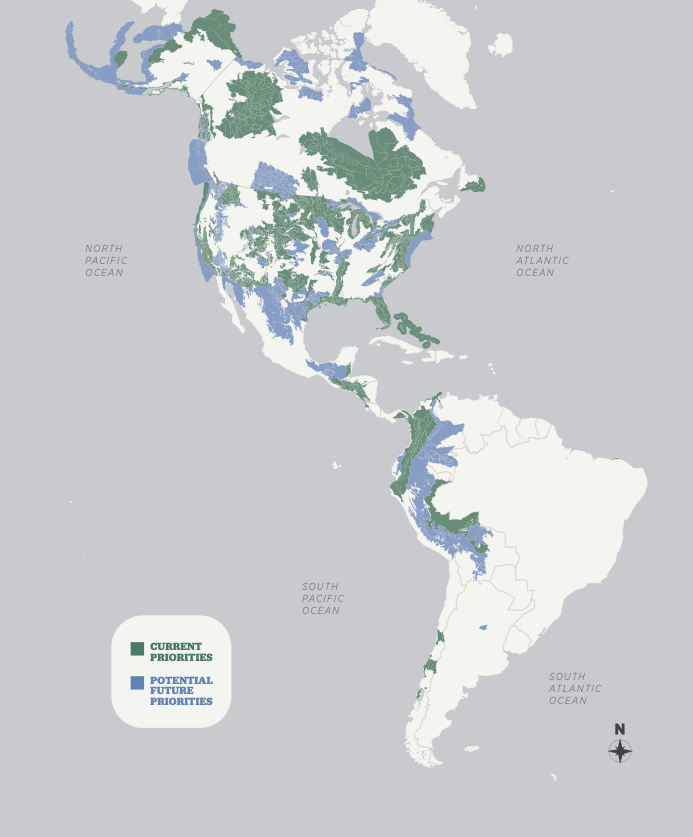
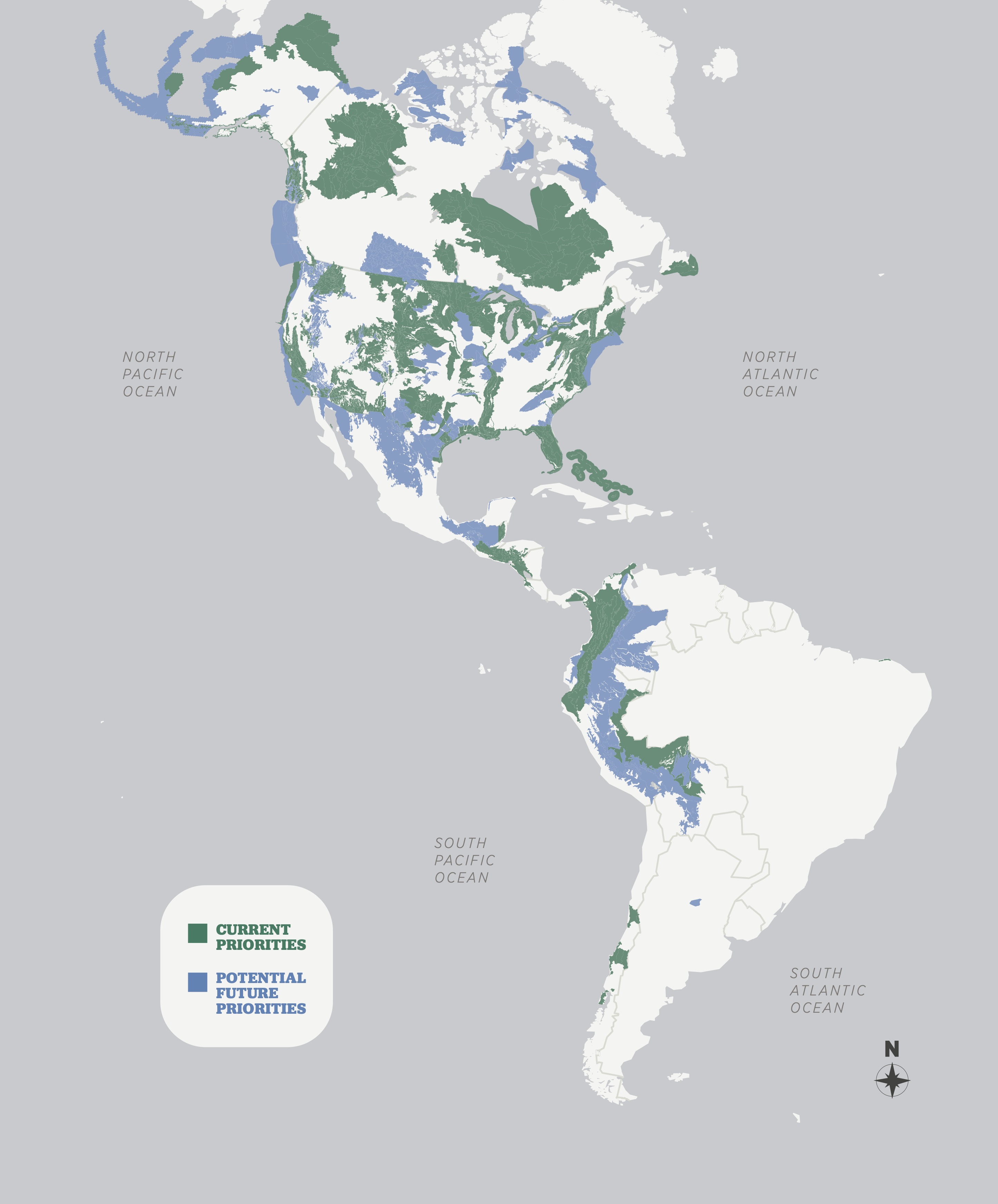
In collaboration with local communities and partners, Audubon is working to create a network of conserved areas stretching from North America’s boreal forest to the rainforests of South America.
ANNUAL REPORT
BACK
“I’ve been heavily involved in international bird
conservation for the past 30 years. Conserva Aves is one of the best and biggest conservation programs ever started in the Americas. Flight Plan and this impressive program are key reasons that I’ve increased my support for Audubon.”
The Great Salt Lake Watershed Enhancement Trust—co-managed by Audubon and The Nature Conservancy—secured 68,000 acre-feet of water in 2024 for Great Salt Lake, which provides more than a million acres of vital migratory bird habitat amid the Utah desert. A coalition brought together for one transaction includes the Jordan Valley Water Conservancy District and the Church of Jesus Christ of Latter-Day Saints. Water they donated contributed to a 10,000-acre-feet, late-season pulse that flowed from Utah Lake through the Jordan River, enriching 51 miles of riparian habitat used by migratory species like the Olive-sided Flycatcher before replenishing Great Salt Lake. Such pulses help lower the lake’s salinity levels and control the spread of avian diseases so that the Baird’s Sandpiper and other birds continue to thrive.
acre-feet of water in 2024 for great salt lake
68,000
UTAH
—BEN OLEWINE, FORMER NATIONAL BOARD DIRECTOR
Essential Water for a Saline Sanctuary
ONTARIO
Key Conservation of a Boreal Biome
The Mushkegowuk Council, representing seven First Nations, made strides with the Canadian government toward establishing...
READ MORE
COLOMBIA
Working for nearly a year and a half, rural communities in Calima El Darién, Colombia, succeeded in establishing Alto Calima as a Regional Public Protected Area.
IOWA, MINNESOTA, AND WISCONSIN
Transformative Support for Grasslands
acres of certified bird-friendly grasslands
2.96M
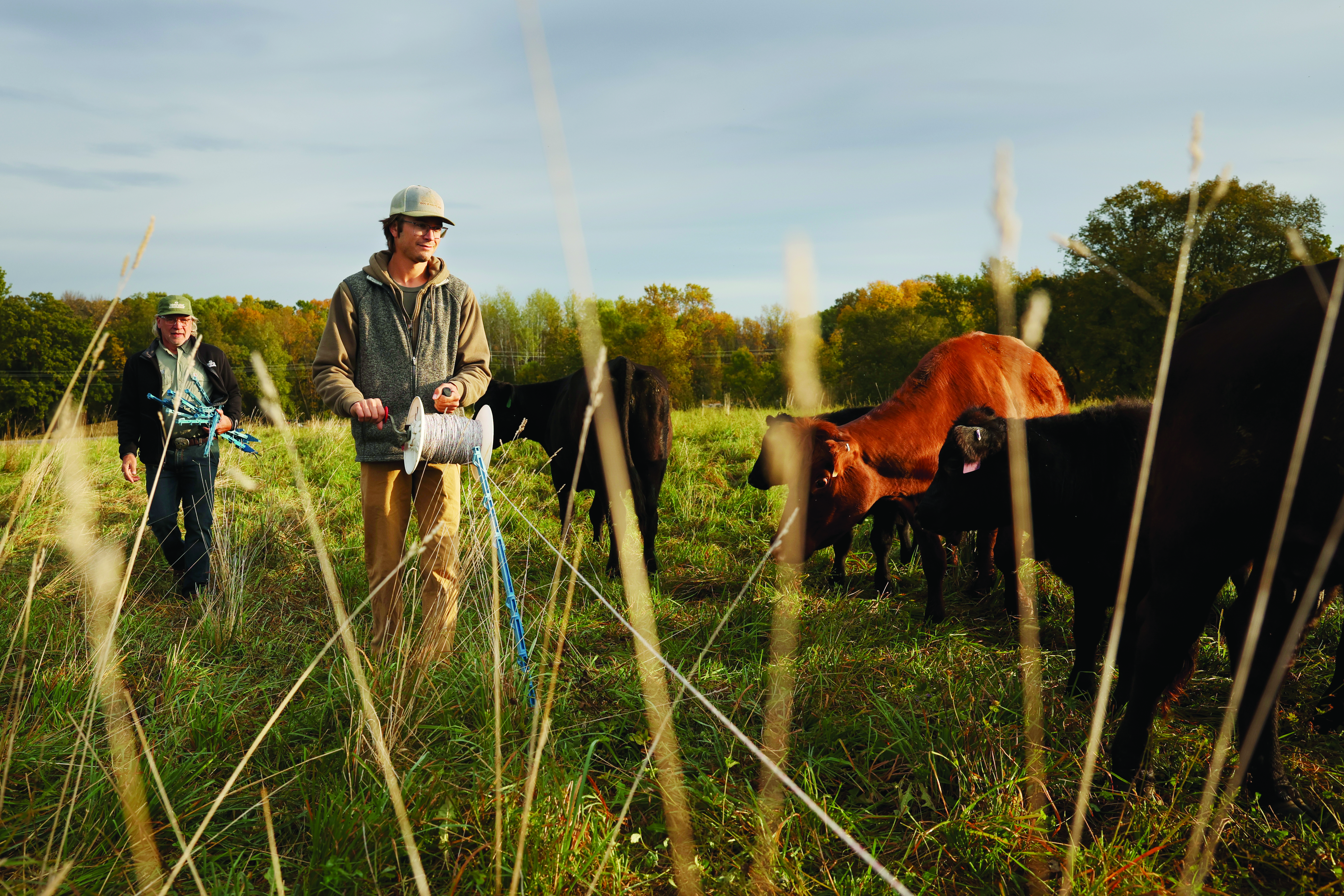
Audubon’s efforts to advance grassland bird conservation received a big boost: a $2.5 million Conservation Innovation Grant from the U.S. Department of Agriculture for a pilot project that incentivizes habitat revitalization. Through the Grazing the Bar program, Audubon will pay Midwest farmers for land management that supports high-priority species such as the Upland Sandpiper after arriving from grasslands in South America. The grant will also enable Audubon to better understand and expand best practices like native plantings, prescribed burning, and brush management. The project connects with the recent expansion of Audubon Conservation Ranching program into Wisconsin building on the program’s success in 14 other states. So far more than 100 ranches covering nearly 3 million acres have earned status as Audubon Certified bird-friendly land.
SAGE THRASHER
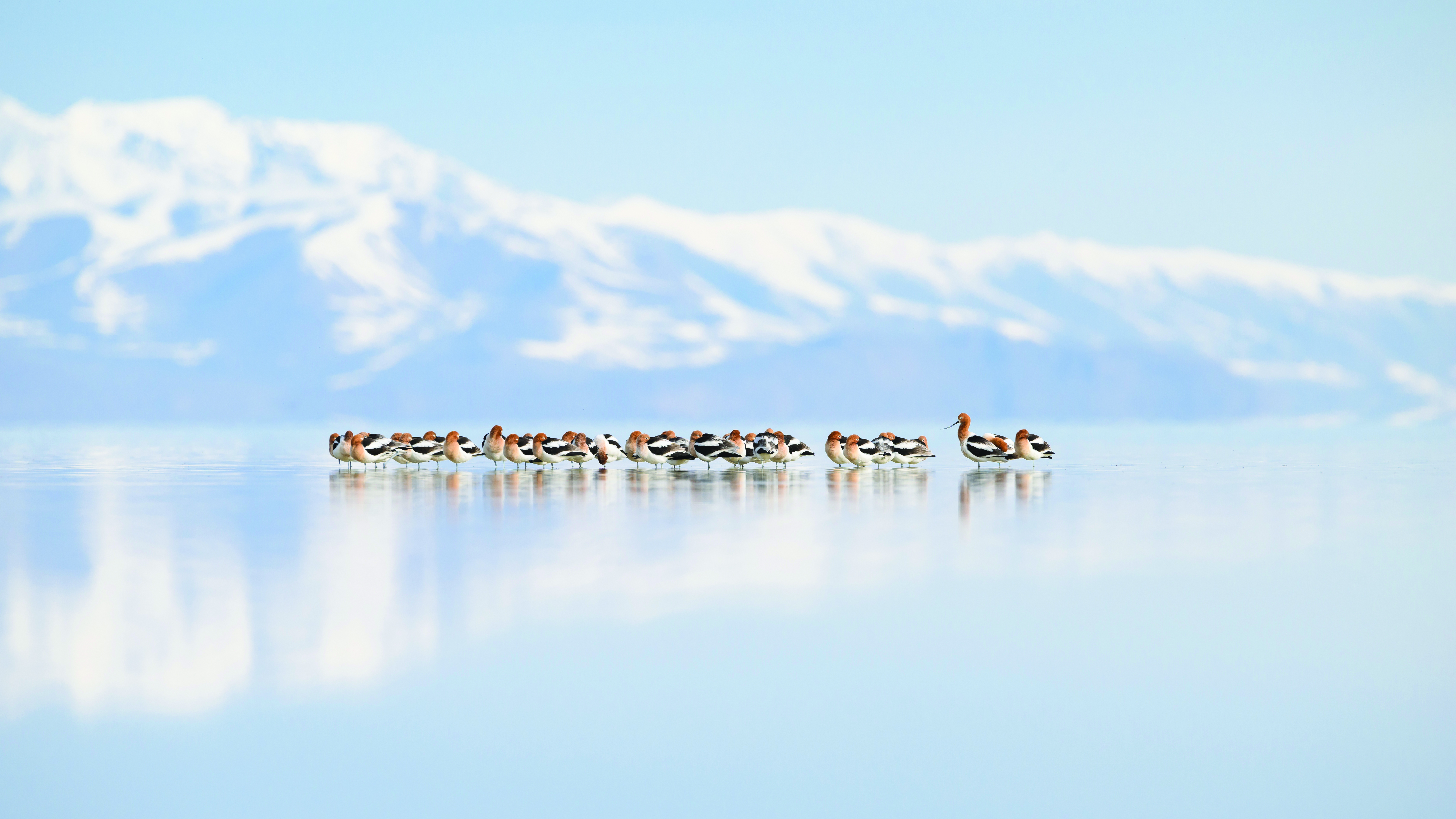
AMERICAN AVOCETS
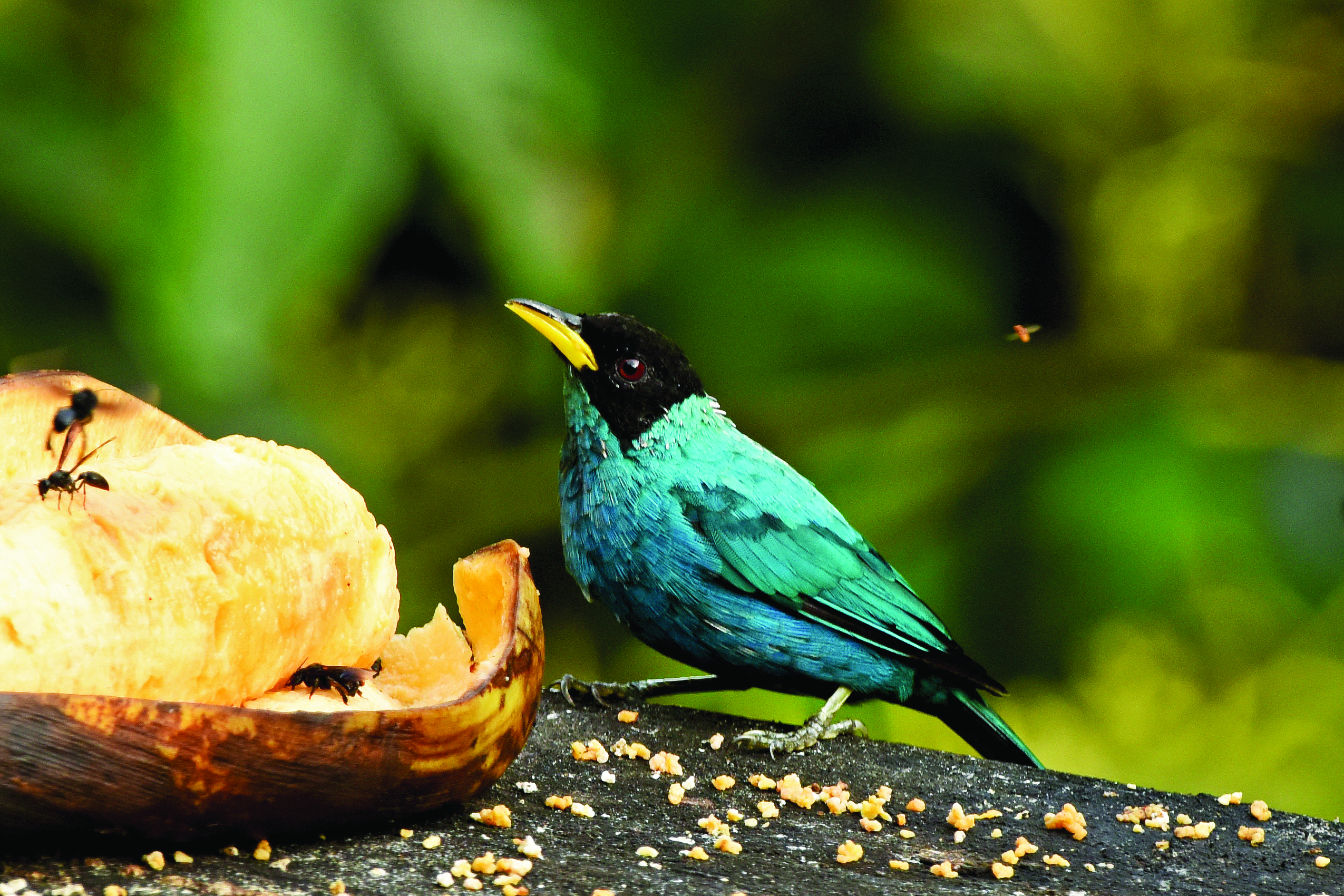
GREEN HONEYCREEPER
The Mushkegowuk Council, representing seven First Nations, made strides with the Canadian government toward establishing a 22-million-acre National Marine Protected Area along the shores of the James and Hudson Bays—an effort Audubon has been supporting through community events and outreach. This region’s importance has been well known to the Indigenous communities that have lived on these lands for millennia: More than 170 migratory bird species rely on this ecosystem as a stopover on their annual journeys. To track them, Audubon and the Wildlands League set up a radio receiver tower as part of the global Motus Wildlife Tracking System. The data gathered will offer critical insights into the migration paths of species like the Lesser Yellowlegs, informing conservation efforts.
CLOSE
A Protected Territory in Colombia’s Cauca Valley
Working for nearly a year and a half, rural communities in Calima El Darién, Colombia, succeeded in establishing Alto Calima as a Regional Public Protected Area. This will empower communities to safeguard the remarkable biodiversity of the region, which spans five different ecosystems covering nearly 45,000 acres and supports more than 500 bird species; it will also advance local economic opportunities, such as ecotourism. The project is a victory for Conserva Aves, a partnership among Audubon, BirdLife International, American Bird Conservancy, Birds Canada, and the Network of Latin American and Caribbean Environmental Funds (RedLAC), which works to fill conservation gaps for migratory birds across Latin America and the Caribbean.
2028 Milestone: Conserve 300 million acres of connected, climate-resilient bird habitat
Climate change is the single greatest threat to birds and people. Audubon is working to stabilize the climate by advancing natural climate solutions and promoting a swift transition to renewable energy.
Audubon is leading efforts to rapidly increase the production and delivery of renewable energy across the country—a crucial priority for the hundreds of bird species facing extinction due to climate change. This year, Audubon helped advance more than 50 renewable energy projects. The largest of these efforts brought together 12 Audubon chapters to influence the siting of transmission lines that span seven midwestern states, a $10 billion investment that would support 53 gigawatts of renewable energy. Audubon’s success has become the gold standard for the deployment of clean energy infrastructure while minimizing impacts on birds and people.
renewable energy projects
50+
NATIONWIDE
A Big Boost for Clean Power
MID-ATLANTIC
Green Light for Offshore Wind
In partnership with peer organizations, Audubon successfully recommended the U.S. Department of Energy designate a 12-mile-long area off the coasts of New York and New Jersey as a priority transmission corridor.
ALASKA
Preserved Natural Carbon Storage
Thanks to advocacy efforts by local Indigenous communities, partners, and Audubon, significant tracts of Alaska’s public lands, which collectively store billions of tons of carbon, were preserved this past year. The peat bogs, estuaries, and muskeg that form these landcapes also provide irreplaceable habitat. The Bureau of Land Management maintained protections for 28 million acres that are home to a rich variety of wildlife, including many migratory birds and iconic Alaskan species like the Bald Eagle and Spectacled Eider. Additionally, Audubon action alerts mobilized tens of thousands of people to urge the Biden administration to advance protections for 13 million acres of the Western Arctic—including the globally significant Teshekpuk Lake wetlands complex—and deny the proposed Ambler Mining Road that would have cut across Tribal and National Park lands.
Birds & Transmission Report
Offshore Wind Report
Solar power at sites such as Blair Audubon Center at Corkscrew Swamp Sanctuary in Naples, Florida, is a critical part of Audubon’s efforts to advance renewable energy.
Teshekpuk Lake, Alaska
Thanks to advocacy efforts by local Indigenous communities, partners, and Audubon, significant tracts of Alaska’s public lands, which collectively store...
In partnership with peer organizations, Audubon successfully recommended the U.S. Department of Energy designate a 12-mile-long area off the coasts of New York and New Jersey as a priority transmission corridor. This infrastructure will more efficiently connect wind energy produced in the Mid-Atlantic to the power grid, significantly growing energy capacity while moving toward the elimination of polluting fossil fuels. As of September, the U.S. has approved 10 lease areas for offshore wind projects, representing more than 15 gigawatts of energy— enough to power more than 11 million homes for a year. As a member of the Regional Wildlife Science Collaborative for Offshore Wind, Audubon has played a major role in identifying and responsibly siting these projects.
2028 Milestone: Support the generation of 100 gigawatts of renewable energy Store 30 billion tons of carbon in conserved lands
Audubon paired advocacy with diplomacy to advance our Healthy Birds, Healthy Planet policy agenda, enacting nine federal policies and 38 state policies focused on protecting birds, people, and the planet.
HEMISPHERE-WIDE
Greater Federal Investment in Migratory Bird Conservation
Building on our long history of protecting migratory species, Audubon advocated for—and secured the reauthorization of—the Neotropical Migratory Bird Conservation Act.
Stronger Coastal Protections
Audubon played an influential role in building support for the Bolstering Ecosystems Against Coastal Harm (BEACH) Act, bipartisan legislation that significantly enhances the Coastal Barrier Resources Act (CBRA)—a Healthy Birds, Healthy Planet priority for coastal and marine...
Together with a coalition of more than a dozen Tribes, community organizations, and local businesses, Audubon has championed the creation of a new Chuckwalla National Monument and the expansion of Joshua Tree National Park. This unique region of palm oases and rocky mountain ranges comprises more than 620,000 acres of wildlife habitat, sites of historical significance, and landscapes sacred to local Indigenous peoples. Audubon and our partners presented 840,000 signatures from across the country calling on the administration to expand, designate, and protect national monuments and sacred lands, in support of the Healthy Birds, Healthy Planet agenda to conserve priority places.
acres of wildlife habitat, sites of historical significance, and landscapes sacred to local indigenous peoples
620,000
CALIFORNIA
More Public Lands
Building on our long history of protecting migratory species, Audubon advocated for—and secured the reauthorization of—the Neotropical Migratory Bird Conservation Act, a Healthy Birds, Healthy Planet priority for core bird protections. The program provides an innovative, cost-effective approach to promoting and investing in hemispheric bird conservation, providing critical funding for habitat protection, research, and education across the Americas. Since 2002, Neotropical Migratory Bird Conservation Act grants have funded more than 700 projects across 35 countries, conserving habitat for birds that include Cerulean Warblers, Bobolinks, and Hudsonian Godwits. The new legislation takes an important step forward: It lowers the barrier to entry to receive grants, opening the door for new partners to participate and benefit.
Audubon played an influential role in building support for the Bolstering Ecosystems Against Coastal Harm (BEACH) Act, bipartisan legislation that significantly enhances the Coastal Barrier Resources Act (CBRA)—a Healthy Birds, Healthy Planet priority for coastal and marine resilience. Both the Senate and the House passed the bill with overwhelming support, and it was signed into law by the president in November. The BEACH Act adds more than 290,000 acres that are vulnerable to storms and sea-level rise to the CBRA, constituting the largest expansion of the system in more than three decades and protecting habitat that birds like Red Knots, American Oystercatchers, and Piping Plovers rely upon.
Audubon’s Florida Coastal Islands Sanctuary Manager, Jeff Liechty, surveys an Audubon-built living shoreline.
From left: Audubon Policy Manager of Marine Conservation Remy Moncrieffe, University of Vermont Audubon on Campus chapter member Laura Annunziata, and Congressman Peter Welch (D-VT) in Washington, D.C.
Audubon staff hiking Painted Canyon in the Chuckwalla National Monument.
2028 Milestone: Pass Audubon’s Healthy Birds, Healthy Planet policy agenda
Throughout the hemisphere, Audubon is building a constituency that cares about—and takes action to care for—birds and the places they need.
Connecting Across the Hemisphere
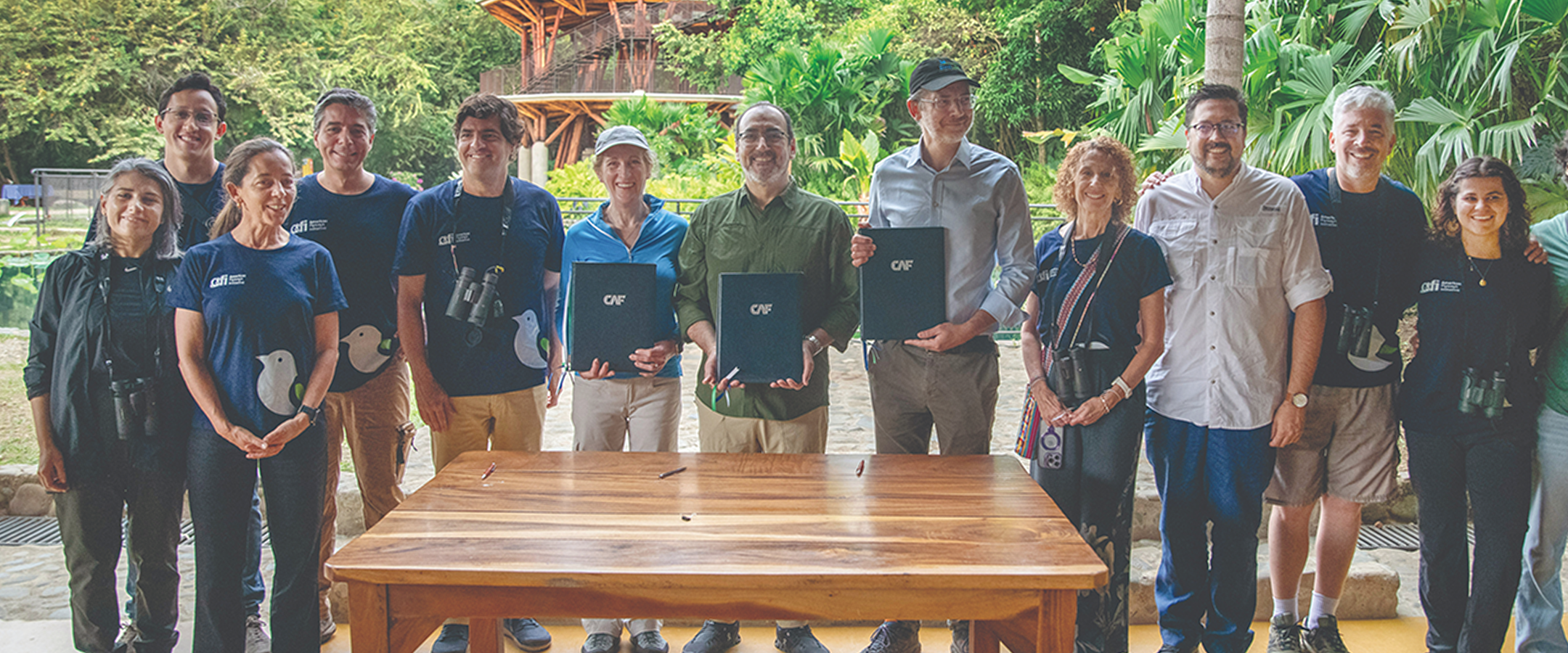
In October, the conservation community gathered in Cali, Colombia, for COP16, the United Nation’s Biodiversity Conference. Dr. Elizabeth Gray joined Aurelio Ramos, Audubon’s managing director for Latin America, Caribbean, and Canada; local Audubon staff; and members of the Development Bank of Latin America and the Caribbean (CAF) and Birdlife International for a consequential moment for hemispheric community building: the signing of a memorandum of understanding to invest $3 billion for bird-friendly sustainable development in Latin America and the Caribbean over the next 10 years.
SOUTH CAROLINA, COLOMBIA
Sister Centers
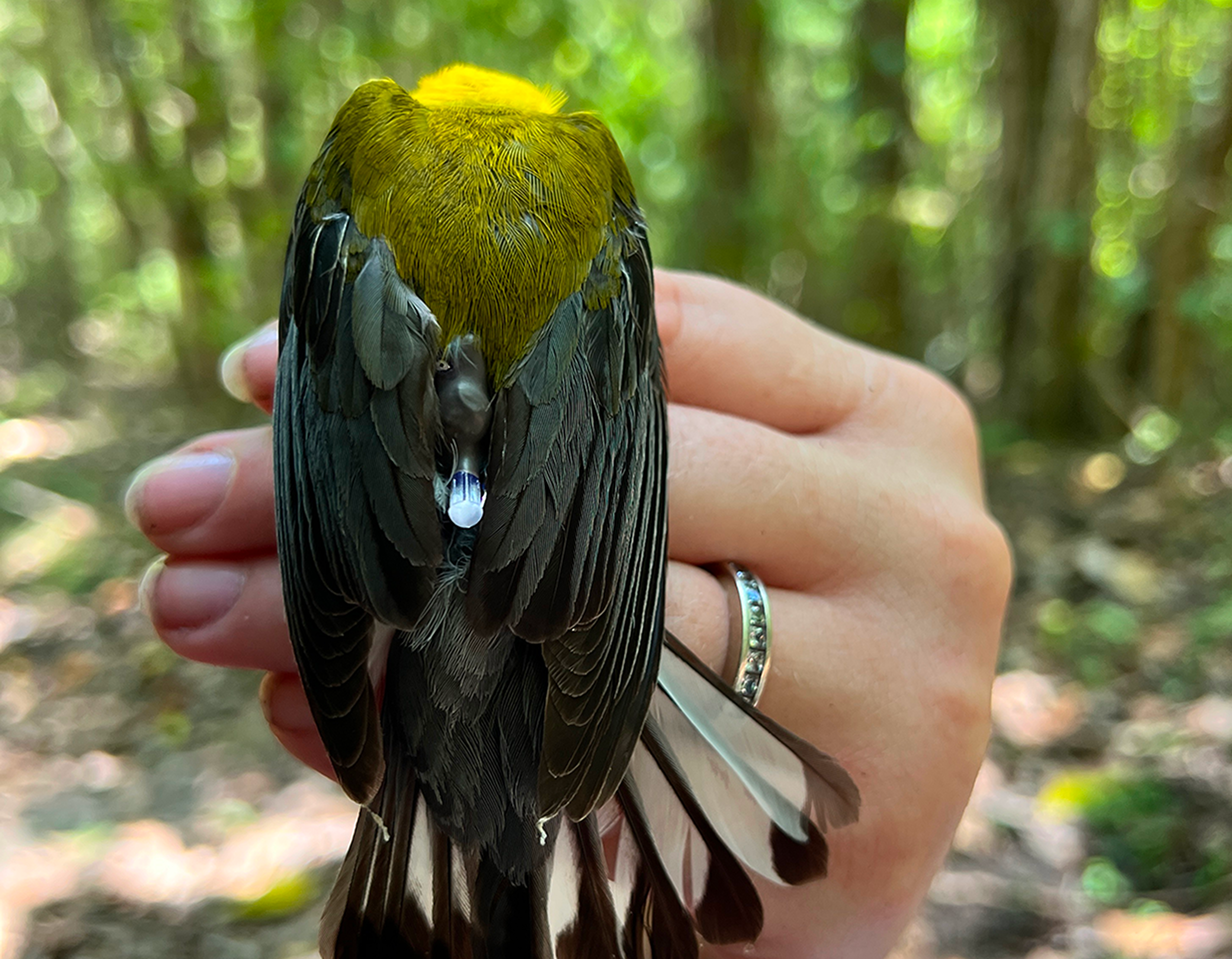
Audubon Center & Sanctuary at Francis Beidler Forest has used tracking technology to show the importance of Colombia as a wintering ground for the Prothonotary Warblers that traverse the Atlantic flyway. To mark its 50th anniversary, Beidler signed a “sister center” agreement with the Ciénaga de Mallorquín Ecoparque in Barranquilla, Colombia, recognizing and celebrating their shared responsibility to protect the flyway.
NEBRASKA
Open Doors
Every year, the Iain Nicolson Audubon Center at Rowe Sanctuary hosts 35,000 people from all 50 states and 60 countries who come to witness one of birding’s most iconic spectacles: the annual Sandhill Crane migration. This fall, we celebrated the completion of a $12.5 million expansion to Rowe Sanctuary, including the Lauritzen Great Hall and the Anne M. Hubbard Education Center, to support the growing community of global visitors.
The Next Generation of Leaders
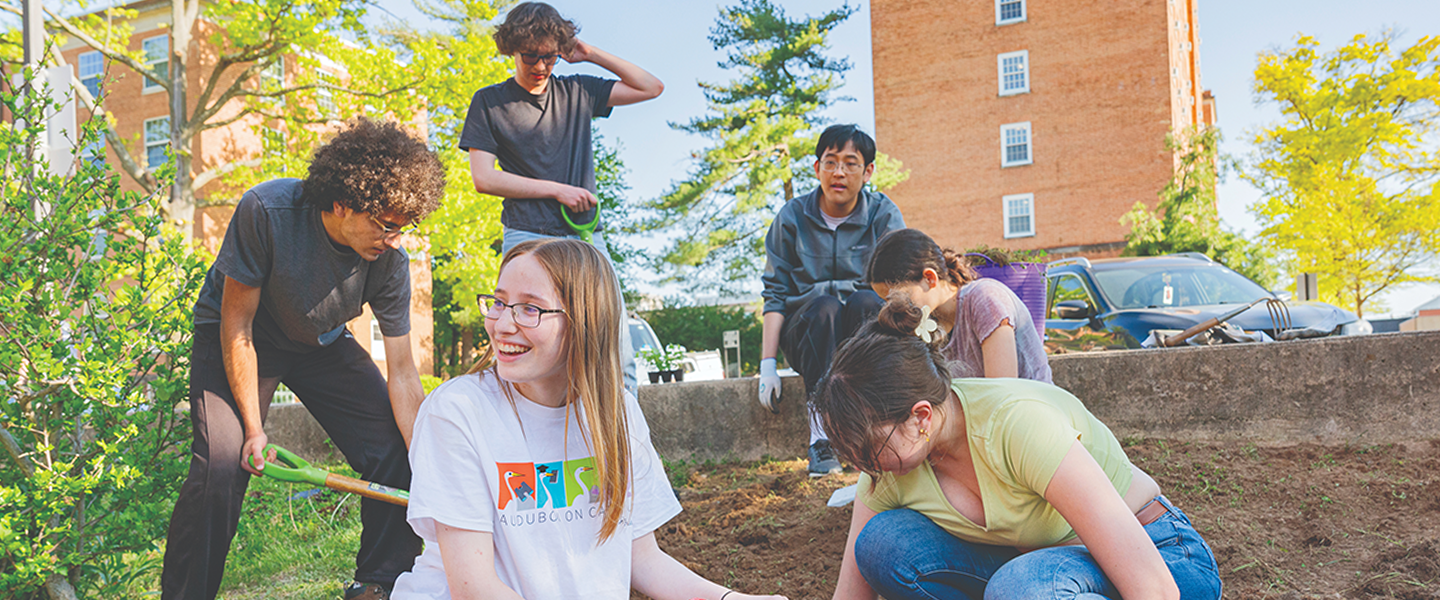
Campus chapters throughout the United States marked Earth Day with projects that included vibrant wildflower gardens and an environmental justice summit discussing the local and global impacts of climate change. Audubon on Campus equips the next generation of conservation leaders to take action while deepening their connection to the natural world.
COLORADO
Celebrating a Summer of Birds
In July, hundreds of birders and nature lovers came together to celebrate the Aspen Summer of Birds.
“The future is going to be very different than the reality
we’ve known... People need to own this work at the community level.”
—MAGGIE WALKER, FORMER NATIONAL BOARD CHAIR
The Audubon Mural Project is a public-art initiative that beautifies urban spaces while introducing new audiences to climate-threatened birds. For artist George Boorujy, the 963-foot stretch of wall in Brooklyn’s Red Hook Park called to mind the distances traversed by migrating birds. “I wanted to use the length of this site to show the length of these migration journeys,” says Boorujy, who completed this work, Migratory Pathways, in June.
MURALS
121
BIRD SPECIES
196
NEW YORK
Inspiring Art
AUDUBON MURAL PROJECT
WORKPLACE EXCELLENCE
In October, the conservation community gathered in Cali, Colombia, for COP16, the United Nation’s Biodiversity Conference.
WATCH THE VIDEO
In July, hundreds of birders and nature lovers came together to celebrate the Aspen Summer of Birds. The event was jointly presented by Audubon and The Birdsong Project in collaboration with a range of local arts and environmental organizations. The Birdsong Project fueled several events like this over the course of the year, celebrating the power of art and music to drive conservation action for birds and communities through bird walks, performances, educational talks, and more.
Watch the Video on Youtube
2028 Milestone: Double Audubon’s membership and inspire new constituents and coalitions to help advance our conservation efforts
As we advance Flight Plan, Audubon has embedded our values in everything we do while also implementing new practices that uplift a culture of workplace excellence.
Audubon established Workplace Excellence Milestones to create a culture where accountability, inclusion, and continuous learning thrive for all of our more than 800 staff members working across 11 countries. These milestones empower every team and team member to live our organizational values, drive meaningful impact, and support the long-term success of our Flight Plan goals. In the past year, we aligned our vision for how Audubon can and should work to best support our staff members and advance our mission. We introduced an improved onboarding process to ensure new employees understand their responsibilities and feel welcomed, heard, and valued; we instituted new manager training processes to support staff at every level of the organization; and we launched an organization-wide dashboard for tracking our progress toward all of the Flight Plan milestones. We have also begun to implement a culture of learning and accountability in accordance with our new organizational values. We are the most influential flock in the Americas—but only when we work together. Thanks to Flight Plan, we are maximizing our collective impact across the hemisphere.
staff members working across
800
countries
11
Soaring Together
“One of the most exciting dimensions of Flight Plan is its
ability to unify Audubon around a set of shared goals that define not only what we do, but how we work together.”
—ALLISON VOGT, CHIEF STRATEGY INTEGRATION OFFICER
REACH & IMPACT
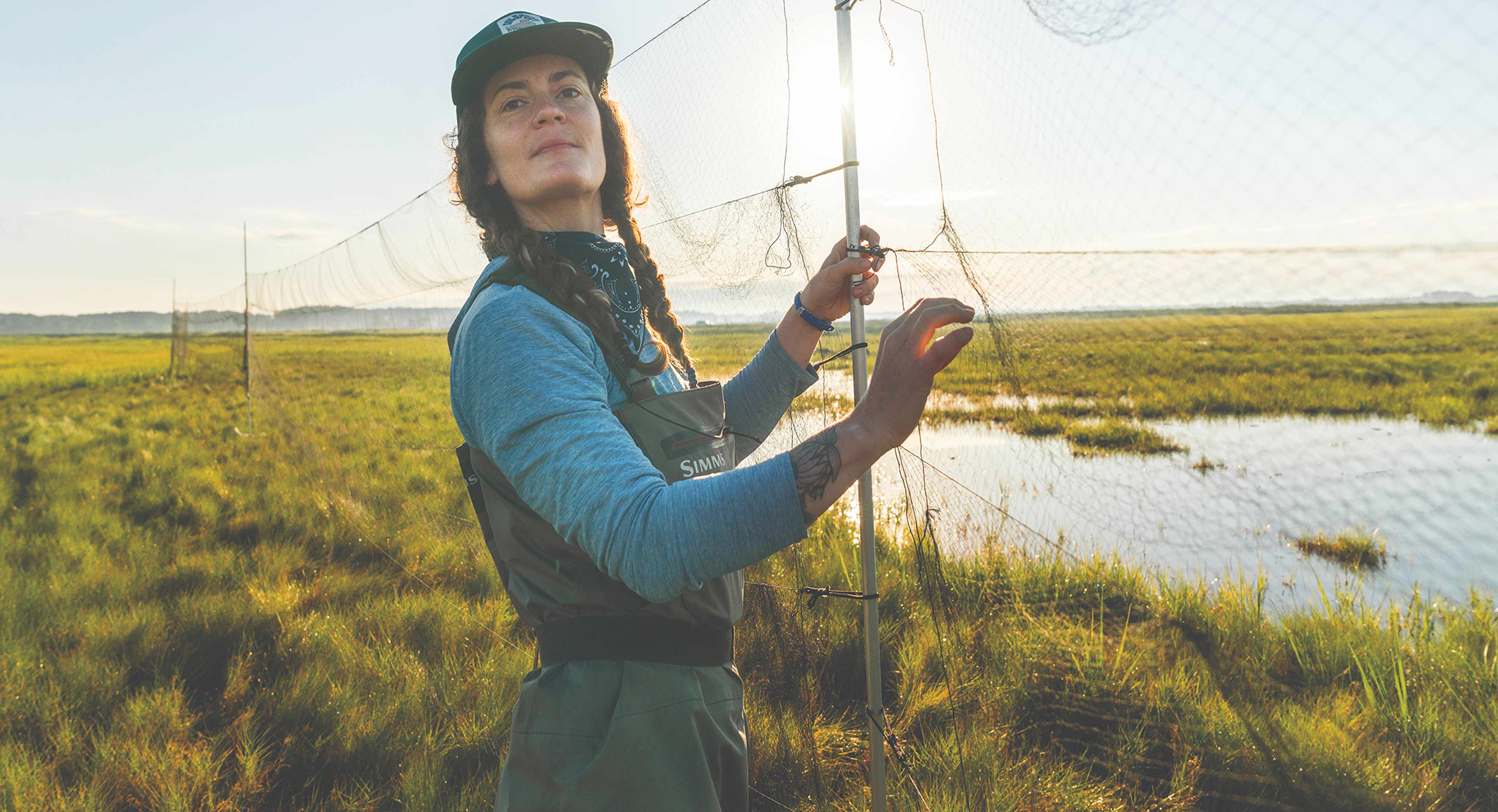
Mid-Atlantic Coastal Program Manager Henrietta Bellman sets up a mist net at Irish Grove Sanctuary in Marion Station, Maryland.
Campus Chapter members prepare for Congressional visits in Washington, D.C.
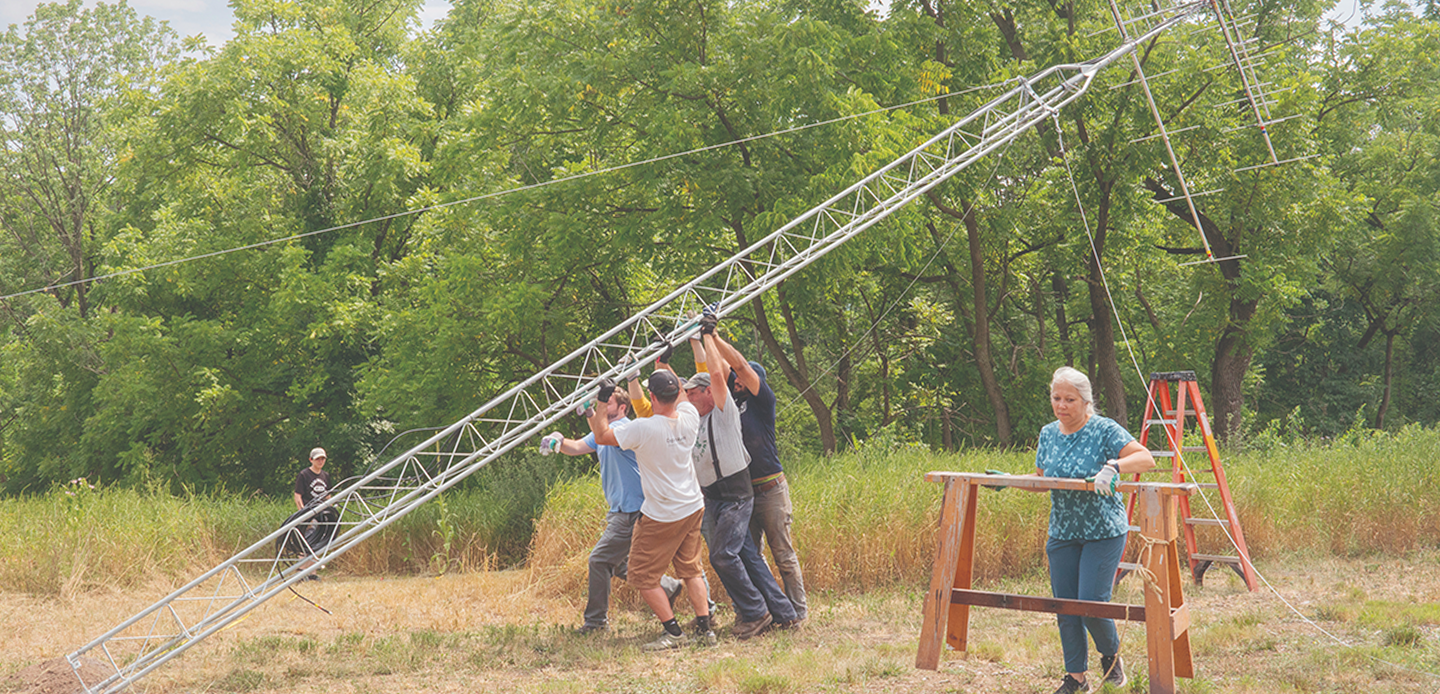
Audubon staff install a Motus tower at John James Audubon Center at Mill Grove, Pennsylvania.
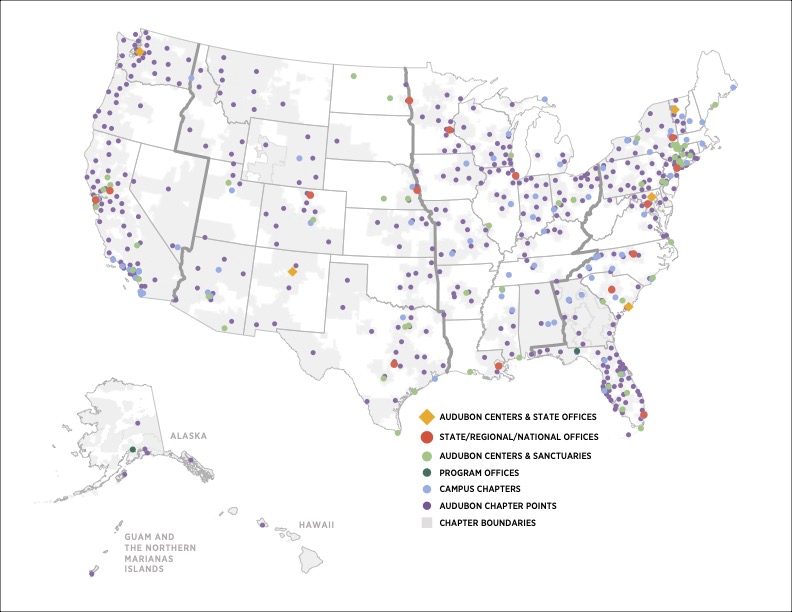
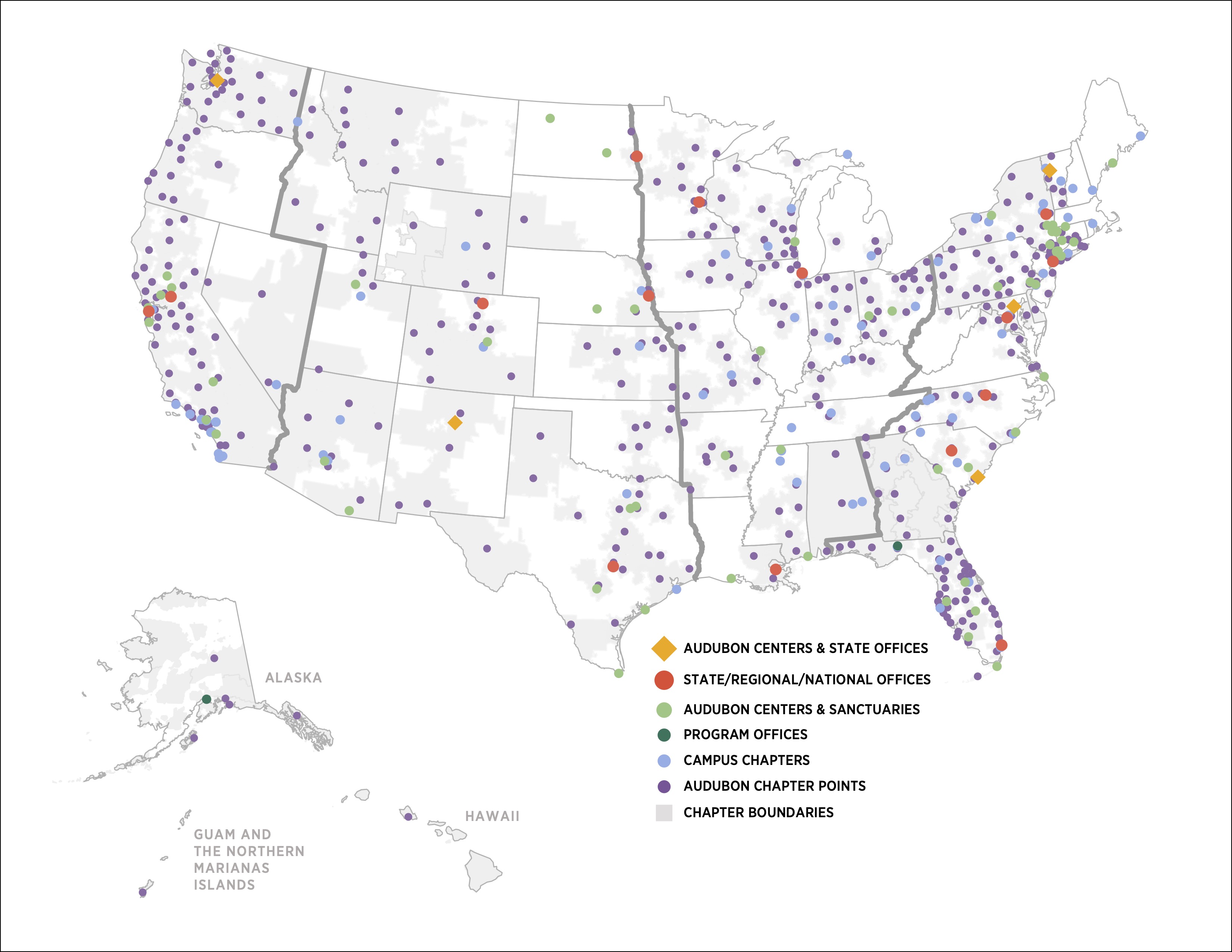
Audubon is forging hemispheric partnerships across Latin America, the Caribbean, and North America, ensuring we can protect birds year-round from sea to sea and pole to pole.
State & Regional Offices
15
Our state and regional offices encompass 31 states, linking our regional conservation and policy clout to the national stage.
centers
31
sanctuaries
29
These special places introduce visitors to the habitats we’re working to conserve and help engage blossoming birders and young conservationists.
campus chapters
92
Audubon is on dozens of college campuses, helping students become the next generation of conservationists.
chapters
415
Chapters fuel local conservation and advocacy across a wide range of communities and geographies.
Extending Our Reach, Maximizing Our Impact
Audubon’s conservation efforts begin at our offices, centers, and sanctuaries.
FINANCIALS
our offices, centers, and sanctuaries
Where we work now and our future priorities
SANDHILL CRANES
Leadership & Financials
Financial Statement
2024
$179.2 million
77% Contributions, grants, and bequests
9% Investment earnings, appropriated
7% Earned income and other revenue
where your giving goes
80% Conservation programs
15% Fundraising
5% Management and general
Leadership
With you flying alongside us, the future is brighter than ever.
Download the PDF
GREAT EGRET
COMMON LOON
ATLANTIC PUFFINS
RUBY-THROATED HUMMINGBIRDS
CONDENSED STATEMENT OF ACTIVITIES
YEAR ENDED JUNE 30, 2024 (DOLLARS IN THOUSANDS)
Condensed Statement of Activities
Contributions, grants, and bequests $ 138,530 Earned income and other revenue $ 12,903 Investment earnings, appropriated $ 15,532 TOTAL REVENUES, GAINS, AND OTHER SUPPORT $ 166,965 EXPENSES Conservation programs $ 143,056 Fundraising $ 26,674 Membership development $ 13,988 Other development $ 12,686 Management and general $ 94,90 TOTAL EXPENSES $ 179,220 RESULTS FROM OPERATIONS $ (12,255) Investment gain, not-appropriated, and other gains $ 12,489 Charitable trust additions and changes in value $ 5,142 Pension and post-retirement activity $ 220 CHANGE IN NET ASSETS $ 5,596 NET ASSETS AT BEGINNING OF YEAR $ 567,103 NET ASSETS AT END OF YEAR $ 572,699
REVENUES, GAINS, AND OTHER SUPPORT
CONDENSED STATEMENT OF FINANCIAL POSITION
June 30, 2024 (dollars in thousands)
Condensed Statement of Financial Position
ASSETS Cash and investments $ 367,517 Receivables (net) $ 42,647 Beneficial interest in charitable trusts (net) $ 42,540 Pension funded status $ 515 Right-of-use lease assets $ 9,800 Land, buildings, and equipment (net) $ 156,553 Other assets $ 4,132 TOTAL ASSETS $ 623,704 LIABILITIES AND NET ASSETS Accounts payable and accrued expenses $ 19,205 Deferred rent, tuition, and other liabilities $ 2,146 Funds held for others $ 8,240 Obligations under charitable trusts $ 7,666 Lease liabilities $ 13,673 Post-retirement benefit liability $ 75 TOTAL LIABILITIES $ 51,005 NET ASSETS $ 572,699 TOTAL LIABILITIES AND NET ASSETS $ 623,704
George Golumbeski Board Chair Kathryn D. Sullivan Vice-Chair Susan Orr Vice-Chair, Secretary Anne Beckett Rod Brown Shelly Cihan Johanna Fuentes Elizabeth Gray Kevin Harris Jessica Hellmann Pamela Hurtado Berger Steffanie Munguía Angel Ortiz Mamie A. Parker Theresa Pella Cynthia Pruett Diane Ross-Leech Lili Taylor Bernardo Vargas-Gibsone Anna Warwick Riggs
Board of Directors
Elizabeth Gray CEO Marco Carbone Chief Technology Officer Alan Feldenkris Chief Communications and Marketing Officer Marshall Johnson Chief Conservation Officer Lisette Martinez Peacock Chief Equity, Diversity, Inclusion, and Belonging Officer Ingrid Milne Chief Financial Officer Megan O’Hare Chief of Staff Maxine Griffin Somerville Chief People and Culture Officer Justin Stokes Deputy Chief Conservation Officer Allison Vogt Chief Strategy Integration Officer Chad Wilsey Chief Scientist Charlotte Young General Counsel
Executive Staff
Steve Abrahamson Danita Beck Wickwire Jennifer Bogo Tracy Boyd Kimberly Brand Levi Braslow Glynnis Breen Meaghan Calnan Jessica Dolan Eloiza Domingo Marci Eggers Neeta Hatley Julie Hill-Gabriel Shari Kolding Lauren Lawson John Mahoney Brian Moore Bess Moses Samantha Putt Del Pino Aurelio Ramos Sarah Rose Srabani Roy Felice Stadler Shikitta Tavares Jeff Wells
National Leadership
Trina Bayard Suzanne Biemiller Michael Burger Lisa Gonzalez Jonathan Hayes Rebecca Haynes Alison Holloran Andrea Jones David Krause Michelle Parker Rob Schultz Curtis Smalling Kristal Stoner Julie Wraithmell
State Leadership
Donate
Take Action
HOVER FOR PHOTO/VIDEO CREDITS
From top, left to right 2024 Report: Steve Chu; Jair F. Coll; Johnny C.Y. Lam; Meg Calnan/Audubon; Neal Parekh/Audubon Photography Awards; Mike Fernandez/Audubon; David Gysel Lenk; Jesse Gordon/Audubon Photography Awards. Habitat: Evan Barrientos/Audubon Rockies; Nikunj Patel/Audubon Photography Awards; Sydney Walsh/Audubon; Sebastian Herzog; Ellen Schmidt. Climate: Mike Fernandez/Audubon; Sydney Walsh/Audubon; Lauren Owens Lambert; Gerrit Vyn. Policy: Mike Fernandez/Audubon; Sydney Walsh/Audubon (2); Mike Fernandez/Audubon. Community: Mike Fernandez/Audubon; Jair F. Coll; Matt Johnson/Audubon South Carolina; Mike Fernandez/Audubon (2); Sydney Walsh/Audubon; Mike Fernandez/Audubon. Workplace: Sydney Walsh/Audubon (4). Reach & Impact: Luke Franke/Audubon; Max Weakley/ Audubon Photography Awards. Financials: Tara Tanaka; Feng Qiao/Audubon Photography Awards; Preeti Desai/Audubon; Julia Willmann/Audubon Photography Awards. Maps: Julie Rossman/Audubon.
HOW OUR WORK IS FUNDED
7% Raised in prior years for conservation