SANDHILL CRANES
Where Hope Takes Flight
With wings outstretched, we’re rising to meet the moment.
ANNUAL REPORT 2025
FROM OUR CHIEF EXECUTIVE OFFICER
I first came to birds as a scientist. I was fascinated by the way their movements trace invisible connections across continents, and how their presence or absence reveals the health of the world around us. Birds are sentinels. When their numbers fall or their songs fade, it signals that something much larger is at risk: clean air, clean water, healthy land, and ultimately, the well-being of our communities. I have come to see birds as teachers of hope and resilience. I still remember the first time I saw a Bald Eagle circle overhead, a sight that would have been rare when I was growing up. In that moment, I felt what so many of us who work in conservation understand: When people act, nature can recover. Science shows us the way forward, and hope keeps us moving toward it. At Audubon, we follow birds because they show us where nature is thriving and where it needs our help. Their migrations stretch from the Arctic to the Andes, traversing coasts, grasslands, wetlands, and forests—and linking the people whose lives are connected to those landscapes. Birds know no borders, and neither does our commitment. This is the idea behind Flight Plan, Audubon’s strategy to accelerate conservation throughout the hemisphere. It gives shape to our work and direction to our ambition. At its core is our guiding star to bend the bird curve—to halt and ultimately reverse the decline of birds across the Americas. Grounded in science and strengthened by partnership, it drives us to meet the challenges before us and to turn possibility into measurable progress. This is a time that calls for courage and optimism. The pressures facing the natural world are immense, but so is the determination of those who care about it. For 120 years, Audubon has brought people together through science, trust, and a shared belief that change is possible. That same belief continues to guide us today. Audubon is a conservation organization powered by birds and by people like you. Your support makes this work possible and keeps the promise of recovery alive. Together, we are ensuring that future generations will look to the skies and see a world in full flight.
Soaring Toward a Shared Vision
CHIEF EXECUTIVE OFFICER
Dr. Elizabeth Gray
“Together, we are ensuring that future generations will look to the skies and see a world in full flight.”
will look to the skies and see a world in full flight.”
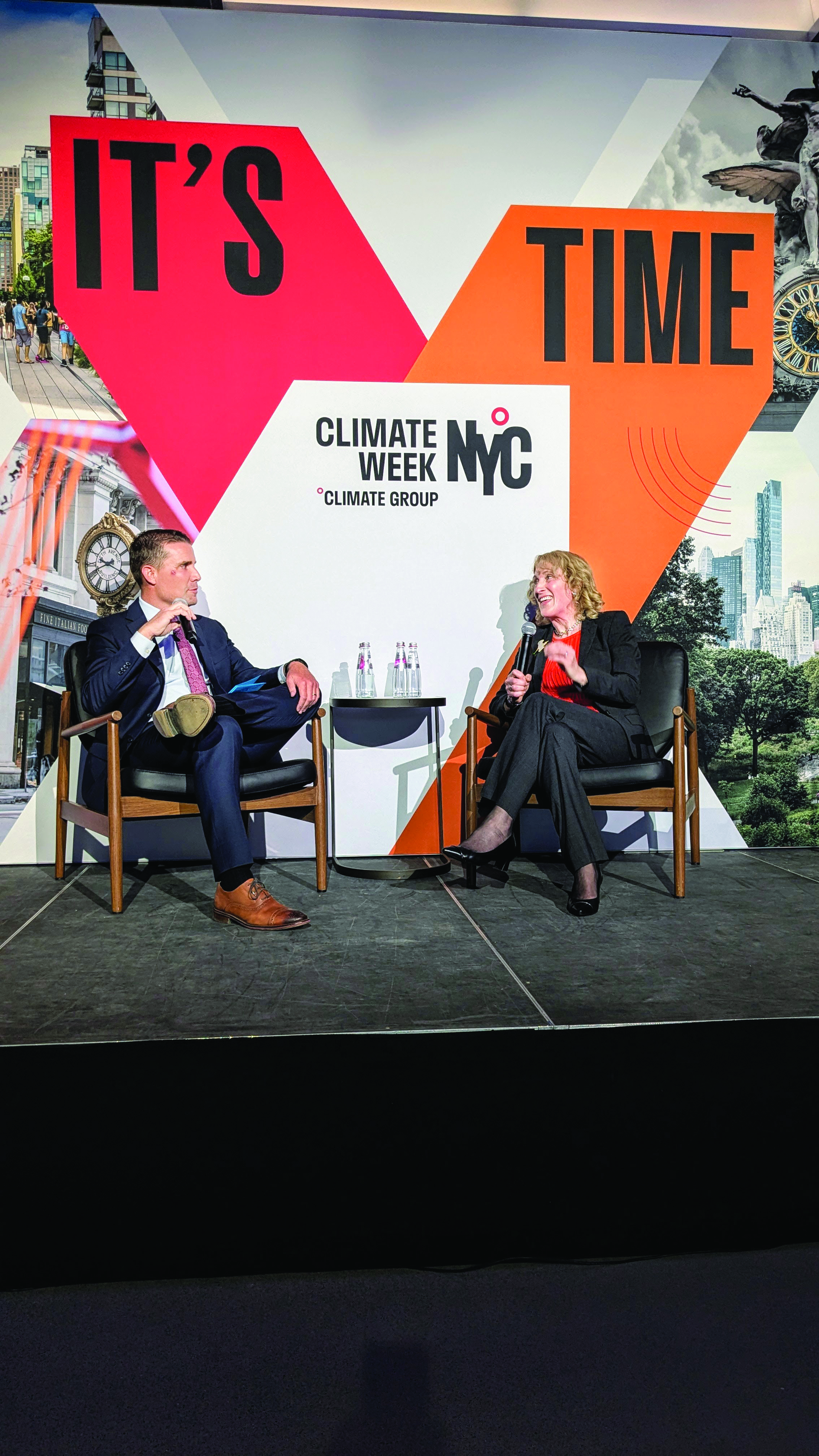
During Climate Week NYC 2024, Audubon led and participated in discussions that emphasized a science-based approach to solving the interconnected challenges of climate change and biodiversity loss. Dr. Gray spoke with leaders from government and industry about how to ensure the Inflation Reduction Act would continue to serve as an important catalyst for climate action.
NEW YORK CITY
Taking the Stage on Behalf of Birds at Climate Week
Habitat Conservation
We expanded our conservation efforts throughout the hemisphere, protecting and restoring essential habitat in places such as Great Salt Lake, North America’s boreal forest, and Cauca Valley, Colombia.
Climate Action
To mitigate climate change, we worked to transform how energy is produced and transmitted, helping bring to fruition renewable energy projects that are capable of powering 30 million homes.
Policy Leadership
We advanced the largest expansion of the Coastal Barrier Resources System in decades through legislation that will protect habitat for birds like Red Knots, American Oystercatchers, and Piping Plovers.
Community Building
Through initiatives like our biannual Leadership Conference and The Birdsong Project, we inspired people of all ages to gather together and take action in support of Audubon’s mission.
Here are a few examples of the progress we made toward achieving our key milestones during Flight Plan’s first year:
HABITAT CONSERVATION
NEXT
Conserve 300 million acres of connected, climate-resilient bird habitat
Audubon’s 2028 Milestones:
Pass Audubon’s Healthy Birds, Healthy Planet policy agenda
POLICY LEADERSHIP
Support the generation of 100 gigawatts of renewable energy Store 30 billion tons of carbon in conserved lands
CLIMATE ACTION
Double Audubon’s membership and inspire new constituents and coalitions to help advance our conservation efforts
COMMUNITY BUILDING
Flight Plan
Audubon’s Flight Plan is focused on halting, and ultimately reversing, the decline of birds across the Americas, because the health of birds reflects the health of our planet. Five conservation milestones measure our progress toward that ambitious vision.
Read more about Flight Plan
Introduction
Habitat
Climate
Policy
Community
Workplace Excellence
Reach & Impact
Financials
Roseate Spoonbills and White Ibis in Everglades National Park, Florida.
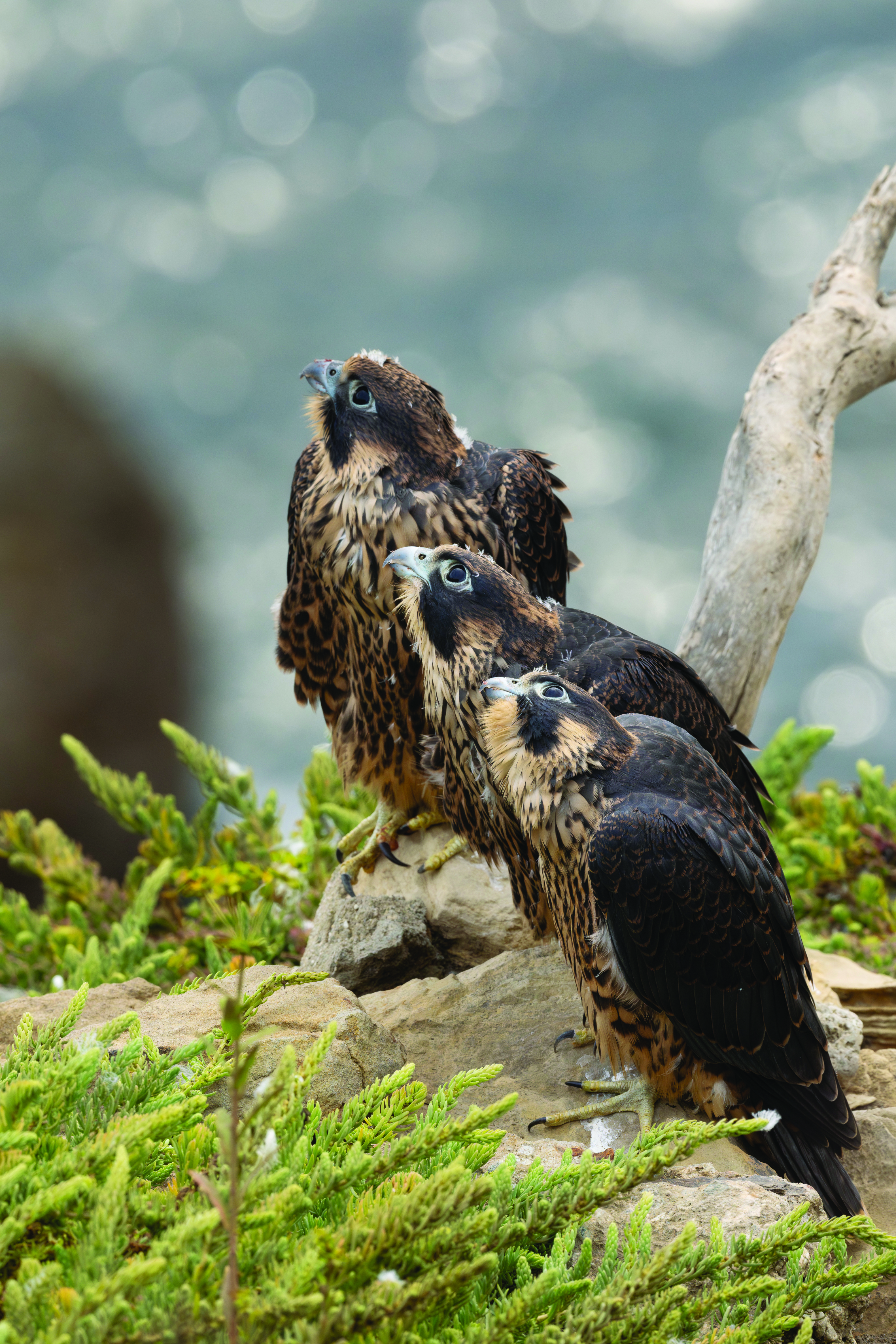
PEREGRINE FALCONS
SCARLET TANAGER
LESSER YELLOWLEGS
FROM OUR CHIEF CONSERVATION OFFICER
arms, united by a common purpose to protect and restore the places that matter most—for communities and for birds.”
“The story of Flight Plan is one of people linking
When I reflect on all that has been accomplished during the first two years of Flight Plan, I am filled with immense optimism for what we are building together. I joined Audubon over 16 years ago. Back then, it was hard to imagine the scale of impact our organization would have today across the hemisphere. From Alaska to Panama and Maine to Colombia, the boots we have put on the ground, the landscapes we have helped protect and restore, and the communities we have stood beside are a testament to what’s possible when we act together for birds and people. The transformation we have experienced—the creativity, collaboration, and resolve driving this moment—has been extraordinary. To me, the story of Flight Plan is one of people linking arms, united by a common purpose to protect and restore the ecosystems that matter most—for communities and for birds. It’s about what happens when people come together across geographies and cultures to safeguard landscapes that sustain life, nurture biodiversity, and store the natural wealth essential to our shared climate future. The story of Flight Plan is also the story of birds like the Lesser Yellowlegs. Audubon has long worked to protect them along their migratory path across the United States. But today, for the first time in our history, we are able to protect them across their full journey—from their breeding grounds in the boreal forests of Canada and Alaska to their wintering grounds throughout South America. This is hemispheric conservation in action. The progress we have made toward our Flight Plan goals is inspiring. But this is also just the beginning. Our expanded work is delivering far more than conservation wins for birds—it is advancing coastal resiliency, improving access to clean water, strengthening carbon storage, and driving economic development in communities across the hemisphere. We have both the opportunity and responsibility to build on this momentum—working together at an even greater scale to bend the bird curve. And with the strength of this movement, I know we can.
A Story of Progress and Promise
CHIEF CONSERVATION OFFICER
Marshall Johnson
2024 Report
Double membership and create a powerful coalition of supporters to take conservation action
Conserve 300 million acres of connected, climate- resilient habitat
MILESTONE
PROGRESS
80 million acres conserved >150 million acres in progress
49.2 gigawatts ACCELERATED capacity or transmission
6.1 billion tons SToRED 14.1 billion tons in progress
110 policies adopted 212 policies ADVANCED (IN Progress)
>2 million people engaged
—DR. ELIZABETH GRAY, CHIEF EXECUTIVE OFFICER
“The story of Flight Plan is one of people linking arms, united by a common purpose to protect and restore the places that matter most—for communities and for birds.”
—MARSHALL JOHNSON, CHIEF CONSERVATION OFFICER
By creating a vast network of conserved lands and waters across the Americas, Audubon helps provide safe passage and a healthy home for birds and people.
ANNUAL REPORT
BACK
“From restoring habitat to developing climate strategies,
everything Audubon does is supported by science. As a scientist, I am proud to support Audubon’s work.”
A historic milestone was achieved in July with the declaration of the Loma Santa Indigenous Conservation Area in Bolivia, which spans nearly 500,000 acres, shelters 250 bird species, and safeguards the cultural heritage of five Indigenous groups. It is the largest protected area established to date through Conserva Aves, a partnership led by Audubon, American Bird Conservancy, BirdLife International, Birds Canada, and the Latin American and Caribbean Network of Environmental Funds (RedLAC). Conserva Aves connected and conserved more than 660,000 acres in 2025 alone.
acres in the Bolivian Amazon protected
500,000
Bolivia
—DR. GORDON H. ORIANS, CANOPY MEMBER, FORMER AUDUBON WASHINGTON ADVISORY BOARD MEMBER, AND elected MEMBER OF THE NATIONAL ACADEMY OF SCIENCES
Protections that Span the Hemisphere
Maryland
A Blueprint for Coastal Conservation
Maryland’s salt marsh landscape is declining at an alarming rate, with significant impacts to fish, shellfish, birds, and local communities—a crisis with parallels in many coastal areas.
READ MORE
Texas
In 2025, Audubon’s coastal programs in Texas protected 175 coastal rookery islands across the Gulf Coast—critical havens for more than 60,000 breeding pairs of waterbirds from 27 species. Audubon’s conservation efforts in the Gulf Coast deliver measurable benefits for birds and local communities.
Florida
Accelerating Restoration in the Everglades
acres in Florida protected
200,000
Audubon protected nearly 200,000 acres in Florida this year, including more than 60,000 acres of the Greater Everglades Ecosystem. As a culmination of Audubon’s research on long-term changes at Corkscrew Swamp Sanctuary, the South Florida Water Management District launched a three-year restoration planning effort. The publicly funded Corkscrew Watershed Initiative is anticipated to drive more than $2 billion toward restoration projects across more than 640,000 acres—with Corkscrew Swamp Sanctuary at its heart.
SALTMARSH SPARROW
LOMA SANTA INDIGENOUS CONSERVATION AREA
AMERICAN WHITE PELICANS AND CORMORANTS
ONTARIO
Maryland’s salt marsh landscape is declining at an alarming rate, with significant impacts to fish, shellfish, birds, and local communities—a crisis with parallels in many coastal areas. To counter it, Audubon collaborated with local partners and public agencies to launch the Marshes for Tomorrow project. The project has identified 29,000 priority acres of saltmarsh for protection and restoration, plus secured a $13.2 million grant from the Maryland Department of Natural Resources to help advance projects that will support this habitat. These efforts will not only help protect vulnerable species like the Saltmarsh Sparrow, but also bolster the economies and resilience of coastal communities that rely on activities such as agriculture, tourism, and fishing.
CLOSE
Critical Islands of Support for Birds and People
COLOMBIA
In 2025, Audubon’s coastal programs in Texas protected 175 coastal rookery islands across the Gulf Coast—-critical havens for more than 60,000 breeding pairs of waterbirds from 27 species. Audubon’s conservation efforts in the Gulf Coast deliver measurable benefits for birds and local communities—supporting biodiversity and protecting natural systems that buffer storms and store carbon for a more resilient Texas coast. Through island ownership, long-term leases, collaborative partnerships, and proactive stewardship actions, we are minimizing human disturbance and helping to ensure safe nesting conditions in this hemispherically significant ecosystem that anchors the Central Flyway.
2028 Milestone: Conserve 300 million acres of connected, climate-resilient bird habitat
“From restoring habitat to developing climate strategies, everything Audubon does is supported by science. As a scientist, I am proud to support Audubon’s work.”
Coastal Program Manager Hen Bellman (left) with resource agency staff at the Rum Pointe Marsh Restoration site in Berlin, Maryland
Loma Santa Indigenous Conservation Area, Bolivia
To tackle the unprecedented threat of climate change, Audubon is pursuing a swift, responsible expansion of renewable energy along with protecting ecosystems that provide habitat and sequester carbon.
Rich in biodiversity and adaptable, mangrove habitats have long been an essential feature of coastal communities throughout the tropics. Financed by the UK Blue Carbon Fund through the Inter-American Development Bank, and implemented by Audubon and the Panama Audubon Society, the Blue Natural Heritage project has assessed the ability of mangroves in Panama’s Bay of Panama and Parita Bay to slow climate change, finding that over the next century they are projected to store and capture 26.6 million tons of CO₂. This would yield $155 million annually in economic benefits while stabilizing coastlines and mitigating the effects of sea-level rise—making the case for restoring and safeguarding mangrove ecosystems across the globe.
tons of CO2 projected to be sequestered in Panamanian mangroves
26.6 million
NATIONWIDE
A Natural Case for Carbon Storage
NYC
Leading the Climate Conversation
Audubon took center stage at Climate Week NYC in September, bringing thought leadership grounded in robust science. Our experts presented a new framework for identifying areas where conservation can address climate change while benefiting birds and people and highlighted Audubon Conservation Ranching as a model for natural climate solutions with significant ecological and economic gains. A billboard featuring an 80-foot-tall hummingbird in nearby Times Square, meanwhile, caught the attention of tens of thousands of passersby, shining a spotlight on the critical role birds play as indicators of climate change.
ALASKA
Shaping the Future of Offshore Wind
In January 2025, Audubon released its Birds and Offshore Wind report, which outlines a science-based path to environmentally responsible energy development amid a changing climate. The report examined both the unique role and advantages of offshore wind relative to other energy sources and strategies to reduce potential risks posed by the technology. In California, Audubon supported the allocation of nearly $240 million from the state’s Climate Bond for port upgrades ahead of the implementation of offshore wind infrastructure. These upgrades include commitments to reduce emissions at ports—and will lay the groundwork for an additional 4.5 gigawatts of offshore wind energy in the California grid.
Birds & Transmission Report
Offshore Wind Report
Mangrove planting in Parita Bay, Panama.
Wind Turbines off the coast of Rhode Island.
In January 2025, Audubon released its Birds and Offshore Wind report, which outlines a science-based path to environmentally responsible energy development amid a changing climate. The report examined both the unique role and advantages of offshore wind relative to other energy sources and strategies to reduce potential risks posed by the technology.
MID-ATLANTIC
2028 Milestone: Support the generation of 100 gigawatts of renewable energy Store 30 billion tons of carbon in conserved lands
A Win-Win Approach to Advancing Renewable Energy
In Wisconsin, Audubon worked closely with a renewable energy developer to ensure that plans for the state’s largest solar energy project—a 9,500-acre installation capable of producing 1.3 gigawatts, or enough energy to power nearly 1 million homes—could proceed in a way that aligned with state and federal conservation goals. Doral Renewables agreed to implement an approach to its proposed Vista Sands Solar Farm that would help create connected habitats for species like the Greater Prairie Chicken, and it dedicated $2.1 million to fund Wisconsin’s Greater Prairie Chicken Restoration Plan. Together these commitments cleared the path for the project’s approval, and the process established a gold standard for collaboratively advancing climate solutions.
“Audubon isn’t just sounding the alarm on climate change. They’re taking real steps to promote renewable energy and natural climate solutions as a way to protect birds and the places they need.”
—DOUG SANTONI, GRINNELL LEGACY SOCIETY MEMBER AND FORMER ADVISORY BOARD CHAIR, AUDUBON WASHINGTON
GREATER PRAIRIE-CHICKEN
Parita Bay, Panama
Brooke Bateman, Audubon's Senior Director, Climate and Community Science.
To meet the scale of today’s challenges, Audubon continues its long tradition of working across the political spectrum to advance and fund conservation.
North America
Taking Action on Behalf of Birds
Audubon mobilized our members to show support for the Bird Banding Lab and the North American Breeding Bird Survey, which have quietly powered conservation in the United States and Canada for decades.
Minnesota
Essential Conservation Resources
Since 1988, Minnesota’s Environment and Natural Resources Trust Fund has provided more than $1 billion for conservation efforts, including habitat protection, environmental research, and clean water initiatives.
To help secure $16 billion for agricultural conservation programs, Audubon brought farmers and ranchers from seven states to Washington, D.C., where they met with 38 congressional offices. In an example of diplomacy in action, these landowners delivered a powerful and unified message: Conservation works, and these programs make it possible and profitable to continue their heritage of ranching on their land. In July, programs key to improving habitat, access, and soil and water quality on private lands received renewed funding.
for conservation programs in the Farm Bill
$16 billion
Washington, D.C.
Voices for Working Lands
HEMISPHERE-WIDE
Audubon mobilized our members to show support for the Bird Banding Lab and the North American Breeding Bird Survey, which have quietly powered conservation in the United States and Canada for decades—providing data that reveal the health of the natural world, underpin environmental decisions, and help track progress toward conservation goals. In partnership with Ducks Unlimited, the American Bird Conservancy, and the Association of Fish & Wildlife Agencies, Audubon held a State of the Birds policy briefing with 30 House and Senate staff members of both parties to explain the importance of these programs. Nearly 24,000 community members submitted over 81,000 messages to elected officials urging them to preserve the programs’ funding.
Since 1988, Minnesota’s Environment and Natural Resources Trust Fund has provided more than $1 billion for conservation efforts, including habitat protection, environmental research, and clean water initiatives. Audubon collaborated with legislators, tribal communities, and Black-led, Latino, and Hmong organizations to mobilize voters and build support for its renewal. Voters overwhelmingly approved the fund’s reauthorization for another 25 years—this time with a community grants program to benefit smaller organizations. The fund, which is financed by the Minnesota State Lottery, is projected to raise another $2 billion by 2050, serving as a model for how Audubon scales impact through public funding.
Signing celebration with Minnesota Governor Tim Walz for legislation reauthorizing the state’s Environment and Natural Resources Trust Fund.
Northern Cardinal at the USGS Bird Banding Lab station.
Audubon staff join farmers and ranchers from across the country at the U.S. Capitol in Washington, D.C.
2028 Milestone: Pass Audubon’s Healthy Birds, Healthy Planet policy agenda
Maisa Rojas (right), Chile’s Minister of the Environment, and Marci Eggers, Audubon’s Vice President for Latin America and the Caribbean, present the seabird conservation action plan at La Isla Ecological Park in Concón, Chile.
Working in partnership with Chile’s Ministry of the Environment, Audubon has played a central role in shaping and implementing the country’s National Bird Conservation Strategy. In October 2025, Chile launched its first-ever Action Plan for the Conservation of Seabirds, a nationwide effort that complements Audubon’s ongoing habitat conservation in the country. Developed in collaboration with Audubon and more than 20 NGOs, academic institutions, and civil society organizations, the plan will help implement sustainable practices, strengthen conservation alliances, and empower community members to take an active role in the conservation of seabird habitats.
A Promising Plan for Seabirds in Chile
“When I served in Congress, I worked hard to conserve places like the Everglades and the Gulf. Audubon was one of my most reliable partners.”
—Hon. Francis Rooney
Farmers and ranchers from across the country, joined by Audubon staff, gathered in Washington, D.C. for the Audubon Farm Bill Fly-In to meet with members of Congress.
Audubon mobilized our members to show support for the Bird Banding Lab and the North American Breeding Bird Survey, which have quietly powered conservation in the United States and Canada for decades—providing data that reveal the health of the natural world, underpin environmental decisions, and help track progress toward conservation goals.
Bobcat Ranch is a 6,800-acre working cattle ranch dedicated to conserving blue oak woodlands, supporting grassland birds, and demonstrating the Audubon Conservation Ranching program.
Audubon is achieving our ambitious Flight Plan goals by building a best-in-class operation where staff, volunteers, and collaborators can thrive.
Birds teach us to approach conservation holistically, with a deep appreciation for the interconnections that span human -boundaries. That’s why raising our sights—and our impact—at hemispheric scale is central to our conservation goals. When we launched Flight Plan, Audubon was working in six countries outside of the United States; today, we are doing meaningful work in 11 countries across the hemisphere. Growing our flock across borders supports our efforts to engage community leaders and opens new channels of public and private funding, allowing us to make an even greater impact for birds, people, and the planet.
countries across the Americas
11
countries
Impact at a Hemispheric Scale
“One of the most exciting dimensions of Flight Plan is its
ability to unify Audubon around a set of shared goals that define not only what we do, but how we work together.”
—ALLISON VOGT, CHIEF STRATEGY INTEGRATION OFFICER
REACH & IMPACT
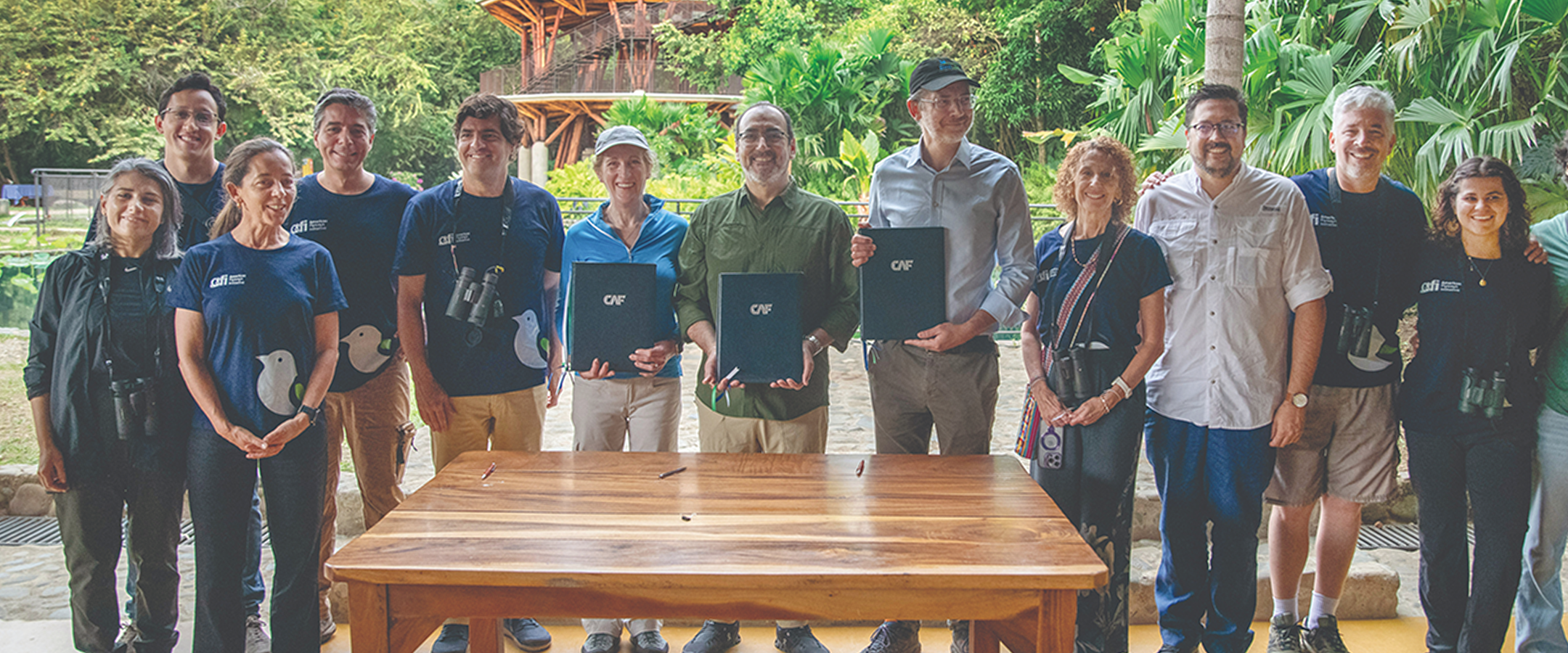
Audubon staff with partners Fundación Cosmos and CAF at Humedal del Río Maipo Natural Sanctuary in Santo Domingo, Chile
Trevin Baker, Stephanie Thorassie, and Sandy Clipping receive an award from Audubon’s Elizabeth Gray and Marshall Johnson.
Clockwise from top left: Staff engaged in education and conservation in Arizona, Florida, Louisiana, and Missouri.
Over recent years we have made a concerted effort to cultivate a top-tier workplace. That strategy is bearing fruit: In 2025, our compensation, benefits, and paid time off programs meet or exceed those offered by our peers. We are proud to have dedicated team members who recognize the vital importance of our mission, as well as our commitment to a culture of learning. This past year our learning and development initiatives resulted in 975 staff (including seasonal employees) engaging in a total of nearly 8,000 learning hours, marking an 88 percent year-over-year increase.
A Mission-Driven Employer of Choice
“I’ve held several positions during my eleven years with Audubon. At every step, I’ve been connected with prominent leaders who helped mentor and guide me. I hope to embody that generosity for my team.”
—DANIEL SUAREZ, AUDUBON GREAT LAKES
To protect birds and safeguard the health of our environment, Audubon must work seamlessly across the length and breadth of the hemisphere.
One Flock, Many Feathers
To protect birds and safeguard the health of our environment, Audubon must work seamlessly across the length and breadth of the hemisphere. By providing cross-cultural learning and skills development, we help to ensure that Audubon staff can collaborate and communicate effectively with their peers from different language and cultural traditions. This year, we expanded our cultural competency training and launched a new translation service that makes our reports and publications accessible to all of our audiences. Audubon embraces opportunities to learn from and share with one another as we pursue a collective goal: a healthy planet for birds and people.
Audubon has collaborated for several years with the Seal River Watershed Alliance, an effort led by four First Nations to designate the 12-million-acre Seal River Watershed in Northern Manitoba as an Indigenous Protected and Conserved Area.
Celebrated Collaborations
Audubon has collaborated for several years with the Seal River Watershed Alliance, an effort led by four First Nations to designate the 12-million-acre Seal River Watershed in Northern Manitoba as an Indigenous Protected and Conserved Area. This summer, members of the alliance were featured attendees at the Audubon Leadership Conference in Montreal, Quebec, where they were recognized with the 2025 Hemispheric Conservation award. Audubon proudly supports this Indigenous-led work by providing resources, assisting with acoustic bird monitoring, and helping to showcase the region’s global importance for both bird habitat and carbon sequestration at events like the 2025 World Conservation Congress in Abu Dhabi.
By expanding and engaging our community of conservationists, Audubon works seamlessly across the hemisphere to create transformative change.
Motus Operandi
Audubon supports more than 65 Motus stations that track radio-tagged birds throughout their migrations. This year, Audubon staff installed a Motus tower at Claflin University—the oldest historically Black college and university in South Carolina and home to an Audubon on Campus chapter. New towers also went up at Audubon centers in Florida, New Mexico, and North Carolina. Data collected by the Motus network populates the Bird Migration Explorer, which reveals the annual journeys of hundreds of species and the critical habitats in need of protection along the way.
Barranquilla, Colombia
Ecotourism to Enrich an Estuary
In August, the Ciénaga de Mallorquín Ecopark in Barranquilla, Colombia, inaugurated its first educational bird gallery, made possible with support from Audubon. The series of 50 informational plaques highlights the ecological richness of the wetland area, which is home to more than 150 bird species, and promotes environmental -education and conservation among its more than 300,000 annual visitors. The Ecopark—a “sister center” to the Audubon Center & Sanctuary at Francis Beidler Forest in South Carolina—also provides economic benefits to community members, who work as docents and operate local businesses.
north america
Record-Setting Community Science
For four days in February, more than 800,000 people from around the world venture into the woods, fields, wetlands, and backyards of their communities to record the birds they see and hear for the Great Backyard Bird Count—a tally that this year reached 8,078 species. Since its founding in 1998, the Great Backyard Bird Count has helped Audubon, the Cornell Lab of Ornithology, and Birds Canada to track long-term changes in bird populations by capturing a clear snapshot just before they migrate. It has grown to become the world’s largest biodiversity-related community science effort.
florida
Preparing Future Conservationists
Audubon supports budding conservationists with a constellation of programs, from early-education activities at Audubon centers to campus chapters and professional fellowships within our organization. These programs often lead to rewarding careers in conservation. For example, Brian Cammarano first got to know Audubon through our Conservation Leadership Initiative in Florida, a unique co-mentoring program that connects college students with experienced chapter leaders. Brian went on to start a new campus chapter at the University of Central Florida, then joined Project Puffin in Maine before returning to Florida as a senior coordinator. Today he manages coastal stewardship along the Panhandle and mentors others just as he was once mentored.
COLORADO
Celebrating a Summer of Birds
In July, hundreds of birders and nature lovers came together to celebrate the Aspen Summer of Birds.
“Audubon’s ability to engage the public in community
science is transforming our knowledge of landscape-scale conservation while helping to build an informed and empowered populace who will carry this critical work forward.”
—MAGGIE WALKER, FORMER NATIONAL BOARD CHAIR
The Audubon Mural Project is a public-art initiative that beautifies urban spaces while introducing new audiences to climate-threatened birds. For artist George Boorujy, the 963-foot stretch of wall in Brooklyn’s Red Hook Park called to mind the distances traversed by migrating birds. “I wanted to use the length of this site to show the length of these migration journeys,” says Boorujy, who completed this work, Migratory Pathways, in June.
MURALS
121
BIRD SPECIES
196
NEW YORK
Inspiring Art
AUDUBON MURAL PROJECT
WORKPLACE EXCELLENCE
Audubon supports more than 65 Motus stations that track radio-tagged birds throughout their migrations. This year, Audubon staff installed a Motus tower at Claflin University—the oldest historically Black college and university in South Carolina and home to an Audubon on Campus chapter.
nationwide
WATCH THE VIDEO
In July, hundreds of birders and nature lovers came together to celebrate the Aspen Summer of Birds. The event was jointly presented by Audubon and The Birdsong Project in collaboration with a range of local arts and environmental organizations. The Birdsong Project fueled several events like this over the course of the year, celebrating the power of art and music to drive conservation action for birds and communities through bird walks, performances, educational talks, and more.
Watch the Video on Youtube
2028 Milestone: Double Audubon’s membership and inspire new constituents and coalitions to help advance our conservation efforts
“Audubon’s ability to engage the public in community science is transforming our knowledge of landscape-scale conservation while helping to build an informed and empowered populace who will carry this critical work forward.”
—Laureen Ong, Canopy Member
Audubon Mural Project takes shape in New York City's community gardens.
In August, the Ciénaga de Mallorquín Ecopark in Barranquilla, Colombia, inaugurated its first educational bird gallery, made possible with support from Audubon. The series of 50 informational plaques highlights the ecological richness of the wetland area, which is home to more than 150 bird species.
Audubon supports budding conservationists with a constellation of programs, from early-education activities at Audubon centers to campus chapters and professional fellowships within our organization. These programs often lead to rewarding careers in conservation.
For four days in February, more than 800,000 people from around the world venture into the woods, fields, wetlands, and backyards of their communities to record the birds they see and hear for the Great Backyard Bird Count.
A local student showing bird gallery signage to Mayor Alejandro Char at the Ciénaga de Mallorquin Ecopark in Barranquilla, Colombia
Brian Cammarano
2025 Great Backyard Bird Count in Mexico
Audubon is forging partnerships across Latin America, the Caribbean, and North America, ensuring we can protect birds year-round from sea to sea and pole to pole.
State & Regional Offices
15
Our state and regional offices encompass 31 states, linking our regional conservation and policy clout to the national stage.
centers
32
sanctuaries
29
These special places introduce visitors to the habitats we’re working to protect and engage people of all ages in conservation.
campus chapters
100
Audubon is training college students to become the next generation of conservation leaders.
chapters
400+
Chapters fuel local conservation and public policy engagement across a wide range of communities and geographies.
Extending Our Reach, Maximizing Our Impact
Audubon’s efforts benefit birds and people from Chile to the Arctic.
FINANCIALS
our offices, centers, and sanctuaries
Priority Conservation Landscapes
PROTHONOTARY WARBLER
Chapters fuel local conservation and advocacy across a wide range of communities and geographies.
TK MAPS
Leadership & Financials
Financial Statement
2025
$206.2 million
84% Contributions, grants, and bequests
9% Investment earnings, appropriated
7% Earned income and other revenue
where your giving goes
$203.7 million
80% Conservation programs
15% Fundraising
5% Management and general
Leadership
Thank you for always lifting us up.
Download the PDF
RED-WINGED BLACKBIRD
INDIGO BUNTING
AMERICAN AVOCETS
WHITE-TAILED KITE
CONDENSED STATEMENT OF ACTIVITIES
YEAR ENDED JUNE 30, 2025 (DOLLARS IN THOUSANDS)
Condensed Statement of Activities
Contributions, grants, and bequests $ 173,628 Earned income and other revenue $ 14,851 Investment earnings, appropriated $ 14,851 TOTAL REVENUES, GAINS, AND OTHER SUPPORT $ 206,171 EXPENSES Conservation programs $ 163,003 Fundraising $ 30,193 Membership development $ 16,051 Other development $ 14,142 Management and general $ 10,529 TOTAL EXPENSES $ 203,725 RESULTS FROM OPERATIONS $ 2,446 Investment gain, not-appropriated, and other gains $ 13,118 Charitable trust additions and changes in value $ 4,627 Pension and post-retirement activity $ (825) CHANGE IN NET ASSETS $ 19,366 NET ASSETS AT BEGINNING OF YEAR $ 572,699 NET ASSETS AT END OF YEAR $ 592,065
REVENUES, GAINS, AND OTHER SUPPORT
CONDENSED STATEMENT OF FINANCIAL POSITION
June 30, 2025 (dollars in thousands)
Condensed Statement of Financial Position
ASSETS Cash and investments $ 351,903 Receivables (net) $ 71,071 Beneficial interest in charitable trusts (net) $ 45,353 Right-of-use lease assets $ 7,630 Land, buildings, and equipment (net) $ 162,662 Other assets $ 4,363 TOTAL ASSETS $ 642,982 LIABILITIES AND NET ASSETS Accounts payable and accrued expenses $ 20,688 Deferred rent, tuition, and other liabilities $ 2,163 Funds held for others $ 9,280 Obligations under charitable trusts $ 7,623 Lease liabilities $ 10,914 Post-retirement benefit liability $ 249 TOTAL LIABILITIES $ 50,917 NET ASSETS $ 592,065 TOTAL LIABILITIES AND NET ASSETS $ 592,065
George Golumbeski Board Chair Kathryn D. Sullivan Vice-Chair Susan Orr Vice-Chair, Secretary Anne Beckett Rod Brown Shelly Cihan Mark Collins Johanna Fuentes Elizabeth Gray Kevin Harris Jessica Hellmann Pamela Hurtado Berger Steffanie Munguía Angel Ortiz Mamie A. Parker Theresa Pella Cynthia Pruett Diane Ross-Leech Lili Taylor Bernardo Vargas-Gibsone Anna Warwick Riggs
Board of Directors
Elizabeth Gray CEO Shabina Bahl Chief Development Officer Marco Carbone Chief Technology Officer Alan Feldenkris Chief Communications and Marketing Officer Marshall Johnson Chief Conservation Officer Lisette Martinez Peacock Chief Equity, Diversity, Inclusion, and Belonging Officer Ingrid Milne Chief Financial Officer Megan O’Hare Chief of Staff Maxine Griffin Somerville Chief People and Culture Officer Justin Stokes Deputy Chief Conservation Officer Allison Vogt Chief Strategy Integration Officer Chad Wilsey Chief Scientist Charlotte Young General Counsel
Executive Staff
Steve Abrahamson Joel Beauvais Suzanne Biemiller Jennifer Bogo Tracy Boyd Kimberly Brand Levi Braslow Glynnis Breen Michael Burger Meaghan Calnan Samantha Putt del Pino Christine Dragisic Jessica Dolan Eloiza Domingo Marci Eggers Jamey Fidel Lisa Gonzalez Neeta Hatley Jonathan Hayes Rebecca Haynes Julie Hill-Gabriel Alison Holloran Andrea Jones Amanda Kaplan Robert Kenny Shari Kolding David Krause Lauren Lawson John Mahoney Brian Moore Bess Moses
Trina Bayard Suzanne Biemiller Michael Burger Lisa Gonzalez Jonathan Hayes Rebecca Haynes Alison Holloran Andrea Jones David Krause Michelle Parker Rob Schultz Curtis Smalling Kristal Stoner Julie Wraithmell
State Leadership
Donate
Take Action
HOVER FOR PHOTO/VIDEO CREDITS
From top, left to right Introduction: Melissa Groo; Jair F. Coll; Mc Stone; Jen Guyton; Claudio Véliz; Meryl Lorenzo/Audubon Photography Awards Habitat Conservation: Sam Zhang; Cornell Lab of Ornithology | Macaulay Library; Daniel Alarcón Arias; David Curson/Audubon; Sydney Walsh/Audubon; Luke Franke/Audubon. Climate Action: Mike Fernandez/Audubon (2); Sydney Walsh/Audubon; Lauren Owens Lambert; Sydney Walsh/Audubon. Policy Leadership: Moriah Ratner; Sydney Walsh/Audubon; USGS; Minnesota Senate Media Service; Audubon Chile. Community Building: Cynthia Liu, Tom McNamara, Liz Muñoz Huber/Audubon; Jennifer Tyrrell/Audubon South Carolina; Carlos Parra Ríos; Brian Cammarano/Audubon; Courtesy of Carolina Can. Workplace Excellence: Sydney Walsh/Audubon (3); Luke Franke/Audubon; Liz Munoz Huber/Audubon; Sydney Walsh/Audubon (3). Reach & Impact: Collectorstudios; Susan Gregory/Audubon Photography Awards. Financials: Simon d'Entremont/Audubon Photography Awards; Sandeep Somasekharan/Audubon Photography Awards. Leadership: Tim Timmis/Audubon Photography Awards; María Paula Lozano Moreno/Audubon Photography Awards. Maps: Julie Rossman/Audubon
HOW OUR WORK IS FUNDED
how our work is funded
Joel Paque Michelle Parker Aurelio Ramos Sarah Rose Srabani Roy Rob Schultz Curtis Smalling Felice Stadler Kristal Stoner Shikitta Tavares Jeff Wells Julie Wraithmell
NORTHERN HARRIER
Soaring to a Brighter Future
With our eyes on the horizon, we’re inspiring hope for birds and people.
ANNUAL REPORT 2024
THIS YEAR MARKED THE COMPLETION OF THE FIRST LEG OF our journey to deliver on the vision outlined in Flight Plan, Audubon’s bold and transformative strategic plan for 2023–2028. Together we are forging a future where birds thrive across the Americas, and the people and communities who cherish them are empowered to make a difference. The crises we face—climate change and biodiversity loss—are daunting, but they are not insurmountable. At Audubon, we have embraced the urgency of this moment. Fueled by science, strengthened by partnerships, and inspired by the resilience of birds, we are taking decisive action to protect habitat, advance climate solutions, champion public policy, and build powerful collaborations across the hemisphere. This commitment was on full display earlier this year in Newfoundland where I had the privilege of spending time with our Indigenous partners. Our partnership highlights their leadership in conserving the boreal forest—one of the most important ecosystems on the planet. Hearing firsthand how these communities are working to protect this vital habitat filled me with hope. Similarly, at COP16 in Colombia’s Cauca Valley, we brought global leaders into the fi eld to experience the breathtaking biodiversity of the region. As they marveled at birdlife, they witnessed the tangible impact of efforts by Audubon and our local partners to safeguard a landscape essential to migratory and endemic species alike. Moments like these bring our work to life, demonstrating how birds inspire people to act on behalf of our shared planet. They remind me why every acre, every dollar, every partnership, and every bird matters. They reflect the unshakable optimism and determination that drive our mission to protect birds and the places they need, today and tomorrow. Through Flight Plan we are putting the full power of our hemispheric organization toward “bending the bird curve” to halt, and ultimately reverse, the precipitous decline of birds across the Americas. Your belief in Audubon made this fi rst year a resounding success. Thank you for dreaming with us, working with us, and soaring with us.
Urgency, Action, and Optimism
“ Through Flight Plan we are putting the full power of
our hemispheric organization toward ‘bending the bird curve’ to halt, and ultimately reverse, the precipitous decline of birds across the Americas.”
On Our Way
Our bold strategic plan will achieve new levels of impact for birds, people, and the planet.
Dr. Gray overlooks Bonne Bay in Newfoundland, Canada. The boreal forest in this region of Gros Morne National Park makes for ideal bird habitat.
AUDUBON DEVELOPED FLIGHT PLAN IN RESPONSE TO THE DEFINING challenges of our time: the dual crises of climate change and biodiversity loss. The plan is structured around ambitious milestones spanning four key areas: Habitat Conservation, Climate Action, Policy Leadership, and Community Building. By working collaboratively and collectively across the hemisphere, we will maximize our impact on behalf of birds and people. With the help of our partners, we are rapidly scaling our impact across the places that matter most to birds—from the boreal forest of Canada and the grasslands of the Great Plains to coastal Chile—and we are implementing blueprints to protect this precious habitat. Our conservation, restoration, and management efforts are already improving more than 116 million acres across the Americas. Flight Plan provides the roadmap to a stronger Audubon and a thriving future for birds, people, and the planet. Thanks to supporters like you, we’re already well on our way.
Where We're Flying
across the hemisphere, we will maximize our impact on behalf of birds and people.”
“By working collaboratively and collectively
HUDSONIAN GODWITS
CERULEAN WARBLER