Aviation Index 2025
Download full report
Together, these insights highlight the importance the public places on aviation’s economic, social, and personal benefits, while also revealing growing expectations for innovation and stronger environmental responsibility. As the industry looks to the future, aligning with public priorities will be essential to building trust and ensuring long-term resilience.
Download full report

Introduction



Public perceptions and priorities
The aviation sector is a cornerstone of the UK’s economy and global connectivity, yet it faces mounting pressure to balance growth with environmental responsibility and public trust. As air travel rebounds in the post-pandemic era and technological innovation reshapes the industry, public expectations are shifting.
Concerns around carbon emissions, noise pollution, and flight delays are intensifying, while the demand for modern, efficient,
and sustainable airspace management grows more urgent.
In this evolving landscape, a clear understanding of public perception is essential to guide industry strategy, inform policy development, and shape effective communication.
Since 2018, NATS has commissioned Ipsos UK to conduct annual research into public perceptions of the aviation sector through the Aviation Index. This long-running study provides valuable insights into attitudes around air travel, industry priorities, and emerging technologies. The 2025 edition continues this tradition, offering an evidence-based understanding of how the UK public views the role and responsibilities of aviation in today’s social, environmental,
and technological landscape.
Objectives
The Aviation Index 2025 was designed to meet the following objectives:

Understand how often and why people are flying, both domestically and internationally, and assess their expectations for future travel.
Click to reveal +
Explore how the public perceives aviation’s contribution to climate change, and the extent to which they believe the industry is addressing this challenge.
Click to reveal +

Understand public awareness of and support for changes to the UK’s airspace infrastructure, particularly in relation to airport expansion and system efficiency.
Click to reveal +

Evaluate public openness to innovations in advanced air mobility (AAM) such as drones and flying taxis and assess perceived risks and benefits.
Click to reveal +

Examine comfort levels with Artificial Intelligence (AI) applications in aviation and customer experience and identify perceived advantages and concerns.
Click to reveal +

Download full report


26%
Looking ahead, 26% expect to fly more often in the coming year, particularly among younger people and ethnic minorities.

32%
While 32% flew domestically


52%
Just over half (52%) of respondents reported flying internationally in the past 12 months





89%
However, cost remains the dominant influence on travel decisions, with 89% saying it plays an important role in whether or not they choose to fly.

The highlights:

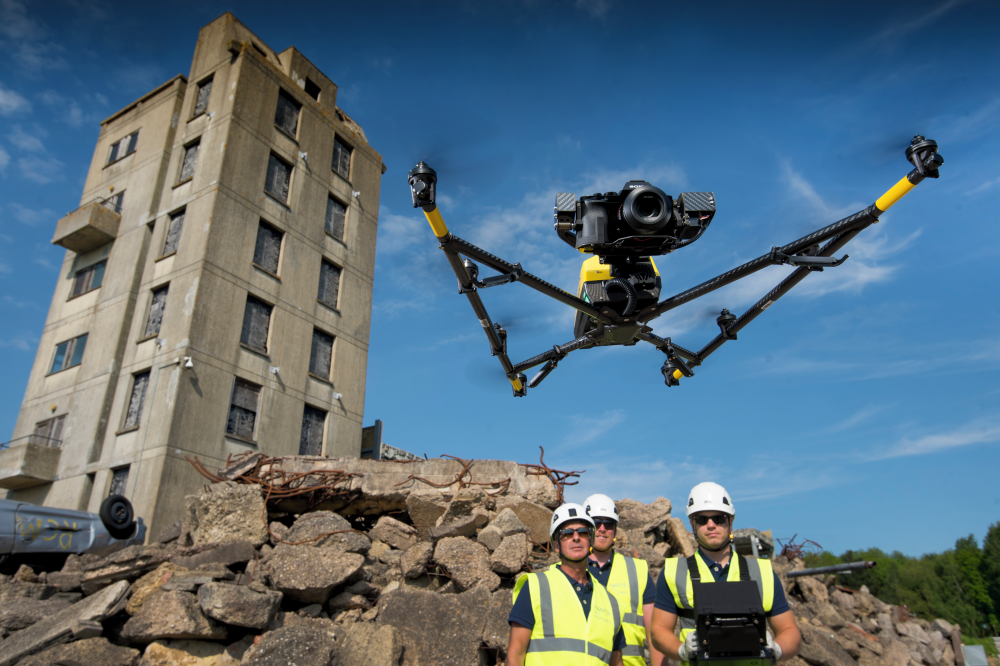
infrastructure inspection
Drones


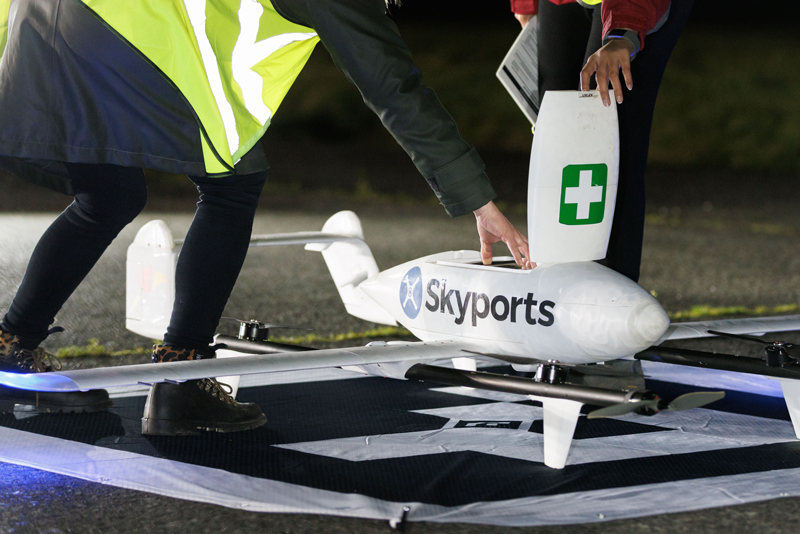
emergency response Drones
Drone use for public services is widely accepted, particularly for emergency response

Emergency response drones


Flying Taxis
Support for flying taxis has increased significantly—from 34% in 2024 to 40% in 2025—despite some continuing concerns around safety and cost.

Flying
taxis
86%
40%
Drone use for public services is widely accepted, particularly for infrastructure inspection
81%
Infrastructure inspection drones
Get the full report
Environmental concerns continue to influence public opinion,
but expectations around action are shifting
56%
Believe reducing emissions should be a key focus
30%
Of the public still places primary responsibility for reducing aviation’s environmental impact on government
33%
Say they are willing to avoid domestic flights or use public transport to and from airports in the UK
Awareness of airspace modernisation in the UK is growing






52%
53%
69%
Now support changing flight paths to enable more efficient use of airspace
Support for airport expansion remains
The majority agree that airspace upgrades are a prerequisite for any meaningful growth in capacity
Looking to the future, public openness to emerging technologies is growing
Artificial Intelligence (AI) in transport and travel is viewed with cautious optimism
Travel habits have stabilised


While nearly half express concern about public safety
Support AI being used for baggage screening
Approve of its use in air traffic and route management
49%
68%
50%
These findings indicate a willingness to embrace innovation—provided it is seen to enhance safety and support, not replace, human oversight.

Expectations around how the industry should respond, and which actions to prioritise, appear to be changing:
63%
Cites on-time performance as their top priority
63%
Cites on-time performance as their top priority