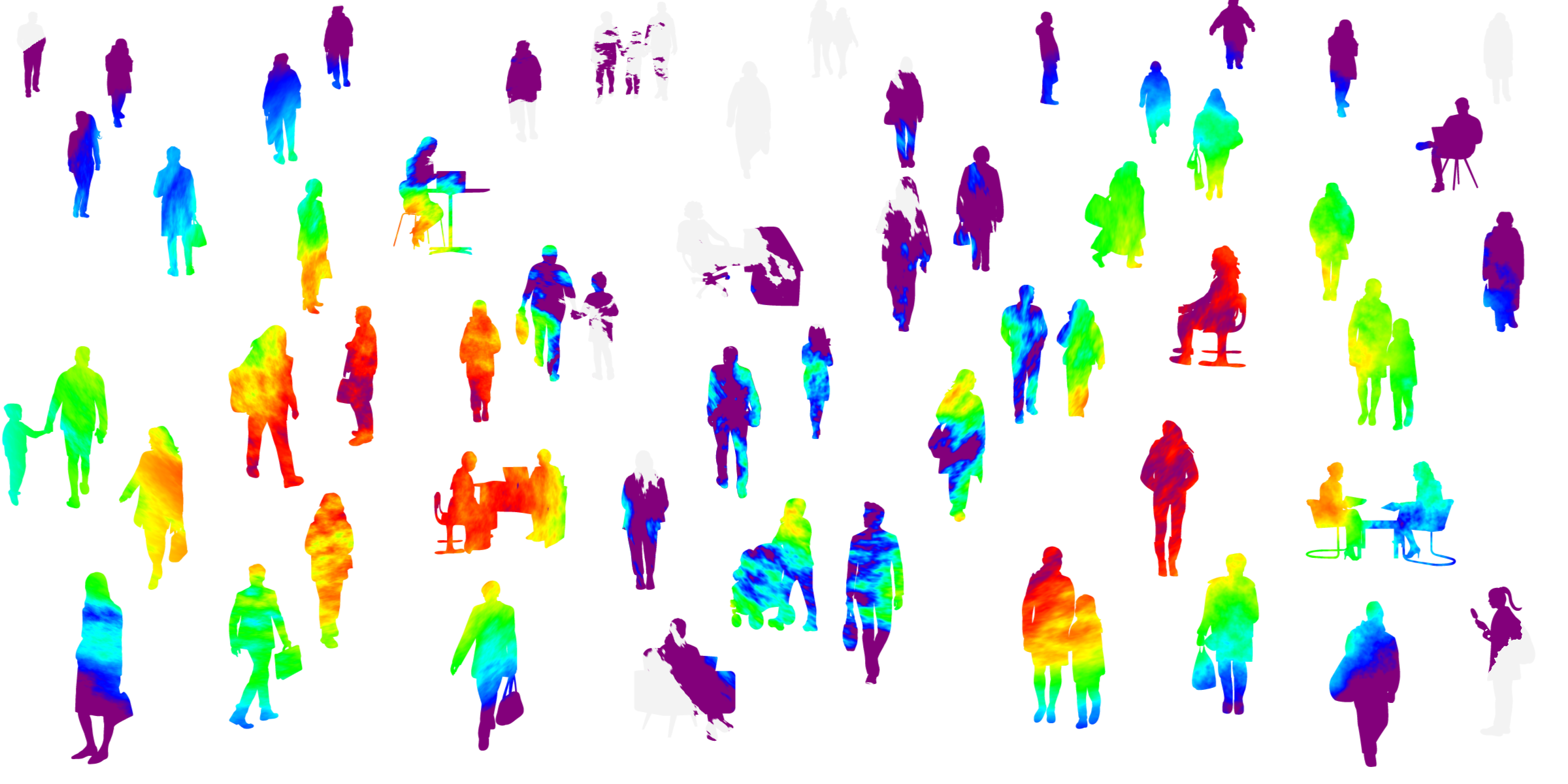
The planet is getting hotter. And while much of the conversation centers on heat's effect on the environment, rising temperatures also impact focus, memory and learning. Studies show that for every 4°F increase in temperature, a person's cognitive performance drops by approximately 10%.
Over the past ten years, we’ve worked together—one of us a molecular biologist and cognitive neuroscientist, the other an architect—to discover how brain science leads to better buildings generally. This year, our collaboration shifts to the human side of climate change.
In this piece, we explore the link between rising temperatures, the brain, behavior, and well-being. We also share our perspectives on neuroscience-informed design solutions that can protect mental performance: something everyone should pay attention to, whether in a hospital, workplace or at home.
4°F temperature increase leads to a drop in individual cognitive control by 10%
Increased violent and non-violent crime
Heightened reactive aggression�
Mental health-related mortality
Worsening symptoms for individuals with pre-existing mental health conditions
Design Imperatives for a Warming World
As temperatures rise, building design has an opportunity to enhance comfort, cognition and resilience. At the same time, some common approaches—like heavy reliance on air conditioning—increase energy use and carbon emissions, highlighting the need for smarter, more sustainable strategies.
Below, we delve into resilient solutions that lower energy costs while supporting human performance. From shade and natural cooling to socially connected spaces, these interventions offer a framework for buildings that help people thrive.
Filter the Sun, Don't Reflect It
Designing for heat often means reflecting sunlight—using light-colored materials or glazed surfaces to bounce it away. But it's no longer enough to simply deflect the sun. Instead, intercepting it through shade structures, canopies and tree cover can reduce heat gain and maximize brain performance.
Canopies, awnings and overhangs offer precise, scalable solutions to reduce heat exposure. These architectural interventions cool surfaces and create microclimates that protect bodies and minds, turning buildings into allies in climate resilience.
Strategic Structures
Hotter temperatures can negatively affect peoples' behavior, making them more irritable, aggressive and even less mentally stable. Trees, vegetation and water elements do more than reduce ambient temperatures; they soothe the nervous system, ease stress and promote mental clarity.
Living Solutions that Restore
Breezeways and cross-ventilation techniques channel natural wind flow through a building, drawing in cooler air and pushing out warm, stale air. Similarly, solar chimneys use the sun's energy to heat air, which then rises and creates a draft that can be used to ventilate a building. By reducing reliance on mechanical cooling, these strategies help maintain comfort while conserving energy.
Nature as Climate Control
As temperatures rise, so can stress, agitation, and erratic behavior, driven by reduced cognitive function. Dedicated calming spaces offer a quiet, temperature-controlled refuge that helps regulate the nervous system, restore focus and reduce conflict.
Calm by Design
Thermal Comfort as a Primary Design Consideration
Holistic Approach Addressing Physiological and Psychological Needs
Anticipating Increased Social Stress from Climate Change
Adaptive Design Solutions for Vulnerable Populations
Partnering for a Resilient Future
Climate change is advancing at a pace and intensity that pushes the limits of adaptation. Design has a vital role to play—creating spaces that foster collaboration and fresh thinking, while also cutting carbon use. Moving forward, ongoing partnerships between scientists and designers are essential to develop practical, well-rounded solutions that can meet this challenge head-on.


The Neurological Impact of Rising Temperatures
Optimal cognitive performance occurs between 68-72°F
A 1° rise in temperature reduces how well the brain plans and focuses by 2.4%
The Behavioral and Mental Health Consequences
Higher temperatures also correlate with aggression and social tension including:


Shade as a Primary Design Intervention


Fluid Dynamics for Natural Cooling


Emerging Ideas for a Changing Climate
As the climate crisis intensifies, design can help safeguard how we think, feel and function. Insights from neuroscience open new possibilities—like strategies for maintaining thermal comfort, using natural cooling to reduce heat stress and fostering social connections that strengthen resilience.
Ensuring spaces remain within optimal temperature ranges (68–72°F) preserves cognitive performance and reduces heat-induced stress.
Design should cool the body and calm the mind—for example, a shaded park that offers both physical relief and a sense of peace.
As heat intensifies social tension and aggression, environments should incorporate features that promote calm and reduce conflict.
Design should prioritize those most affected by heat—such as children, elders, and those with health conditions—through targeted cooling and refuge strategies.

Social Resilience Design to Promote Equity
Rising temperatures disproportionately impact urban communities. By targeting ideal zones like transit hubs and incorporating cooling strategies—tree canopies, shaded streets, evaporative cooling, improved airflow—cities can reduce heat stress, mitigate heat islands, and promote health, equity and social connection.
Urban Oases for All