SPONSORED CONTENT
Built to impress
As the song goes, the Danish capital is ‘wonderful’ – and Suzanne King couldn’t agree more, but this centre of culture, food and fashion just keeps adding to
its array of attractions
SHARE


Everything that’s great about Denmark is encapsulated in Copenhagen. This waterfront city is large enough to have all the key attractions of a world capital, yet it’s compact enough for them to be explored easily.
The vibe is safe, relaxed and friendly, and the usual big city stresses are refreshingly absent. Public transport works like a dream; the harbour is clean enough to swim in; and, with dedicated bike lanes, car-free bridges and (largely) flat streets, even visitors can feel confident while cycling like a local.
No wonder Copenhagen always does so well in global happiness and liveability surveys. It’s also famed for its sleek interior design and excellent restaurants, has a growing reputation as a fashion capital, and is well ahead of the curve when it comes to sustainability, with ambitions to become the world’s first carbon neutral capital.
If all you know of Copenhagen are familiar favourites (the Nyhavn district, Tivoli Gardens and the Little Mermaid), prepare to be surprised. Yes, the Danish capital is a dab hand at delivering traditional charm, but this forward-looking city has so much more to offer. Whenever you go and however often you visit, there’s always something new, creative and innovative going on. Always another reason to return.
Culture-lovers will find the city blessed with excellent galleries and museums, including big-hitters like SMK (the National Gallery) and the National Museum, which could hold their own in any capital city.
Take time, though, to seek out lesser-known lovelies as well, like the Hirschsprung Collection, with its fine collection of Danish art; Cisternerne, a former underground reservoir turned atmospheric installation space; and Thorvaldsens Museum, where the rooms are as striking as the exhibits. For the style-minded, Designmuseum Danmark and the Danish Architecture Centre are must-dos, especially this year, when both are hosting special events and activities to celebrate Copenhagen’s role as World Capital of Architecture 2023.
Word to the wise: don’t neglect museum gift shops – in Copenhagen, they tend to be rather classy affairs rather than filled with tat. Many have cut-above cafes, too, if you fancy a culture break – at Ny Carlsberg Glyptoteket, for example, you can take tea amid the palm trees of the glass-domed Winter Garden.
Shopping, generally, is a pleasurable experience here, whether you’re browsing sleek interiors shops like Illums Bolighus (four floors of covetable goodies on Stroget), touring indie boutiques in Norrebro, or unearthing vintage treasures in one of the many flea markets beloved by locals.
Copenhagen also has an impressive calendar of events that provide
a great reason to visit at any time of year, from the Copenhagen
Light Festival, which brightens up the city for a few weeks in February, to Kulturnatten, one night in October when normally out-of-bounds buildings open to the public and the whole city buzzes with a festival atmosphere.
Find out more at
visitdenmark.com

Copenhagen is the very model of a modern city


Slick city
Copenhagen offers style, shopping and culture, without the stress
Do culture
Danish design
The aquarium, left, and Circle Bridge, below
Spooky beauty
Spot red squirrels on
a stroll around one of the city’s stunning cemeteries
Do nature
In between delivering a culture fix, Copenhagen offers plenty of opportunity to connect with the natural world, from formal parks to nature reserves.
Admire the floral displays of Kongens Have, take a stroll around the lake in leafy Orstedsparken or pick up picnic supplies from Torvehallerne food market and have an alfresco feast in the lush surroundings of the nearby Botanical Garden.
Beautiful Frederiksberg Have comes complete with pagoda, boating lake, surprisingly tame herons and, in the southwest corner, a view of the elephants in Copenhagen Zoo. The city cemeteries serve as parks, too; among them, Assistens Kirkegaard (red squirrel sightings virtually guaranteed) and Bispebjerg (famed for its lovely cherry blossom displays in spring).
Old fortifications also provide pleasant places to take a break: you can head to the star-shaped fortress of Kastellet for a walk along its grassy ramparts or wander the zigzag path along the moat in Christiania, where water birds pop in and out of the reed beds.
A little further south, on the island of Amager, you could follow the path along Amager Beach and take a dip in the sea at the beautifully designed Kastrup Sobad, or cycle through the vast open spaces of Kalvebod Fælled nature reserve and seek out Bjarke Cirkelsten, one of several giant trolls created from waste materials by artist Thomas Dambo and hidden away in off-the-beaten-track spots around the city.
The harbour, too, is full of fun possibilities, whether you fancy diving into one of the harbour baths, or hiring a boat or kayak to explore the canals. After something a little more energetic? Swoosh your way down CopenHill, the artificial ski slope on top of Amager Bakke waste-to-energy plant. Only in Copenhagen.
Do gastronomy
Noma, and its New Nordic mantra (“showcasing all things sustainable, seasonal and local”), put Copenhagen firmly on the world foodie map back in the mid-Noughties and the city has stayed in the gastronomic spotlight ever since. Now, as the Noma team prepares to move on to new adventures at the end of 2024, the city’s dining scene is more exciting – and diverse – than ever.
At the fine-dining end of the spectrum, you’ll need to book well ahead to secure a table at the three-Michelin-starred Geranium (current holder of the World’s Best Restaurant title) and the two-starred Alchemist (offering theatrical surroundings and thought-provoking cuisine). If, on the other hand, you just fancy a quick bite, you’ll still eat really well, with a great choice of artisan pizza places and gourmet burger joints (including Noma offshoot POPL); excellent croissants and pastries at Buka, Hart and Lille (so many fabulous bakeries, so little time); and all manner of street food at the stalls of Reffen and Broens Gadekokken.
Spoilt for choice
There is a huge choice of fantastic galleries such as Designmuseum Danmark, above
Viking feast
New Nordic movement focusses on seasonal, sustainable and local produce
In between, there’s a wealth of wonderful smorrebrod (open sandwich) restaurants, neighbourhood bistros and cool cocktail bars – and so many new foodie hotspots opening up it can be hard to keep up. Ditch the guide book and ask around for people’s favourite finds – that’s the best way to unearth local favourites you might otherwise miss, like Lille Petra (a chic courtyard café near Kongens Have), Bistro Lupa (serving tasty plant-based cuisine on an Osterbro side street) or Green Island, a floating restaurant that pops up on the harbour at Kalvebod Brygge during the summer months.
Enjoy everything from castles and Viking ships to beaches, forests and Michelin-starred restaurants
Don’t be a tourist, be an explorist!

Take a dip
The harbours around Christianshavn, pictured, are clean enough to swim in
Food for thought
Copenhagen is crammed with markets offering
local treats
Do more beyond Copenhagen
Venture beyond the city centre and there are even more wonders to discover, most of them easily reached by public transport. Hop on a train at Central Station and within an hour or so you can be enjoying everything from castles and Viking ships to beaches, forests and Michelin-starred restaurants such as Frederiksminde and Jordnær.
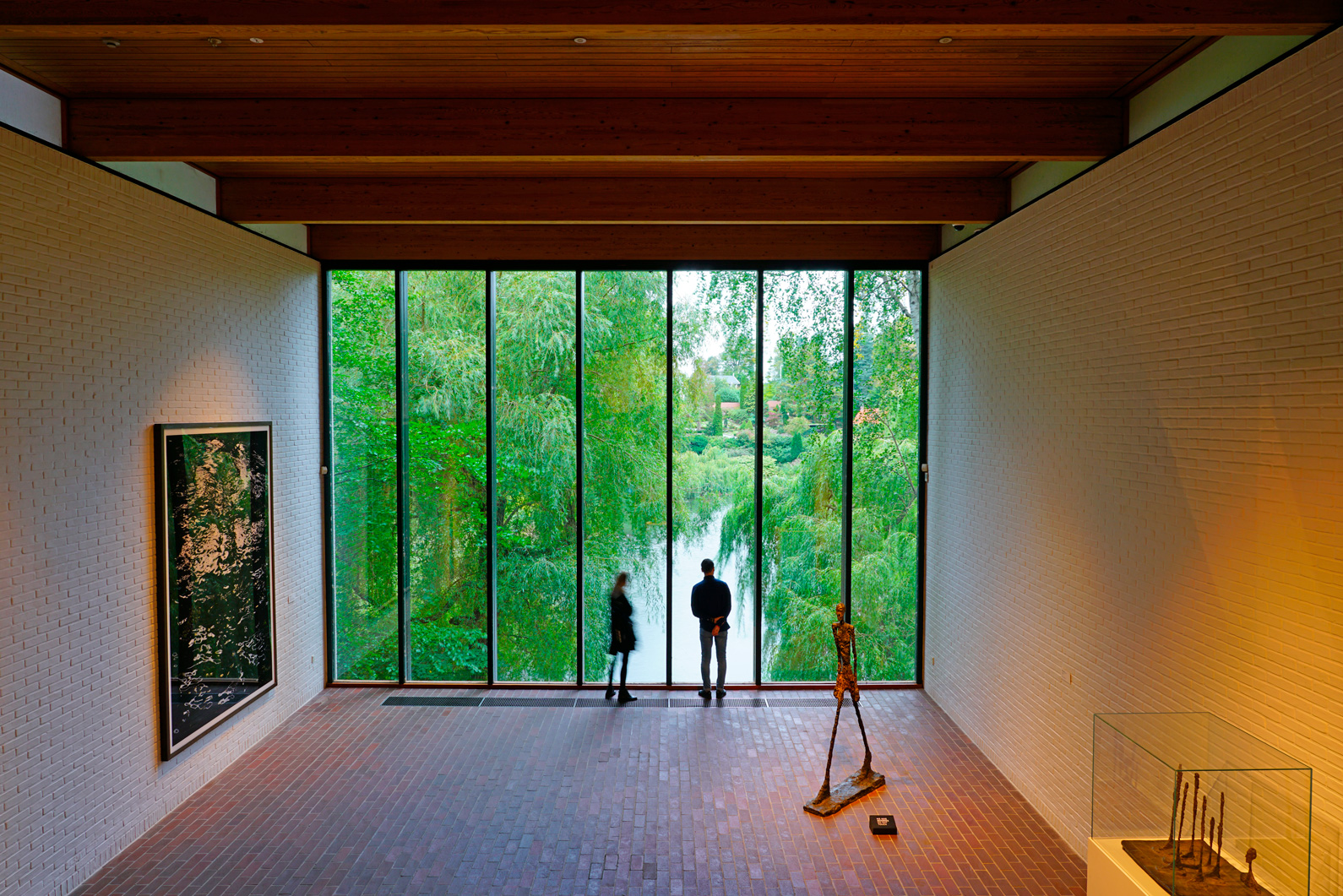
Cultural highlights include Louisiana, a modern art museum with a stellar collection and a scenic parkland setting on the shores of the Oresund. There’s more modern art on offer at Arken, a striking modern building where you can combine culture with a trip to the nearby beach and a hunt for Oscar Under the Bridge, another of Thomas Dambo’s “forgotten giants”.
Helsingor attractions include Kronborg Slot (aka Hamlet’s castle) and the Bjarke Ingels-designed National Maritime Museum; while the North Zealand coast, nicknamed the Danish Riviera, offers soft sandy beaches, charming fishing villages and photogenic beach huts. The train around the coast has an easy stop at many of them.
Inland, Frederiksborg Slot, the largest Renaissance building in the Nordics, is surrounded by magnificent gardens and home to the National History Museum. Roskilde, meanwhile, has the excellent Viking Ship Museum, where you take to the water in a traditional Nordic boat (a little rowing may be required, but they also have sunset sailings), join a boat-building workshop or just take in the history and the waterside setting. Roskilde is also home to Ragnarock, a lively, truly entertaining music museum with lots of interactive exhibits.
Hire a car for a day and your world opens up even more. Head south of the city to Camp Adventure, to spiral to the top of the 45m-high Forest Tower (winner of several architectural awards) and enjoy the views from the top. Then carry on to Mons Klint, a Unesco Biosphere Reserve and Scandinavia’s first Dark Sky Park, to hunt for fossils beneath dramatic white chalk cliffs and take a dip in the improbably clear blue sea.
Off the beaten track
Outside the centre are remarkable sites such as Moens Klint, above, the Louisiana museum, below,
of Frederiksborg
Slot, bottom


Copenhagen is the very model of a modern city
SPONSORED CONTENT