SPONSORED CONTENT
Delicious Denmark
Combine a city break with nature, dine at oyster shacks or Michelin-starred restaurants, visit Viking burial grounds, underground art and limestone caves, and meander through vibrant neighbourhoods
SHARE


Denmark may not be the largest country in the world, but it’s filled with wonders, from spectacular natural features and a famously fabulous food scene to stunning architecture and design and cutting-edge cultural attractions, plus it has a fascinatingly rich history. All this, just a couple of hours’ flight from airports around the UK.
Whether you visit for a weekend, a week or even longer, you’ll quickly discover this is a destination with a difference, a place where you can effortlessly combine city and nature, experiencing the very best of both.
You might start a day enjoying classic metropolitan attractions and end it immersed in the wilder charms of the great outdoors. One moment you can be visiting world-class art galleries, shopping in sleek design boutiques and admiring bold contemporary architecture on a regenerated urban waterfront; the next, you might be wandering along a deserted windswept beach, gathering oysters in clean fjord waters or discovering a giant wooden troll hidden in a forest.
Denmark isn’t a destination to rush around, ticking off bucket-list items. This land of everyday wonder is a place to escape the crowds and be an explorist, not a tourist. Savour life’s simpler pleasures, pootle around at your own pace and keep heading off the beaten track. You never know what hidden marvels await around the next corner…
Head to the northernmost tip of Denmark and you reach a point where the land tapers away into a slender spit of sand. Welcome to Grenen, where the waters of the Skagerrak strait and Kattegat sea coalesce and you can stand, splashed by both, with a foot in each.
It’s just one of the highlights of this gloriously unspoilt region, a place of big skies, wild beaches and rugged, sand-swept landscapes. Other awe-inspiring landmarks include Rubjerg Knude lighthouse, which sits atop towering coastal cliffs, and Rabjerg Mile, a giant migrating dune working its way across the peninsula every year.
In the 19th century, artists flocked to Skagen, drawn by the special quality of its light
All are easily reached from Skagen, a pretty fishing town where ochre-coloured cottages are ringed by white picket fences. The characterful accommodation here includes Brondums Hotel and Ruth’s Hotel, with their seaside-chic rooms and gourmet dining. In the 19th century, leading artists flocked to Skagen, drawn by the special quality of its light, and their works now line the walls of the excellent Skagens Museum.
Further south, you’ll find Thy National Park (Denmark’s oldest) on the west coast, and Randers Fjord (one of the country’s largest nature reserves) on the east, while inland attractions include the historic town of Viborg and the cathedral-sized caves and underground lakes at Monsted Kalkgruber, the world’s largest limestone mines.
And then there’s Aalborg, capital of North Jutland, and just a four-and-a-half-hour train ride from Copenhagen. This ancient city on the banks of the Limfjord may be small, but it punches well above its weight on the cultural front, with an exciting street art scene, a modern art museum designed by Finnish architect Alvar Aalto and atmospheric Viking burial grounds at Lindholm Hoje.
The revitalised waterfront is home to attractions such as Musikkens Hus (a world-class concert venue) and the Utzon Center (the last building designed by Danish architect Jorn Utzon of Sydney Opera House fame).
The city’s dining choices range from amazing seafood places like Restaurant Emil to the assorted stalls of Aalborg Streetfood. Venture out to smaller towns in the area and you’ll find exceptional culinary treats at restaurants such as Tri to the west of Aalborg and Villa Vest to the north – both were awarded a Michelin star in 2023.
Find out more at visitdenmark.com
Catch the annual kite festivals
To find out more about Denmark, land of everyday wonder, go to visitdenmark.com

a place to be an explorist not
a tourist


The Danish coastline and countryside are generous with their natural produce, providing superb raw ingredients and unique foodie experiences. From the North Sea come shoals of nutrient-rich herring, best enjoyed piled high on slices of nutty rye bread as part of a traditional smorrebrod lunch.
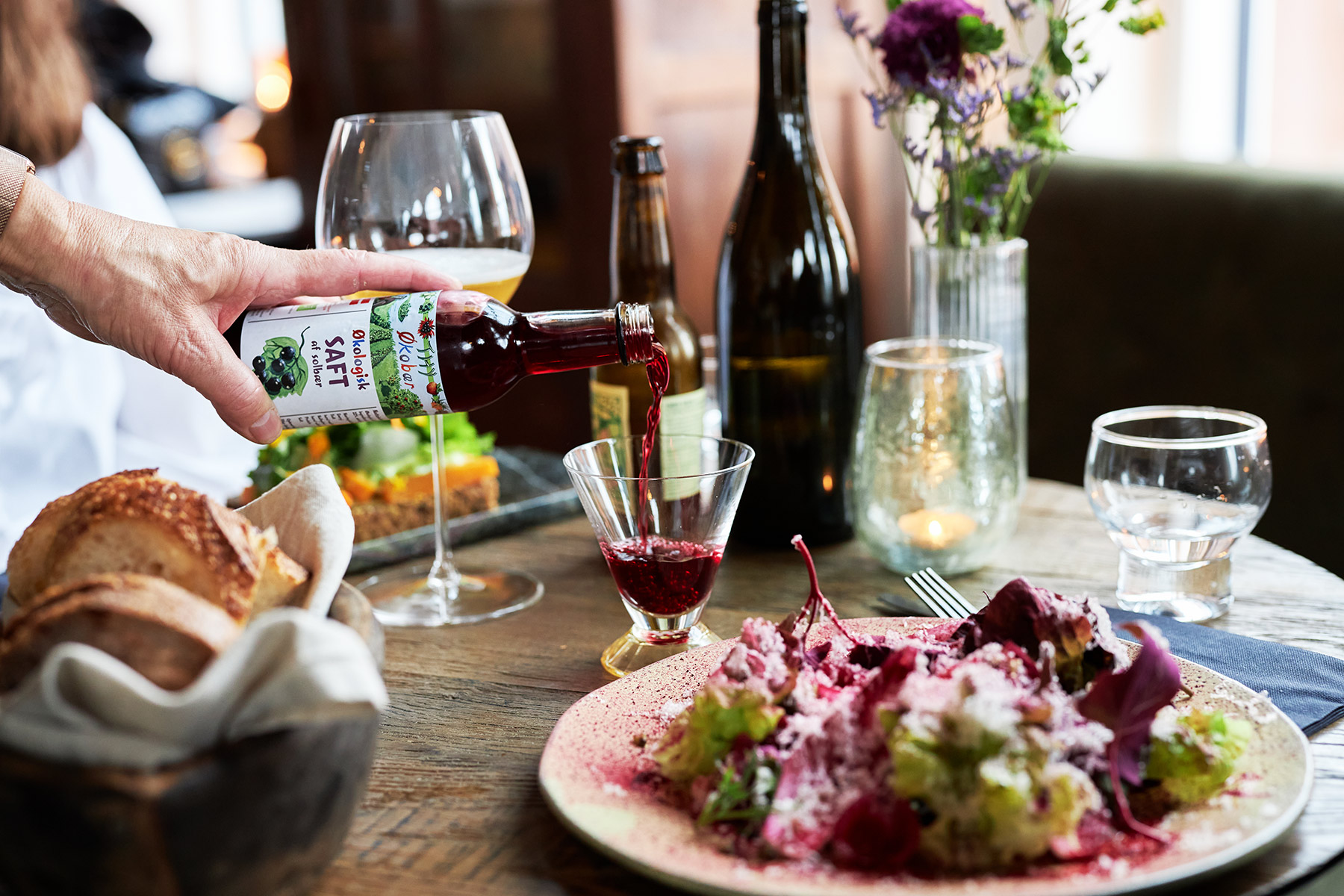
Keep your eyes peeled for simple seaside shacks cooking up the best of the day’s catch (like Thorupstrand Fiskehus, where you can enjoy delicious fresh fishcakes on the beach) and head to Limfjorden to taste the renowned native oysters straight from the sea, ideally washed down with beers from local microbreweries or wines from some of the region’s vineyards.
Travelling through the countryside, you’ll spot roadside honesty stalls selling locally grown potatoes, peas and flowers, and jars of home-produced honey. There are rich pickings for foragers as well, from fresh herbs, wild garlic and seaweed in spring to autumn’s rich harvest of mushrooms, hazelnuts and sea buckthorn berries. And look out for pick-your-own-farms – a chance to gather some of the juiciest strawberries and tastiest apples you’re ever likely to find.
Fruits of the sea and land
Asked to name a great surfing destination, you might not instantly think of Denmark but the northwest corner of the country is fast becoming a hotspot for in-the-know surfers. The North Sea winds and waves that roll ashore between Hanstholm to the north and Agger to the south have earned this part of the coast the affectionate nickname “Cold Hawaii”.
Yes, the water here might be a tad chillier than its Pacific Ocean namesake (and the best swells come during the winter months), but the local surf schools in Klitmoller (a former fishing town turned unofficial Cold Hawaii capital) can kit you out with suitably sturdy wetsuits and provide lessons to suit all levels.
Not sure you’ve got what it takes to cut it as a surfer? Try your hand at windsurfing or stand-up paddleboarding instead, or cosy up in a sheltered spot among the dunes and enjoy the vicarious thrill of watching others ride the waves.
Cold Hawaii
Wadden Sea National Park
Denmark’s second city has reinvented itself in recent years – nowhere more so than in the inner harbour area, where the old ferry and freight docks have given way to a new district, Aarhus O.
Explore it by bike, following the cycle path that leads from Dokk1, a state-of-the-art library and community space in the south, to the bold, modern architecture of the new apartment blocks in the north.
Diversions along the way include great places to eat and drink (check out the food stalls and bars at the new Market Hall); an observation tower where the climb to the top is rewarded with panoramic views of the city and bay; and the harbour bath, another BIG creation. And don’t miss Endless Connection, a fountain designed by artist Jeppe Hein, where you can hop in and out of two-metre-high walls of water as they randomly pop up and disappear.
Aarhus waterfront
It’s official: Denmark’s renowned dining scene continues to go from strength to strength. In the Michelin Guide Nordic Countries 2023, inspectors awarded Denmark more of the coveted stars than ever, with 32 restaurants across the country now sharing an impressive 45 stars between them.
Among 2023’s new arrivals is the idyllic Villa Vest in Lonstrup on the Jutland coast (think scenic clifftop setting, superb seafood and glorious sunset views over the sea). Other new entries include a couple of restaurants where the architecture is as intriguing as the food: at Domaene, in Herning, diners enjoy creative Nordic dishes in a wooden igloo-shaped building, and Tri, in Agger, serves a nose-to-tail menu in contemporary greenhouse-style surroundings.
In Copenhagen, the refined Korean-influenced cuisine at Koan has seen it go straight into the guide with two stars, while Rasmus Kofoed’s Geranium has retained the three stars it’s held since 2016 – exactly as you’d expect from the current holder of the World’s Best Restaurant title.
Michelin-starred dining

In the Vesterbro neighbourhood of Copenhagen, Kodbyen (aka the Meatpacking District) was originally built to house the city’s meat industry. Now, though, this once gritty area has become a nightlife hub known for its cool restaurants and bars.
Look a little closer and you’ll find it’s also home to excellent galleries – contemporary art dealers were quick to discover that the old industrial units made the perfect settings for displaying their wares.
Highlights in the central square, Flaesketorvet, include Galleri Bo Bjerggaard, which specialises in contemporary paintings from Europe and North America, and V1 Gallery, which represents both established and emerging artists working across a range of media.
A few minutes’ walk away is Gallery Poulsen, which promotes primarily younger artists with a disciplined figurative approach, and the Fotografisk Center (Centre of Photography), where the focus is on Danish and international photography, and other camera-based art.
Meatpacking District galleries
Discover fruits of the sea and land
Cold Hawaii
Wadden Sea National Park
Aarhus waterfront
Michelin-starred dining
Meatpacking District galleries


Full circle
In summer, the Infinite Bridge offers 360-degree views of the Bay of Aarhus

North Denmark
Bird’s eye view
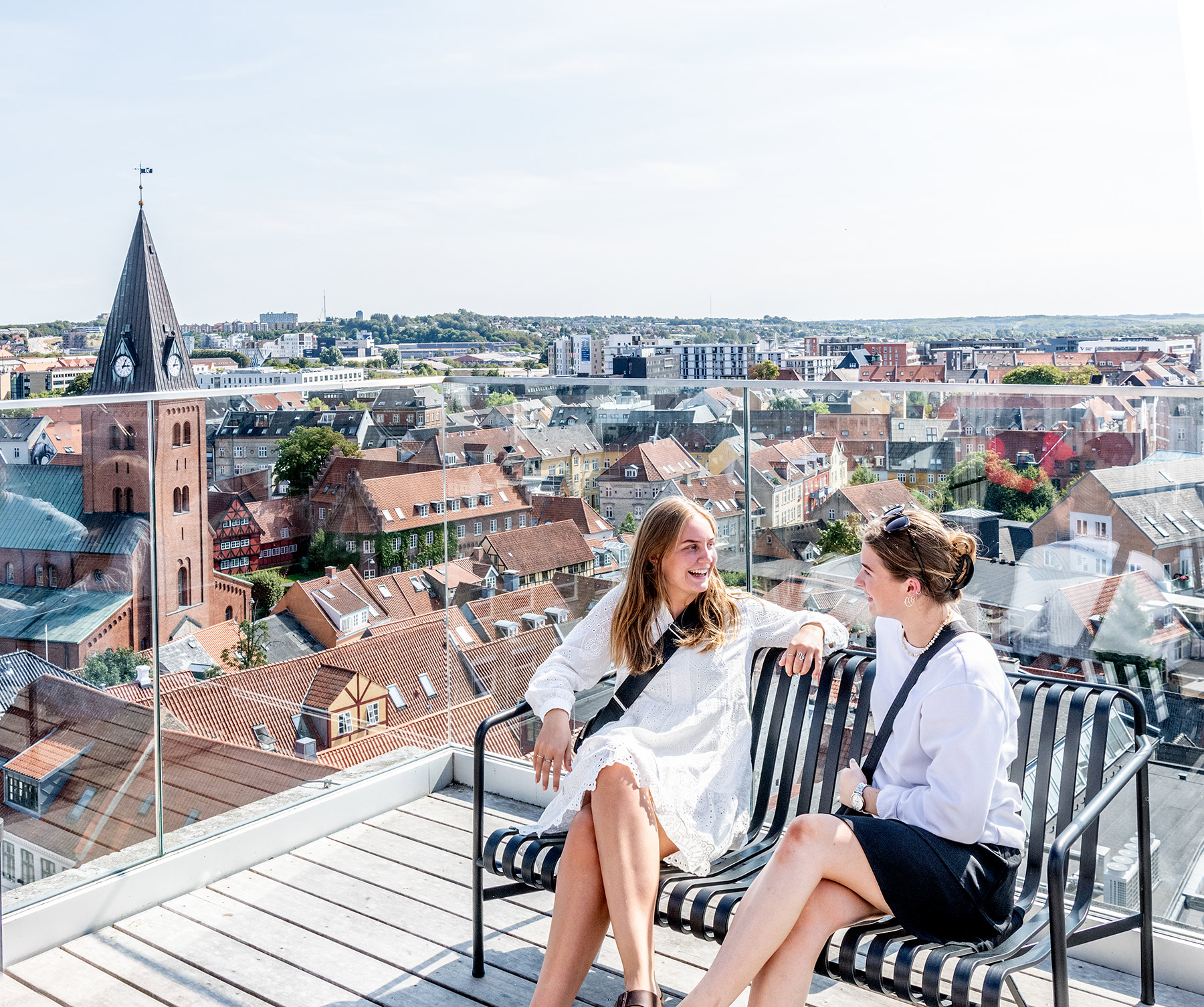
For a panorama of Aalborg and Limfjord, visit the rooftop of Salling department store
Limestone maze
The Monsted Kalkgruber is a labyrinth of tunnels, walkways and lakes
Meeting point
At Grenen, the Skagerrak strait and Kattegat sea come together

Clean lines
The houses and cottages in fishing village Skagen are a sight for sore eyes


A to… N
Limfjordsbroen connects Aalborg with Norresundby to the north over the sound

Speciality eats
Authentic dishes delight at Pa Fjorden Café in Aalborg’s North Urban Arts Studio

Colour wheel
Olafur Eliasson’s Your Rainbow Panorama is an unmissable sight at Aarhus Art Museum
West Denmark
It’s not just the north of the country that delivers wild beaches. They stretch all down the west coast too: vast, empty, windswept expanses of pristine sand backed by dunes of marram grass, and dotted here and there with the ruins of old German Second World War bunkers gradually collapsing into the sea.
Visit the spectacular underground Tirpitz museum (designed by the Danish architectural practice Bjarke Ingels Group, or BIG) to find out more about these and other aspects of the west coast’s hidden history.
Or journey even further back into the past at Ribe, Denmark’s oldest town, with its well-preserved medieval centre, imposing Romanesque cathedral and the chance to experience life as a Viking at Ribe VikingeCenter.
Last of the summer vine
Tour some of Europe’s
northernmost wineries
Get moving
Fano also offers opportunities to dance the day away to traditional Danish folk music
Flying high
Visit the islands of Fano and Romo
for the annual kite festivals
Chill time
Catch the seals at Wadden Sea National Park on the west coast
Norse code
The Ribe VikingeCenter can give you a feel for what Viking life must have been like



Exploring further afield, treat your taste buds to a tour round some of the region’s excellent whisky distilleries, microbreweries and vineyards (among the most northerly in Europe), and pick up a bottle or two to take home.
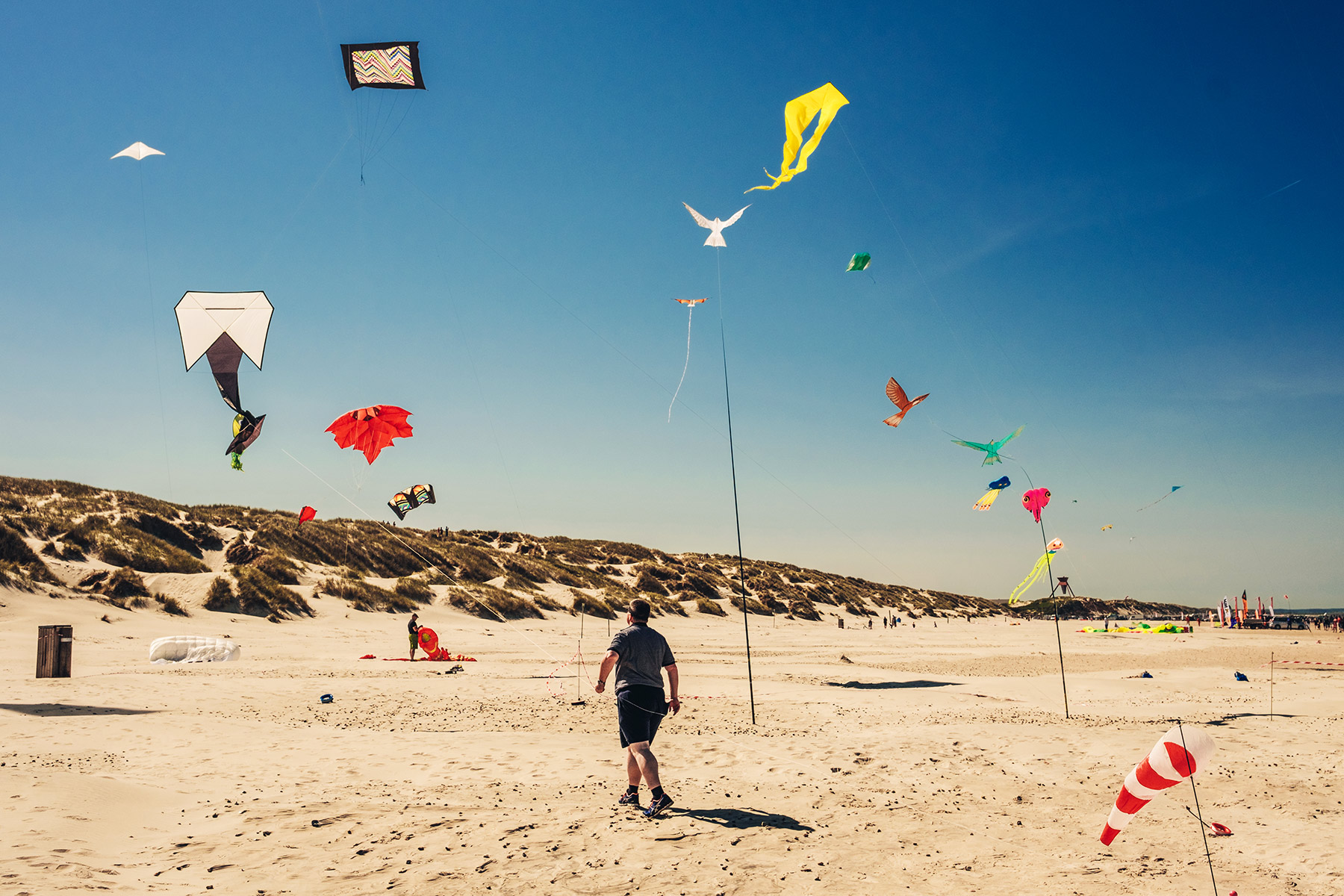
Nature lovers and bird watchers can immerse themselves in the otherworldly wilderness of the Wadden Sea National Park, and there’s fun to be had at the annual kite festivals on the islands of Fano and Romo, where thousands of colourful kites are launched into the windy skies.
Gateway to the joys of west Denmark is the country’s second city of Aarhus, a vibrant, culture-rich destination that combines a scenic coastal setting with unique attractions such as Your Rainbow Panorama, Olafur Eliasson’s multi-hued walkway on top of ARoS Aarhus Art Museum. The city has excellent culinary credentials too, and a lively calendar of festivals and events.
Late summer highlights include the esteemed Aarhus Festival, when the city is abuzz with extra energy, and Denmark’s largest food festival – three days of foodie fun and a chance to work your way round dozens of stalls, sampling the fare of the region’s finest producers.
Find out more at visitdenmark.com
Copenhagen
Copenhagen is one of the finest capital cities in the world. For starters, it has all the essential city break ingredients: world-class cultural attractions, brilliant bars and a globally renowned food scene, along with easy direct flights from the UK. It’s also generously sprinkled with green spaces, lakes and canals, and blissfully easy to explore, whether you go by foot, hop aboard the super-efficient metro or join the locals and pedal around by bike.
If you’re a first-time visitor, prepare to be smitten by the charms of the city centre, Indre By, with its winning combination of the quaint (cobbled squares, colourful townhouses, historic palaces) and the contemporary (sleek design, cool hotels, eye-catching modern buildings).
Architecture is in the spotlight this year, with Copenhagen having been declared World Capital of Architecture for 2023, so you can take your pick from a host of suitably themed events, tours and exhibitions.
All in bloom
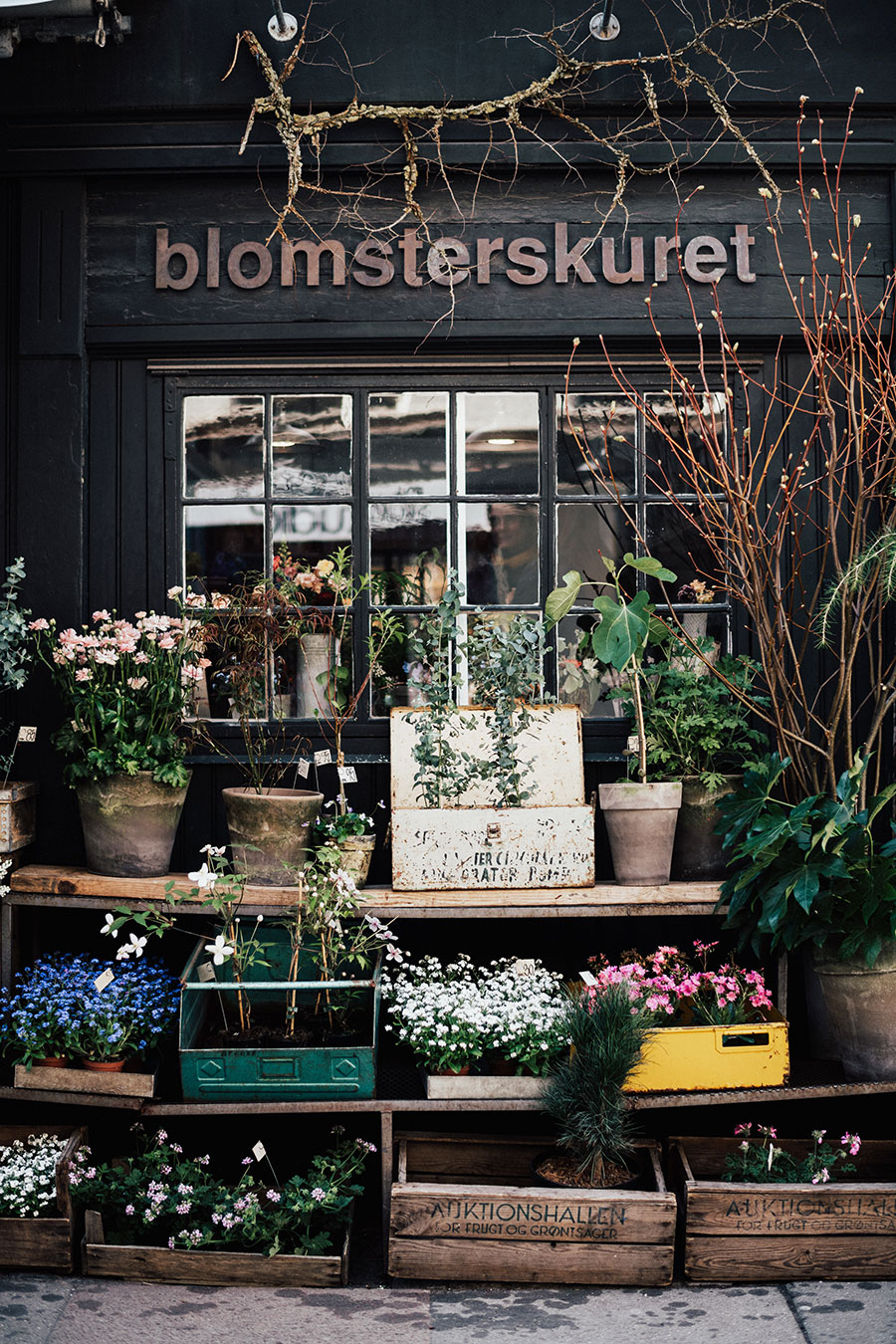
Copenhagen combines green and urban spaces to beautiful effect. Blomsterskuret is a perfect example
Dream house
Don’t miss the iconic waterfront of Nyhavn, where colourful townhouses abound
All hands on deck
Rest on the jetty at La Banchina, a walk-in restaurant with unbeatable summer vibes
High spirits
The city is full of surprises – cocktail bar Lidkoeb is tucked away down a back alley


Lone lookout
Rubjerg Knude sits on the North Sea coast amid shifting sands
Sky’s the limit
The capital packs
top-class architecture, culture and cuisine into a mix of sleek and quaint settings
Venture beyond the familiar sights of Indre By to discover the surrounding neighbourhoods, each with its own personality. Head northwest to multicultural Norrebro to hang out in hipster cafés, relax (and spot red squirrels) in Assistens Cemetery-cum-urban park, and trawl second-hand shops in search of hidden treasure.
In Vesterbro, to the south, you can enjoy the bars, restaurants and galleries of the Meatpacking District, browse interior design boutiques and visit Carlsberg Byen to witness a whole new city district emerging on the site of the former brewery.
East of Indre By, across the Honsebrolobet canal, meanwhile, you’ll find Refshaleoen: it may look like a post-industrial wasteland, but it’s one of the hottest spots in town, full of creative and culinary possibilities from Copenhagen Contemporary’s installation art to Reffen’s organic street food.
Fancy something a little more restful? Stroll along the peaceful canals of Christianshavn; watch the locals at play in osterbro’s Faelledparken, Copenhagen’s largest park; and wander through leafy Frederiksberg, home to beautiful gardens, wildlife aplenty in Copenhagen Zoo, and a one-of-a-kind art experience in the old underground reservoirs of Cisternerne.
Find out more at visitdenmark.com
Refshaleoen is one of the hottest spots in town,
full of creative and culinary possibilities



Be an explorist


Down in the southwest corner of Jutland, the Wadden Sea National Park may be just one hour away from Billund airport, or four hours via train and coach from Copenhagen, but it feels like a whole different world.
Here, land meets sea in a vast, watery wonderland of sandbars and mudflats, salt marshes and seagrass meadows, all teeming with wildlife. So much so, in fact, that the whole area (shared with Germany and the Netherlands) has been designated a Unesco World Heritage Site.
Enjoying its natural delights is easy. You can take guided trips to view the resident seals sunning themselves on the sand or gather oysters from the seabed, and enjoy amazing bird watching, thanks to the huge migrating flocks that congregate here. Come in spring or autumn and you can witness the spectacular phenomenon known as the “black sun”: vast murmurations of starlings sweeping and swirling across the evening skies in a hypnotic, ever-shifting aerial ballet.


Peace and quiet
Assistens Cemetery is the resting place of many notable Danes as well as a meditative urban park