SPONSORED

Meet the farmers helping to make your favourite
burgers more sustainable. Cow’s that for a meaty
idea?


Breakfast is the most important meal of the day, and at McDonald’s there are plenty of options to choose from – from pancakes and porridge (add a little jam or syrup if that’s your thing) to the classic British bacon roll (with pork sourced from RSPCA Assured British farms) topped with a dollop of ketchup. All washed down with freshly ground coffee that’s 100 per cent Rainforest Alliance certified, or tea, and served with organic semi-skimmed milk sourced from UK and Irish farms. But there’s no better way to start the day than with a Sausage & Egg McMuffin!
Muffin
compares
to you

McDonald’s only uses free range eggs from British hens. And they’re supplied by farmers like David and Helen Brass, co-owners of The Lakes Free Range Egg Company in Penrith, Cumbria. The company, which has produced eggs for McDonald’s for over 20 years, has planted native trees across 20 per cent of the chicken ranges on its farms to provide cover for the hens. When not under restrictions due to avian flu, the tree cover makes the hens feel safe from predators, meaning they range further and are therefore more active. This protection improves their wellbeing and the quality of their eggs. Sounds like David and Helen have cracked it!
DID YOU KNOW?


Did
you
know
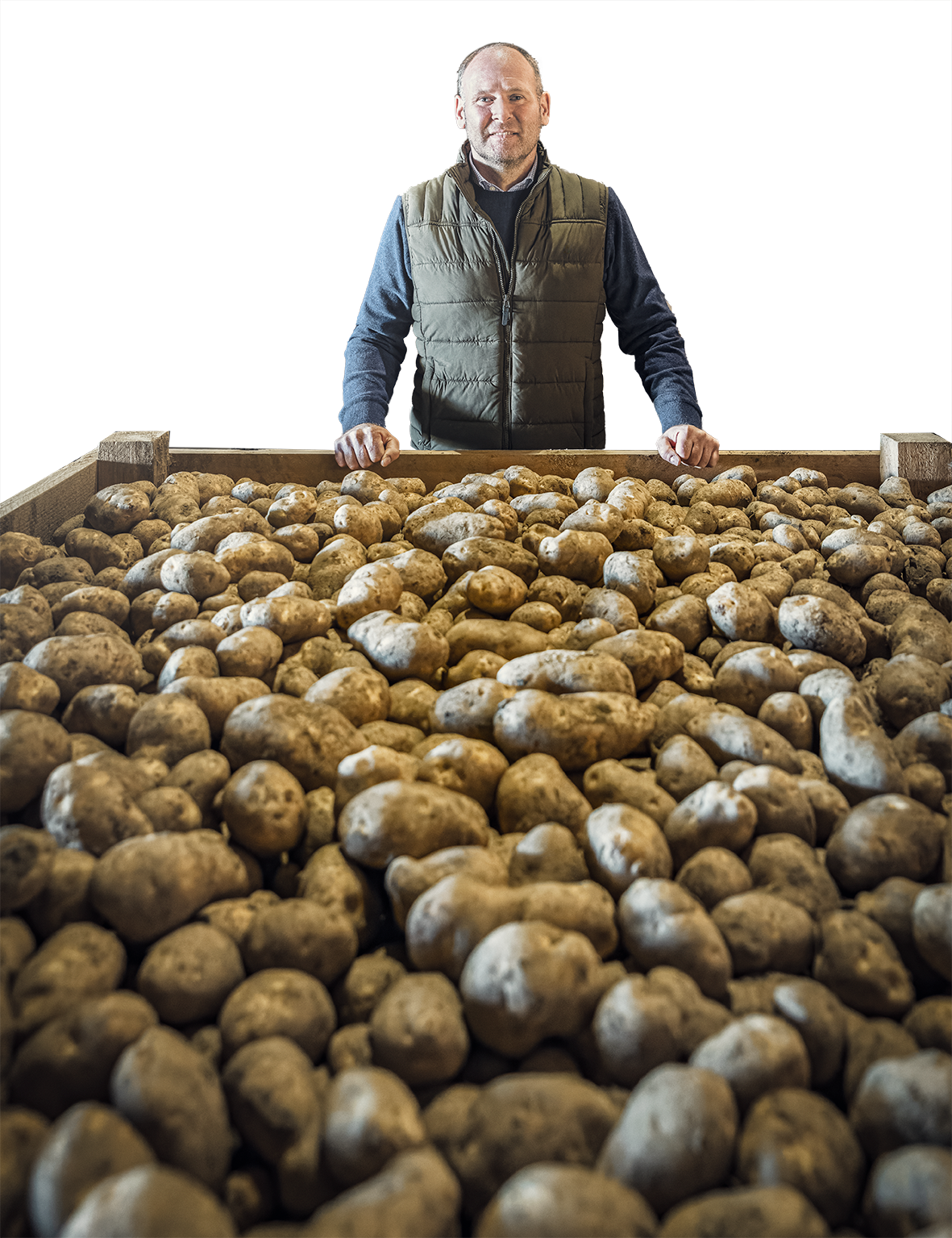
McDonald’s fries are the most popular item on the menu! The majority of the potatoes used for our world-famous sides come from over 110 British growers. They produce six specific varieties, including Russet Burbank and Shepody, that are destined only for the McDonald’s menu, so you won’t find them in your local supermarket. They’re naturally bigger too, making them perfect for the extra-long McDonald’s fries. Whole potatoes are washed, peeled, cut, prepared and frozen before being cooked in rapeseed oil, with a sprinkle of salt added before serving. Very satis-frying!
SPUDTACULAR FRIES
Did
you
know
McDonald’s, along with its potato supplier McCain, is investing £1million in the Sustainable MacFries Fund for research and grants, to help British potato growers make their farms more sustainable. It will enable them to learn more about soil quality and good water management – vital for greener growing processes – and continue to supply the best British tatties for your favourite fries in a more sustainable way for the future.
DID YOU KNOW?
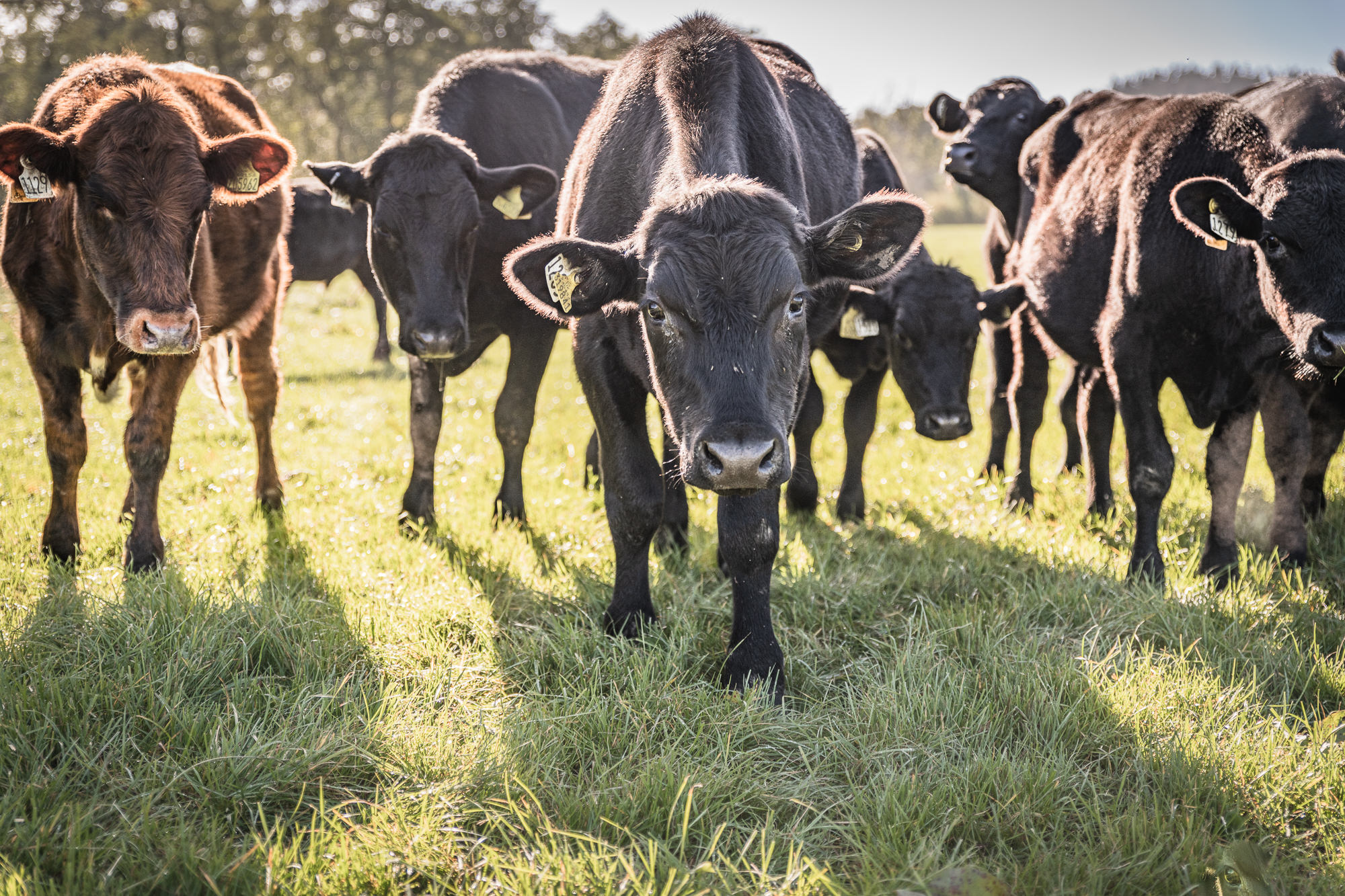
There’s nothing quite like that first bite into a juicy Big Mac. But why does that beef taste so good? All McDonald’s beef burgers are made from whole cuts of 100 per cent British and Irish beef, with just a pinch of salt and pepper added after cooking. McDonald’s only uses forequarter and flank cuts in its burgers, and the beef is accredited by nationally recognised farm assurance schemes, such as Red Tractor in the UK and Bord Bia in the Republic of Ireland – which means the meat is responsibly sourced.
BUN
IN A MILLION
Did
you
know
McDonald’s has a Sustainable Beef Network, giving British and Irish beef farmers a forum to share knowledge. McDonald’s meets with the farmers throughout the year to discuss key issues like promoting responsible use of antibiotics in meat, reducing carbon footprinting, and business planning. So whenever beef farmers come up with new innovations – like maximising the use of grassland and reducing gas emissions – they can pass on the knowledge and everyone benefits. In fact, the company is working with two research farms to support farmers in McDonald’s mission to deliver net zero emissions by 2040.
DID YOU KNOW?
When you hit that afternoon slump, a reviving visit to McDonald’s for a McCafé coffee is in order. Hot drinks – from lattes, cappuccinos and hot chocolate to a good old British cup of tea – use only organic semi-skimmed milk from UK farms. That goes for the milk that comes with kids’ Happy Meals too! And because millions of McCafé cups recycled through our restaurants every year are turned into greetings cards, carrier bags and more, you’ll know the one you’ve just slurped your latte out of might have a new lease of life by next Christmas!
Thanks
a latte
Did
you
know
In 2022, McDonald’s worked with its dairy supplier Arla to support 65 organic dairy farmers to meet enhanced organic standards. These include: soil health (active soil management and measurement plans), biodiversity (all organic dairy farms now have a unique plan for improving biodiversity), and climate (all farms measure and manage their carbon emissions). This work, in association with dairy co-operative Arla and the McDonald’s Organic Dairy Farmer Network, won a Judges’ Special Award at the dairy industry’s Cream Awards. You might say McDonald’s is the cream of the crop.
DID YOU KNOW?
Find out more about McDonald’s great food and
its Plan for Change at mcdonalds.com



Breakfast is the most important meal of the day, and at McDonald’s there are plenty of options to choose from – from pancakes and porridge (add a little jam or syrup if that’s your thing) to the classic British bacon roll (with pork sourced from RSPCA Assured British farms) topped with a dollop of ketchup. All washed down with freshly ground coffee that’s 100 per cent Rainforest Alliance certified, or tea, and served with organic semi-skimmed milk sourced from UK and Irish farms. But there’s no better way to start the day than with a Sausage & Egg McMuffin!
Muffin
compares
to you
Did
you
know
McDonald’s only uses free range eggs from British hens. And they’re supplied by farmers like David and Helen Brass, co-owners of The Lakes Free Range Egg Company in Penrith, Cumbria. The company, which has produced eggs for McDonald’s for over 20 years, has planted native trees across 20 per cent of the chicken ranges on its farms to provide cover for the hens. When not under restrictions due to avian flu, the tree cover makes the hens feel safe from predators, meaning they range further and are therefore more active. This protection improves their wellbeing and the quality of their eggs. Sounds like David and Helen have cracked it!
DID YOU KNOW?
WITH its rolling green hills overlooking the glorious Welsh countryside, you’d be forgiven for thinking Brongain Farm is a typical, traditional British farm.
And in one way, you’d be right. Passed down through generations of the Pickstock family, Brongain Farm has more than 40 years of agricultural heritage. Yet it’s also a farm of the future.
Quality is key when it comes to the meat McDonald’s sources for its beef burgers, which are made from 100 per cent British and Irish beef, using only forequarter and flank.
But not only does the relationship between McDonald’s and the farm help ensure high standards, it also supports the transition to a more sustainable future.
Here, owner Greg Pickstock and his 22-year-old son, Rowan, are spearheading a sustainable farming revolution.
Caring for the cows
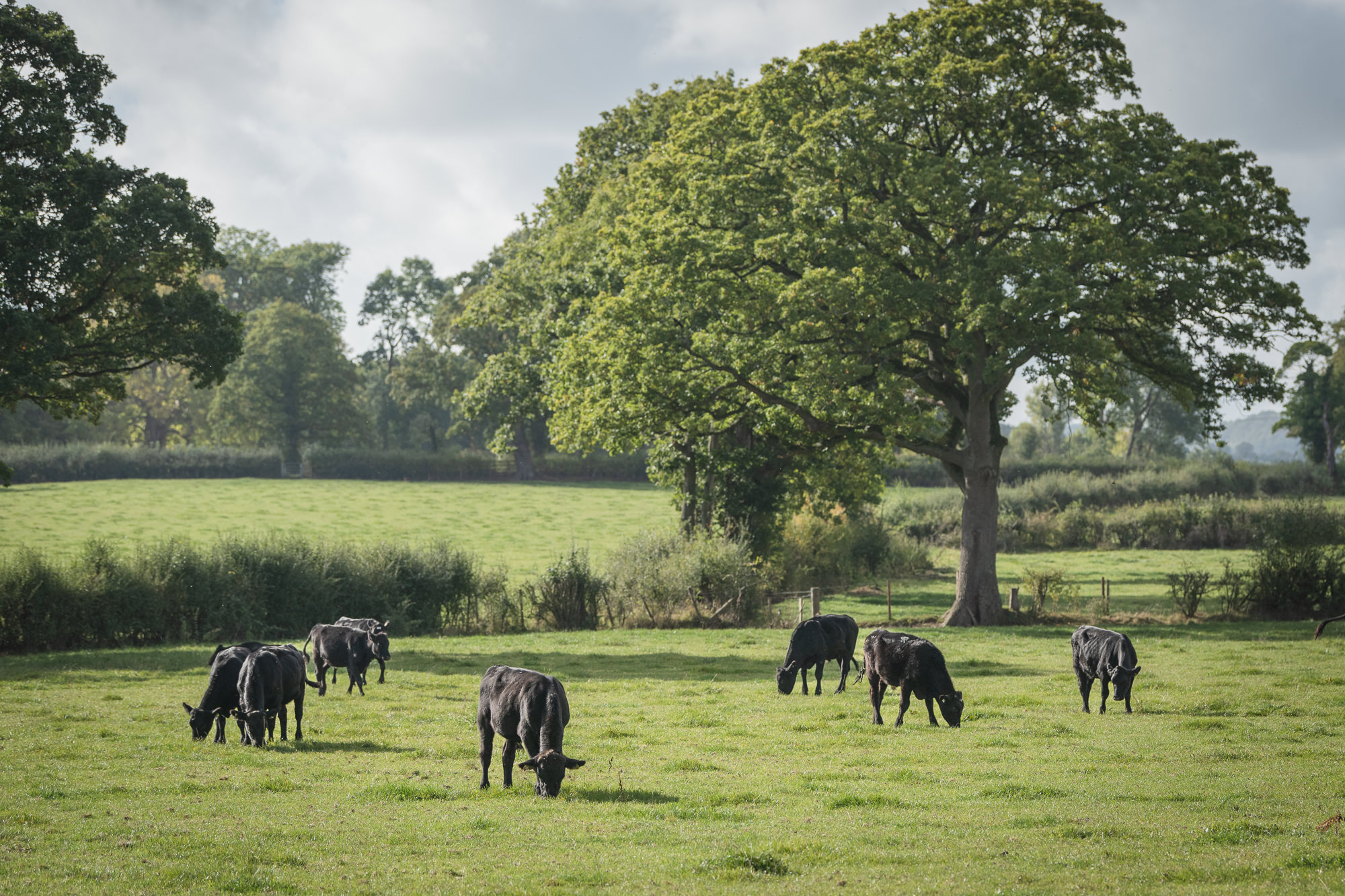
Those 800 acres of rich grass at Brongain Farm are home to 1,500 cattle, all of which benefit from the more sustainable farming methods of the farm.
By making sure the calves start with the best nutrition and preventing the spread of coughs and colds with the calf shed’s state-of-the-art ventilation systems, this makes the farm more efficient and leads to lower emissions.
As Rowan says, in addition to ensuring good animal welfare and more sustainable practices, their style of farming results in better quality and taste, too. “We’re a family farm,” he says.
“My parents and my sister are all actively involved with the daily running of the farm.”
Quality values make quality burgers
Together with McDonald’s, the Pickstocks are leading the Net Zero Beef Pathway project, aiming to create a blueprint by 2030 that will help guide more than 20,000 beef farmers across the UK and Ireland as they aim to reach net zero by 2040.
This is a target that McDonald’s has set as part of its business sustainability strategy, Plan for Change, and which is also aligned with that of the National Farmers’ Union.
The project looks for new ways to make beef more sustainable and trials them at Brongain Farm, before sharing the findings with other farms in the partnership. While it works towards the transition to net zero, it also ensures quality meat for the long term.
And Greg and Rowan have found that the answer is growing right under their feet.
“I’ve worked on the farm from a young age,” Greg says. “Over the past decade, I’ve seen more focus on sustainable farming and we’re keen to be a part of it.
“We started the project three years ago with McDonald’s, beginning with rotational grazing – moving cattle to fresh pasture every three or four days.”
Green scene
Rotational grazing lets the cattle enjoy the best and healthiest grass before they’re moved to another field and the land is rested. This method mimics the migrations of wild herd animals as they move from place to place, and it’s great for soil and animals alike.
“The results of rotational grazing mean the grass has time to regrow, along with other flora, and the cattle is raised on quality pasture, which in turn helps maintain the quality of the meat the farm produces for McDonald’s,” Greg says.
“Sustainability drives the future of beef production.”
Brongain Farm runs on regenerative principles that include keeping the soil covered to protect it from sun burning or frost, and keeping living roots in the soil, which provides food for creatures living underground.
As farm manager, Greg’s son Rowan has been at the forefront of the project. He uses a plate meter tool to measure the grass in each paddock, ensuring that it’s full of nutrients and its length is just right.
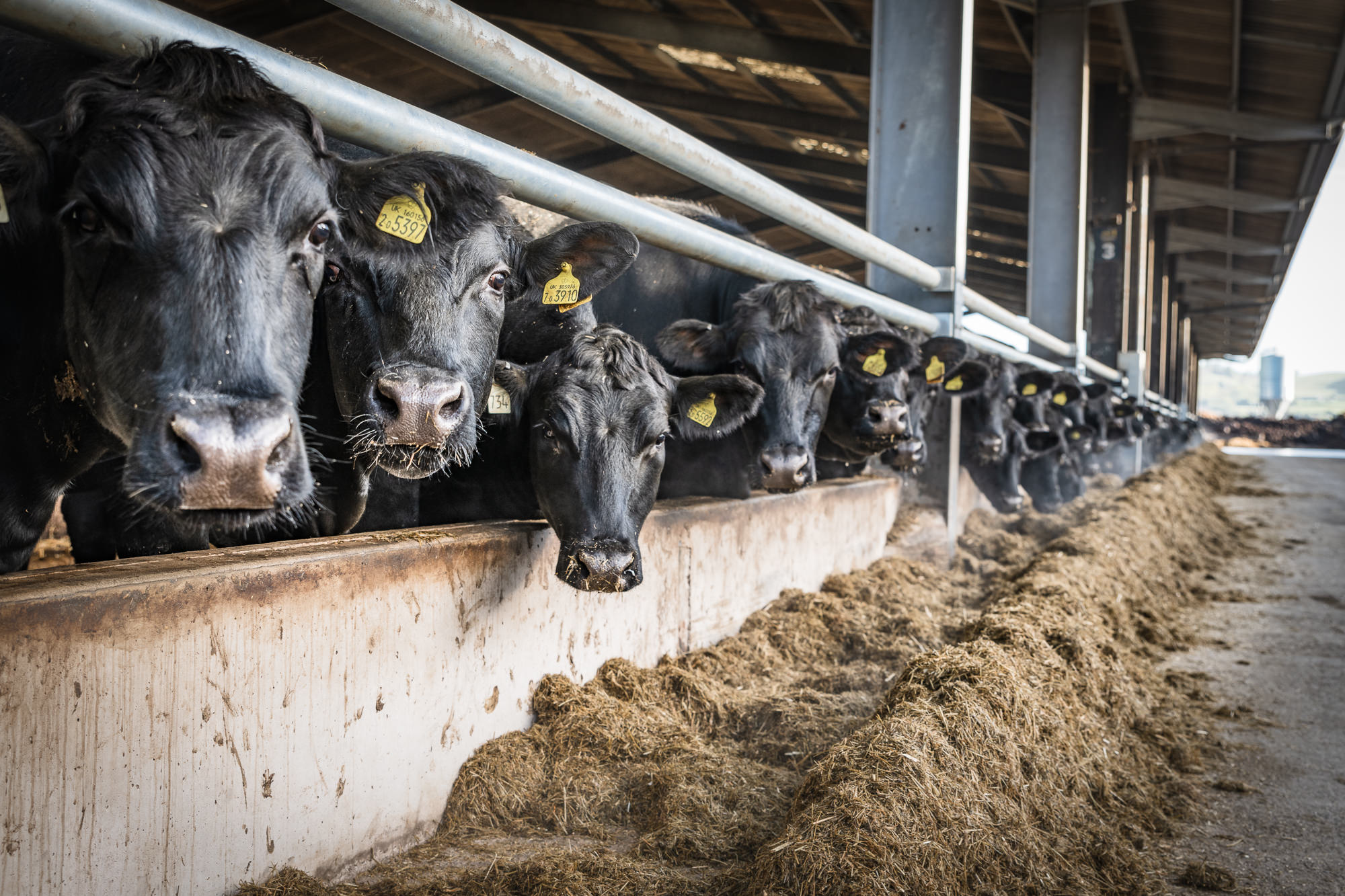
As well as serving local roast beef in its adjoining farm pub, Brongain Farm is one of the thousands of British and Irish farms that work with McDonald’s to provide quality ingredients for its menu.
Harriet Wilson, agriculture and sustainable sourcing manager for McDonald’s UK & Ireland, says: “As British and Irish beef is the only ingredient that goes into our patties, it’s crucial that we futureproof it from both a quality and sustainability point of view.
“That’s why McDonald’s is always innovating and investing in the latest research to support farm sustainability and animal welfare.
“It’s about regeneration, as well as focusing on quality, welfare and sharing – everything we learn is shared with all the farmers in our supplier network.
“At the end of last year, some of the dairy farmers that supply McDonald’s with the organic milk that goes into every cup of tea and coffee went out to see Brongain Farm in action, to better understand how regenerative principles could work on their farms.
“We’ve also formed a new Sustainable Beef Network, which provides British and Irish beef farmers a forum to discuss key issues and share knowledge with each other.
“Through these partnerships, trials and research, McDonald’s is reducing the carbon impact of its beef, which is good for everyone.”
The Pickstocks’ partnership with McDonald’s also focuses on looking at efficiency, breeding and nutrition to reduce the carbon emissions of cattle – something else for farmers to celebrate.
Looking to the future, Greg has even higher hopes. “We’re taking the steps now that will change farming forever. And my children are part of that future,” he says.