Substation
Security
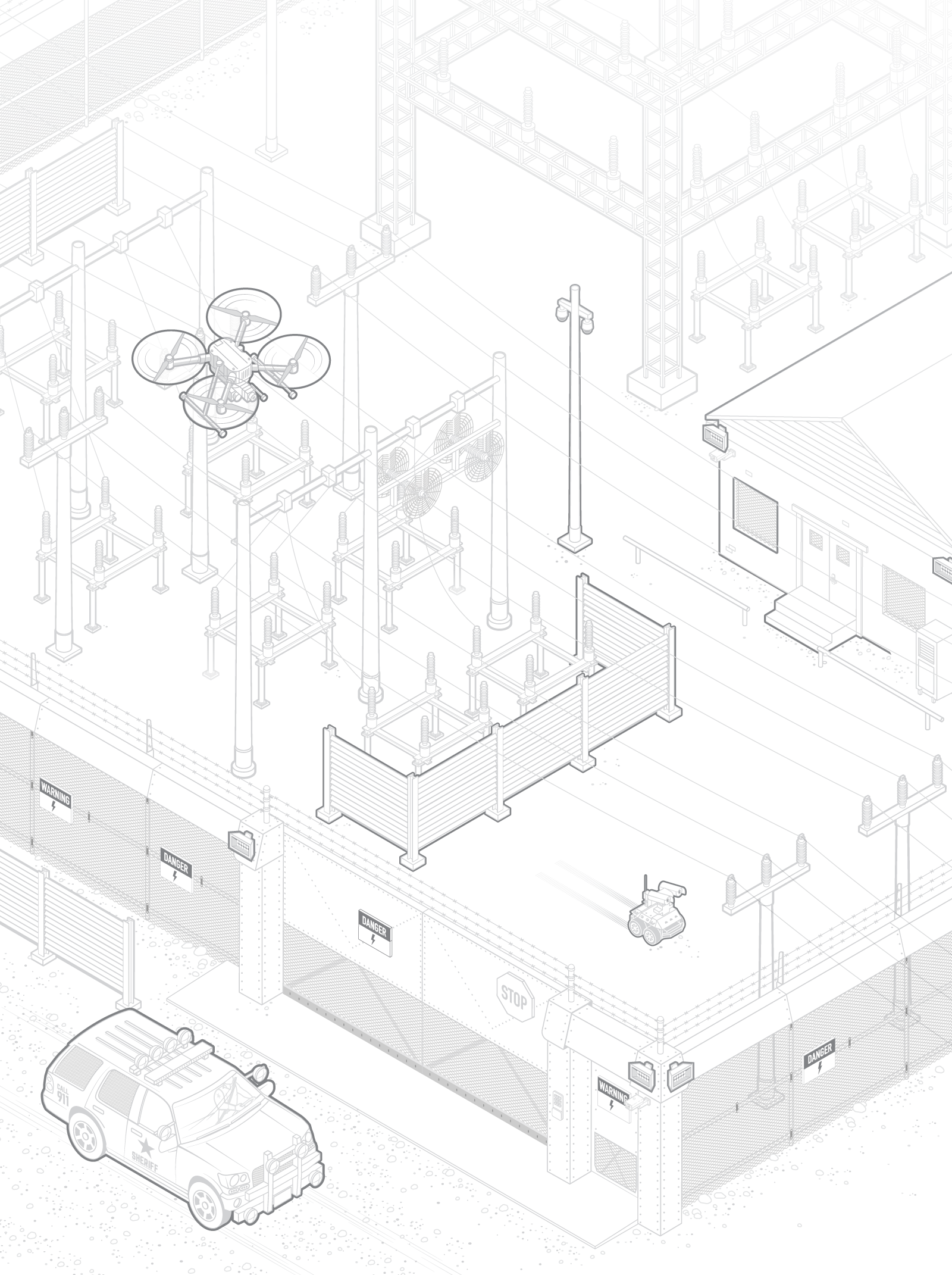
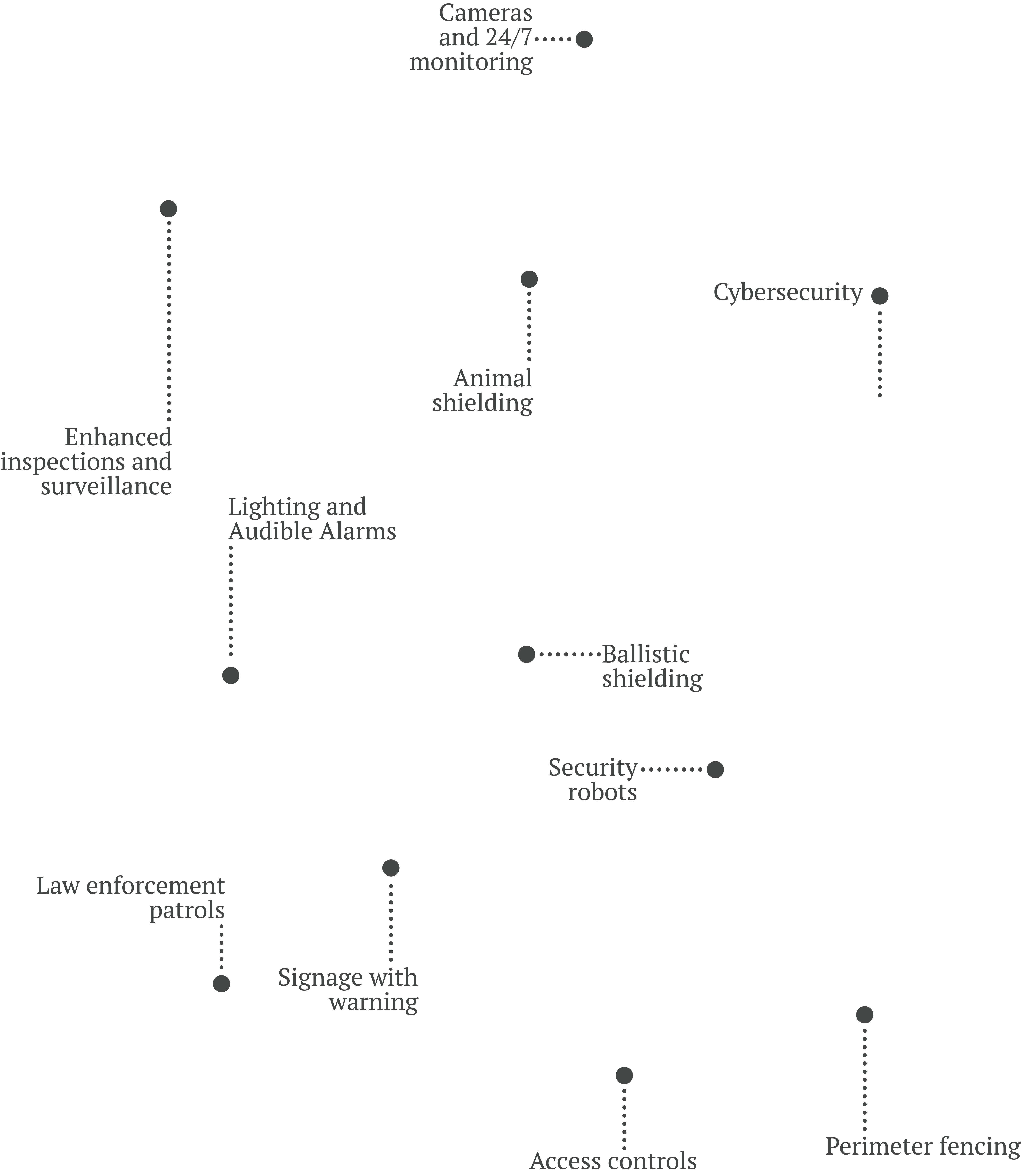
Power substations are often located in remote areas, where they can be vulnerable to everything from animal intrusions to hunting accidents to vandalism. But a recent spate of incidents across the country involving deliberate targeting of these critical facilities has put utilities, policymakers and law enforcement on high alert. Here are some of the measures co-ops take to harden substations against accidental and intentional damage.





Enhanced
Inspections
and Surveillance
Cameras and
24/7 Monitoring
Animal Shielding
Ballistic Shielding
Security Robots
Perimeter Fencing
Signage with
Warning
Law Enforcement
Patrols
Cybersecurity
Recent trends to digitization and automation have helped improve reliability. However, they offer potential attack vectors for cyberattacks. Cooperative staff could work with federal authorities, or contractors, to perform audits or simulate attacks to determine a system’s readiness.
Equipment can be a mix of
high-resolution video and infrared cameras. Pan, tilt and zoom features allow remote operators to respond to alarms. The cameras can also be used as part of a maintenance plan to determine if equipment is experiencing thermal issues. Cameras should be designed to meet the unique use cases of a utility substation. Software can help eliminate false alarms.
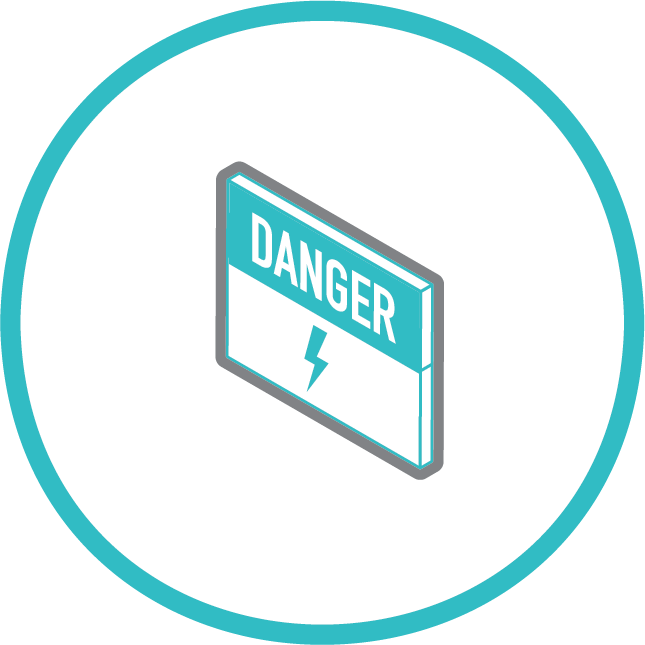
Many people do not understand the hazardous nature of what is in a substation. Some intrusions may be prevented with warning signs in multiple languages posted around the substation.
Cooperative staff can educate local law enforcement agencies on the critical nature of the substation and ask that they be placed on the list of businesses to be patrolled at night. Staff can also educate officers on the risks of the substation and what procedures to follow if an intruder is found inside.
Careful attention should be paid when installing shielding to ensure airflow to the equipment is not restricted. Shielding could be considered for substations that serve critical or sensitive loads. Idaho National Lab developed a product called the Armored Transformer Barrier that has been rated to stop .50 caliber rifle rounds.
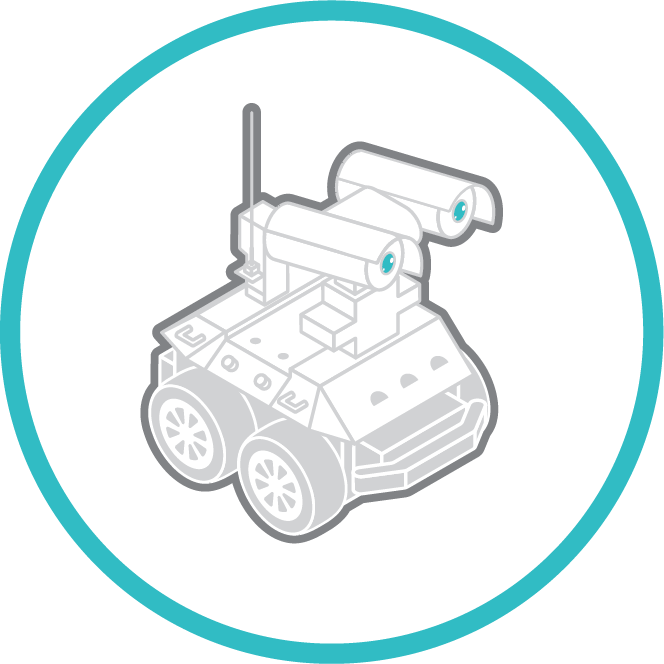
Similar to a radio-controlled car, these robots can be wheeled, tracked or even have legs. They come equipped with a variety of cameras and can be maneuvered around a substation by a remote operator to get an up-close look at potential issues. EPRI has tested several robots at its test facility in Massachusetts.
A chain-link fence is a standard part of every substation. However, pre-cast concrete and other materials can be used to obstruct the view for potential attackers. Several vendors sell fencing, or fence inserts, that can surround the entire substation. Realistically, these are not practical solutions for every substation. Inserts could be used for critical substations.
Not all bad actors walk on two legs. Animal-caused outages are still one of the leading causes of substation failures. Appropriate shielding for birds, rodents, snakes and other wildlife can help improve reliability.
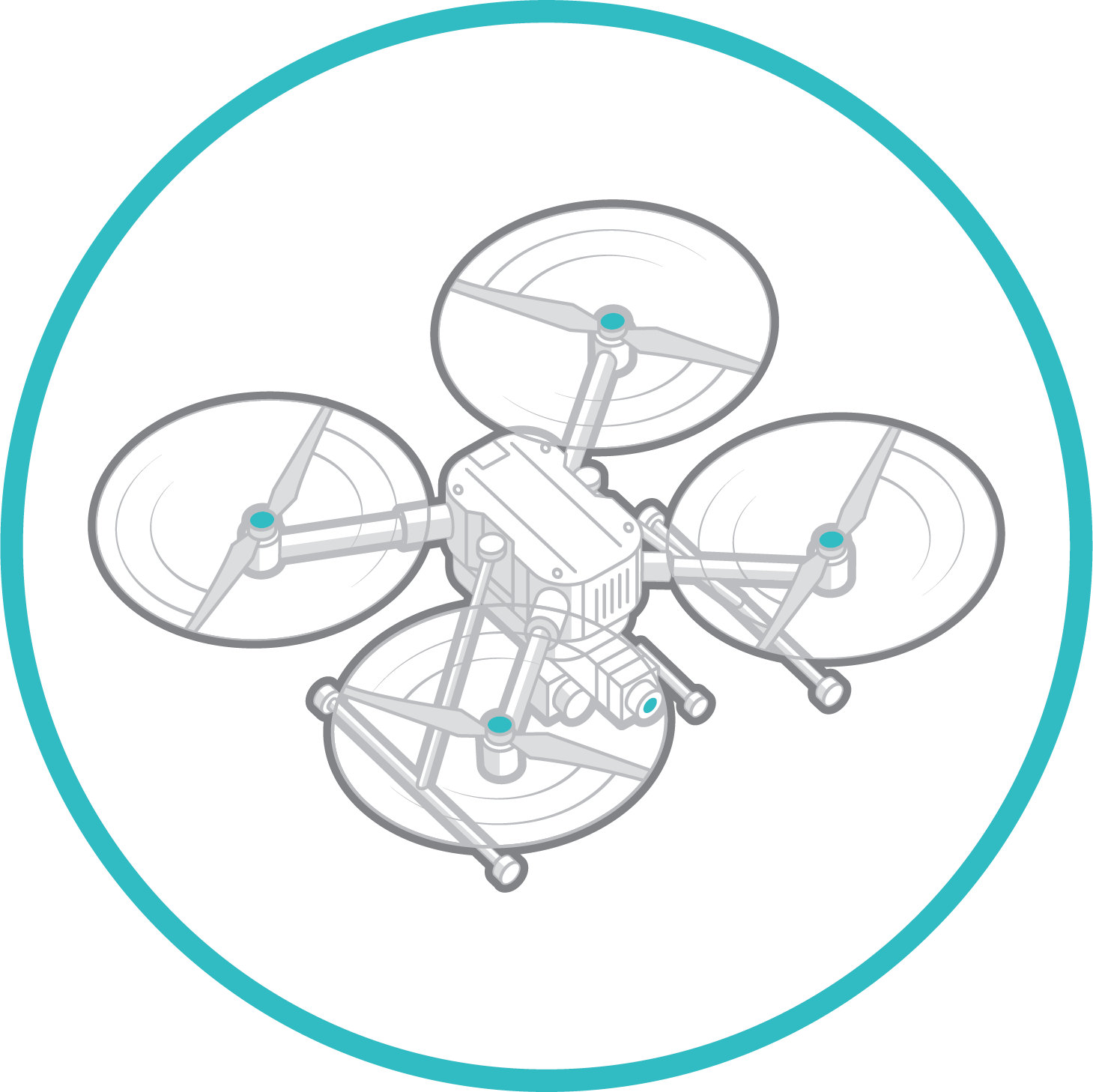
Unmanned aerial vehicles allow cooperative staff unique views of the substation. This viewpoint can reveal damage not apparent from the ground.

Lighting and
Audible Alarms
High-intensity lights, strobes and alarms could be triggered by an operator observing an intrusion. Signage on the outside alerting would-be intruders to the presence of such devices could help convince them to look elsewhere.
Access Controls
Upgrading to electronic controls that use cards and personal identification numbers can make gaining access more difficult. These systems can also generate a record of which employee) enter a substation. Electronic controls make unauthorized duplication of physical keys impossible.