METHODOLOGY
TEST YOUR JURY ASSUMPTIONS
THE RESULTS
INTRODUCTION
Earlier this year, Orrick surveyed 1,300 jury-eligible adults from across the United States to gain insight into what’s on the minds of Americans and how their views can impact our clients when confronting challenges in the courtroom or dealing with complex business decisions in the boardroom. The data provides deep insight into the thought processes, motivations and worries of Americans of all ages and across the political spectrum. This recent research builds on a 2022 survey Orrick conducted of more than 1,000 Americans and confirms that the trends first observed in 2022 have cemented over the last three years.
This glimpse into Americans’ attitudes reveals a dramatic loss of trust in core institutions – including the justice system – and a deep skepticism of corporate America, including technology, social media, oil and gas, pharmaceutical and financial services companies. People increasingly feel that too many aspects of their lives are out of their control and that they are helpless to address the issues confronting them. When given the opportunity in the jury room to take back some of that control, Americans are increasingly likely to apply their own view of what’s right and wrong rather than follow the law. They are also more likely to boycott companies they perceive to have taken positions with which they do not agree. And while more and more individuals are lamenting the fractured and polarized state of our nation, people’s views are becoming increasingly entrenched on the far ends of the spectrum on issue after issue.
METHODOLOGY
In February 2025, Orrick conducted an
online survey of jury-eligible adults in
14 different states – a mix of red and
blue – across the country. The 1,282
participants were a representative sample
of people who are showing up today for
jury service in these jurisdictions, with
comparable ages, races, occupations, education
levels and political affiliations.
TEST YOUR JURY ASSUMPTIONS
Below are a handful of the questions we asked potential jurors. Their responses may not be what you expected.

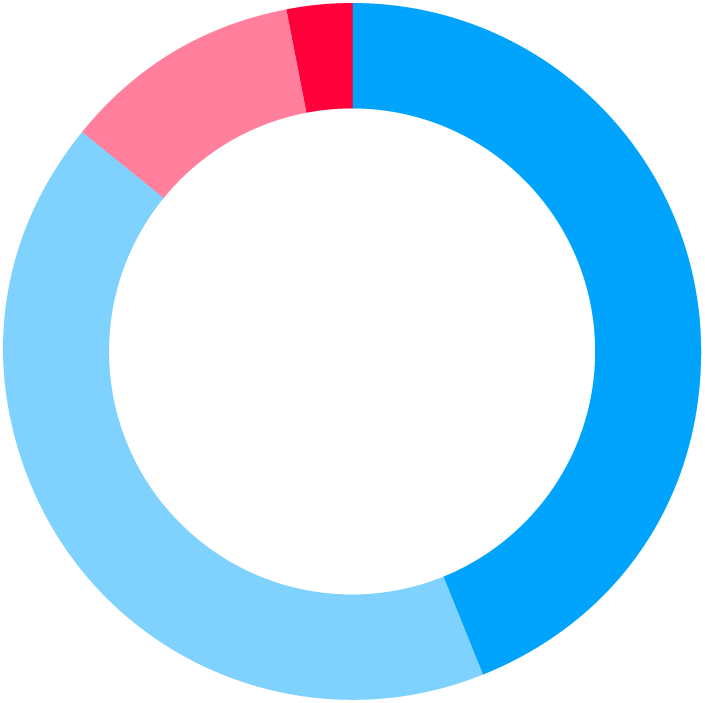
Do you have a bias against
big corporations?
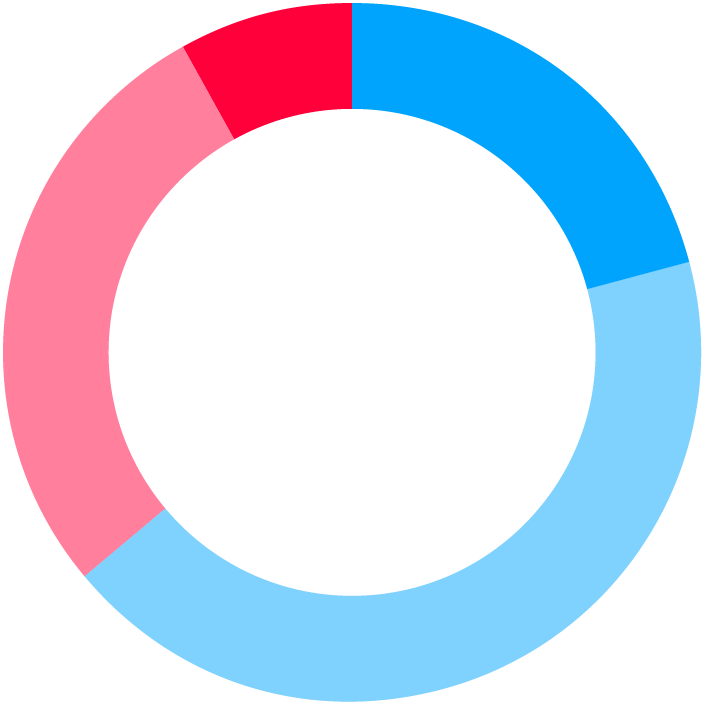
Do you agree that people
who bring lawsuits against corporations are usually
not compensated enough when they win a case?
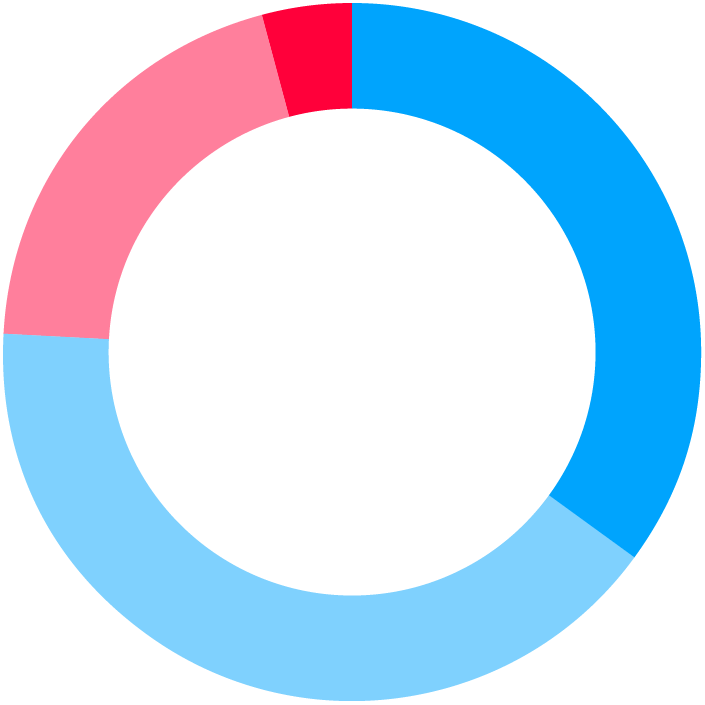
Do you agree that
corporations use their power and money to improperly influence regulatory
agencies or lawmakers?
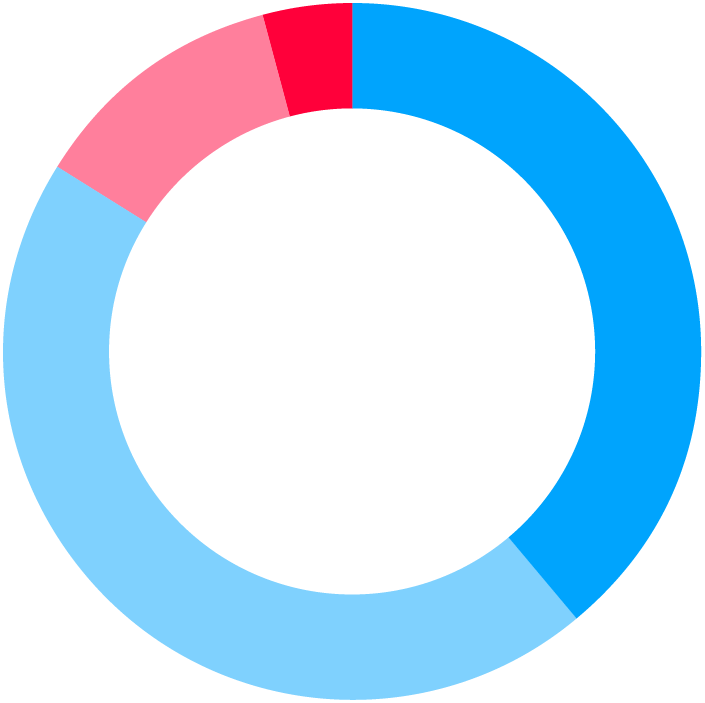
Do you agree that you
would avoid using a product
if some people claimed it
might cause cancer?
Do you agree that
people too often blame others for their problems?
Do you agree that
people will often bring
false claims to get money
they do not deserve?
52%
62%
72%
65%
One of the most striking shifts is people’s willingness to prioritize their own sense of what is right and wrong over what the law requires.
2025 RESULT
2022 RESULT
In a lawsuit, if protecting the community and the letter of the law come into conflict, do you agree judges and juries should prioritize the community over following the letter of the law?
Do you agree that an important function of juries in America is to send messages to corporations to improve their behavior?
To learn more about this study, please contact Bill Oxley and Meghan Kelly, co-leaders of Orrick’s Complex Litigation practice.

get in touch
Meghan
Kelly
get in touch
Bill
Oxley

Do you have a bias against
big corporations?
AGREE STRONGLY
AGREE SOMEWHAT
DISAGREE SOMEWHAT
DISAGREE STRONGLY
15%
18%
37%
30%
44%
3%
11%
42%
21%
8%
35%
4%
41%
39%
4%
45%
12%
28%
7%
21%
44%
Do you agree that corporations
use their power and money to improperly influence regulatory agencies or lawmakers?
Do you agree that people who
bring lawsuits against corporations
are usually not compensated
enough when they win a case?
Do you agree that you would avoid using a product if some people claimed it might cause cancer?
AGREE STRONGLY
Do you agree that people too often blame others for their problems?
DISAGREE SOMEWHAT
AGREE STRONGLY
AGREE SOMEWHAT
DISAGREE STRONGLY
Do you agree that people will
often bring false claims to get
money they do not deserve?
Participants were asked to respond to more than 150 questions,
many of which were asked during our 2022 survey and in similar research
conducted prior to the pandemic. The data was then aggregated to identify overall trends.
This shift has led to an increased willingness to provide high damages awards, with 80% of jurors now favoring the use of punitive damages and nearly half (48%) of jurors opposing any limitation on damages for pain and suffering.
Importantly, this trend isn’t limited to the courtroom. 64% of respondents are willing to boycott companies that take political or social positions with which they disagree.
AGREE STRONGLY
AGREE SOMEWHAT
DISAGREE SOMEWHAT
DISAGREE STRONGLY
DISAGREE SOMEWHAT
AGREE SOMEWHAT
DISAGREE STRONGLY
AGREE STRONGLY
AGREE SOMEWHAT
DISAGREE SOMEWHAT
DISAGREE STRONGLY
43%
28%
AGREE STRONGLY
AGREE SOMEWHAT
DISAGREE SOMEWHAT
DISAGREE STRONGLY
20%
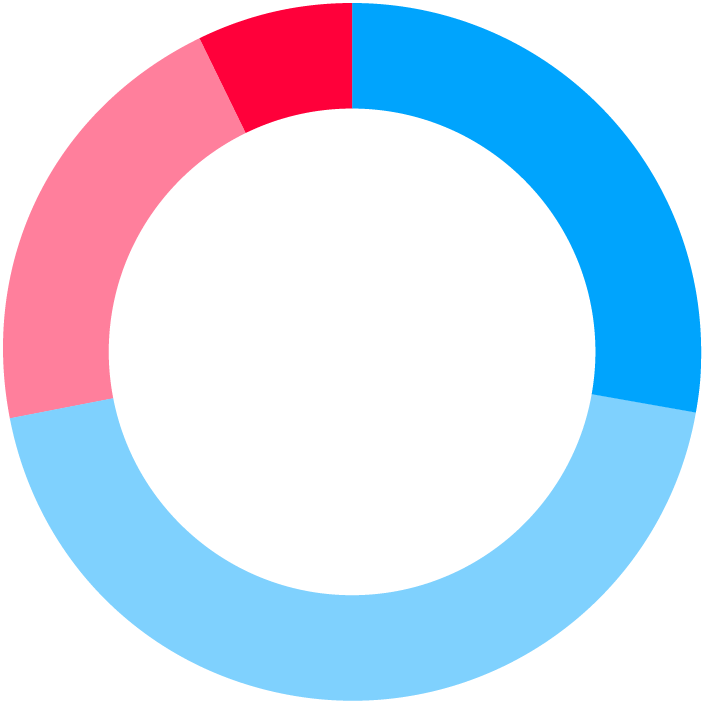
65% of respondents are now willing
to take matters into their own
hands when the law does not
support their idea of justice
And 72% believe it is a juror’s job to send a message to corporations to improve their behavior
These responses each represent double-digit increases over the 2022 results.


Additionally, 55% said they would
be likely to increase an award of damages if they learned that a litigation funder would receive any
of the damages award.

























get in touch
Julie
Totten

get in touch
Mark
Parris
To learn more about this study, please contact your Orrick litigation team or:
