
the
Art
of
necting
Discon


On Water
Paddle, sail or float the Keys

Let's play
On Water
On Land
Under water

marathon
Key west
Big Pine key and the Lower Keys
Islamorada
Key Largo
Disconnect in Paradise in Key Largo
Key Largo
On the water or underwater, Key Largo makes it easy to set your watch to island time and settle into vacation mode.
At about 32 miles long, Key Largo is the longest island (largo means “long” in Spanish) in the Florida Keys. Which means you get even more of a good thing. The waters surrounding Key Largo are what make this area truly special. With the Everglades National Park backcountry (mostly accessible by boat) off the west coast and the Atlantic Ocean and clear Gulf Stream waters to the east, Key Largo is the ultimate base camp for connecting with marine wildlife and disconnecting from all your hustle and bustle. When you’re immersed in the unique ecosystem here, you can’t help but focus on the amazing world we live in. Here’s how to tune into nature and leave the rest behind.

25.0865° N, 80.4473° W
Under Water

Go Spearfishing
Go SCUBa diving, naturally
Get offshore


But sportfishing in Islamorada isn’t just about reeling in trophies. The local community is passionate about sustainable fishing and working with nature, not against it. One of the most unusual—and exciting—ways to put that philosophy into action is to go spearfishing for lionfish. This invasive species, which is native to the South Pacific, was discovered in South Florida in the eighties. Experts believe the fish was either released or escaped from an aquarium. Since then, the South Florida lionfish population has exploded because the species has no natural predators in this area. Unchecked, lionfish damage reef ecosystems and threaten native fish populations.
Local anglers and divers have rallied, using spearfishing to help protect the reefs from lionfish damage. Join the collective effort on a spearfishing charter. A local boat captain will teach you everything you need to know about spearfishing and safely handling lionfish to avoid touching their venomous spines. At the end of the day, bring your catch back to shore for dinner.
Go Spearfishing for an Invasive Species (and Catch Dinner)
Explore the shallows
Tip:
Get the full experience at one of Islamorada’s “you catch, we cook” restaurants, where chefs prepare your own catch of the day for you. Lionfish ceviche is a local favorite. The buttery white fish pairs well with the acidic flavors in this dish.


Islamoradoa


When it comes to SCUBA certifications, there are three prominent organizations that educate and certify divers: the Professional Association of Diving Instructors (PADI), Scuba Schools International (SSI), and National Association of Underwater Instructors (NAUI). Each of these certifications are recognized internationally.
So what’s the difference? And what certification should you choose?
Every SCUBA school has a slightly different curriculum, but what you’ll be learning—underwater safety and skills—is relatively similar at each school. Typically, divers continue their education through one program. For example, if you take an Open Water course with PADI and want to move on to Advanced Open Water, you’d need to take your next course through a PADI dive shop. You’ll find dive shops that offer PADI, SSI, and NAUI certification throughout the Florida Keys. Some dive shops even have instructors from more than one school, so you can have your pick. PADI has the most certified dive programs worldwide, so if you're planning to earn additional certifications in other dive destinations, a PADI certification is the most versatile option.
On Water
Enter a Fishing Tournament
Islamorada is a place of sportfishing legends. Many aspects of saltwater fishing as we know it today were pioneered in this region of the Florida Keys, and fishing culture continues to run deep here. Islamorada is home to one of the densest populations of sportfishermen in the world—and a stomping ground for tournament-grade boat captains.
Fishing tournaments are held year-round, so there’s always an opportunity to join in the fun. Amateur anglers can enter public tournaments to experience the thrill of competition without a hefty price tag (entry fees are small or nonexistent). Or watch the pros compete for massive cash prizes. The famous Islamorada Sailfish Tournament, held every December, paid out $80,000 in cash prizes last year. If you aren’t able to line up your trip with a specific tournament, you can head out for a day of guided fishing with the same boat captains who compete.
Islamoradoa


On Shore
Take a Breather
It’s easy to be tempted by the lure of constant activities, especially on vacation, when new experiences are at every turn. But disconnecting is also about slowing down, so hit the pause button at one of Islamorada’s quiet beaches. From oceanside hammock naps to a yoga flow on the beach with Island Flow Yoga, there’s no shortage of ways to relax.
Want to try a unique meditative experience? Freediving—diving without scuba tanks—is the ultimate exercise in breath work. Skilled freedivers hone their breath-holding abilities to extend their time underwater, and for many, the breath control required to excel at the sport is a form of meditation. A number of local dive shops in Islamorada offer introductory freediving courses. You’ll learn breathing and breath-holding techniques that will help you explore reefs that are typically accessible only to scuba divers.
Islamoradoa
You know the joy of sitting around the kitchen table for a good old-fashioned game night? No phones, no distractions, just conversation and friendly competition. Fishing tournaments offer the same opportunity to disconnect while upping the ante on prizes.
Tip:


Learning a new skill is a great way to disconnect and be fully present in the moment.
Tip:


Under Water
Explore under the sea
Let's play

On Shore
Island hop for on-land adventures
Let's play

Disconnecting is about getting absorbed in the present. A great way to do that is to volunteer while you’re visiting a new place. Check out options for coral-reef restoration programs or cleanup dives so you can connect in a whole new way with the local environment.
Tip:
Go SCUBA Diving, Naturally
When it comes to disconnecting, nothing compares to submerging yourself in the sea. There’s something about hovering over a mesmerizing reef with only the sound of your breathing that erases the world above and immerses you in the underwater present. Sounds exotic, but you don’t have to venture to far-flung tropical destinations to get a taste of underwater tranquillity. Just off the coast of Key Largo, John Pennekamp Coral Reef State Park protects more than 178 square nautical miles of live coral reef—the only live barrier reef in the continental United States. As the country’s first underwater state park, the preserved area is a sanctuary for vibrant corals and the diverse sea life they support. It’s no wonder Key Largo is often called the Dive Capital of the World.
key largo
Fishing dates back more than 40,000 years. Although it’s more sport than necessity when you’re on vacation, this primal activity is a great way to disconnect from modern worries and focus on what’s on hand (or on the hook).
Tip:
Join a Fishing Charter
Good news for anglers: the nutrient-rich waters that make for great snorkeling in Key Largo also sustain large populations of game species like bonefish, permit, redfish, snapper, and trout. Because of the healthy fish numbers, some of the best fishing guides in the Atlantic base themselves in Key Largo. From offshore charters to flat-bottom boats for the shallows, there’s something for every type of angler. Or for a more low-key fishing experience, cast a line from shore in one of the sounds where you’ll have a chance to land spotted sea trout, snook, and other inshore species.
If the season and species regulations allow, anglers can keep some of their catch. Bring your catch of the day back to your vacation rental for a fresh-from-the-sea meal. Or let a chef at The Buzzard’s Roost cook your fish any way you’d like.

key largo

Dive Deeper in Islamorada
The stresses of everyday life give way to island vibes when you venture to the Village of Islands in the Florida Keys
Islamorada is the collective name for a stretch of six islands in the Florida Keys—Plantation Key, Windley Key, Upper Matecumbe Key, Lower Matecumbe Key, Indian Key, and Lignumvitae Key. The farther southwest you drive (Islamorada spans mile markers 90 to 72 on the Overseas Highway), the more removed from mainland Florida you’ll feel. Set your watch to island time, because your disconnection will be complete once you get here. Whether you’re looking to get out on the water or immerse yourself deeper in the culture of the Florida Keys, here’s how to experience the best of Islamorada.
Islamorada


Get to the Heart of the Florida Keys in Marathon
Explore Marathon’s beaches, coral barrier reefs and meet the locals working to protect them
Nearly equidistant from Key Largo and Key West, Marathon is truly the heart of the Florida Keys. This chain of 13 islands is known for its flats fishing, shallow reefs, and variety of beaches. The area is also home to an active community of scientists, conservationists, and eco-minded business owners who are eager to connect with visitors and help them gain a deeper understanding of the ecosystems and marine life in the Keys. From exploring protected areas to joining conservation efforts, here’s how to get the full experience in Marathon.
Marathon


Slow Down in Big Pine Key and the Lower Keys
Time spent outside and human-powered fun are what this region of Monroe County is all about
If you’re looking for a quieter side of the Florida Keys, look no further than Big Pine Key and the Lower Keys. Known for its protected natural spaces, the region is sometimes referred to as the Natural Keys. And when you’re exploring the many ecosystems on land or in the water, it’s easy to see why. From exploring mangrove tunnels and offshore reefs to bird watching and simply relaxing in nature, here’s how to experience the best of Big Pine and the Lower Keys.
Big Pine Key & The Lower Keys


Experience Another Side of Key West
Famous for its rowdy buccaneer history that lives on today, Key West also offers plenty of outdoor adventures and chances to disconnect
While most of the Florida Keys is known for its laid-back vibe, Key West’s colorful streets and lively culture put this region of the Florida Keys in a class of its own. Here, at the southernmost point in the continental U.S., you’ll find a rich mix of Cuban and other Caribbean cultures—Cuba is only 90 miles off the coast of Key West—that influence food, music, and architecture. The locals are as colorful as the pastel buildings that line the downtown streets. And there’s always something happening downtown: from block parties in Mallory Square to the nightlife scene on world-famous Duval Street. Of course, Key West still has plenty of opportunities to spend time in nature, too. Here’s how to enjoy the best of both worlds in Key West.
Key West

24.9243° N, 80.6278° W
24.7260° N, 81.0446° W
24.6699° N, 81.3540° W
24.5554° N, 81.7842° W
Looking for options to snorkel from the shore? Head to Sombrero or Horseshoe beaches for easy-access to snorkel sites you don’t need to hop on a boat to explore.
Tip:
Explore the Shallows
Scuba diving isn’t the only way to get a firsthand look at the ocean habitat in Key Largo. The shallow, nutrient-rich waters near the coast teem with life, making it rewarding to explore at the surface. The calm, sheltered waters—nurseries for juvenile fish, sharks, and other marine life—are great for snorkeling or paddling. Join a snorkeling tour with a local guide who can show you all the best places to explore and teach you about the local ecosystem and species you’ll encounter.
Marathon is also known for its shallow live coral reefs that are easy for beginner SCUBA or free divers and even snorkelers to explore. Delta Shoals, Coffin Patch, and Sombrero Reef are some of the most vibrant reefs in the area. You’ll see a variety of coral formations, from spur and groove systems and patch reefs to coral canyons and natural bridges—all with a maximum depth of 20 to 30 feet.
Key Largo & Marathon

While it’s possible to take a day trip to Dry Tortugas National Park, spending a few nights camping at the park (the only option for overnight stays) is the best way to get the full experience and truly unplug.
Tip:
Get Offshore
For deeper water, venture offshore to Dry Tortugas National Park. Located more than 70 miles off the coast of Key West, this remote park is only accessible by boat or seaplane. A daily ferry leaves from the Key West marina for day and overnight trips. Or you can hop on a charter plane, which is well-worth the views you’ll get flying over the Keys. The park encompasses seven islands, including Garden Key, which is home to Fort Jefferson—one of the largest American forts ever built. Combined, these seven islands account for less than one percent of the total area of the park, however. That’s because more than 99 percent of the park is water, which means diving or snorkeling here is a must. The protected waters within the park boundaries are teeming with marine life and coral reefs just waiting to be explored.
Key West

Plan your trip to coincide with the Underwater Music Festival held at the reef every July. Locals go all out with costumes and aquatic-themed underwater sets (think: Jimmy Buffet vibes) all in the name of raising awareness for reef conservation efforts in the area.
Tip:
Visit Looe Key
Located about seven miles off the coast of Bahia Honda State Park, Looe Key is unlike other islands you’ll encounter in the Florida Keys. That’s because what was once a small spit of land is now a completely submerged reef after erosion swept the land away. Despite the change in status from island to reef, the area retained the title Looe Key—named for the H.S.M. Looe, which wrecked on the now-submerged island in 1744. Coral formations range in depth from seven to 30 feet, so this shallow reef is a popular spot for both snorkeling and diving. Because the reef is part of the Florida Keys National Marine Sanctuary, it’s full of diverse marine life. You’ll even have the opportunity to see larger fish and sharks since the reef is off shore.
Big Pine Key & The Lower Keys

visit looe key

Kayak in the Mangroves
explore the flats
get a history lesson
enter a Fishing tournament
join a fishing charter
A guaranteed strategy for disconnecting? Remove all distractions. That’s easy to do at Islamorada’s two islands accessible only by boat. Both Indian Key and Lignumvitae Key feel like a world away from the shopping, dining, and activity-filled main islands, because they are.
Tip:
Get a History Lesson
With three geological and historical state parks, Islamorada is a hub for learning about the rich past of Florida’s barrier islands. Windley Key Fossil Reef Geological State Park was once a limestone quarry. Today, you can study cross sections of an ancient coral reef in the eight-foot-high quarry walls. Take a boat ride to Indian Key Historic State Park to see the remains of 1800s buildings and learn about the island’s colorful past in the unregulated wrecking and salvage industry. For a look at the region’s natural history, explore Lignumvitae Key Botanical State Park by kayak. There you’ll see the tropical hardwood forests that were once common across most of the Upper Keys.

Islamoradoa

A guaranteed strategy for disconnecting? Remove all distractions. That’s easy to do at Islamorada’s two islands accessible only by boat. Both Indian Key and Lignumvitae Key feel like a world away from the shopping, dining, and activity-filled main islands, because they are.
Tip:
Explore the Flats
The Bonefish & Tarpon Trust (BTT) focuses on protecting three fish species—bonefish, tarpon, and permit—that face threats from declining habitats in the flats (shallow water habitats) around the Florida Keys. To learn more about these ecosystems, head out on a flat bottom boat with a certified BTT Conservation Captain, who understands the importance of responsible visitation and fishing in the flats. You’ll get a chance to see these shallow, grassy ecosystems up close and can even enjoy some catch-and-release fishing.

marathon
Mangrove islands are avian sanctuaries. Spend some quiet time as you float listening to the bird calls.
Tip:
Kayak in the Mangroves
There’s no shortage of places to explore via kayak or SUP in the Florida Keys, but a maze of mangrove tunnels is certainly the most unique place to paddle. Launch your vessel at the Sugarloaf Marina and paddle across the sound. Then take your time cruising through the navigable channels lined with thick mangrove forests and duck under entangled branches that give you the feeling of exploring a remote jungle. Get Up and Go Kayaking offers tours in clear kayaks so you have the added benefit of seeing the marine life below you as you paddle.

Big Pine Key & The Lower Keys
Only 30 of the nearly 1,700 islands in the Florida Keys are inhabited, which makes it easy to escape civilization for the day.
Tip:
Sail the Lakes Passage
Although large cruise ships frequent the deeper water around Key West, a shallow channel called the Lakes Passage runs along the northern side of the barrier islands. These shallow waters connect Key West to a number of uninhabited mangrove islands that provide shelter to unique aquatic ecosystems. Set sail on the Java Cat—a catamaran offering kayaking ecotours out of the Key West Historic Seaport. With kayaks in tow, your local captain will navigate the passage and drop anchor in the protected waters of the Key West National Wildlife Refuge. Paddle around the islands as your guide points out different species of birds that nest in these remote mangrove forests. Then put on your mask and fins for a little snorkeling to see what kind of marine life seeks refuge in the shallows.

key west
Sail the Lakes Passage
bike seven-mile bridge
visit a food forest
Meet Conservationists
get a history lesson
Take a breather
hike a nature trail
Get the full experience at one of Islamorada’s “you catch, we cook” restaurants where chefs prepare your own catch of the day for you. Lionfish ceviche is a local favorite. The buttery white fish pairs well with the acidic flavors in this dish.
Tip:
Get a History Lesson
If you run into a stormy afternoon—not uncommon June through October—head to the History of Diving Museum on Upper Matecumbe Key. The collection includes artifacts, books, photos, and documents that chronicle the scuba diving’s evolution since the first records of underwater breathing in the 16th and 17th centuries.
Islamoradoa

Keep an eye on the Turtle Hospital’s social media for updates on public releases so you can watch rehabilitated sea turtles return to the wild.
Tip:
Meet Local Marine Conservationists
Marathon is brimming with opportunities to link up with local conservationists and learn more about the region’s original locals—marine life. Of the seven species of sea turtles, five live in the waters off the coast of Florida. It’s no secret that human activity can be extremely harmful to these creatures when they ingest trash, get tangled in nets or other debris, or battle disease caused by pollution. The Turtle Hospital in Marathon has been helping to treat and rehabilitate sea turtles since 1986. To see the center’s work in action, join a daily educational program for visitors. You’ll get to meet current patients and learn about the process for rehabilitating turtles to be released back into the wild.
marathon


The Seven-Mile Bridge is also a fantastic spot to watch the sunset—a surefire way to disconnect at the end of the day.
Tip:
Bike the Seven-Mile Bridge
The Florida Keys are connected via a single highway and series of 42 bridges from one chain of islands to the next. Seven-Mile Bridge, which stretches from Marathon to the Lower Keys, is the longest (and most famous of the spans). From the bridge, you can see many of the diving and snorkeling sites just offshore, including Sombrero Light Tower—the tallest lighthouse in the Keys—that marks the shallowest sections of Sombrero Reef. The bridge makes for a scenic drive. But if you want to slow down to truly appreciate the view, opt for the pedestrian-only Old Seven-Mile Bridge. The 2.2-mile pathway that links Marathon to Pigeon Key is constructed on the original bridge and runs parallel to the present-day road. Local bike shops rent beach cruisers that are perfect for a mellow ride.

marathon
For the best chance at spotting Key deer, head out at dawn or dusk when the deer are more active due to cooler weather and quieter trails.
Tip:
Hike a Nature Trail
The Florida Keys are famous for the wildlife you can experience underwater, but sightings on land are equally as fun in Big Pine and the Lower Keys. Go for a hike in the National Key Deer Refuge on Big Pine Key where you can encounter an endangered species of deer found only in the Florida Keys. These tiny Key deer are a relative of the white-tailed deer, but have evolved to be much smaller to adapt to life on the islands. On trails in the nature preserve, you can also see more than 20 species of other endangered animals and plants.

Big Pine Key & The Lower Keys marathon

Mallory Square is the perfect place to catch a sunset on the water and enjoy craft markets, street performers, and live music by local bands.
Tip:
Immerse Yourself in Culture
Walk the streets of downtown Key West, and you’ll feel more like you’re on an island in the Caribbean than on U.S. soil. Bahamian, Cuban, and Afro-Caribbean culture runs deep here—as evidenced by the authentic food, Latin music, conch-style buildings, and welcoming atmosphere. The best way to learn about the region’s rich history is on a guided tour of the city. Local guide companies offer a variety of tours through the city. Hop on a beach cruiser to pedal along downtown streets. Or venture out after dark on a ghost tour to visit the city’s most haunted landmarks and learn about a darker side of Key West’s history. Before or after the tour, fill up on delicious local food: try El Siboney for the best Cuban food you’ll have in Key West or Mo’s for Caribbean-Creole dishes.

key west
Botanical gardens and other green spaces have proven benefits for mental and emotional health and are a great place for quiet reflection.
Tip:
Meet the Other Colorful Locals
The human residents of Key West will always show you a good time. But you’ll meet a completely different kind of local at the Key West Butterfly Garden & Nature Conservatory. At this tropical botanical garden, you’ll see more than 50 species of butterflies as well as “butterfly friendly” exotic birds and two resident flamingos. You can spend as much time as you’d like wandering the enclosed garden with hundreds of free-flying butterflies. Don’t miss the conservatory’s exhibits about butterfly life cycles and the monarch migrations, which pass through the Florida Keys each year in January to early March and again in September to early November.

key west

Click on each circle to learn about each area

Disconnecting is about getting absorbed in the present. A great way to do that is to volunteer while you’re visiting a new place. Check out options for coral reef restoration programs or clean-up dives so you can connect in a whole new way with the local environment.
Tip:
Get SCUBA Certified
Because Key Largo’s waters are calm and its dive sites relatively shallow, it’s a great place to try diving for the first time. Local dive shops offer Open Water Diver courses, which include classroom sessions, pool training, and four open-water training dives, year-round. After completion, you’ll be certified to dive down to 60 feet—perfect for most sites in Key Largo. Don’t have time for a multiday course? Try a Discover Scuba Diving class, also offered at most local dive shops, to get a taste of diving without committing to a certification.
Of course, tranquility isn’t the only way diving helps you to disconnect from day-to-day life. It’s also about the people you meet and the dive culture that gives even the most novice divers a sense of belonging. The dive community in Key Largo is as vibrant as the reefs themselves. No matter what time of year you visit, a local divemaster will be happy to take you out to the best dive sites. You may even be lucky enough to join one of the many special dive events throughout the year, like Key Largo’s Reef Fest—an annual celebration of marine conservation.

key largo
or get scuba certified
Camp by the Beach
With minimal light pollution, Bahia Honda State Park is one of the darkest places in the area. At night, take a blanket or chairs up to the Old Bahia Honda bridge for the best stargazing in the Florida Keys.
Tip:
Camp by the Beach
When day trips to the beach or staying in a hotel by the beach isn’t quite enough beach time, camping at the beach is about as close as you can get to around-the-clock beach access. Beachfront campgrounds and RV parks are popular throughout the Florida Keys, but the Lower Keys are a great option for a quieter camping experience. Book a campsite at Bahia Honda State Park where you can stay tucked in the mangroves but right on the beach. You’ll have access to swimming from the shore, a marina, an onsite dive shop offering dive and snorkeling trips to the nearby reef, and plenty of opportunities for relaxing in nature.

Big Pine Keys & The Lower Keys
Experience the Culture
In today’s world, food sources are often wildly disconnected from the communities who depend on them. Locally grown food is another great example of slowing down and focusing on what’s in front of us.
Tip:
Visit a Food Forest
A new generation of local business owners in Marathon is passionate about bringing more eco-conscious tourism to the Florida Keys. Bongos Botanical Beer Garden is a local hangout in Grassy Key that’s dedicated to providing organic, sustainable food. Since 2011, owner Matt Sexton has been turning the land into a closed-loop, organic food forest that is a source for fruit and herbs used in the dishes they serve. Wander around the garden, relax in a hammock, and indulge in delicious locally grown food for the ultimate afternoon of disconnecting.

marathon

Come Disconnect
meet the locals
What Dive Certification Should I Choose?

Running parallel to the shore of the mainland or an island, a barrier reef typically forms off shore and leaves a protected channel of water or a lagoon between the reef and the shoreline. The barrier reef in the Florida Keys National Marine Sanctuary is the only living coral barrier reef in the continental US.
4 Types of Reef Formations Found in the Florida Keys
Barrier


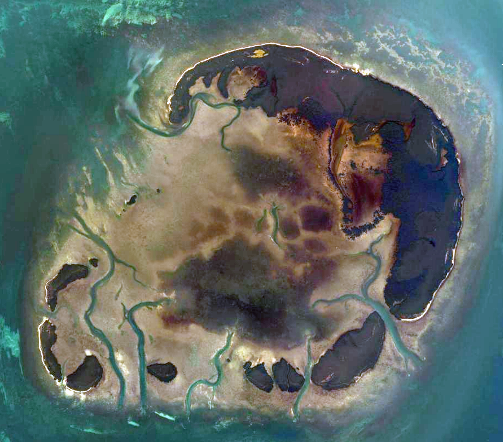
Coral reefs that form in a ring shape are called atolls. These circular reefs typically form around the mouth of an underwater volcano that surfaces and then recedes over millions of years. Because the Florida Keys are limestone islands rather than volcanic islands, none of the reefs here are volcanic atolls. Marquesas Keys off the coast of Key West, however, is a unique case. Scientists believe this circular cluster of islands was likely formed by a prehistoric meteor. When the meteor crashed into the mangrove island, it formed a lagoon and the islands that remained became a non-traditional atoll.
Atoll
Fringing reefs differ from barrier reefs in that they grow directly along the shoreline—leaving only shallow water between the reef and the beach. Although fringing reefs are the most common type of reefs in the world, this formation is not as commonly seen in the Florida Keys. To experience fringing reefs, head to Dry Tortugas National Park off the coast of Key West.
Fringing

As the name implies, patch reefs grow in small, isolated sections off shore. While many of the reef formations in the Florida Keys are part of the larger barrier reef, you can find patch reefs, including Coffin Patch off the coast of Marathon, as well. in the area as well.
Patch


Whether you decide to snorkel, go for a cruise, or stay the night underwater, put your phone away and opt for a Polaroid camera or GoPro so you can focus on the fun instead of on your phone.
Tip:
Go Underwater-ish
Experience the reef without getting wet—on a glass-bottom boat. The Key Largo Princess tours John Pennekamp Coral Reef State Park and the Key Largo National Marine Sanctuary, and its flat windows allow you to see the reef without any distortion. It’s about as close to scuba diving as you can get without getting in the water. When you’re not belowdecks seeing the underwater sights, the boat’s sundeck is a great spot for 360-degree views of the surrounding seascape. Or book a stay at Jules’ Undersea Lodge, an underwater hotel with porthole views and unique offerings, including underwater pizza delivery.

key largo
Go Underwater-ish


necting