PRESENTED BY


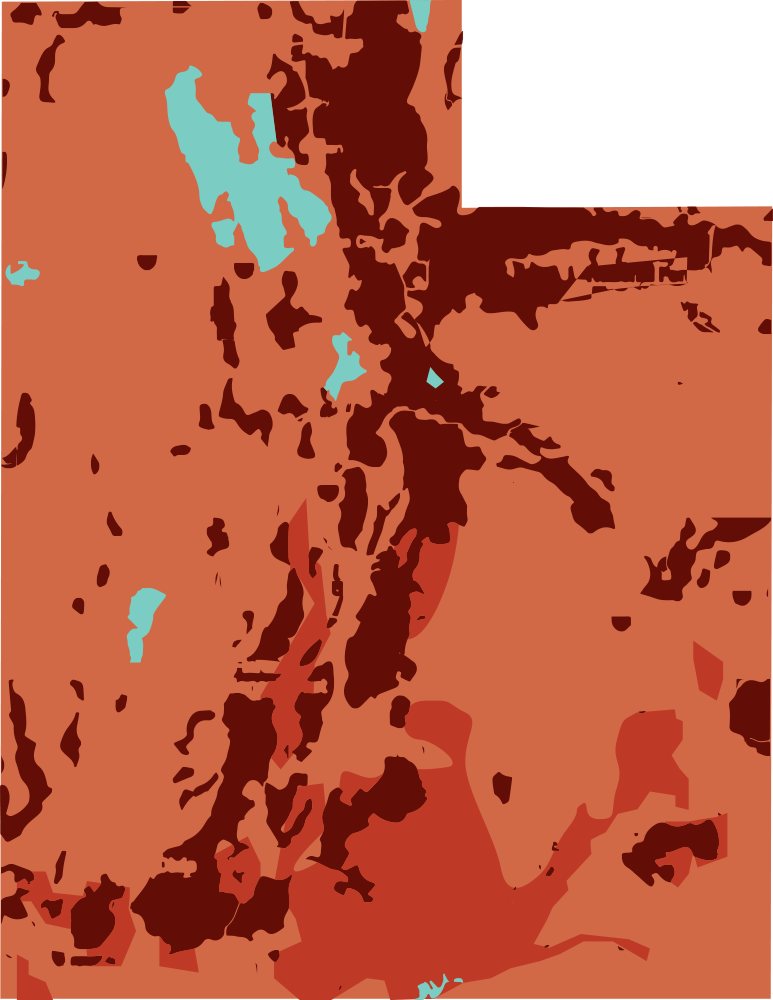
Explore the map below for great adventures, with fewer people.
UTAH
Arizona
Nevada
colorado
What do you want to do?
Go Deep
Connect with cultures
find accessible adventures
Explore Dark Skies
Cleveland-Lloyd Dinosaur Quarry
Hovenweep National Monument
Bears Ears National Monument
Grand Staircase-Escalante National Monument
Monument Valley Tribal Park
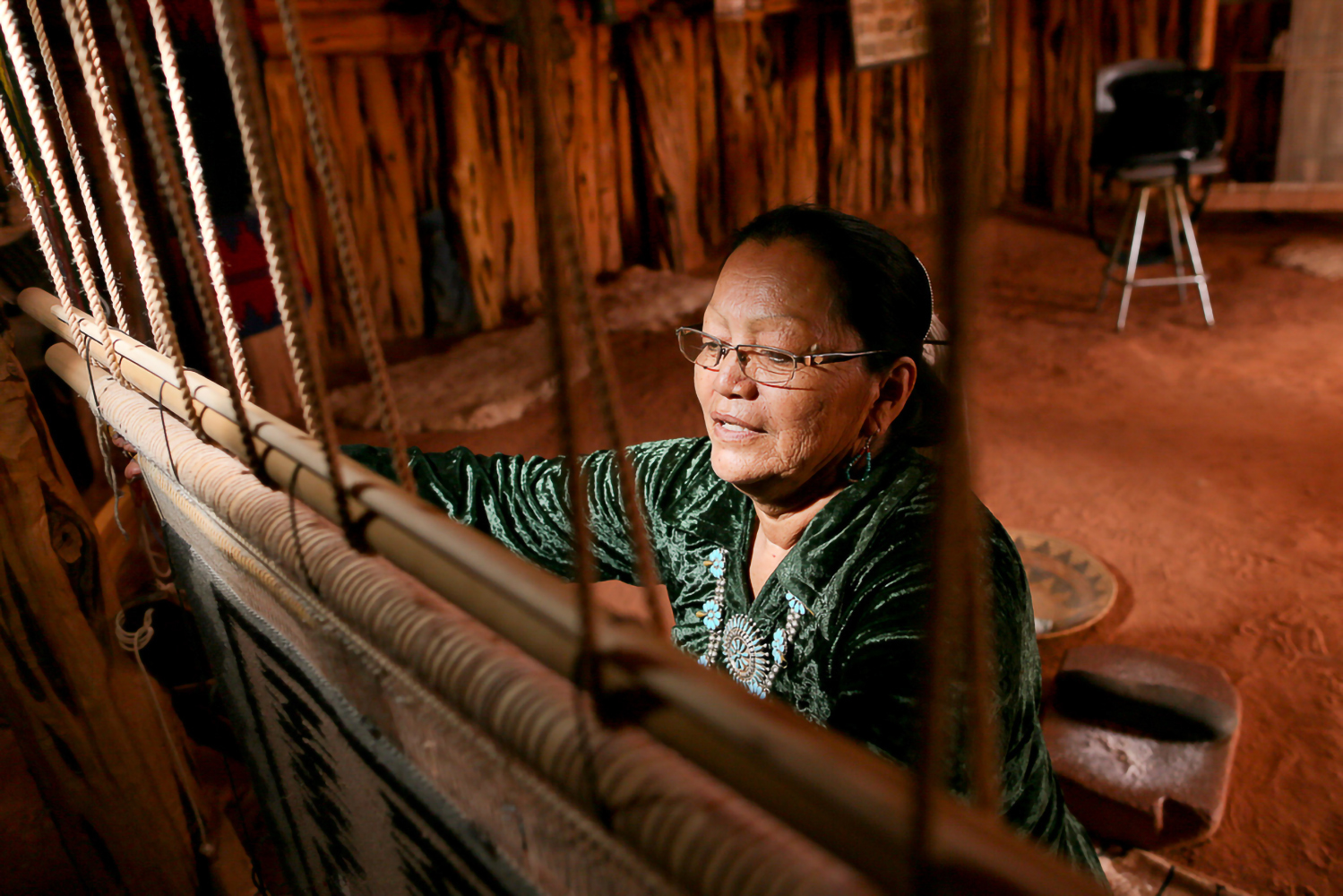

Bears Ears National Monument
This vast swath of southeastern Utah is rich in the ancestral history of the Hopi, Navajo, Ute Mountain Ute, Ute Indian, and Pueblo of Zuni nations. Once it’s safe to travel again, stop by the Friends of Cedar Mesa visitor center in Bluff to learn about the area’s history and its need for care. “Your real responsibility is to allow the next party to enjoy it just as much as you did,” says Gonzales-Rogers. Want to explore with a guide? Navajo-owned Ancient Wayves River and Hiking Adventures offers half-day tours and overnight guided backpacking experiences diving into the history and geology of Bears Ears.
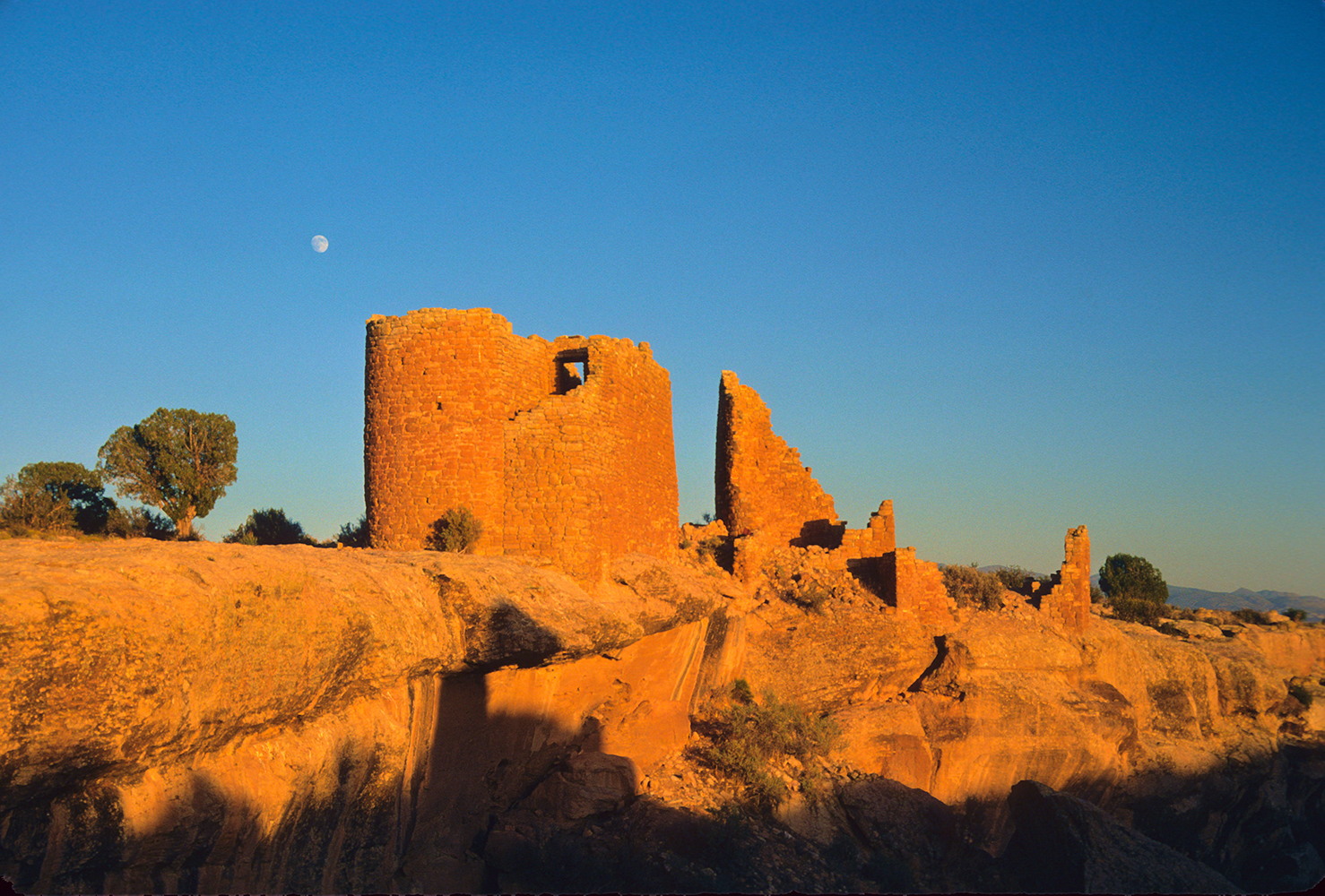
Hovenweep National Monument
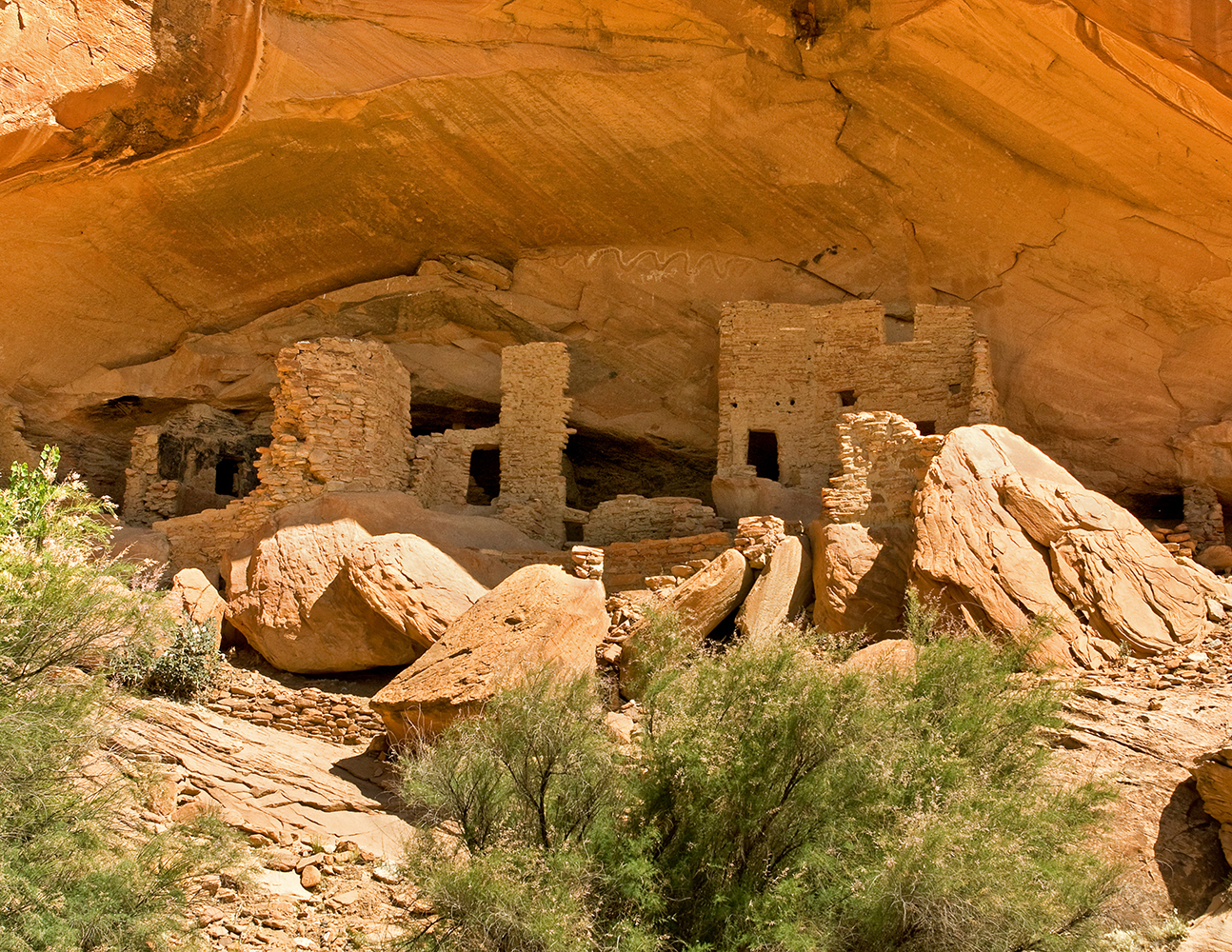
People have lived in the area now protected as Hovenweep National Monument for over 10,000 years. At this park in the southeastern corner of the state, you can hike to six ancestral Puebloan villages, built between 1200 and 1300. The first overlook on the Square Tower Group Trail, where you can see dozens of ceremonial buildings called kivas, is wheelchair accessible. Hovenweep is just over the state border from Colorado’s Mesa Verde National Park, which Gonzales-Rogers recommends visiting as part of a trip to Bears Ears.
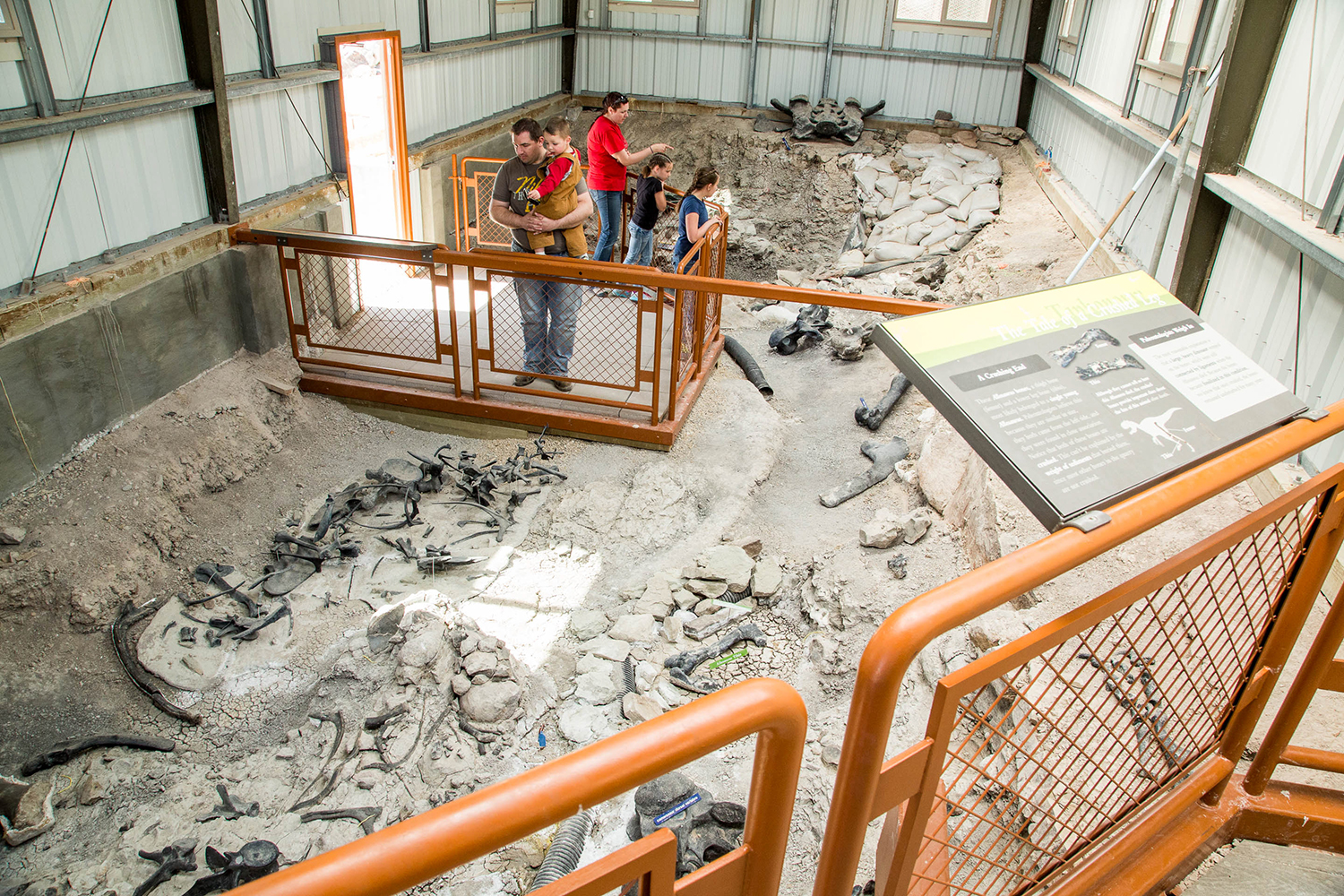
Cleveland-Lloyd Dinosaur Quarry
A few hours north of Capitol Reef, Canyonlands, and Arches national parks, you’ll find the densest collection of Jurassic dinosaur fossils ever discovered anywhere in the world. The Cleveland-Lloyd Dinosaur Quarry, at Jurassic National Monument, contains the bones of at least 74 dinosaurs, and a mystery: why did so many meat-eating dinos die right here? Pick up a Junior Ranger booklet from the staff for a family-friendly, interactive way to explore the area’s natural history.
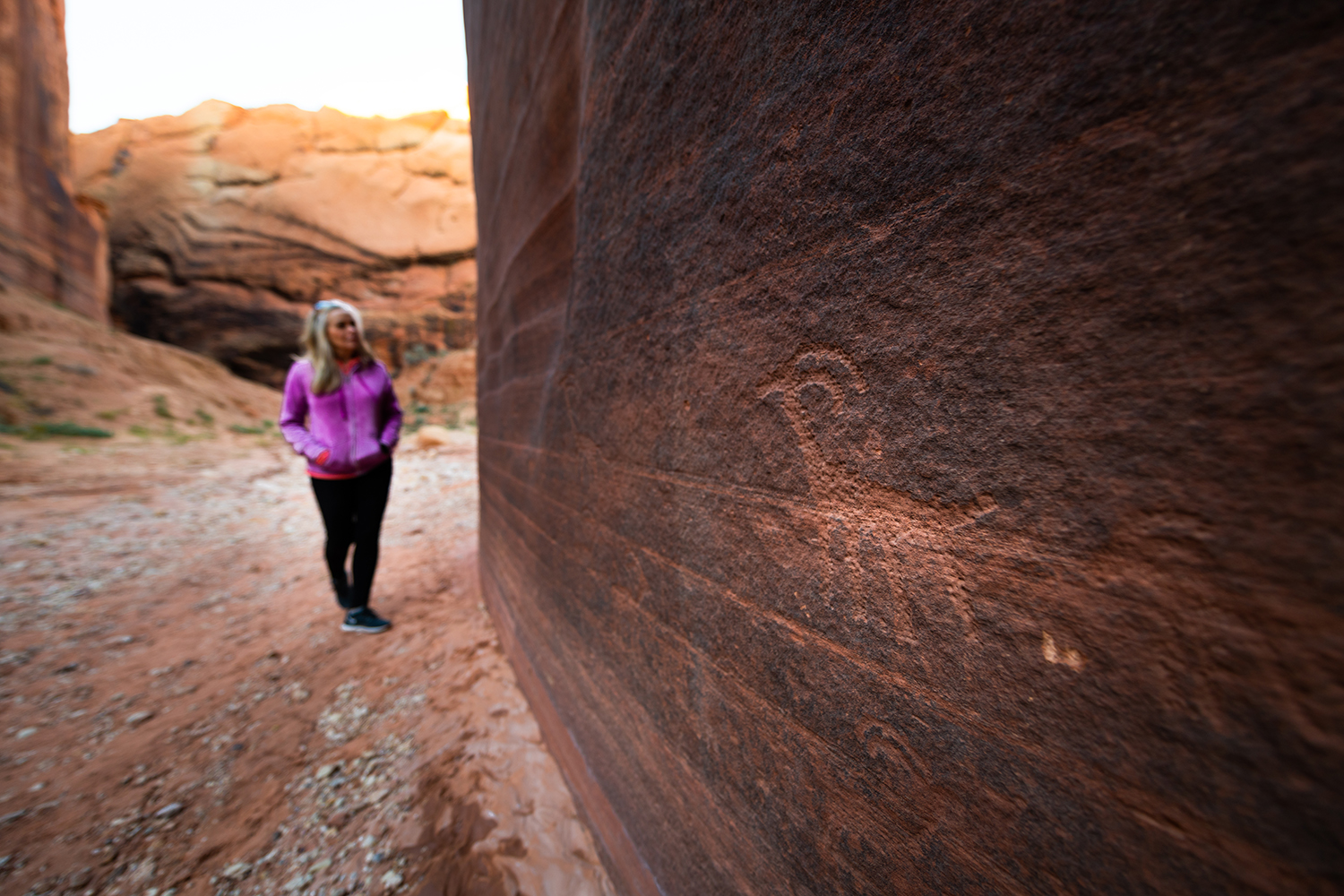
Grand Staircase–Escalante National Monument
In south-central Utah, Grand Staircase–Escalante is a massive and remote area full of geologic and human history. Here you can follow in the footsteps of dinosaurs on the Twenty Mile Dinosaur Trackway, where hundreds of tracks are preserved. Highly modern by comparison, the petroglyphs of the park’s Catstair Canyon are thousands of years old. These well-preserved monuments to the past are ideal for guided experiences with local outfitters.
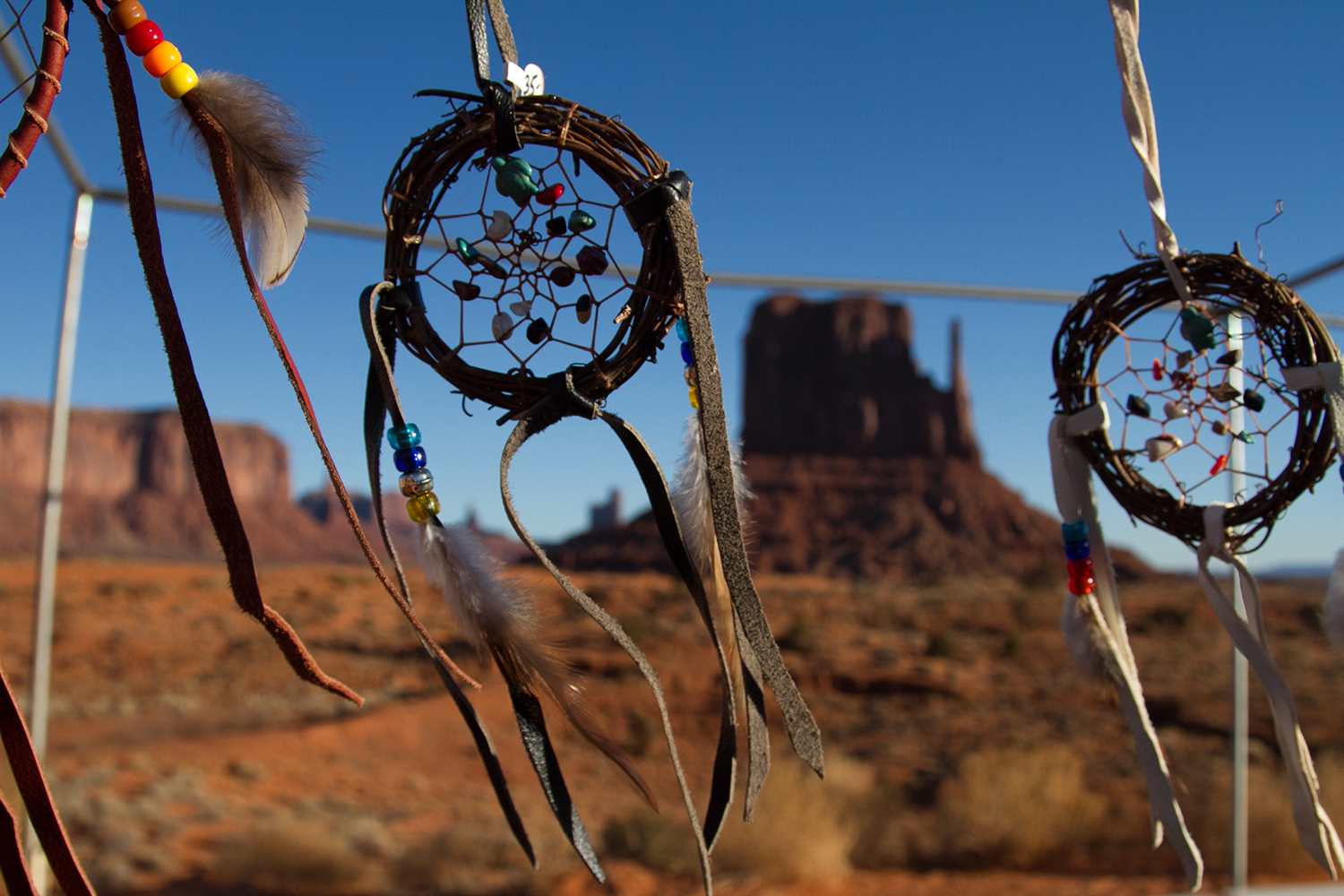
Monument Valley Navajo Tribal Park
Along the Utah-Arizona border, the Monument Valley Navajo Tribal Park is home to some of the most iconic and scenic land in the United States. From Goulding’s, located just north of the state line, book a Jeep tour with a Navajo guide to see sacred sites you can’t visit on your own. You can find lodging in Goulding’s, too, ranging from RV sites and tent camping to private villas and traditional hotel rooms. The park offers campsites steps from the Wildcat Trail, an easy four-mile loop that takes you around the stunning Mitten Buttes, and has a restaurant serving traditional Navajo dishes. Bring your binoculars or telescope if you’re an avid stargazer—the night skies here are some of the most pristine you’ll find anywhere.
A trip through southern Utah, with its petroglyphs, dinosaur fossils, and ancient geology, is also a trip into deep time. Just keep in mind before you go that the ground you walk on is fragile and precious to Native nations. Don’t touch, move, or take any artifacts you find, and when you can, stop at the visitor center before heading out on a trail or go with a Native guide so you can be sure you’re treating sacred sites with the utmost respect. For advice on how to responsibly experience some of Southern Utah’s rich history, we talked with Pat Gonzales-Rogers, executive director of the Bears Ears Inter-Tribal Coalition.
Connect with cultures
< Hide
Southern Utah has more International Dark Sky Places than anywhere else in the world. But you don’t have to hit the Mighty Five to find dramatic views. We asked Bettymaya Foott, a talented Moab-based astrophotographer and the director of engagement for the International Dark-Sky Association, for some of her favorite hidden corners around southern Utah—her favorite place in the world for stargazing. PRO TIP: Foott suggests doing a bit of research on celestial events and moon phases to time your trip just right for whatever it is you’re looking for.
explore Dark Skies
< Hide
Throughout southern Utah, adventure is accessible to people of all abilities. We asked Dan Glasser, CEO of the National Ability Center, based in Park City, for suggestions to plan a truly inclusive trip for the whole family.
Find Accessible Adventures
< Hide
Southern Utah has enough panoramic mountain views, striking red-rock formations, and dark-sky zones for a lifetime of adventure. But sometimes it’s better to settle in to explore one place than try to do everything in one trip. We asked a couple of adventurers who love southern Utah to share their favorite spots for getting off the grid—and off the beaten path—for a week or longer.
Go Deep
< Hide
Goosenecks State Park
Natural Bridges National Monument
Cedar Breaks National Monument
Kodachrome Basin State Park
Torrey
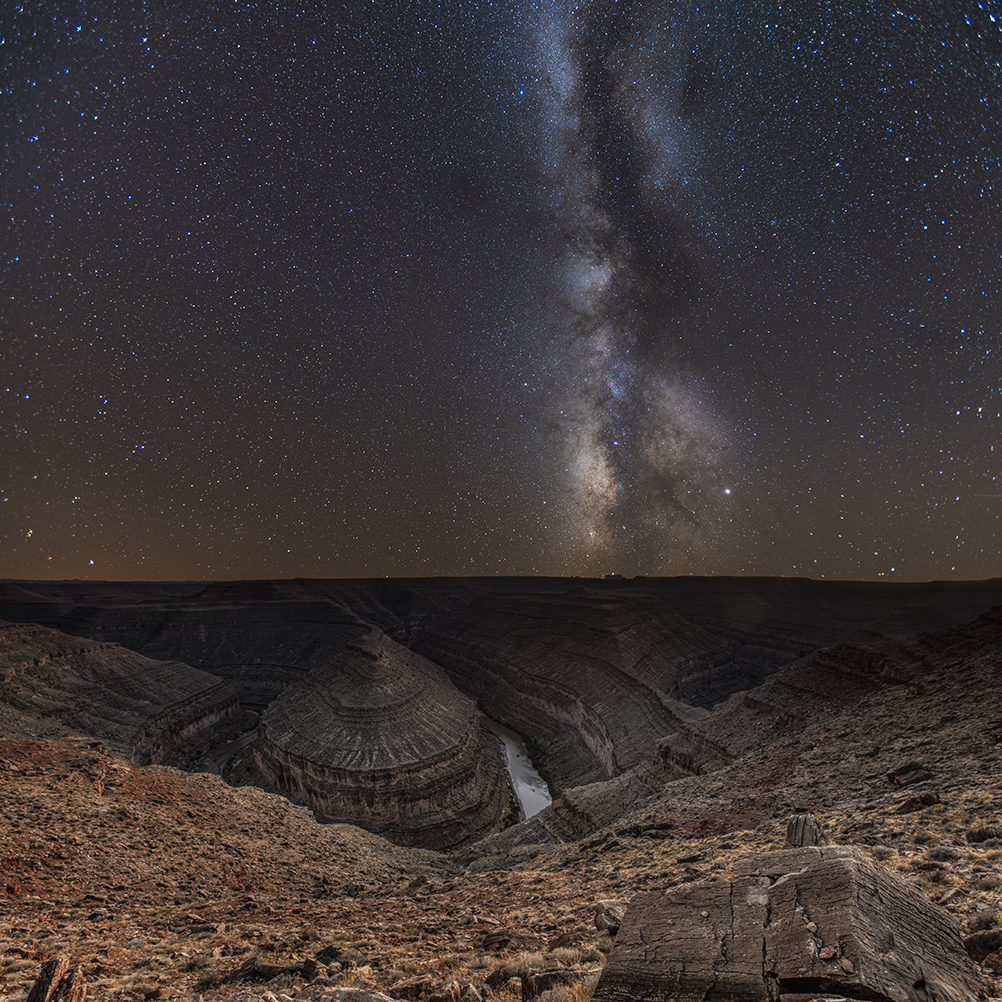
Goosenecks State Park
In the southeastern corner of the state, the San Juan River cuts a tight, curvy path of meanders through red-rock desert. At Goosenecks State Park, visitors can take in stunning views during the day, sunset views of Monument Valley in the evening, and camp under an unpolluted sky at night. “These are beautiful areas off the beaten path, which tends to be even better for stargazing as well,” says Foott.
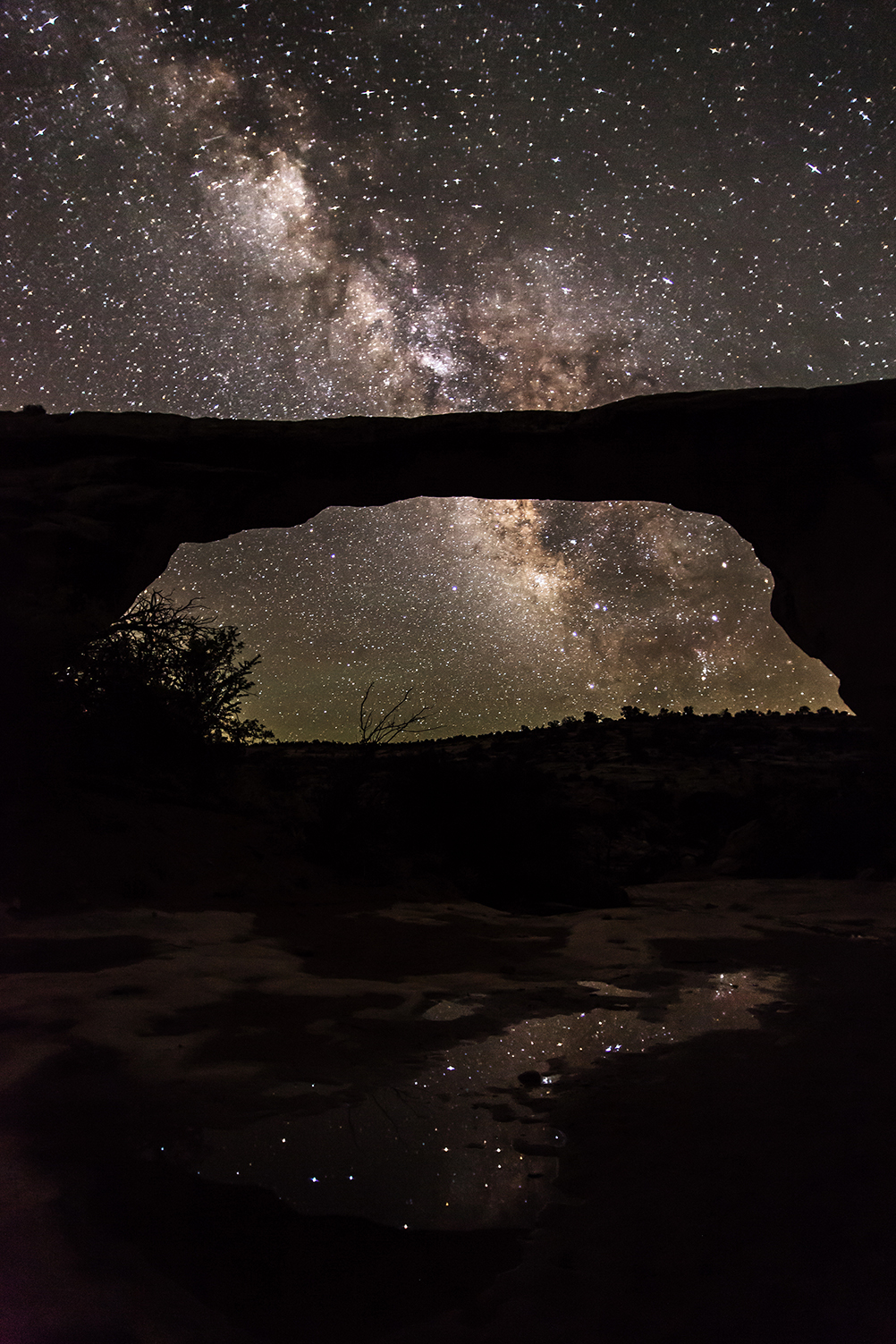
Natural Bridges National Monument
Natural Bridges National Monument was the first-ever IDA-certified Dark Sky Park, and it remains one of the darkest places in the lower 48 to stargaze thanks to its “almost perfect” lack of light pollution, the IDA says. “It’s a gorgeous, gorgeous place to see the night sky,” says Foott. Its stone bridges make for dramatic photos, but refraining from flash photography and “light painting” (washing the scene with light effects) is just basic etiquette, Foott says. Valley of the Gods is a short drive away from Natural Bridges and offers epic places to camp in the shadows of red-rock formations.
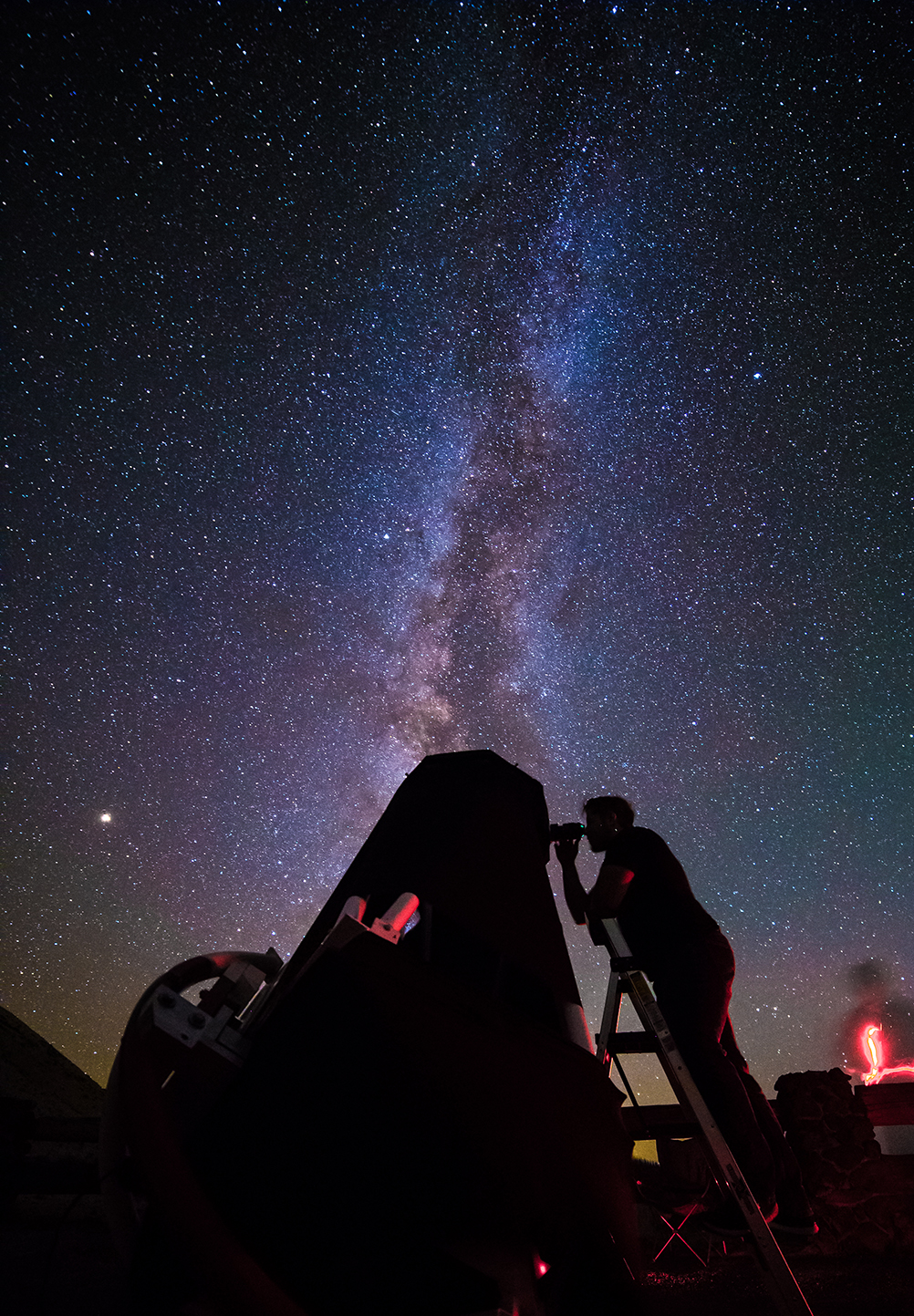
Cedar Breaks National Monument
At 10,000 feet above sea level, Cedar Breaks National Monument offers prime stargazing conditions. The park features the half-mile-deep Cedar Break Amphitheater, a wonder of red-rock hoodoos, arches, and fins. It’s just about 90 miles north of Zion National Park, but you’re unlikely to battle crowds here. Camp within the park on cool summer nights so you can more easily catch the Milky Way in the wee hours of the morning. If you’re not up for camping, nearby Cedar City has you covered with dining and lodging galore.
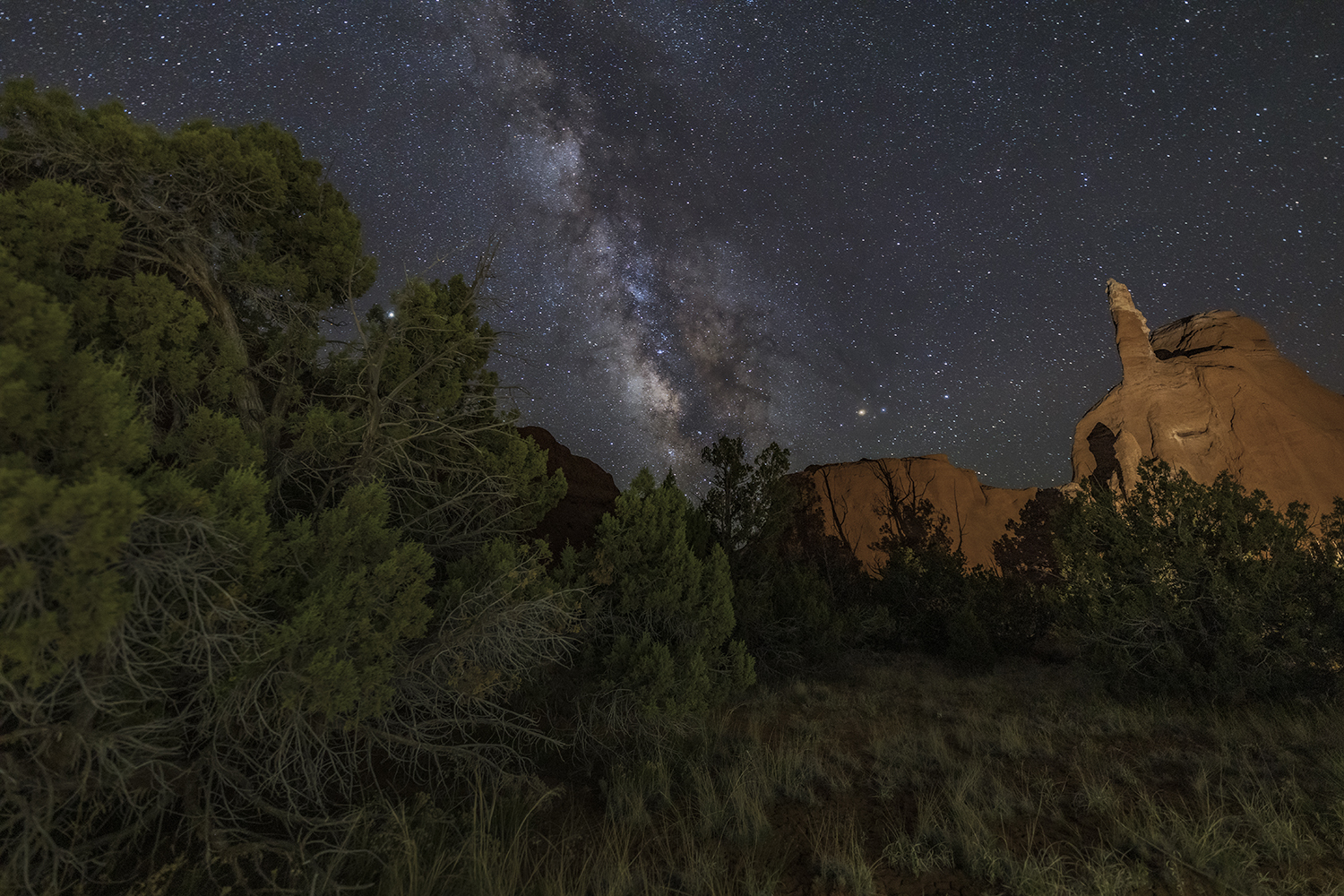
Kodachrome Basin State Park
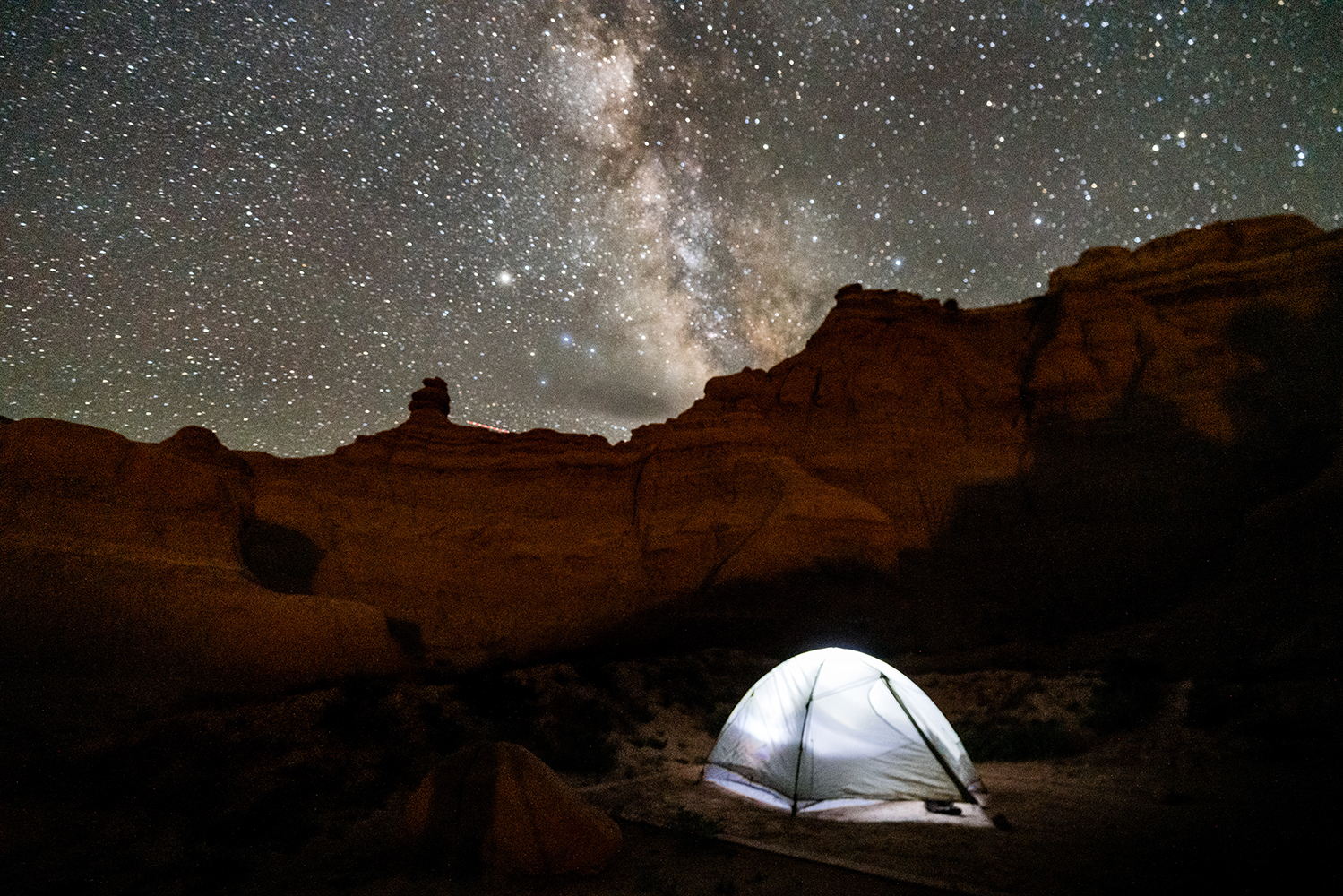
The landscape at Kodachrome Basin State Park is filled with vivid, layered spires. Talk about otherworldly—from here, the stargazing is so good you can see the Milky Way with your naked eye. The park received Dark-Sky designation in January 2021 but has a small fraction of the visitors you’d find at nearby Bryce Canyon National Park: well under 150,000 people per year. But this park has more to offer than just stargazing: by day, visitors will find a network of trails through the aforementioned spires ripe for day hikes, mountain biking, and even horseback riding.
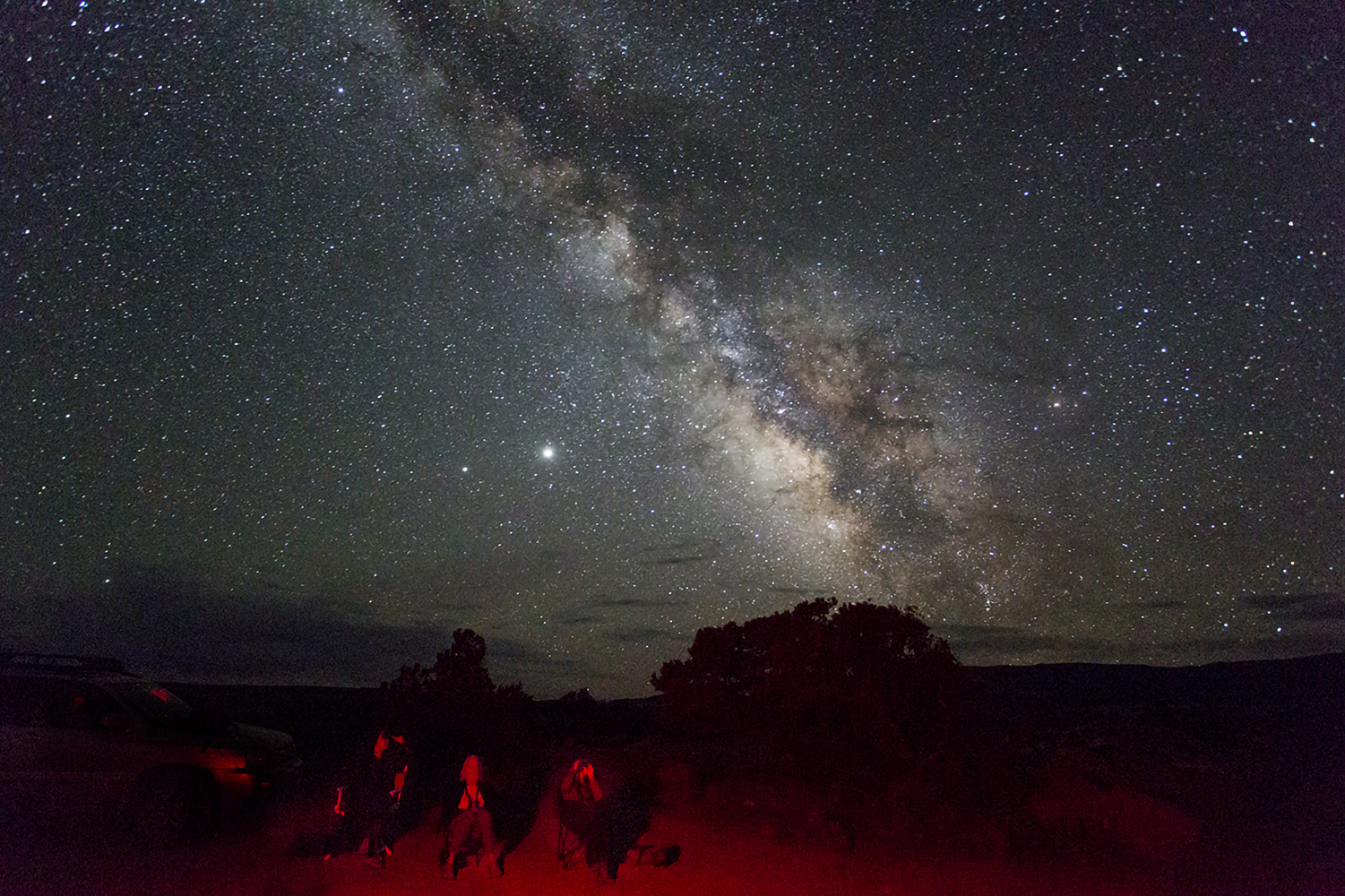
Torrey
It’s one thing to stare up at the sky in the middle of the wilderness. It’s another to be able to see it clearly from within a town that’s taken a strategic, intentional approach to minimizing its light pollution. Foott recommends staying in the town of Torrey, which is also a great base camp for exploring Capitol Reef National Park. It’s an ideal place to experience what dark-sky-friendly lighting looks and feels like in practice, she says.
Klonzo and Klondike Bluff Trails
Dead Horse Point State Park
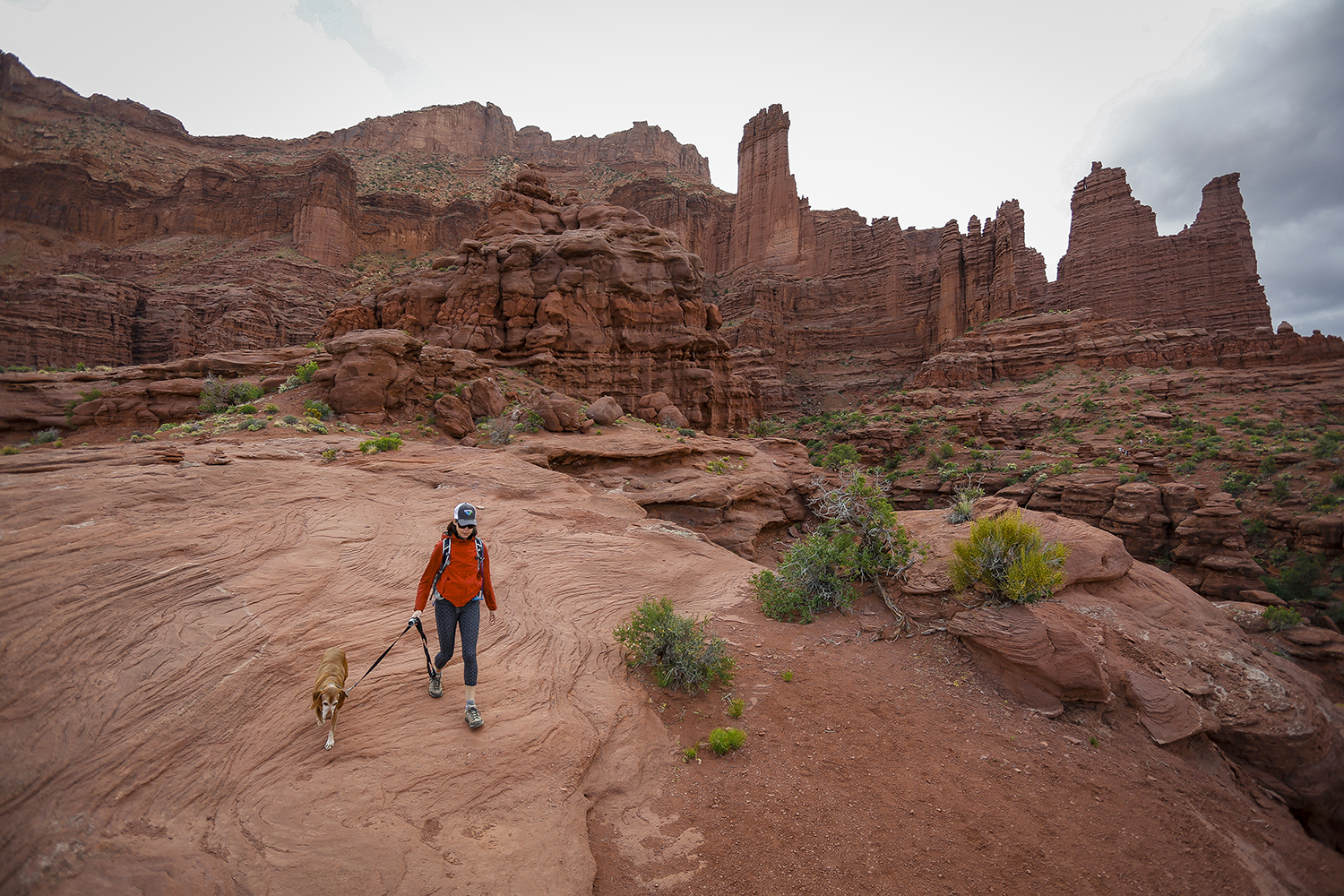
Fisher Towers
Snow Canyon State Park
Moab Adventure Center
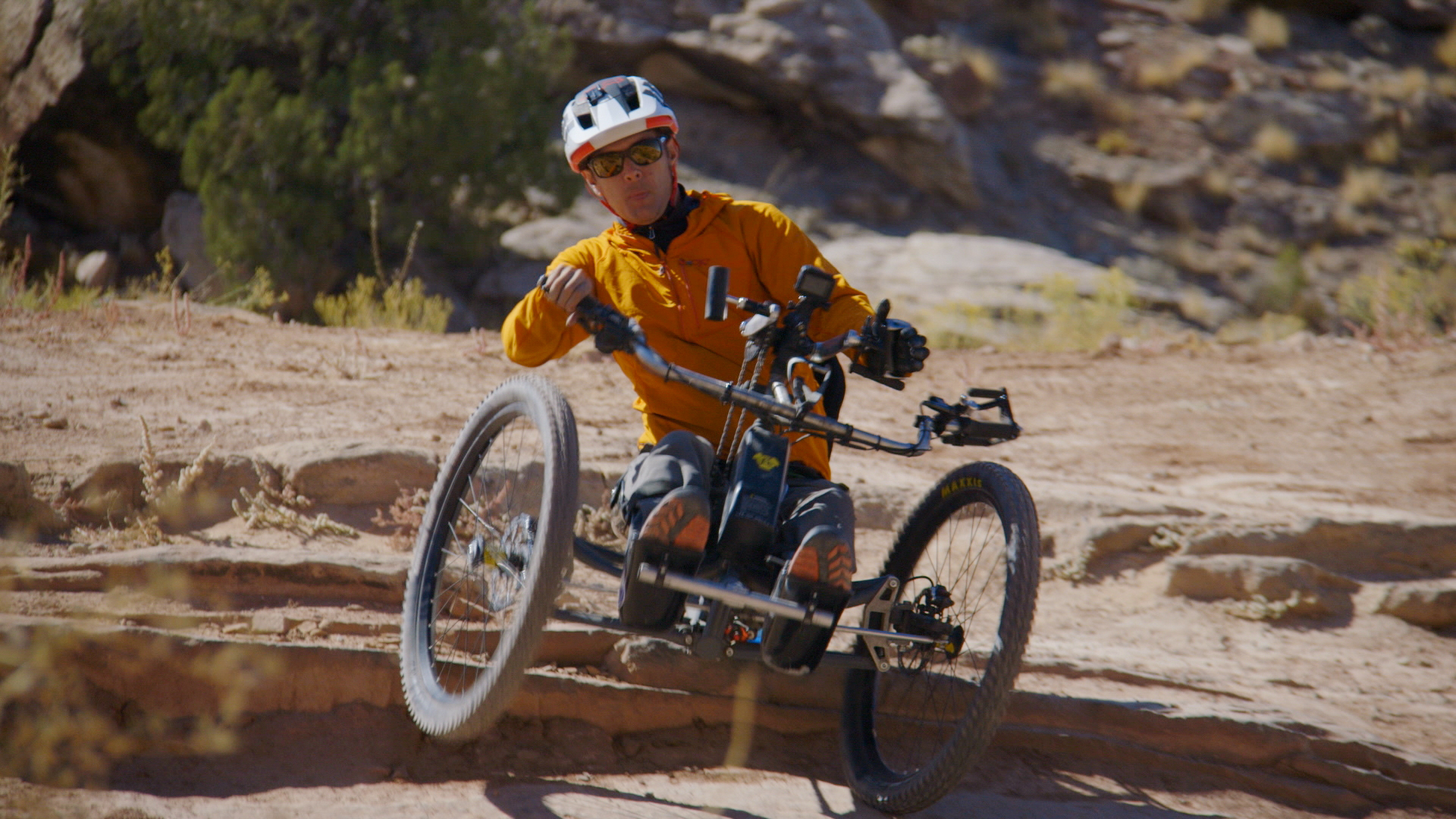
Try Hand-Cycling on Klonzo and Klondike Bluff Trails
Just outside Arches National Park, the Klonzo trail system offers incredible views from hand-cycle-friendly trails, says Glasser. And just a little farther north, the Klondike Bluffs trail system has ample accessible cycling trails too. Both include singletrack with red-rock desert vistas. If you don’t have your own hand cycle, you can either join one of the NAC’s organized tours or rent its equipment once you’ve been fitted.
Camp in a Lesser-Known State Park
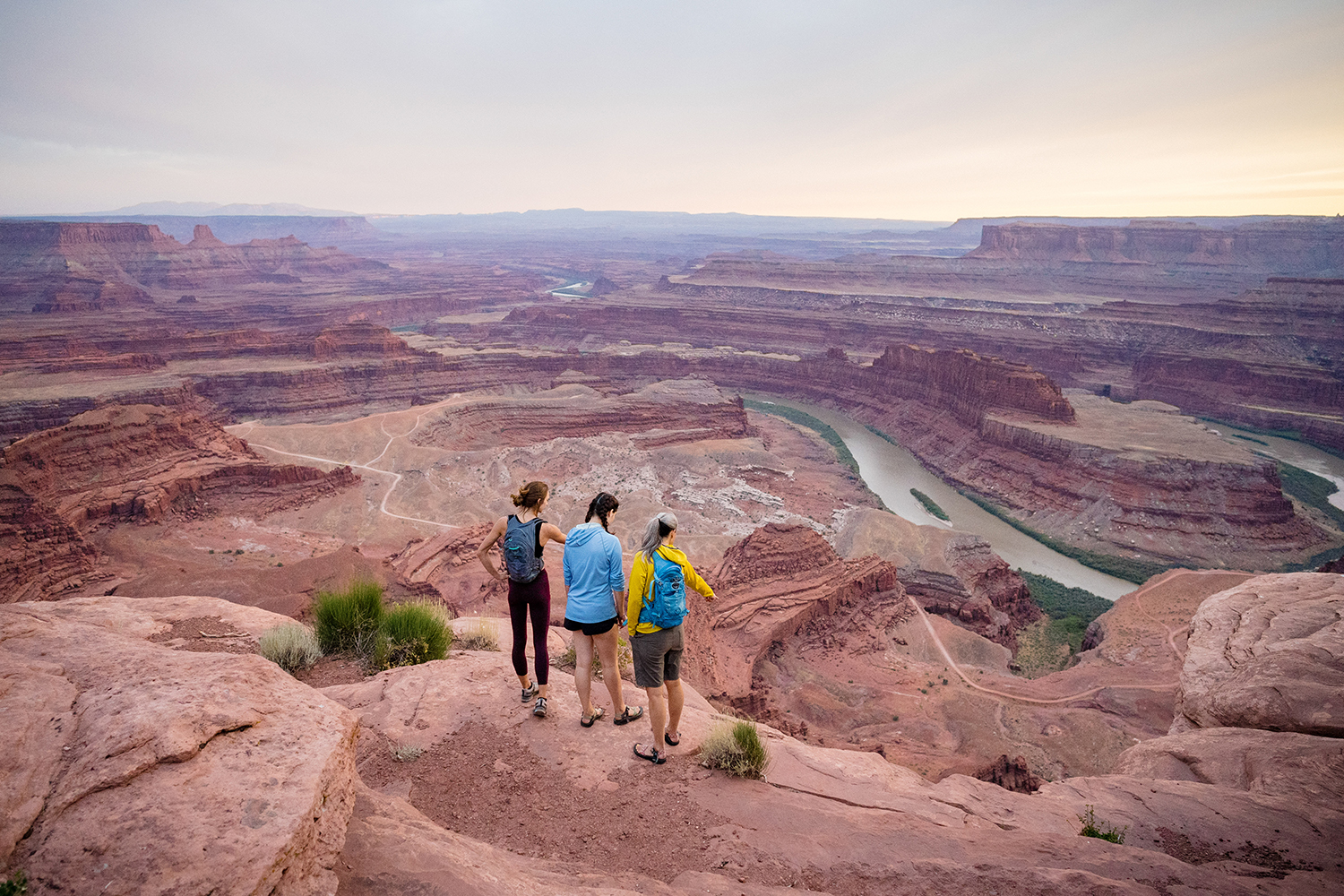
The Mighty Five national parks don’t have a monopoly on southern Utah’s best camping and landscapes. Glasser recommends Dead Horse Point State Park, which has a few ADA-compliant campsites and paved hiking trails with stunning views of the Colorado River winding through red-rock canyons. Dead Horse Point and Goblin Valley State Park both also offer yurt rentals.
Go Rafting Near Fisher Towers
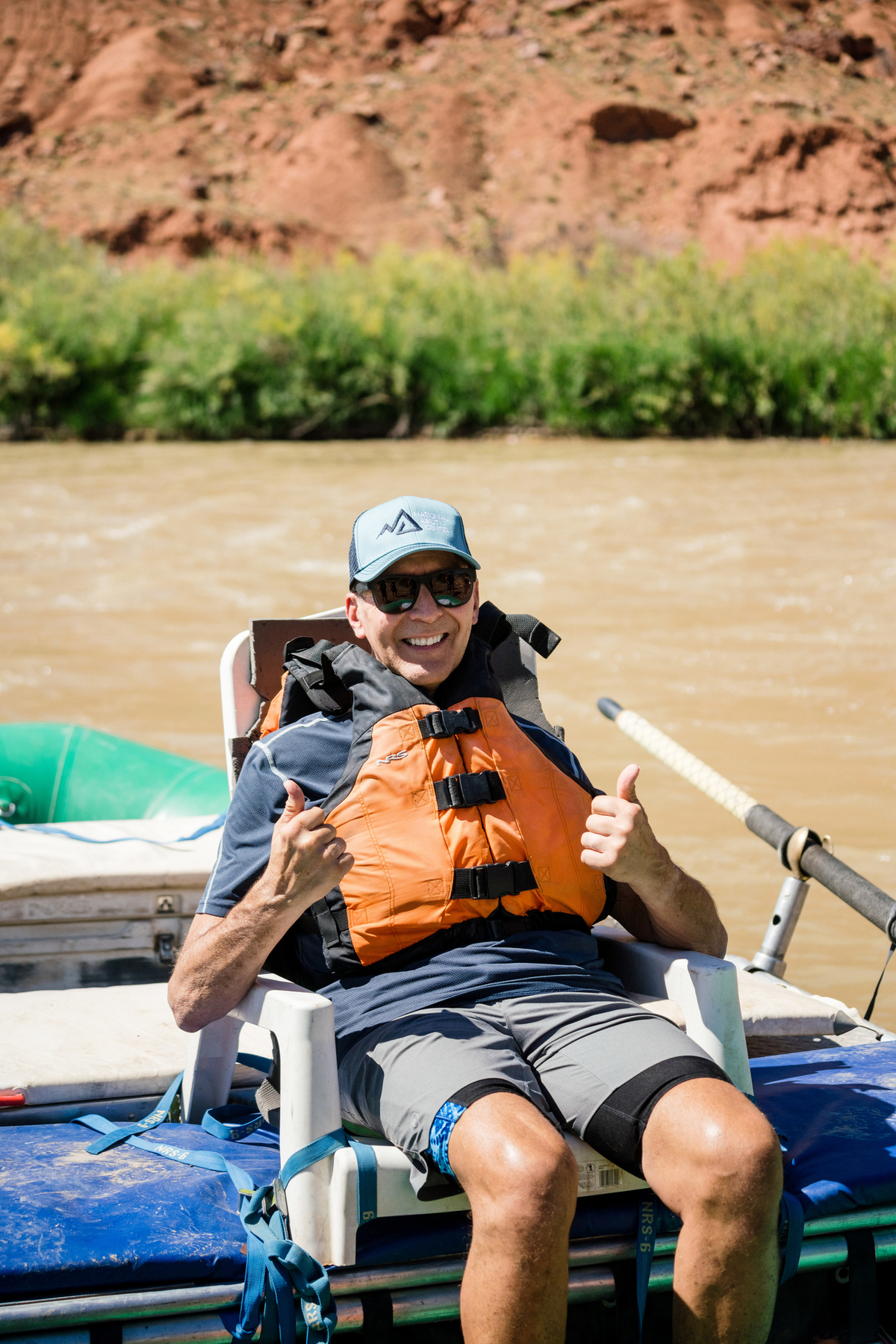
The National Ability Center has long offered whitewater-rafting trips, and one of its classics is the stretch through Fisher Towers. NAC rafts have adaptive equipment to accommodate certain physical disabilities, and staff members are expertly trained to make the experience safe, comfortable, and exciting for everyone on board. On the Fisher Towers trip, you’ll ride through Class II and III rapids with views of the iconic desert spires—Titan Tower, at about 700 feet tall, is one of the largest freestanding natural towers in the United States.
Hike on an Accessible Trail
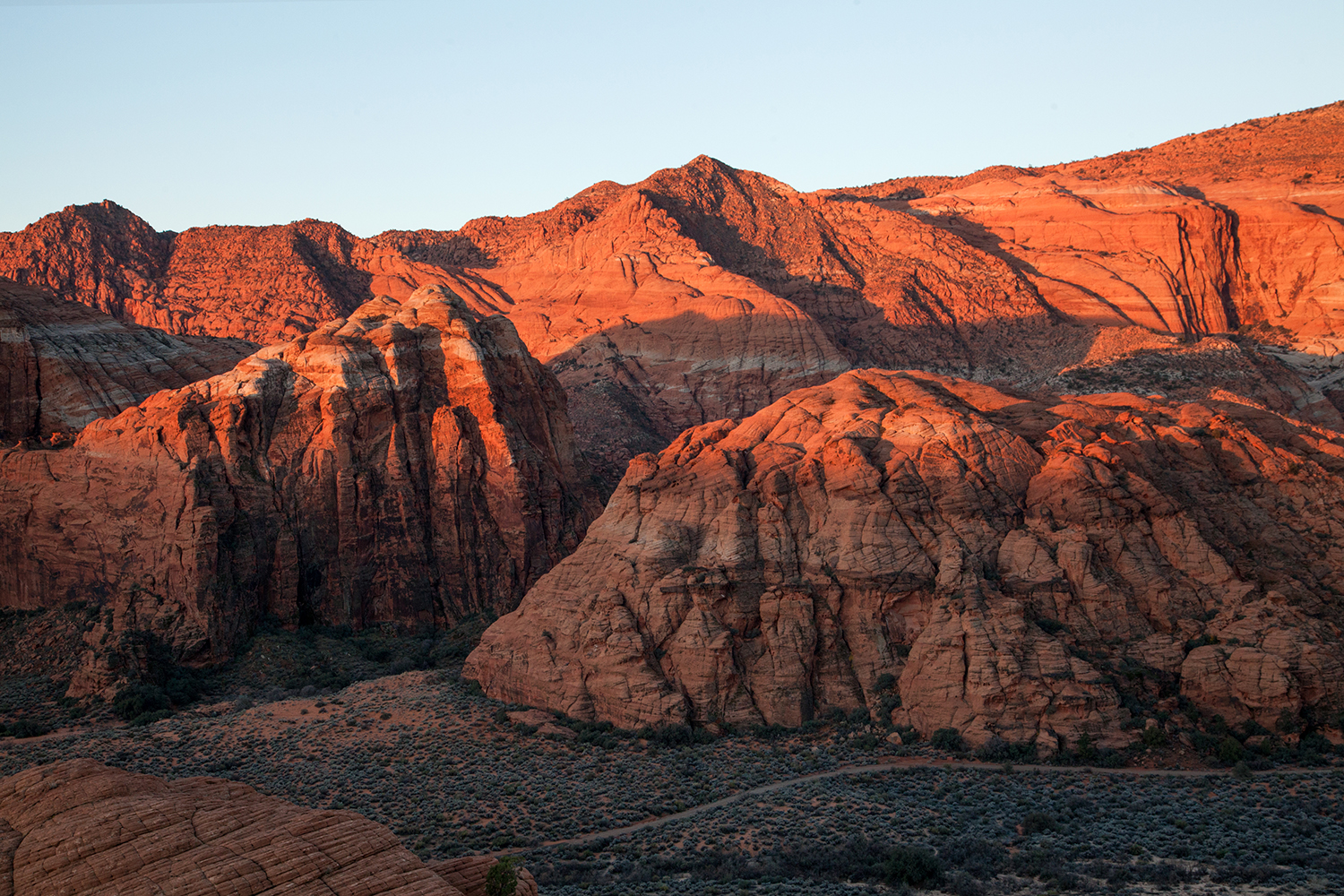
Many of southern Utah’s state parks have level and fully or partially paved trails that can accommodate wheelchairs, strollers, and adaptive cycles. Snow Canyon State Park, a less crowded destination in the Zion National Park area, has a long paved biking loop with views of the park’s dunes. Its three-mile paved Whiptail Trail provides wild vistas of ancient lava flows.

Take a Jeep Tour
You don’t have to venture far into the wilderness to see some of southern Utah’s most beautiful sights. There are plenty of scenic drives you can do in a passenger car, but to get a little further out there, Glasser suggests signing up for a Jeep tour. He recommends checking out Moab Adventure Center, which runs “Hummer safaris” deep into the red-rock valleys.
Call the NAC for help with planning
If you’re in doubt about where to look for a hotel that can accommodate your needs or whether you can trust information about a trail’s accessibility, the National Ability Center is happy to help. Its website has a lot of resources for trip inspiration, and the staff is happy just to chat with you over the phone. “We’re really focused on what’s accessible to each individual with their unique abilities,” says Glasser.
Beyond Arches and Canyonlands
Beyond Capitol Reef
Beyond Bryce Canyon and Zion
Beyond Bryce Canyon and Zion
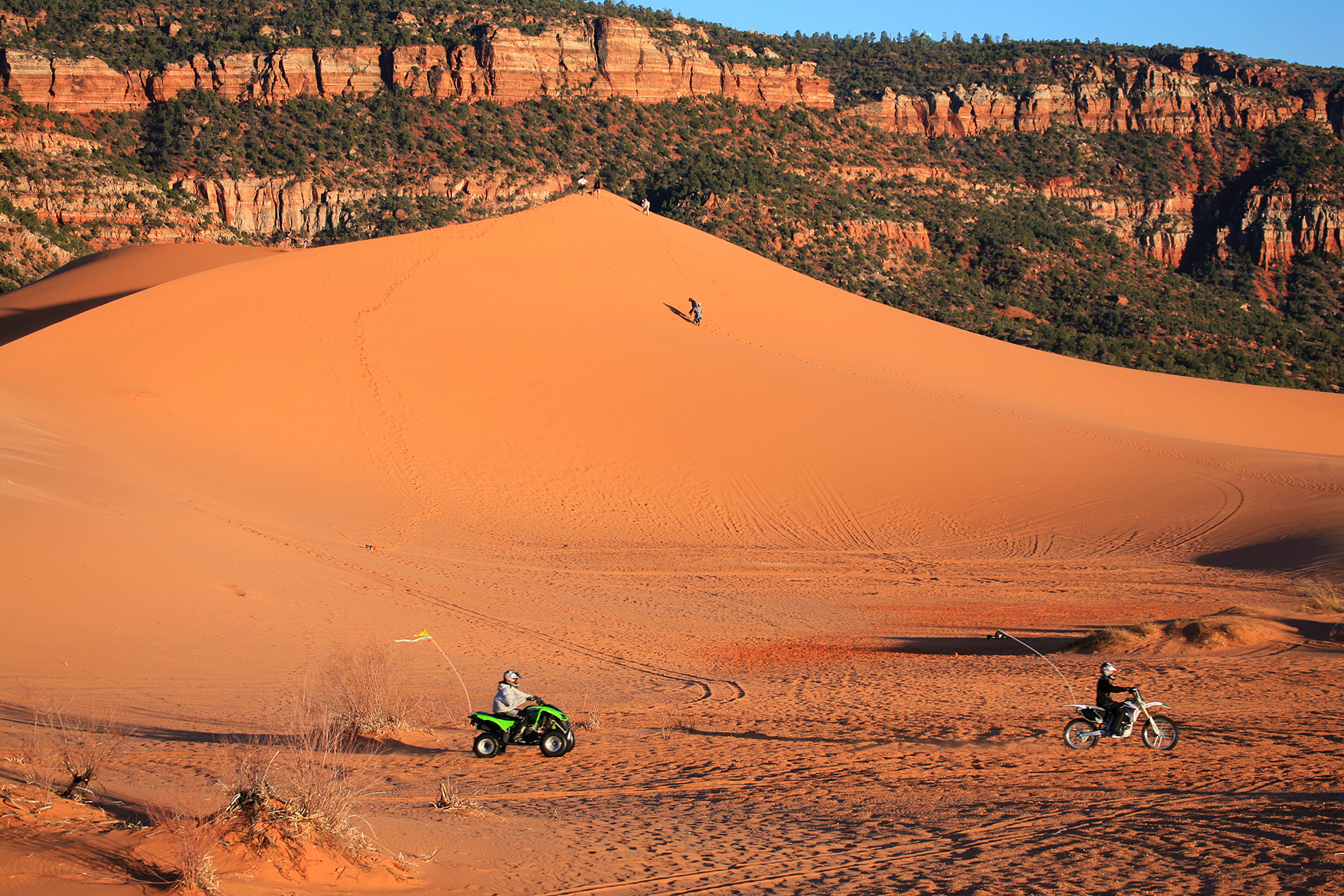
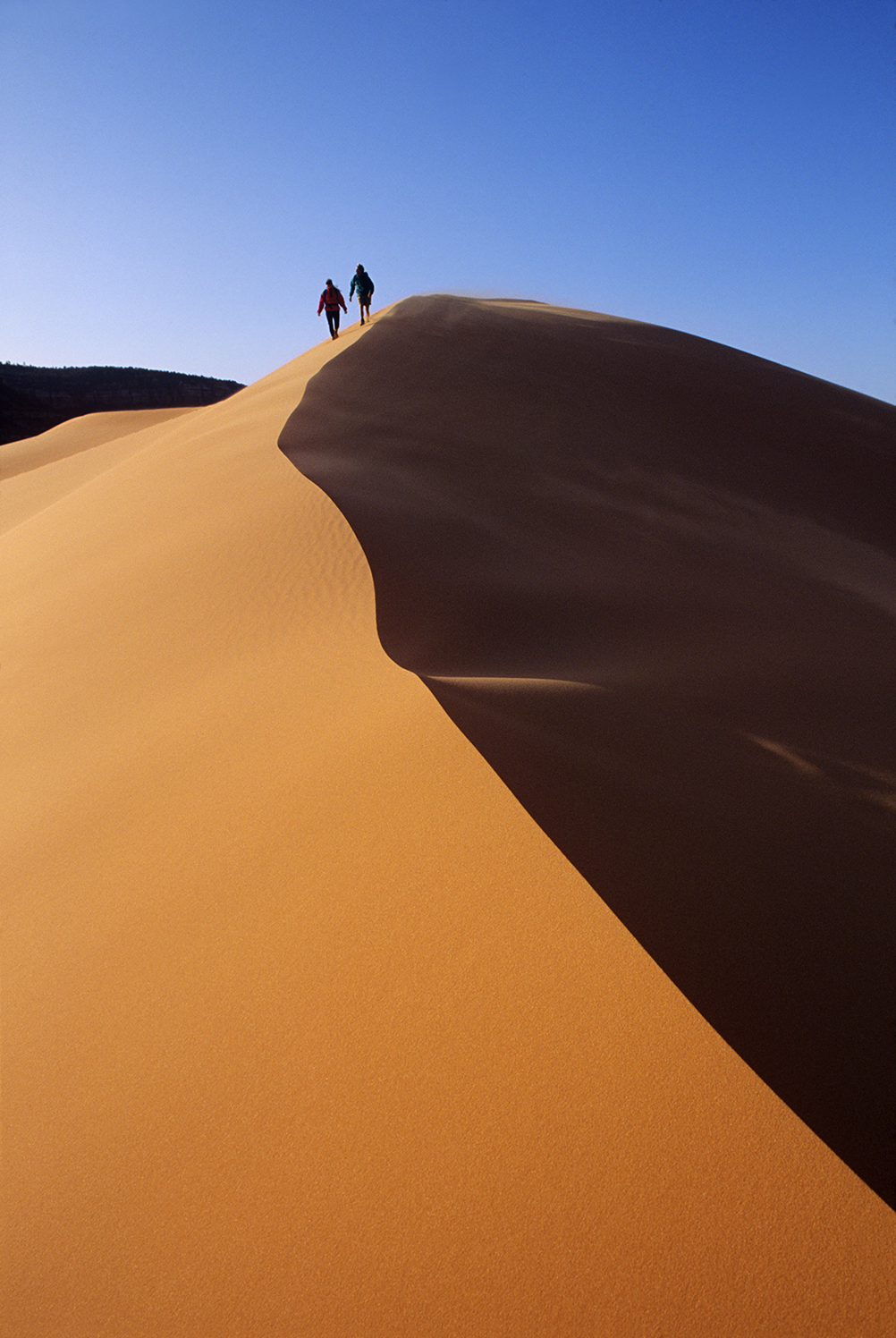
For a week of exploring around Zion and Bryce Canyon national parks, head to St. George, where you can camp within a short drive of hundreds of miles of hiking and mountain-biking trails. “Our national parks are stunning but I have a soft spot for the many state parks in Utah,” says Nailah Blades Wylie, a Salt Lake City–based adventure coach and founder of Color Outside, which runs adventure retreats for women of color. One of Blades Wylie’s favorites is Snow Canyon; the trails there wind through striking red rock, and streams of black lava are frozen in time against the canyon walls. Another one of this corner’s lesser known gems is Coral Pink Sand Dunes State Park, where you can hike or go four-wheeling among pink dunes formed over the last 10,000 to 15,000 years by eroding Navajo Sandstone cliffs. You’ll also want to spend days at Red Cliffs Desert Reserve marveling at the distinctive landscapes that cover the intersection of the Mojave Desert, the Great Basin, and the Colorado Plateau.
Whether you want to cook all your own meals at your campsite or eat out at excellent restaurants like wood-ash-rye at The Advenire hotel, you’ll find it easy to support small local businesses in the Greater Zion area.
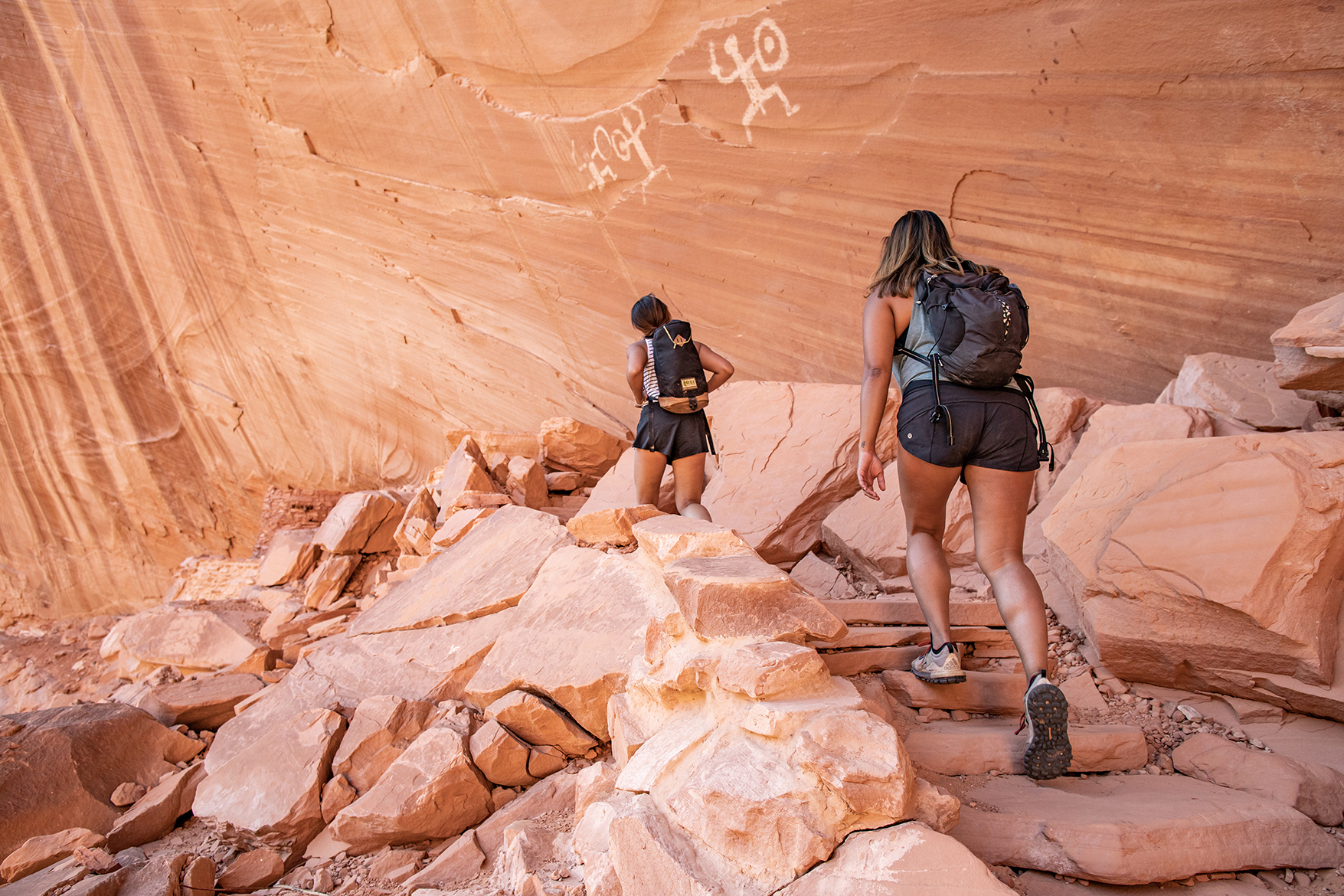
Beyond Capitol Reef
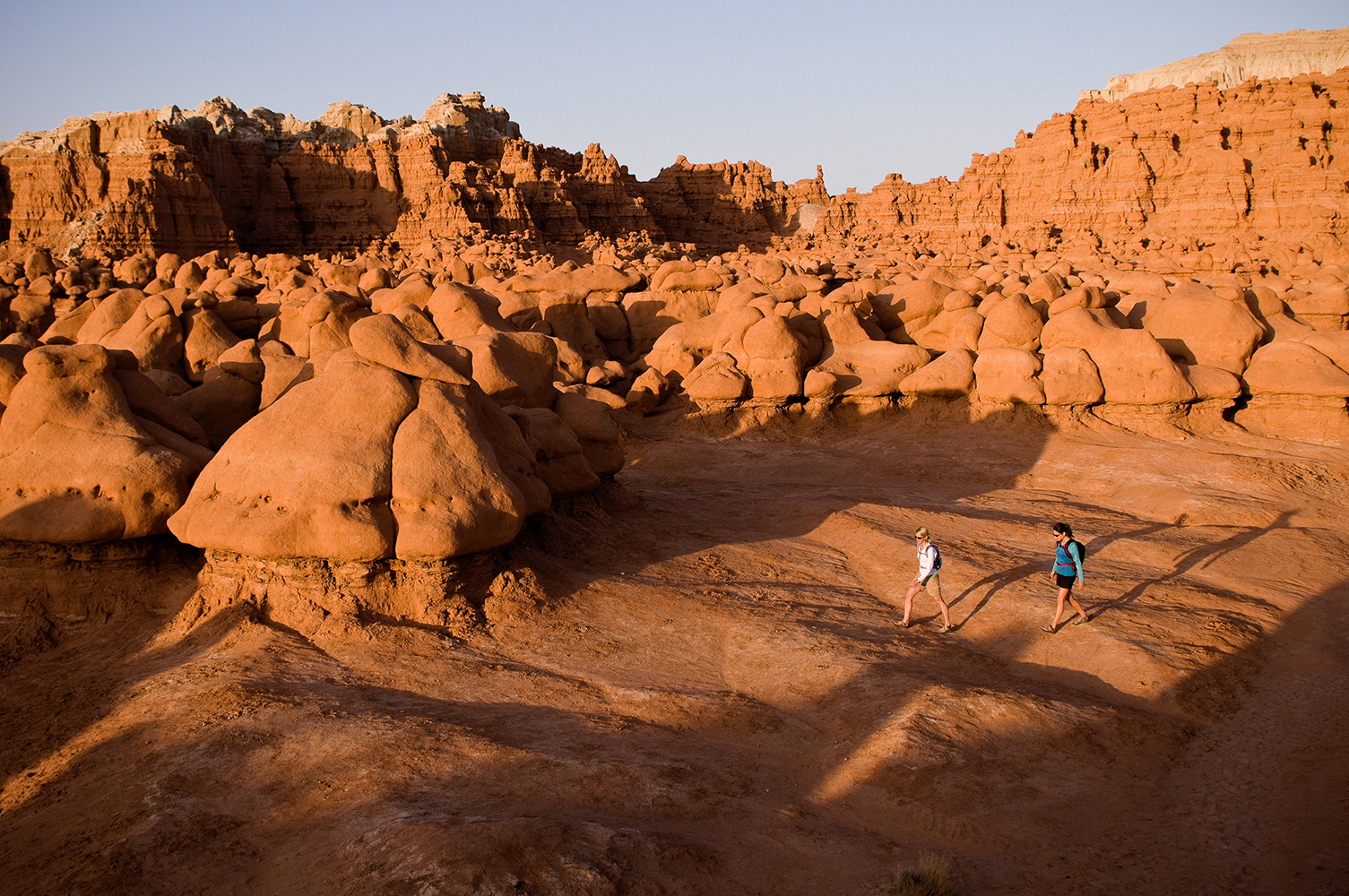
The Capitol Reef Region is a relatively uncrowded landscape with seemingly endless public land to explore. The town of Torrey—an official International Dark Sky Community—is just a 15-minute drive from Capitol Reef National Park and a great base camp for exploration. Erin Parisi, a Mammut ambassador who travels with her partner and nine-year-old daughter with a teardrop trailer, suggests snagging a campsite in Grand Staircase–Escalante National Monument. “There are plenty of options to contemplate in this martian landscape,” she says. “If you’re just passing through, Goblin Valley State Park, famous for wind-shaped rock formations called hoodoos, is a popular stop for families, and it has extensive short hikes. And if you’ve got a climbing rope, The Goblin's Lair hike is two-plus miles with a family-friendly rappel and hill after hill for a nine-year-old to burn off energy before the car ride home.” Glen Canyon National Recreation Area is also within easy driving distance of Grand Staircase and offers plenty of opportunities to cool off in Lake Powell with watersports you might not expect to find amid Utah’s high-desert landscapes.
Beyond Arches and Canyonlands
Professional climber Erin Parisi says her favorite thing about southern Utah is the way “the landscapes transform from lush riverscape to shaded slot canyons to desert all in a short drive.” For a week in the Arches and Canyonlands region, the Mammut athlete and founder of the outdoor-adventure transgender advocacy group TranSending recommends starting in Green River at the foot of Desolation Canyon Wilderness. “Swasey’s Beach has developed camping and a great beach,” she says.
From there, head to the lesser-visited west side of Canyonlands National Park for a guided 4x4 tour with NAVTEC Expeditions. Parisi suggests spending ample time in the Bears Ears National Monument area, with a scenic drive through Valley of the Gods and visits to Goosenecks State Park and Natural Bridges National Monument—both of which are certified by the International Dark-Sky Association. Back up near Moab, Parisi suggests exploring gems south of town like Looking Glass Arch.
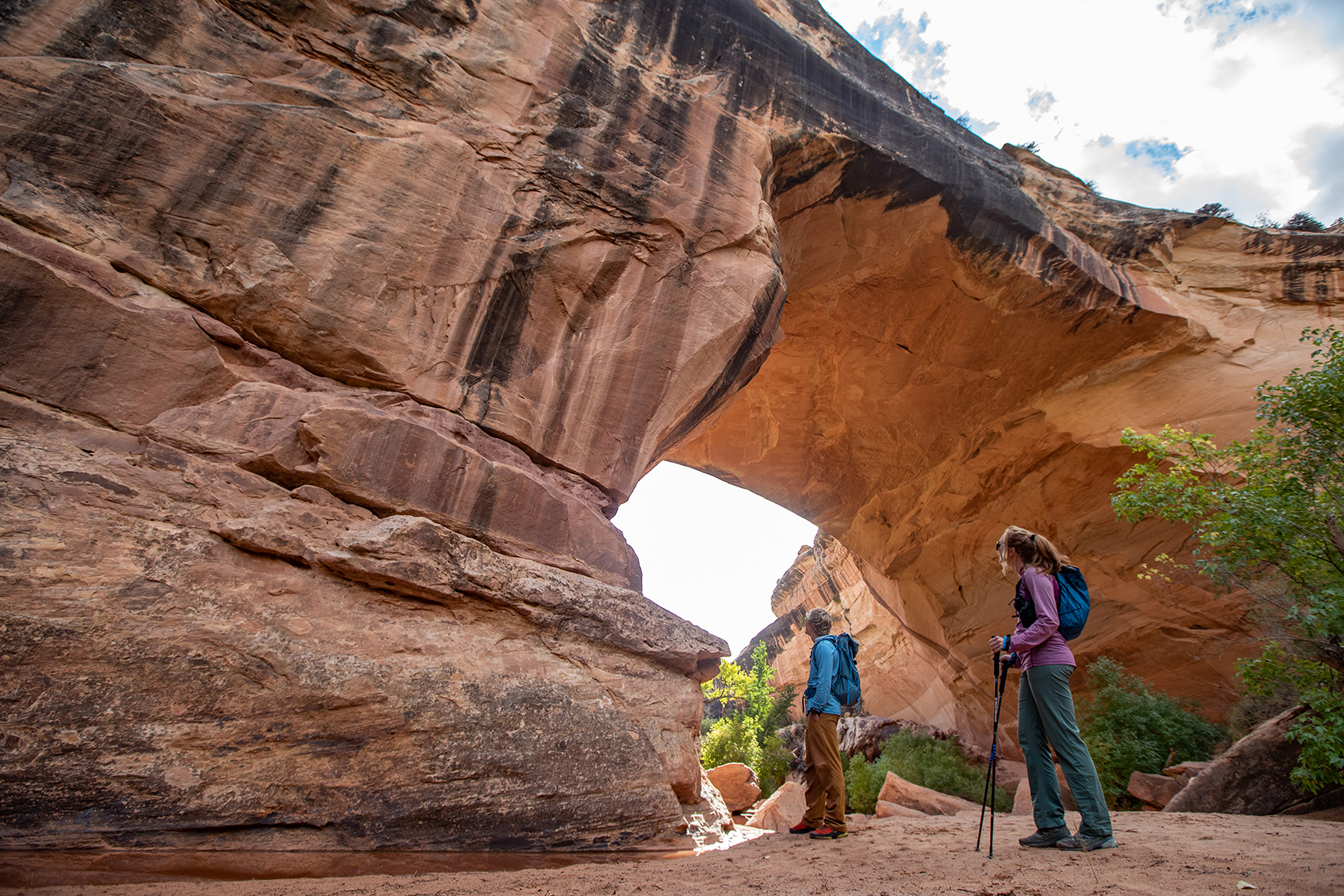
Tune In and Tread Lightly
No matter where you travel in the state, step one is tuning in and engaging with nature, says Kano. The more connected you are to the land, the more easily you’ll organically find ways to protect it. One of the easiest ways to protect the region’s ecosystems? Stay the trail. Doing so is especially important where the ground is covered by a thin crust of bacteria that protect the landscape from erosion and die when trampled.
UTAH is for adventurous women
There’s never been a better time to seek the positive benefits of being outdoors, which is why this travel writer keeps coming back to Utah
READ MORE

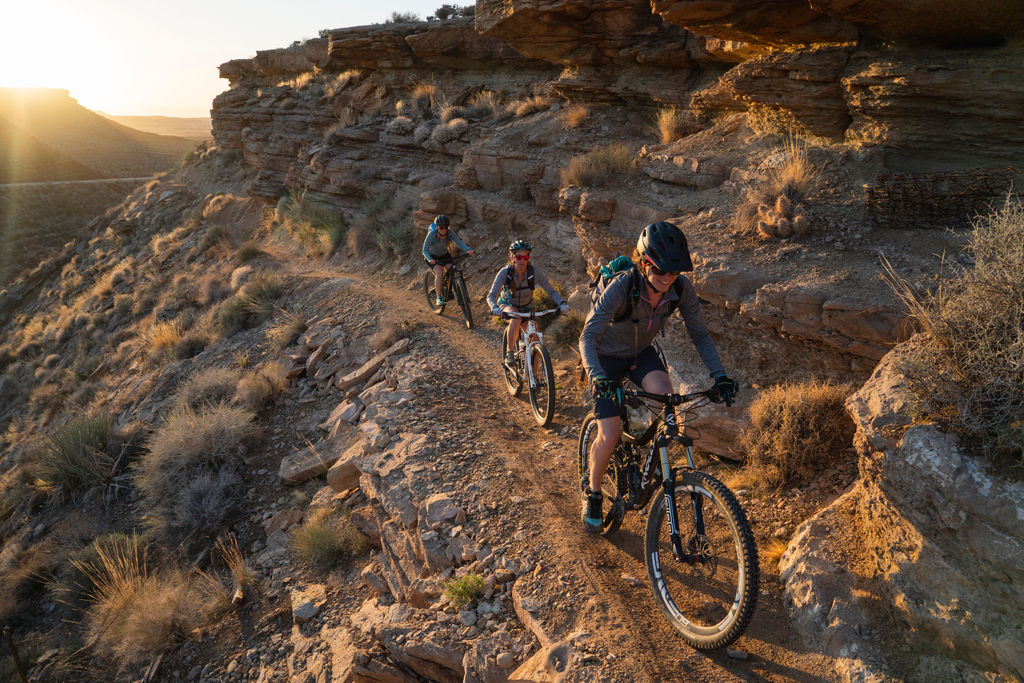

BEYOND THE PARKS
15
70
Expand
Expand
Expand
Expand


89
191
5 Tips for Mindful Travel in Utah
Follow these guidelines during your trip to keep Utah Forever Mighty
READ MORE

5 Tips for Mindful Travel in Utah
The wild canyons and mountains of southern Utah have been around for over 2.6 billion years, and we want to protect them for a few billion more. This effort is known as Forever Mighty.
The best way to start: travel mindfully on public land and really get to know and love it, says Shandi Kano, a film producer working with Visit Utah and on the Zion National Park Forever Project to spread this message. Here’s how you can help leave the places you visit even better than you found them.
Be Present and Engaged with Nature
Step one, says Kano, is unplugging while outside. “Listen to the sounds around you, breathe in the new smells, notice the little plants and the big ones, get curious about the textures and colors of the sandstone. Pay attention to the light and learn from the things you’re experiencing.” The more connected you are to the land, the more easily you’ll organically find ways to protect it.
Respect Local Communities
Many small communities have been hit hard by the pandemic. Some don’t have the medical resources to devote to large numbers of travelers or feel pressured to provide search and rescue services. Do your part by reading up on Utah’s responsible travel tips before your trip, limiting your exposure before and during travel, getting tested before arrival, and having a quarantine plan in place in case you get sick or exposed. Central to a quarantine plan is food: consider stocking up on a two-week supply of nonperishables, which you can donate to a local food pantry like the Utah Food Bank’s St. George location if you don’t end up needing it.
Leave No Trace
If you’re new to traveling in the backcountry, you’ll want to get familiar with the Leave No Trace philosophy. “It’s incredibly important to pick up your trash and your human waste,” says Kano. “The desert environment does not decompose orange peels and apple cores, etc., because there is not enough moisture and humidity.” If you’re unsure about trail etiquette, just pop into the nearest outdoor gear shop, like Moab’s beloved Gearheads. More likely than not, the folks there’ll be happy to steer you in the right direction.
Volunteer for a Trail Restoration or
Cleanup Project
An easy way to leave trails better than you found them is to pack in a trash bag and a pair of gloves and pack out any trash you find along the way. But if you have more time to give and want to get involved in a bigger effort, Kano suggests checking out local conservation organizations like the Southern Utah Wilderness Alliance, which organizes frequent community stewardship events on public lands like Grand Staircase-Escalante National Monument.
Always Stay on the Trail
Even if you’re not an influencer, you exert an influence. Set an example for your friends and family by staying on the trail, even when it means giving up on an incredible photo opportunity. Southern Utah is more fragile than you might think, especially where the ground is covered by a thin crust of bacteria that protect the landscape from erosion and die when trampled. The best way to preserve the nature around you is to stay on-trail, waltzing right through muddy puddles if need be.
Hide
Rock the Park
BETTYMAYA FOOTT
© Scott T Smith/ScottSmithPhoto.com
Ryan Andreason/Darksky.org
Jacob W Frank
Matthew Muirhead


Utah's national parks are iconic, but they're just the tip of the adventure iceberg.
Outfitters’ Picks
for 10 Unforgettable Southern Utah Adventures
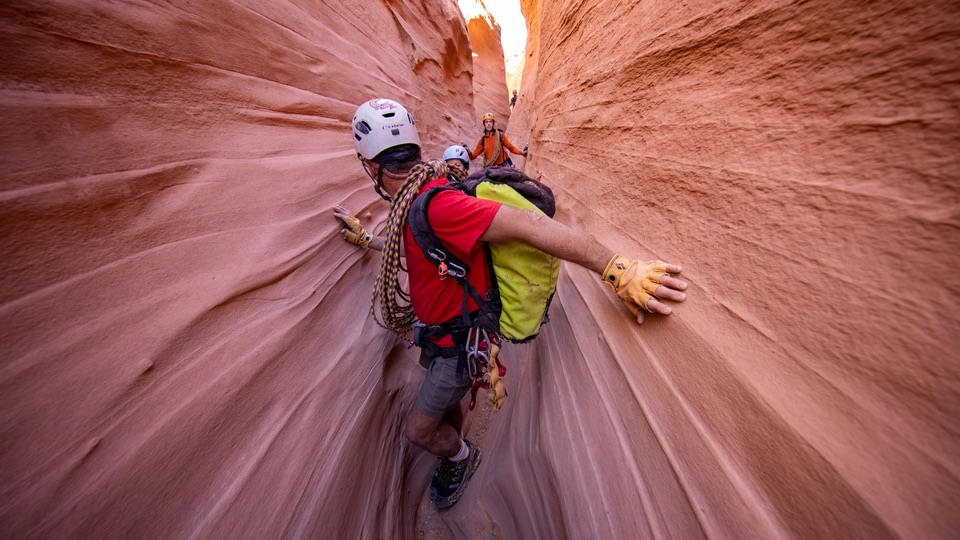
Regardless of how experienced you are, exploring with a guide can elevate your experience. Plus, you’ll be supporting the livelihoods of the people who care for and call Utah home.
READ MORE



SHOW ALL

Hide
Hide