C. Recycling Facilities
B. Landfills
A. Oceans
WHERE DOES THE
MAJORITY OF PLASTIC
WASTE END UP?
QUESTION 1 OF 3
NEXT QUESTION
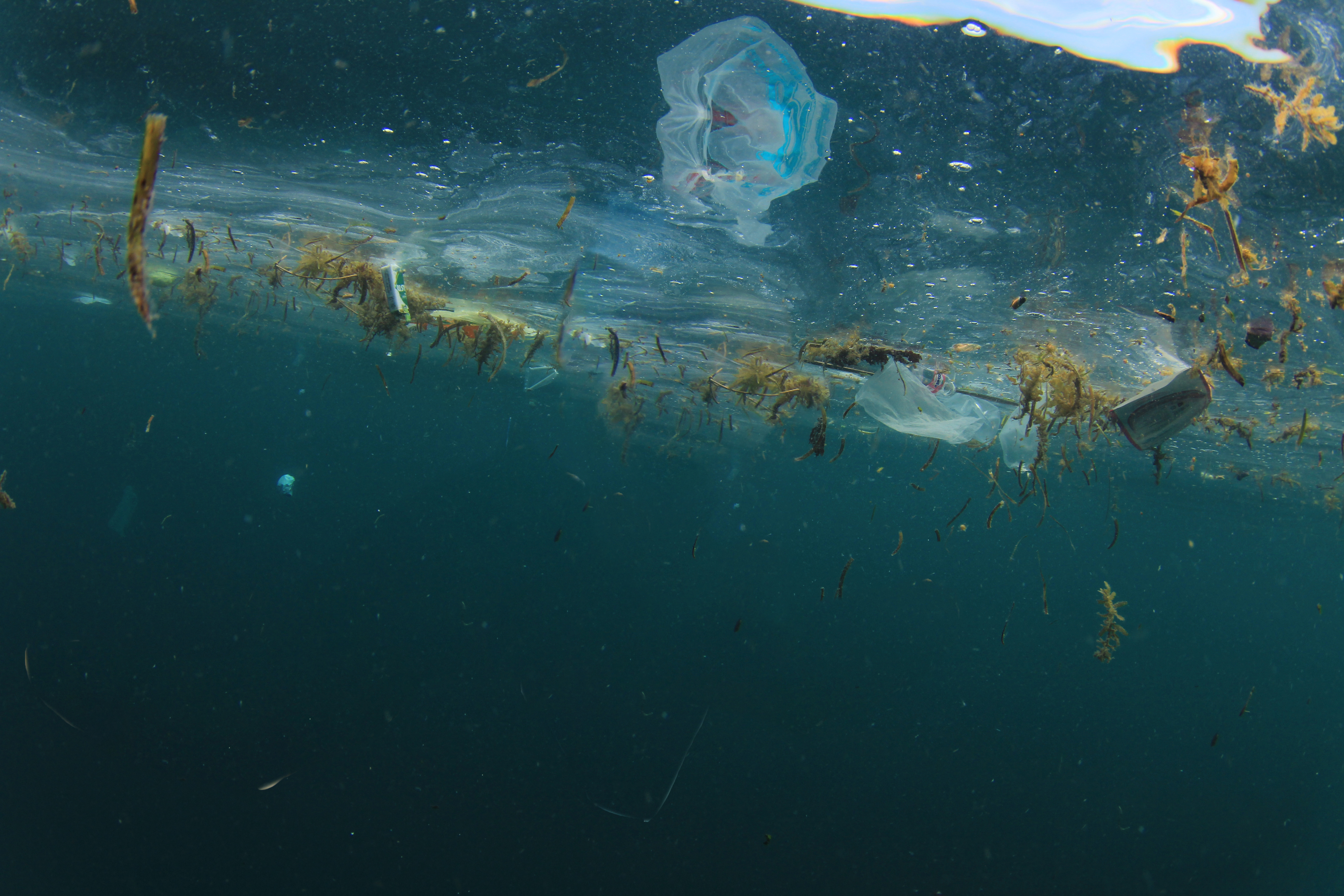
While most plastic ends
up in landfills, plastic is
the most common type
of marine litter.
CORRECT!
NEXT QUESTION
While most plastic ends
up in landfills, plastic is
the most common type
of marine litter.
INCORRECT!
C. 90%
B. 70%
A. 20%
WHAT PERCENTAGE OF
SEABIRDS HAVE PLASTIC
IN THEIR GUTS?
QUESTION 2 OF 3
NEXT QUESTION
A whopping 90%
of seabirds
have eaten plastic. Plastic accounts for over a million seabird deaths a year.
CORRECT
NEXT QUESTION
A whopping 90%
of seabirds
have eaten plastic.
Plastic accounts for over a million seabird deaths a year.
INCORRECT
C. Less active lifestyles
B. False
A. True
THERE ARE MORE MICROPLASTIC PARTICLES IN THE OCEAN THAN STARS IN THE GALAXY.
QUESTION 3 OF 3
D. All of the above
C. The center of a black hole
QUIZ FINISH
There is 500 times
more microplastics in Earth's oceans than there are stars in the galaxy.
CORRECT!
QUIZ FINISH
There is 500 times
more microplastics in Earth's oceans than there are stars in the galaxy.
INCORRECT!
BACK TO SEEKER
Tackling the plastics problem
in our oceans is a complex issue
with no easy fix.
0 out of 3
YOUR SCORE
YOUR SCORE
BACK TO SEEKER
Check out the Earth Science page
on Seeker Learning to find out the many ways scientists and innovators are tackling environmental issues
around the globe.
1 out of 3
YOUR SCORE
YOUR SCORE
BACK TO SEEKER
Well done!
Check out the Earth Science page
on Seeker Learning to find out the many ways scientists and innovators are tackling environmental issues
across the globe.
2 out of 3
YOUR SCORE
YOUR SCORE
BACK TO SEEKER
Nice work!
Get a first hand look at the impact
of plastic on the Earth's oceans
in Seeker's series The Swim
featured on the Earth Science
page of Seeker Learning.
3 out of 3
YOUR SCORE
YOUR SCORE


