
HOW YOUR
IN A HUGE WAY
We all know skin care is one big game of trial and error — different beauty products, how to apply them, when to apply them, and in what order. But the thing is, skin care is rarely just about the products you use (or don’t use) or even the food you eat (or don’t eat). It’s also about how you live your life — the small things you do daily that have nothing to do with skin but can somehow contribute to its overall health. Like, did you know that simply cooling the air inside your house could be drying out your skin?
Now, before you panic and overhaul everything, know that there are simple solutions that don’t require any major (read: unrealistic) adjustments to your lifestyle. Instead, we’ve got smart swaps that combine the power of effective skin-care products with easy substitutes. It might take a little more trial and error, but good skin is always
worth playing around for.
SPONSORED BY
Daily Habits
Might Be Affecting Your Skin

As much as we can’t get enough of that cool
indoor air, it comes with a price: dried-out skin and annoyingly dry lips. But don’t worry, there are
easy ways to fix both that also allow you to keep
your cool air.
For one, get in the habit of using humidifiers. Placing one next to your bed as you sleep and next to your laptop as you work can help add moisture back into the air (the ideal humidity level is 30-50 percent, FYI) and fight dry, itchy skin. If you spend lots of time in
the car, there are also portable options you can use.


Plus, this way, your AC is cooling wet air — that’s pretty ingenious, if you ask us. Now, to tackle dry
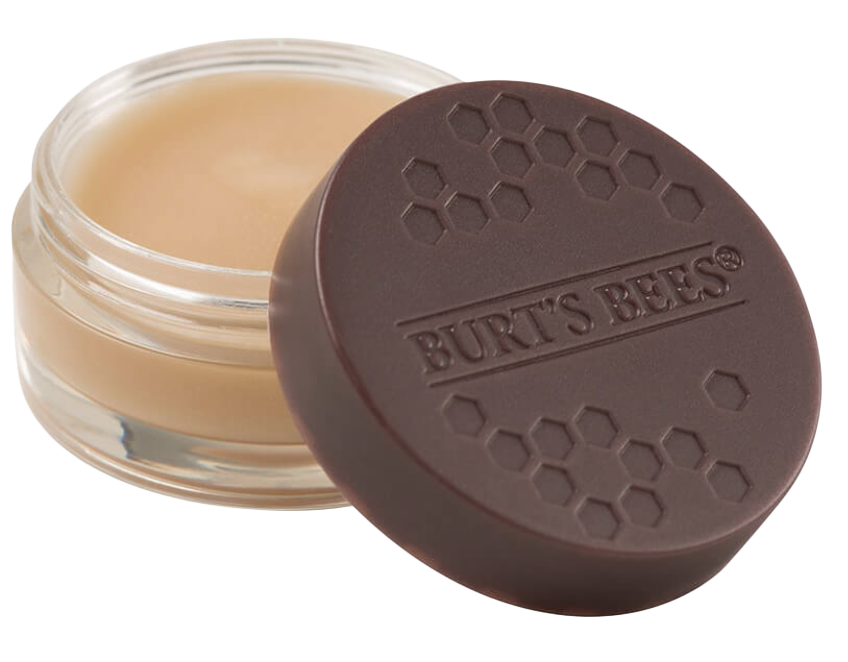
lips, you can’t go wrong with using the original Burt’s Bees Beeswax Lip Balm (it’s been a fan favorite for three decades!) to condition and moisturize your lips. For something more intensive, an overnight lip treatment can provide long-lasting moisture and restore healthy-looking lips while you sleep, and a conditioning lip scrub can gently exfoliate and soften in an instant. And of course, if you want a hint of shiny color while you restore moisture, opt for a nourishing tinted balm.
While we’d argue there’s a time and a place for wearing or using synthetic fabrics, if you have sensitive or acne-prone skin, you might want to stick to natural fabrics. Synthetic fabrics like polyester
and rayon aren’t as breathable as natural fabrics like cotton and silk and can more easily trap sweat and bacteria, which can cause redness, irritation, or acne.
The good news is that it’s becoming easier and easier to find all sorts of products made from natural fabrics that allow your skin to breathe, from cotton or linen clothing to silk pillowcases to even bamboo towels.
Growing up, it was probably ingrained in you to cleanse your face morning and night, like brushing your teeth. But turns out, unless you’re sleeping with makeup on (you’re not, right?) or maybe camping in the wilderness, there shouldn’t be anything you need to clean from your face between your nightly cleanse and the morning. All that’s doing is depleting your skin barrier of its natural oils and the moisture needed to keep your complexion hydrated — and causing your skin to overcompensate by producing excess oil as a result.
Instead, scale back your a.m. routine and cut the morning cleanse. Splash your face with some water before following up with a gentle toner, like the Burt’s Bees Natural Acne Solutions Clarifying Toner, to help balance and soothe your skin without depleting or overdrying. Then, in the evening, you can continue your skin-care routine as normal with a gel cleanser to wash away bacteria and oil and a deep cleansing scrub and spot treatment as needed to unclog buildup in your pores and target problem spots. One cleanse a day is good enough!
The debate surrounding dairy’s effect on chronic skin issues, like acne, inflammation, and eczema, has been around for years, and while it’s hard to say one way or another, if you often consume dairy — we’re looking at you, morning cup of coffee — it may be worth it to cut back to see if that has an effect on your skin health.
Similar to natural fabrics, the demand for alternative milk options has skyrocketed over the past few years, and now it’s easier than ever to find a delicious nondairy substitute for all your milk needs. The next time you whip up your latte or cappuccino, try adding almond, oat, coconut, or even pistachio milk.
Listen, we love our nightly glass of wine — possibly even more than we love that morning latte — but when you wake up the next morning looking puffy and dehydrated, it’s time to consider that alcohol might be a contributing factor to your skin issues.
Drinking alcohol in general will lead to dehydration, but if you’re strategic about what kind of alcohol you’re drinking, you can help mitigate the effects on your complexion. For example, natural wine contains fewer sulphites, a common culprit of flushed, blotchy skin, as well as fewer additives, like sugar, which
can exacerbate dehydration and cause you to look bloated. Additionally, if you’re drinking, make sure you have a really good nighttime skin regimen nailed down to help compensate. The Burt’s Bees Sensitive line of products with soothing aloe vera is a good place to start. There’s the cleanser that gently cleans and softens, the toner that balances your skin’s pH, the night cream that infuses your skin with moisture, and the eye cream that hydrates and revives tired eyes. Then there’s the moisturizing cream for intense hydration the morning after. Oh, and make sure you drink lots of water!
Illustrations by Jordan Kay
Writing by Stephanie Nguyen
Design by Kelly Millington



CREDITS


HABIT
Blasting the AC
Click to flip!
SWAP
Use a
Humidifier

Click to flip!
HABIT
Using Synthetic
Fabrics
SWAP
Turn
to Natural Fabrics

Click to flip!
HABIT
Over-cleansing Your Face
SWAP
Try a Toner
Instead
Click to flip!
HABIT
Drinking
a Latte
SWAP
Add Alt
Milk to Your Latte
Click to flip!
HABIT
Drinking
a Glass
of Wine
SWAP
Try
Natural
Wine