
1860s - 1930s
Constructing Hydropower on the Clackamas River
The Clackamas River has provided PGE with more than 130 years of innovation and sustainable energy production – enough to power 78,000 homes! The hydropower plants along the Clackamas River are an emissions-free, local source of electricity that draws its energy from the natural power of the regional water cycle. The hydropower facilities here don’t just provide a reliable, clean source of energy, their reservoirs provide Oregonians with a great place for outdoor recreational activities like swimming, boating and fishing, making them a significant part of PGE’s history.

1907
1911
1924
1930
River Mill Powerhouse (Station M)
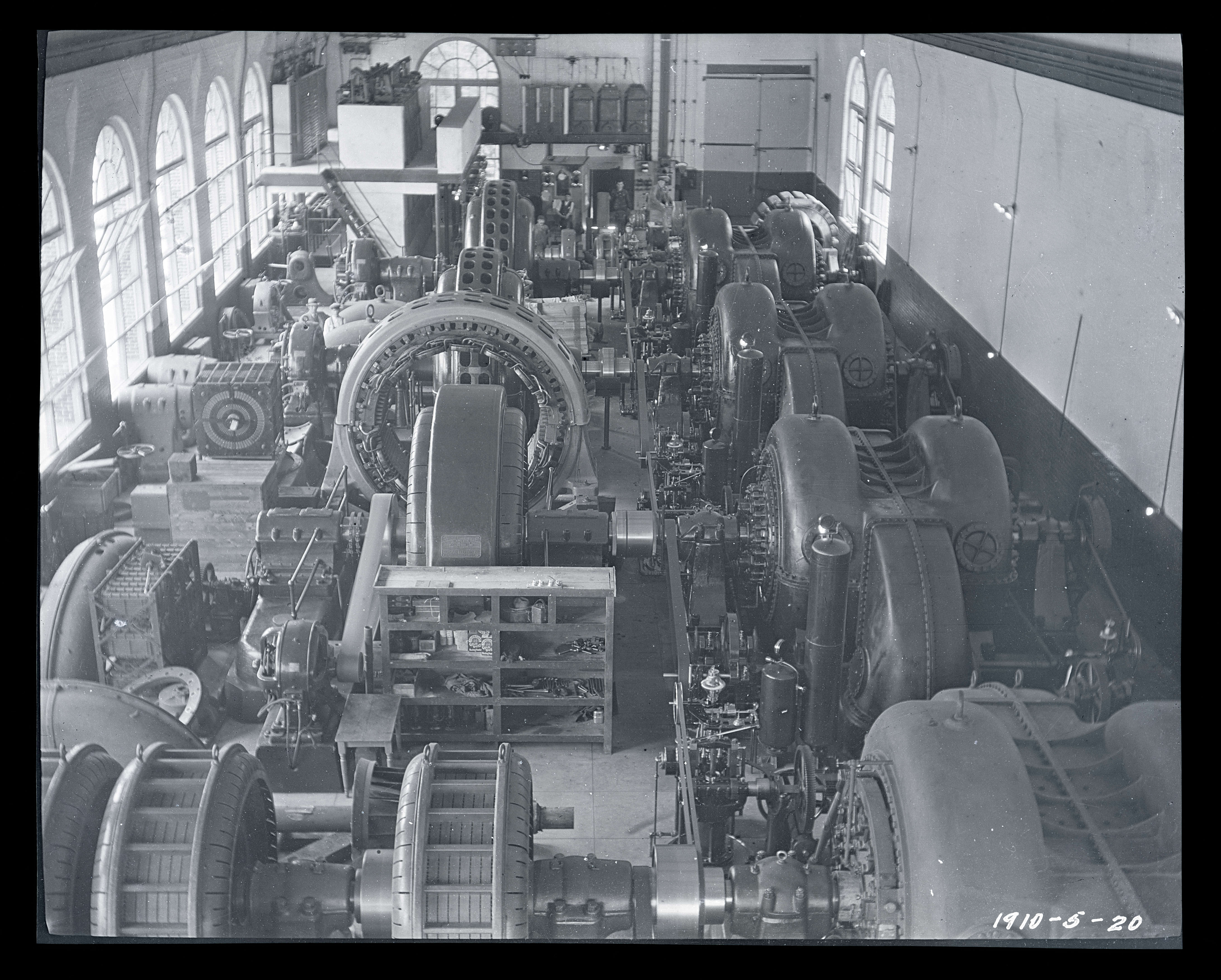
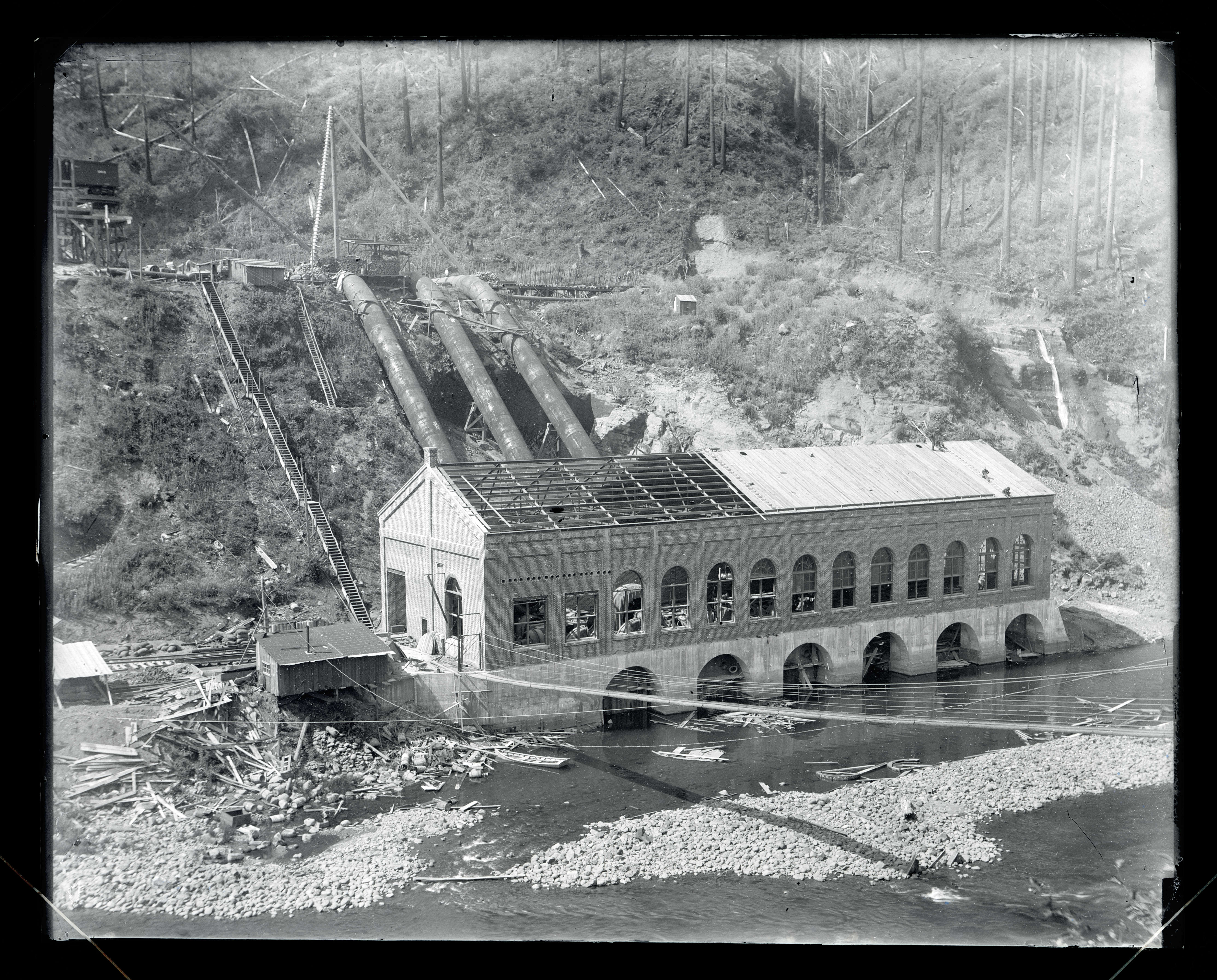
Station M, named “River Mill Hydroelectric Plant,” forms Estacada Lake and remains operational today. ��River Mill, an Ambursen style dam, began generating power in 1911. It’s on the National Register of Historic Places and generates enough power for more than 10,000 homes!
Additional Resources:
River Mill History
1907
1911
1924
1930
Faraday Powerhouse (Station G)
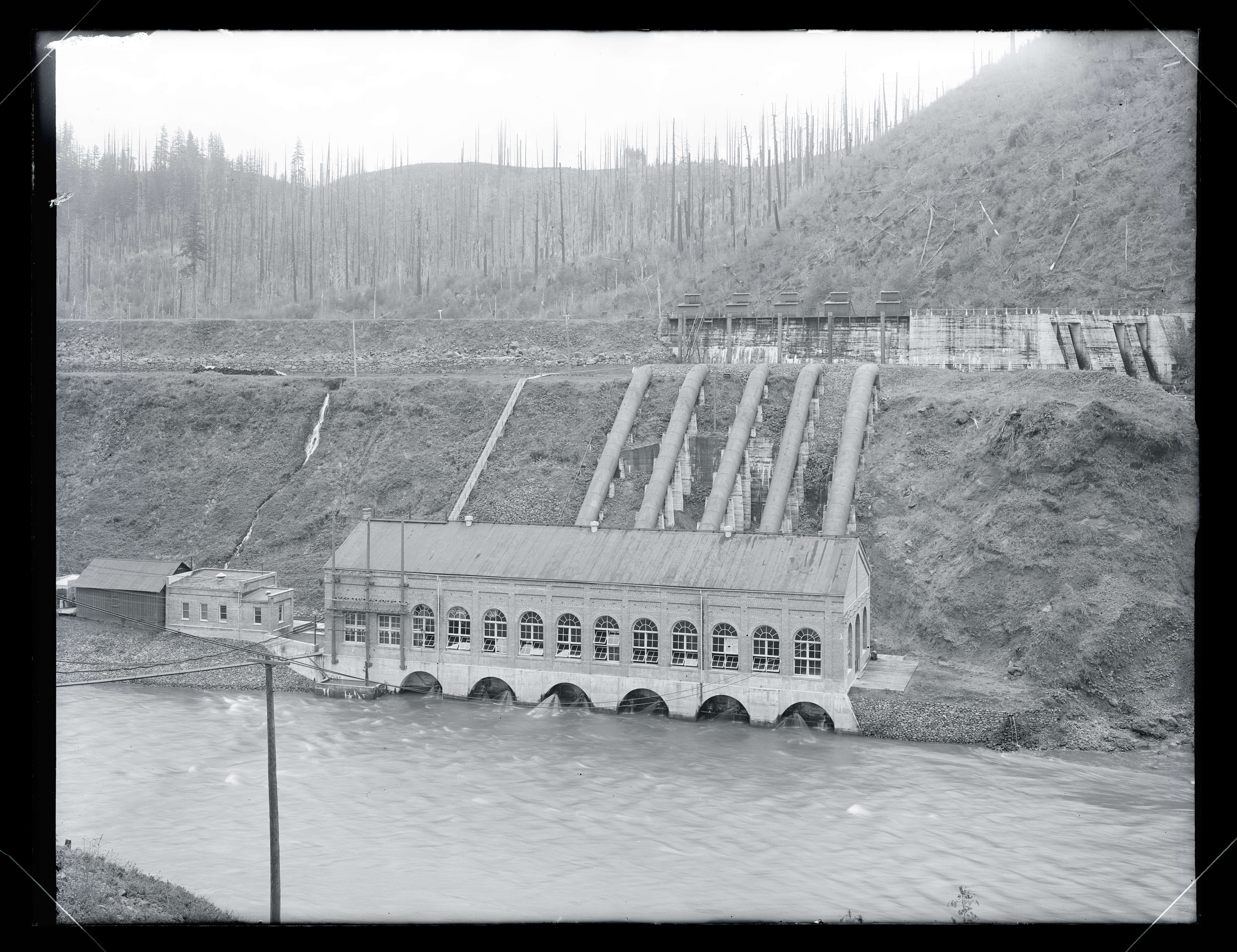
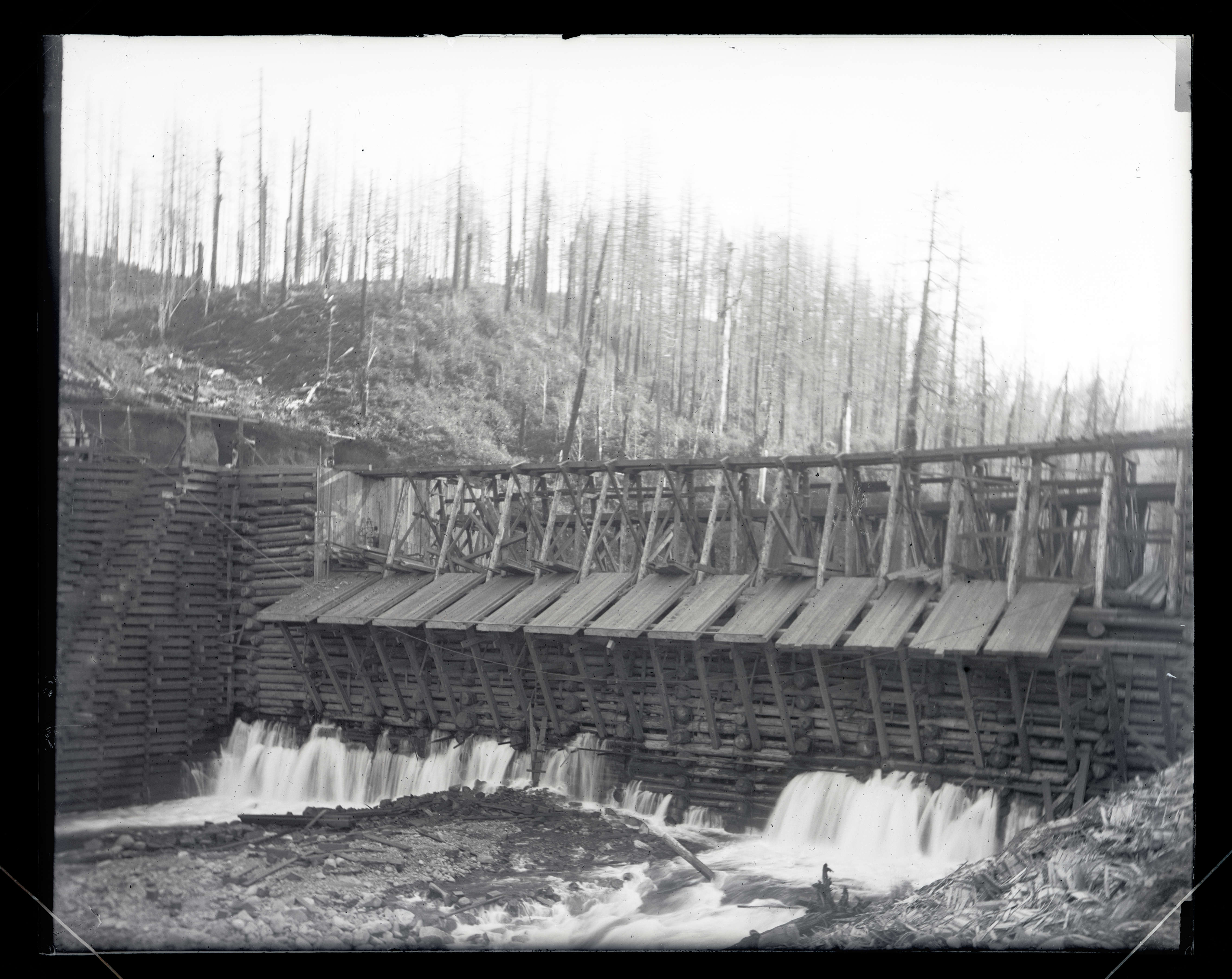
Station G was originally named “Cazadero” after the location of the nearby station on the Estacada interurban railway line of the Portland Railway Light & Power Company. In 1937 it was renamed “Faraday” after Michael Faraday, who was known as the father of electricity for his invention of the electric generator in 1831. When the powerhouse became operational in 1907, it was the first hydroelectric facility completed on the Clackamas River. ��It was demolished in 2019 to make way for a new facility. The legacy continued when the newly constructed Faraday power plant became operational in 2023.
Additional Resources:

Faraday Dam & Powerhouse (Oregon Encyclopedia)
Oak Grove Powerhouse (Station P) & Three Lynx Village
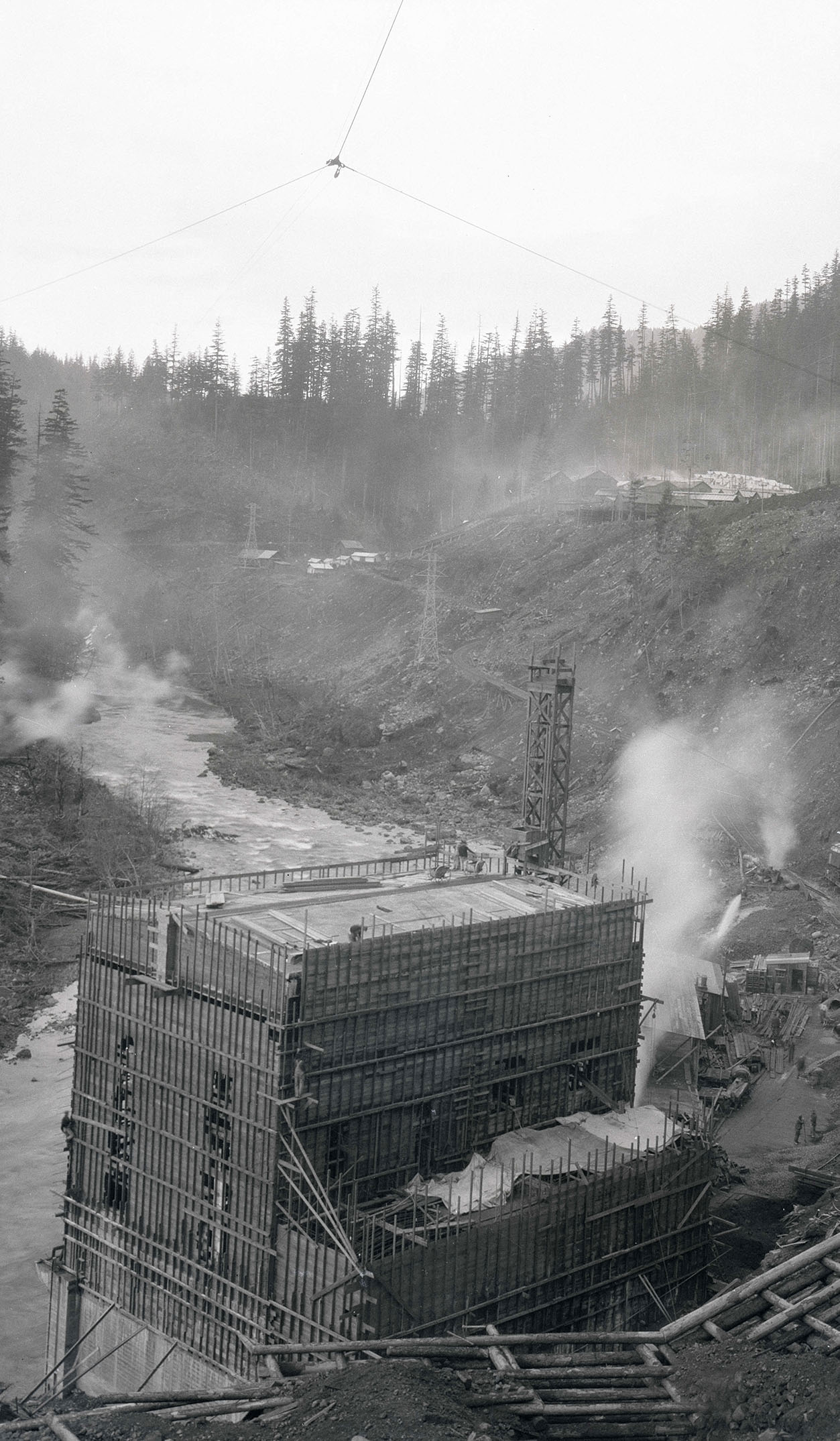
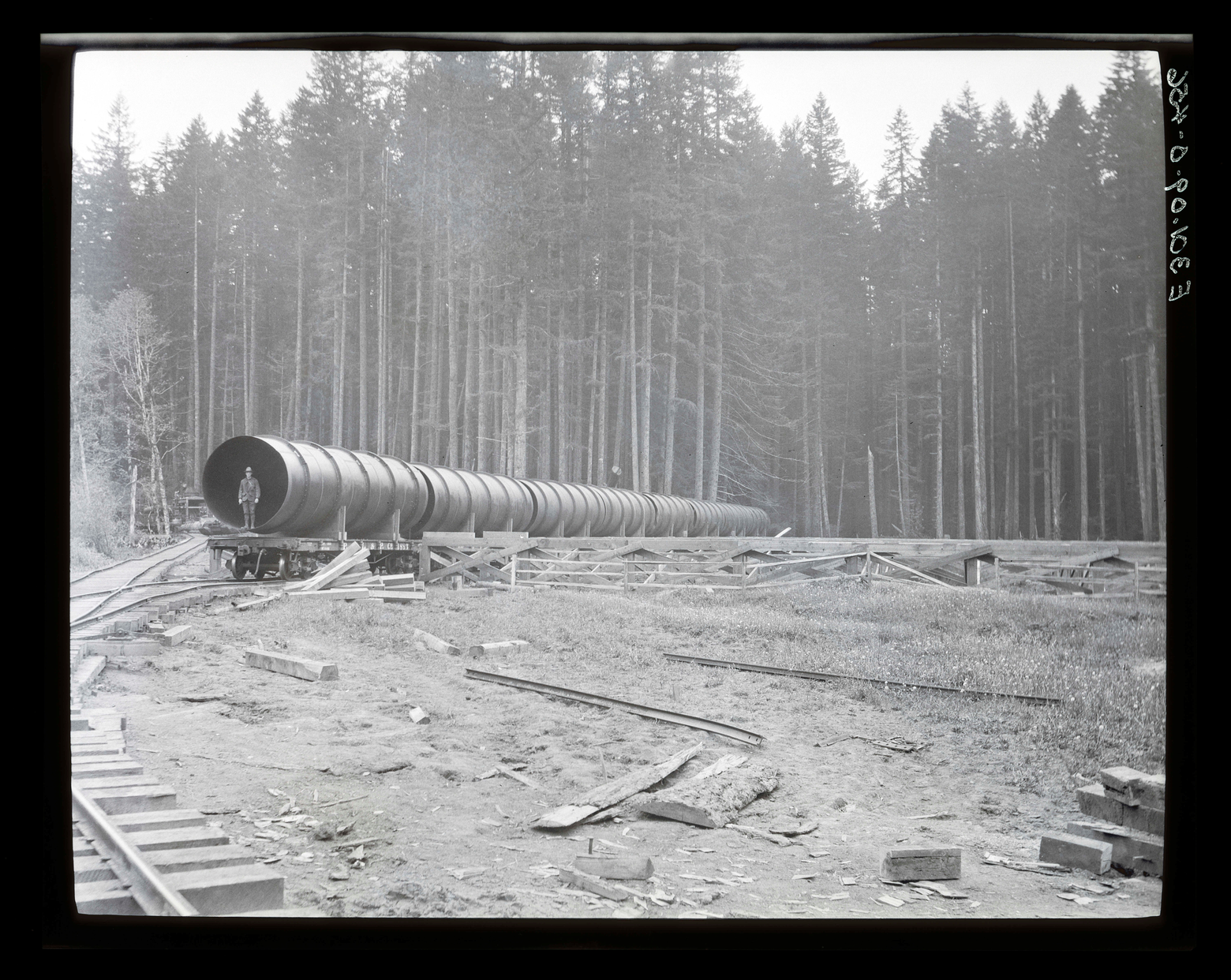
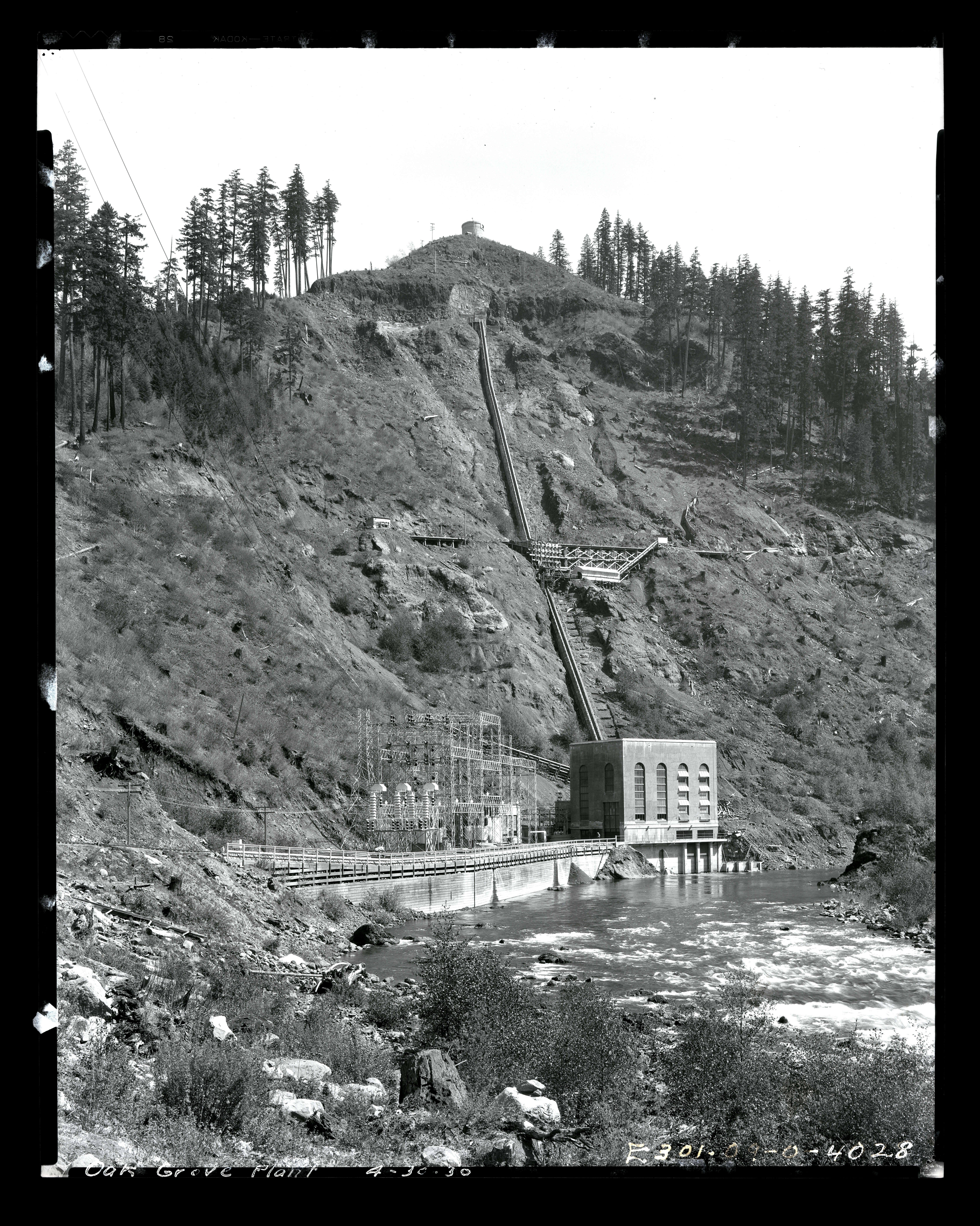
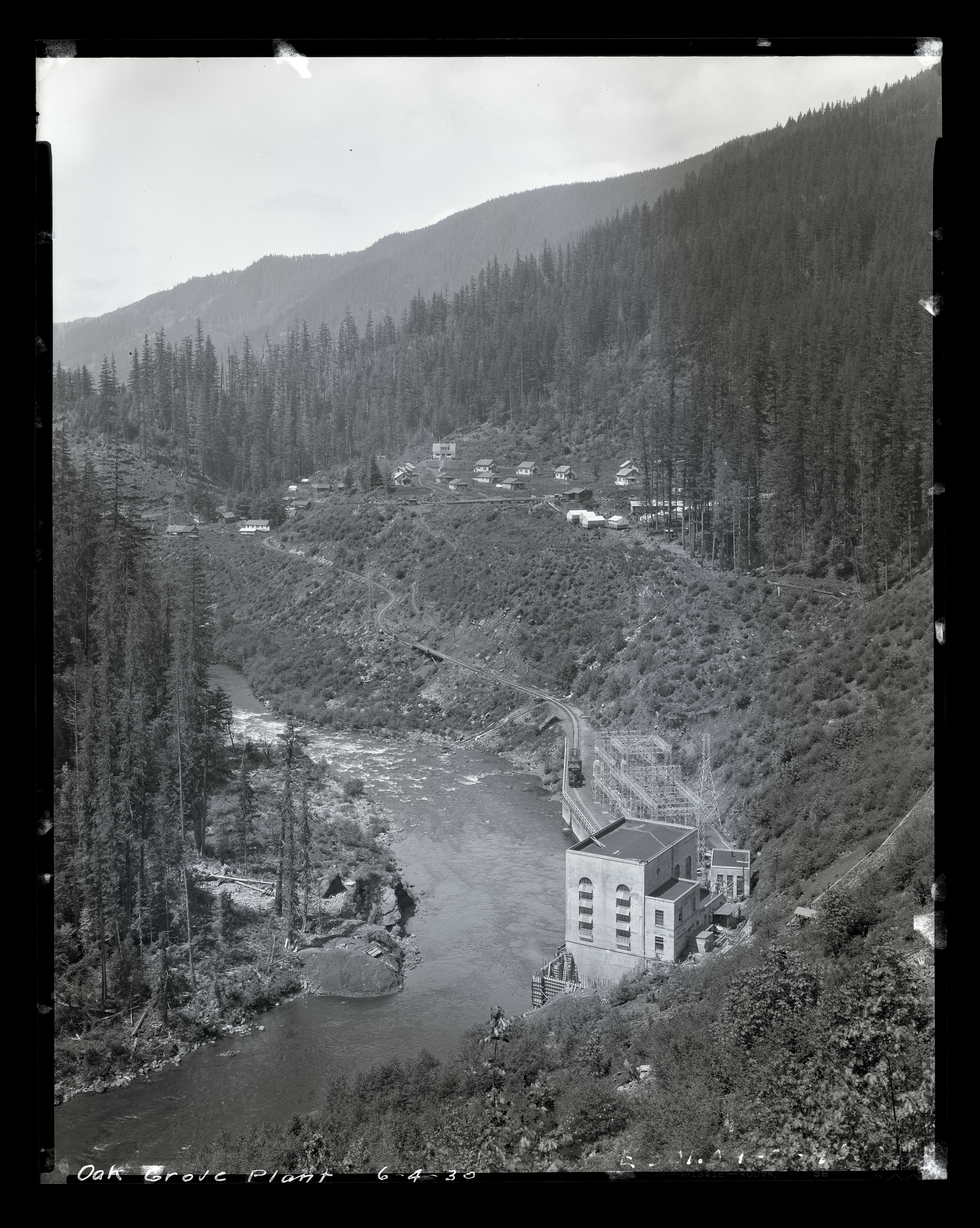
Station P, named “Oak Grove Hydroelectric Plant” was constructed in 1924. Water diverted into a flowline from dammed Lake Harriet travels approximately 7 miles along the surface through a series of gate house portal structures before dropping 800 feet to the powerhouse.
This sharp drop in elevation allows water to flow into the powerhouse at a very fast speed, generating enough electricity to power more than 24,000 homes. This design makes it PGE’s most efficient hydro facility.
To help support development of the project,Three Lynx Village was constructed. It was later expanded to serve as permanent housing for PGE operators and their families from the 1920’s through 2020, giving it a history and significance of its own. �
Additional Resources:
Clackamas River Hydroelectric Project (Oregon Encyclopedia)
Portland General Electric
Changes/milestones:
1930:
PEPCO changed name to Pacific Northwest Public Service Company and PGE is resurrected as the name of the electric subsidiary.
1932:
Company name reverts back to PEPCO and PGE continues as name of the electric subsidiary.
1937:
The Bonneville Dam, the Northwest’s first federal hydroelectric project, is completed on the Columbia River and the Bonneville Power Administration (BPA) is formed. PGE signs first contract with BPA in 1939 for purchasing and distributing power generated at Bonneville Dam.
1938:
Molalla Electric Co and Yamhill Electric Co. Merge with PGE.
1909
1909
Electric Building
PGE builds its corporate headquarters in downtown Portland, named the “Electric Building.” ��Built between 1909 and 1910, PGE’s brand-new Electric building had the distinction of being the first building in Portland to feature permanent exterior lighting – lit up with over 1,100 light bulbs to remind downtown shoppers to buy electrical service for their homes. The building served as the company’s central headquarters and housed its main electricity generating station.










Learn how the electricity got to Portland


Over the years our company has gone by many names including Willamette Falls Electric Company, Portland General Electric, Portland Railway Light and Power Company (PRLP), Portland Electric Power Company (PEPCO) or even Pacific Northwest Public Service Company. But since 1930 we've been known as Portland General Electric, a name we originally used in 1892.

History of PGE
Electrifying Oregon
Powering Progress
A Thoughtful Transition

History of PGE
Electrifying Oregon
Powering Progress
A Thoughtful Transition





2007 | Port Westward
Forever Evolving

Learn about Port Westward
2007 | Biglow Canyon Wind Farm
Powering the Future
Learn about Biglow Canyon Wind Farm
2016 | Carty Generating Station
Forever Evolving
View the 1990s - Present Timeline
2020 | Wheatridge Renewable Energy Facility
Powering the Future
View the 1990s - Present Timeline
2014 | Tucannon River Wind Farm
Powering the Future
Learn about Tucannon River Wind Farm
1974 | Beaver Combustion Plant
Building Reliable Power Plants
Learn about Beaver Combustion Plant
1976 | Trojan Nuclear Power Plant
Building Reliable Power Plants
Learn about Trojan Nuclear Power Plant
1980 | Boardman Coal Power Plant
Building Reliable Power Plants
Learn about Boardman Coal Power Plant
1958 | North Fork Hydroelectric Plant
Expansion of the Clackamas River Hydroelectric Project
Learn about North Fork Hydroelectric Plant
1964 | Round Butte Dam & Powerhouse
Building Reliable Power Plants
View the 1940s - 1980s Timeline
1958 | Pelton Dam & Powerhouse
Building Reliable Power Plants
View the 1940s - 1980s Timeline
1965 | Bethel-Round Butte Transmission Line
Building Reliable Power Plants
Learn about Bethel-Round Butte Transmission Line
1956 | Timothy Lake
Expansion of the Clackamas River Hydroelectric Project
View the 1940s - 1980s Timeline
1956 | Frog Lake
Expansion of the Clackamas River Hydroelectric Project
View the 1940s - 1980s Timeline
1953 | PGE Parks & Recreation
Expansion of the Clackamas River Hydroelectric Project
View the 1940s - 1980s Timeline
1909 | Electric Building
Constructing Hydropower on the Clackamas River
View the 1860s - 1930s Timeline
1911 | The Milliken Transmission Line
Constructing Hydropower on the Clackamas River
Learn about The Milliken Transmission Line
1907 | Faraday Powerhouse (Station G)
Constructing Hydropower on the Clackamas River
View the 1860s - 1930s Timeline
1911 | River Mill Powerhouse (Station M)
Constructing Hydropower on the Clackamas River
View the 1860s - 1930s Timeline
1924 | Three Lynx Village
Constructing Hydropower on the Clackamas River
Learn about Three Lynx Village
1924 | Oak Grove Powerhouse (Station P)
Constructing Hydropower on the Clackamas River
View the 1860s - 1930s Timeline
1895 | T.W. Sullivan Powerhouse (Station B)
Willamette Falls: the birthplace of an electric Oregon & PGE
Learn about Station B
1889 | Willamette Falls Powerhouse (Station A)
Willamette Falls: the birthplace of an electric Oregon & PGE
Learn about Station A
1868 | Willamette Falls Canal and Locks Company
Willamette Falls: the birthplace of an electric Oregon & PGE
View the 1860s - 1930s Timeline
2007 | Port Westward
Forever Evolving
Learn about Port Westward
2007 | Biglow Canyon Wind Farm
Powering the Future
Learn about Biglow Canyon Wind Farm
2016 | Carty Generating Station
Forever Evolving
View the 1990s - Present Timeline
2020 | Wheatridge Renewable Energy Facility
Powering the Future
View the 1990s - Present Timeline
2014 | Tucannon River Wind Farm
Powering the Future
Learn about Tucannon River Wind Farm
1974 | Beaver Combustion Plant
Building Reliable Power Plants
Learn about Beaver Combustion Plant
1976 | Trojan Nuclear Power Plant
Building Reliable Power Plants
Learn about Trojan Nuclear Power Plant
1980 | Boardman Coal Power Plant
Building Reliable Power Plants
Learn about Boardman Coal Power Plant
1958 | North Fork Hydroelectric Plant
Expansion of the Clackamas River Hydroelectric Project
Learn about North Fork Hydroelectric Plant
1964 | Round Butte Dam & Powerhouse
Building Reliable Power Plants
View the 1940s - 1980s Timeline
1958 | Pelton Dam & Powerhouse
Building Reliable Power Plants
View the 1940s - 1980s Timeline
1965 | Bethel-Round Butte Transmission Line
Building Reliable Power Plants
Learn about Bethel-Round Butte Transmission Line
1956 | Timothy Lake
Expansion of the Clackamas River Hydroelectric Project
View the 1940s - 1980s Timeline
1956 | Frog Lake
Expansion of the Clackamas River Hydroelectric Project
View the 1940s - 1980s Timeline
1953 | PGE Parks & Recreation
Expansion of the Clackamas River Hydroelectric Project
View the 1940s - 1980s Timeline
1909 | Electric Building
Constructing Hydropower on the Clackamas River
View the 1860s - 1930s Timeline
1911 | The Milliken Transmission Line
Constructing Hydropower on the Clackamas River
Learn about The Milliken Transmission Line
1907 | Faraday Powerhouse (Station G)
Constructing Hydropower on the Clackamas River
View the 1860s - 1930s Timeline
1911 | River Mill Powerhouse (Station M)
Constructing Hydropower on the Clackamas River
View the 1860s - 1930s Timeline
1924 | Three Lynx Village
Constructing Hydropower on the Clackamas River
Learn about Three Lynx Village
1924 | Oak Grove Powerhouse (Station P)
Constructing Hydropower on the Clackamas River
View the 1860s - 1930s Timeline
1895 | T.W. Sullivan Powerhouse (Station B)
Willamette Falls: the birthplace of an electric Oregon & PGE
Learn about Station B
1889 | Willamette Falls Powerhouse (Station A)
Willamette Falls: the birthplace of an electric Oregon & PGE
Learn about Station A
1868 | Willamette Falls Canal and Locks Company
Willamette Falls: the birthplace of an electric Oregon & PGE
View the 1860s - 1930s Timeline
Show All
A Thoughtful Transition
1990s - Present
Powering Progress
1940s - 1980s

Electrifying Oregon
1860s - 1930s
Learn more about Faraday Powerhouse
Learn more about Three Lynx Village