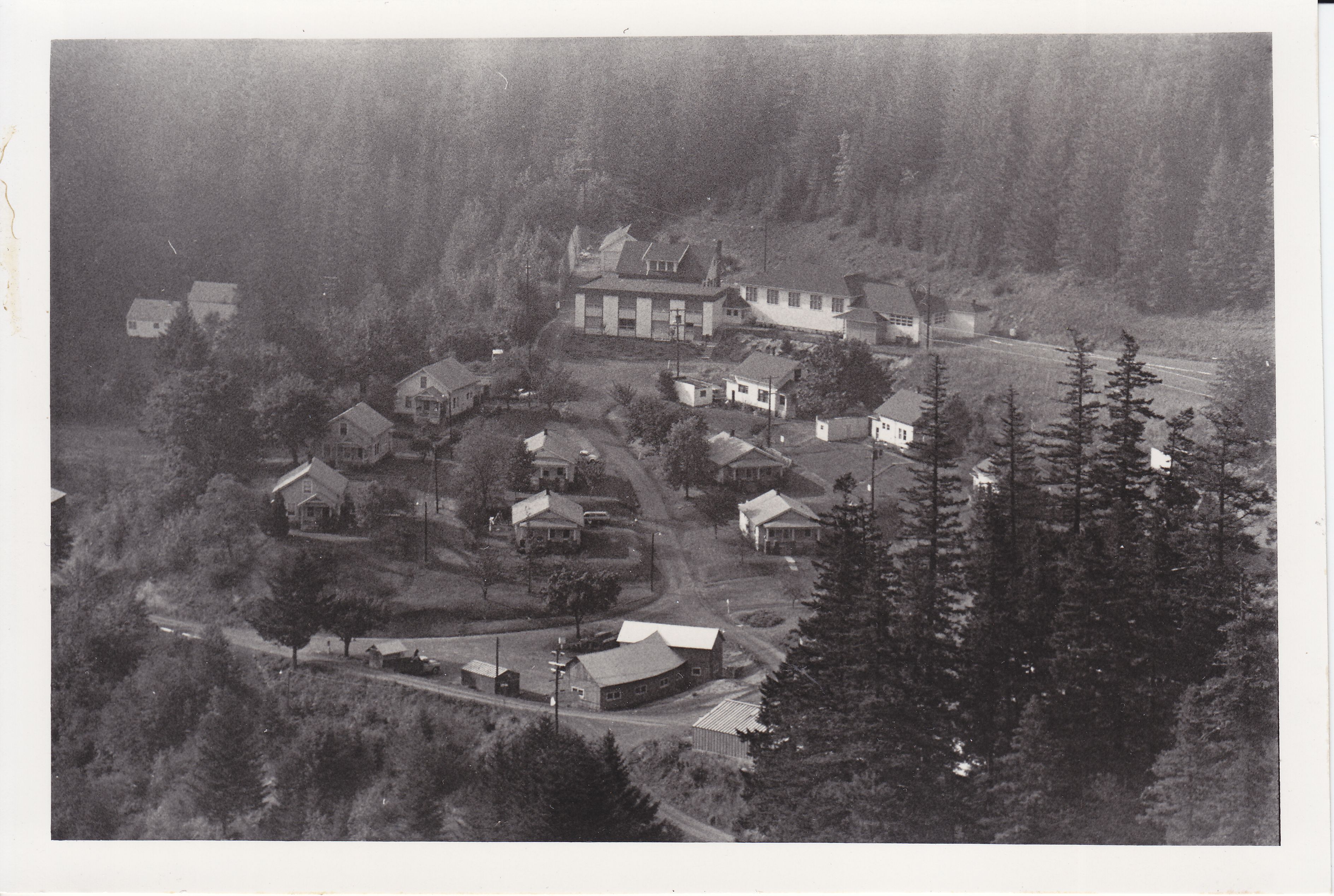
Three Lynx Village
c.1920 - 2022


The Growth of Three Lynx Village
1950s - Community Pool
Three Lynx residents banded together and using company equipment built a community pool in the middle of the compound, to provide for recreation. The pool included a small equipment room for the filter and heater, and a little changing area and restroom, all within a wood-fenced area. As the community declined in population, especially as families and children moved into town, the use of the pool declined. Prone to leakage, it ceased being used by the early 2000s.


1960s – Growth of the Communities
Growth of Three Lynx Village and the surrounding communities increased the number of children attending the school and in the 1960s there were major upgrades and additions to the original two-room schoolhouse that included more classrooms, a cafeteria, gymnasium and even an outdoor ballfield.


1970s - Occupancy Decline
Despite the beauty of the setting and the low $7.50 monthly cost (including utilities) for a Three Lynx Village house, company occupancy rates began to decline in the early 1970s. PGE employees, increasingly, chose to live closer to town, schools, and other opportunities. At the same time, improved technology and modernized operations reduced the need for on-site staff at the Oak Grove project.
1988 - Improved Infrastructure
The Three Lynx School District merged with Estacada in 1975 and with reduced enrollment, improved roads and safer buses, classes ended at Three Lynx and the school was closed. �


Decline and Preservation
The Growth
The Beginning
Aladdin Houses
Visual Timeline
From Camp to Village

History of PGE
Electrifying Oregon
Powering Progress
A Thoughtful Transition
History of PGE
Electrifying Oregon
Powering Progress
A Thoughtful Transition