The Ultimate �Trail Cam and Feeder Setup �for Hunting �and Deer Management
The Benefits of a Cellular Trail Camera and Feeder Setup
Presented by

Maximizing game management is something every deer hunter and land manager should strive for. It’s an important part of scouting whitetails, and fortunately, we have access to key technologies. For example, hunters can benefit from pairing cellular trail cameras and feeder setups.
Today, modern hunting and wildlife management tools are vastly superior to those of the past. SD cams became cell cams. Cell cams became even more with live view capabilities. Now, they even integrate with exceptional apps that generate incredibly detailed reports. These and more are examples of how gear is so much better.
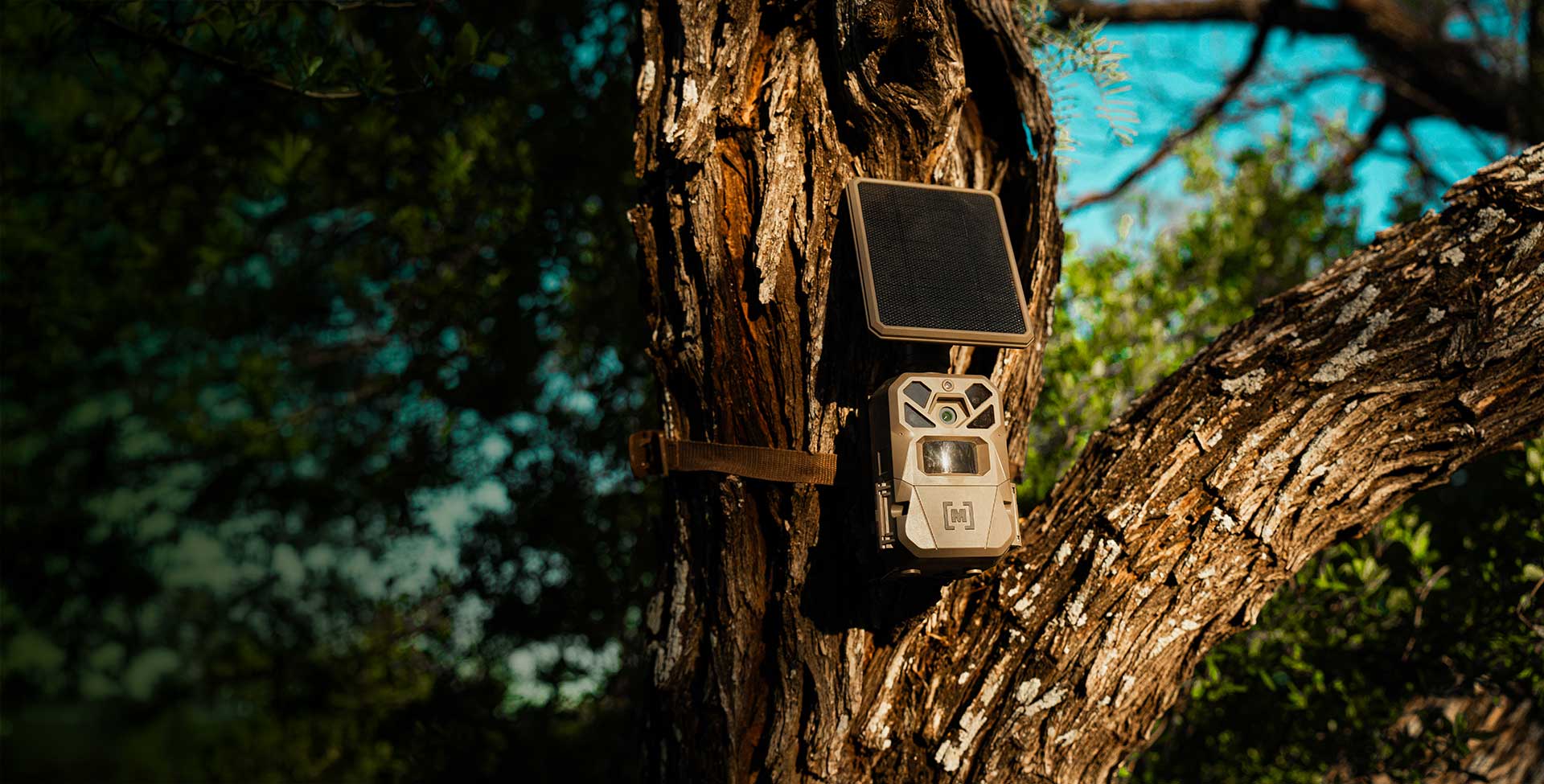
Enter Moultrie cellular trail cameras and automated feeders. These are game-changing technologies that offer land managers with next-level abilities. By pairing these tools, and properly implementing the setups, hunters can enjoy enhanced scouting, conservation, and hunting success. Here’s what you should know.

The �Advantages �of Cellular Trail �Cameras
Part I
Cellular trail cameras offer advanced features that hunters can use to elevate their scouting. From remote monitoring to pattern recognition to security benefits and more — utilize these enhanced assets. Furthermore, enjoy these alongside minimized human intrusion.
Using the app, receive real-time images and videos of wildlife directly to your phone. That’s something past hunters only dreamed of. Today, it’s routine and regular with modern cell cams. This real-time scouting intel is perfect for taking whitetail inventory, gauging buck age structures, conducting deer population surveys, identifying bedding areas, locating food sources, revealing travel routes, and much more.
Remote Monitoring through the Moultrie App
Intuitive technologies and the analysis of cell cams helps track movement patterns, feeding times, and even seasonal activity. Whitetails exist on long-, mid-, and short-term patterns. An effective cell cam deployment helps reveal these patterns. Furthermore, these help hunters learn the nuances of where deer bed, feed, water, and travel in-between. That’s crucial intel when choosing higher odds stand locations to intercept deer.
Pattern Recognition
Reliable cell cams reduce disturbances by checking images remotely. No longer do you need to physically pull cards from SD trail cameras. Reduce human intrusion even more by pairing cell cams with external battery sources, such as battery boxes, solar panels, and combinations of the two. Cameras assist with the reduction in pressure, which improves deer movement on the property, decreases the likelihood of mature deer responding negatively to scouting efforts, and gets hunters closer to the goal of harvesting a big deer.
Minimized Human Intrusion
Use cell cams to monitor land for trespassers and potential poachers. Cell cams are exceptional for security benefits, and some of yours can be used in this capacity. Protect what’s yours.
Security Benefits
The Power of the Combined Setup
Part III
Cell cams and automated feeders are powerful on their own. However, combine the two and you have a one-two punch that can have great impacts on your land management and deer hunting efforts.
It’s important to understand exactly when and where animals are feeding. Deploy feeders in areas deer already feed. Examples include the edges of ag fields, food plots, staging areas, mid-point travel routes (to encourage specific desirable directional travel), and more. When you scout first, and deploy feeders second, this improves the overall outcome. Of course, if you desire, feeders can also be used to pull deer in new directions they aren’t already using
Optimized Scouting
Use this gear combo to identify mature bucks and manage herd dynamics. Keep track of specific deer, observe herd health, determine deer densities, and choose targets in a more efficient and definitive manner. Use this to better engrain the observational features of target bucks so you don’t accidentally shoot the wrong deer. Learn behavioral tendencies (i.e.: aggressive vs. passive) with specific deer, so as to better attune your skills (i.e.: calling or not calling) to what might work for them. The list goes on.
Better Target Selection
Reduce wasted feed and monitor consumption with automated feeders and camera monitoring. Automated feeders dispense feed exactly the way you need it to. Cameras keep track of feeder usage to determine if these are in the right locations, or not
Efficient Resource Management
Because feeders are automated, you can spend less time manually checking trail cams and refilling feeders. This saves money on gas and feed. It also saves time, which is even more valuable. Overall, it makes a huge difference in efficiency.
Time-Saving and Cost-Effective Benefits
Part IV
Choosing the Right Equipment
All feeders and cellular trail cameras aren’t created equal. It’s important to buy quality gear that gets the job done right. Moultrie trail cameras and feeders check all the right boxes, and then some.
Moultrie trail cameras are known for the utmost quality in resolution, battery life, detection range, and cellular plans. When taken care of properly, these units last years in the field. Battery life is long, cams detect deer reliably, photos are centered correctly, and images are very clear. Furthermore, cellular plans are optimized for consumers.
Moultrie Trail Camera Features
Likewise, Moultrie feeders are designed for great performance. They have large capacities to hold more feed. These can be integrated with programmable timers, which time feedings just right. Feeders can even be equipped with units to monitor feed levels, ultimately alerting you when feeders need re-filling. Plus, enjoy varmint protection, which saves money on feed, too.�
The Moultrie Edge 3 unit comes with exceptional features. It provides reliable Auto Connect (to the best of the four major networks), on-demand images, built-in memory, and more. Furthermore, Moutrie AI provides immediate updates if a buck is in front of your camera.�
Additionally, it comes equipped with GPS to track camera location, Live Aim to dial in camera setups, and a reduction in false triggers.
Of course, this camera offers unbeatable value. With extended battery life, it’s sure to impress users. Enjoy the benefits of combining innovation and performance at an affordable value.
Moultrie Feeder Considerations
Part V
Ethical �and Legal Considerations
Those planning to deploy feed should consider the ethical and legal considerations that coincide with it. Check state and local regulations to determine if you can feed deer. Consider ethical and situational factors when feeding deer, too.
Consult your state’s hunting regulations to determine if you’re permitted to feed deer, or not. If so, research if any stipulations or exceptions are in play. Of course, follow all deer feeding and baiting laws.
State Regulations on Baiting and Trail Camera Use
Beyond legalities, ensure your feeder practices are fitting situationally. For example, don’t suddenly introduce feed in the middle of winter, which can negatively impact deer health. Instead, start feeding in summer or fall and continue that feeding program through winter. Obviously, don’t suddenly remove feed, either, which can jerk the rug out from under deer when they have access to minimal sources of nutrition.
Responsible Feeding Practices for Wildlife Conservation
A common hot-button issue, never use cellular cameras or other tools in a real-time hunting manner to harvest deer. For example, don’t be hunting one spot, see a deer on camera at a nearby feeder or food plot, and climb down to go shoot it. That isn’t ethical. Furthermore, in many places, it isn’t legal. Always exercise ethical and legal hunting decisions, especially regarding the use of real-time data
Ethical Hunting Decisions and Using Real-Time Data

Part VI
Overall, hunters can maximize game management with the use of cellular trail cameras and automated feeders. These offer key benefits that will level-up hunting and land management efforts. Modern deer hunters should embrace tech for smarter, ethical hunting and wildlife management. Without question, and undeniably, cellular trail camera and feeder setups can enhance the outdoor experience.
Conclusion
Check out Moultrie’s newest line of cell cams and feeders.
shop


The right feeder can keep game in the area and support population health. Feeders can be used to feed corn, protein pellets, mixed feeds, and more. With automated feeders, these can be programmed to dispense feed on consistent schedules. This helps establish all-important patterns hunters need.
Consistent Feeding Schedules
Quality feeders help maintain predictable wildlife activity for observation and hunting. This is necessary for pulling new deer into your hunting area. It’s also vital for holding game once they get there. Plus, consistent patterns are excellent for creating shot opportunities.
Attracting and Holding Game
Use feeders to enhance antler growth and overall herd condition. A consistent feeding program can be used to boost herd health. It can assist with weight gain, better antler production, and more.
Nutrition Management
Feeders help sustain habitat by providing supplemental food sources. These extra sources of carbohydrates and protein can help deer make it through critical periods where additional nutrition is needed. Examples include late winter when sources are depleted, spring and summer when bucks are growing antlers, the same period when does are nursing fawns, and fall when deer are gaining weight to make it through the colder months. Of course, this additional feed can also prevent over-browsing and habitat damage.
Reducing Over-Browsing
The Role of Automated Feeders in Game Management
Part II
Feeders also present great advantages. Where legal, automated feeders most certainly have a place in game management. These can be used to offer additional food sources, improve herd health, hold deer in more centralized locations, and more.