
Everything troops need to know about going to college while in the military

For military members, figuring out how to go to college while juggling military life, deployments, family or finances can feel like navigating unfamiliar terrain without a map.�
Whether you’re a 24-year-old enlisted service member thinking about college for the first time or a seasoned veteran preparing for civilian life, here is your complete checklist for the journey of making college work while you serve—and beyond.
Sponsored by


Define your objectives.
When considering higher education, it’s important to think about the end goal so you can better chart your journey. Here are a few things to keep in mind:
Are you looking for career advancement, a post-service career path, or personal growth?
Consider your military service as a way of complementing these goals. Can your current MOS/AFSC translate into the civilian world or count as credits towards an official degree?
Think about how you learn best. Is this going to be online, in-person, or a hybrid option?
The military offers multiple education benefits, each with its own eligibility rules, timelines, and limits. Understanding how they fit together allows you to make the most of what you’ve earned through your military service:

Know your benefits and funding options.
GI Bill
Current service members will most likely fall under the Post-9/11 GI Bill, which requires you to have started your service on or after September 11, 2001. It covers up to 36 months of tuition, BAH, and supplies. It can also be transferred to dependents after six years in service.
Tuition Assistance (TA)
Active duty, Reserve, and National Guard members may qualify for Military Tuition Assistance (TA). While in service, members have access to up to $4,500 a year, which is paid to the school on a per-class basis. You must apply for TA before classes begin, as late submissions won’t be reimbursed. TA can also be used in conjunction with the GI Bill, but be strategic by looking at the long run.
Military Spouse Career Advancement Account (MyCAA)
We should also note that the military provides benefits to spouses. The Military Spouse Career Advancement Accounts initiative is a workforce development program. It offers an effective way to help military spouses get training and education that will benefit portable careers. MyCAA offers up to $4,000 for military spouses pursuing associate degrees, certifications, or licenses.
Every installation has programs and offices dedicated to helping you pursue higher education. Don’t overlook these built-in advantages:
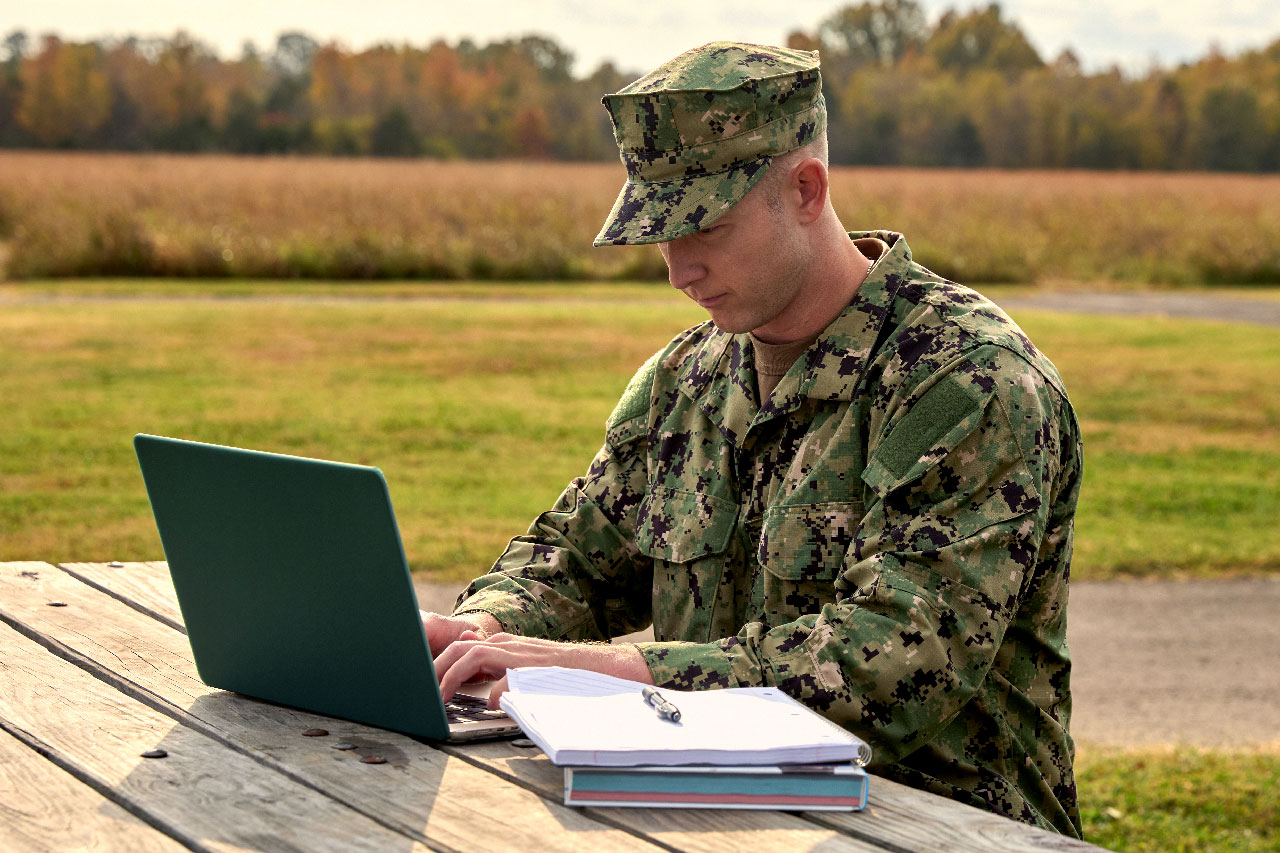
Use on-base/post resources.
Education Centers
Most installations have an Education Vendor or Lifelong Learning Office staffed with counselors who help military members and their families explore schools and programs, submit TA paperwork, Request Joint Services Transcript (JST) Evaluations, and understand credit transfer policies.
Testing Services
Take CLEP or DSST exams for free. Each one you pass can replace a college class and save you time and money. Do you know a second language? Take a CLEP test to get those credits.
Partnership Schools
Many universities, like National University, for example, partner directly with bases to offer classes on-site or online with discounted military tuition rates.
Not all schools understand military life. Choose one that does. Before enrolling, ask how the school handles students who deploy mid-semester to gauge how the institution supports military life. Look for programs that offer:
Regional accreditation, which is the gold standard for degree recognition
Flexible formats like online, hybrid, or accelerated courses
Credit for prior learning because your military training can translate into academic credits
Dedicated military support teams like National University’s Veteran and Military Community Center at the Nest
Deployment policies that allow for withdrawal or course extensions without penalty
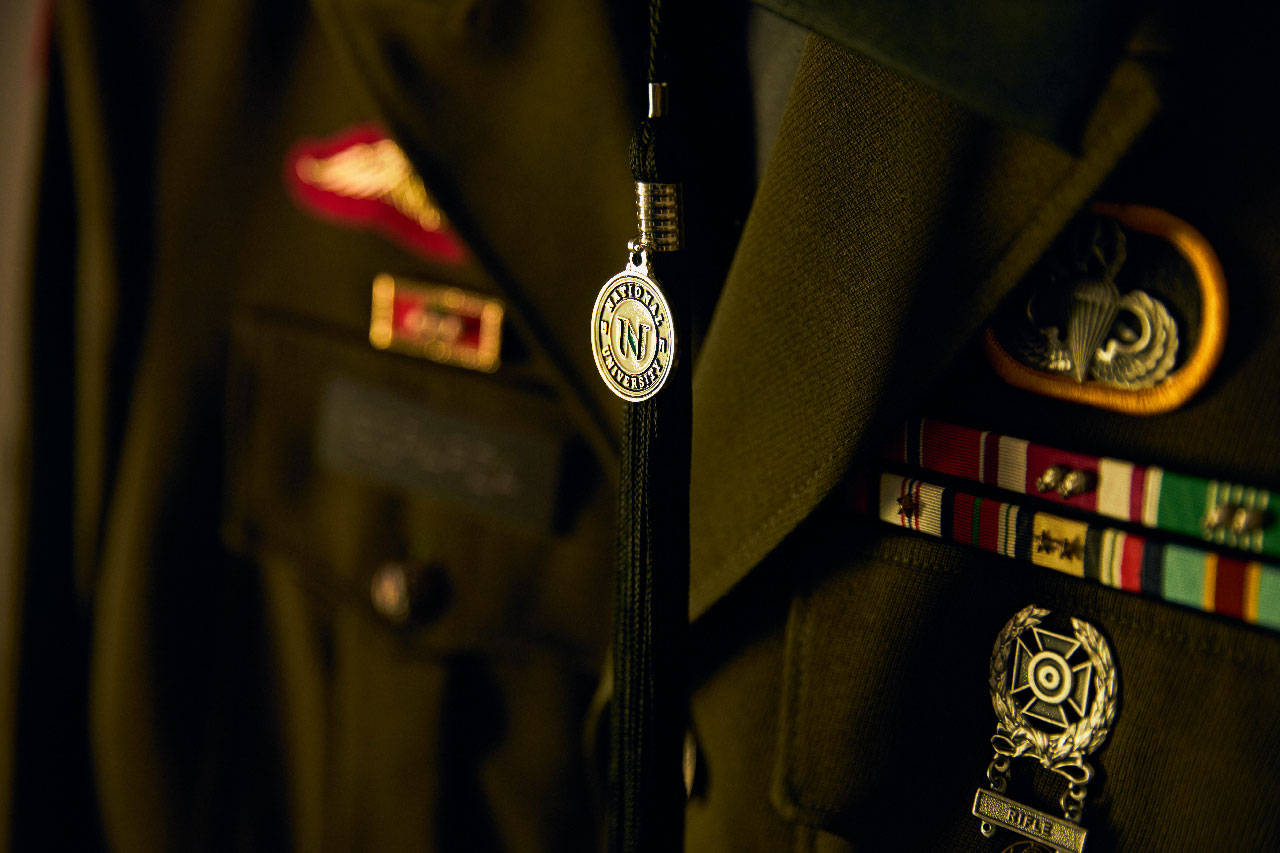
Choose a military friendly school.
You can continue your education anywhere if you plan ahead. Here are a few things to keep in mind:
Online access: Choose schools that let you complete coursework from any location or time zone
Notify professors: Communicate early if deployment is on the horizon
Save all syllabi and materials: If you must pause, having your coursework helps with resuming later.
Internet backup plans: Some deployed locations have limited wi-fi. Download materials or pre-plan workarounds to ensure that you are able to connect remotely.

Prepare for deployments and PCS moves.
Education isn’t just about earning credits. It’s about building a network. Utilize events and resources available to service members and their families. A great example is the Navigate Your Next Mission (NYNM).
Hosted by National University (NU), this quarterly series brings together service members, veterans, employers, and educators in the greater San Diego area to help service members and spouses navigate career, education, and life transitions.
NU’s inaugural “Grab and Connect” Week at The Nest took place August 25-28, 2025. It was a week of connection, resources, and support designed for the military community. From discovering benefits to connecting with peers, the event embodied NU’s holistic mission: empowering the military-connected community to thrive.
Grab and Connect kicked off with a Defense Industry Employer Roundtable, which is the anchor of each NYNM week and an invite-only session. The discussion included how to build the ideal veteran and military spouse candidate profile, how military service organizations can better prepare job seekers, and collective strategies to close gaps and build stronger career pipelines.
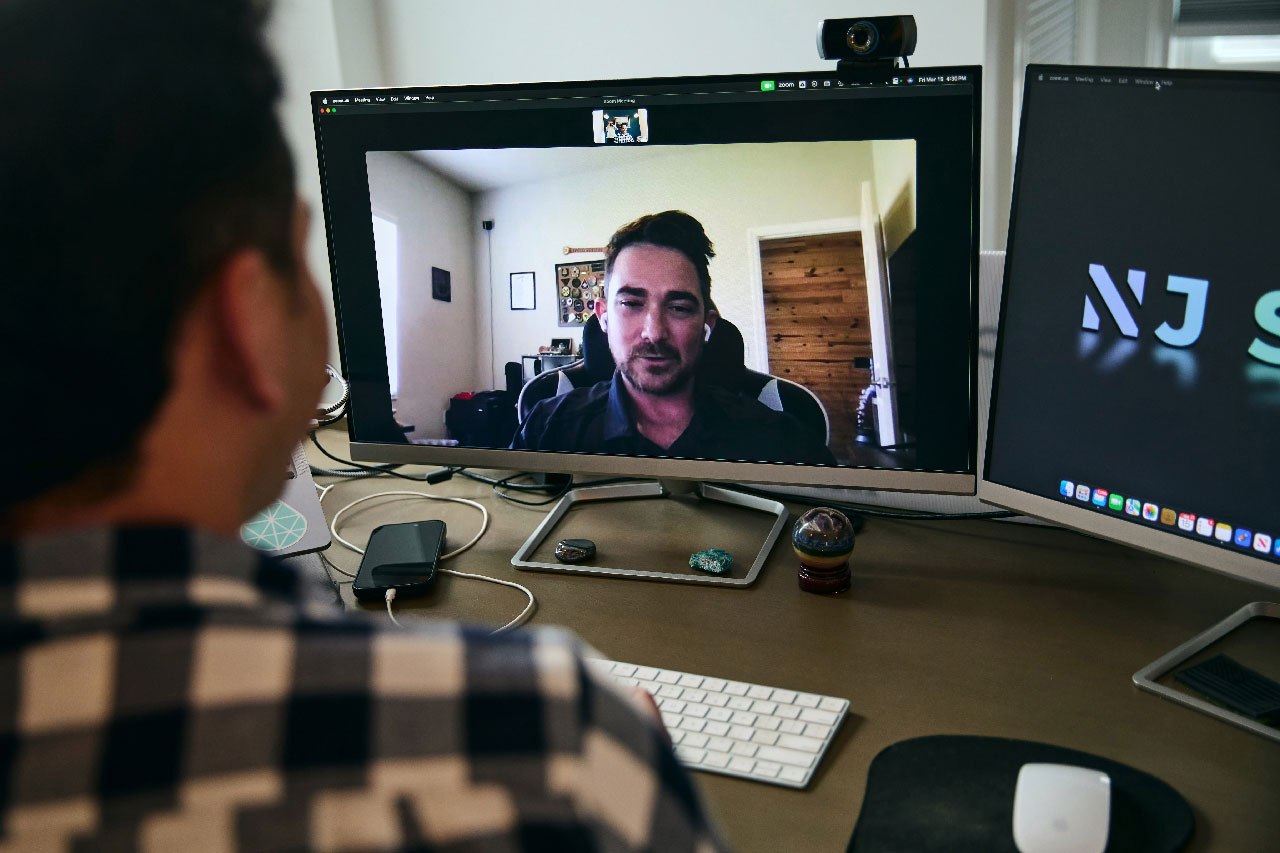
Connect with community resources.

In addition to the roundtable, NYNM hosts workshops, speakers, and events that are open to the entire military community regardless of NU affiliation. These sessions include practical and hands-on career resources as well as support for personal and professional growth. Some workshops, like their Wellness & Workforce workshop, are offered virtually as well as onsite. NU also offered military disability support with Disabled American Veterans (DAV), networking opportunities with peers and professionals, and a tour of NU’s Veteran & Military Community Center at The Nest.
The feedback from the event was overwhelmingly positive—some quotes included:
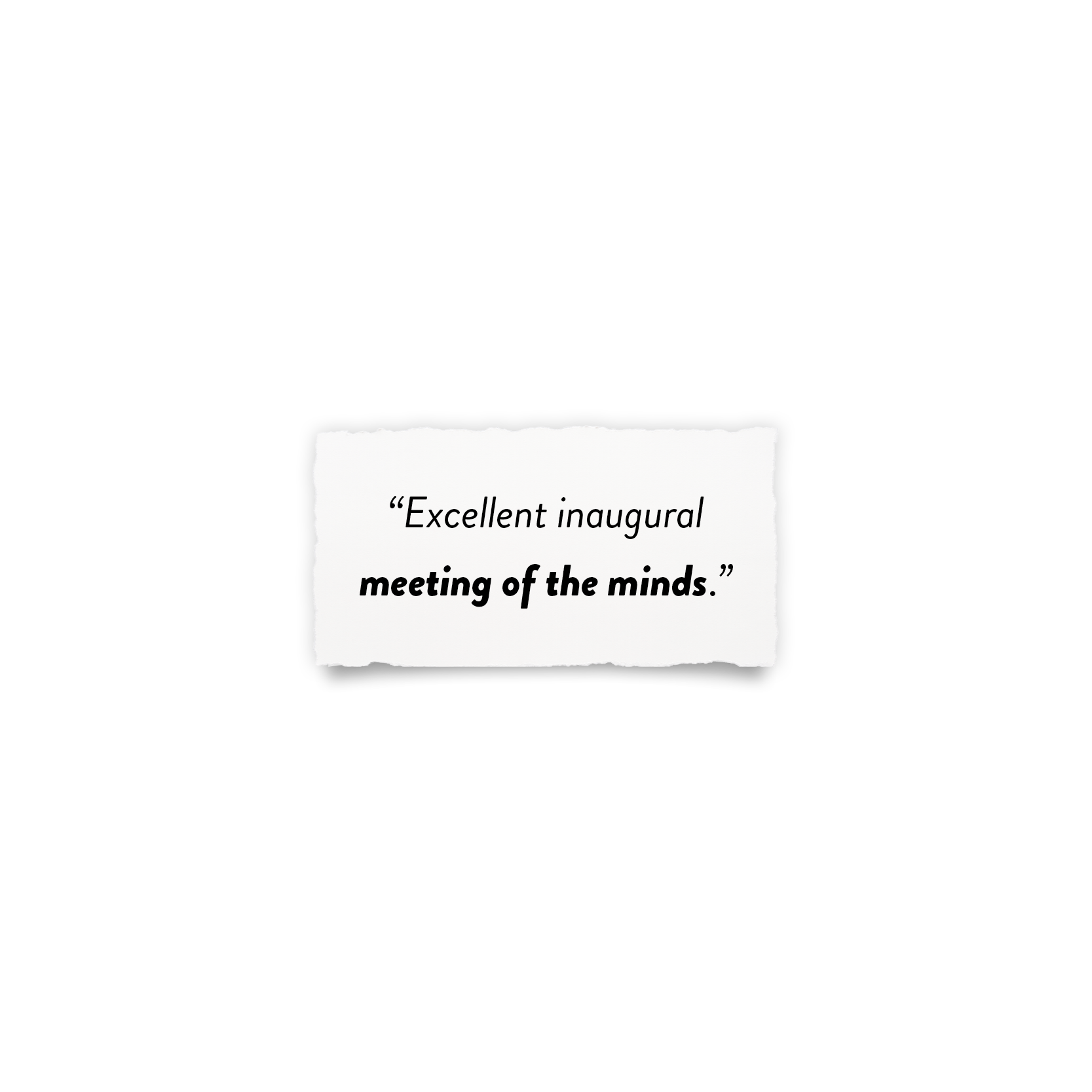
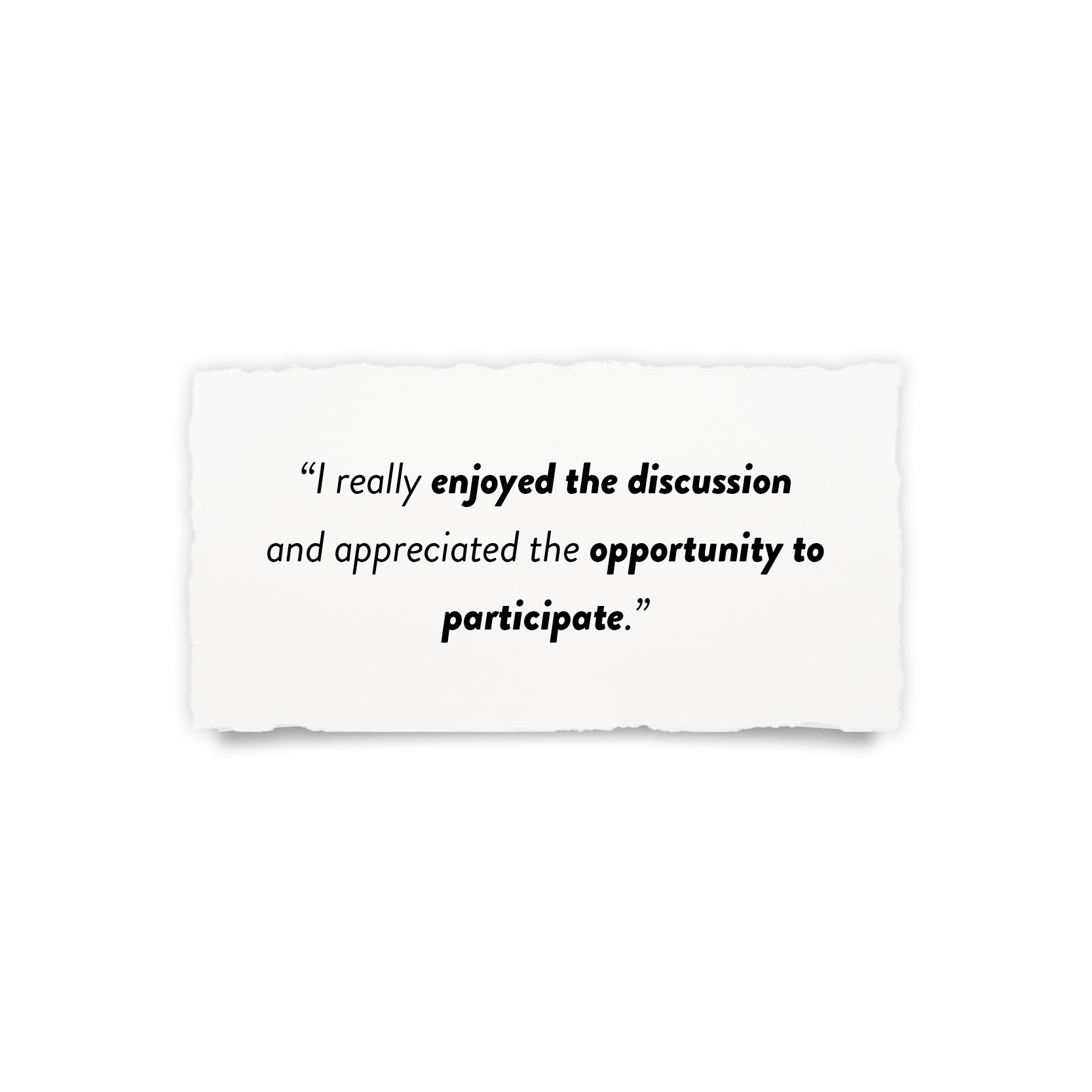

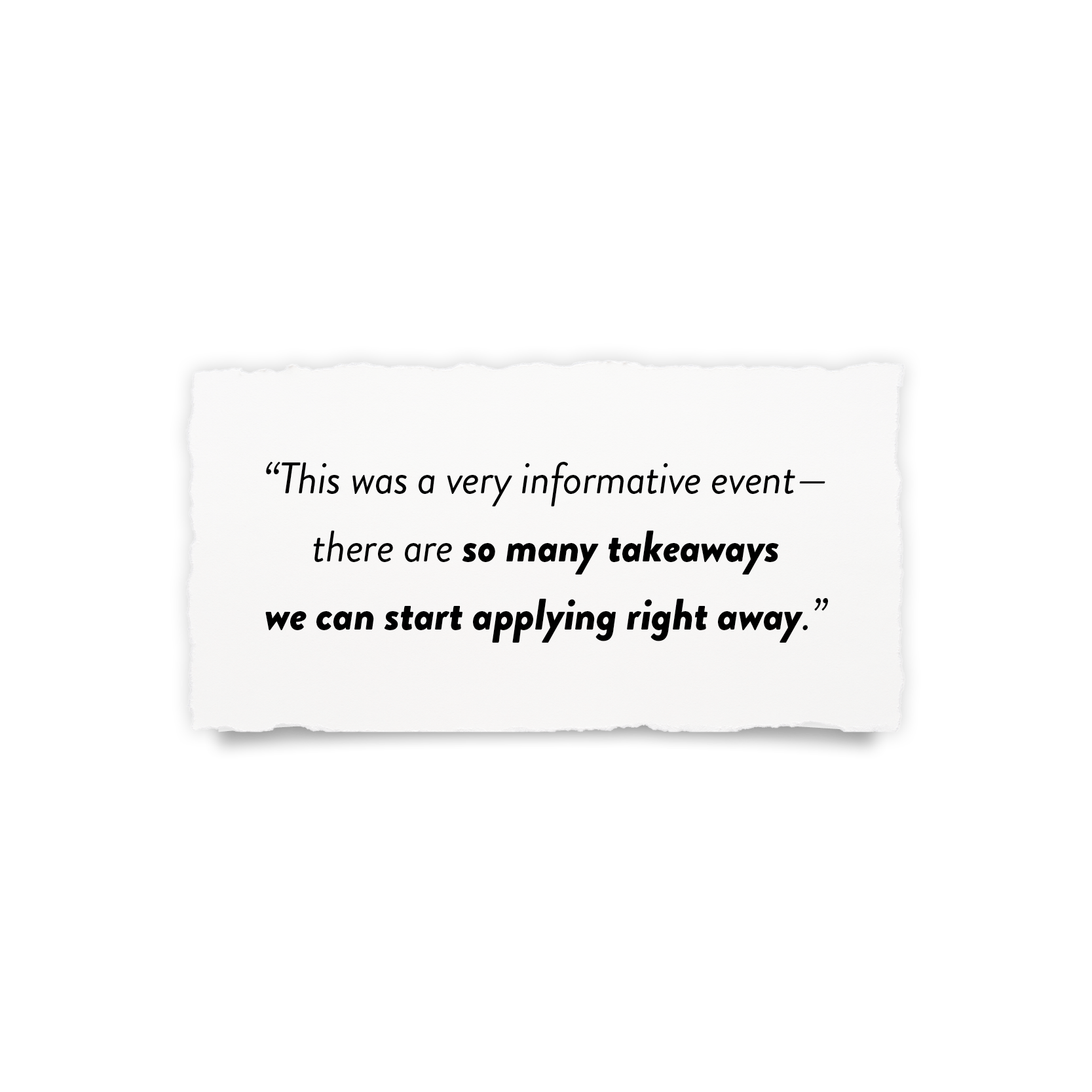
100% of the attendees rated the session “valuable” and requested invitations to future sessions—proof that collaboration and connection are key to mission success.
The NYNM series continues, bringing new focus areas for each quarter. Next up is K-12 Education & Community, taking place on January 26-29, 2026. It will spotlight opportunities for veterans and spouses interested in teaching, mentoring, and shaping the next generation. For more information and to sign up, visit National University’s events page.
NU serves as a convener of resources and a hub for collaboration. Through NYNM, NU brings together industry, education, and community partners to design actionable solutions that directly impact the military community and the broader workforce. They are an excellent compass for anyone navigating their journey of pursuing higher education and navigating their next mission.
Transitioning from military service to higher education isn’t a solo mission—it is a team effort. With the right plan, benefits, and support network, you can successfully navigate the journey of college life.
This [article] was funded [in part] by a grant from the United States Department of Veterans Affairs. The opinions, findings and conclusions stated herein are those of the author[s] and do not necessarily reflect those of the United States Department of Veterans Affairs.