Wild Waters Within Reach

Presented by
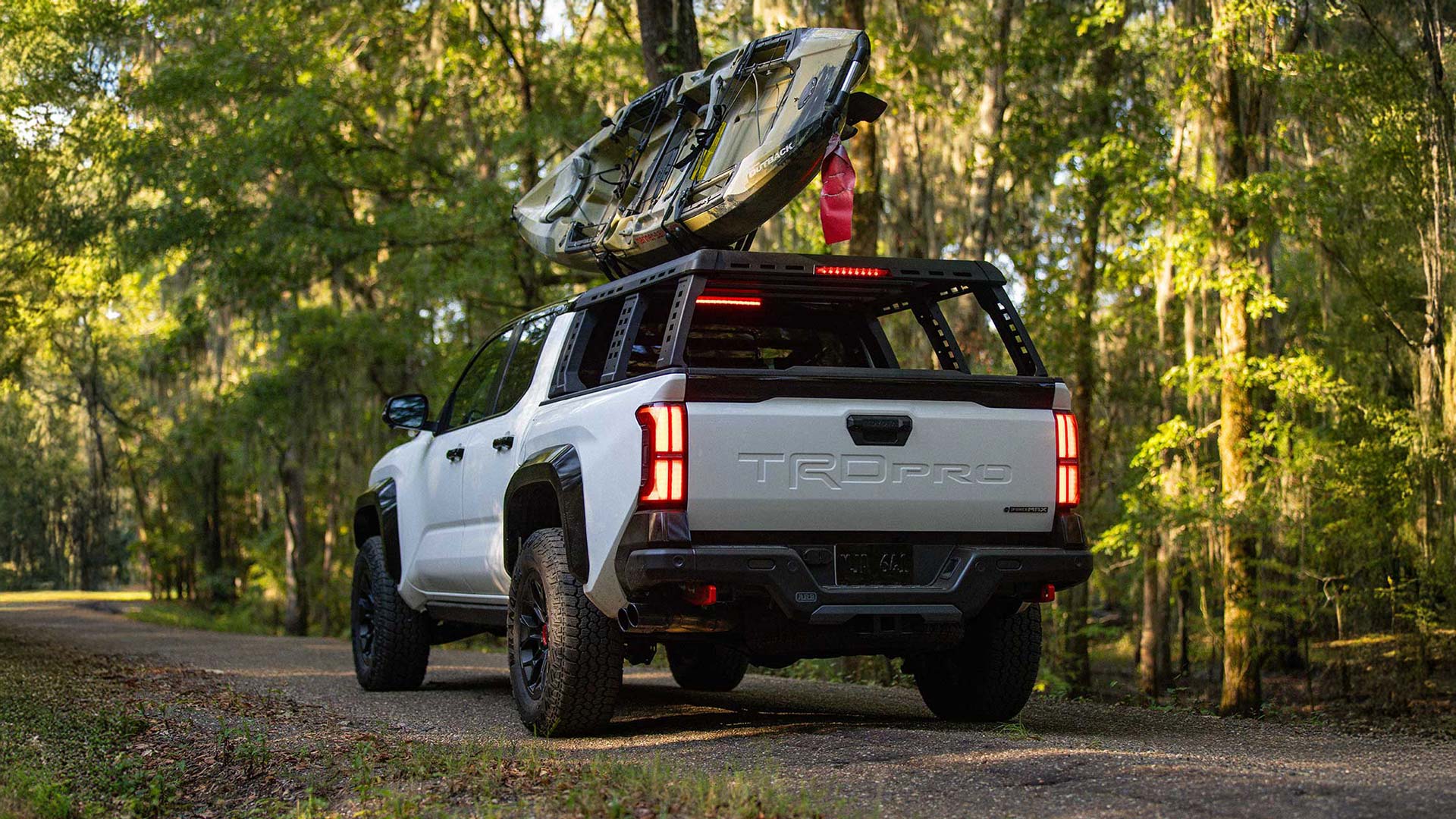
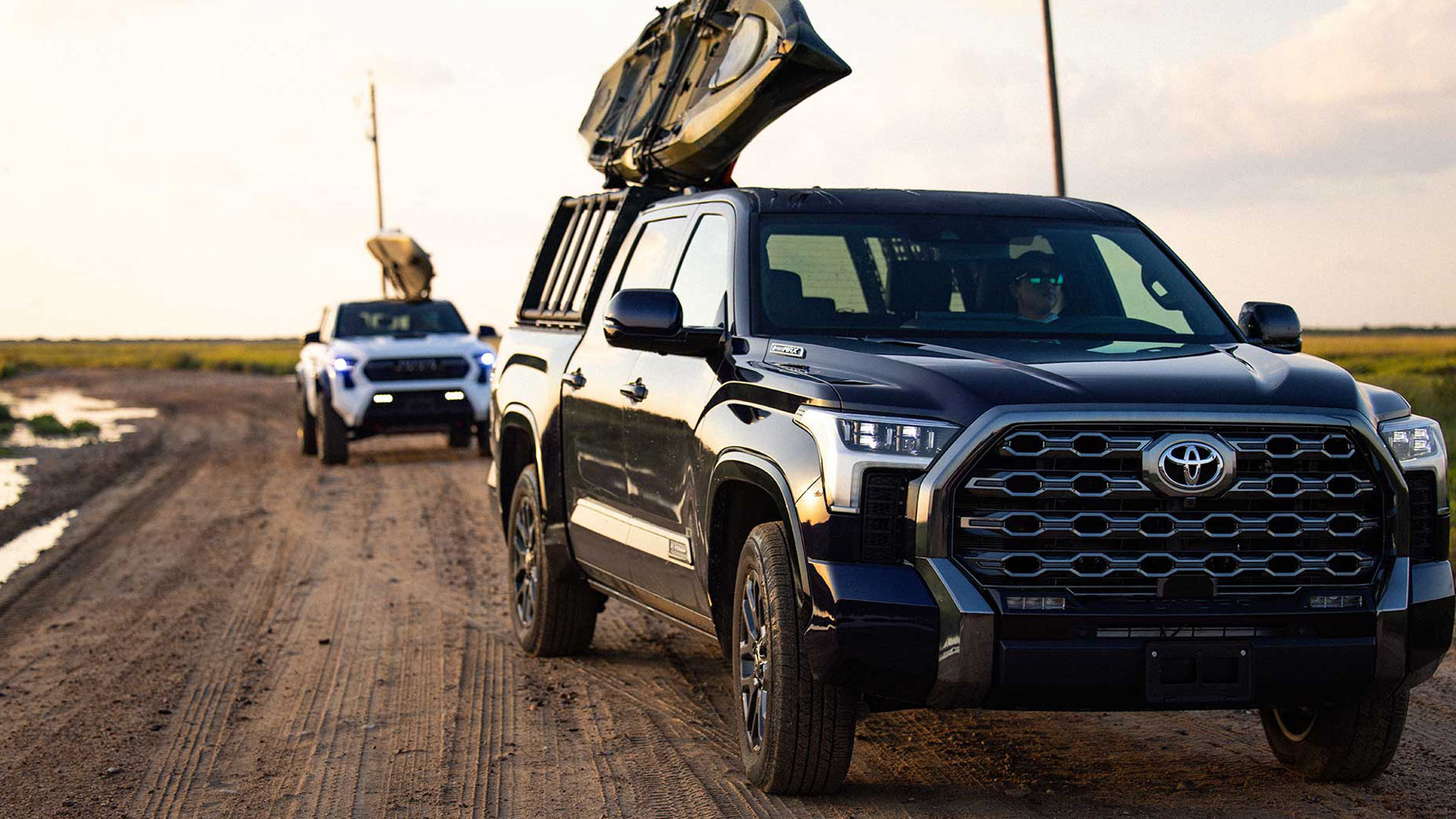
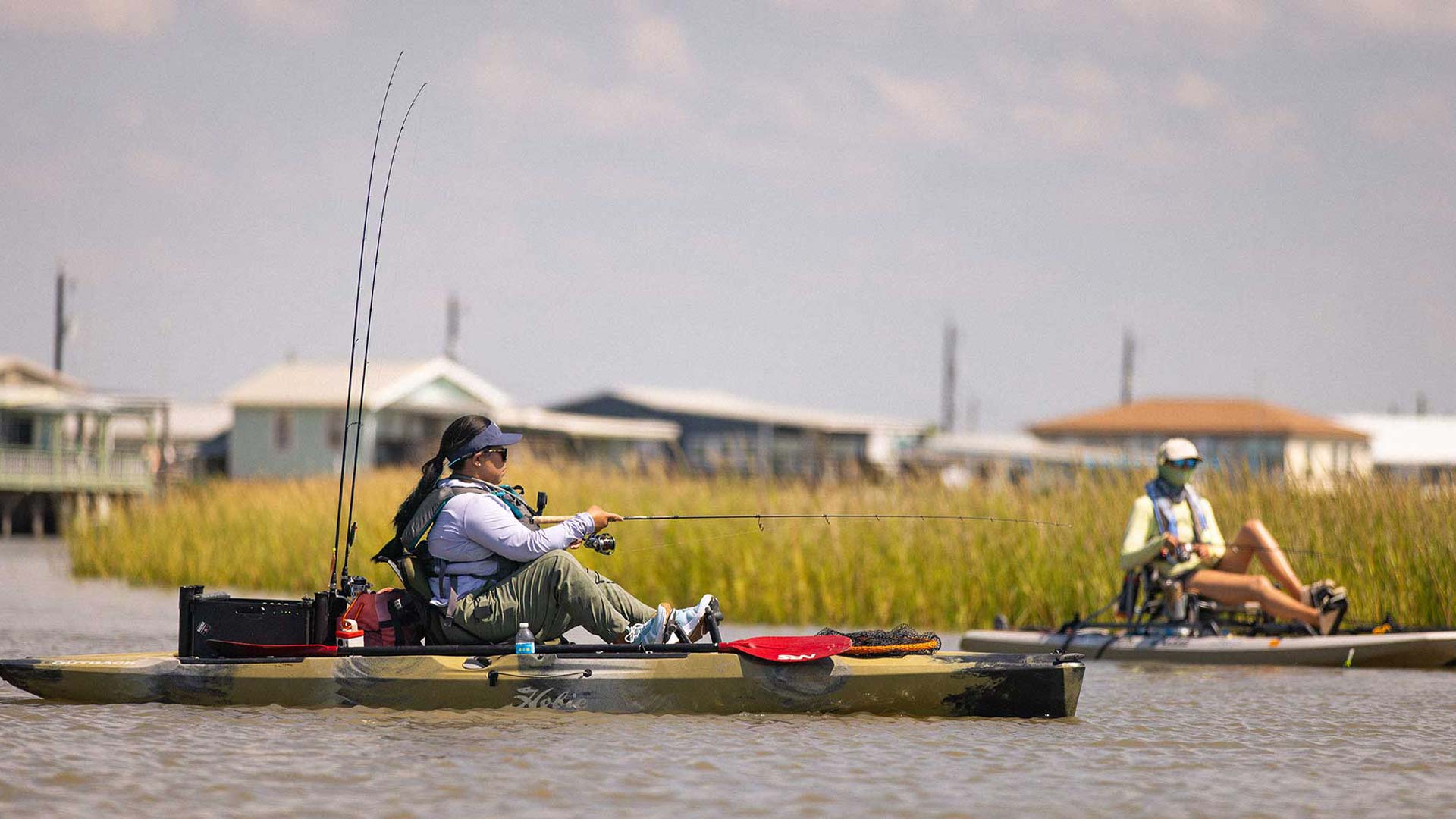
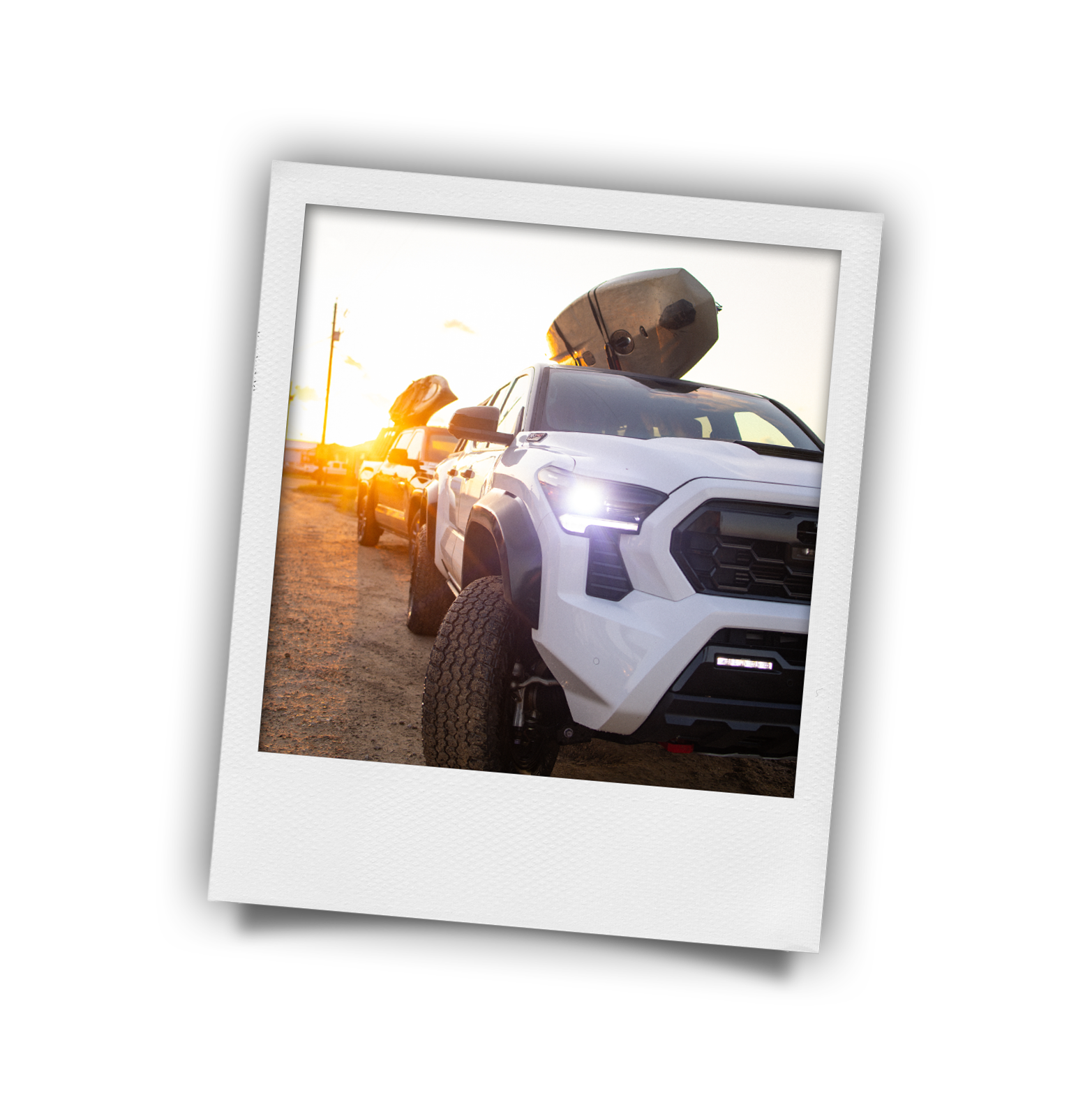
Any decent angler will tell you that �the fish often are where the people ain’t.�Luckily, tide-scoured beaches, high alpine plateaus, and subtropical swamps get overlooked by all but the most serious fishermen and women. Toyota Trucks are built for those places. And those people.
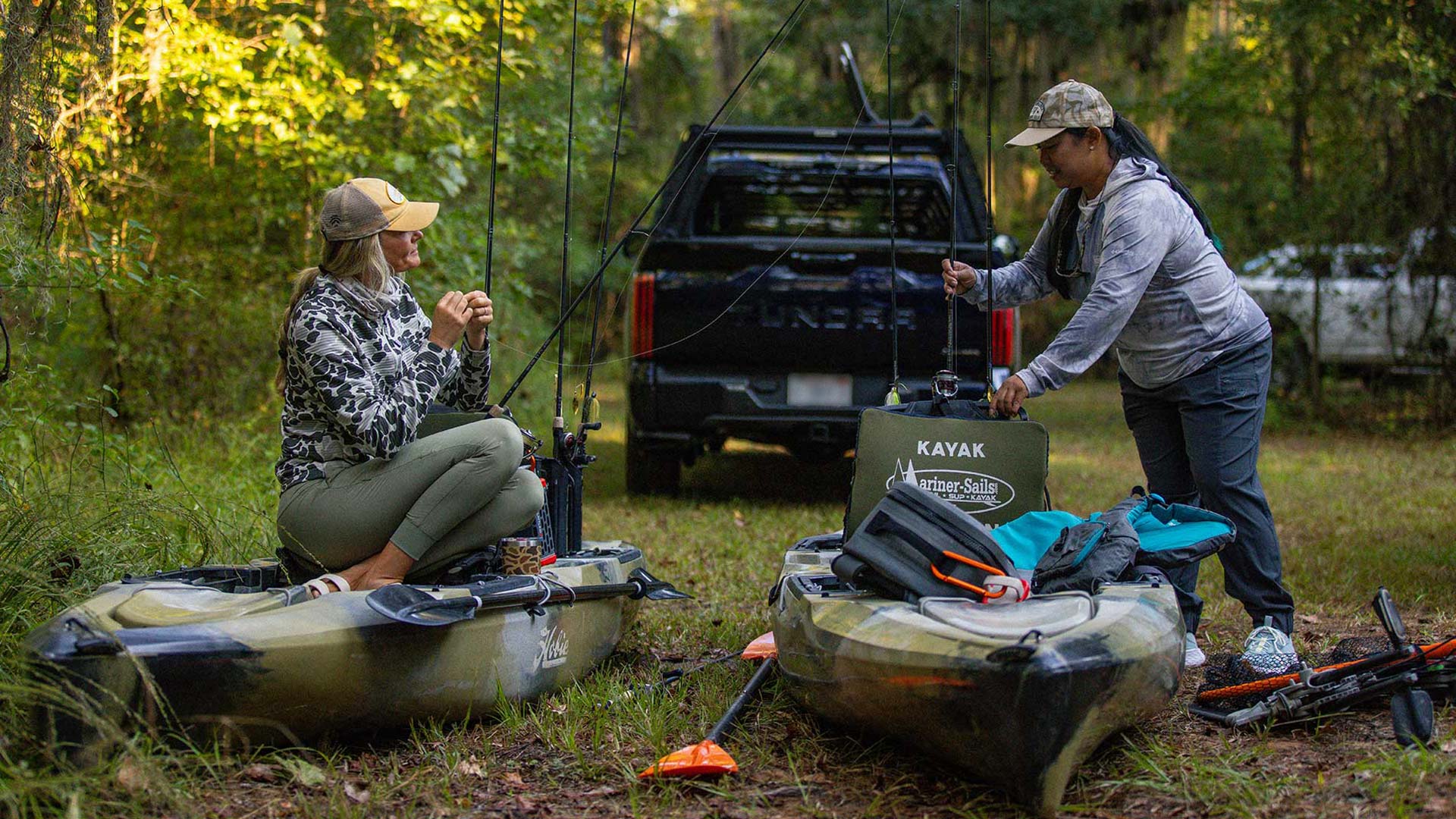
The following 16 great fishing detours are simply that: detours. Offramps from the domestic to the wild. They’re an exit onto your public waters with a little encouragement to take the Tundra or Tacoma and explore further than others might. You might find nothing. You also might find the bite of your life.
So, pack the Toyota Truck with tackle and travel rods on your next road trip, work trip, or existential wander and immerse yourself in America’s wondrously wild waters.




1 of 16
Caddo Lake State Park, Texas/Louisiana
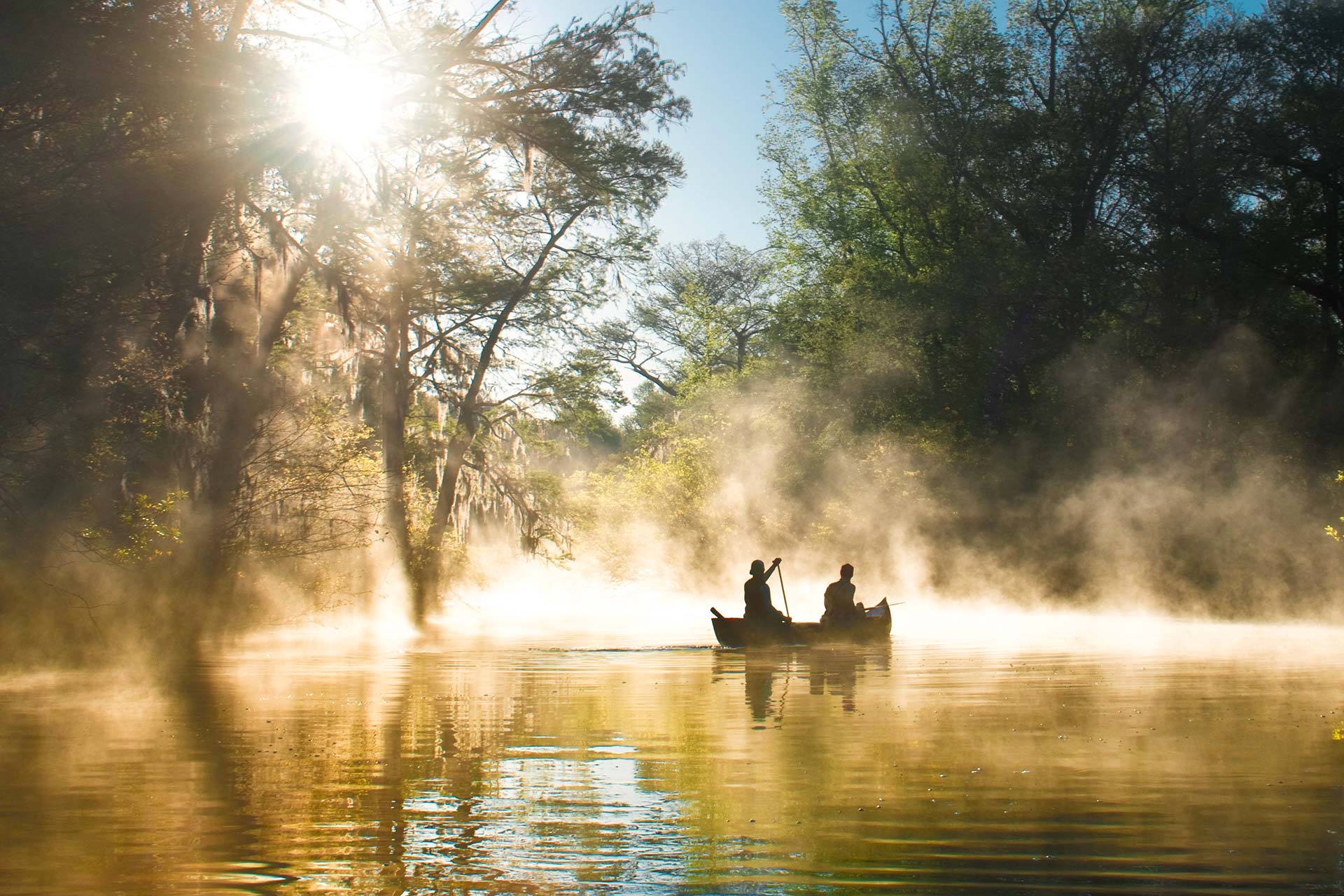
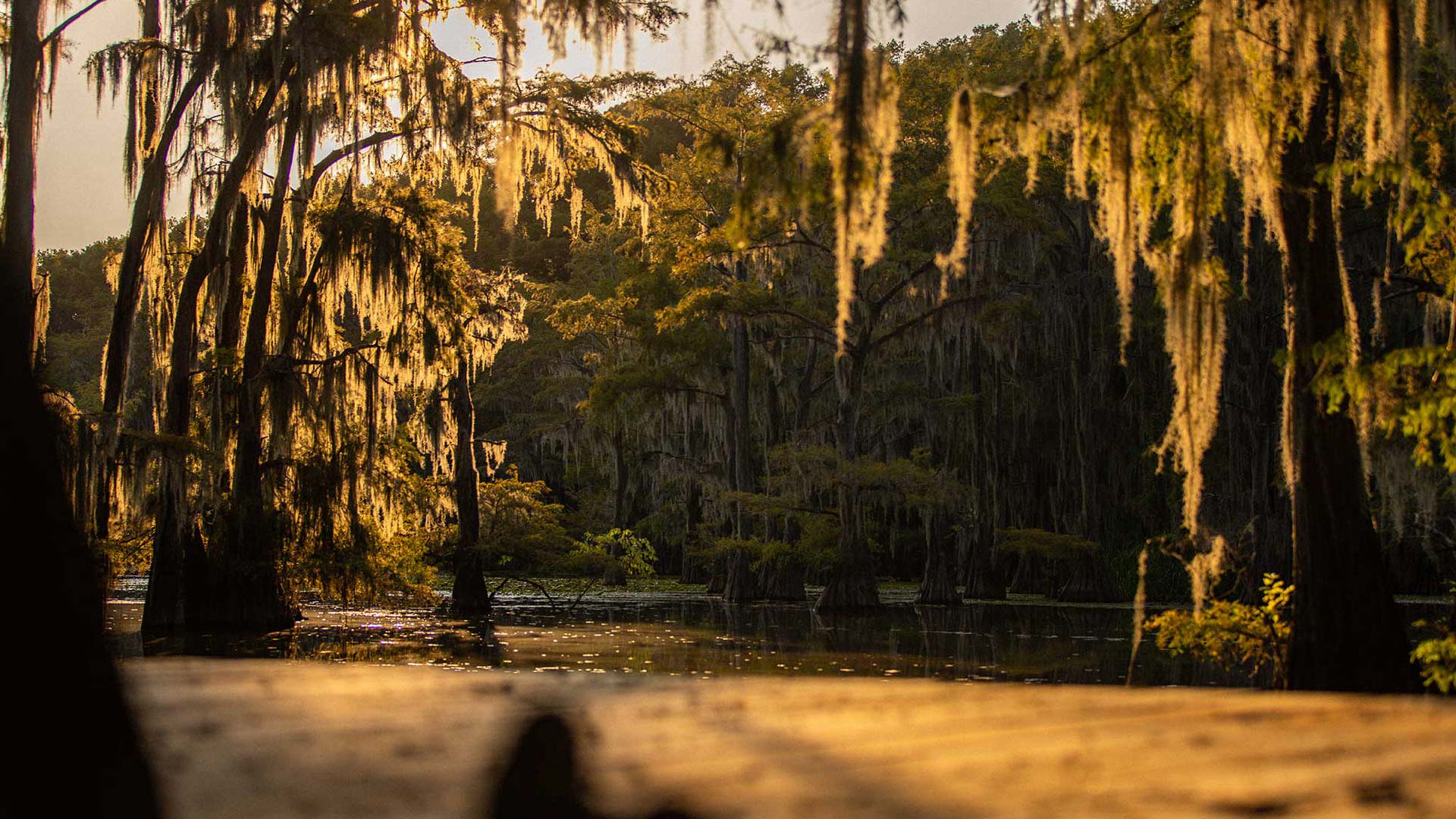
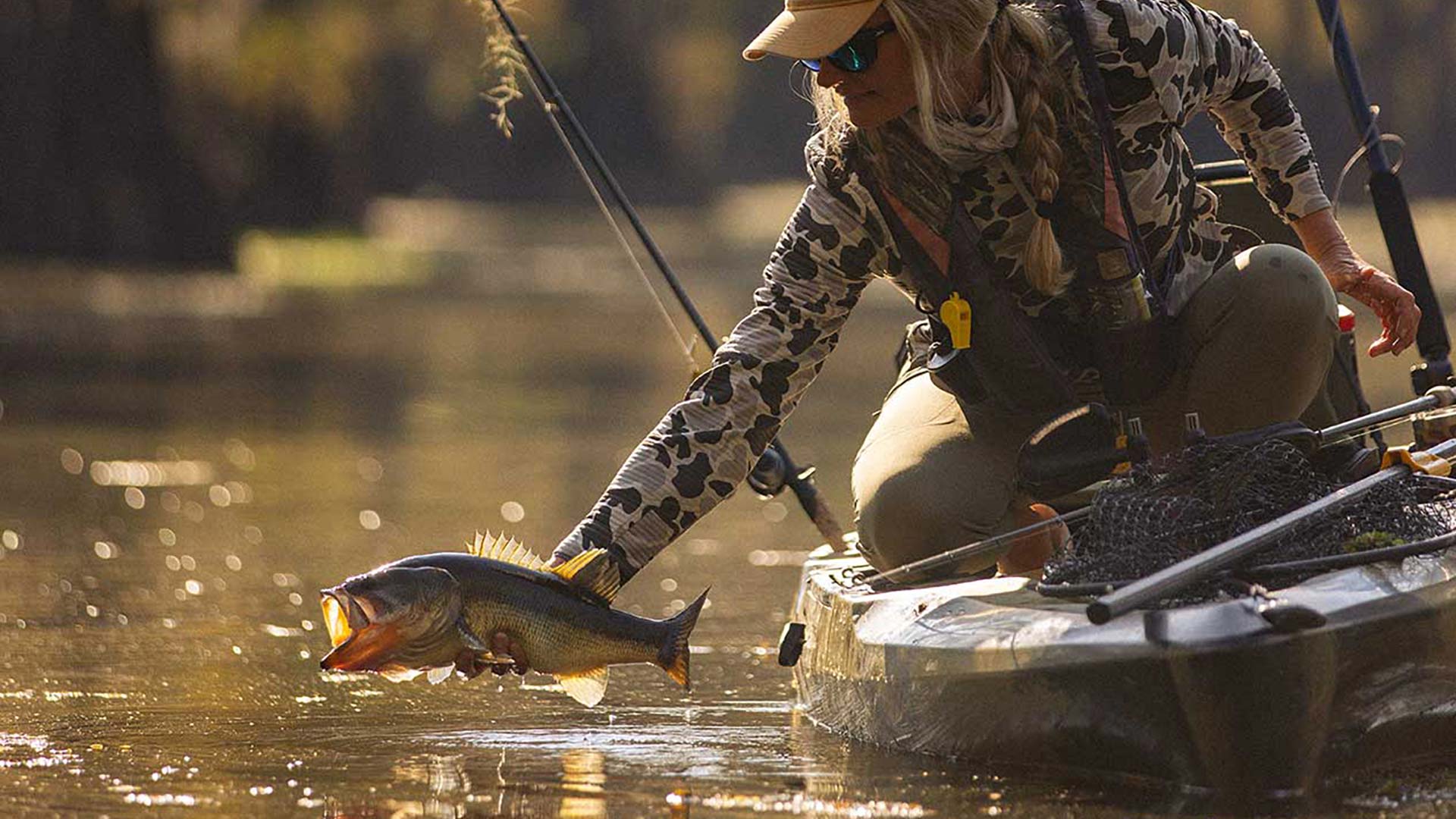
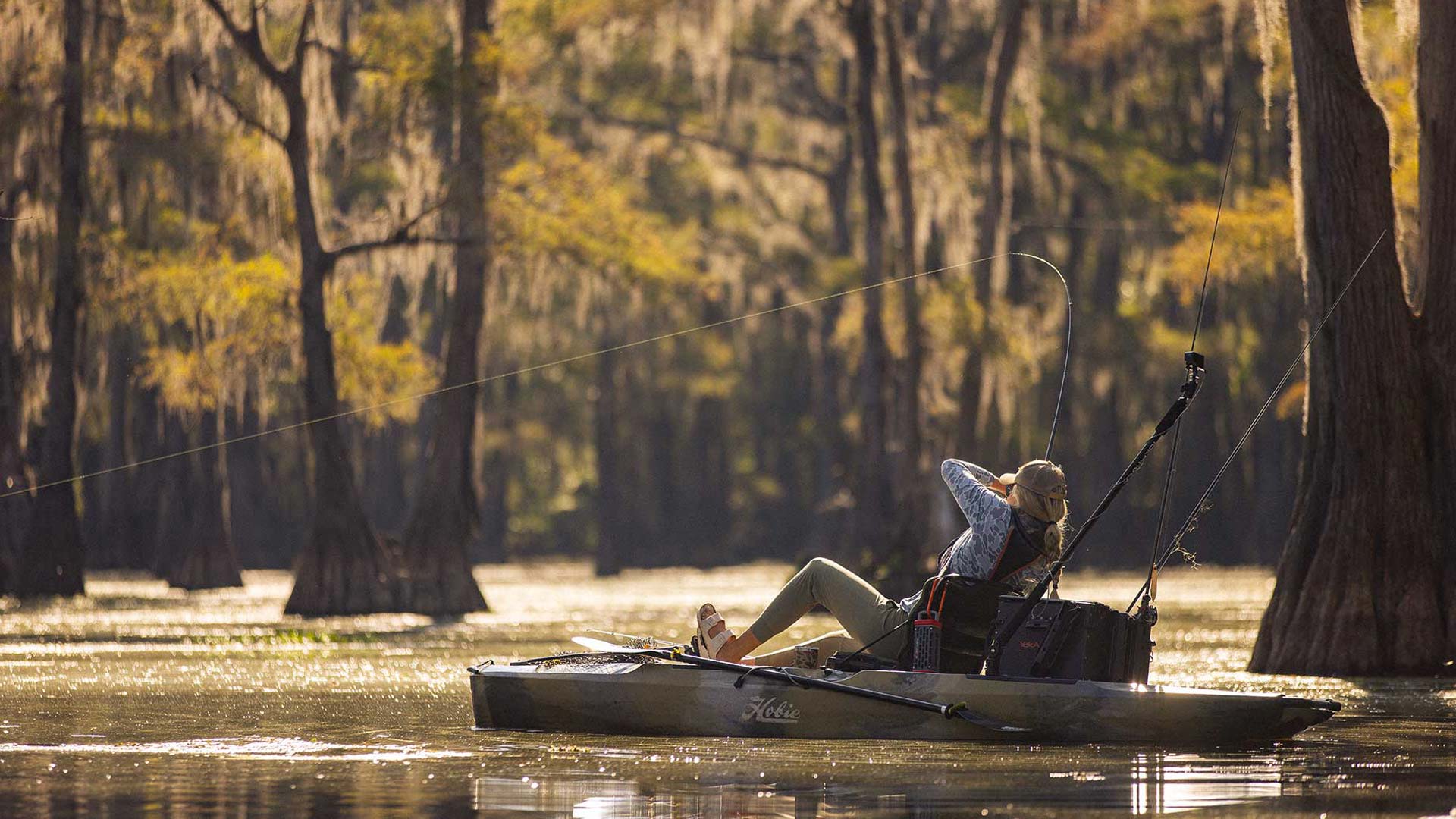
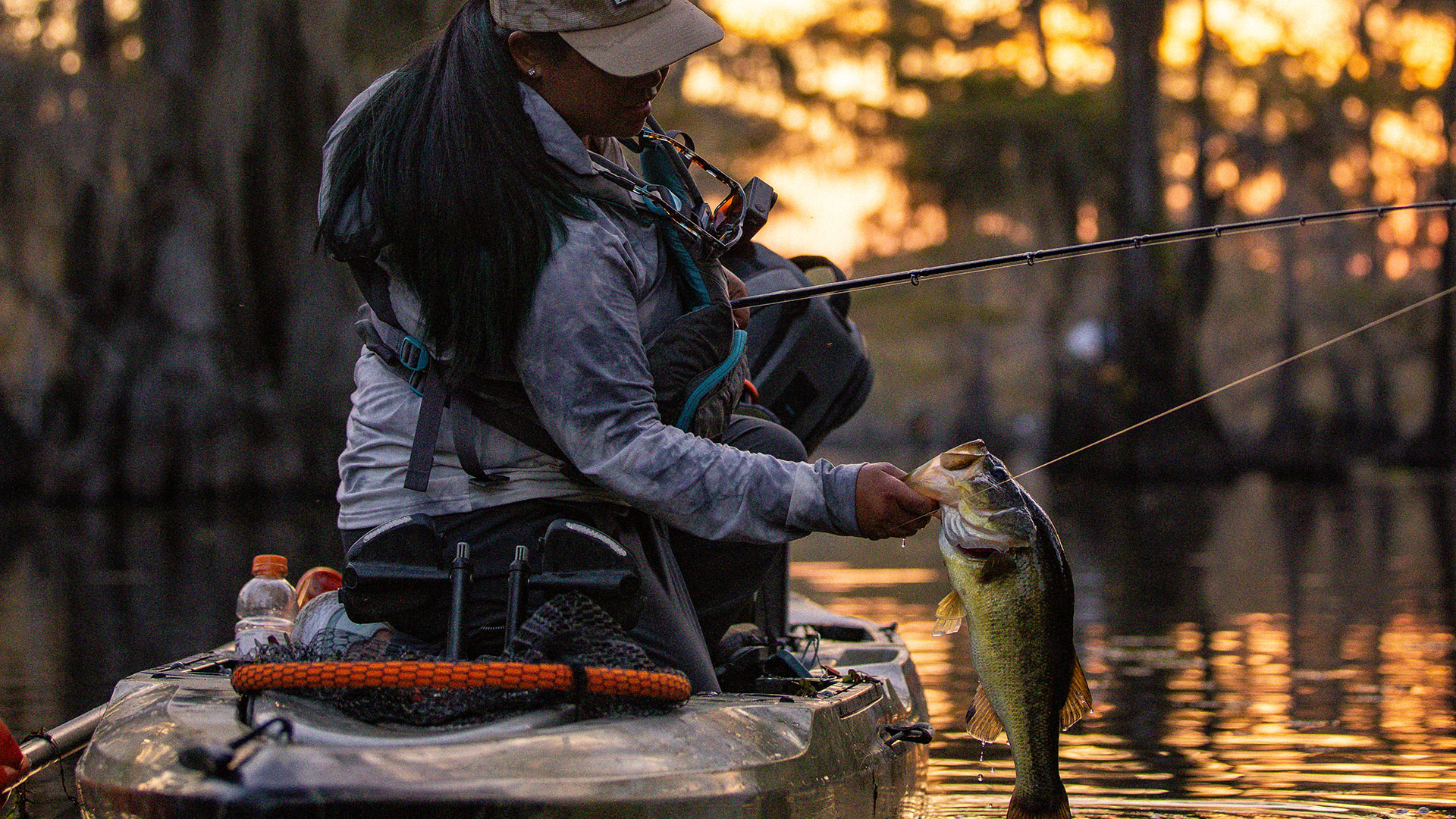
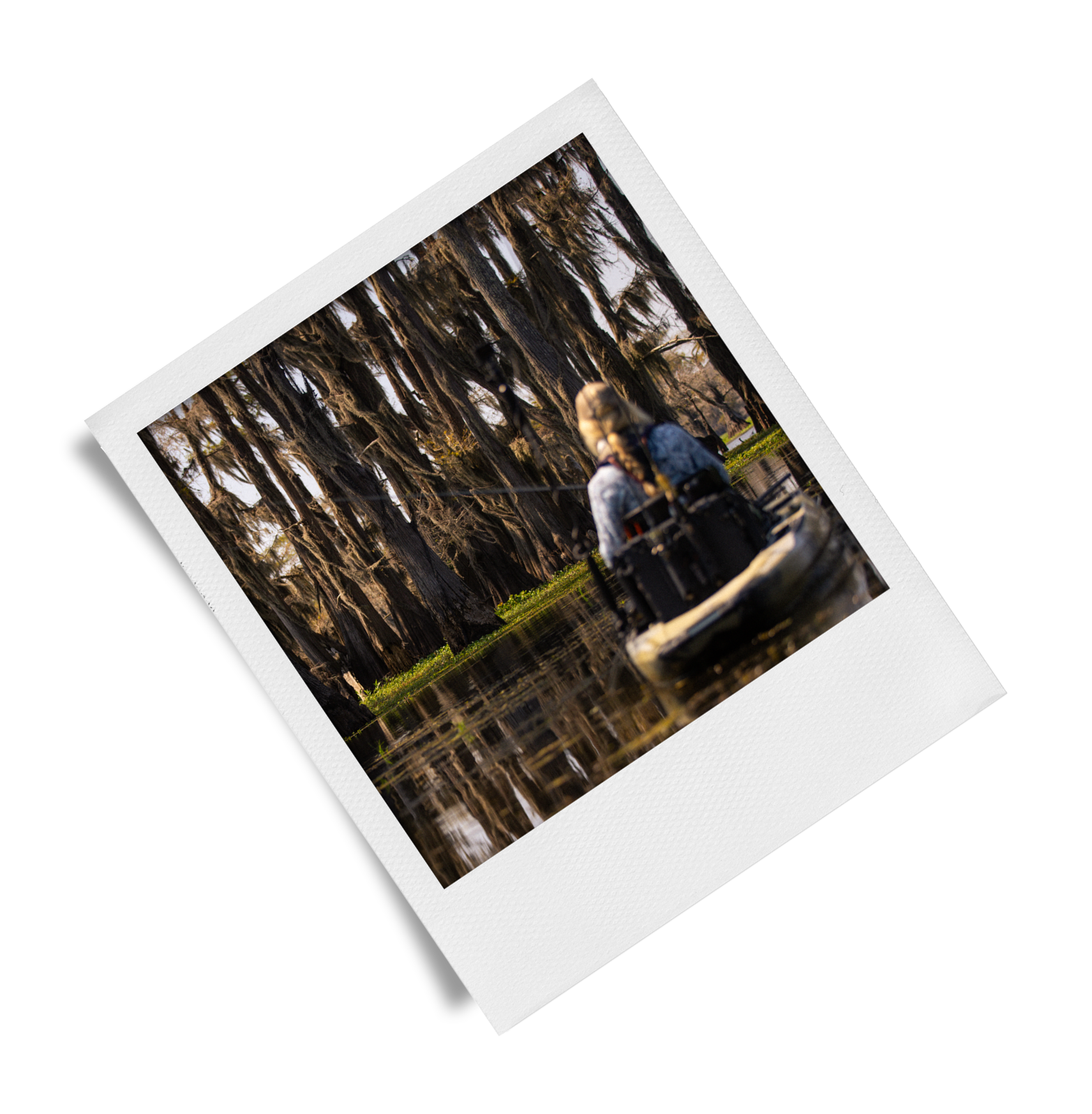
Morning mist filters through moss-draped cypress, over waterlilies and their lily pads. A snowy egret babbles from within the labyrinth of bayous and sloughs. Caddo Lake, spanning some 26,000 acres across East Texas and West Louisiana, transports you in time to the old South with a serene sunrise and a valid hope for an 8-pound bass that hasn’t seen a wide glide before. Access the park near Karnack and drive your truck slowly down its many roads, checking creeks, culverts, bayous, and lakeshore for white and spotted bass, crappie, sunfish, gar, catfish, pickerel, and, of course, giant largemouths.

















Matagorda Bay, Texas
2 of 16
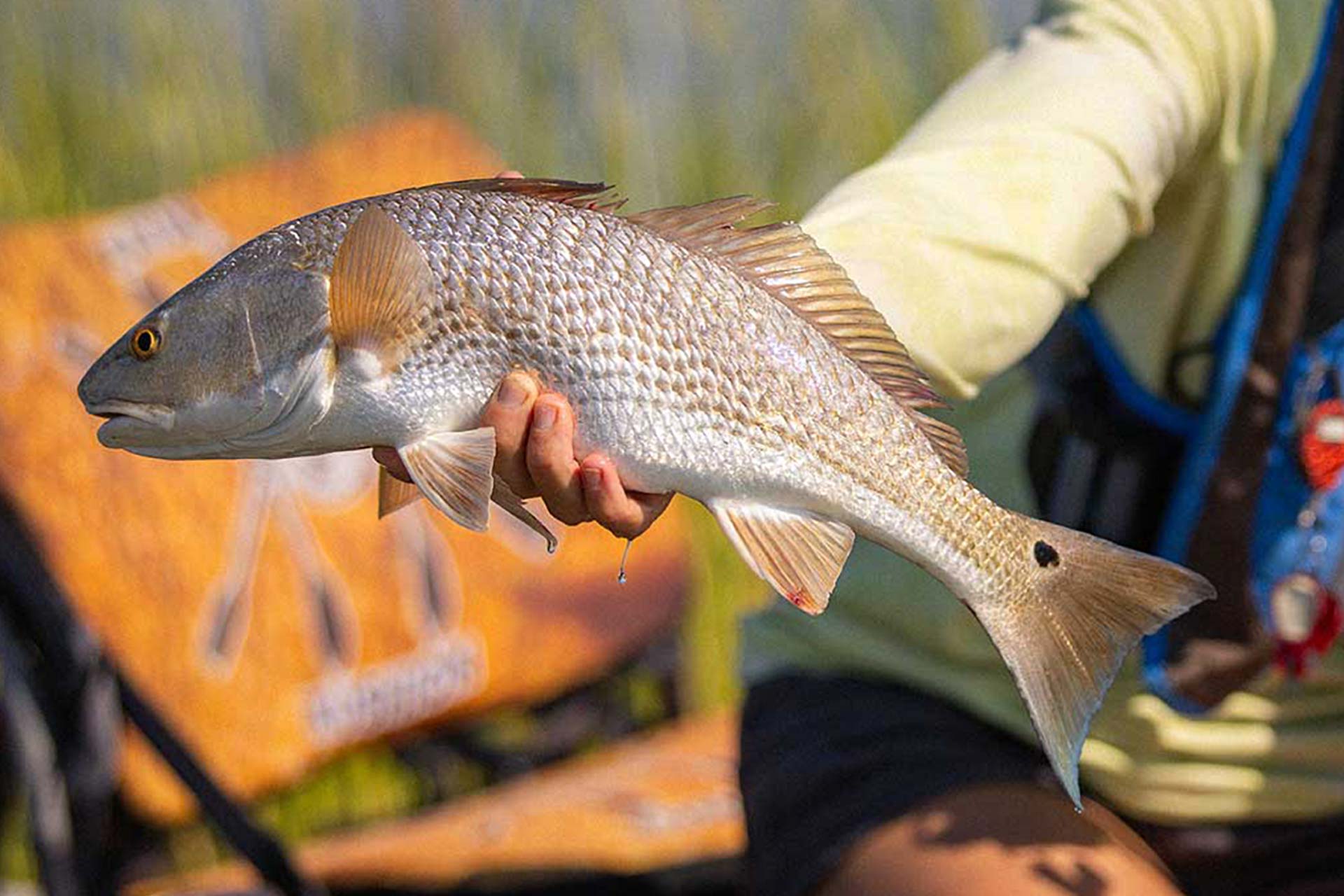
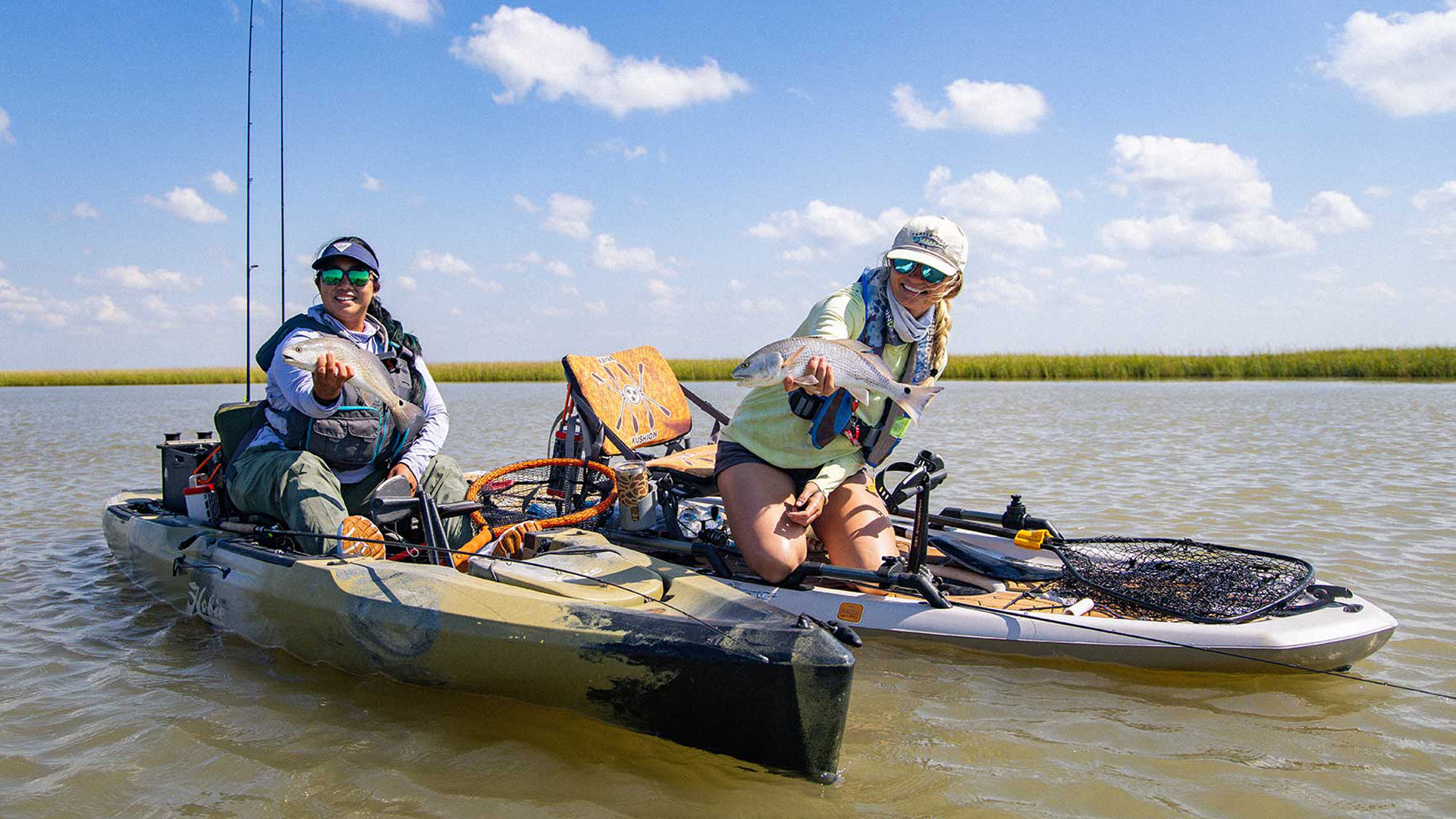
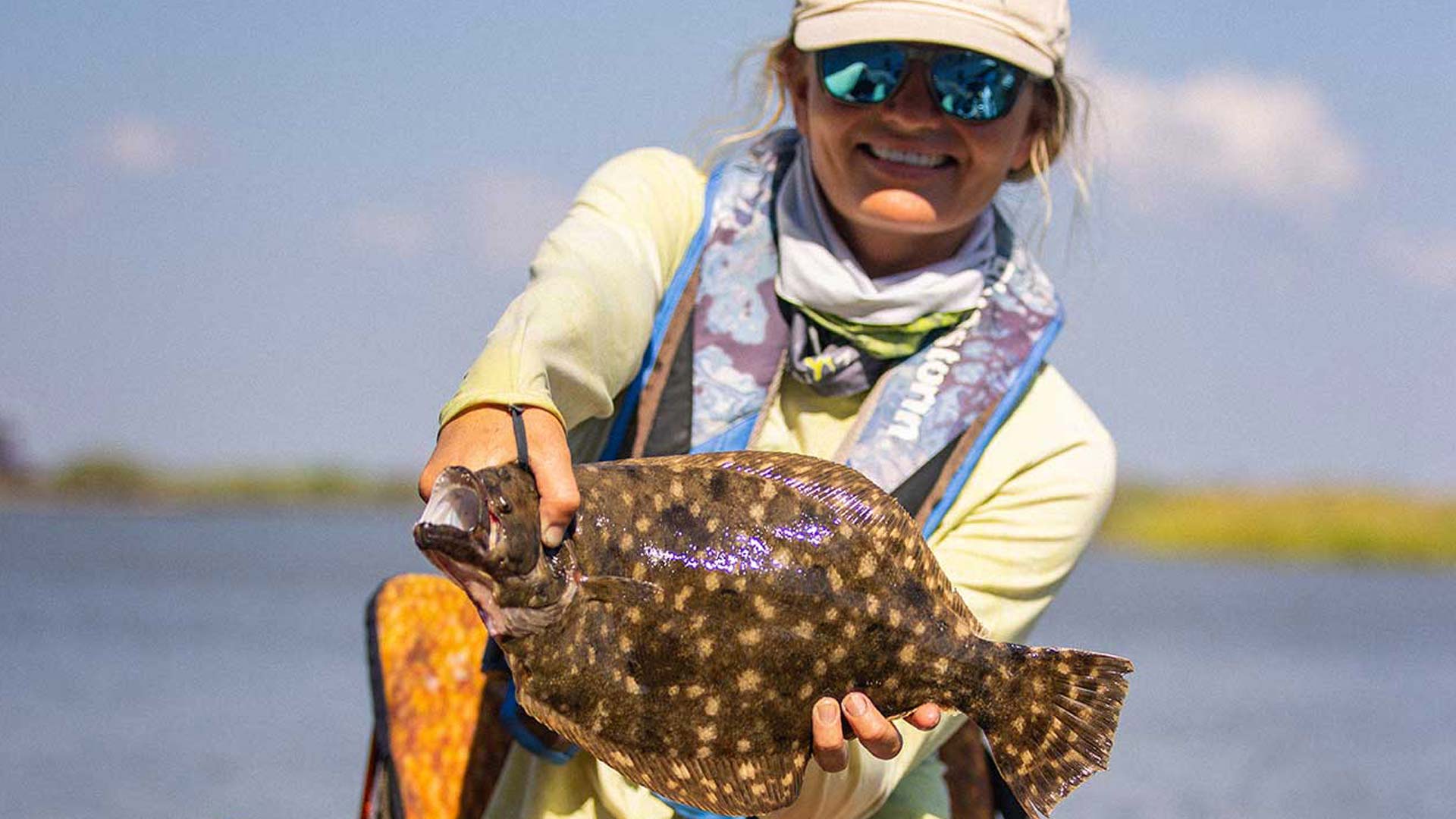
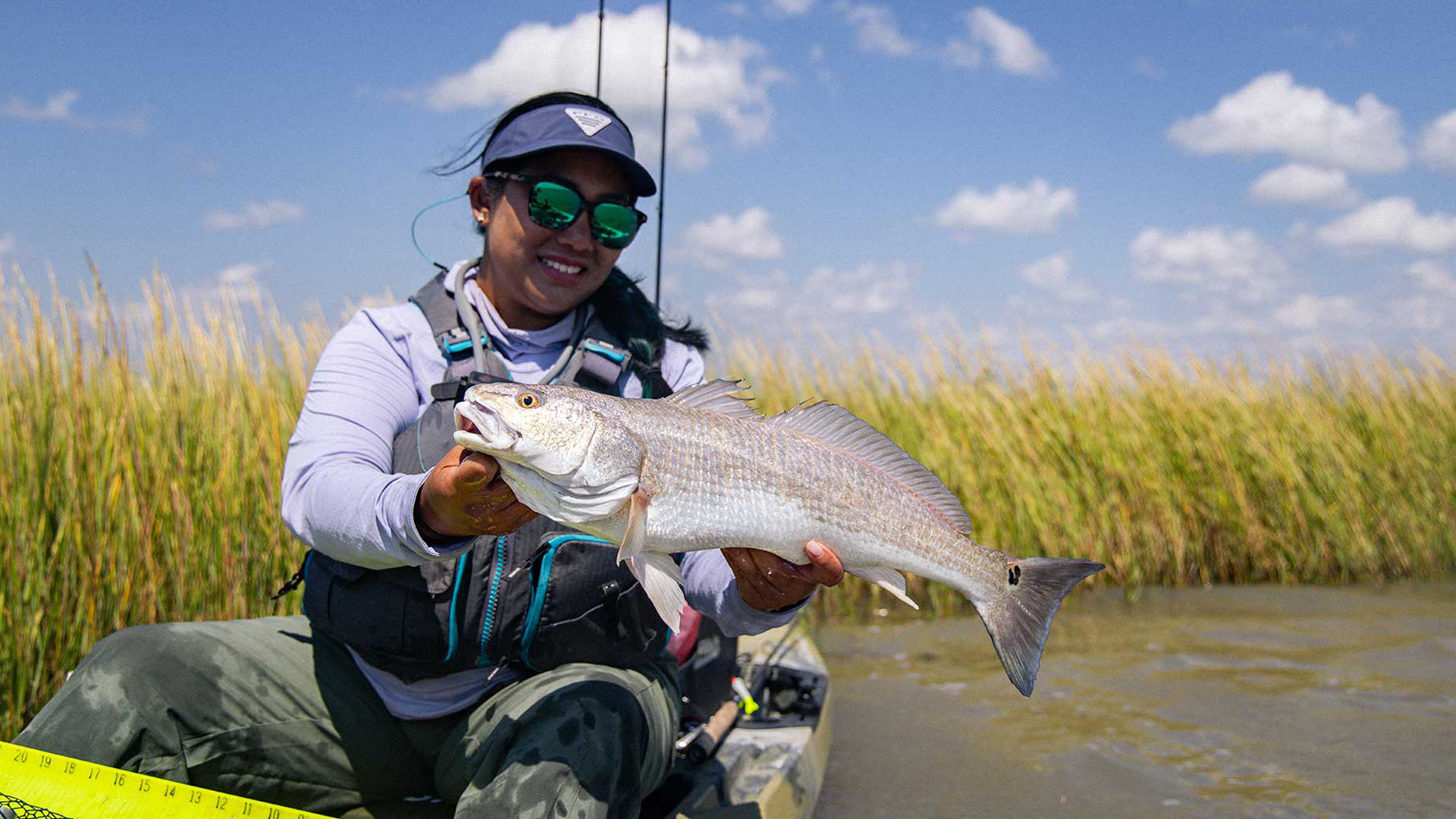
Dead center to the Texas Coast lies the prolific estuarine sanctuary of Matagorda Bay. Buy your beach vehicle permit, drop the rig in 4-Hi, and motor off at 15 mph into the barrier islands and bayous. Keep your eye out for nervous water, birds, and busting bait; the local redfish move constantly with the tides in search of prey. Not far behind are often the sea trout and flounder, black drum and sheepshead. Deeper cuts, jetties, and basins might yield kingfish, snapper, bonita, sharks, even the occasional tarpon.
Selway River, Idaho
3 of 16
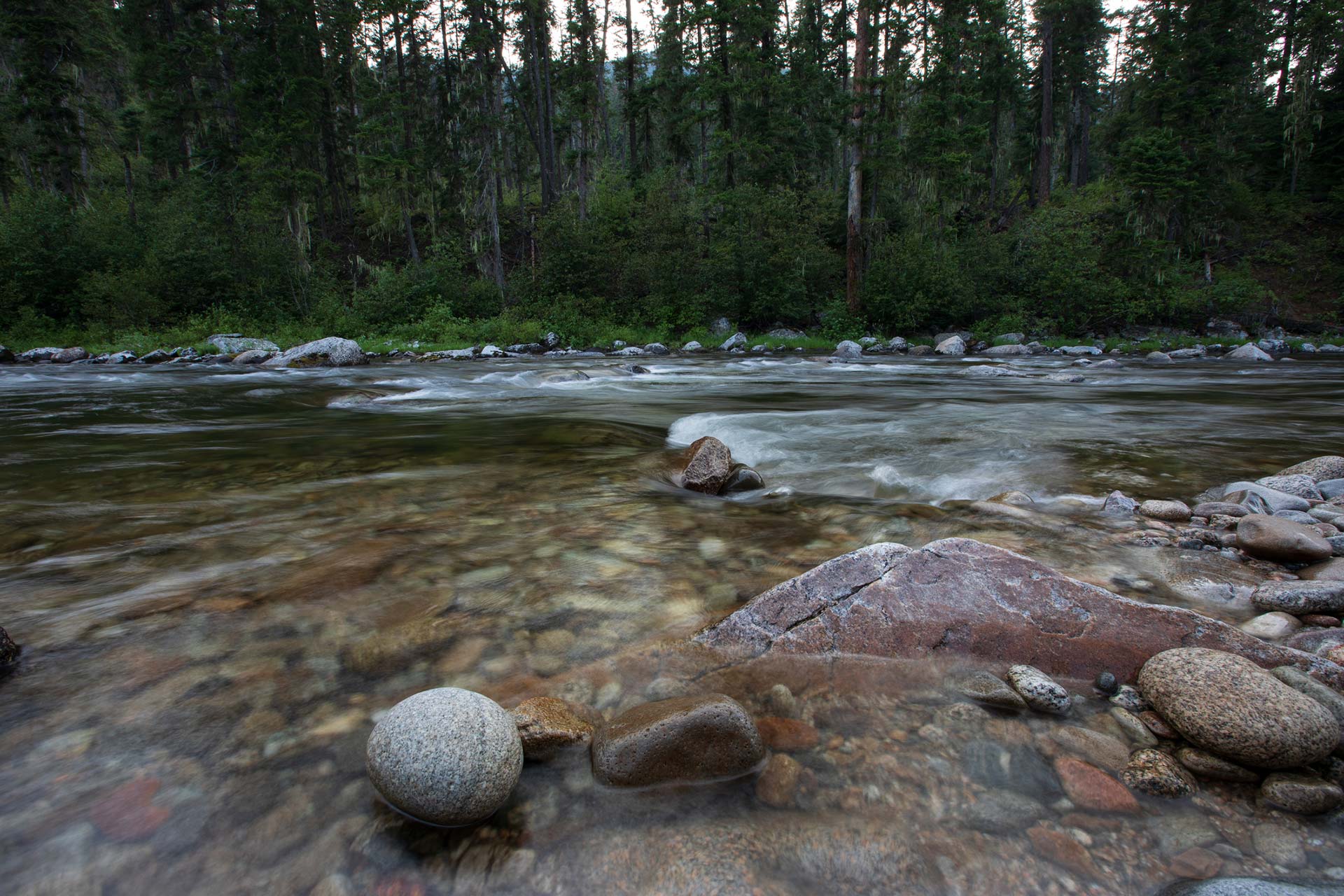
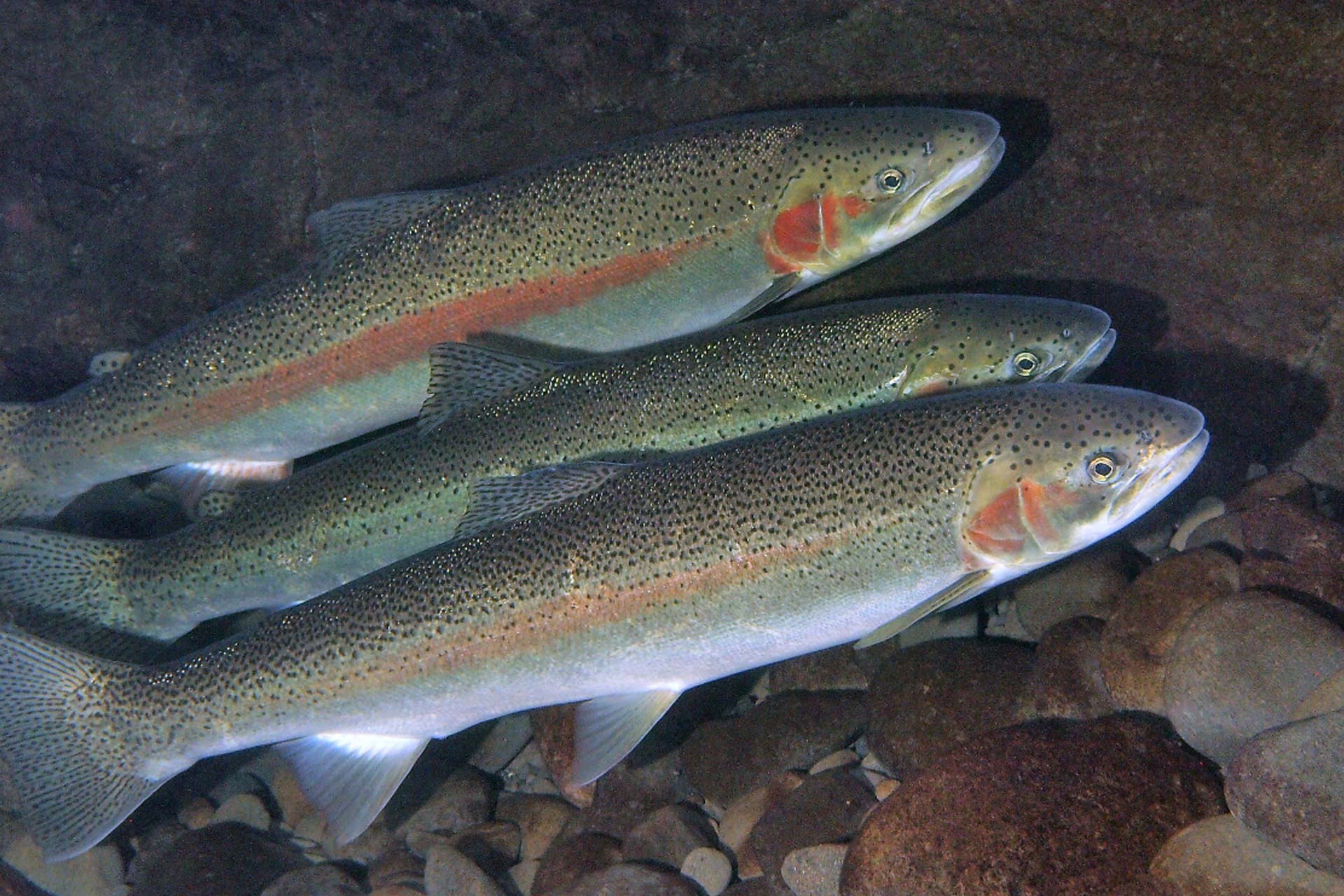
An icon among backcountry streams, the Selway plunges out of its eponymous wilderness area within the Bitterroot Mountains dividing Idaho from Montana. Only the lowest 20 miles of its 100-mile length can be accessed with a capable off-road vehicle, from Lowell off Highway 12 at the Selway’s confluence with the Lochsa. Brilliant westslope cutthroat trout eagerly eat dry flies and small spinners, though a keen-eyed angler may also spot Chinook salmon, native steelhead, or bull trout. Be careful to carry the proper licenses, regulations, and tackle for these powerful, protected species.
Boundary Waters �Canoe Area Wilderness, Minnesota
4 of 16
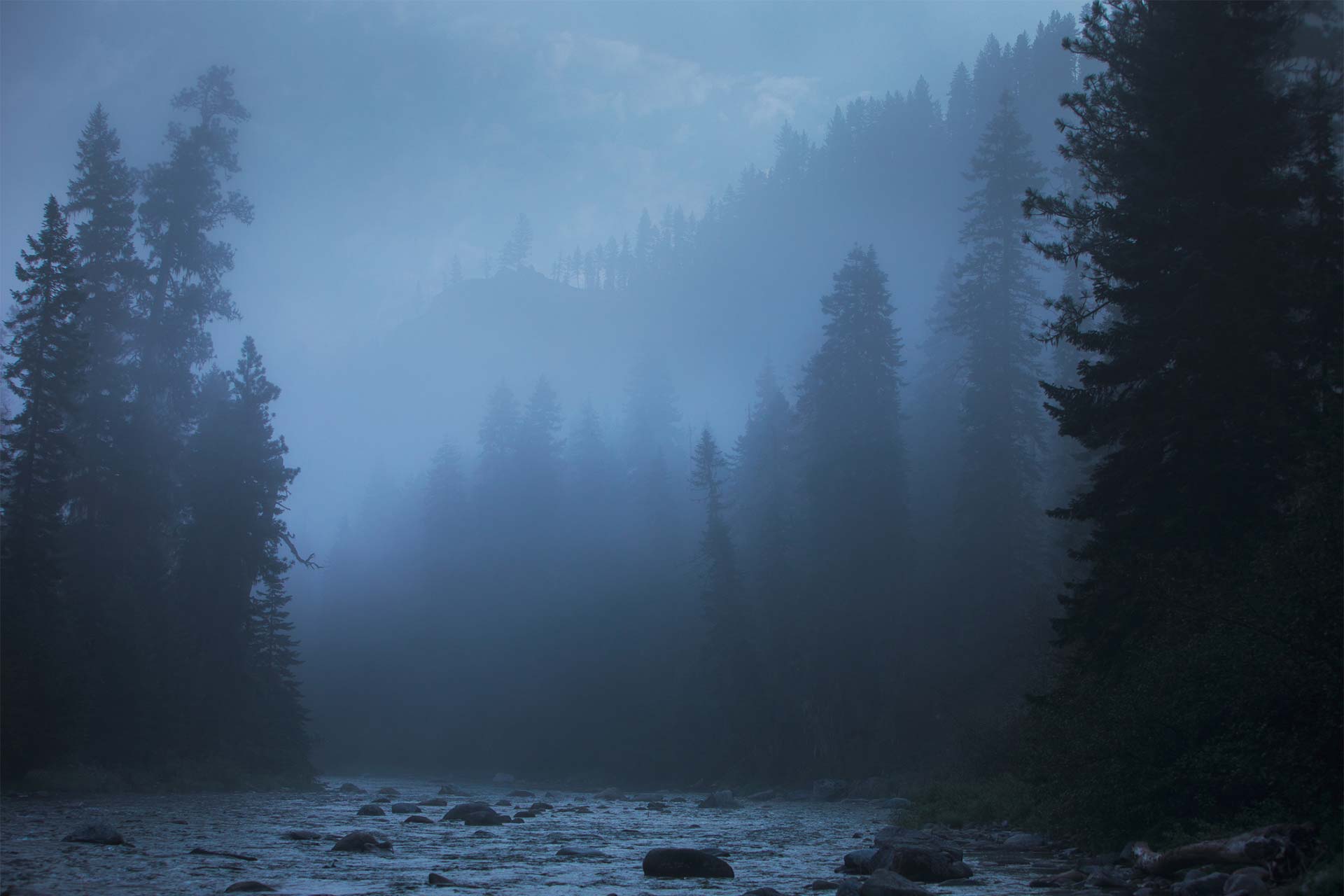
One hundred and fifty miles of Minnesota’s rugged northeastern border with Ontario remains a protected wild land unlike any other. More than a thousand lakes across a million acres are connected by portage trails giving anglers and paddlers new vistas and scenic campsites as far back as you’d care to go. After reaching its borders from the outdoors mecca of Ely or up the Gunflint Trail from Grand Marais, rent a canoe, buy a map, leave your trusty truck behind, and gear up for northern pike, walleye, smallmouth bass, brook trout, and lake trout. Soak up the solitude but stay prepared for real wilderness conditions. That’s the bargain.
Everglades National Park, Florida
5 of 16
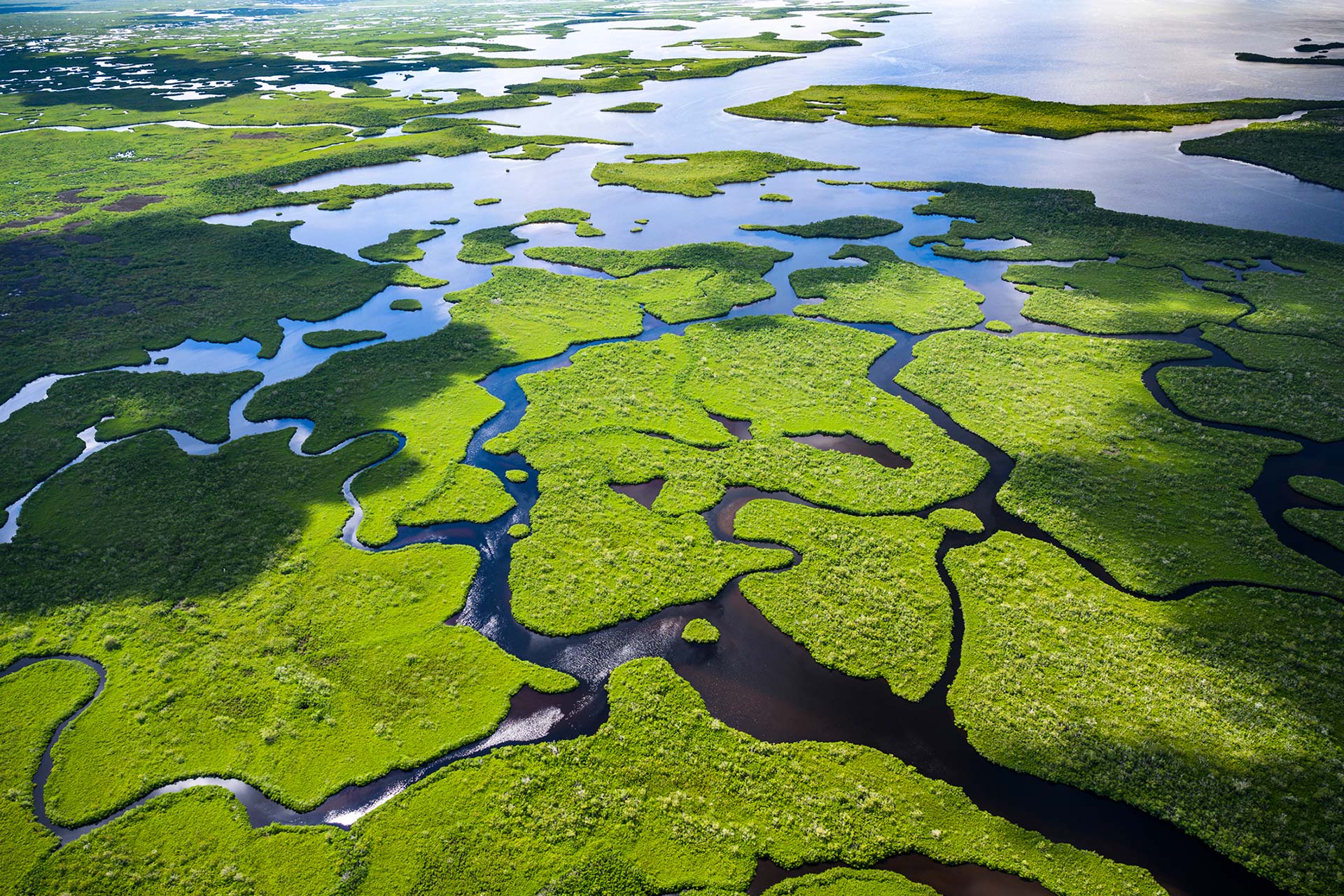
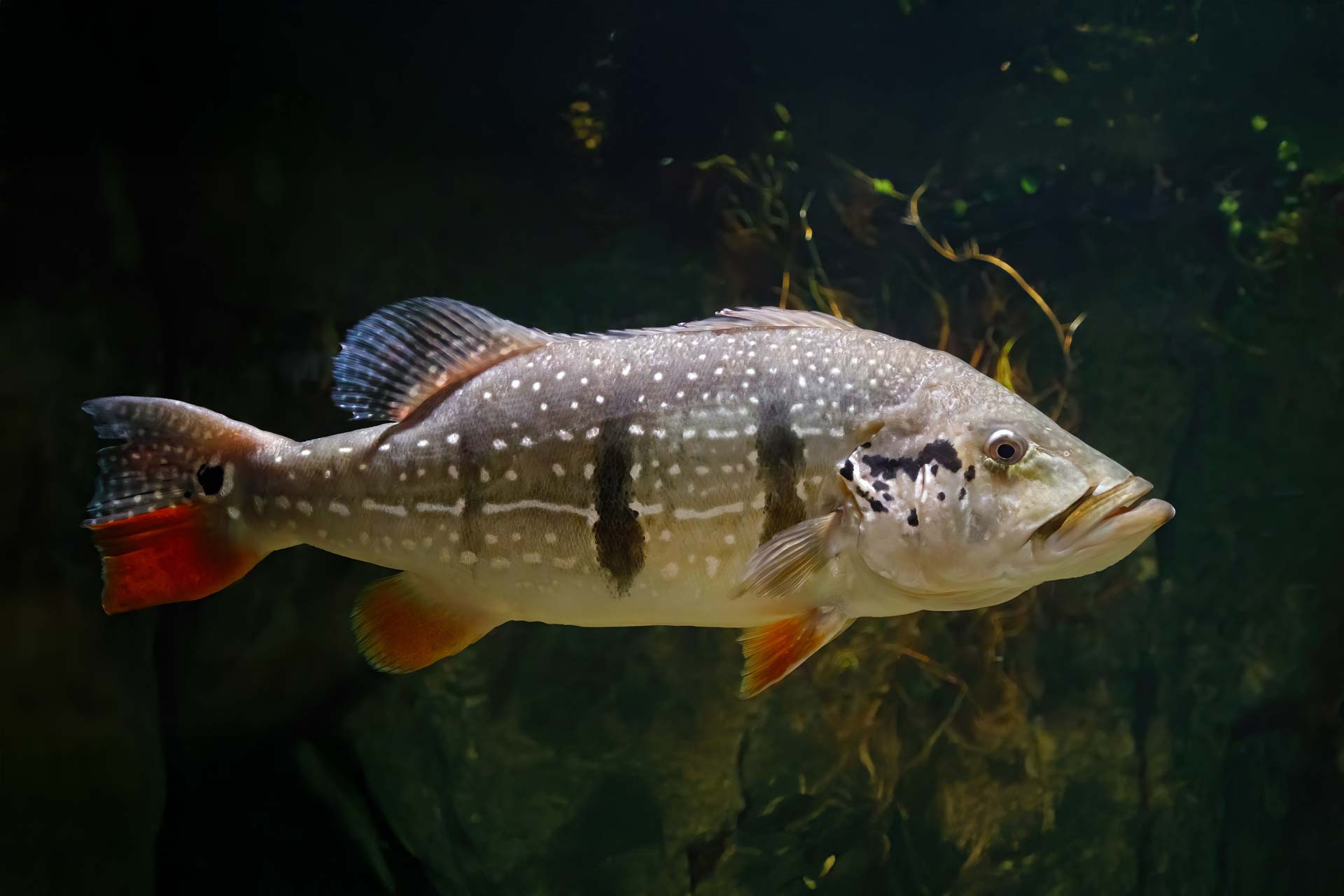
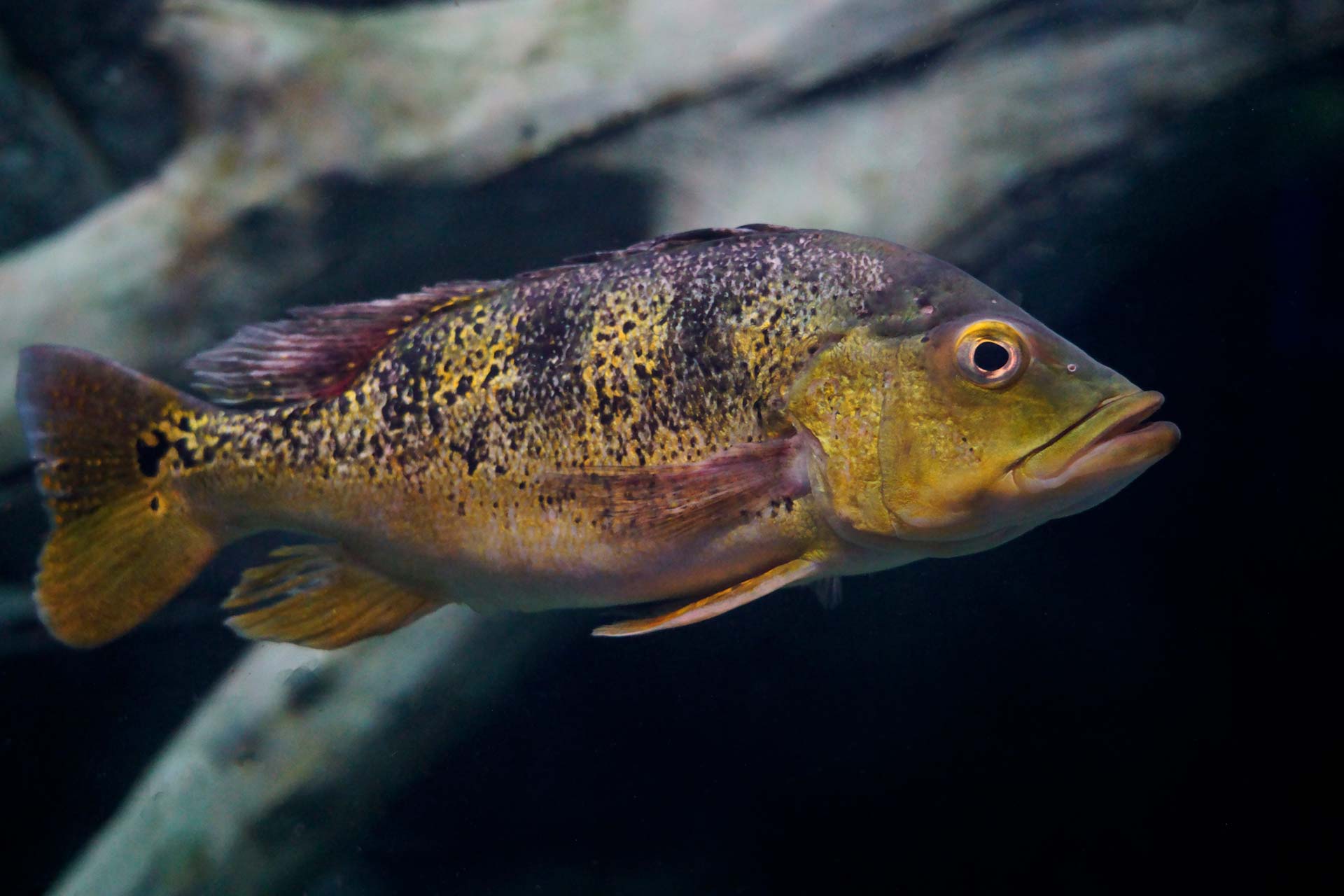
The Everglades are a tropical wetland ecosystem flowing slowly from Lake Okeechobee into Florida Bay at the state’s southern tip. Phenomenal roadside fishing is available all along the Tamiami Trail, Route 41, or the Main Park Road from Florida City to Flamingo. Keep the rods rigged in the cab or a rooftop carrier. The freshwater portions of the watershed will readily yield largemouth bass, sunfishes, gar, and a host of flamboyant introduced species like peacock bass and oscar, while the brackish waters emptying into the bay are home to snook, bonefish, permit, redfish, sea trout, tarpon, and anything else you might see in the Caribbean.
Long Beach Peninsula, Washington
6 of 16
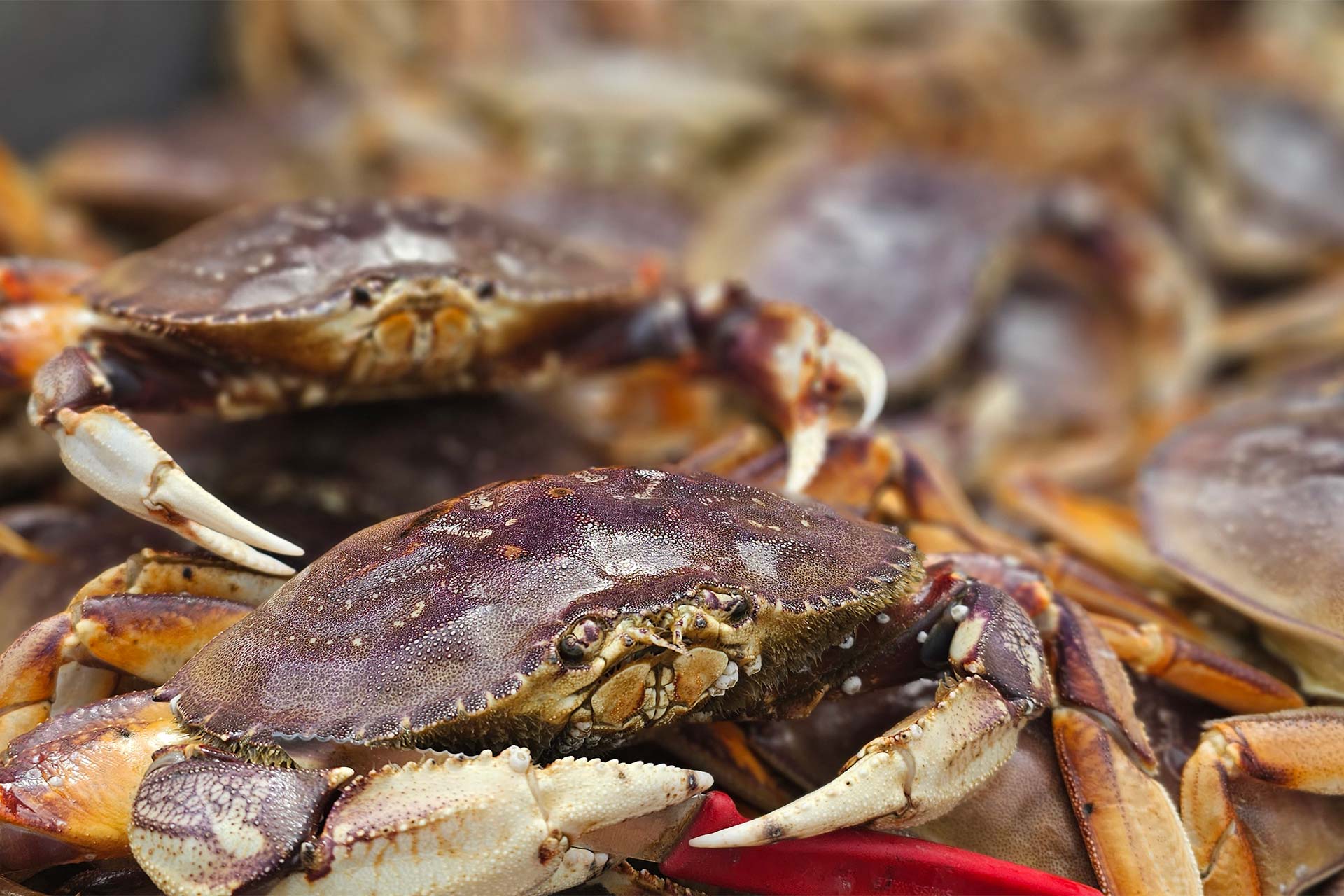
Enveloped by the Pacific Ocean to the west, Willapa Bay to the East, and the mighty Columbia River to the south, this narrow spit is defined more by water than land. Take your 4X-equipped Tundra or Tacoma out on the oceanside beaches prepared for tides and soft sand, planning ahead for seasonal Dungeness crab trapping and razor clam digs. The inshore estuaries and inlets play host to surf perch and starry flounder, not to mention the migratory salmon, steelhead, and sturgeon. Collect some oysters and mussels along the way for the consummate Pacific Northwest seafood feast.
Bob Marshall Wilderness Complex, Montana
7 of 16
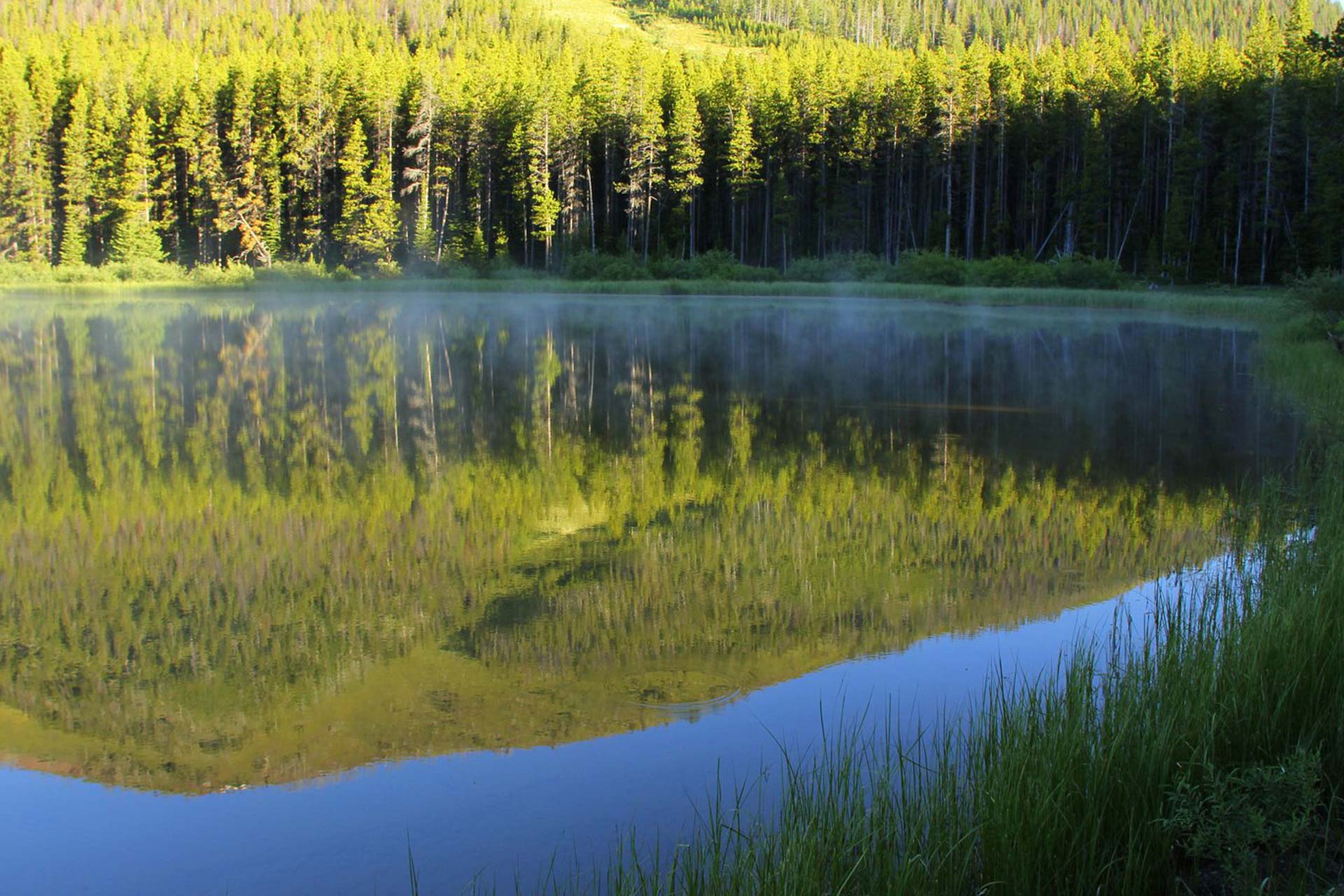
One cannot simply drive to The Bob. A dozen or so trailheads do allow you to park the pickup, lace up on the tailgate, and hike up to the wilderness boundary, however. Once inside, there are more lakes and creeks than a local could fish in a lifetime. One and a half million acres of roadless, non-motorized recreation within the Bob Marshall Wilderness Complex renders it one of the largest in the country. That landscape carries the full suite of native wildlife, including gray wolves and grizzly bears, as well as westslope cutthroat trout and bull trout.
Oceano Dunes SVRA, �California
8 of 16
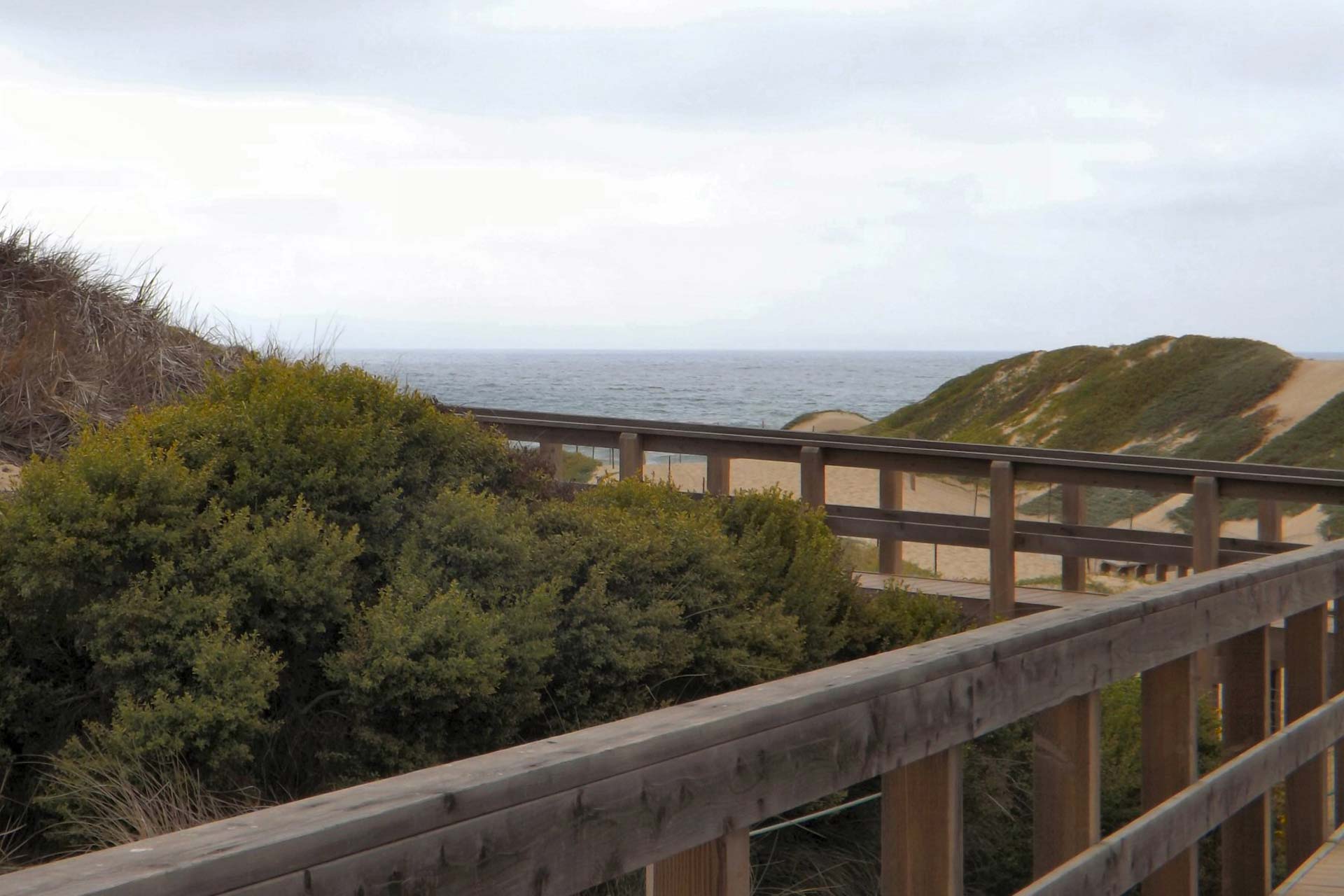
Along the handsome stretch of Central Californian Coast south of San Luis Obispo and Pismo lies a special beach for offroaders. The Oceano Dunes State Vehicular Recreation Area opens 3,600 acres of oceanside dunes to Toyota Trucks and OHVs that can handle it. After sliding in some sand, ride to the far reaches to search for sandbars, troughs, breaks, kelp, and any other sort of cover to conceal predatory fishes like California halibut, rockfish, lingcod, surf perch, calico bass, or the eminently challenging corbina.
Pyramid Lake �Backcountry, Nevada
9 of 16
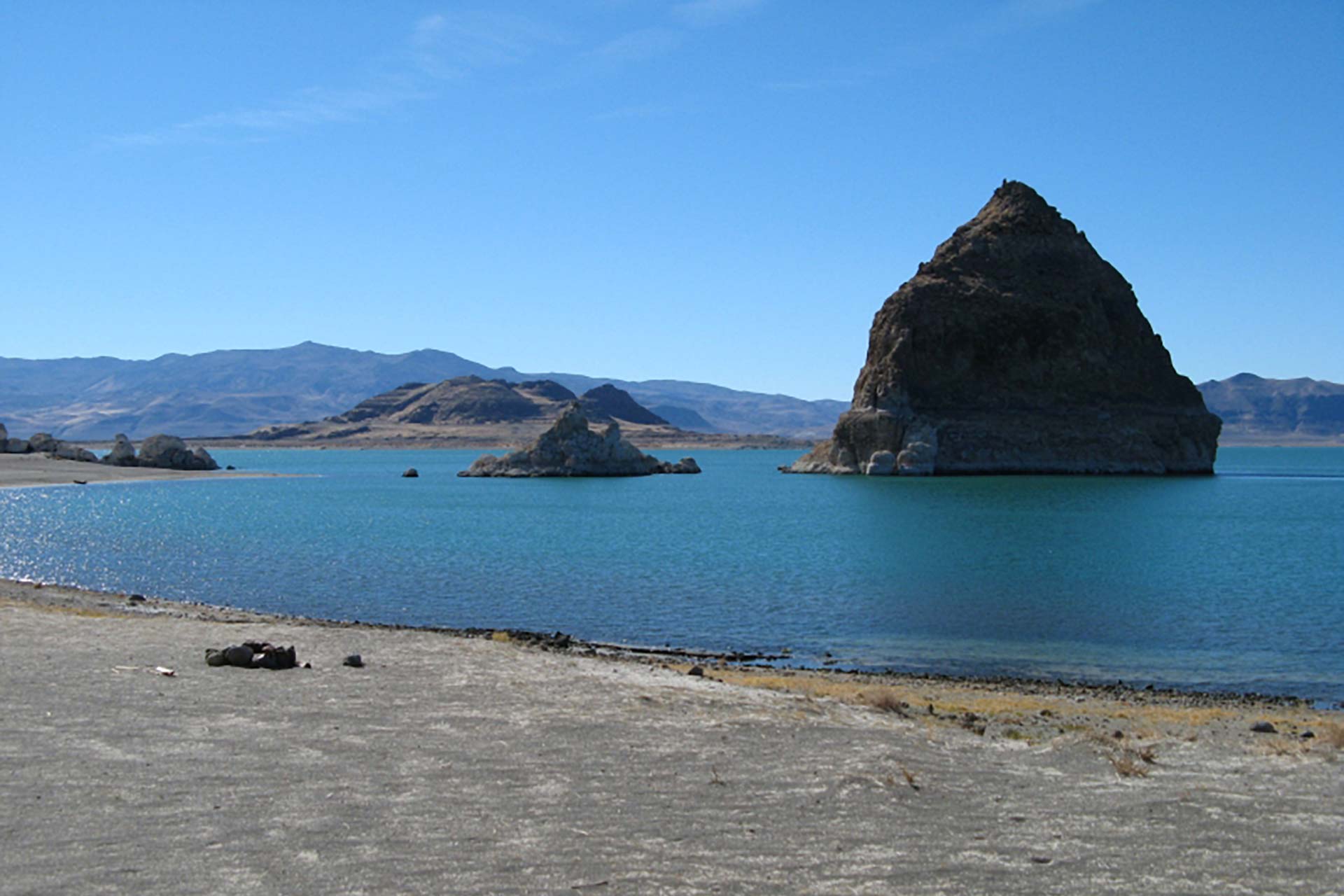
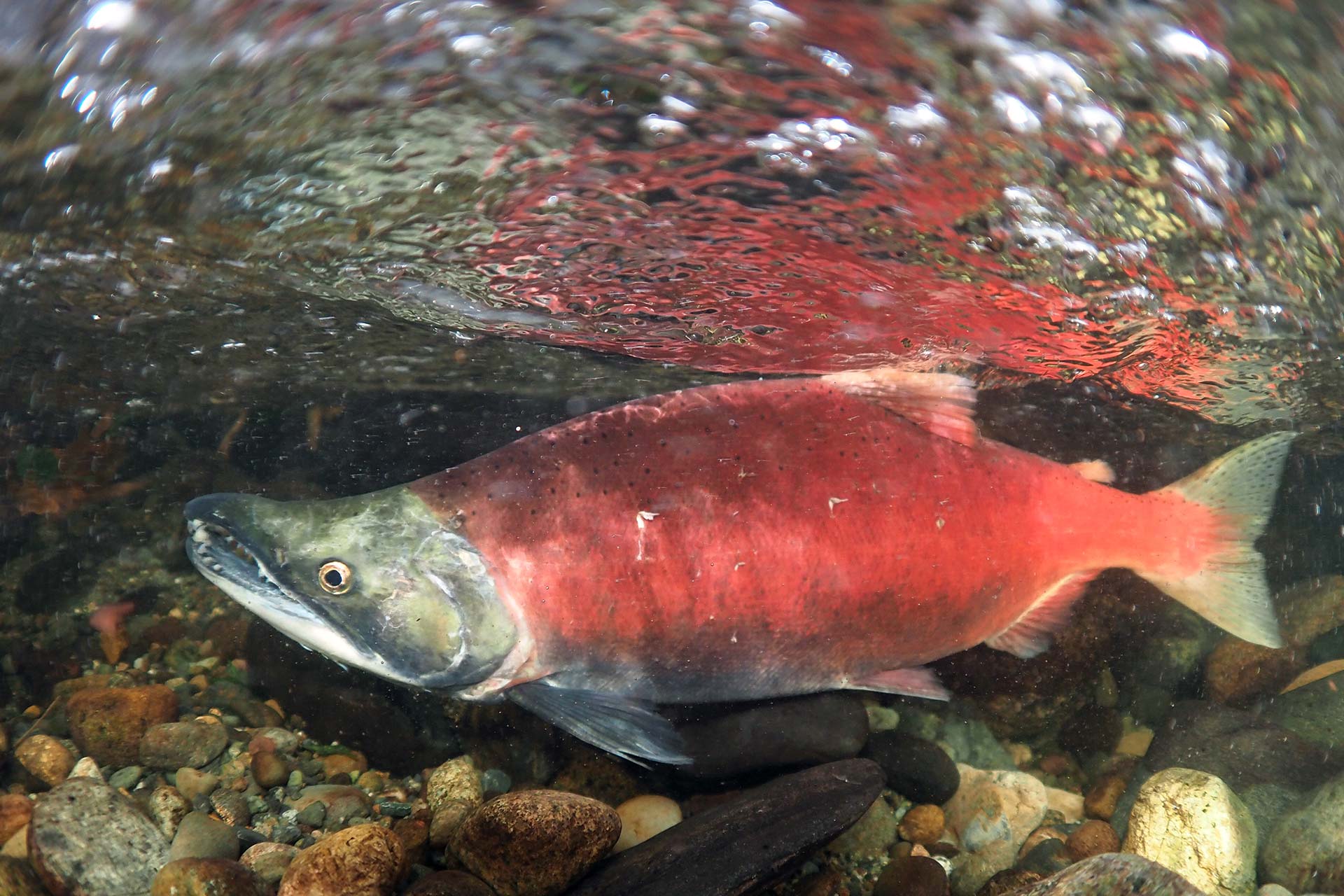
Within the Paiute Reservation of extreme western Nevada sits an ocean in a desert. Pyramid Lake hosts the world’s largest cutthroat trout, Lahontans bowing rods and scales well past 30 pounds. But they had disappeared entirely until a surprise discovery and stroke of scientific genius—a conservation success story worth knowing. While some fishermen and women clamber rocks and points in search of cruising cutts, others tote construction ladders out across the bays for a higher vantage from which to drift Chironomid midges and strip leeches through the often windy waters. The mountain surrounds provide a maze of Toyota Truck-type two-track wind up along tiny creeks and scenic vistas across the high desert.
Flaming Gorge Reservoir, Wyoming/Utah
10 of 16
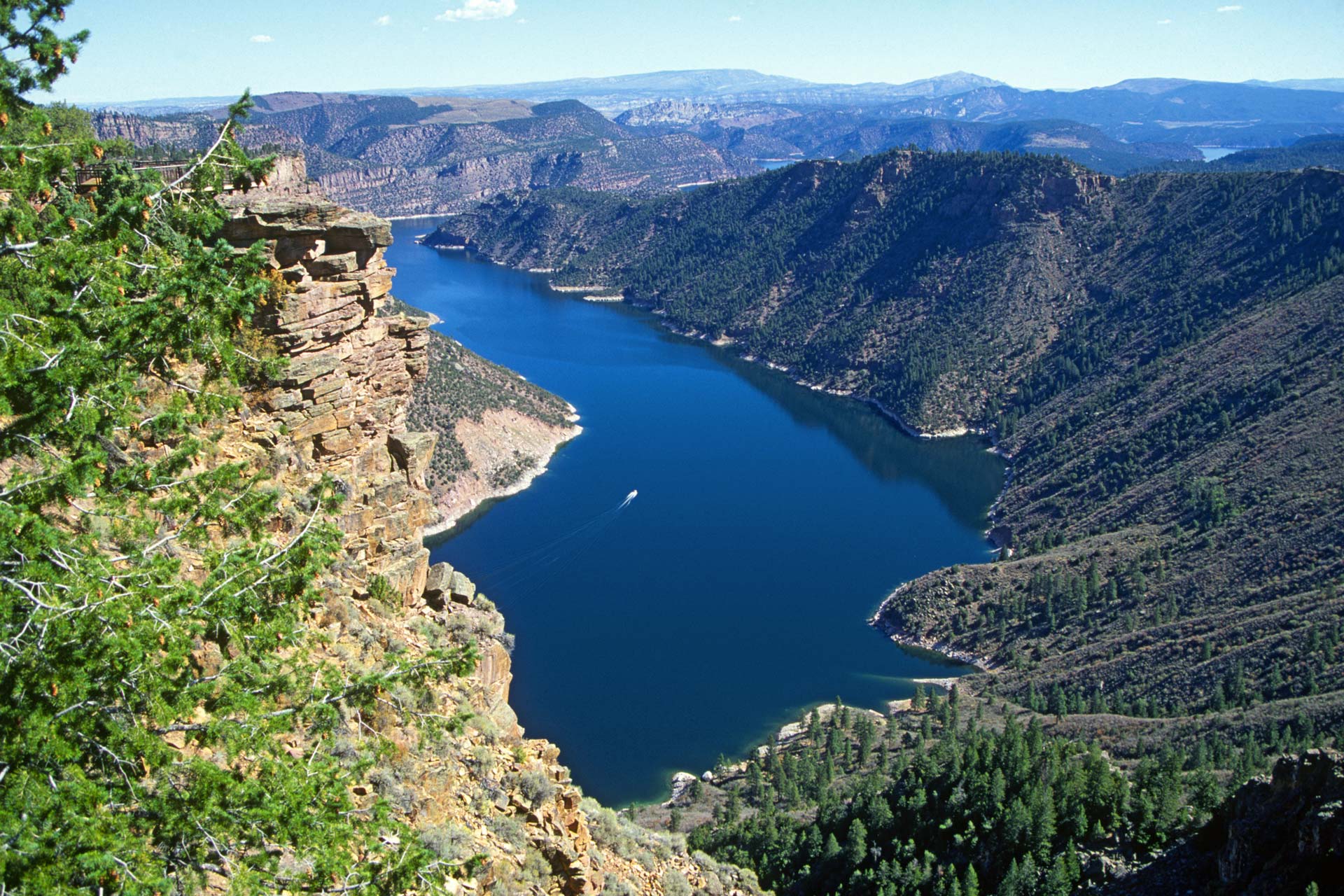
Towering red canyon walls loom over dazzlingly deep, clear, cold waters zigzagging across Wyoming’s southwest and Utah’s northeast. Dozens of Forest Service roads in various states of delightful disrepair reach boat launches, beaches, narrow canyons, and sheer cliffs above this impoundment of the Green River. Anywhere along or off its 360 miles of shoreline you could encounter brown trout, rainbow trout, kokanee salmon, smallmouth bass, channel catfish, or burbot. But the marquee is no doubt the lake trout, mackinaw reaching into the 40 pound range if you have the wherewithal to find him.
Ozark National Scenic Riverways, Missouri
11 of 16
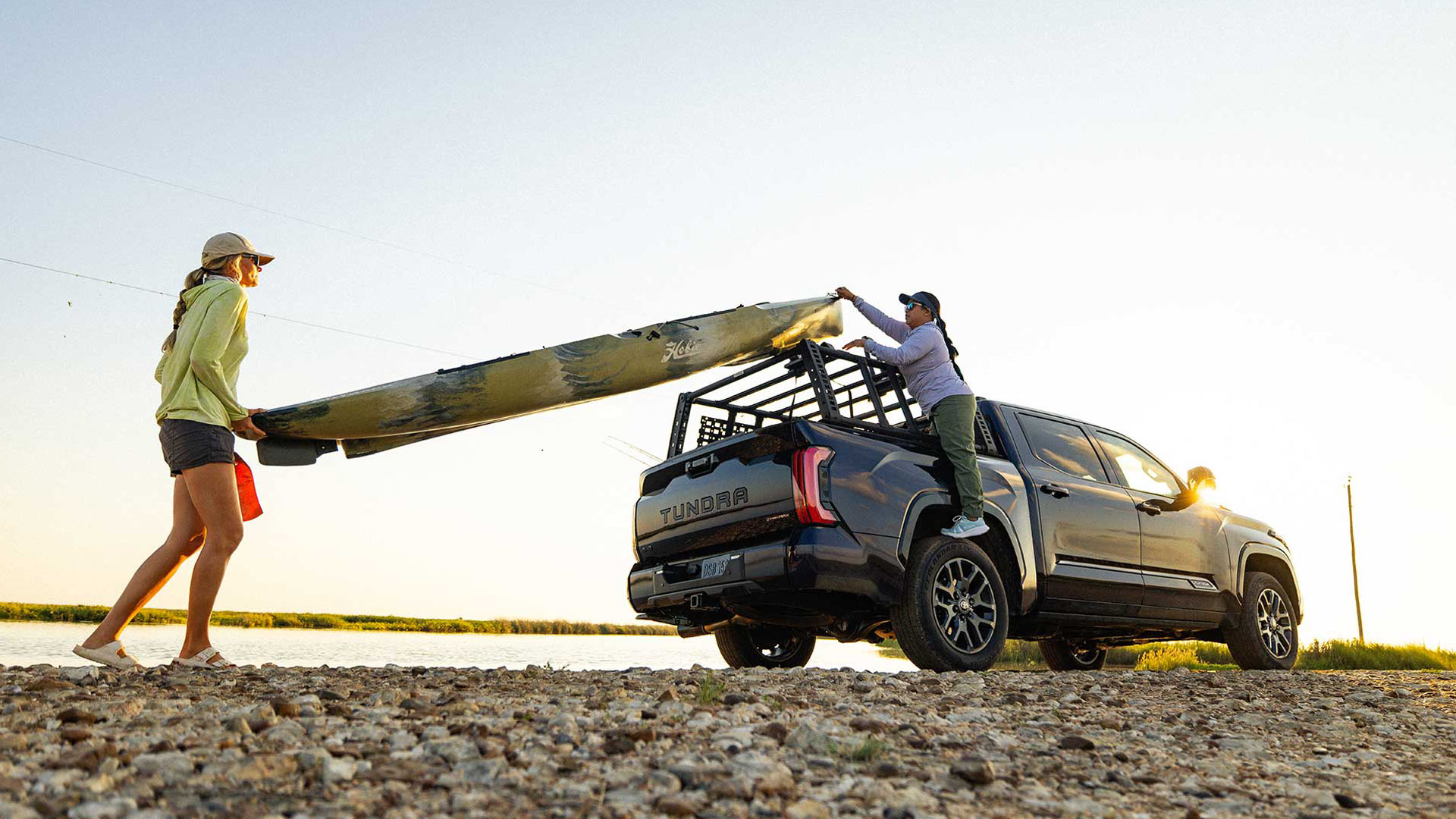
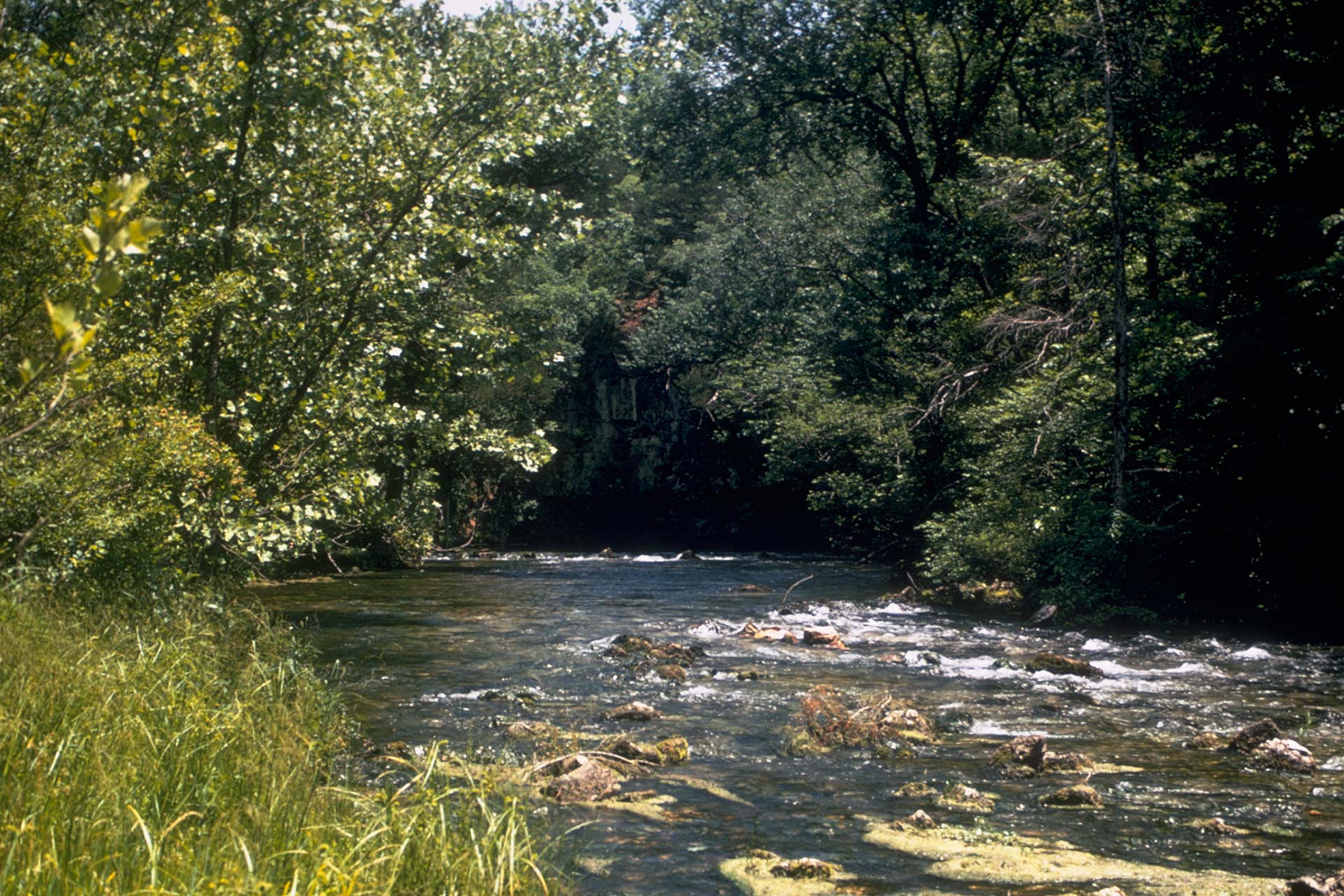
Few shades block out the world quite like towering hardwoods closing in above you and your canoe. The Ozark National Scenic Riverways designation protects a few of the last remaining free-flowing spring-fed streams weaving deep through the karst bedrock hills and hollows and caves. Rent a kayak, raft, or canoe, strap it to your Toyota Truck Roof Rack, drive to one of many public lands access points upriver, and embrace losing cell service. Small jigs and cranks well-presented will tempt bass and trout alike.
Cape Hatteras National �Seashore, North Carolina
12 of 16
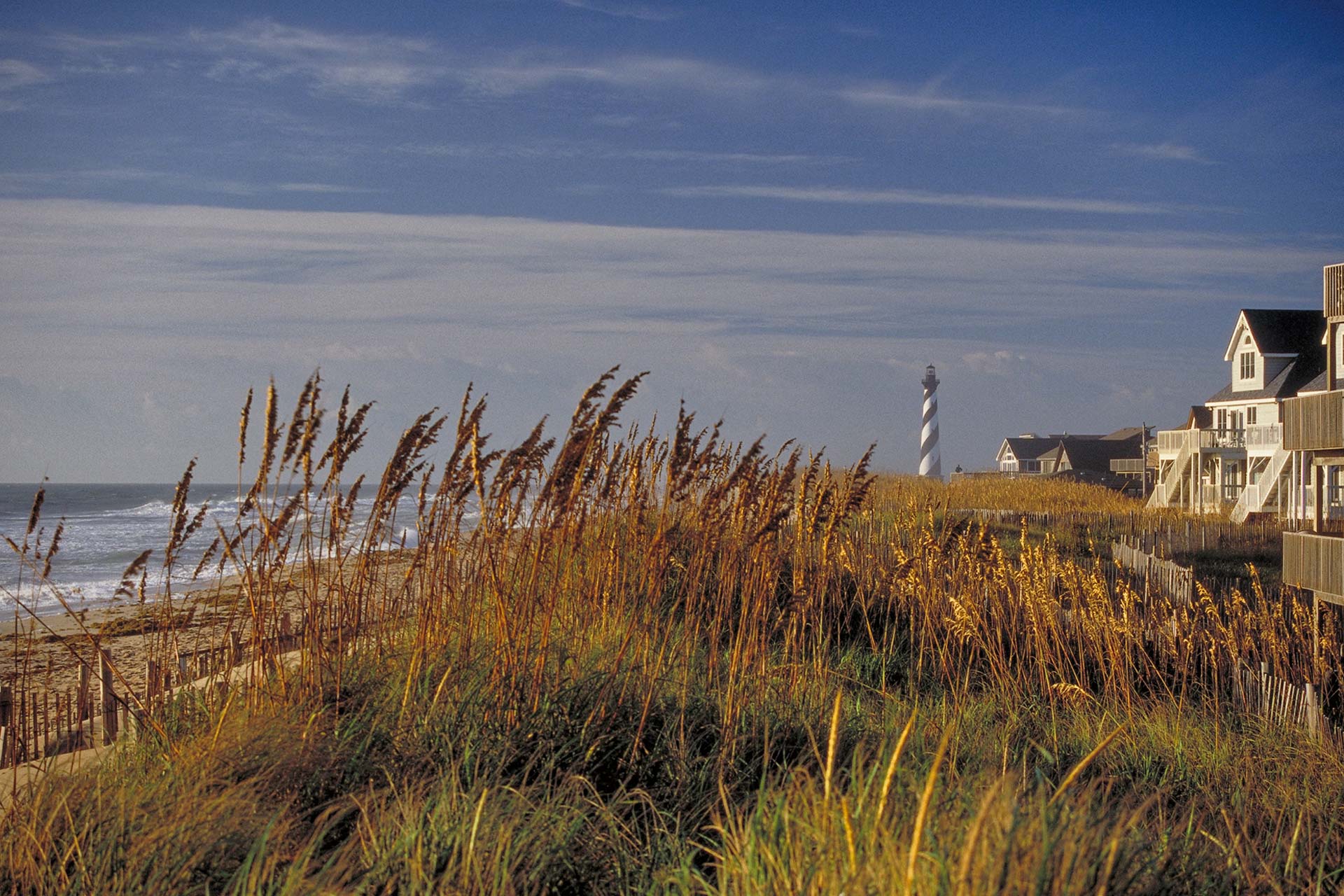
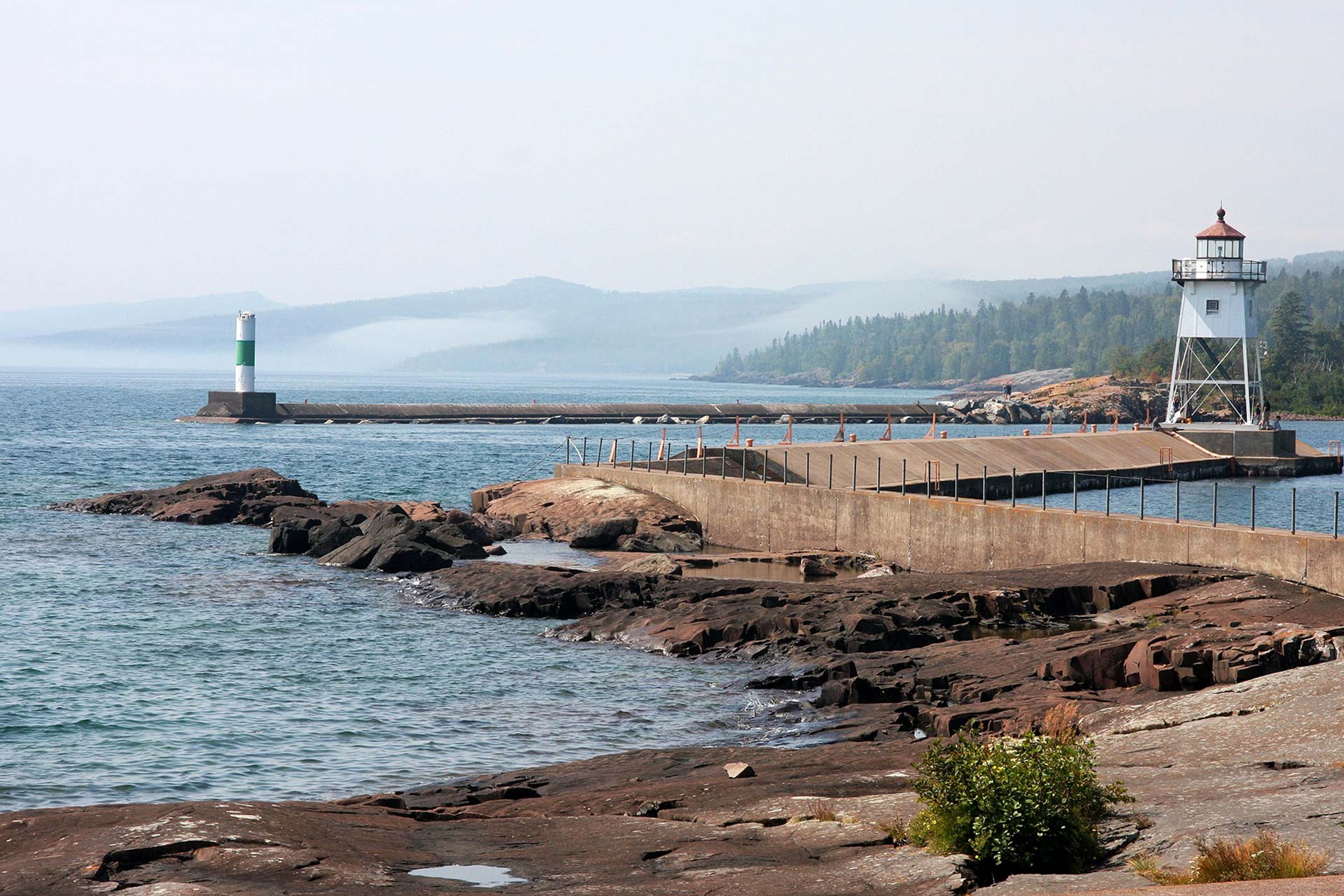
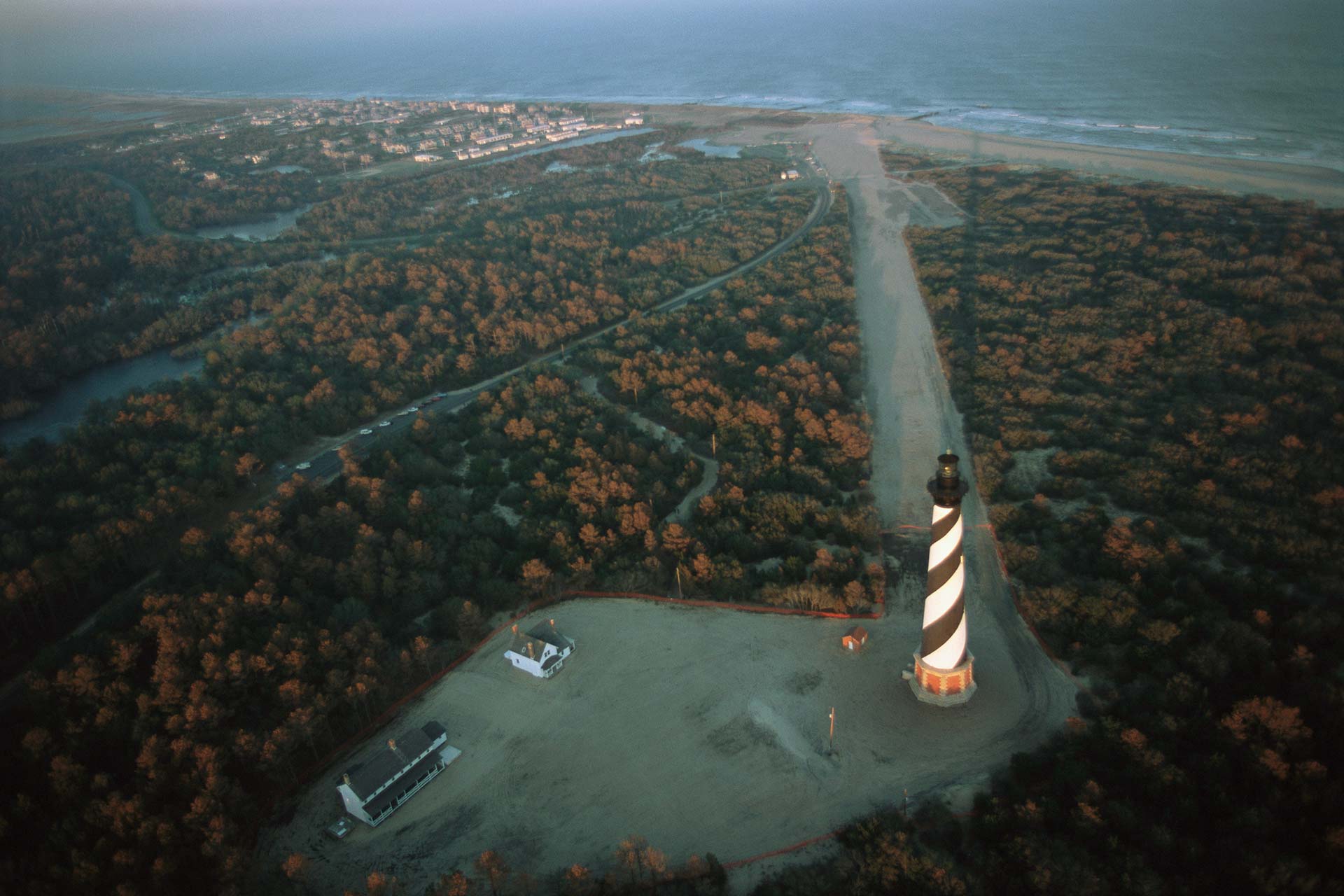
It’s almost a given that a lighthouse will have some fish nearby. They once put them on major capes and points to warn ships of exactly the kind of structure that underpins coastal aquatic ecosystems. The iconic candy cane tower at the furthest eastern jut of the Carolinas landmass might as well be a neon light to migrating redfish and striped bass. The current breaks and seams along all the Outer Banks attract fish from Pamlico Sound to the beach to the continental shelf. Grab your 4-wheeling permit from the National Park Service office in Buxton, string the surf rods, and drive your truck along mile upon mile of beach until your heart tells you to at last make a cast.
Sipsey Wilderness, Alabama
13 of 16
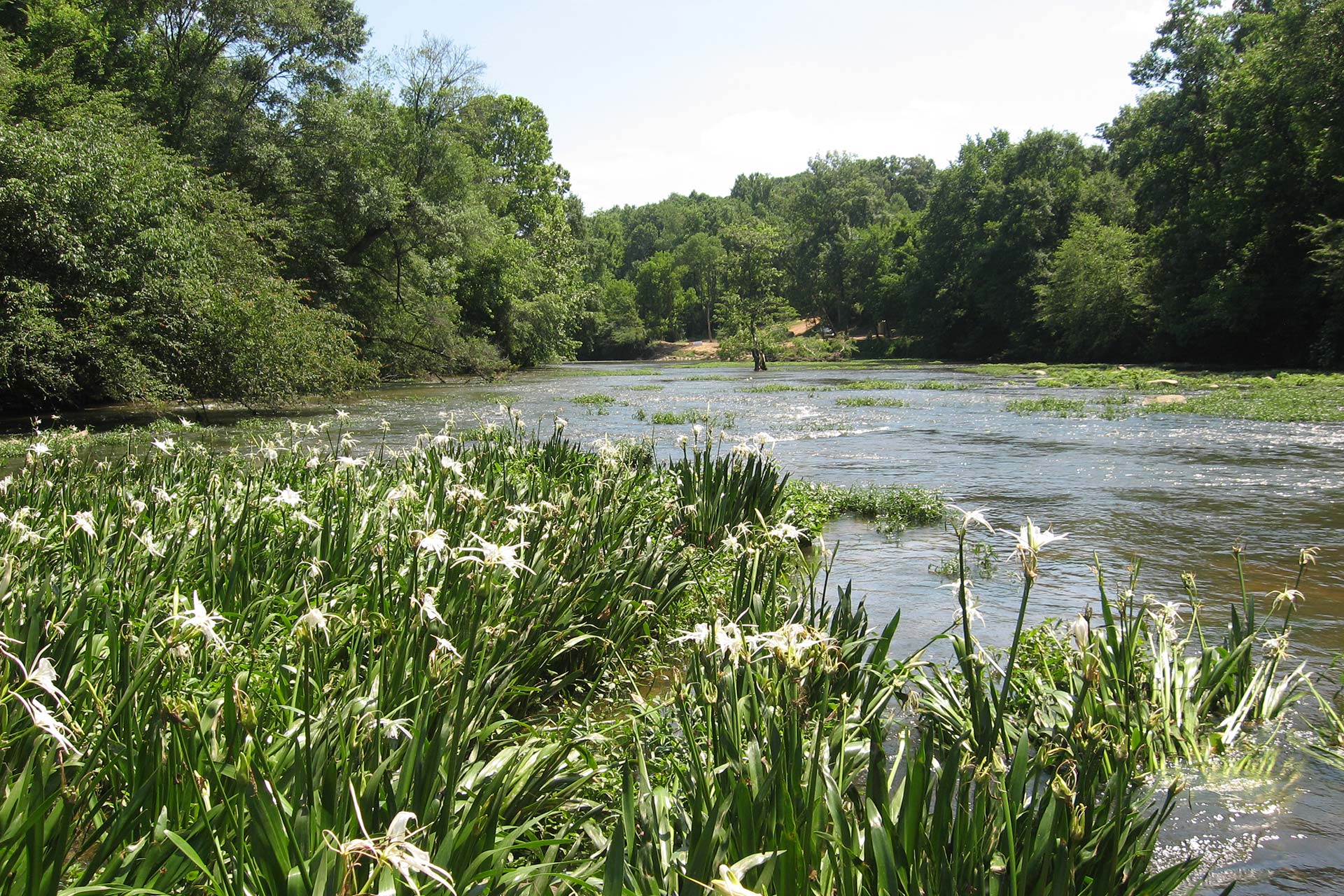
If you like to go chasing waterfalls and the plunge pools below them, there could be few places better than the first designated wilderness east of the Mississippi. Limestone cascades are everywhere here, surrounded by oak, beech, birch, hemlock, and poplar. In the cooler waters below the dam on the Sipsey Fork of the Black Warrior River is Alabama’s only year-round rainbow trout fishery. In the mountains and creeks above, however, discover an array of native fishes from redeye bass to longear sunfish and channels cats. Drive a Forest Service road to a trailhead of your choosing, start walking, and become enthralled by the sounds of falling water.
Dolly Sods Wilderness, �West Virginia
14 of 16
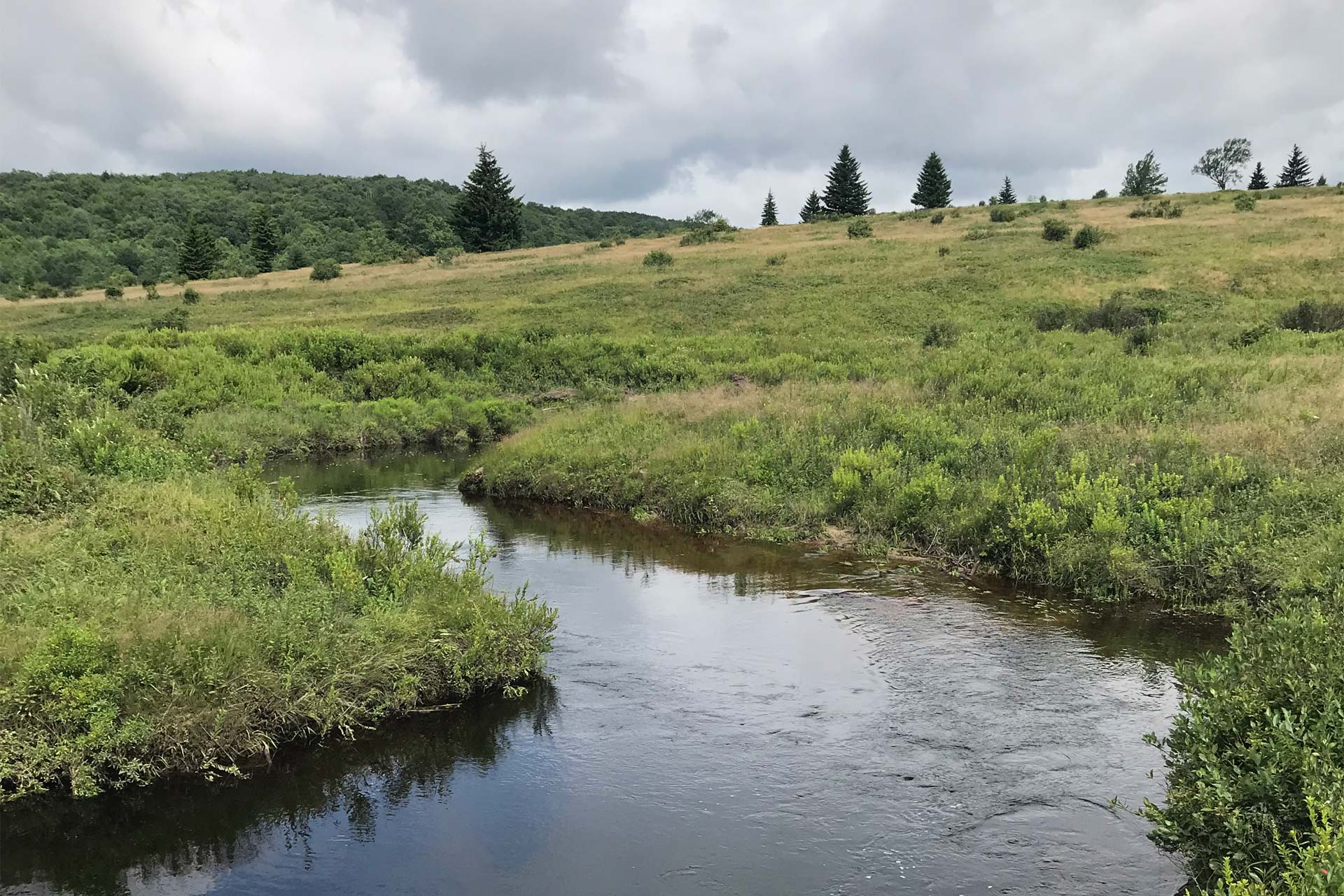
The crown jewel of Appalachia, sparkling in its remnant high elevation rills and rivulets: the wild, native brook trout. The remote Appalachian plateau in West Virginia’s northeast known as the Dolly Sods carries cold water and untrammeled landscapes perfect for the pursuit of the Eastern United States’ native char. Navigate the diminishing roads through Laneville and onward to one of many trailheads from whence you may hoist a backpack and 3-weight or ultralight spin and hike as far back as the day or weekend will allow.
Assateague Island, �Maryland/Virginia
15 of 16
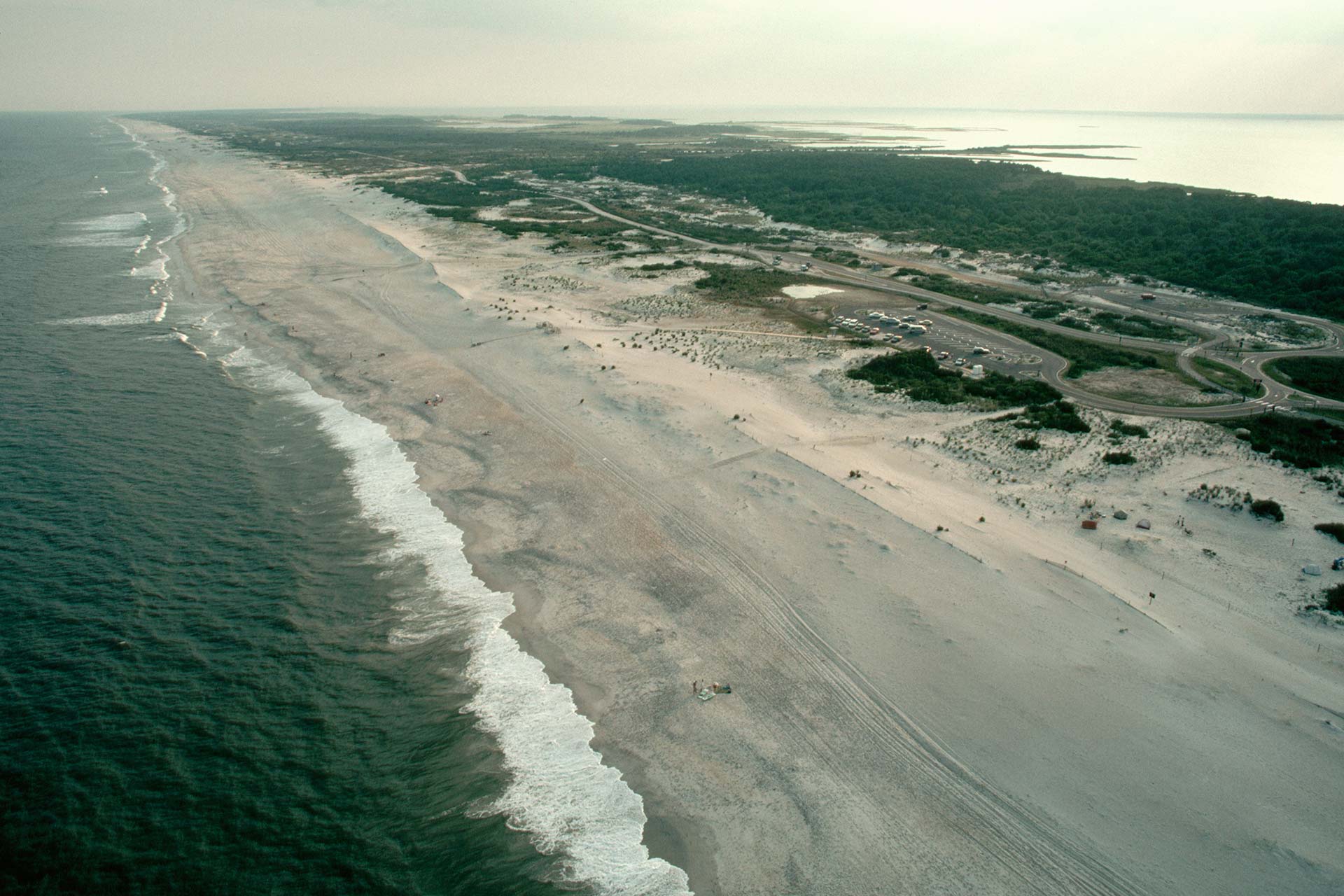
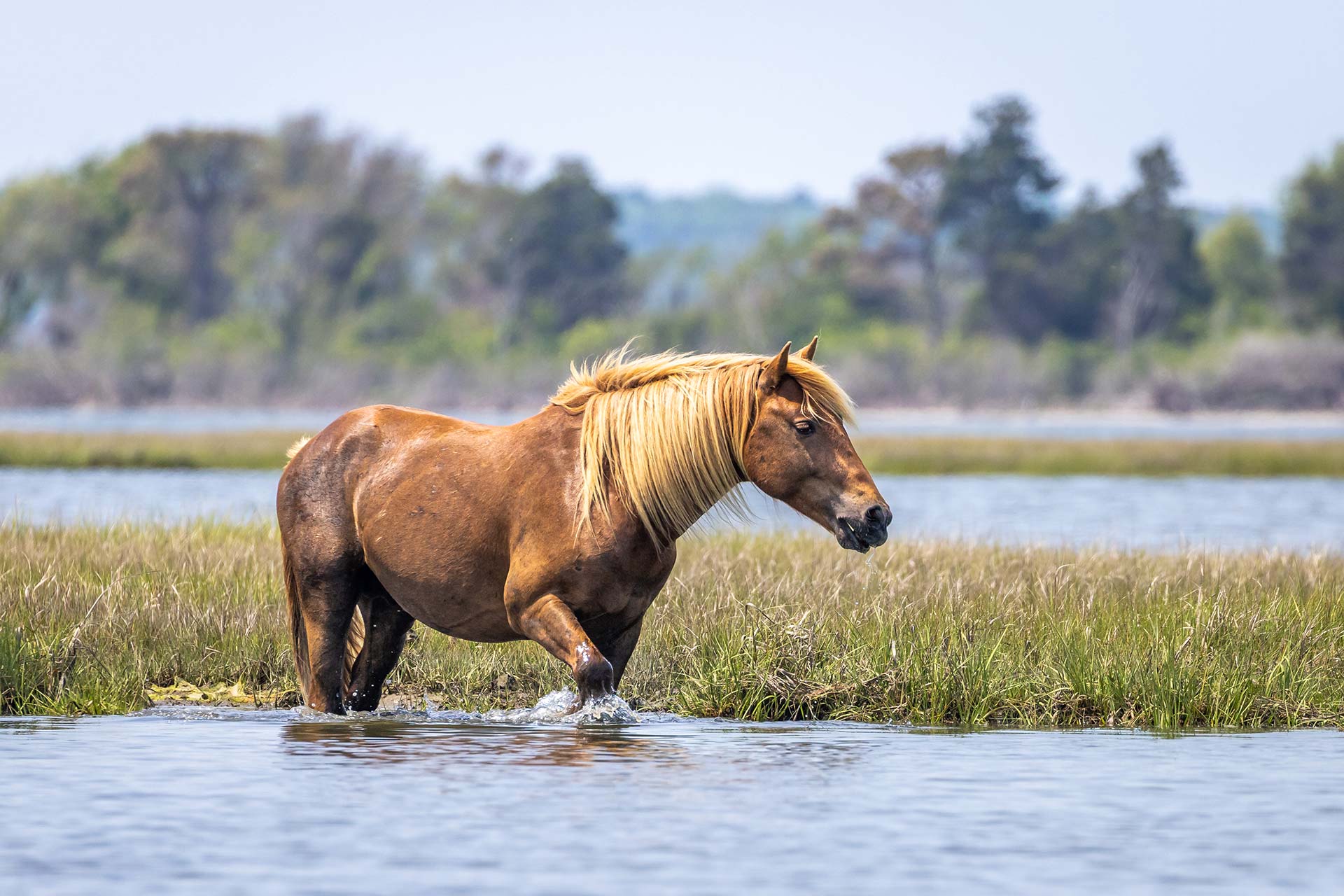
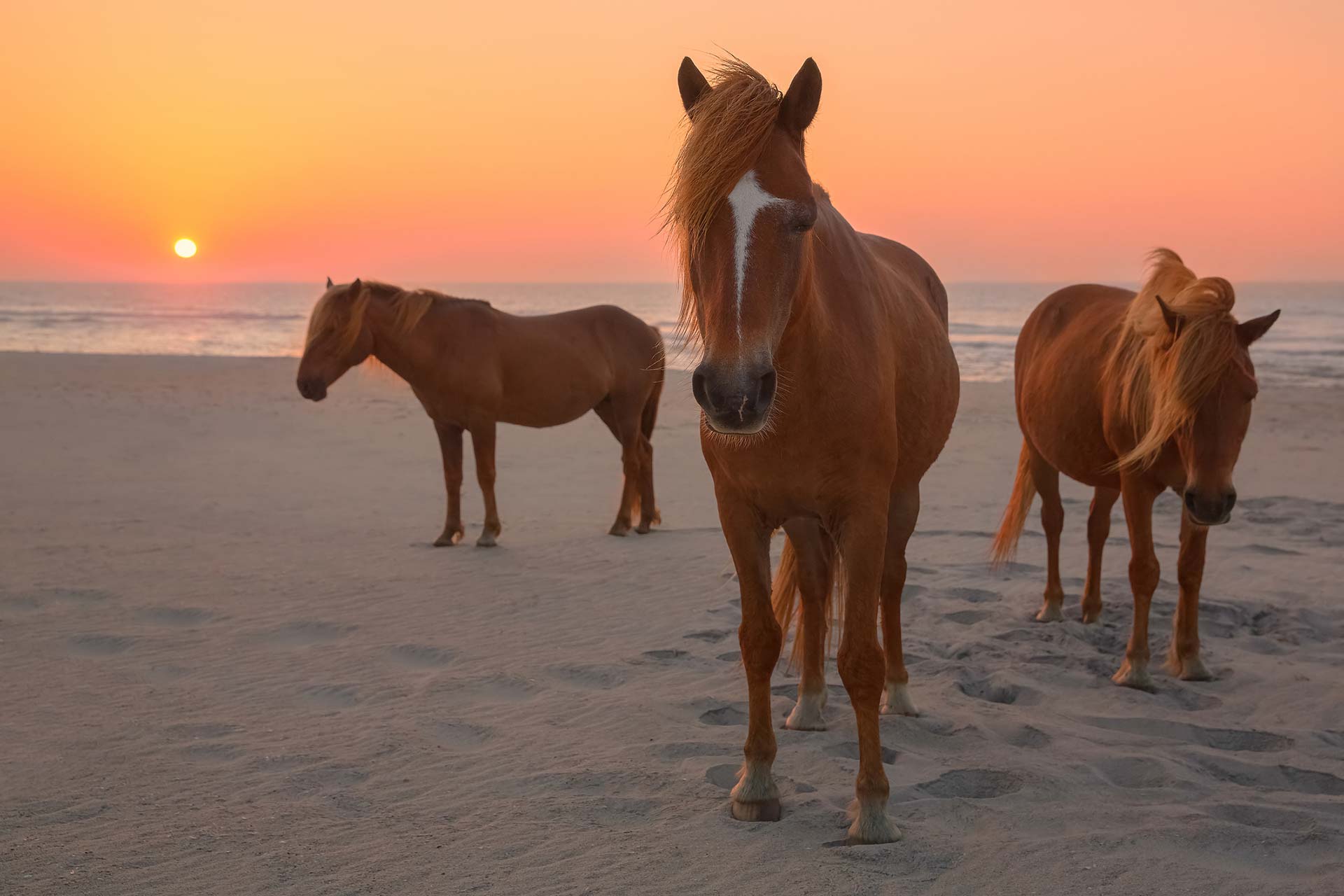
Legend has it that the wild ponies of Assateague Island descended from Spanish horses that swam to shore from the site of a shipwreck in the 16th century. Or they might have been left there by pirates around the same era. However they arrived, you may get the chance to compare your 300-horsepower 4Runner against one real power of a horse. Entrance fees, beach 4-wheel permits, and night fishing permits are available at the park headquarters in Berlin, Maryland, then you’re free to drive the 37-mile-long barrier island, steering clear of protected bird nesting zones and other special spots. Bayside or oceanside, scan the water for signs of life that could reveal stripers, redfish, bluefish, sea trout, weakfish, flounder, or cobia.
Island Beach State Park, �New Jersey
16 of 16
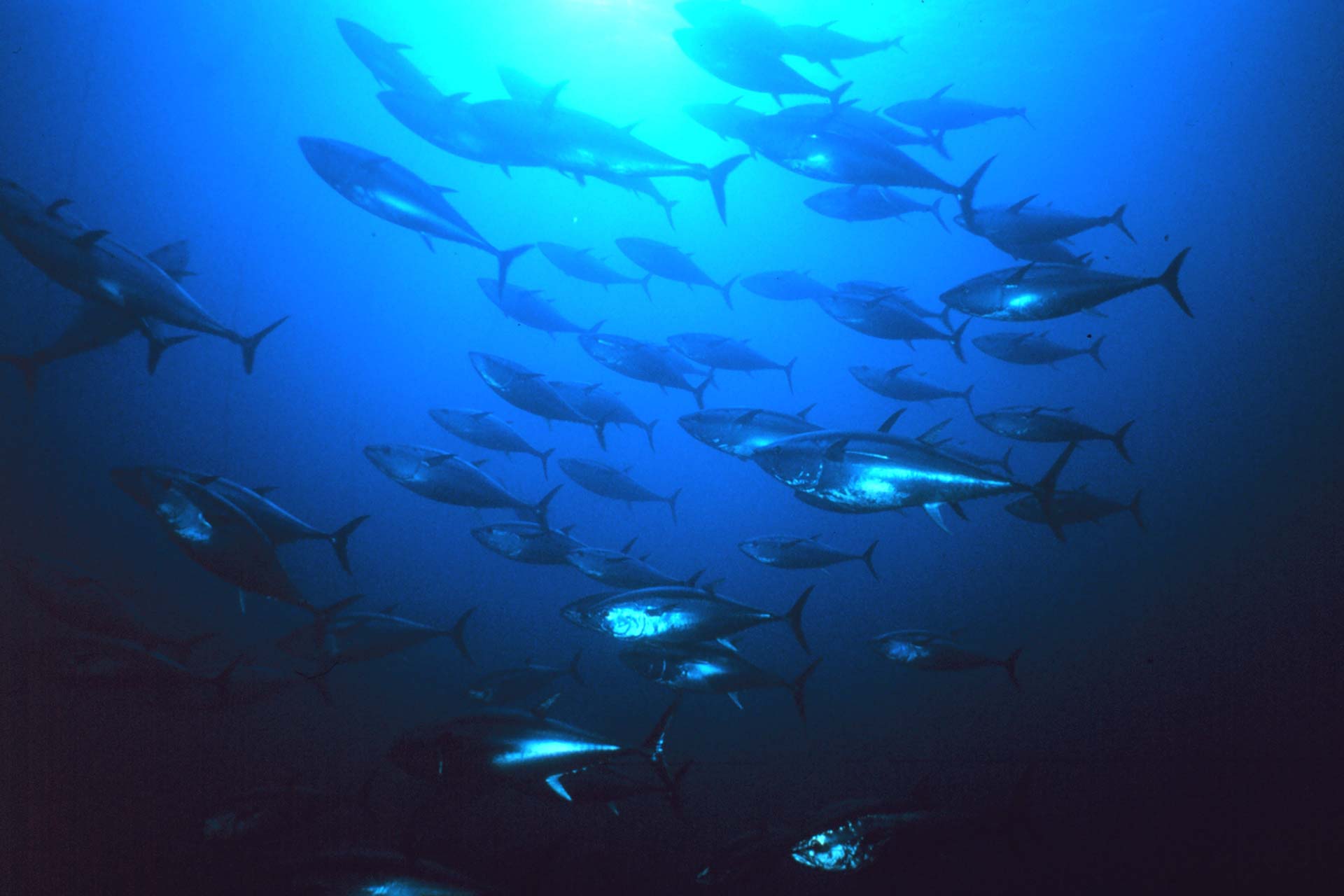
New Jersey might not be top of mind when it comes to outdoor adventure, but maybe it should be. Does your state regularly produce 50-pound striped bass? Do you often see 400-pound bluefin tuna busting bait from the beach? That’s what we thought. Island Beach State Park harkens back to a time before boardwalks and suburbs, one of the largest undeveloped stretches of barrier islands in the Atlantic. Armed with a beach driving permit, waders, and a positive attitude, take your Toyota Truck from Seaside Park south on State Route 35 to Barnegat Inlet, and explore the trails and coves along the way. Look for the migrating mass of menhaden in the fall or spring, but when you do, pronounce it: “bunka.” With any luck, a blitz of stripers, blues, or albies isn’t far behind.
Accessories shown is not designed, manufactured or evaluated by Toyota. The accessory and any damage to other components or altered performance of the vehicle that may be caused by the accessory are not covered by your vehicle’s warranty and Toyota disclaims all liability therefor. Options shown.