THE ROAD HOME
You’ve heard it before: buying a home may be the largest purchase you will ever make. Does that make you nervous? Consider this: it can also be one of the best investments you will ever make. From the pride you feel by being a homeowner to the potential tax deductions associated with home ownership, the benefits are plenty. If you’re ready to travel the road toward home ownership, take your first step with the REMAX® Homebuyer’s Guide. This guide is a resource to help familiarize you with the homebuying process and present you with relevant information, including a list of terms, things to consider when choosing a home and a checklist to help you make decisions that are right for you.
Buying a home step-by-step
Feel free to download the Homebuyer's Guide above or click through our digital resources available at the tiles below. REMAX is here to make buying a home as smooth as possible.
Learn more
Whether you’re moving across town or across the country, the real...
1. Choose an agent
Getting pre-approved for a home loan before you start touring...
2. Get Preapproved for a mortgage
As a homebuyer, you can expect to see an array of different home...
3. Start Your home search
Story-and-a-half, split level, single-level, two-story, and more, these...
4. Check Out home styles
When you’re ready to make an offer, your REMAX agent will...
5. BE PREPARED TO PURCHASE
By familiarizing yourself with these homebuying basics, you’ll be...
6. HOmebuyer's glossary
HOMEBUYER'S GUIDE
A resource to help guide you through the homebuying experience from start to finish.
Download the Homebuyer's Guide
start your search
TIPS FOR CHOOSING A REAL ESTATE AGENT
Whether you’re moving across town or across the country, the real estate market can feel overwhelming. But you can trust that a REMAX agent knows how to help you navigate it with ease. REMAX agents have access to current market information and can help you make informed decisions about the areas and properties that interest you. As you move through the process, your REMAX agent can walk you through confusing paperwork and, of course, assist you in house hunting.
FIND A REMAX AGENT
LET REMAX BE YOUR GUIDE
LOOK FOR EXPERIENCE
An experienced, full-time agent will likely be knowledgable about the housing market and will know how to navigate current conditions.
Choose someone you trust
STAY IN CONTACT
You'll have a lot of questions. That's why it's important to find an agent that will navigate with effective and timely communication.
Do your due diligence
A home is a very personal and expensive decision. Your agent should make you feel comfortable and respect your views.
Research real estate agents online, read reviews and solicit recommendations from family and friends.
BACK TO HOMEPAGE
Scroll
QUESTIONS to ask your prospective real estate agent:
How much experience do you have, and can you provide references? What services and resources do you offer? How will the homebuying process work and what’s expected of me? How much time can you devote to my needs, and how often will you communicate with me?
What types of homes do you specialize in? Are you familiar with the neighborhoods that I'm interested in? How many homes have you helped customers buy in the last year? What happens after we make an offer? And what happens after closing?
NEXT: GET PREAPPROVED
Read MORE: 10 questions you should be asking, to find the right agent for you!
Lenders will examine your credit history to help decide if you’re a good candidate for a loan. Credit scores are ranked on a scale of 300-900; the higher, the better.
Mortgage pre-approval
Get ahead of the pack. If you fall in love with a house, being pre-approved may strengthen your offer to purchase. When applying for a mortgage, it'll require a written application, and supporting documents. Here are a few tips on how to be ready for meeting with a mortgage lender.
credit score
2. Employment history
Lenders ask for a list of your past employers, how long you’ve been with your current employer and what your annual salary is. They want to make sure you can make regular mortgage payments.
3. assets and debts
Be prepared to show past tax records, recent bank statements and current debts, including credit card debt, car loan or student loan. Lenders want to know your debt-to-income ratio to know if you can make each loan payment with the income you earn.
4. Multiple options
Mortgage loan and lender options vary. Different loan types can accommodate different financial situations. Do your research and consult a financial expert if needed. Your REMAX agent can help you throughout the process. The same goes for additional resources like the Canada Mortgage and Housing Corporation (CMHC). Your REMAX agent can help support you throughout the process.
PREVIOUS: FIND AN AGENT
NEXT: HOME SEARCH
What lenders look for
START YOUR HOME SEARCH
Prepare a thorough financial analysis to verify that you can afford homes you're considering.
KNOW YOUR BUDGET
TIPS FOR YOUR HOME SEARCH
Want to be near parks? Public transportation? Plus, be sure to visit your location at day and night.
DETERMINE LOCATION
Depending on how many family members you have, you may want more or less bedrooms and baths.
Beds & Baths
Some homebuyers look for houses with pools, other with a guest house. Determine what you need.
CONSIDER MUST-HAVES
Whether you need space for dogs or kids, or are fine with a balcony, know what fits your lifestyle.
THINK OUTDOORS
Check your phone and internet signal. Some homes sit in dead zones. Make sure you’ve got a solid connection.
Tip from the pros
4. Virtual 3D TOUR
2. RENOVATIONS
PHOTOS
Many agents now provide 3D tours or virtual walk-throughs of their listings. 3D tours allow you to view a property from the comfort of your own home, while also giving you the freedom to virtually navigate your way through the property. This will help you get a feel for the floor plan and layout of a home without having to acutally visit the property.
TAKE A 3D OR VIRTUAL TOUR
4. Virtual 3d tour
If you’re looking at a property online that may need some upgrades, take note of those. See which elements of the home work for you and which areas you would consider renovating in the future. And remember, paint color is an easy, relatively inexpensive change that makes a huge difference in a home!
Note Potential Renovations
2. REnovations
Make sure you take a look at all the photos and spend some time noting where windows are and what the natural light is like in the space. Another good thing to consider when looking through the photos is how your own furniture will look in the space. If the photos of the homevare furniture-free, allow yourself to mentallyvplace furniture where you think it may look best. If the property is staged, take into consideration where different furniture pieces are placed and how you could change the layout to work for you and your style.
ANALYZE ONLINE PHOTOS
1. PHOTOS
CONSIDERATIONS WHEN VIEWING HOUSES ONLINE
PREVIOUS: GET PREAPPROVED
NEXT: HOME STYLES
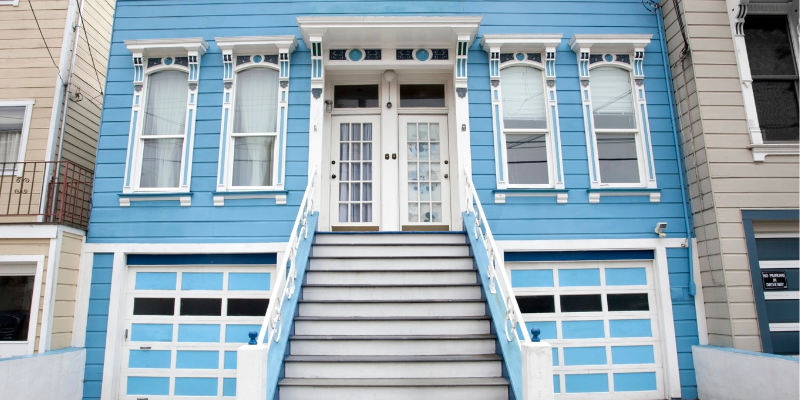
As a homebuyer, you can expect to see an array of different home styles and designs. You’ve got the choice of single-family, condo, townhome, lakefront, acreage or luxury; you can also choose single-story, multiple- story or split-level. In addition, you can choose a pre-existing home or new construction. In other words, you’ve got options.
One thing that many people forget to consider when viewing a home online is the outdoor space. Whether it is a small balcony or a large backyard, outdoor space is definitely something to try to get a feel for when viewing a home virtually. Take account of what furniture you may need to invest in to fit into the space. Be sure to consider any maintenance that may be required, as well as how it may be affected by different seasons. Will you need to trim and maintain trees or clear snow from a large driveway?
CONSIDER OUTDOOR SPACE
3. Outdoors
3. OUTDOORS
READ MORE...
Also known as a Cape Cod, this style has a deep pitched roof...
Story-and-a-Half
Also known as a Cape Cod, this style has a deep pitched roof and clean, simple design. Dormers can be added to a pitched roof to add windows or usable space on the upper level.
HOME STYLES
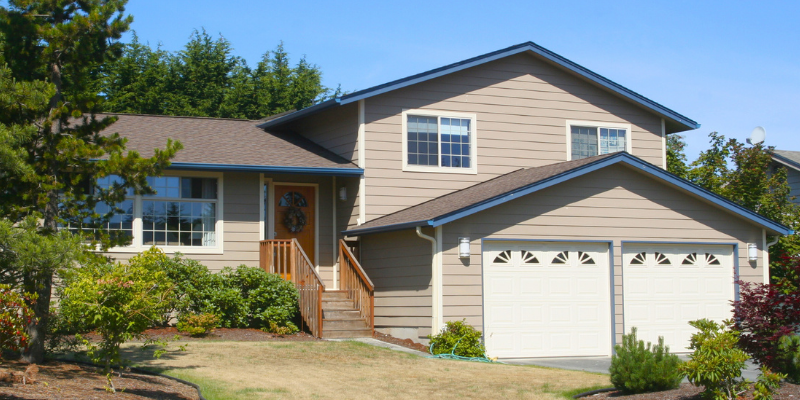
Also called a split entry, this home style typically has two short sets...
Split Level
Also called a split entry, this home style typically has two short sets of stairs running up and down from the point of entry. It may or may not have living space at entry level.
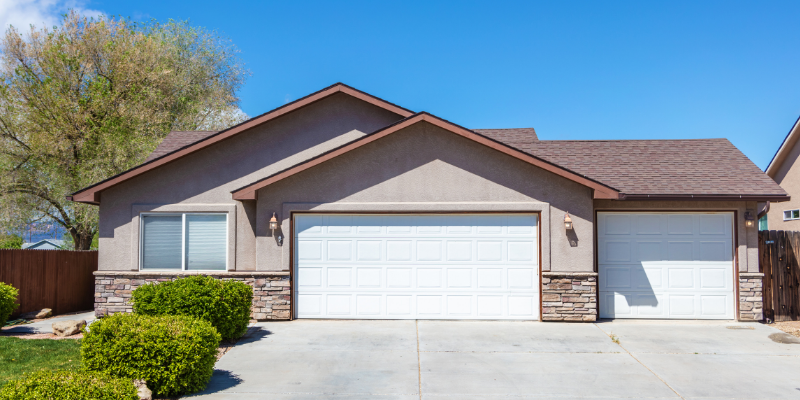
Also referred to as a bungalow, a single- level house is known for...
Single-Level
Also referred to as a bungalow, a single-level house is known for a long, low design with all or most living space on ground level. Some have a basement level which may be finished into additional living space. A lower level walk-out includes a door to the exterior.
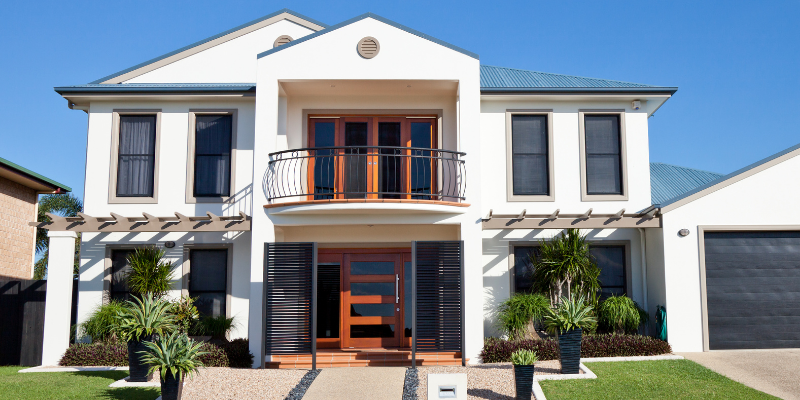
A two-story home has two full levels. A two story will have...
Two-Story Home
A traditional two-story will have a ground level with an equally sized floor above. Often living space is on the ground level, with the main and additional bedrooms on the upper floor. A Colonial is a type of two-story home with equal windows on the front upper and lower level.
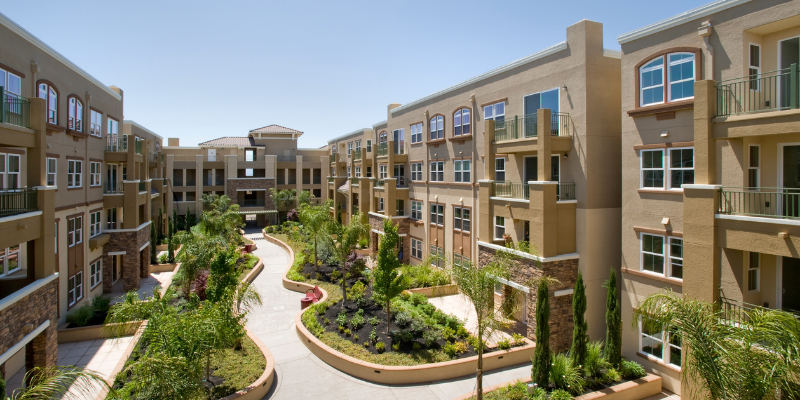
An owned unit in a large property complex that consists of...
Condominium
An owned unit in a large property complex that consists of many individual units. There’s often a fee that covers shared monthly expenses for the upkeep of the building and facilities.
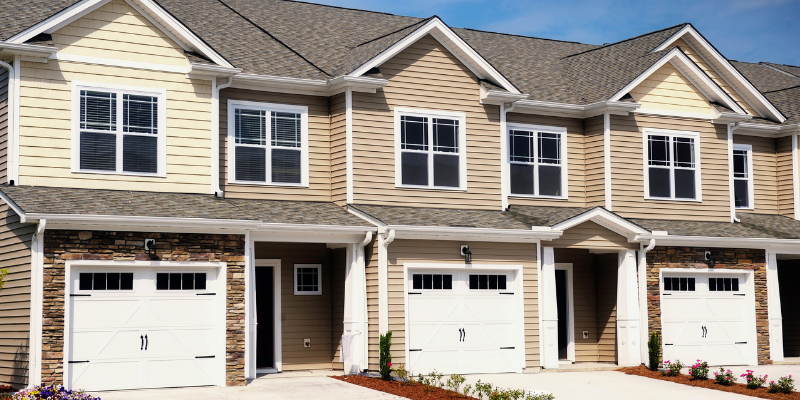
An owned unit in a row of houses all attached to one another...
Townhouse
An owned unit in a row of houses all attached to one another. There’s often an association fee that covers shared monthly expenses for the upkeep of the exterior and any shared facilities.
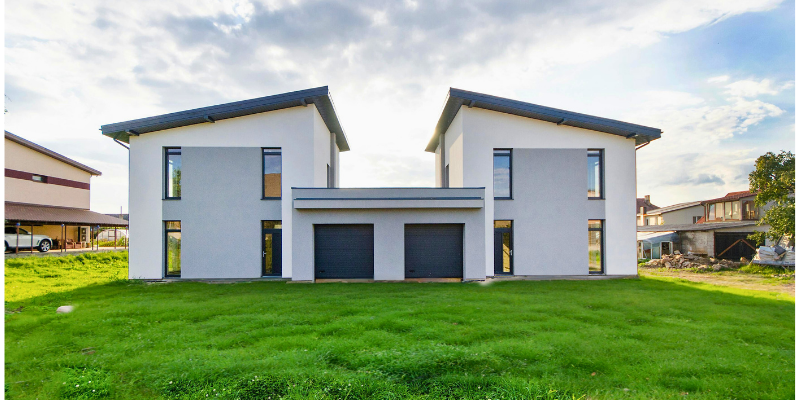
Also called a semi-detached, this home has two single-family...
Twin Home
This home has two units on two lots that are separated by a common wall. Twin homes can be owned by different homeowners. Upkeep on house siding, windows, yard, or driveway will most likely be shared and split depending on your arrangement.
TWIN HOME
A duplex is a home consisting of two separate dwellings that...
Duplex
A duplex is a home consisting of two separate units on one lot. They are typically either side by side or on top of each other. They typically have identical layouts or a mirror image. A duplex typically has one street address with unit numbers and one property owner.
Bedrooms:
features CHECKLIST
LOCK IN YOUR home style
Homes come in all diffferent shapes and sizes. When looking through homes, you’ve got the choice of single-family, condo, townhome, lakefront, acreage or luxury; you can also choose single-story, multiple-story or split-level.
PREVIOUS: HOME SEARCH
NEXT: BE PREPARED
x
2+
3+
4+
1+
Bathrooms:
Yes
No
Dedicated Office Sapce:
Central Air Conditioning:
.......................................................................
KITCHEN FEATURES
1-Car
2-Car
3-Car
Garage:
Attached
Detached
None
ROOMS:
Gas Oven
Gas Stove/Cooktop
Dishwasher
Center Island
Eat-in Kitchen
Walk-in Pantry
Updated Countertops
Fully Renovated
PRIMARY BEDROOM FEATURES
Primary Bathroom
Walk-in Closet
BATHROOM FEATURES
Double Vanity and Sinks
Double Shower
Bathtub
Wood Fireplace
Gas Fireplace
Main Level Laundry
Mudroom
Smart-Home Tech
Alarm System
Basement
Energy Efficient
ADDITIONAL FEATURES
Separated Living Spaces
Mounted TV or Sound System Wiring
Dedicated Dining Room
Bonus Room / Loft Area
First-Floor Primary
Open Concept
Wooded Lot
Yard Space
Balcony or Deck
Outdoor Entertaining Area
OUTDOOR FEATURES:
Balcony
Fence
Pool
Shed
PREVIOUS: HOME STYLES
BE ready to act
NEXT: GLOSSARY
When you’re ready to make an offer, your REMAX agent will prepare the required paperwork and negotiate the purchase price and terms on your behalf, but there are a few things you’ll need to do as well.
RELIABLE RESOURCES
GET A HOME INSPECTION
Inspections generally cost some money but will bring to light any major issues. The purchase agreement can be contingent on the inspection, so if you don’t like something you can withdraw the agreement.
PURCHASE INSURANCE
You are required to purchase homeowners insurance if you have a mortgage. Make sure you purchase enough to fully cover your home and your belongings in case of a total loss.
DETERMINE UTILITY STATUS
Check on the status of the utilities required by the home. Outstanding invoices should be paid in full by the owners before closing. You will also want to have the services transferred to your name for billing.
"to-do" list for homebuyers
Have your deposits ready to go! Keep a portion of your target price range liquid and accessible, so it's accessible when needed.
Your REMAX agent is a great resource. Don’t hesitate to ask for a referral if you’re looking for a: Mortgage Lender Inspector/Appraiser Moving Company Insurance Provider Contractor Landscaper
TAX BREAKS
Preparing your taxes as a first-time homeowner can be, well, taxing. You will have new tax considerations, including deductibles such as mortgage insurance and property tax to claim. If you’re not sure what you’ll be eligible to claim, check with a tax consultant or Canada Revenue Agency.
Home Buyer's Glossary
By familiarizing yourself with these homebuying basics, you’ll be better equipped to make informed decisions and a wise investment. Read on for more information, and be sure to reach out to your REMAX agent if you still have questions.
Amortization. The length of time allotted to paying off a loan — in homebuying terms, the mortgage. Most maximum amortization periods in Canada are 30 years, but options vary. Consult your mortgage lender to determine what is right for you. Balanced market. In a balanced market, there is an equal balance of buyers and sellers in the market, which means reasonable offers are often accepted by sellers, and homes sell within a reasonable amount of time and prices remain stable. Bridge financing. A short-term loan designed to “bridge” the gap for homebuyers who have purchased their new home before selling their existing home. This type of financing is common in a seller’s market or when life events happen and affect timing, allowing homebuyers to purchase without having to sell first. Buyer’s market. In a buyer’s market, there are more homes on the market than there are buyers, giving the limited number of buyers more choice and greater negotiating power. Homes may stay on the market longer, and prices can be stable or dropping. Closing. This is the last step of the real estate transaction, once all the offer conditions outlined in the Agreement of Purchase and Sale have been met and ownership of the property is transferred to the buyer. Once the closing period has passed, the keys are exchanged on the closing date outlined in the offer. Closing costs. The costs associated with closing the purchase deal. These costs can include legal and administrative fees related to the home purchase. Closing costs are additional to the purchase price of the home. Comparative market analysis. A Comparative market analysis (CMA) is a report on comparable homes in the area that is used to derive an accurate value for the home in question. Condominium ownership. A form of ownership whereby you own your unit and have an interest in common elements such as the lobby, elevators, halls, parking garage and building exterior. The condominium association is responsible for maintenance of building and common elements, and collects a monthly condo fee from each owner based on their proportionate share of the building. Contingencies. This term refers to conditions that have to be met in order for the purchase of a home to be finalized. For example, there may be contingencies that the mortgage loan must be approved or the appraised value must be near the final sale price. Deposit. An up-front payment made by the buyer to the seller at the time the offer is accepted. The deposit shows the seller that the buyer is serious about the purchase. This amount will be held in trust by the agent or lawyer until the deal closes, at which point it is applied to the purchase price.
Down payment. The down payment is the amount of money paid up front for a home, in order to secure a mortgage. In Canada, the minimum down payment is 5% of the home's total purcahse price. Down payments less than 20% of a home’s purchase price may require mortgage loan insurance. The selling price, minus the deposit and down payment, is the amount of the mortgage loan. Due Diligence. Think of it as the “check it out” period. This is your window to inspect the home, ask questions, review disclosures and back out if something’s not right, without losing your earnest money (depending on the contract, of course). Earnest Money. It’s your “I’m serious” deposit. You put down a chunk of money when you make an offer to show you’re committed. It typically goes toward your closing costs, and you can usually get it back if things fall apart during due diligence. Equity. The difference between a home’s market value and the amount owed on the mortgage. This is the portion of the home that has been paid for and is officially “owned.” Fixed-rate mortgage. A fixed-rate mortgage guarantees your interest rate for a predetermined amount of time. Freehold ownership. A form of ownership whereby you own the property and assume responsibility for everything inside and outside the home. High-ratio mortgage. A high-ratio mortgage is a mortgage where the borrower has less than 20% of the home’s purchase price to make as the down payment. A high-ratio mortgage with a down payment between 5% and 19% of the purchase price requires mortgage loan insurance. In Canada, 5% is the minimum amount required for the down payment. Home appraisal. A qualified professional provides a market value assessment of a home based on several factors such as property size, location, age of the home, etc. This is used to satisfy mortgage requirements, giving mortgage financing companies confirmation of the mortgaged property’s value. Homebuyer’s plan. A federal program allowing first-time homebuyers to withdraw funds interest-free from their Registered Retirement Savings Plan (RRSP) to help purchase or build a qualifying home. The borrowed amount must be repaid within 15 years to avoid paying a penalty. Land survey. A land survey will identify property lines. Simply put, it helps define what is yours and what isn’t. It is not required to purchase a house, but it is recommended and may be required by the mortgage lender. A land survey is important if issues arise between neighbours or the municipality, should the owner wish to make changes in the future involving property lines.
Mortgage loan insurance. If your down payment is less than 20% of the purchase price of the home, mortgage loan insurance may be required. It protects the lender in case of payment default. Contact your mortgage lender if you have questions. Mortgage pre-approval. A mortgage pre-approval helps buyers understand how much they can borrow before going through the mortgage application process. This allows you to make an immediate offer when you find a home, since you know how much you’ll be approved for by this lender, and locks in the current interest rate for a period of time, insulating you against near-term rate increases. Offer. An offer is a legal agreement to purchase a home. An offer can be conditional on a number of factors, like financing or the home inspection. If the conditions are not met, the buyer can cancel their offer. Title insurance. Title insurance is a policy designed to protect both yourself and your mortgage lender from financial loss or damages caused by potential title defects such as code violations or legal complications. Requirement of title insurance varies, so check with your REMAX agent for more information regarding your specific situation. Seller’s market. In a seller’s market, there are more buyers than there are homes for sale. With fewer homes on the market and more buyers, homes sell quickly in a seller’s market. Prices of homes are likely to increase, and there are more likely to be multiple offers on a home. Multiple offers give the seller negotiating power, and conditional offers may be rejected.
terms you should know
PREVIOUS: BE PREPARED