
urban planning for Walkable neighbourhoods
Supply vs Sprawl
Key Takeaways
Housing inventory
Key Takeaways


Find an Agent
Follow


According to RE/MAX brokers surveyed for the report, inflation and the rising cost of living have made affordability the top factor that potential buyers in Western Canada are considering when choosing a neighbourhood. This is the case in 83% of regions surveyed including Vancouver and Kelowna, BC, Regina, SK; Winnipeg, MB, and Medicine Hat, AB. The only outlier to this trend is Edmonton, AB, a region that enjoys relative affordability as compared to many other regions across Canada.
Other priority factors buyers are considering when scouting for neighbourhoods include access to green space (a trend noted in 100% of regions surveyed); proximity to preferred schools (in 67% of regions) and proximity to work (in 50% of regions).
As regions that have remained relatively stable over the last couple of years, these priorities have not shifted significantly and in fact, they are expected to remain the same in Vancouver, BC; Kelowna, BC and Regina, SK. Although quality of life is considered satisfactory in regions such as Vancouver, BC, Winnipeg, MB and Medicine Hat, AB, having greater proximity to work, and better access to public transit, bike lanes and/or walking paths, preferred schools and medical services were identified as factors that would boost liveability. Meanwhile, RE/MAX brokers in cities such as, Kelowna, BC and Regina, SK, where many neighbourhoods already capture the spirit of the 15-minute neighbourhood in some capacity, would rank quality of life as very satisfactory.
Western Canada
Click here to read more
Increasing housing inventory is not the only solution we need to consider to solve our housing crisis

80%
of consumers spend 1-2 hours commuting to work.

Lorem ipsum dolor sit amet, consectetur adipiscing elit, sed do eiusmod tempor incididunt ut labore et dolore magna aliqua. Ut enim ad minim veniam, quis nostrud exercitation ullamco laboris nisi ut aliquip ex ea commodo consequat.
65%
Lorem ipsum dolor sit amet, consectetur adipiscing elit.
Lorem ipsum dolor sit amet, consectetur adipiscing elit, sed do eiusmod tempor incididunt ut labore et dolore magna aliqua. Ut enim ad minim veniam, quis nostrud exercitation ullamco laboris nisi ut aliquip ex ea commodo consequat.
5%
Lorem ipsum dolor sit amet, consectetur adipiscing elit.
Lorem ipsum dolor sit amet, consectetur adipiscing elit, sed do eiusmod tempor incididunt ut labore et dolore magna aliqua. Ut enim ad minim veniam, quis nostrud exercitation ullamco laboris nisi ut aliquip ex ea commodo consequat.
33%
Lorem ipsum dolor sit amet, consectetur adipiscing elit.
Lorem ipsum dolor sit amet, consectetur adipiscing elit, sed do eiusmod tempor incididunt ut labore et dolore magna aliqua. Ut enim ad minim veniam, quis nostrud exercitation ullamco laboris nisi ut aliquip ex ea commodo consequat.
48%
Lorem ipsum dolor sit amet, consectetur adipiscing elit.
Lorem ipsum dolor sit amet, consectetur adipiscing elit, sed do eiusmod tempor incididunt ut labore et dolore magna aliqua. Ut enim ad minim veniam, quis nostrud exercitation ullamco laboris nisi ut aliquip ex ea commodo consequat.
80%
of consumers spend 1-2 hours commuting to work.
Lorem ipsum dolor sit amet, consectetur adipiscing elit, sed do eiusmod tempor incididunt ut labore et dolore magna aliqua. Ut enim ad minim veniam, quis nostrud exercitation ullamco laboris nisi ut aliquip ex ea commodo consequat.

This report includes insights from Area Expert Contributors, including Kathryn Bakos, Director, Climate Finance and Science, Intact Centre on Climate Adaptation; Ken Greenberg, Urban Designer, City Building Advocate, and Author; and Shoshanna Saxe, PhD, P.Eng, Associate Professor, Canada Research Chair in Sustainable Infrastructure, University of Toronto Department of Civil and Mineral Engineering. Insights were supplemented with research from a Leger consumer survey. Leger is the largest Canadian-owned full-service market research firm. An online survey of 1,549 Canadians was completed between April 14-17 using Leger’s online panel. Leger's online panel has approximately 400,000 members nationally and has a retention rate of 90 per cent. A probability sample of the same size would yield a margin of error of +/- 2.5 per cent, 19 times out of 20.
About This Report
As evidenced by the current National Housing Strategy increasing supply is not the only resolution that we should be considering in order to solve the housing crisis. Despite the boost of inventory, progress in improving affordability across the country remains at a standstill. Apart from building more homes, what is needed to make a long-term, sustainable solution to Canada’s housing troubles?


As evidenced by the current National Housing Strategy increasing supply is not the only resolution that we should be considering in order to solve the housing crisis. Despite the boost of inventory, progress in improving affordability across the country remains at a standstill. Apart from building more homes, what is needed to make a long-term, sustainable solution to Canada’s housing troubles?
Canada is at a fork in the road - especially as smaller communities such as North Bay, Vernon, Charlottetown and Moncton grow. The paths forward are: choose to maintain the status quo — urban sprawl and heavily reliant on only our cars to get us where we need to go — or learn from the design, zoning and infrastructure investment mistakes of larger city centres and examine how more homes can be added to the existing mix of inventory and land, while making these communities more resilient to impacts of climate change and extreme weather. As pragmatic as the concept is, the walkable neighbourhood lies in a much greater diversity of housing types, transportation options, businesses, green spaces and indeed residents. In a way, it’s also breaking away from the “typical” way of building housing and neighbourhoods in Canada.
68%
of regions surveyed reported affordability as the top consideration for Canadians when choosing a neighbourhood.
“In Canada, we have a shortage of affordable housing, not a shortage of land, and until the government and all relevant decision-makers recognize this, we will fail to make headway toward our collective goal of improving affordability,” says Ken Greenberg, principal urban designer of Greenberg Consultants. “The concept of the 15-minute neighbourhood and the city design principles that it champions, increase diversity of housing and maximize inventory much more effectively than sprawl. This opens pockets of affordability and wider range of price-points within the real estate market.”
Infrastructure
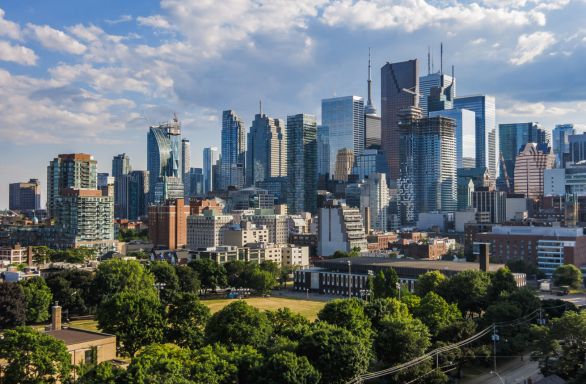
According to RE/MAX brokers, affordability trumps all other factors for homebuyers scouting neighbourhoods in Ontario, in 86% of regions surveyed. The only exception is London, where affordability takes a back seat to amenities such as proximity to preferred schools and childcare options, greater access to outdoor recreation and walkability improvements. The “must haves” identified among Ontario homebuyers include greater access to green space (in 71% of regions surveyed); proximity to work and preferred schools (in 71% of regions) and improvements to public transportation (in 43% of regions). These priorities have shifted significantly in the last two years, thanks to lifestyle changes brought on by the pandemic, alongside high inflation, cost of living and rising interest rates.
In Ontario, quality of life was ranked as "satisfactory" in 50% of regions surveyed including Toronto, Brampton, London and Stratford, or "very satisfactory," as reported in Ottawa, Belleville and Wasaga Beach. Factors that would improve liveability in these regions include greater proximity to work and healthcare services, and improvements to public transit and walkability. Public transit specifically is an important factor in improving accessibility and supporting a shift toward the 15-minute neighbourhood concept, in regions such as Toronto, Ottawa and London. With that being said, consumer appetite to live in inter-connected cities is a strong contributor to making 15-minute neighbourhoods a reality. This is already being applied in Ottawa, London and Brampton, where new developments are designed with the principles of the concept in mind.
Ontario
Click here to read more

According to RE/MAX brokers, affordability, and proximity to preferred schools, grocery stores and green space are the top priorities for buyers when selecting a residential neighbourhood in Montreal, QC. Post-pandemic, these priorities have not shifted, and they’re not expected to soon. The pandemic altered a few trends in the market, however, buyer considerations like accessible transit, affordability and proximity to good schools will always be priorities to buyers in the area. That being said, the "15-minute neighbourhood" concept is achievable within Montreal, but only within the city’s most expensive areas, such as the city centre, where residents already enjoy a high-quality of life with access to good education, safe neighbourhoods and an overall, joi de vivre you can’t find anywhere else in Canada.
Quality of life in Montreal is described as "very satisfactory," especially within the city centre; however, major infrastructure developments are anticipated to improve conditions in the Greater Montreal Area, beyond the city centre. For instance, the new Réseau express métropolitain (REM), which as has been under construction over the past couple of years, will include 26 new stations within Greater Montreal over 67km of track. The project’s construction alone has impacted residential sales further from Montreal’s core, illustrating the value of living close to services like transit. This new light rail development is anticipated to facilitate the 15-minute neighbourhood ideal in Montreal, by making reliable transit options more accessible to residents and ideally, reducing reliance on driving as a primary transportation method.
Montreal
Click here to read more
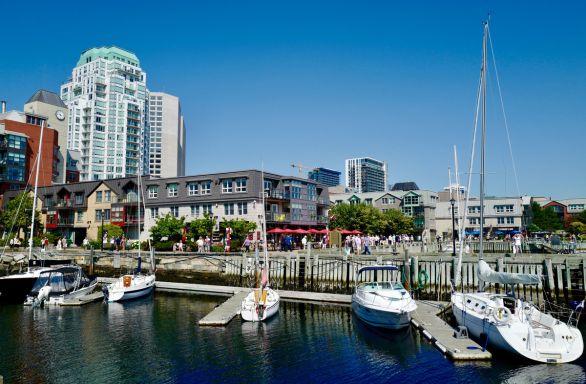
According the RE/MAX brokers, affordability is the most important factor for homebuyers choosing a neighbourhood in St, John's, NL, Charlottetown, PEI and Moncton, NB, due to ongoing pressures of housing demand, as well as economic circumstances. Halifax, NS is outlier to the trend.
Due to the low-density nature of Atlantic Canada, homebuyers prioritize proximity to schools (in 100% of regions surveyed), public transit (in 50% of regions), green space (in 50% of regions), and childcare and grocery stores (in 25% of regions). As such, residents must rely on vehicles as their primary mode of transportation, making driveability between neighbourhoods and everyday necessities a strong consideration for prospective buyers.
Atlantic Canada ranked as "very satisfactory" for quality of life, attributed to the availability of family-friendly amenities, relative affordability as compared to other provinces, and proximity to nature. However, a common pain-point for residents is the long distance between home and work. Thus, closing the gap with improvements to public transportation (something that is already underway in cities like Charlottetown, PEI) is key to boosting local liveability. Due to current infrastructure and the resulting the reliance on cars, implementing neighbourhoods that are a 15-minute drive to amenities and necessities would be more feasible where walking, biking and public transportation are already prioritized.
Artlantic Canada
Click here to read more
About the RE/MAX Network
As one of the leading global real estate franchisors, RE/MAX, LLC is a subsidiary of RE/MAX Holdings (NYSE: RMAX) with more than 140,000 agents in almost 9,000 offices with a presence in more than 110 countries and territories. Nobody in the world sells more real estate than RE/MAX, as measured by residential transaction sides. RE/MAX was founded in 1973 by Dave and Gail Liniger, with an innovative, entrepreneurial culture affording its agents and franchisees the flexibility to operate their businesses with great independence. RE/MAX agents have lived, worked and served in their local communities for decades, raising millions of dollars every year for Children’s Miracle Network Hospitals® and other charities. To learn more about RE/MAX, to search home listings or find an agent in your community, please visit remax.ca. For the latest news from RE/MAX Canada, please visit blog.remax.ca.
As regions that have remained relatively stable over the last couple of years, these priorities have not shifted significantly and in fact, they are expected to remain the same in Vancouver, BC; Kelowna, BC and Regina, SK. Although quality of life is considered satisfactory in regions such as Vancouver, BC, Winnipeg, MB and Medicine Hat, AB, having greater proximity to work, and better access to public transit, bike lanes and/or walking paths, preferred schools and medical services were identified as factors that would boost liveability. Meanwhile, RE/MAX brokers in cities such as, Kelowna, BC and Regina, SK, where many neighbourhoods already capture the spirit of the 15-minute neighbourhood in some capacity, would rank quality of life as very satisfactory.
In Ontario, quality of life was ranked as "satisfactory" in 50% of regions surveyed including Toronto, Brampton, London and Stratford, or "very satisfactory," as reported in Ottawa, Belleville and Wasaga Beach. Factors that would improve liveability in these regions include greater proximity to work and healthcare services, and improvements to public transit and walkability. Public transit specifically is an important factor in improving accessibility and supporting a shift toward the 15-minute neighbourhood concept, in regions such as Toronto, Ottawa and London. With that being said, consumer appetite to live in inter-connected cities is a strong contributor to making 15-minute neighbourhoods a reality. This is already being applied in Ottawa, London and Brampton, where new developments are designed with this concept in mind.
According to RE/MAX brokers, affordability trumps all other factors for homebuyers scouting neighbourhoods in Ontario, in 86% of regions surveyed. The only exception is London, where affordability takes a back seat to amenities such as proximity to preferred schools and childcare options, greater access to outdoor recreation and walkability improvements. The “must haves” identified among Ontario homebuyers include greater access to green space (in 71% of regions surveyed); proximity to work and preferred schools (in 71% of regions) and improvements to public transportation (in 43% of regions). These priorities have shifted significantly in the last two years, thanks to lifestyle changes brought on by the pandemic, alongside high inflation, cost of living and rising interest rates.
Ontario
Click here to read more
Quality of life in Montreal is described as "very satisfactory," especially within the city centre; however, major infrastructure developments are anticipated to improve conditions in the Greater Montreal Area, beyond the city centre. For instance, the new Réseau express métropolitain (REM), which as has been under construction over the past couple of years, will include 26 new stations within Greater Montreal over 67km of track. The project’s construction alone has impacted residential sales further from Montreal’s core, illustrating the value of living close to services like transit. This new light rail development is anticipated to facilitate the 15-minute neighbourhood ideal in Montreal, by making reliable transit options more accessible to residents and ideally, reducing reliance on driving as a primary transportation method.
According to RE/MAX brokers, affordability, and proximity to preferred schools, grocery stores and green space are the top priorities for buyers when selecting a residential neighbourhood in Montreal, QC. Post-pandemic, these priorities have not shifted, and they’re not expected to soon. The pandemic altered a few trends in the market, however, buyer considerations like accessible transit, affordability and proximity to good schools will always be priorities to buyers in the area. That being said, the "15-minute neighbourhood" concept is achievable within Montreal, but only within the city’s most expensive areas, such as the city centre, where residents already enjoy a high-quality of life with access to good education, safe neighbourhoods and an overall, joi de vivre you can’t find anywhere else in Canada.
Montreal
Click here to read more
Atlantic Canada ranked as "very satisfactory" for quality of life, attributed to the availability of family-friendly amenities, relative affordability as compared to other provinces, and proximity to nature. However, a common pain-point for residents is the long distance between home and work. Thus, closing the gap with improvements to public transportation (something that is already underway in cities like Charlottetown, PEI) is key to boosting local liveability. Due to current infrastructure and the resulting the reliance on cars, implementing neighbourhoods that are a 15-minute drive to amenities and necessities would be more feasible where walking, biking and public transportation are already prioritized.
According the RE/MAX brokers, affordability is the most important factor for homebuyers choosing a neighbourhood in Stl, John's, NL, Charlottetown, PEI and Moncton, NB, due to ongoing pressures of housing demand, as well as economic circumstances. Halifax, NS is outlier to the trend.
Due to the low-density nature of Atlantic Canada, homebuyers prioritize proximity to schools (in 100% of regions surveyed), public transit (in 50% of regions), green space (in 50% of regions), and childcare and grocery stores (in 25% of regions). As such, residents must rely on vehicles as their primary mode of transportation, making driveability between neighbourhoods and everyday necessities a strong consideration for prospective buyers.
Atlantic Canada
Click here to read more
Driving sprawl drives costs, not affordability.
According to Canada Mortgage and Housing Corporation, single-detached homes were the dwelling type with the most construction starts and completions between January and December of 2022 – and this is the crux of the problem. While inventory is increasing; existing urban sprawl is being exacerbated by a continued focus on one design of monoculture-type housing, with all sorts of unintended consequences, such as gentrification, impacts to housing price value, mortgage rates and rising insurance premiums and availability (i.e., According to the Insurance Bureau of Canada, 10 per cent of homes across Canada are uninsurable for flood risk) due to higher extreme weather risks. For many developers, single-family homes can be a more lucrative play in the short term, but in truth, the price of sprawl can become a hidden cost for Canadians in the long term. The distance between homes and amenities such as grocery, restaurants, gyms, offices and retailers is so large that property taxes may not always cover the maintenance of the infrastructure.
According to Bakos, both green and hard infrastructure is being depleted, adding to the growing number of homes that risk being uninsurable, and quality of life is increasingly being sacrificed. According to Saxe, it is also expensive to maintain and heat, has a negative climate change impact, and destroys nature/farmland.
The answer is diverse densification.
The focus should be on improving and adding diversity to the types of dwellings we are building and designing cities with the objective of increasing densification, not widening sprawl – a key pillar in the concept of the walkable neighbourhood. This approach to city design maximizes land and opens the opportunity to be more innovative with the types of homes that are built, and the locations where they are developed. According to Greenberg, caveat is that densification does not always need to mean “higher” (although in some cases it can and should) exclusively – a key mistake large cities – North American cities repeatedly make by limiting growth to only a very small area of their land. Done right, densification should diversify building types, including high, low, and medium-rise, beside existing single-family dwellings.
As Greenberg notes, cities that are rapidly growing their footprint and population should prioritize increased supply of “missing middle” housing instead of only focusing on single-family detached and semi-detached properties. According to Saxe, constructing a lot of missing middle can help cities avoid the current sprawl and tall dynamic that is too common in Canada. The “missing middle” includes side-by-side and stacked duplexes, fourplexes, triplexes, multiplexes, low rise apartment buildings and more, and develop them on existing available lands. In addition to loosening zoning laws and reducing red tape, there are opportunities to transform empty buildings, shopping centres, commercial offices and even parking lots into residential neighbourhoods. For small cities across the country that are on the cusp of growth - and have not yet found themselves in zones of monoculture inventory, like their large urban counterparts - this is especially important. According to Saxe, a missing middle approach only works if they are allowed nearly everywhere in a city (e.g. like in Europe) or tall buildings are needed to make up for the gap in inventory.


• High rises are more energy- and resource-intensive than medium-density developments.
• High-rises consume a large amount of energy because of their heating and air conditioning needs.
• Energy consumption and construction costs drive prices up, making homes increasingly unaffordable and, in some cases, contributing to gentrification.
• Income needed to access high-rise buildings acts as an exclusionary socio-economic filtering system.
Hover to explore the impacts of vertical sprawl
The hard and soft infrastructure is needed.


are the non-physical elements and systems that contribute to the functioning, liveability and sustainability of urban areas. The intangible elements that shape social, economic and environmental aspects of a city. Examples include:
• Public spaces and parks
• Pedestrian and cycling networks (sidewalks, crosswalks, bike lanes, shared paths)
• Public transportation systems (buses, trains, trams and subways)
• Wayfinding and signage (signs, maps and navigation aids)
• Social Services and community facilities (schools, libraries healthcare centres, community centres and public amenities)
• Cultural and artistic features (events, landmarks, festivals and preservation of historical buildings)
• Environmental sustainability initiatives (green spaces, urban gardens, renewable energy systems, waste management programs and water conservation measures)
Soft infrastructure
are physical elements and systems essential for function, development and connectivity of urban areas. It encompasses the tangible and built components that provide the framework for transit, utilities and built environments. Examples include:
• Transportation networks (highways, bridges, tunnels, traffic signals, signage and parking facilities)
• Water and sewer systems (pipelines, treatment plants, reservoirs and pumping stations)
• Energy distribution systems (power plants, electrical grids, substations)
• Communication networks (such as telephone lines, cellular networks, wi-fi)
• Waste management infrastructure (waste collection trucks, recycling centers, landfills and water treatment facilities)
• Public facilities (including schools. hospitals, government offices and libraries)
• Utilities (gas pipelines, water supply networks, electrical grids and telecommunication structures)
Hard infrastructure
"Hard infrastructure is the backbone of all cities – essential to ensuring the function, safety and access to every-day services. Meanwhile, soft infrastructure is vital to creating inclusive communities that foster the social cohesion the 15-minute neighbourhood aspires to. Making them both non-negotiable cornerstones that are needed to bring the 15-minute neighbourhood and all its benefits to life. Now, boosting supply supersedes everything - yet prohibiting hard infrastructure to be in place can lead to unintended consequences like flooding, higher insurance premiums and even empty inventory,” says Greenberg.
As noted by Greenberg, a neighbourhood cannot sustainably exist without proper and effective public transportation systems; social services such as healthcare centres and schools; green space, urban gardens and water and conservation measures; energy distribution systems such as power plants; hospitals; pipelines; utilities such as gas pipelines, water supply networks and more. In fact, brokers and agents across the country attribute these elements as the key drivers impacting liveability.
34%
of Canadians said the lack of available public transit was a pain point in their every-day activities, while 23% said lack of greenspace, and 23% said lack of safe bike lanes and walkways, according to a Leger survey commissioned by RE/MAX.
The 15-minute neighbourhood is the most pragmatic route to achieving the ends that everyone wants - boosting supply, while improving liveability and affordability in the long-term. However, to make these communities feasible and equip them with the tools they need to thrive, collaboration between industry and municipalities is needed. Beyond developing a diversity of housing types in each neighbourhood, there needs to be proximity to schools, hospitals, cafes, parks, and the proper soft and hard infrastructure in place. In truth, if towns, cities and neighbourhoods are created inclusive of all these elements and with a vision for quality of life at the forefront, it could open greater space to increase housing supply to improve affordability.

–Christopher Alexander, President of RE/MAX Canada

Transforming empty space into productive residential inventory.
VS.
The transition toward hybrid and remote work has led to a surplus of underutilised commercial real estate, with many struggling to retain tenants – a trend that has been cause for economic concern, especially amid rising interest rates and Canadians’ continued appetite for flexible work arrangements. However, this scenario also opens the door the more housing through conversions – a segment of the market that is gaining traction.
RE/MAX Canada’s 2023 Commercial Real Estate Report found that a growing number of buildings in major city centres such as Halifax, Ottawa, Toronto, London and Winnipeg are being targeted for conversion to residential property. Yet, to be able to go the distance, municipal governments must provide developers with the support and incentives to make these transformations happen.

Read about the Downtown
Calgary Development
Incentive Plan
The Downtown Calgary Development Incentive Plan was introduced that offered a $75-per-square-foot subsidy for developers converting offices to residential dwellings. This will result in 1,200 more homes and approximately one million square feet of commercial real estate repurposed.
De-car and densify
“Unfortunately, many cities like Brampton, Edmonton and Winnipeg have become characterized for their sprawl, low density and homogenous residential neighbourhoods organized by income,” says Greenberg. “This form of city planning, that is also automobile generated, has failed us in many ways and has contributed to highway congestion, depleted farmland, increased carbon emissions, and has even caused chronic diseases stemming from sedentary lifestyles, social isolation and lack of affordability.”
As small cities on the cusp of growth, such as Moncton, St. John’s and Stratford, are built and developed, it is imperative that the focus is on densification rather than sprawl, the latter of which is dependent on automobiles. In theory, cars can provide the best of both worlds - access to a quiet town with more affordable housing and proximity to large urban centres. In reality, for many commuters this means spending most of their time in their car.
When the car was introduced, it provided people with the promise of the freedom of movement, but fast-forward to our current, car-oriented, high-emissions lifestyle that is less likely to foster engagement between people.
“Cars have dispersed the basic functions of our lives and created vast gaps between where we work, shop and seek entertainment,” says Greenberg. “In turn, we have sacrificed many of the advantages of compact urban living, such as being able to walk to places of culture and business, having viable public transportation and access to a wealth of amenities that are not as easily supported with urban sprawl. Our streets have stopped being shared social spaces and instead, single-purpose roads.”
It is not about eliminating the car entirely, but rather creating a better balance between the modes of transportation available in a city, with a choose of driving, biking, efficient public transportation and walking to their desired destination, without sacrificing the environment, their money or their time. For this, cities must be designed to accommodate, offer and embrace all of these forms of transportation.
68%
According to RE/MAX brokers and agents in regions such as, Halifax, NS, St. John’s NL, Charlottetown and Moncton, NB, residents have an over-reliance on cars due to the large distances and sprawl between residences and places of work.
of regions across Canada cite having greater proximity to work and 50% indicate additional public transit, as key factors that will improve liveability.

Going the extra mile
One of the challenges that will continue to be a roadblock is that many new developments are focused on for-market housing - and although, there is a shortage of homes for purchase, there is a need for non-market housing as well. Co-ops and subsidised housing ensure that individuals from a diverse socio-economic background have access to neighbourhoods and communities – an important pillar in avoiding gentrification and affordability barriers that often arise as neighbourhoods flourish, as has been the case in many cities across the country.
“Absent a real directed strategy targeting affordability, our housing crisis will not be solved with just supply,” warns Greenberg. “We need a national housing plan that explicitly allocates a percentage of new home-builds toward subsidized, mixed-income and equity co-ops in perpetuity. Without this, no amount of supply and development will provide the diverse and vibrant community that the 15-minute neighbourhood aspires to.”
Key Takeaways


Beyond building homes alone, there must be a variety of types within each neighbourhood (high-rise, mid-rise, detached, semi-detached and the “missing middle”). This is imperative to ensure homes fall within a wider-price range, making them affordable to more Canadians.
1. Diversity within densification:
For 15-minute neighbourhoods to reach the ideal they aspire to, the proper soft and hard infrastructure will need to be in place – these are the systems that allow communities to thrive and quality of life to flourish.
2. Hard and soft infrastructure are non-negotiable:
There is opportunity amid declining demand for commercial office space, empty retail space and, parking lots to transform them into residential property. For this to happen, governments must reduce red-tape by expanding zoning laws and incentivize developers to use this real estate.
3. Transform empty space into productive, residential communities:
Car has become king and over-reliance on vehicles has fed urban sprawl, leading to a poor use of space and driving Canadians apart. This has negative long-term impacts on the environment, as well as the physical and mental health of Canadians. Cities should be designed to encourage and foster the use of various modes of transportation, by accounting for bike lanes on all streets; implementing fast and accessible public transportation; and building walking paths throughout neighbourhoods.
4. Balance in transportation:
For cities to avoid falling into the trap of gentrification and ensuring equitable housing, a mix of housing needs to be incorporated. Within each neighbourhood there should be balance between market housing, subsidized housing, mixed-income housing and co-ops.
5. A mix of housing:
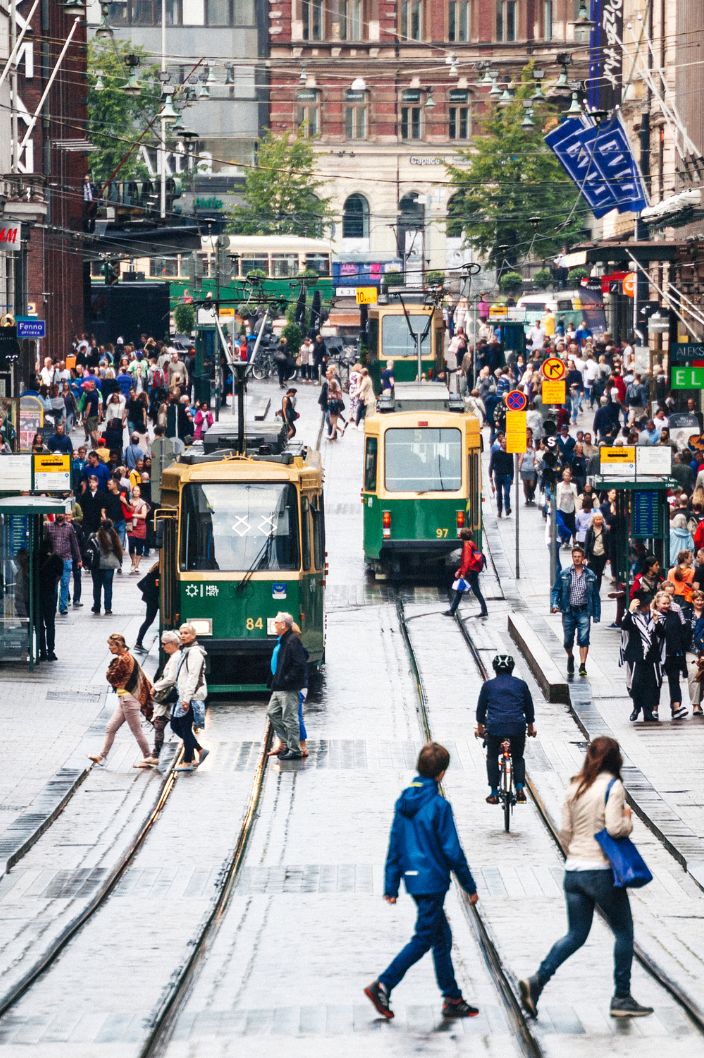
Finland: The happiest place on Earth
Finland has ranked #1 as the happiest country for six years in a row. The country implemented a mandate where at least 25% of new developments must be affordable subsidy housing, with the remaining being a combination of for-market and mixed-income housing. This has been a strong contributor in reducing homelessness and preventing social segregation.

Driving sprawl drives costs, not affordability.
According to Canada Mortgage and Housing Corporation, single-detached homes were the dwelling type with the most construction starts and completions between January and December of 2022 – and this is the crux of the problem. While inventory is increasing; existing urban sprawl is being exacerbated by a continued focus on one design of monoculture-type housing, with all sorts of unintended consequences, such as gentrification, impacts to housing price value, mortgage rates and rising insurance premiums and availability (i.e., According to the Insurance Bureau of Canada, 10 per cent of homes across Canada are uninsurable for flood risk) due to higher extreme weather risks. For many developers, single-family homes can be a more lucrative play in the short term, but in truth, the price of sprawl can become a hidden cost for Canadians in the long term. The distance between homes and amenities such as grocery, restaurants, gyms, offices and retailers is so large that property taxes may not always cover the maintenance of the infrastructure.
According to Bakos, both green and hard infrastructure is being depleted, adding to the growing number of homes that risk being uninsurable, and quality of life is increasingly being sacrificed. According to Saxe, it is also expensive to maintain and heat, has a negative climate change impact, and destroys nature/farmland.
“In Canada, we have a shortage of affordable housing, not a shortage of land, and until the government and all relevant decision-makers recognize this, we will fail to make headway toward our collective goal of improving affordability,” says Ken Greenberg, principal urban designer of Greenberg Consultants. “The concept of the 15-minute neighbourhood and the city design principles that it champions, increase diversity of housing and maximize inventory much more effectively than sprawl. This opens pockets of affordability and wider range of price-points within the real estate market.”
The answer is diverse densification.
The focus should be on improving and adding diversity to the types of dwellings we are building and designing cities with the objective of increasing densification, not widening sprawl – a key pillar in the concept of the 15-minute neighbourhood. This approach to city design maximizes land and opens the opportunity to be more innovative with the types of homes that are built, and the locations where they are developed. According to Greenberg, caveat is that densification does not always need to mean “higher” (although in some cases it can and should) exclusively – a key mistake large cities – North American cities repeatedly make by limiting growth to only a very small area of their land. Done right, densification should diversify building types, including high, low, and medium-rise, beside existing single-family dwellings.
As Greenberg notes, cities that are rapidly growing their footprint and population should prioritize increased supply of “missing middle” housing instead of only focusing on single-family detached and semi-detached properties. According to Saxe, constructing a lot of missing middle can help cities avoid the current sprawl and tall dynamic that is too common in Canada. The “missing middle” includes side-by-side and stacked duplexes, fourplexes, triplexes, multiplexes, low rise apartment buildings and more, and develop them on existing available lands. In addition to loosening zoning laws and reducing red tape, there are opportunities to transform empty buildings, shopping centres, commercial offices and even parking lots into residential neighbourhoods. For small cities across the country that are on the cusp of growth - and have not yet found themselves in zones of monoculture inventory, like their large urban counterparts - this is especially important. According to Saxe, a missing middle approach only works if they are allowed nearly everywhere in a city (e.g. like in Europe) or tall buildings are needed to make up for the gap in inventory.
"Hard infrastructure is the backbone of all cities – essential to ensuring the function, safety and access to every-day services. Meanwhile, soft infrastructure is vital to creating inclusive communities that foster the social cohesion the 15-minute neighbourhood aspires to. Making them both non-negotiable cornerstones that are needed to bring the 15-minute neighbourhood and all its benefits to life. Now, boosting supply supersedes everything - yet prohibiting hard infrastructure to be in place can lead to unintended consequences like flooding, higher insurance premiums and even empty inventory,” says Greenberg.
As noted by Greenberg, a neighbourhood cannot sustainably exist without proper and effective public transportation systems; social services such as healthcare centres and schools; green space, urban gardens and water and conservation measures; energy distribution systems such as power plants; hospitals; pipelines; utilities such as gas pipelines, water supply networks and more. In fact, brokers and agents across the country attribute these elements as the key drivers impacting liveability.
The hard and soft infrastructure is needed.
34%
of Canadians said the lack of available public transit was a pain point in their every-day activities, while 23% said lack of greenspace, and 23% said lack of safe bike lanes and walkways, according to a Leger survey commissioned by RE/MAX.

Click to explore the impacts of vertical sprawl
• High-rises are more energy- and resource-intensive than medium-density developments.
• High-rises consume a large amount of energy because of their heating and air conditioning needs.
• Energy consumption and construction costs drive prices up, making homes increasingly unaffordable and, in some cases, contributing to gentrification.
• Income needed to access high-rise buildings acts as an exclusionary socio-economic filtering system.
Soft Infrastructure
are the non-physical elements and systems that contribute to the functioning, liveability and sustainability of urban areas. The intangible elements that shape social, economic and environmental aspects of a city. Examples include:
• Public spaces and parks
• Pedestrian and cycling networks (sidewalks, crosswalks, bike lanes, shared paths)
• Public transportation systems (buses, trains, trams and subways)
• Wayfinding and signage (signs, maps and navigation aids)
• Social Services and community facilities (schools, libraries healthcare centres, community centres and public amenities)
• Cultural and artistic features (events, landmarks, festivals and preservation of historical buildings)
• Environmental sustainability initiatives (green spaces, urban gardens, renewable energy systems, waste management programs and water conservation measures)
hard Infrastructure
are physical elements and systems essential for function, development and connectivity of urban areas. It encompasses the tangible and built components that provide the framework for transit, utilities and built environments. Examples include:
• Transportation networks (highways, bridges, tunnels, traffic signals, signage and parking facilities)
• Water and sewer systems (pipelines, treatment plants, reservoirs and pumping stations)
• Energy distribution systems (power plants, electrical grids, substations)
• Communication networks (such as telephone lines, cellular networks, wi-fi)
• Waste management infrastructure (waste collection trucks, recycling centers, landfills and water treatment facilities)
• Public facilities (including schools. hospitals, government offices and libraries)
• Utilities (gas pipelines, water supply networks, electrical grids and telecommunication structures)
What's the different between soft and hard infrastructure?

Read about the Downtown Calgary Development Incentive Plan
The Downtown Calgary Development Incentive Plan was introduced that offered a $75-per-square-foot subsidy for developers converting offices to residential dwellings. This will result in 1,200 more homes and approximately one million square feet of commercial real estate repurposed.
68%
of regions across Canada cite having greater proximity to work and 50% indicate additional public transit, as key factors that will improve liveability, according to RE/MAX brokers surveyed.
Finland: The happiest place on Earth
Finland has ranked #1 as the happiest country for six years in a row. The country implemented a mandate where at least 25% of new developments must be affordable subsidy housing, with the remaining being a combination of for-market and mixed-income housing. This has been a strong contributor in reducing homelessness and preventing social segregation.
Look for these elements: different types of buildings (high, medium, low rise), local community buildings, stores and businesses, public transit, bike lanes, accessible sidewalks. Photography and video by Tom Ryaobi
Rather than sprawling beyond our smaller communities’ preexisting boundaries to build new homes onprotected lands where homes are often susceptible to extreme weather conditions, the objective should be touse land more creatively, more pragmatically, with diverse housing types and transportation solutions.
Explore the Walkable Neighbourhood
Look for these elements: different types of buildings (high, medium, low rise), local community buildings, stores and businesses, public transit, bike lanes, accessible sidewalks. Photography and video by Tom Ryaobi
Rather than sprawling beyond our smaller communities’ preexisting boundaries to build new homes onprotected lands where homes are often susceptible to extreme weather conditions, the objective should be touse land more creatively, more pragmatically, with diverse housing types and transportation solutions.
Explore the Walkable Neighbourhood