1 – 26 August 2021
Security operations analysts utilized Seerist’s Pulse stability model and threat monitoring software to track the rapidly changing security situation in Afghanistan as the Taliban swept through the country.
Afghanistan Exit Tracked by Seerist Threat Monitoring Software
Escalating tensions: The strongly worded statement by SAF spokesperson Nabil Abdallah said that RSF troops had deployed without coordination with the SAF, in violation of “the directives of the central and state security committees.” The army warned the RSF to abide by existing security protocols. The current dispute stems from plans to regularise the RSF by integrating the paramilitary organisation into the SAF command structures, a move heavily resisted by the RSF.
The civilian Forces for Freedom and Change (FFC) coalition on 13 April urged the security forces to avoid any escalation and blamed “remnants of the former regime” of former president Omar al-Bashir (1989-2019) for stirring up tensions to derail the transition to a civilian-led government. Several other groups including the current holdout groups to the December 2022 framework agreement such as the Sudan Revolutionary Front (SRF) and international diplomats urged the RSF and SAF to negotiate their differences and avoid armed conflict.
Escalating tensions: The strongly worded statement by SAF spokesperson Nabil Abdallah said that RSF troops had deployed without coordination with the SAF, in violation of “the directives of the central and state security committees.” The army warned the RSF to abide by existing security protocols. The current dispute stems from plans to regularise the RSF by integrating the paramilitary organisation into the SAF command structures, a move heavily resisted by the RSF.
The civilian Forces for Freedom and Change (FFC) coalition on 13 April urged the security forces to avoid any escalation and blamed “remnants of the former regime” of former president Omar al-Bashir (1989-2019) for stirring up tensions to derail the transition to a civilian-led government. Several other groups including the current holdout groups to the December 2022 framework agreement such as the Sudan Revolutionary Front (SRF) and international diplomats urged the RSF and SAF to negotiate their differences and avoid armed conflict.
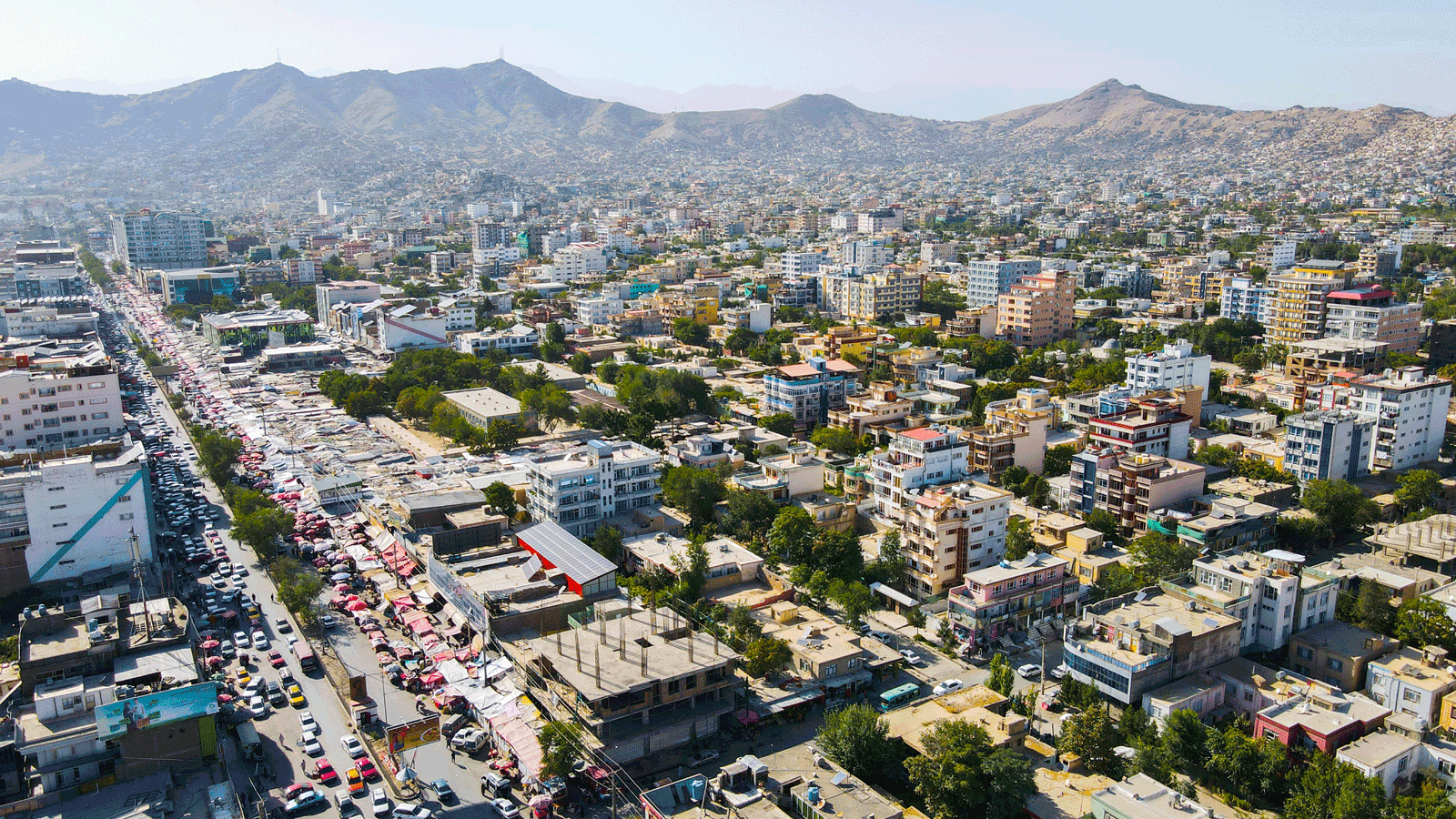

As unrest increased across Afghanistan in 2021, Seerist’s stability model, PulseAI, continuously measured changes in stability for the regions that teams were operating in across the country.
Using a minimum acceptable threshold of stability, analysts monitored changes in 11 regions across the country. By comparing the combined risk score to the changing stability levels and forecasted stability in Kabul, they determined the situation was quickly worsening.
BRIEF
Click arrow to jump down to next section
SITUATION REPORT

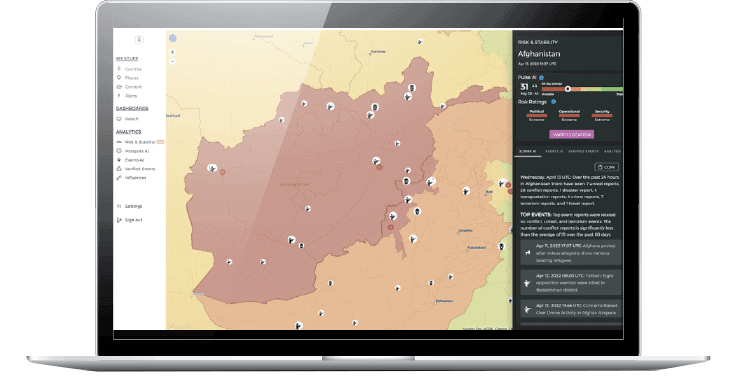
While Afghanistan’s regional stability steadily decreased, users were able to track the Pulse score and breaking events via the Watch dashboard.
When Kabul’s score dropped at the same rate as the regions, the security team, using advanced threat monitoring software, recommended that leadership evacuate employees. This AI-driven, human-validated assessment ensured all personnel were safely evacuated 8 days before the Taliban captured Kabul.
PulseAI reached its lowest point—a 70% decrease from weeks prior—on August 1 as the Taliban heightened its offensive. By August 15, the Taliban had taken control of various provincial capitals and Kabul.
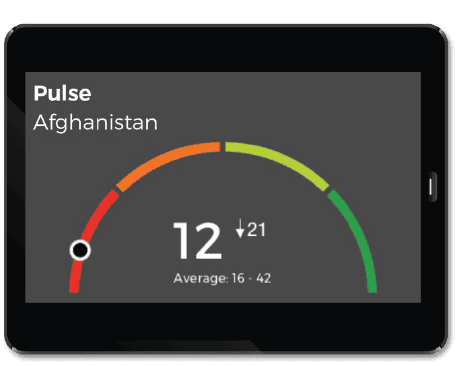
As the Pulse score cratered following the Taliban’s insurgence, analysts were able to make informed decisions to evacuate their personnel in the area.
As the Taliban advanced, regional Pulse stability scores declined, serving as early action indicators for stakeholders using Seerist. In the days preceding the August 26 suicide bombing at Kabul’s Hamid Karzai International Airport, Pulse scores again dropped significantly, reflecting continued instability as personnel and civilians evacuated.
As unrest in the area persisted, Seerist became an invaluable resource to protect users’ personnel and resources throughout the conflict.

august
31
Original planned exit
august
7
Revised
exit
august
15
collapse

Request a demo
Request a demo to see how Seerist can support your security and intelligence efforts.
Explore Seerist Today