Discover Unique Adventures at These Five Minnesota State Parks and Forests
Sponsored Content by
Learn More
February 5, 2024
Qorem ipsum dolor sit amet consectetur adipiscing elit nunc vulputate libero et
February 5, 2024
Explore Minnesota
Qorem ipsum dolor sit amet consectetur adipiscing elit nunc vulputate libero et
February 5, 2024
Lorem ipsum dolor sit amet consectetur adipiscing elit
February 5, 2024
You Might Also Like
Qorem ipsum dolor sit amet consectetur adipiscing elit nunc vulputate libero et
Sponsored Content by
Explore Minnesota

From towering pines and fish-filled lakes to iconic wilderness areas, Minnesota’s parks and forests have it all.
When it comes to natural beauty, Minnesota has it all. You’ll find vast prairies, expansive lakes, and both new and old-growth forests, not to mention bucolic river towns and big cities filled with theater, sports, and shopping options, including the largest mall in the Western Hemisphere.
Come spring, Minnesota’s Voyageurs National Park is celebrating its 50th anniversary. This remote, water-centric stunner is one of the country’s least visited national park sites—that’s reason enough to put it on your bucket list. Though when it comes to spots to visit, Voyageurs is only the beginning for the state.
Here in Minnesota, the great outdoors is calling. The state is home to more than 64 state parks and recreation areas—many of which are listed on the National Register of Historic Places—not to mention countless campgrounds and day-use areas. What’s more, many of these protected areas are renowned for their forests.
With so many offerings to choose from, as well as a range of experiences and activities available across the state, knowing where to start your adventure can be tricky. Read on to learn how to begin the adventure.
Beltrami Island State Forest
Europeans first began settling in the area that’s now Minnesota in the early 1820s. At the time, the land was home to about 31.5 million forested acres and 53 native tree species, including red and white cedar, hemlock, and spruce, as well as untouched boreal forest brimming with red and white pine, maple, and basswood trees. Due to a mapping error in 1822, a portion of the boreal forest, known as the Lost 40, was spared from logging and has some of Minnesota’s oldest red pines dating 230 to 240 years old. � �Lumber barons looking for new sources of quality wood realized they’d hit the jackpot here, and by the time they constructed the area’s second commercial sawmill near present-day Stillwater in 1940, the timber boom was well underway. � �By 1900, more than 2.3 billion board feet of lumber had been felled from Minnesota forests, exhausting primary wood stands and causing harvesting rates to decrease dramatically. Less than 30 years later, the area’s large-scale sawmilling industry was almost non-existent. � �Around that same time, the world entered the Great Depression—a global economic shutdown. To help stabilize the economy, President Franklin D. Roosevelt established the New Deal Program and in turn, the Civilian Conservation Corps (CCC), providing conservation work for men ages 18–25 in the great outdoors. In Minnesota alone, the CCC planted 124 seedlings through the state’s north, creating new growth forests that still exist today. � �These days, Minnesota is a leader in both land stewardship and sustainable forest management, utilizing modern logging practices that cause less damage to the forest floor while simultaneously increasing light and air, improving the forests’ overall health in the process. It’s considered a “second forest revolution,” one that treats the land as a renewable resource with the ability to accommodate economic as well as recreational and aesthetic requirements. There are also local organizations like the Parks and Trails Council of Minnesota, which have been working tirelessly to obtain outdoor land for public use. Since 1954, this particular non-profit has acquired more than 9,722 acres of land at 51 parks and trails.
A Delve into Minnesota’s Forests
Five State Parks in which Forests Play a Starring Role
Don’t miss these five Minnesota state parks where woodlands shine.
In the late 1800s, land surveyor Jacob Brower came to upper Minnesota to determine the true location of the Mississippi River headwaters. It was then that he saw first-hand the negative effects that logging was having on the area. Determined to protect the old-growth pine forests that remained, Brower labored to create a park that would protect the trees for future generations. Itasca became Minnesota’s first state park (and the second oldest in the country) on April 20, 1891, by a margin of only one vote.
1. Itasca State Park, Park Rapids
In addition to its virgin trees, Itasca is also home to the headwaters of the mighty Mississippi, which you can actually walk across right where it starts its 2,350-mile-long journey to the Gulf of Mexico. Later, go strolling among thick pine forests along the park’s 4.3 mile out-and-back Brower Trail, enjoy a scenic spin via bicycle or car along the tree-lined Wilderness Drive (it’s especially colorful in fall), or paddle the waters of the largest river on the continent. The park’s Itasca Sports rents out pontoons, paddle boats, kayaks, paddle boards, and bicycles for the perfect excursion.
Itasca’s more than 32,000-acre parkland also include the towering red pines of Preacher’s Grove, over 100 lakes, and dark skies ideal for stargazing, as well as an extensive array of wildlife—from woodpeckers and finches to black bears and wolves.
Built in 1905, Itasca’s historic Douglas Lodge is a two-story log structure that happens to be the oldest surviving building in the state park system, as well as the first to be constructed in the Rustic style. Along with overnight stays, the lodge’s seasonal restaurant offers a chance to dine "among the pines" on traditional Minnesota dishes like wild rice and cheese curds. Craving something sweet? The park’s Mary Gibbs Cafe, near the Mississippi headwaters, serves up heavenly slices of strawberry rhubarb pie.
The park features a family-friendly campground for RV and tent stays.
2. Scenic State Park, Bigfork
Pairing the jaw-dropping beauty of old-growth pine trees with the undeveloped shores of Sandwick and Coon lakes, there’s little wonder where Scenic State Park gets its name. This primitive beauty has 3,936 acres of virgin pine forests and a distinct wilderness-type setting. Look for bald eagles flying overhead, and keep an eye out for ospreys and hard-to-find spruce grouse.


Location
Nam non neque pulvinar, finibus odio ultrices, dapibus velit. Curabitur quis est quis elit tincidunt faucibus. Nullam congue magna turpis, non gravida nulla sodales non. Etiam dignissim risus at dolor commodo tempus.
Explore
3/3

Photo caption copy here
Location
Nam non neque pulvinar, finibus odio ultrices, dapibus velit. Curabitur quis est quis elit tincidunt faucibus. Nullam congue magna turpis, non gravida nulla sodales non. Etiam dignissim risus at dolor commodo tempus.
Explore
2/3
Photo caption copy here

Location
Nam non neque pulvinar, finibus odio ultrices, dapibus velit. Curabitur quis est quis elit tincidunt faucibus. Nullam congue magna turpis, non gravida nulla sodales non. Etiam dignissim risus at dolor commodo tempus.
Explore
1/3
Photo caption copy here
Tucked away in the Minnesota Northwoods, Bear Head Lake State Park is a land of dotted lakes, mixed forest, and resident wildlife that includes black bears, moose, and nesting eagles. The region was a major logging locale in the early 1900s, before several came in between 1911 and 1913 and swept the area and its forest. When two officials from the Division of Forestry visited the area in 1959, they could see its potential as a state park. It was officially designated in 1961.
Bear Head Lake State Park is known for its stands of white and red pine trees, which tower over birch, aspen and fir trees on its highlands, and tamarack, black spruce and white cedar that grow together on its lowlands, along with its miles of canoeable and kayakable shoreline. Together they make up a landscape similar to that of the nearby Boundary Waters Canoe Area Wilderness.
�The park’s 17 miles of hiking trails connect to the Taconite State Trail, a long-distance trek that extends 165 miles from Grand Rapids, Minnesota to Ely, Minnesota, twisting through aspen, birch, and pine forest leading to a plethora of remote lakes and streams.
�Along with the park’s namesake lake, 674-acre Bear Head, its various water bodies include Eagles Nest, a popular fishing lake for walleye, bass and northerns. Bear Head Lake State Park Campground features 73 campsites, the bulk of which are set back from the road and secluded by trees. There are also five all-season camper cabins and a guesthouse for groups.
3. Bear Head Lake State Park, Ely
Situated on Lake Superior’s north shore, Split Rock gets its name from its historic lighthouse—a 54-foot-tall cliff-top tower first lit in 1910. It’s now a historic site that’s open to the public. However, it’s just a small sampling of the park’s allure.
�Split Rock’s 12 miles of hiking trails include a small portion of the Superior Hiking Trail, a 310-mile-long rugged footpath that largely follows the rocky ridges overlooking Lake Superior, passing alongside scenic waterfalls and through spectacular stands of birch, spruce, fir, and ash trees. Mountain bikers have access to Split Rock Wilds, a growing backcountry trail system connecting Split Rock Lighthouse State Park with nearby Beaver Bay, while campers can choose among primitive sites along Lake Superior, as well as drive-in sites with electricity in the park’s Shipwreck Creek Campground.
Moose, black bears, and bobcats are all permanent park residents, while steel trout and brook trout permeate the fishable waters of the Split Rock River.
From Split Rock, it’s just under five miles south to Gooseberry Falls State Park, so named for its splendid multi-tier cascades. The park’s 18 miles of hiking trails wind among mixed evergreen, aspen and birch forests and include the 3.1-mile Fifth Falls loop trail, which leads to a smaller waterfall. Go rock-hunting at Agate Beach along the shores of Lake Superior, watch for ships along the ancient lava coastline known as the Picnic Flow, or peruse the park’s more than 80 CCC log and stone structures, including a highway concourse known as the Castle in the Park.
4. Split Rock Lighthouse State Park and Gooseberry Falls State Park, Two Harbors
At three-million acres, Superior National Forest is the largest national forest east of the Mississippi River. It sits on the southernmost edge of the boreal forest ecosystem and is home to the Boundary Waters Canoe Area Wilderness (BWCAW), a more than million-acre beauty filled with interconnected lakes and streams, uncut forest and remote wetlands where you’ll find over 1,200 miles of canoe- and kayak-only water routes. During the 18th and 19th centuries, Canadian voyageurs transported fur along these many channels. Now, paddlers utilize them as a pristine escape from the trials of everyday life.
Next
Next
Previous
Previous
BWCAW is also one of the world’s largest internationally certified Dark Sky Sanctuaries, a designated area that restricts light pollution, and a superb place for hiking among stands of pine, fur, and spruce trees. Overnight opportunities range from drive-in RV and tent sites to wilderness camping outside of the BWCAW, with thousands of spaces to choose from. There are plenty of watering holes and designated swimming areas as well.
5. Superior National Forest
Here in Minnesota we celebrate the unexpected, especially within our state parks. From Chippewa National Forest, a 666,621-acre wonderland that’s considered one of the country’s most aquatic national forests—with more than 400,000 acres of open water and wetlands—to Sand Dunes State Forest, a rolling landscape of oak savanna forest, prairielands, and pine plantations, and bursts of colorful spring wildflowers to boot, Minnesota offers collective permission to push past the ordinary and celebrate the unexpected, especially within its state parks. Come and explore it for yourself!
Making Minnesota Your Base
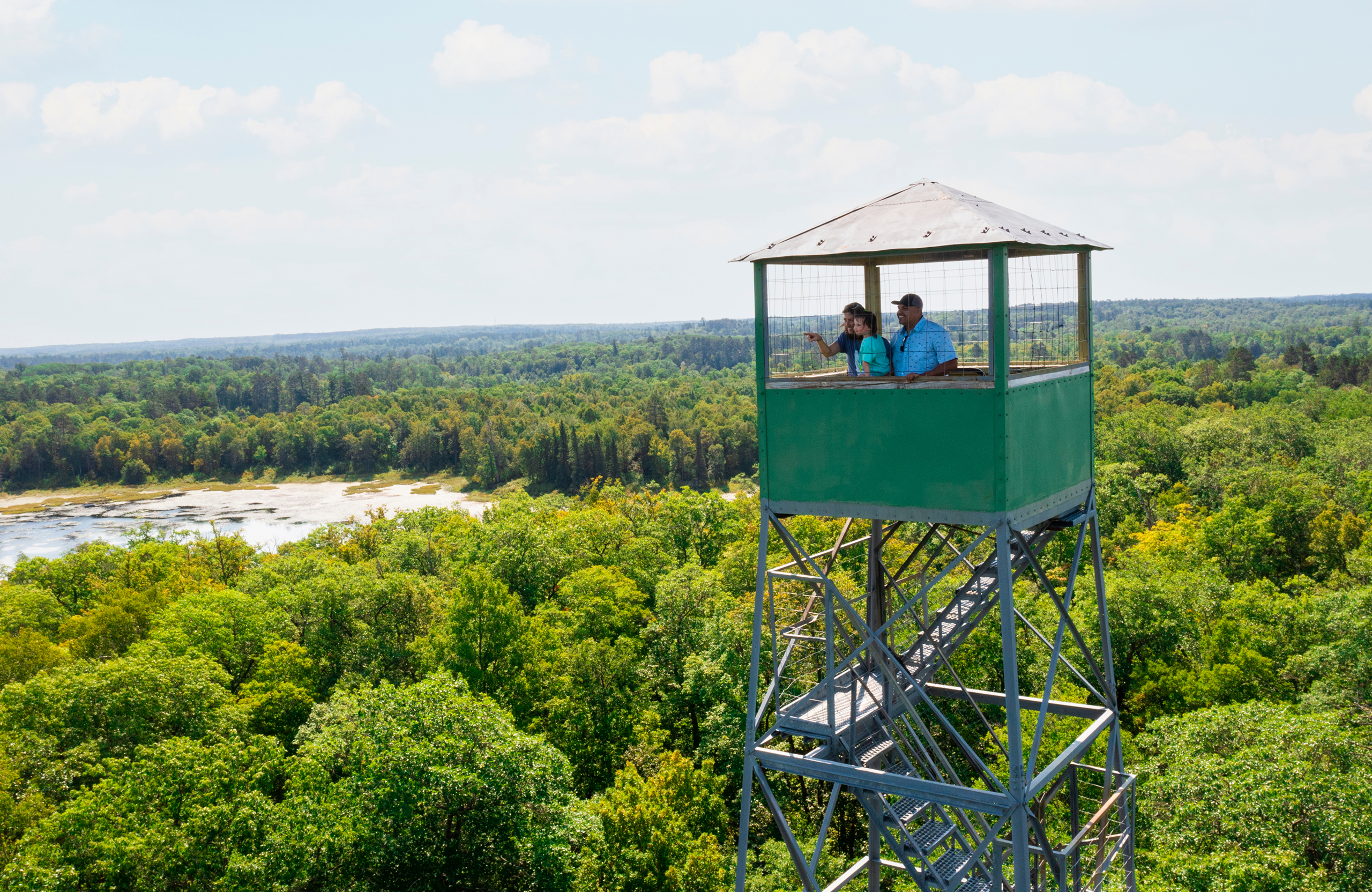
Itasca State Park, Park Rapids
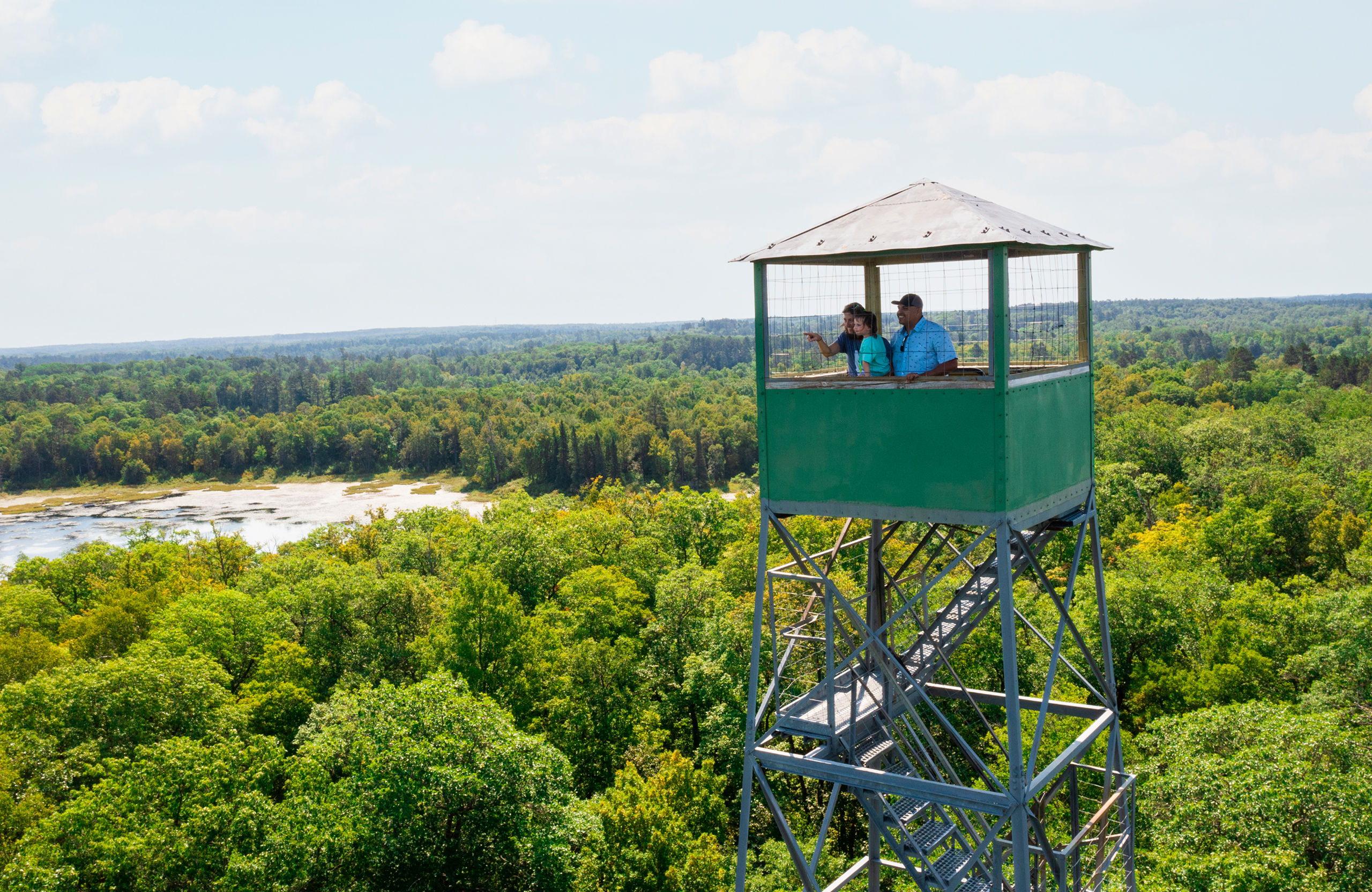
To soak in some of Itasca State Park’s most breathtaking views of the Mississippi River headwaters, take a gentle climb up the park’s fire tower.
Explore
3/3
© Explore Minnesota
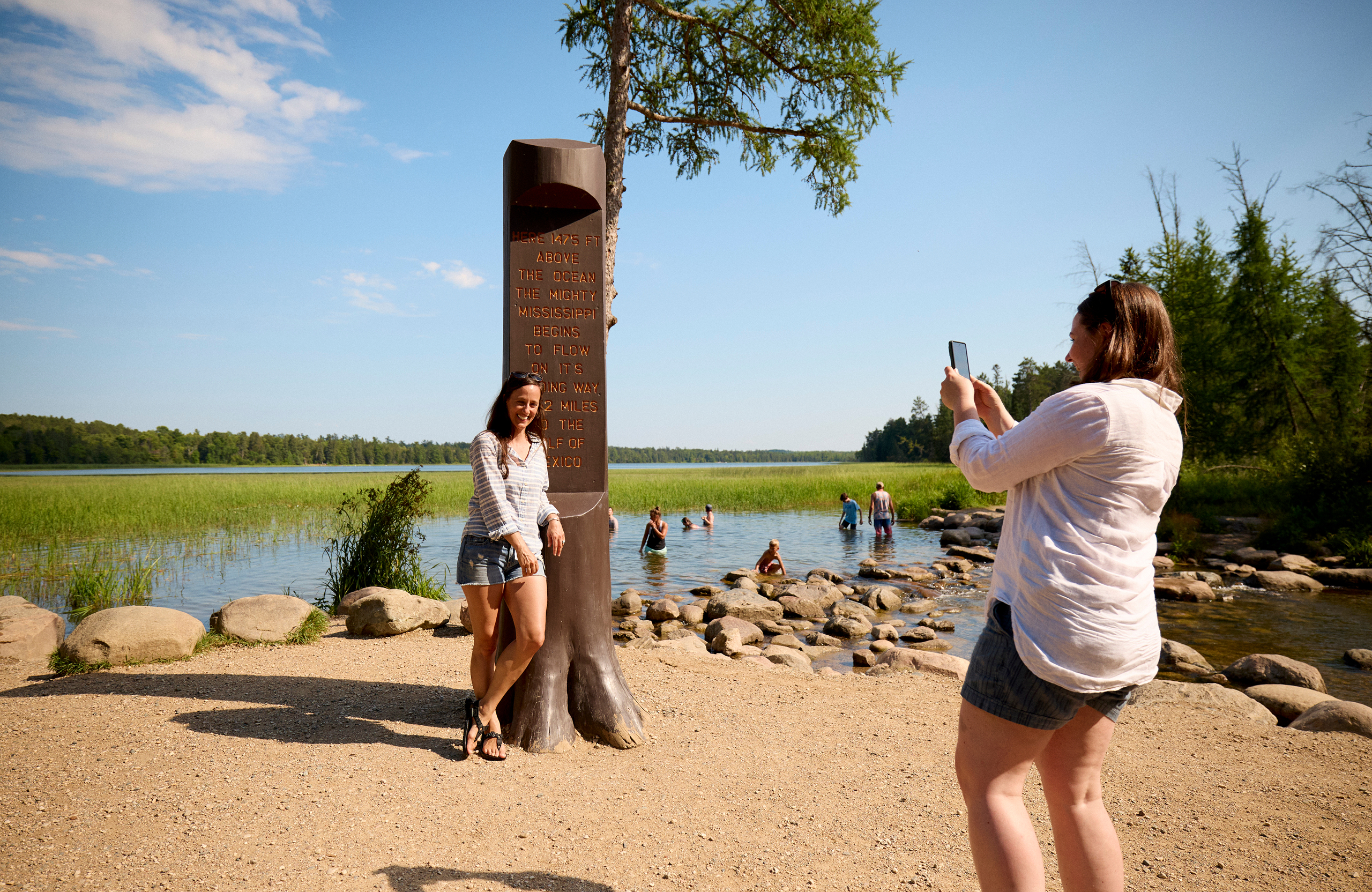
Itasca State Park, Park Rapids
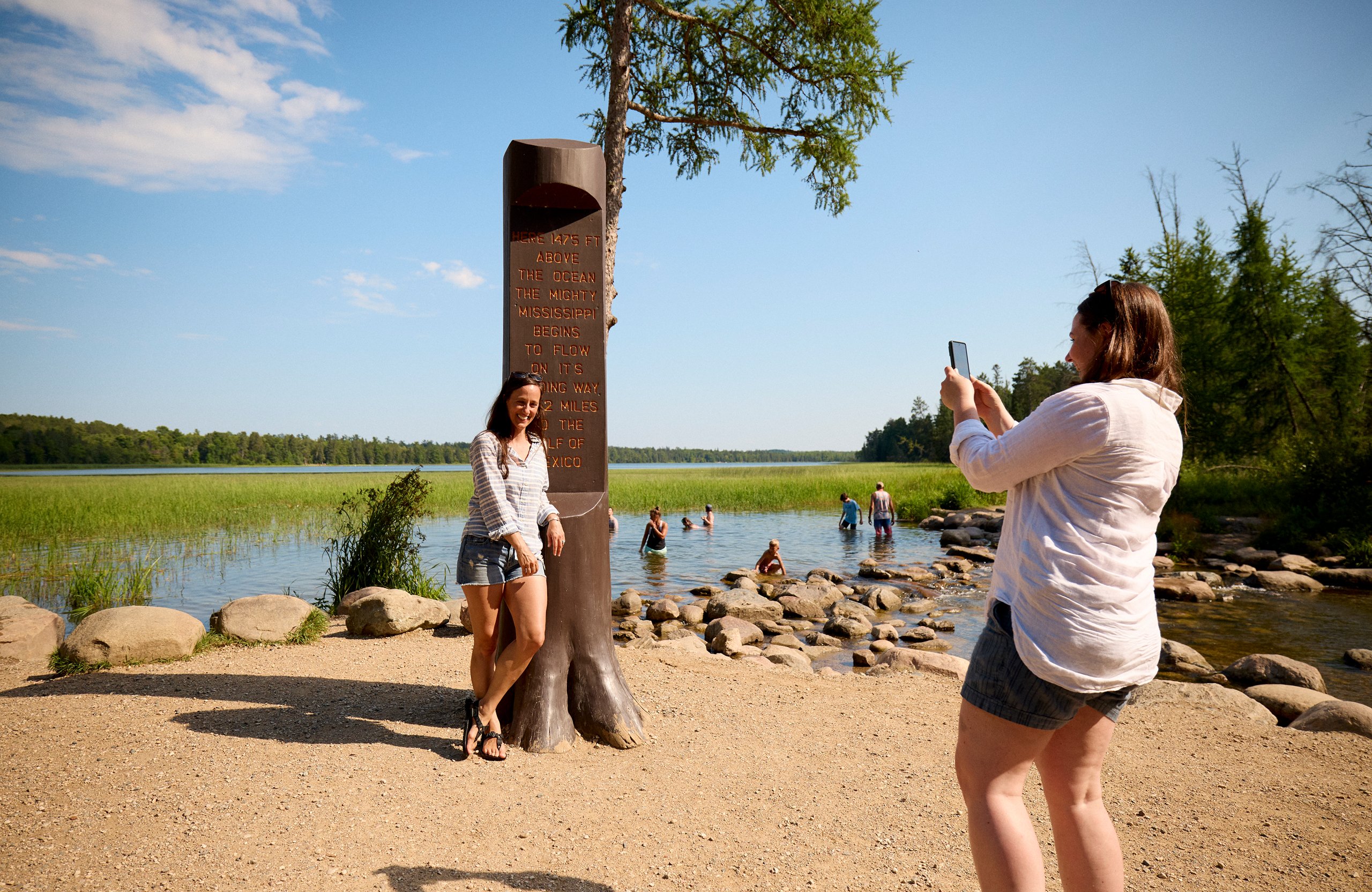
Taking your photo at the Mississippi River headwaters is a “must-do” when visiting Itasca State Park.
Explore
2/3
© Explore Minnesota
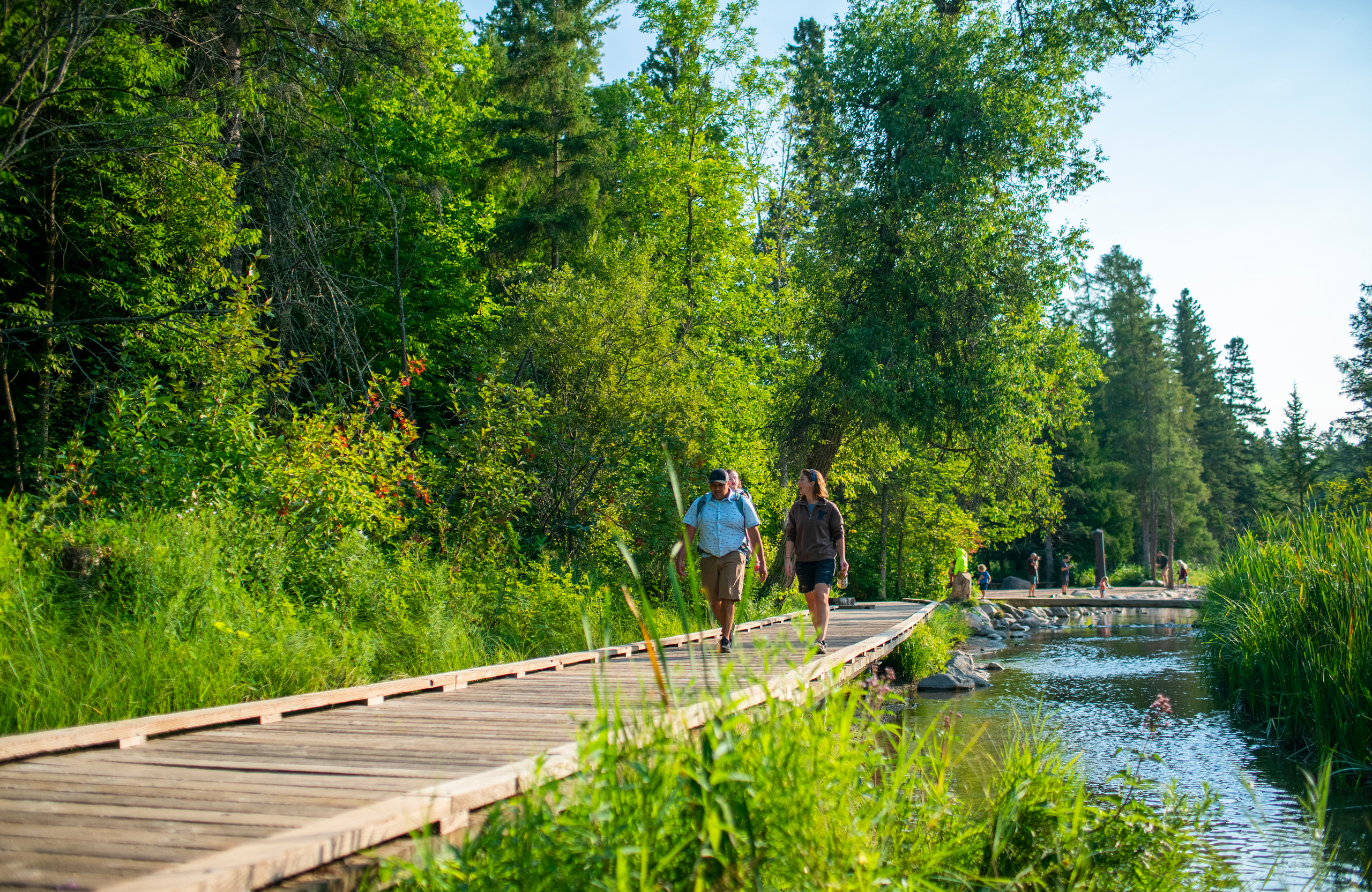
Itasca State Park, Park Rapids
Situated near the Mississippi River’s headwaters, the park’s boardwalk offers visitors an unparalleled opportunity to observe the river’s unique composition along with its flora and fauna.
Explore
1/3
© Explore Minnesota
Next
Next
Previous
Previous
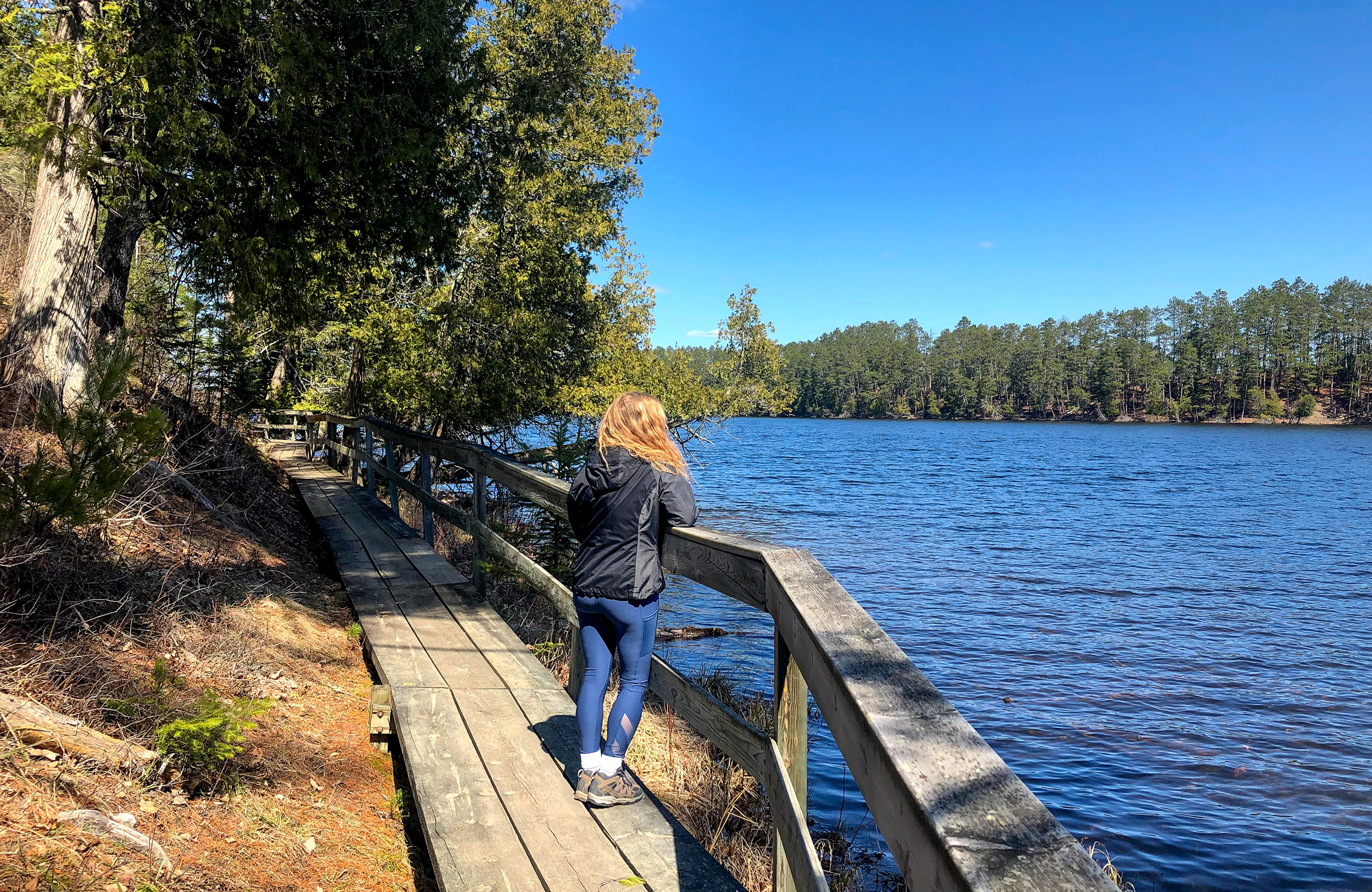
Scenic State Park, Bigfork
Look for bald eagles flying overhead, and keep an eye out for ospreys and hard-to-find spruce grouse on a walk along the water.
Explore
3/3
© Explore Minnesota
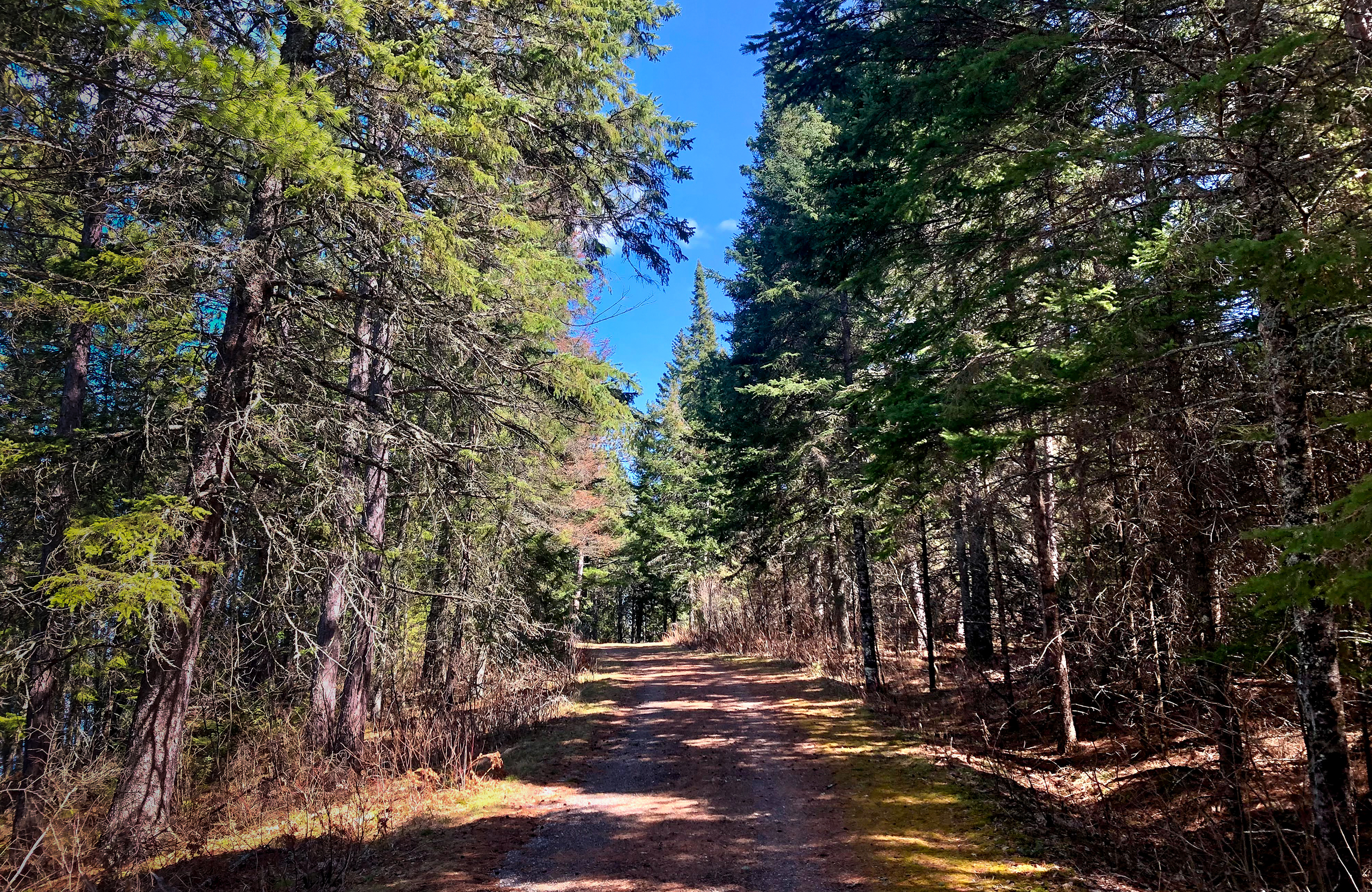
Scenic State Park, Bigfork
The park’s two-mile out-and-back Chase Point Trail wanders among old-growth trees for stunning views of the lakes.
Explore
2/3
© Explore Minnesota
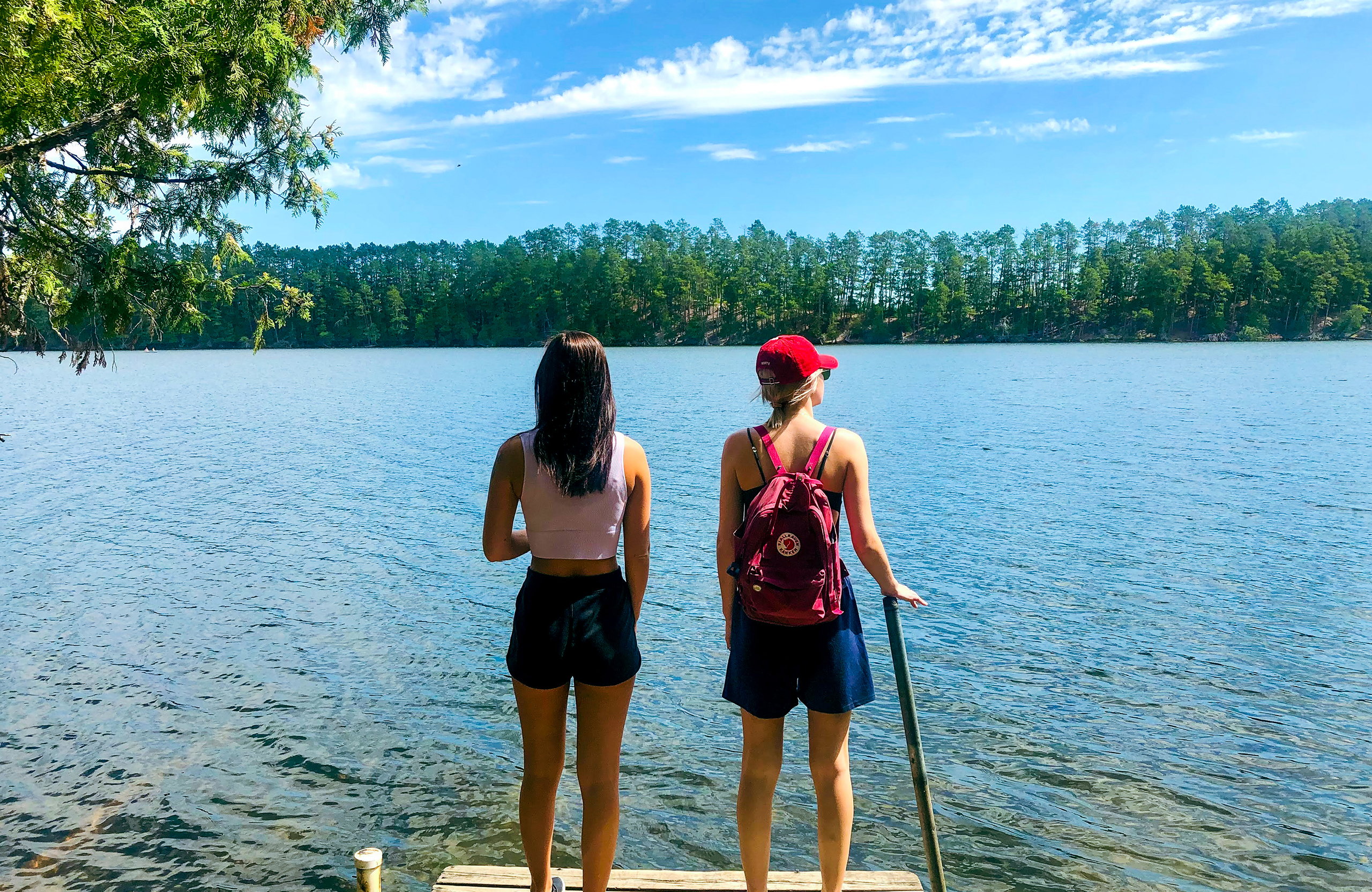
Scenic State Park, Bigfork
A lakeside boardwalk offers several docks for campers to fish or park their boats on a visit to Scenic State Park.
Explore
1/3
© Explore Minnesota
Next
Next
Previous
Previous
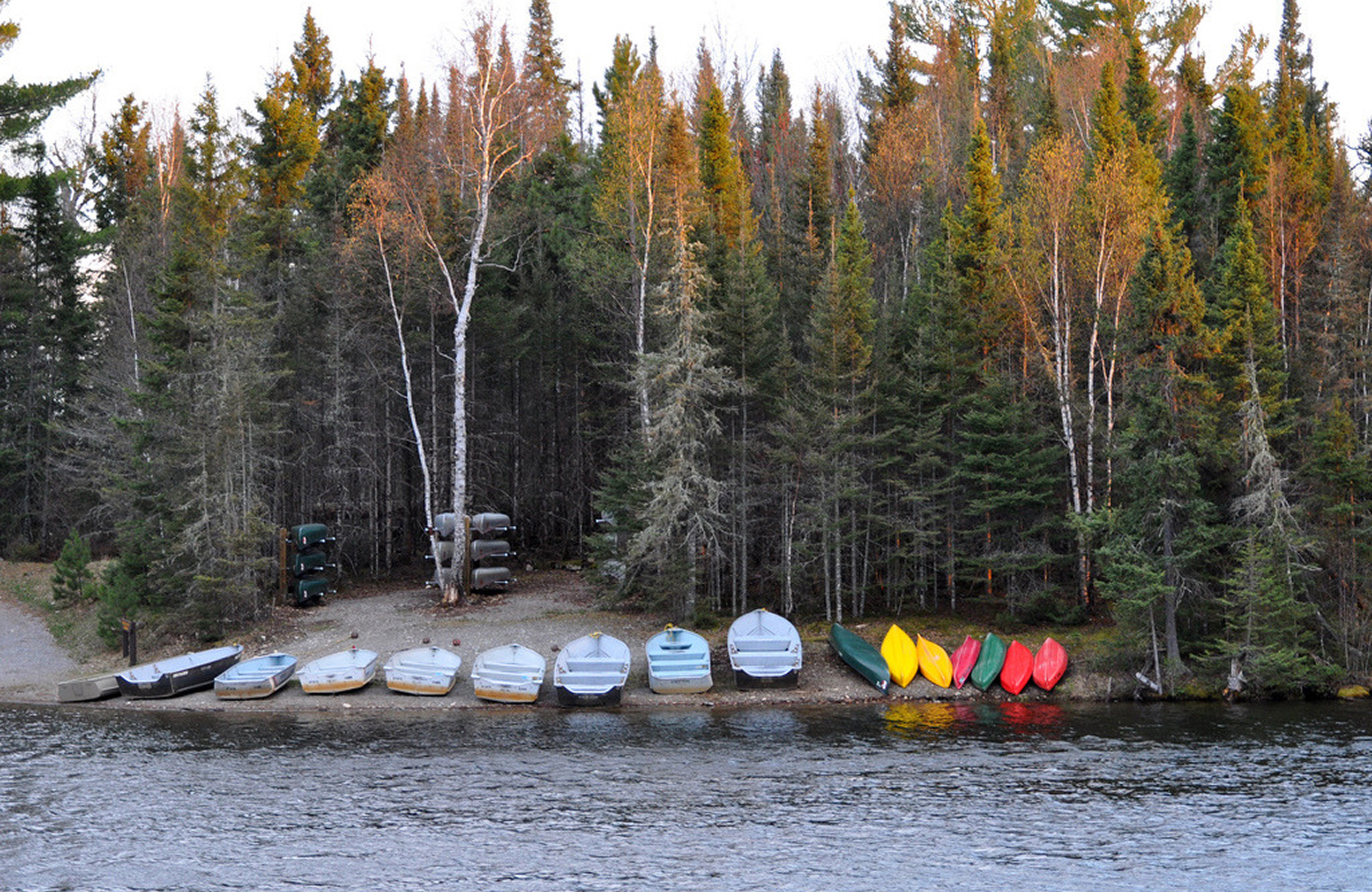
Bear Head Lake State Park
Known for towering birch and stretches of white and red pine trees, the park boasts miles of canoeable shoreline with stunning views of the park's forests.
Explore
3/3
© Explore Minnesota
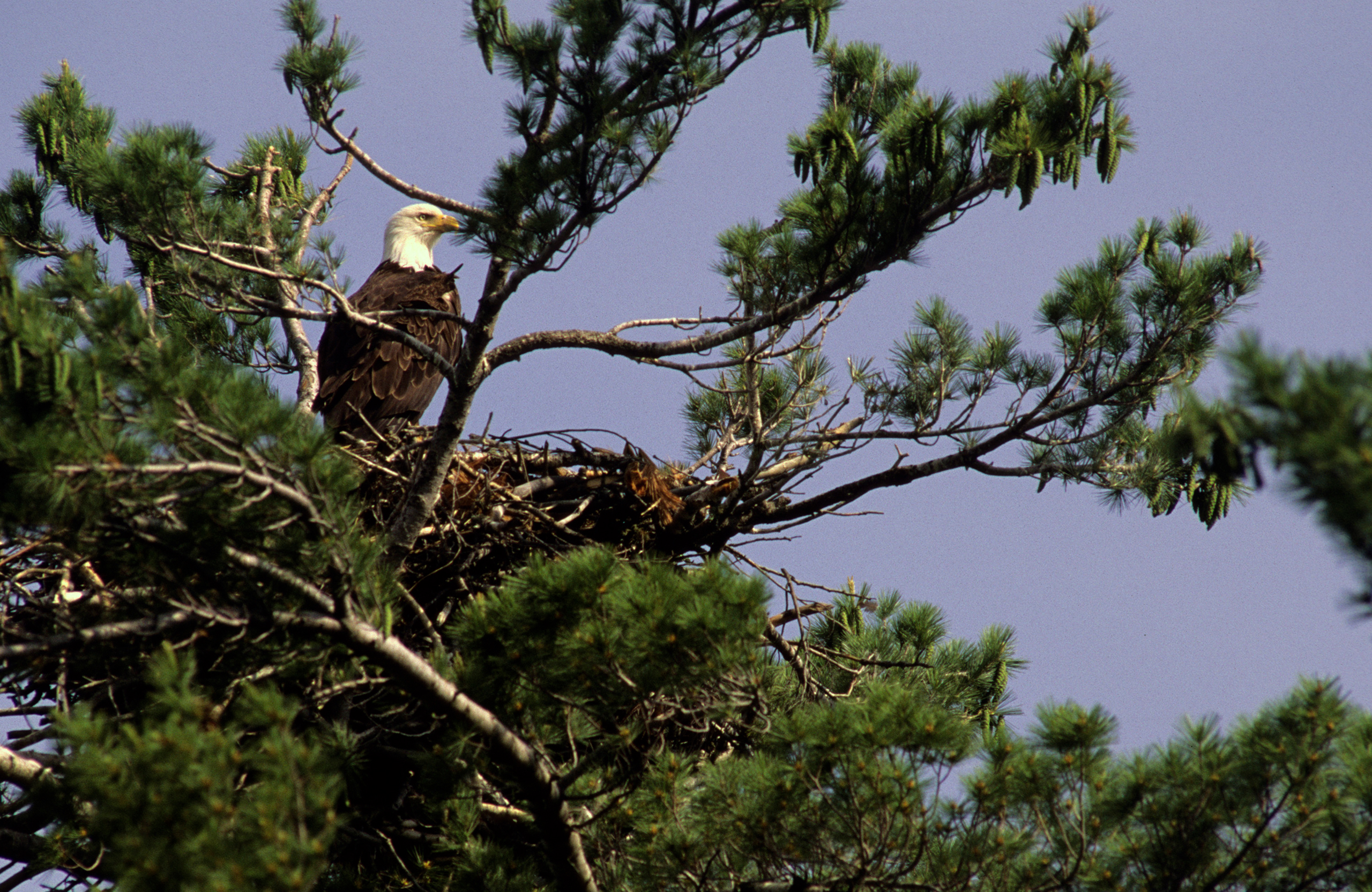
Bear Head Lake State Park
The area's resident wildlife includes black bears, moose, and even nesting eagles. At Eagles Nest, a popular fishing lake, avid birdwatchers can see the majestic creatures in their natural habitat as they too, fish for supper.
Explore
2/3
© Explore Minnesota

Bear Head Lake State Park
Boasting a similar scenery to the nearby Boundary Waters Canoe Area Wilderness, Bear Head Lake offers the added coveniences of road access and modern facilities for those looking for a readily approachable outdoor experience.
Explore
1/3
© Explore Minnesota
Next
Next
Previous
Previous
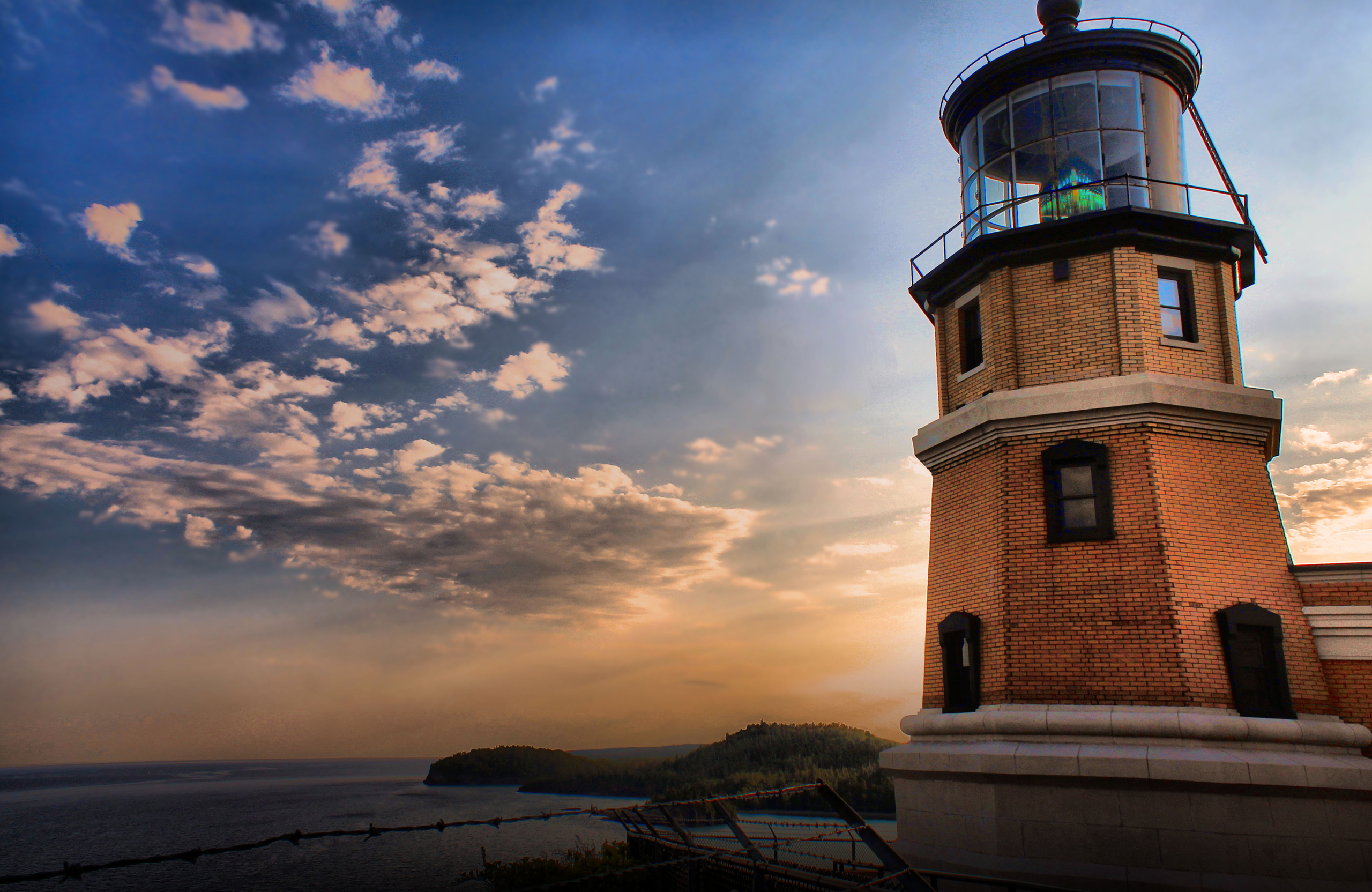
Split Rock Lighthouse State Park
Visitors will find untold stories and ancient artifacts that detail the lighthouse’s (and the area’s) history and usage throughout time.
Explore
3/3
© Explore Minnesota

Split Rock Lighthouse State Park
Situated on Lake Superior’s north shore, Split Rock gets its name from its historic lighthouse—a 54-foot-tall cliff-top tower first lit in 1910. It’s now a historic site that’s open to the public.
Explore
2/3
© Explore Minnesota

Split Rock Lighthouse State Park
A signature Minnesota landmark, Split Rock Lighthouse sits on the rocky coast of Lake Superior and is ripe with history.
Explore
1/3
© Explore Minnesota
Next
Next
Previous
Previous
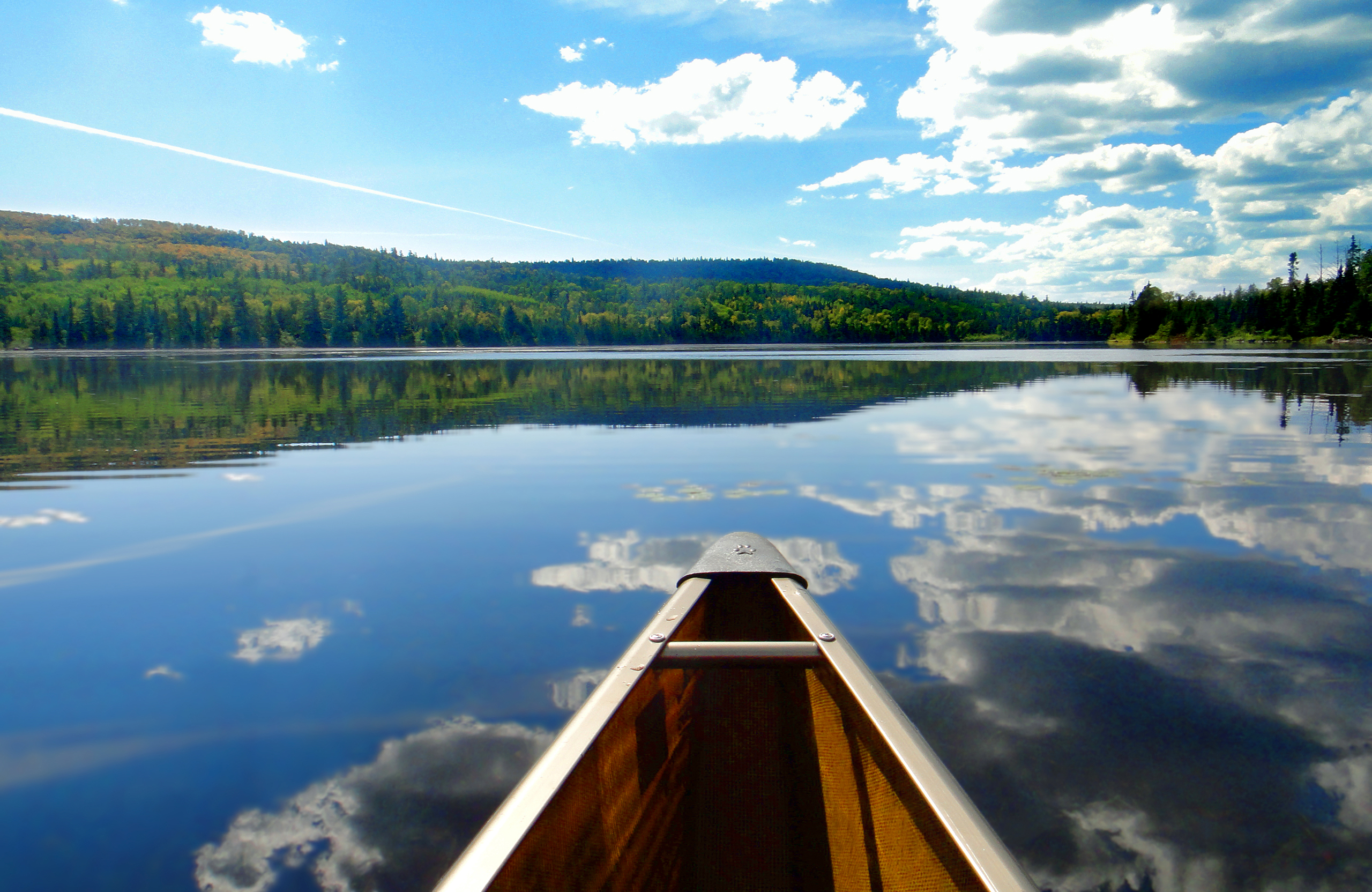
Superior National Forest
Primarily accessible by canoe, the Boundary Waters Canoe Area Wilderness area is among the United States' most beautiful and vast remote wilderness areas.
Explore
3/3
© Explore Minnesota
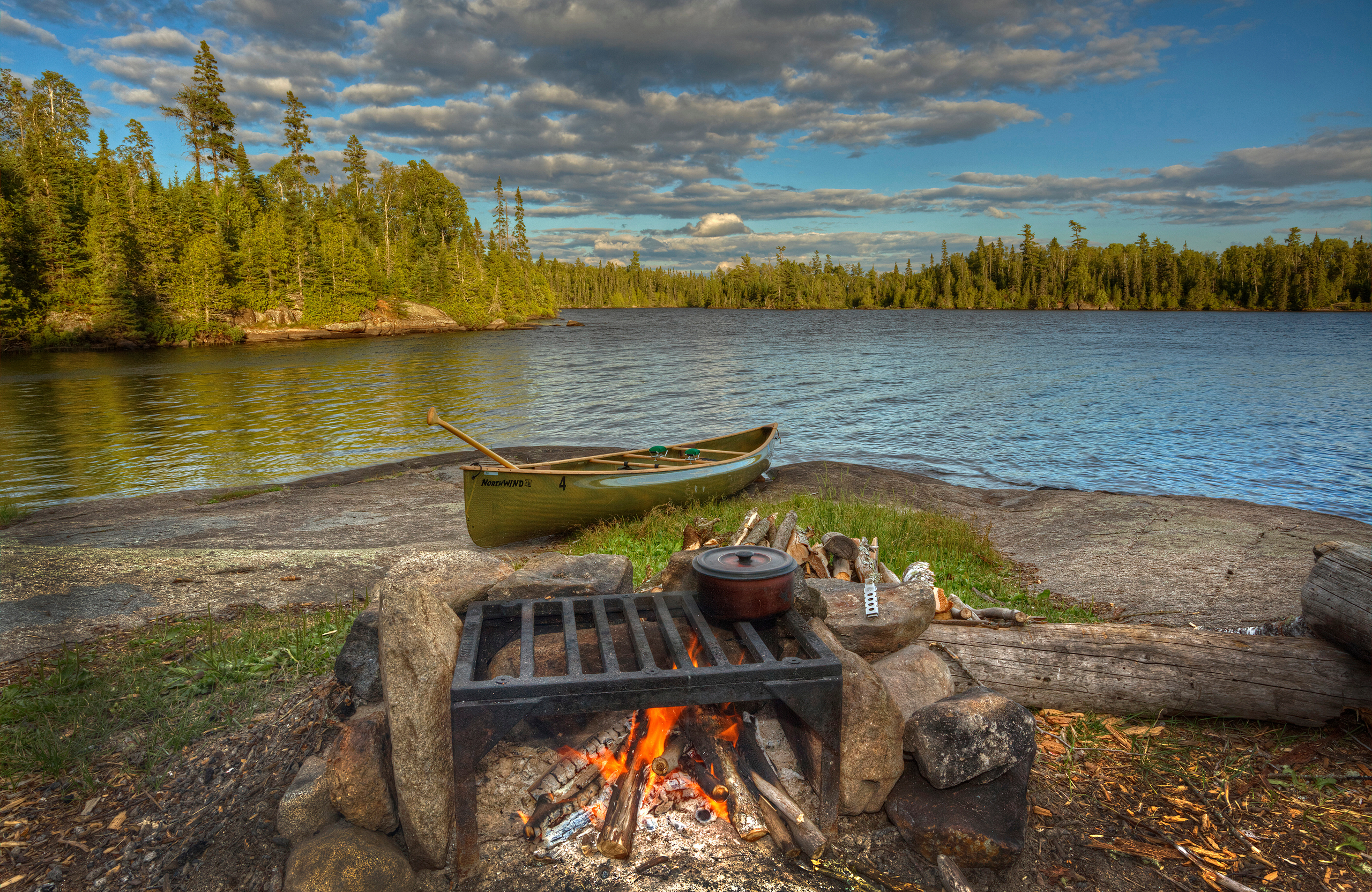
Superior National Forest
For overnight stays, the forest offers everything from comfortable cabins to backcountry and wilderness camping. Boasting some of the country's darkest skies, visitors can expect to delight in the stars on clear nights.
Explore
2/3
© Explore Minnesota
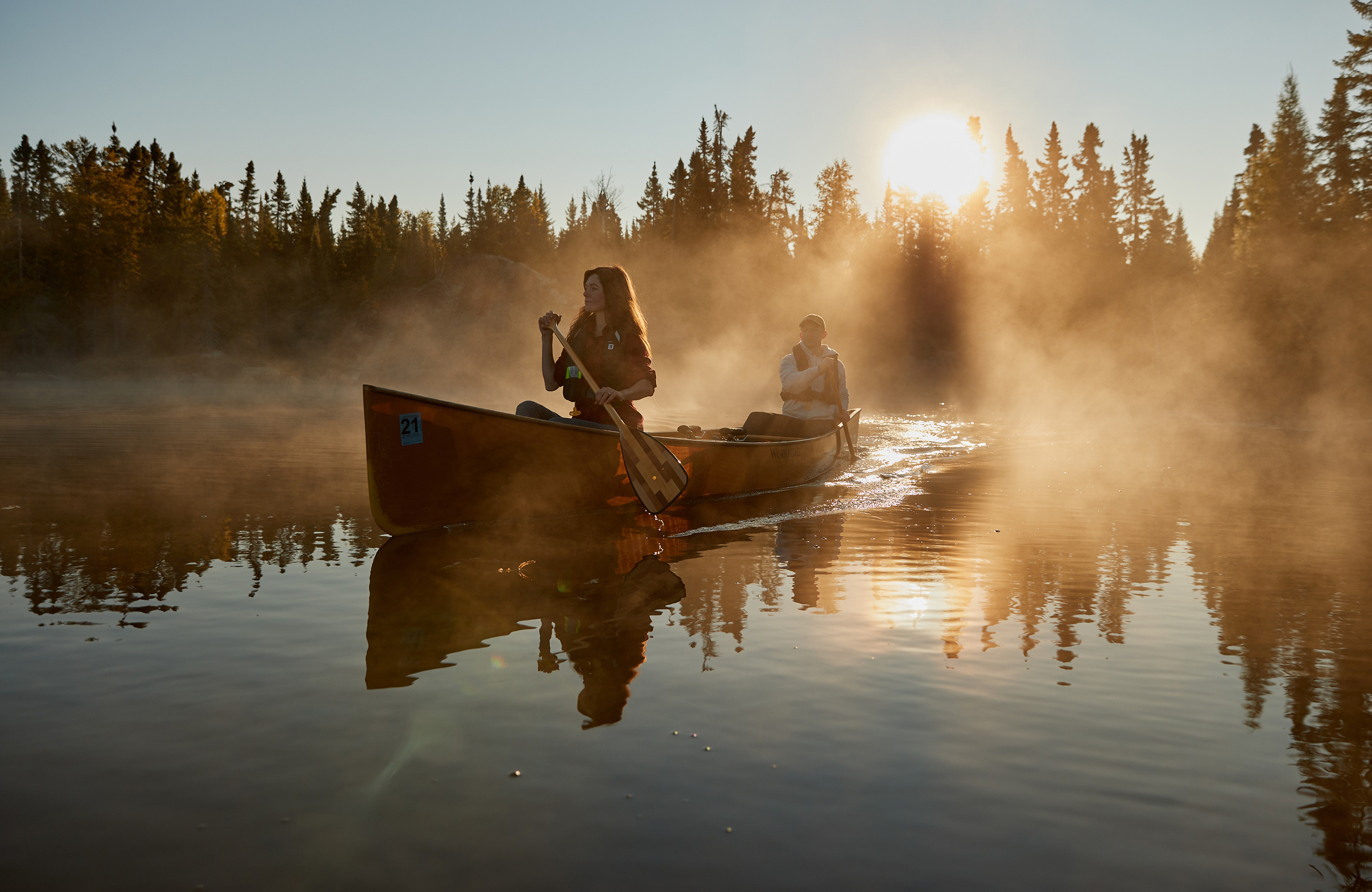
Superior National Forest
The three-million-acre Superior National Forest, established in 1909, is the largest national forest east of the Mississippi River.
Explore
1/3
© Explore Minnesota
Next
Next
Previous
Previous
The park’s two-mile out-and-back Chase Point Trail wanders among old-growth trees for stunning views of the lakes and is just a small portion of Scenic State’s 14 miles of hiking and cross-country ski trail. Whether it’s fishing for walleyes and bass, taking a dip at the designated swimming beach, or renting a canoe or kayak from the park office, there’s plenty to do for either a day visit or while overnighting at one of the drive-in campgrounds or primitive boat-in and backpacking sites.
Scenic is also home to 10 CCC and WPA structures spread among two historic districts. Don’t miss the Shelter Pavilion, which features an intact collection of Rustic Style furniture, as well as decorative CCC artwork.
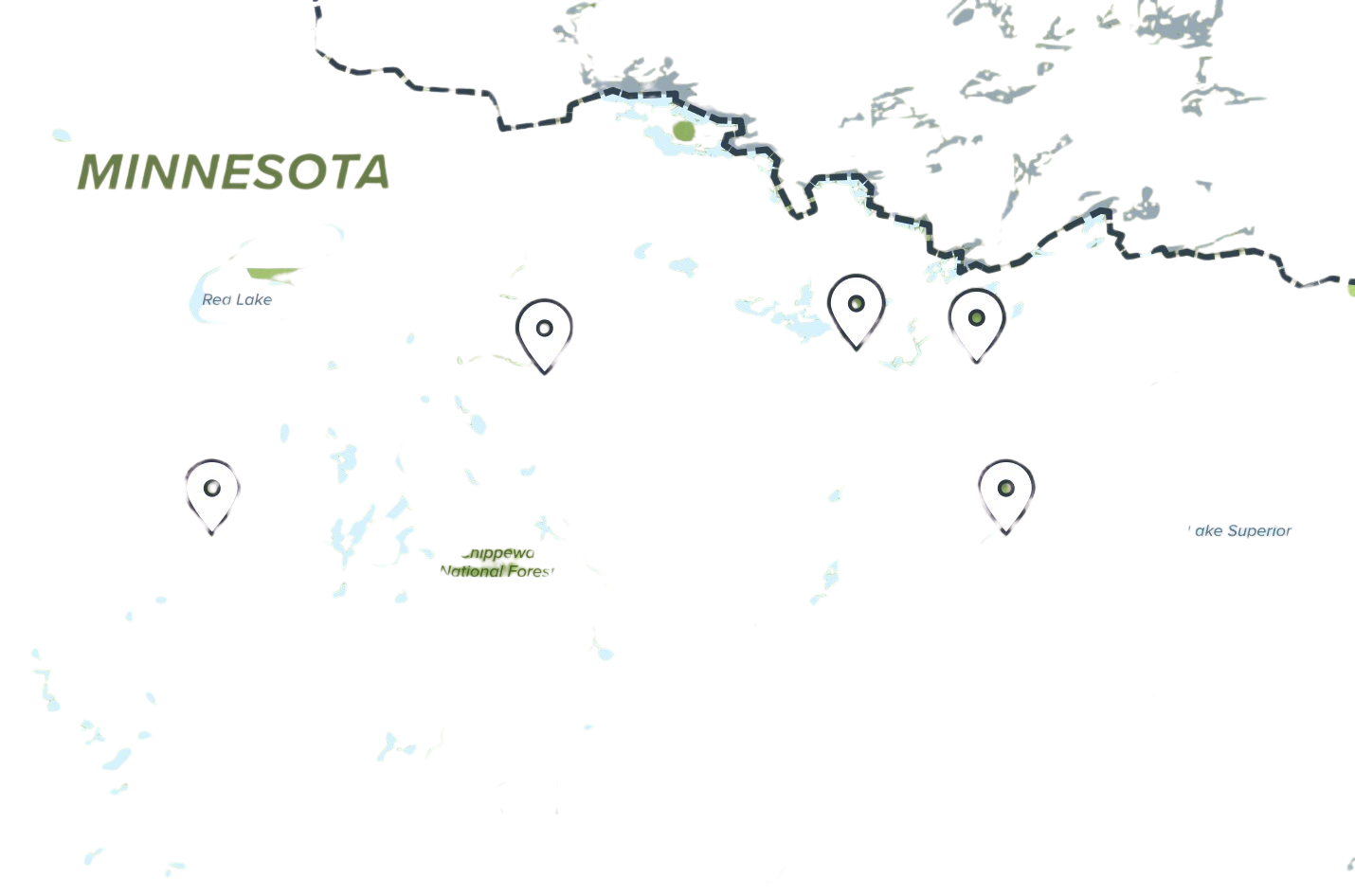

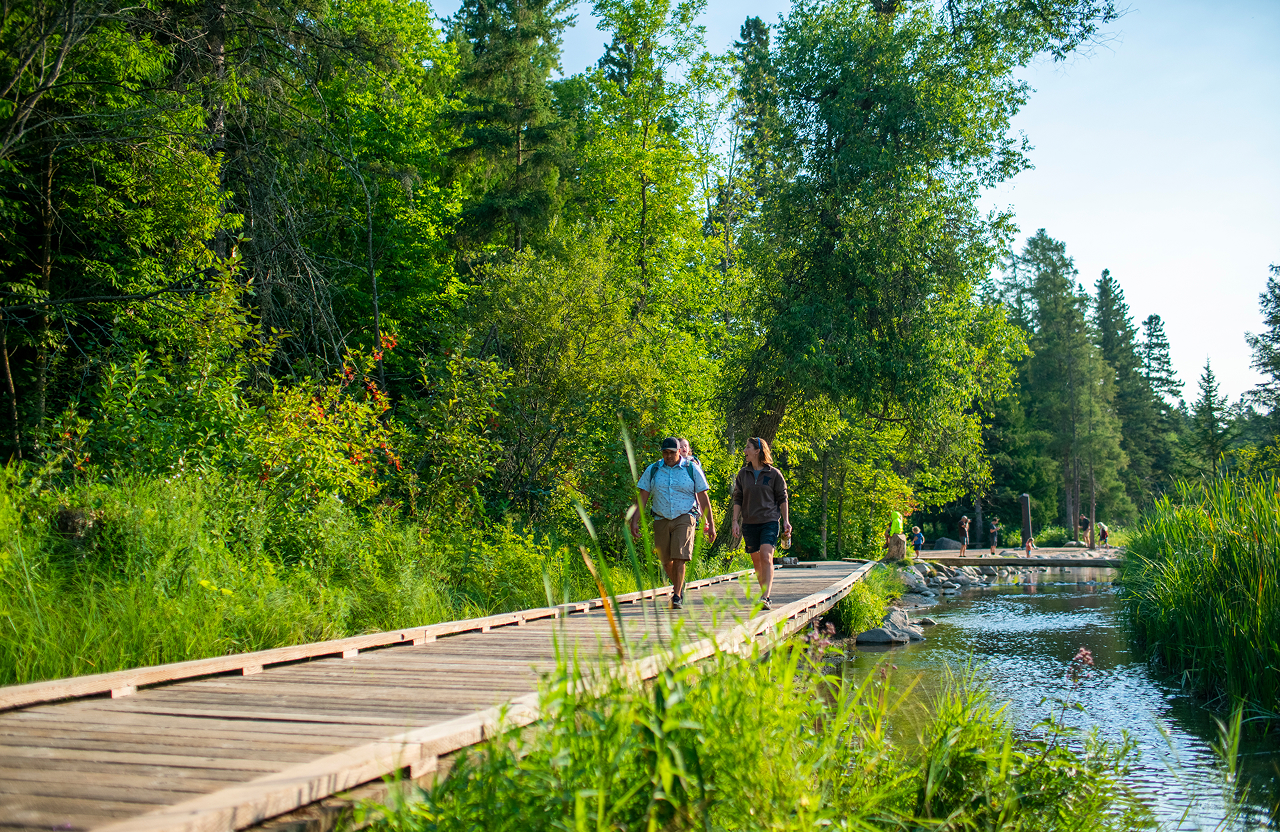
Minnesota’s oldest State Park, Itasca is also home to the headwaters of the mighty Mississippi River.
Itasca State Park
Learn more...
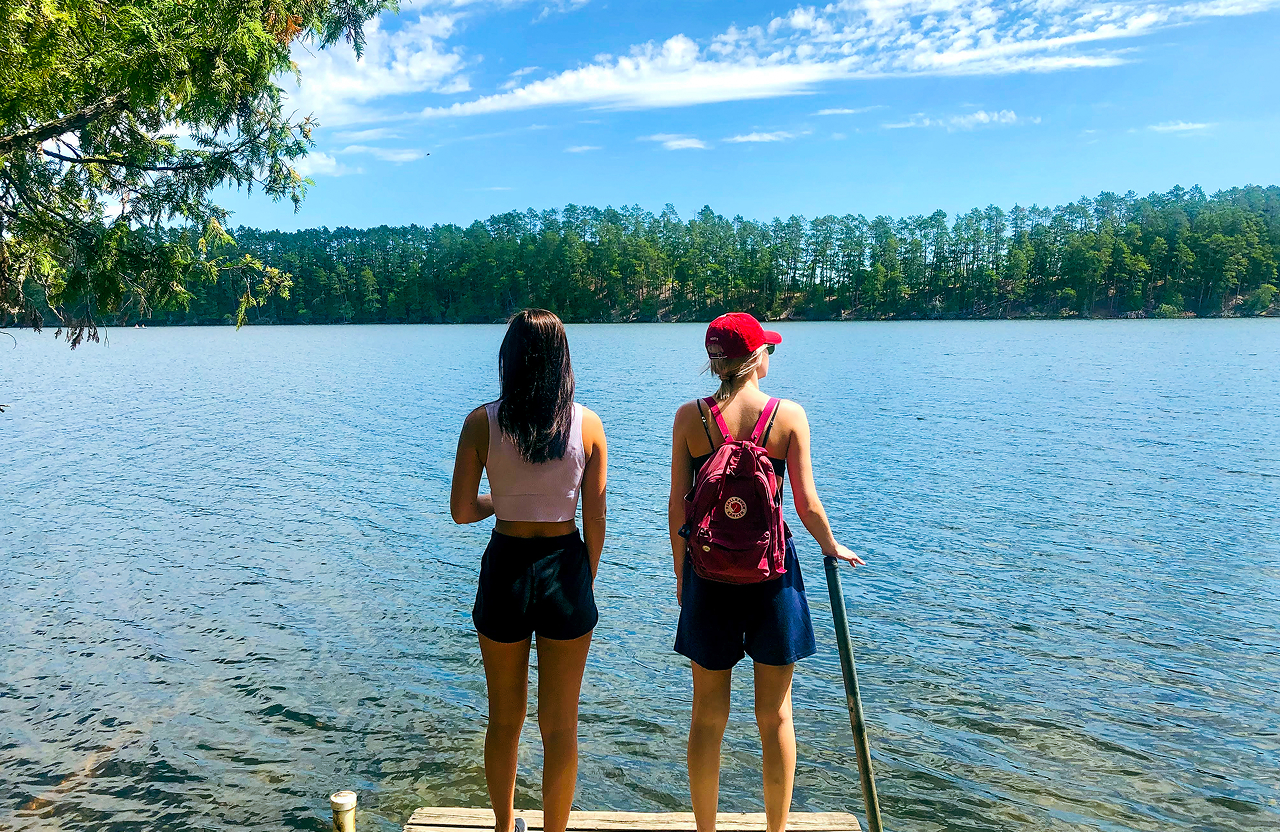
A popular destination for campers, hikers and birdwatching enthusiasts.
Scenic State Park
Learn more...
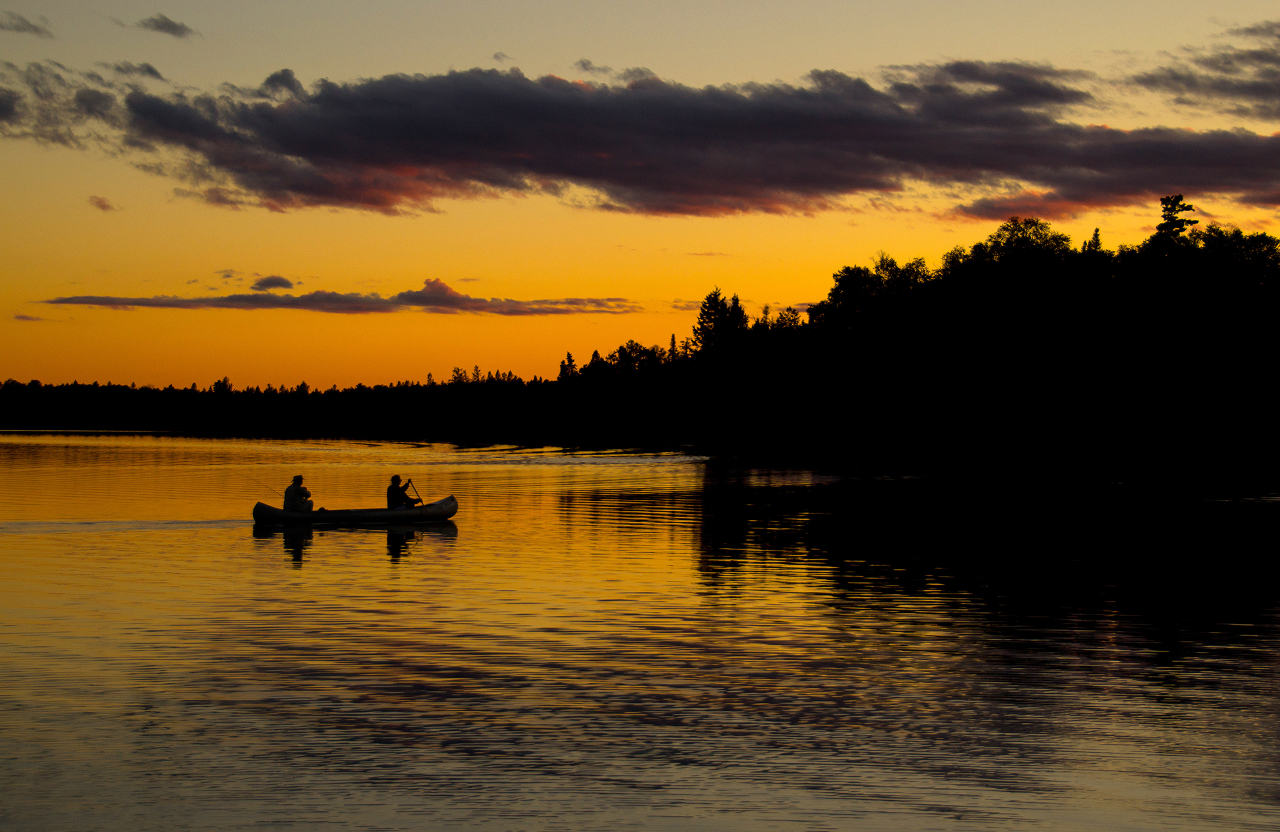
This secluded park is well known for its pristine lakes and ample wildlife.
Bear Head Lake State Park
Learn more...

A historic lighthouse sits atop a breathtaking cliff at the northern edge of Lake Superior.
Split Rock Lighthouse
Learn more...
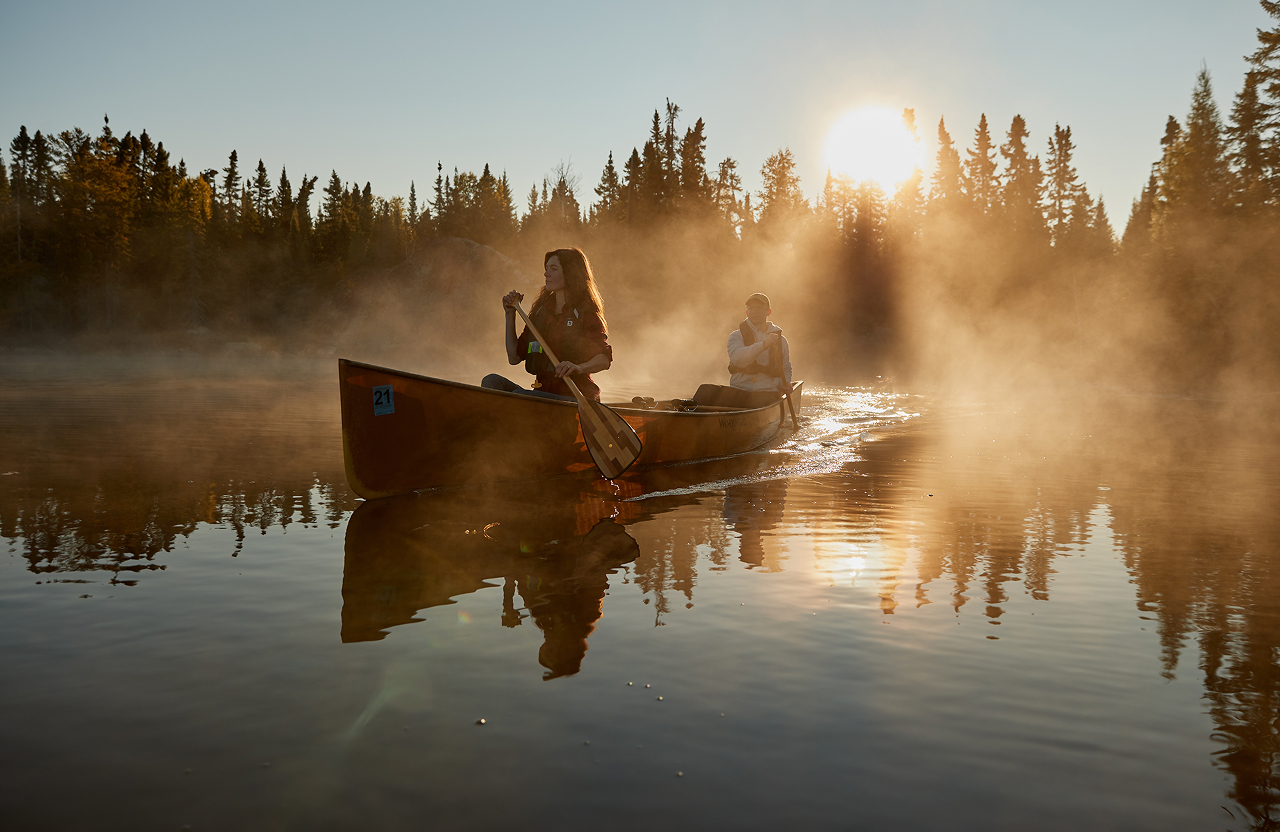
This three million acre boreal forest ecosystem is home to thousands of lakes, breathtaking rocky landscapes, and thriving trees.
Superior National Forest
Learn more...
https://www.exploreminnesota.com/profile/scenic-state-park/8202