By Michael Fisch
innovation
Return to Table of Contents
winter 2023
Creating a simple estate plan or contract no longer involves a high-priced attorney; instead, millions of Americans log onto LegalZoom and get the job done for a fraction of the cost. The same goes for filing a basic tax return using TurboTax instead of a CPA. At the heart of these tools is converting work that has traditionally been done by a professional for a limited number of clients to work that can be automated, shared, licensed, or sold to a much wider audience, usually through online apps or specialized software.
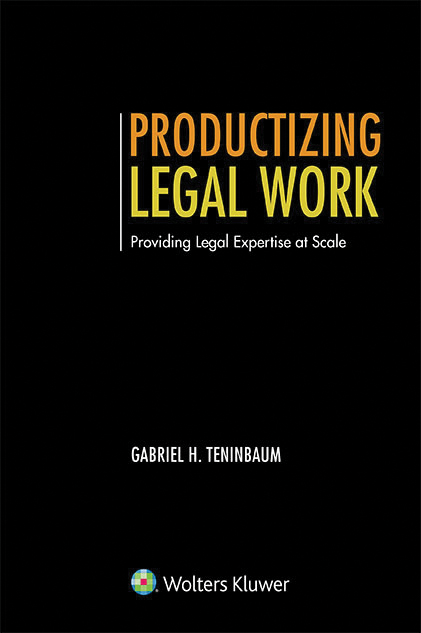
Assistant Dean and Professor Gabriel Teninbaum’s book Productizing the Law: Providing Legal Expertise at Scale (Aspen Publishing, 2021) lays out the terrain of the smart legal services market and provides a step-by-step description of how to turn legal services into products. While this approach does not fit every possible situation, in many it can reduce the cost of legal services for clients and free up attorneys to focus their energies on higher-level tasks.
Teninbaum is regularly asked whether “productizing” the law minimizes the importance of human interaction, empathy, and expertise. “Not if it’s used in the right situations,” he says. “Productization is a tool, and just like with hammers and screwdrivers, it only works when the problem it’s solving calls for it.” When done correctly, however, “productization makes legal services cheaper and more accessible, not to mention potentially more profitable for the person creating the productized service.”
Legal tech tools aren’t as useful in situations involving judgment and nuance. “You need a human for that,” says Teninbaum, who hopes the book can help readers decide which problems are best solved by productizing and which should be approached the traditional way. “The trick is to let machines and humans both do what they do best.”
Photograph by Michael J. Clarke