features
spring 2024
By Beth Brosnan
Illustration by Vivian Mineker
Research makes it clear that mental health conditions are on the rise among all American adolescents and young adults. But it’s also clear that some groups face additional risk factors.
For young people of color, anxiety and depression are often exacerbated by the toll that racism takes on their mental health. According to a 2020 study from the Journal of Applied Developmental Psychology, Black adolescents experience five or more racist incidents on average every day. And those living in poverty are likely to undergo additional trauma, including housing and food insecurity and higher rates of violence, all of which can create chronic levels of stress.
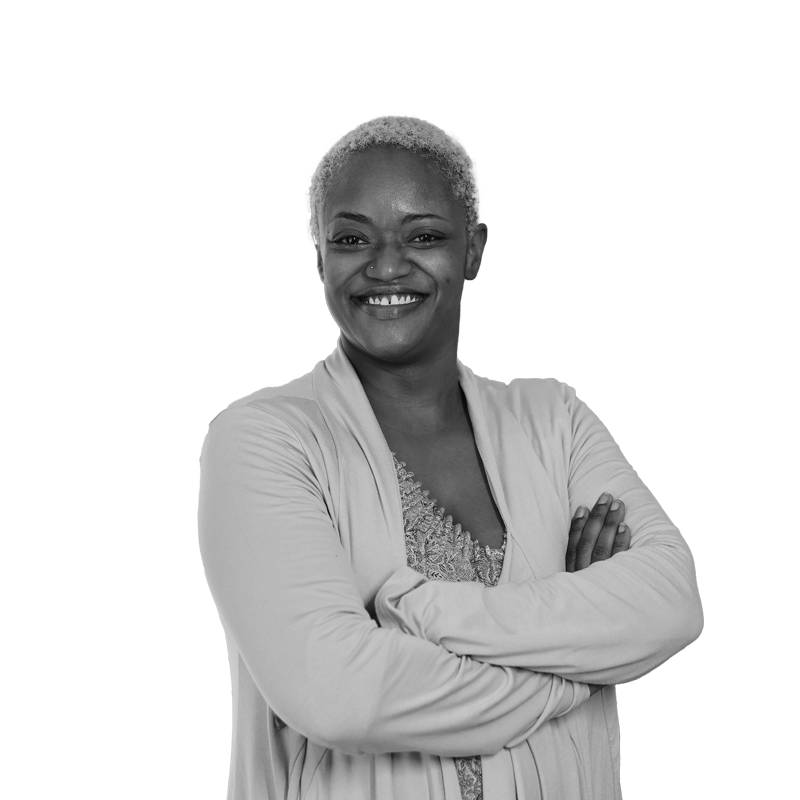
It’s something that clinical psychologist Dr. Fatima Watt, MPA ’23, has likened to “a backpack of bricks you can never take off.” For some, that load becomes too much to bear. The CDC reports that between 2018 and 2021, suicide rates for Black youth and young adults increased three times faster than for any other racial or ethnic group.
For Watt, these numbers aren’t just statistics—they’re the faces of her high school classmates in the under-resourced neighborhood where she grew up, where less than 60% of students went on to graduate. “I carried with me the trauma from the community that I was born into,” Watt told the audience when she delivered the graduate address at the 2023 Sawyer Business School Commencement. “And I wanted to do something about it.”
Today, she is. Watt has spent the past 15 years working to advance equity in youth mental healthcare—a campaign she pursues on multiple fronts.
In her private practice, she helps her young clients stop internalizing the racism they encounter and teaches them tools they can use when they do. And as a past vice president of behavioral health services at Franciscan Children’s Hospital in Brighton and now as the CEO of the Massachusetts Department of Public Health’s pediatric hospital in Canton, she is working to move the needle on disparities in mental healthcare—highlighting entrenched systems and looking for ways to nudge them forward.
At the top of Watt’s list is health insurance: who has access to it, and the chasm that exists in coverage for mental health conditions compared to physical ailments.
Nationally, as of 2022, 10.8% of Black people and 19% of Hispanic people in the US were uninsured, compared to 7.2% of white people, according to a report by the Kaiser Family Foundation. And while Massachusetts residents have access to MassHealth, the state’s public insurance program, not all mental health providers accept it—and those that do have wait lists that can stretch as long as 18 months.
Further complicating the issue—for both consumers and providers—is the lack of parity between physical and mental health coverage. While “no one goes into mental healthcare to become wealthy,” Watt says, low insurance reimbursement rates can discourage people from entering the field at all, contributing to the shortage of mental healthcare providers. Those low rates are also driving increasing numbers of providers to shift to a private-pay model, meaning they accept neither MassHealth nor private insurance.
The result, Watt says, is that “mental health services are only going to those who can afford them.”
Closing this equity gap won’t be easy and will require “lots of organized advocacy and partnerships with government.” But progress is possible, Watt stresses, pointing to unexpected shifts in policy that grew out of the pandemic, when many insurance companies got rid of pre-authorizations for certain treatments and medications.
“As there’s more coverage around these issues, we are starting to have the conversations we need to have,” she says. “The more we think about the big picture, the more things we can do.”
Watt lists other steps that will improve access and equity, including putting more mental healthcare services where kids and young people actually are, like schools and churches and after-school programs. That takes pressure off parents, who may lack transportation or the ability to take time off from work to take children to get care, she says.
She also looks forward to the day when starting at age 3, every child gets a mental health screening along with their physical check-up. “That way, you’re not waiting for a problem to arise,” she says. “If we can catch something when the child is 3 or 4 or 5, you can give them the treatment and skills they need. If you don’t catch it until that child is 13 or 14 or 15, the prognosis is much different.”
Return to Table of Contents
—Dr. Fatima Watt,
MPA ’23
climate
youth
law
racial equity
therapy
hope
In our current system, “mental health services are only going to those who can afford them.”
Dr. Fatima Watt, MPA ’23, CEO, Pappas Rehabilitation Hospital for Children