There is clearly a deep and dangerous political divide in our nation—the widest I have seen in my lifetime, which includes the Vietnam War, Watergate and the civil rights movement of the 1960s. On a macro level, you see this among our political leaders and the media. On a micro level, political disagreements are leading to loss of relationships between friends, work colleagues, and even family members.
One reason for the divide is the models set by our institutions. Democrats and Republicans, CNN and Fox News, seem more intent on proving that they’re right—in effect, wishing that the other side’s policies fail, even if it means the nation suffers. As a result, polls are showing that an increasing majority of Americans are losing faith in the democratic system. Democrats point to the Capitol riots on January 6, Republicans to the unsubstantiated attempts to connect President Trump to the Russians in the 2016 election, as reasons for their concerns about the future of democracy.
How do we address that divide? On a national level, it would certainly help if our political leaders could learn not to take political differences personally. Sitting down at a table, talking to each other, and coming up with immigration, economic, and criminal justice policy that represents a reasonable compromise would help.
In states where one political party dominates—such as Massachusetts on the Left, or Oklahoma on the Right—the art of compromise becomes even more difficult. Given the almost supermajority of the prevalent political party, much can be done legislatively without having to seek the other party’s approval. But eschewing such dialogue serves to further divide the minority from the majority, since the minority party comes to realize that their views will never be acceptable. Such disenfranchisement only raises the frustrations and anger felt by many.
Just how refreshing and enlightening it would be if pundits from Fox, CNN, and MSNBC regularly appeared on each other’s stations, not to simply create sound bites for their side—but rather to engage in a genuine debate on these issues.
I have tried to concentrate my efforts here at Suffolk to bridge the divide among our students. I do this in my elective course. I explain to the students that they’re required to express their opinions on such issues as the death penalty and race and police reform, and to respect, even if they strongly disagree with, those who express different views.
One of the reasons I volunteered to be the faculty adviser to the Suffolk Federalist Society is to bring that educational philosophy to the Law School at large. That’s not to say that all differences will disappear. Hopefully, each side will come to understand where the other is coming from, and reduce the demonization of those who hold different opinions. We all need to learn to respond civilly and not react in anger, which even I have failed to do at times.
To further that end, the Federalist Society has sponsored debates and panel discussions where lawyers of very different views come to discuss the reasons why they hold their opinions. Students listen to both sides, and then decide for themselves who they agree with and why. To further ensure that opposing positions are adequately represented, the Society has encouraged other student groups to co-sponsor these events.
The motto which our chapter of the Federalist Society has adopted for these events—“Debate, Discuss, and Decide”—incorporates these very goals.
I believe this model exemplifies the goal of education: To teach our students how to think for themselves, rather than what to think, and to respect opposing views. It’s an approach that will help reduce the divide in our school, the Commonwealth, and our nation.
In the last couple of years, political divisiveness has been striking. Are there any lessons you have learned about bridging the divide in a left-leaning state like Massachusetts?
POLITICAL POLARIZATION
Return to Features
Suffolk Law Professor Steven Eisenstat, formerly an associate dean at the Law School, serves as the faculty adviser for Suffolk Law’s Federalist Society. He teaches Civil Procedure and Torts, among other courses. He served as assistant corporate counsel for the City of Boston Law Department and deputy general counsel of the Massachusetts Department of Public Health.
Interviews by Michael Fisch, June Bell
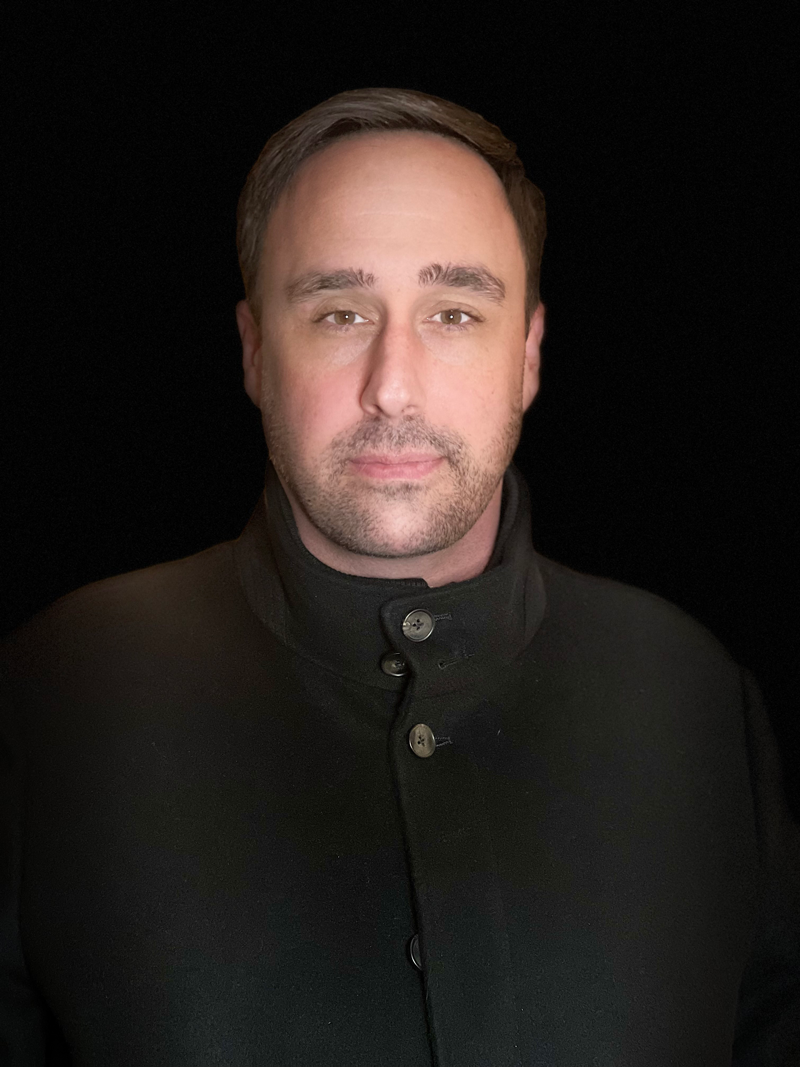
Matt Scoble JD’13
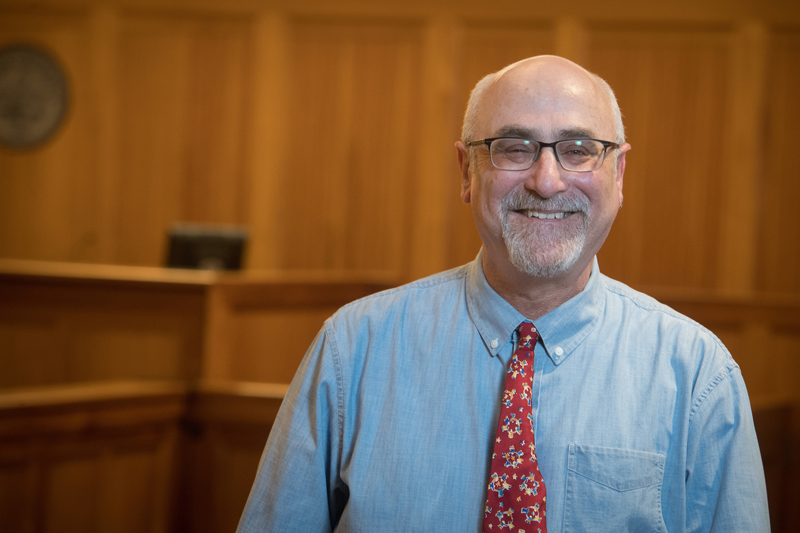
Suffolk Law Professor Steven Eisenstat
Q&A with Professor Steven Eisenstat
One primary cause of polarization is partisan primaries. Although we had record turnout in the 2020 election cycle, only 10% of eligible Americans nationwide cast ballots in the primary elections that effectively decided the winners of 83% of congressional seats. Primaries have an outsized impact on our electoral process because a very small group of people turn out, and the candidates are incentivized to skew towards their bases. This creates an unrepresentative outcome and increases partisan rhetoric and divisiveness.
Our solution is to hold nonpartisan primaries where all candidates are on the same ticket. We believe that will increase participation and result in more representative and pragmatic candidates advancing to the general election. We’d have an open primary to determine the top four or five candidates, and then ranked-choice general voting to choose the winner, which would provide an outcome that’s more representative of the electorate.
Alaskans in 2020 approved a ballot measure for nonpartisan, or open, primaries and ranked-choice voting for state legislative and congressional offices. Maine also adopted the system, voting a few years ago for all their elections, and New York City voters used it during their 2021 primaries for mayor and other offices.
We also believe in increasing vote-at-home measures. The more people who participate, the better the representation will be. And implementing independent redistricting commissions—taking the drawing of political districts away from politicians and giving it to independent commissions—will help create fair maps.
Like in the Progressive Era back in the 1900s, I think you’re going to see a push for a lot of electoral reform because people are tired of the divisiveness. You’re starting to see a national movement coalescing around this issue. We’re excited to be a part of it.
Images from top: Getty Images, Michael J. Clarke, Lauren Bien
In this time of rampant political polarization, what has Unite America learned that could help bring the country together?
Q&A with Matt Scoble JD’13
Return to Table of Contents

Matt Scoble JD’13 is the senior program director and counsel for Unite America, an organization whose aim is to bridge the partisan divide in American politics. The organization supports nonpartisan primaries and independent redistricting committees to address gerrymandering.