
By understanding the key challenges, general contractors are better equipped to capitalize on the surging construction demand in these booming market sectors.
Hot Sectors
5
Navigate Workforce Challenges in
Navigate Workforce Challenges in 5 Hot Sectors



healthcare�facilities
1https://www.census.gov/content/dam/Census/library/publications/2020/demo/p25-1144.pdf
Next Hot Sector >
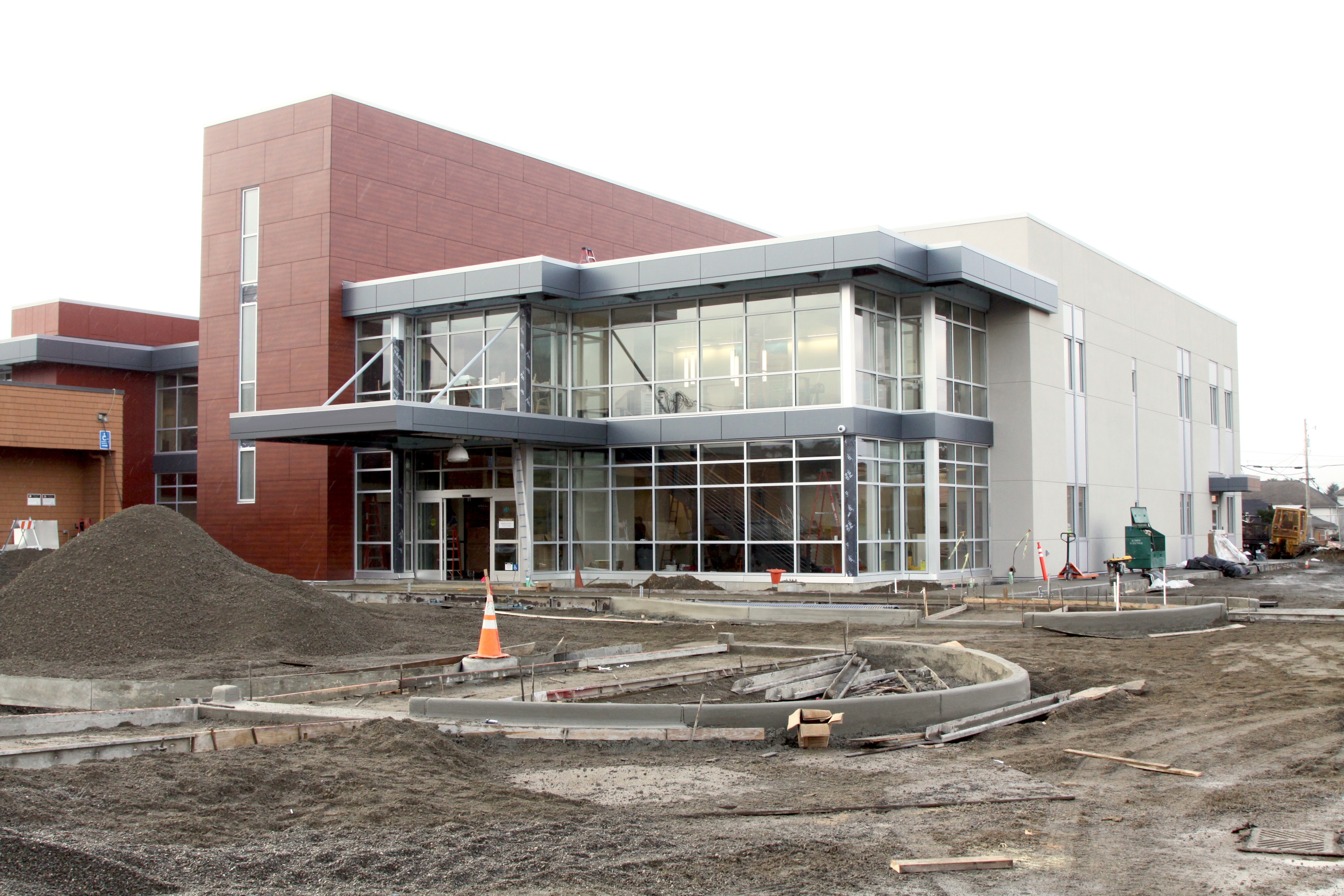
Expanding and enhancing healthcare facilities is essential to meeting the nation’s evolving health needs with quality medical services.
Risks
+
Workmanship errors: Improper sealing or installation of air filtration systems can compromise strict facility hygiene standards.
Workplace accidents: Injuries due to working in tight spaces or installing complex equipment. Resulting equipment damage can also lead to business interruption.
Skilled labor shortage: Lack of skilled workers for specialized installations like medical gas systems and sterile environments.
Risks

Types of Facilities
+
Research
Diagnostic
Urgent care
Ambulatory surgery
Mental health
Rehabilitation
Long-term care
Clinics
Hospitals
Types of Facilities
Key Drivers
+
Changing healthcare delivery models: Shifts toward outpatient care and ambulatory services.
Advances in medical technology: New technologies and treatments.
Aging population: The number of elderly patients, adults 65 and older, is expected to make up 21% of the U.S. population by 2030.1
Key Drivers
Growing demand for healthcare services, technology advancements and demographic trends are fueling a surge in healthcare facility construction.
Healthcare Facilities

Return to All Sectors

transportation infrastructure
1https://infrastructurereportcard.org/cat-item/bridges-infrastructure/
2https://www.iea.org/policies/14983-infrastructure-and-jobs-act-repairing-and-rebuilding-roads-and-bridges
Next Hot Sector >
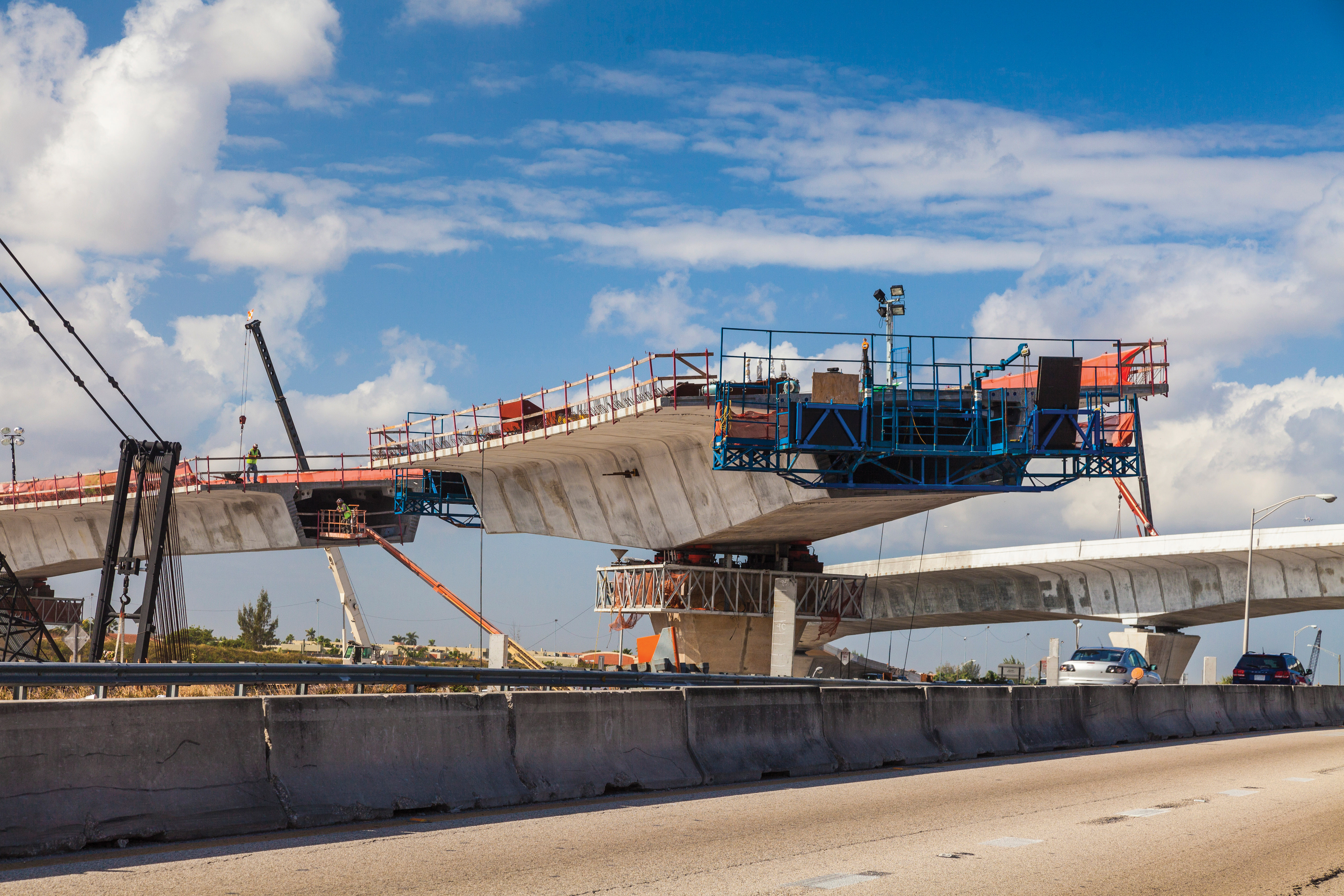
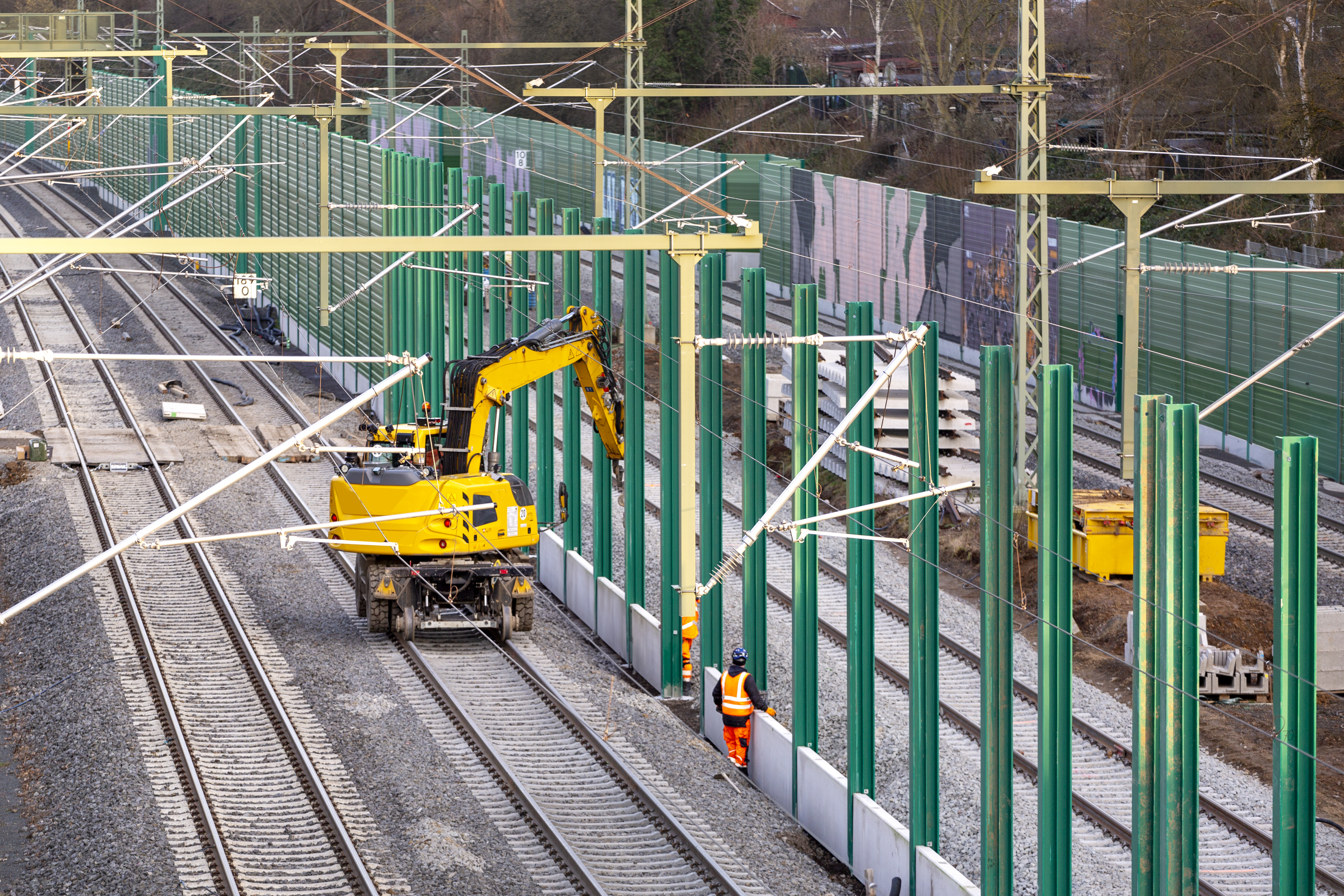
Reducing congestion and improving safety requires upgrading and expanding highways, roads, bridges and more.
Risks
+
Workmanship errors: Subgrade preparation or inadequate compaction can lead to uneven settling, potholes, cracks, surface irregularities and structural failure of a road.
Workplace accidents: Explosions or electrocutions from hitting gas lines or electrical cables and risk of collapse �when preparing road foundation or bridge abutments.
Skilled labor shortage: A shortfall of heavy equipment operators and bridge construction specialists.
Risks
Types of Infrastructure
+
Electric vehicle hubs
Cycling and pedestrian paths
Ports and waterways
Airports
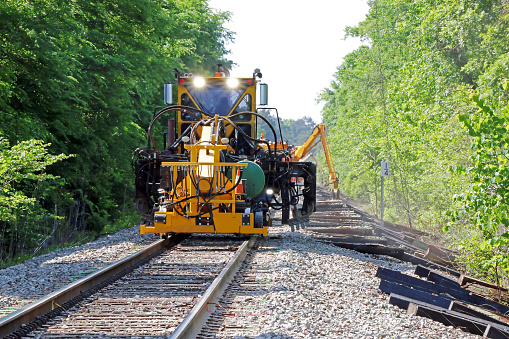
Railways
Bridges
Roadways
Types of Infrastructure
Key Drivers
+
Technological advancements: The rise of autonomous �vehicles and smart traffic systems.
Government funding: The Infrastructure Investment and Jobs Act provides $110 billion in funding.2
Aging infrastructure: Of the 617,000 bridges in the U.S., more than 46,000 are structurally deficient.1
Key Drivers
Nearly 231,000 bridges in the U.S. still need repair and preservation work.1
Transportation Infrastructure
Return to All Sectors
Renewable �Energy
1https://www.iea.org/data-and-statistics/data-tools/renewable-energy-progress-tracker (“main case”)�2https://www.energy.gov/investing-in-america
Next Hot Sector >
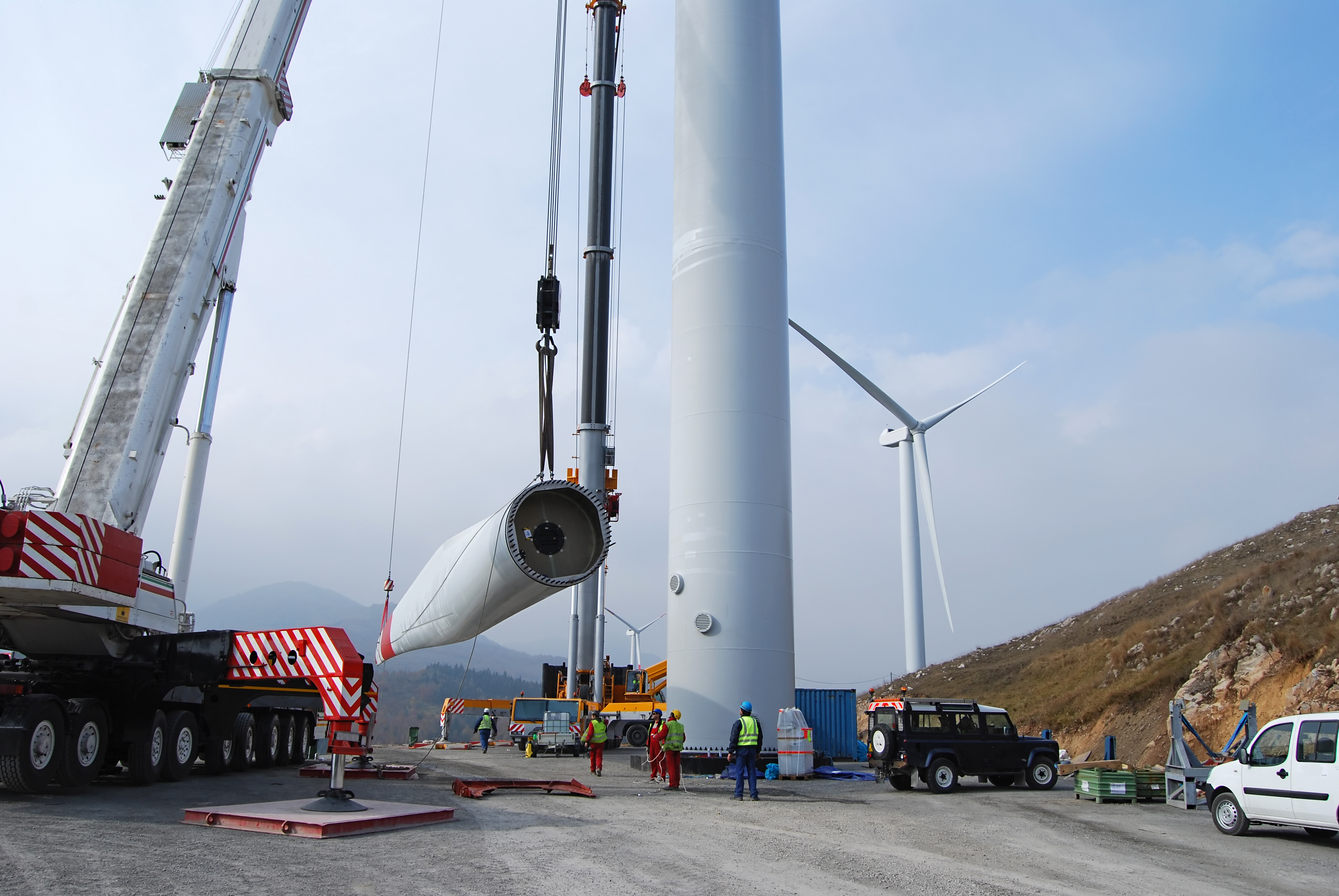
Technology advancements, public investments and environmental concerns increase the need for solar, wind and battery storage facilities.
Risks
+
Workmanship errors: Incorrectly mounted solar panels can lead to panels loosening, shifting or not achieving optimal energy capture.
Workplace accidents: Fires or explosions from lithium-ion batteries if they are damaged or improperly handled during installation or maintenance.
Skilled labor shortage: A scarcity of workers with experience handling and installing battery energy storage systems.
Risks
Types of Facilities
+
Hydrogen power
Biomass power
Geothermal power
Wind farms
Solar power
Battery energy storage systems (BESS)
Types of Facilities
Key Drivers
+
National energy security: Reduced dependence on imported fossil fuels.
Environmental concerns: Greenhouse gas emissions and harmful pollutants like sulfur dioxide and nitrogen oxides resulting from the use of fossil fuels.
Government funding: A $62 billion allocation to clean energy initiatives from the Infrastructure Investment and Jobs Act.2
Falling costs: Technological advancements have reduced the cost of solar and wind power, making them increasingly cost-competitive with fossil fuels.
Key Drivers
U.S. renewable energy capacity is expected to grow by ~400 gigawatts between 2025
and 2030.1
Renewable Energy
Return to All Sectors

High-Tech �Manufacturing
1https://www.cfr.org/article/onshoring-semiconductor-production-national-security-versus-economic-efficiency�2https://www.iea.org/reports/energy-technology-perspectives-2023/clean-energy-supply-chains-vulnerabilities�3https://www.heinrich.senate.gov/imo/media/doc/CHIPS%20and%20Science%20Act%20of%202022%20Summary.pdf�
Next Hot Sector >
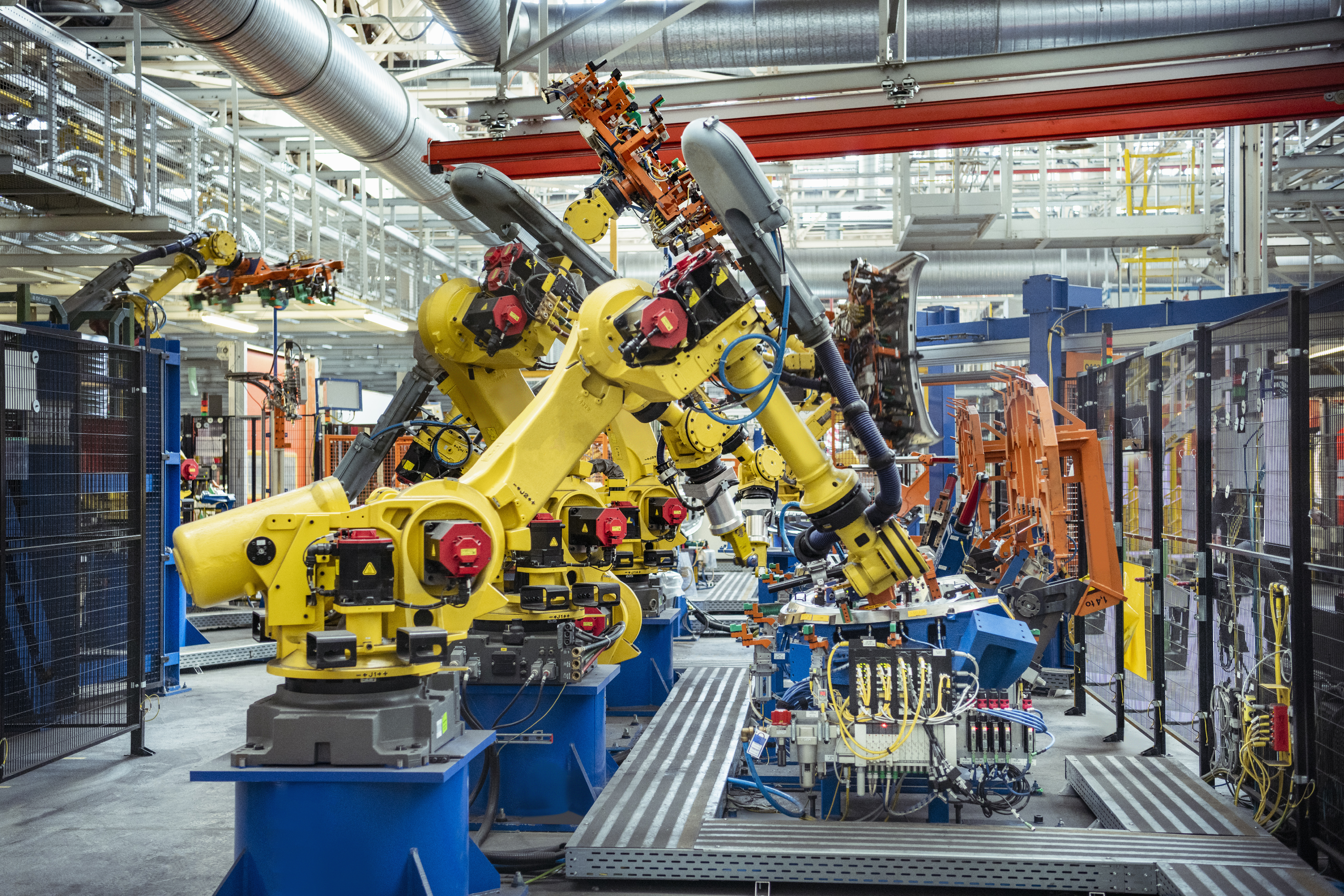
Manufacturing plants are needed to support increasing domestic demand for high-technology products for a range of purposes.
Risks
+
Workmanship errors: Improper installation of conveyors, robotic arms or clean transfer systems.
Workforce accidents: Failure to follow proper procedures or use personal protective equipment during complex installations or maintenance.
Skilled labor shortage: Lack of electrical, plumbing and HVAC employees.
Risks
Types of Facilities
+
Pharmaceutical
Medical device
Aerospace
Electronics
Semiconductor
Types of Facilities
Key Drivers
+
Government funding: The $39 billion allocation from �the CHIPS and Science Act of 2022 in the development of semiconductor and other advanced manufacturing plants.3
Technological advancements: Innovations in automation, robotics and AI are making U.S. manufacturing more cost-efficient.
Supply chain challenges: Disruptions have exposed the risks of relying on foreign suppliers.
Geopolitical issues: U.S.-China tensions are driving policymakers to urgently onshore semiconductor manufacturing.1
Key Drivers
China holds at least 60% of global capacity for most mass-produced renewable energy technologies. Recent policies and investments aim to onshore more to the U.S.1,2
High-Tech Manufacturing
Return to All Sectors

Data �Centers
1https://www.researchandmarkets.com/report/united-states-data-center-construction-market
Next Hot Sector >
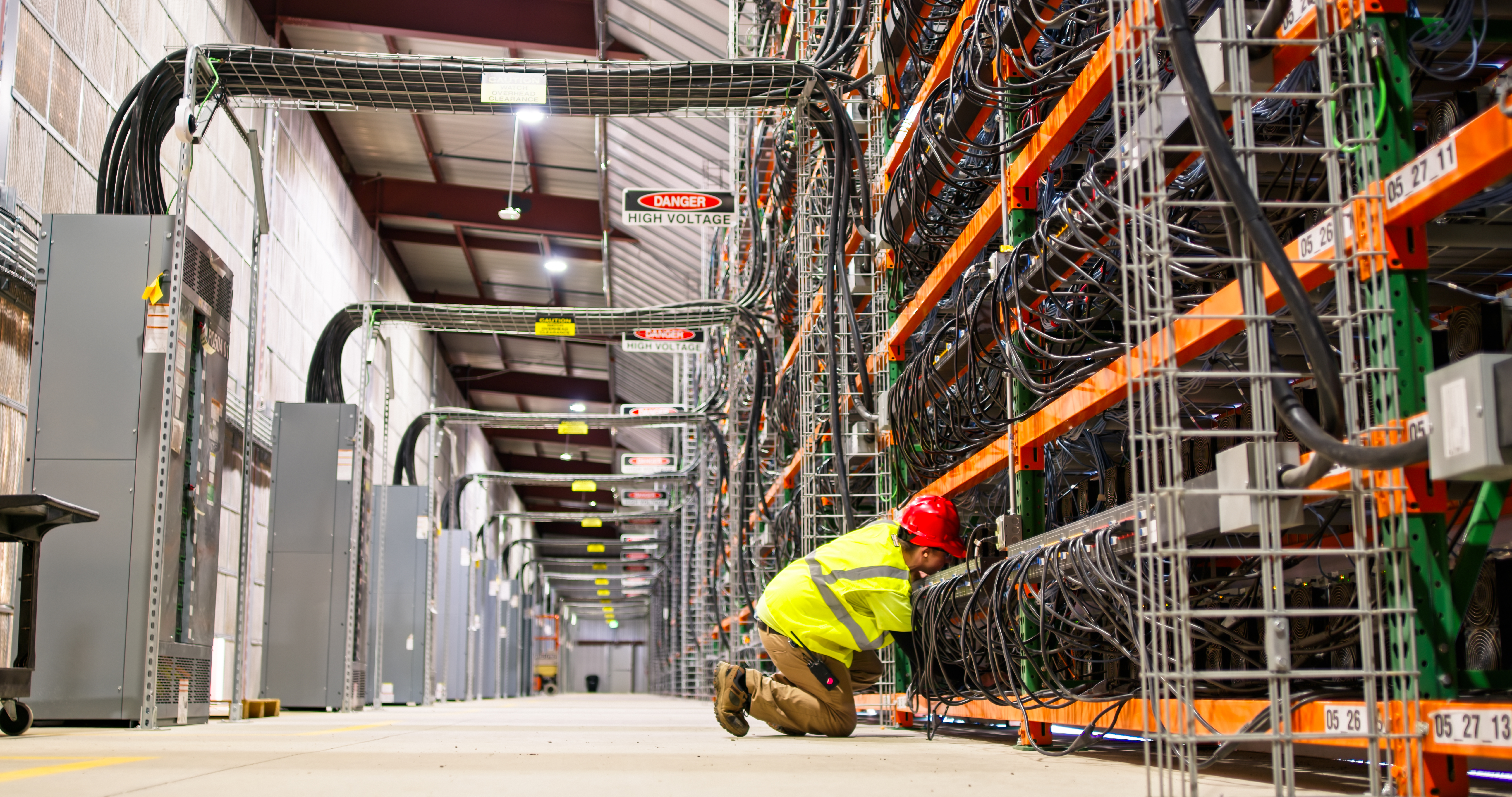
Data centers are at the foundation of the digital world, enabling storage, processing and distribution of information.
Risks
+
Workmanship errors: Damage to electrical parts and instrumentation from dust exposure if positive air pressure is not maintained and balanced, compromising clean integrity.
Workforce accidents: Mishandling or improper use of lifting equipment when installing server racks.
Skilled labor shortages: Lack of electricians, HVAC technicians and specialized IT installers.
Risks
Types of Facilities
+
Container/modular
Edge/micro
Hyperscale
Colocation/multi-tenant
Enterprise
Types of Facilities
Key Drivers
+
Digital transformation: Companies are adopting digital technology to improve operations and competitiveness.
5G expansion: More devices connecting to the internet through 5G networks.
Data explosion: The rise of streaming, IoT devices and social media.
Artificial intelligence: Generative AI engines are driving computational power storage.
5G expansion: More devices connecting to the internet through 5G networks.
Digital transformation: Companies are adopting digital technology to improve operations and competitiveness.
Data explosion: The rise of streaming, IoT devices and social media.
Artificial intelligence: Generative AI engines are driving computational power storage.
Key Drivers
U.S. data center construction is projected to reach ~$48 billion by 2029, up from ~$25 billion in 2023.1
Data Centers
Return to All Sectors
What’s Driving Construction Opportunities�and What Are the Risks?
Litigation Abuse


Attorney tactics and litigation funding.
Erosion of tort reform.
Negative public sentiment and corporate accountability.
Desensitization to large verdicts and media impact.
Key Drivers
Rising legal claim costs are driven by litigation abuse – where claim severity exceeds the usual scope of economic inflation and claim trends. Costs are also affected by social inflation – the impact of expanding legal standards and larger jury awards.
Litigation Abuse
Worker Mental Health


1https://bcbuildingtrades.org/83-of-construction-workers-have-experienced-a-mental-health-issue/�2https://www.cdc.gov/mmwr/volumes/72/wr/mm7250a2.htm�3https://blogs.cdc.gov/niosh-science-blog/2021/09/14/opioids-in-construction/
Chronic pain from physically demanding work puts construction workers at higher risk of opioid use disorder.3
56 out of every 100,000 male construction workers died by suicide in 2021, compared to 32 per 100,000 male workers in all industries.2
In 2021, the construction industry had the second-highest rate of suicide among its workers.2
An estimated 83% of construction workers have experienced a moderate or severe mental health condition.1
Facts
Construction industry workers are subject to high rates of mental health and substance abuse issues. For general contractors, this can exacerbate workforce shortages,
as employees may struggle to remain on the job or require extended time off for treatment and recovery.
Worker Mental Health
Limited Access to Technology


1https://www.constructiondive.com/news/workers-give-construction-a-thumbs-down-for-tech/649625/�2https://www.constructionexec.com/article/why-contractors-are-slower-to-adopt-new-technology-and-why-they-shouldnt-be�
The construction industry invests about 80% less in information technology than other sectors.2
Construction was ranked “the least technologically competent” industry among 10 industries considered in a recent study.1
Facts
Staying ahead in construction means embracing the right technology, but not every contractor has the resources
to do so. Without access to advanced tools, general contractors risk falling behind on project timelines, increasing errors and driving up costs.
Limited Access to Technology
Today’s construction industry faces mounting risks that threaten profitability and workforce stability. �Understanding the pressures of an increasingly complex landscape is critical to mitigating financial �exposure, supporting workers and staying competitive. Explore the various contributing factors:
Navigating Additional Challenges
FIND RESOURCES
Get Travelers Construction Risk Resources.
Travelers Innovation Network for Construction can provide access to the latest in construction technology.
Resources from Travelers and the Construction Alliance for Suicide Prevention raise awareness of mental health challenges facing construction workers.
Contractual risk transfer and courtroom resources to help manage construction liability exposures.
Specialists’ recommendations to help elevate quality control and help protect against construction defects.
Best practices for subcontractor selection and safety recommendations to help reduce the risk of workforce accidents.
Travelers solutions:
Travelers’ deep construction industry expertise helps contractors navigate risks
so you can pursue new opportunities with confidence and clarity.
How Travelers Can Help
Learn More
Discover insurance options for construction companies.

Hydrogen power
Biomass power
Geothermal power
Wind farms