cities | food & wine | outdoor activities | culture
Costa del Sol:
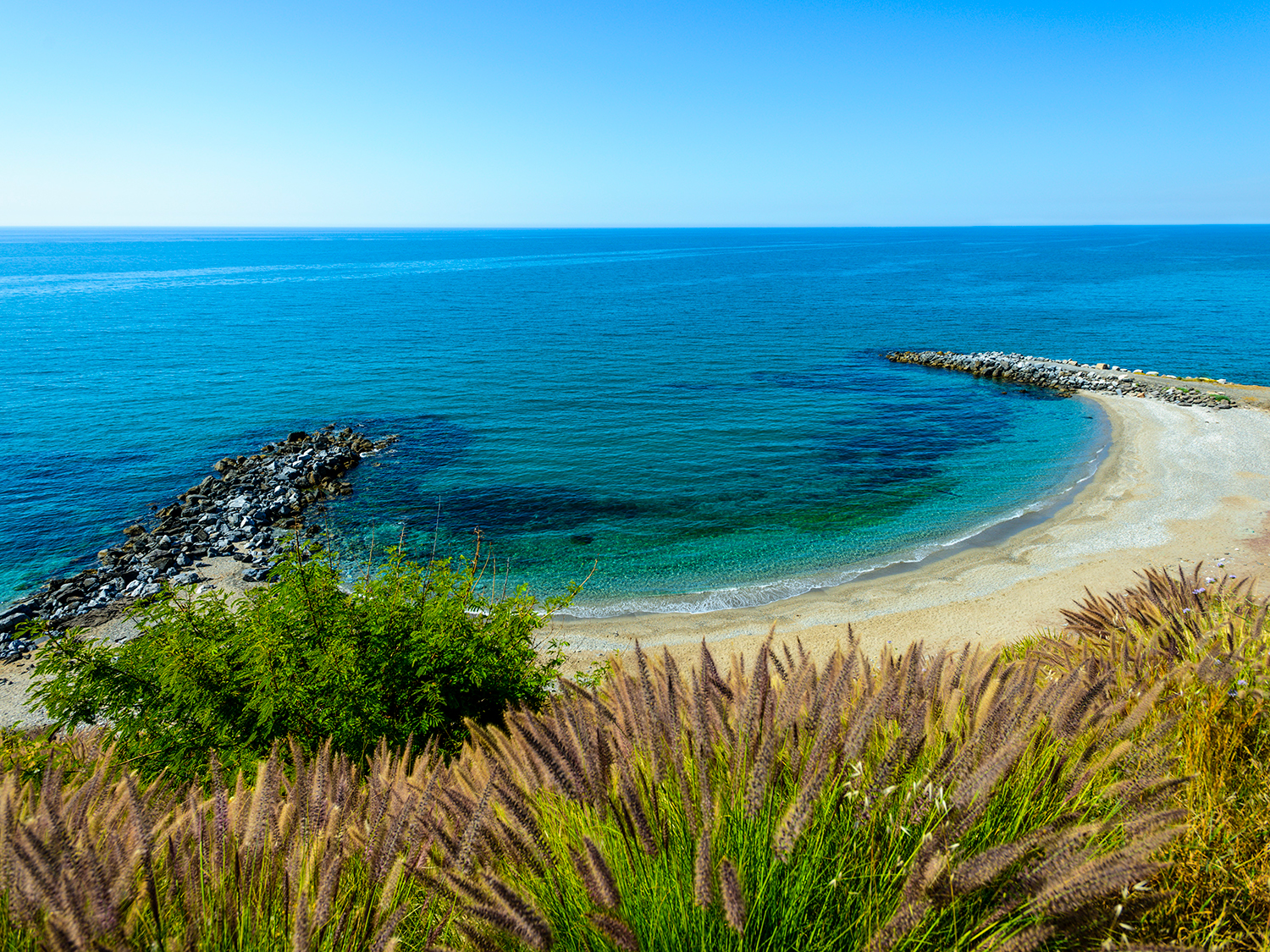
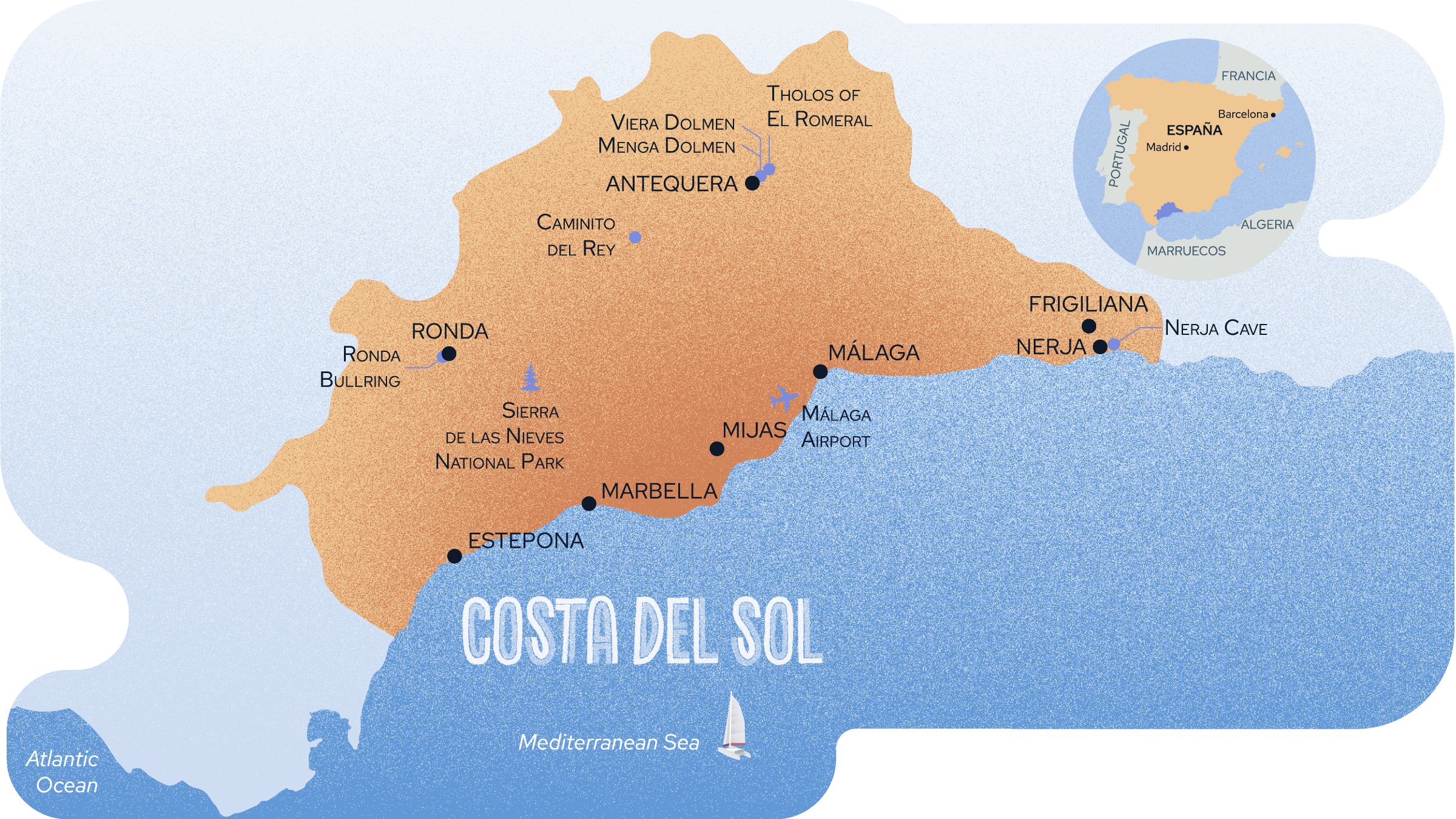
With a name that translates to Coast of the Sun, it’s easy to see why travelers flock to Spain’s Costa del Sol. Known for its golden beaches and clear blue skies (thanks to 320 annual days of sunshine a year), this Mediterranean coastline area has a richness that goes far beyond the sea. Costa del Sol encompasses the entire province of Málaga, from the flower-filled streets of Estepona in the west to the cliffs of Nerja in the east. Full of Andalusian soul, this region offers ancient Moorish fortresses, Picasso’s legacy and centuries-old tradition.
Fly direct to Málaga with a seasonal summer flight on United from Newark or take a high-speed train from Madrid (2.5 hours) or Barcelona (4.5 hours). There are also frequent domestic flights from Madrid (1 hour) and Barcelona (1.5 hours). Read on to see our guide to this part of Spain’s Andalusia region.


This Med is good for the soul
in collaboration with:



BACK TO
THE TOP

BACK TO
THE TOP

BACK TO
THE TOP

BACK TO
THE TOP


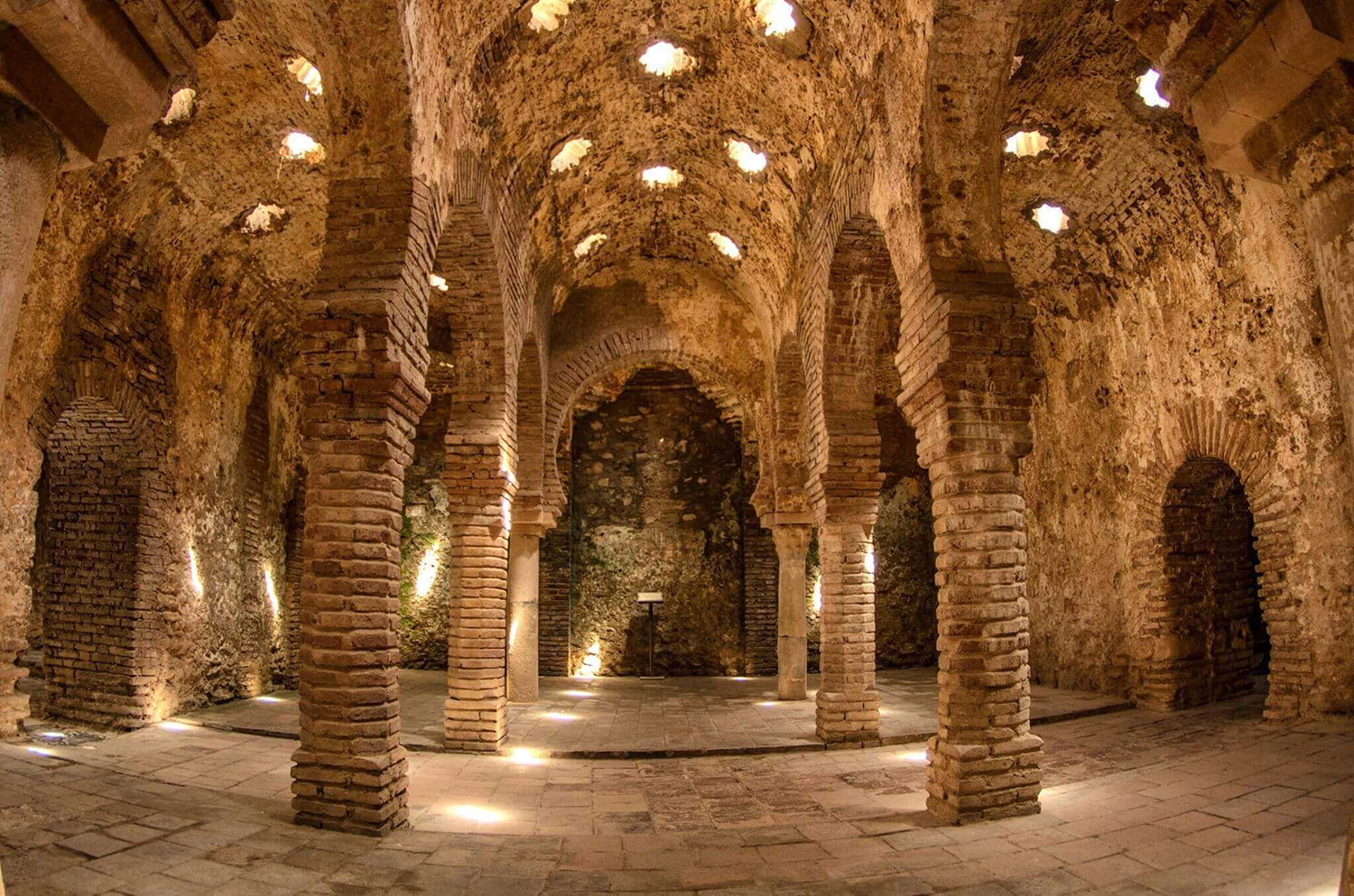
Arab Baths, Ronda



Cities
Food & wine
Outdoor activities
Culture
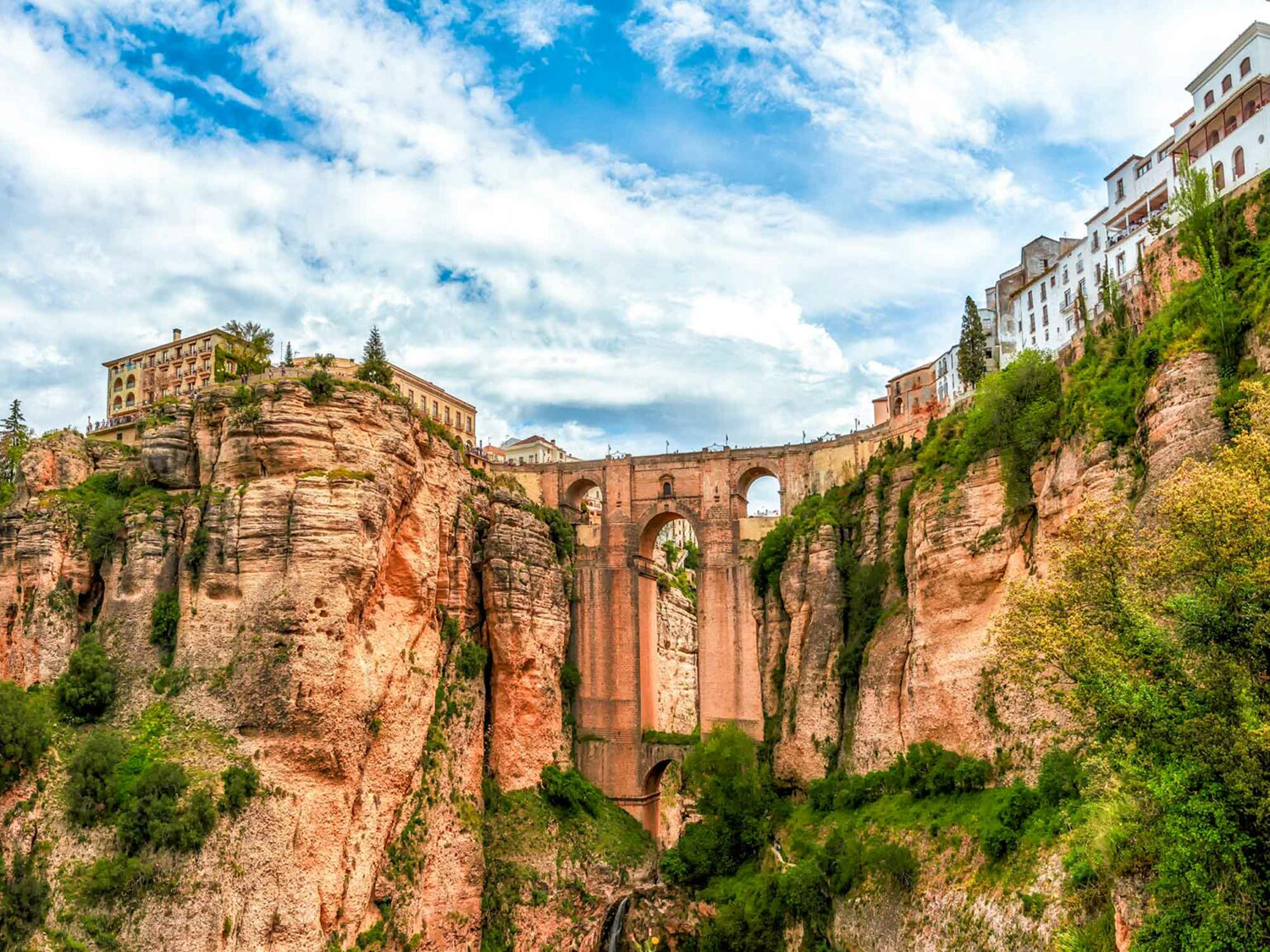
Ronda
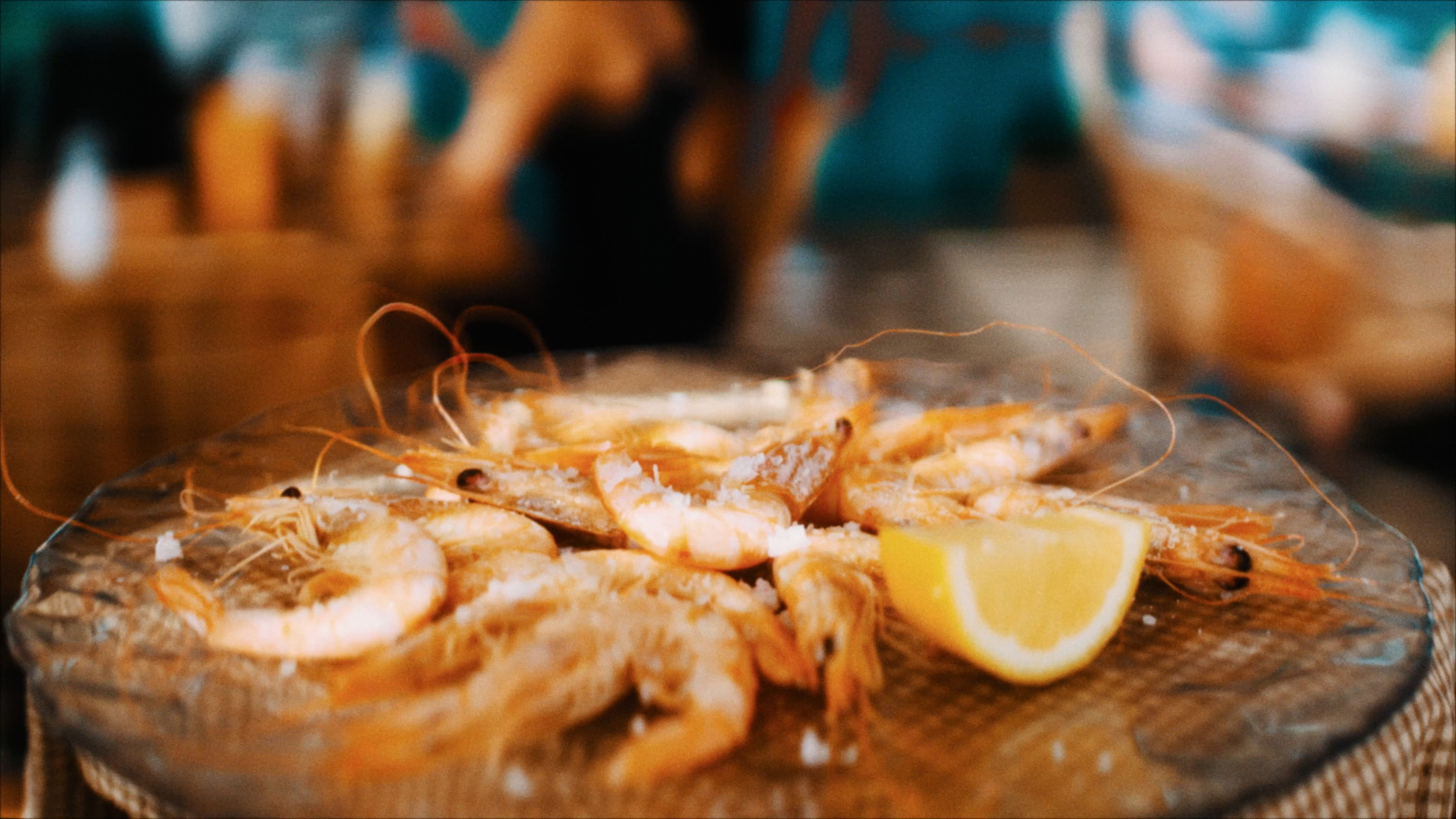
Shrimp
Clams
Plan your trip


Benalmádena
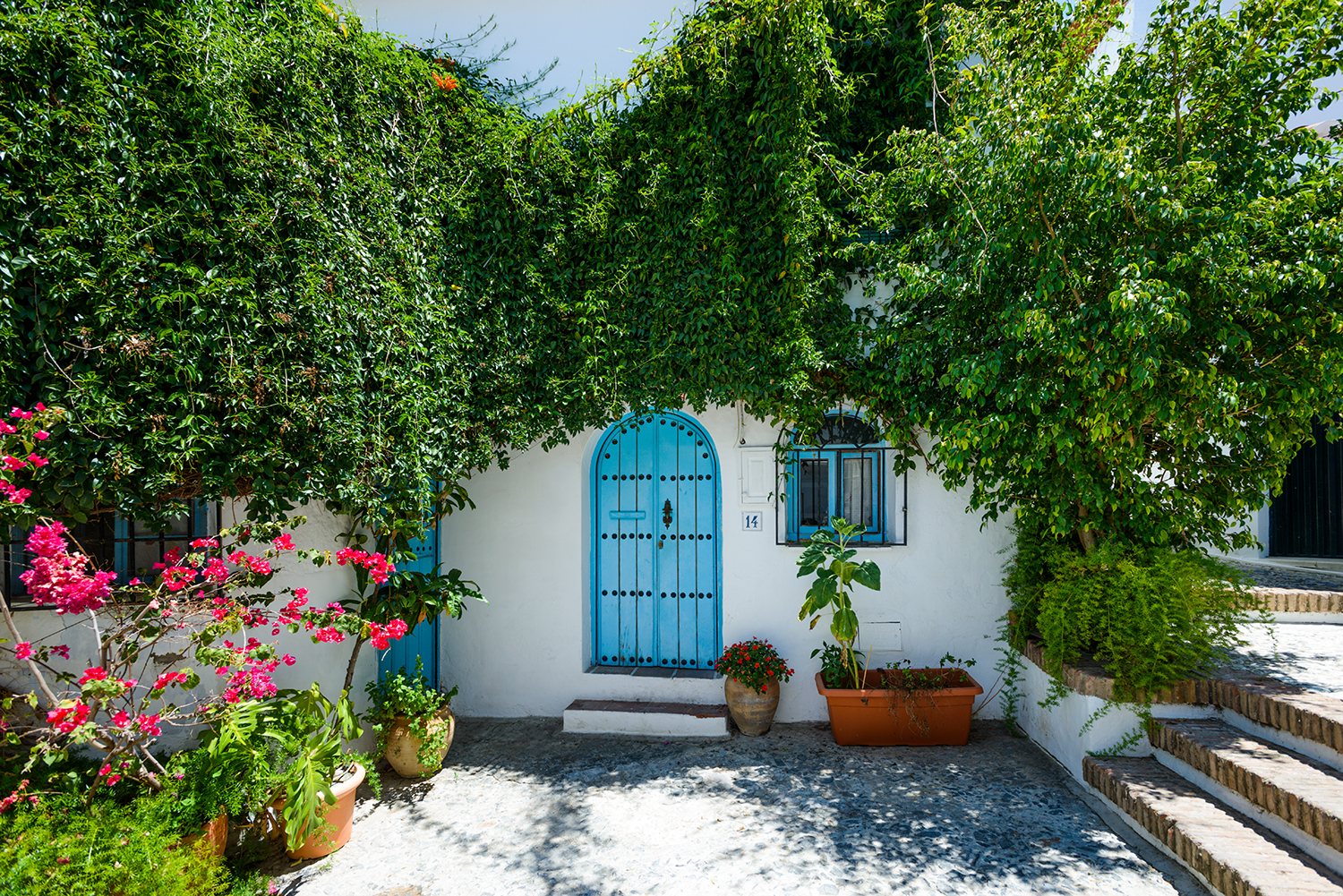
Frigiliana
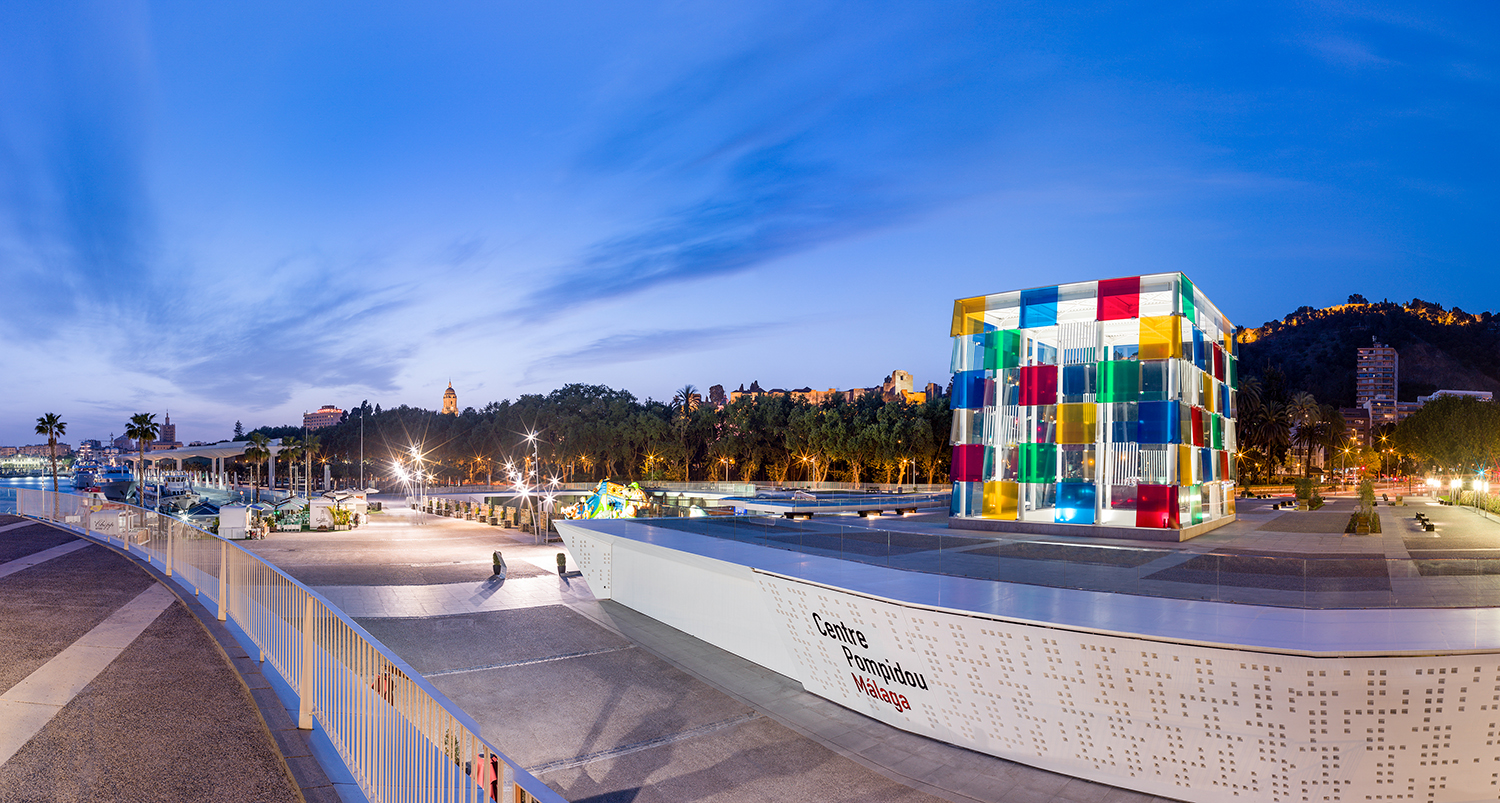
Centre Pompidou, Málaga
Estepona
Playa de Nagüeles, Marbella
Torcal de Antequera
See how Costa del Golf earned its nickname
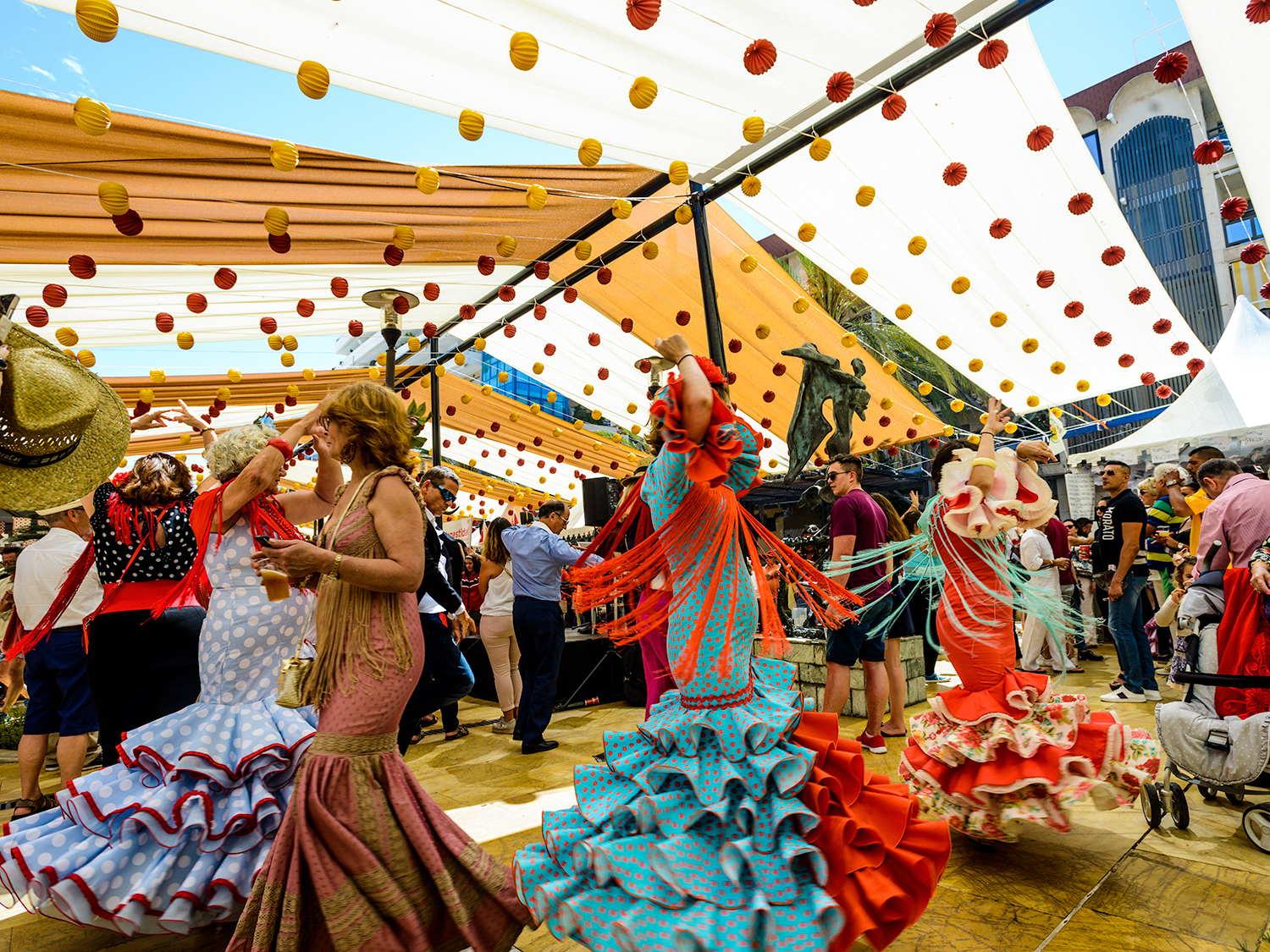
Dancers at Marbella Fair
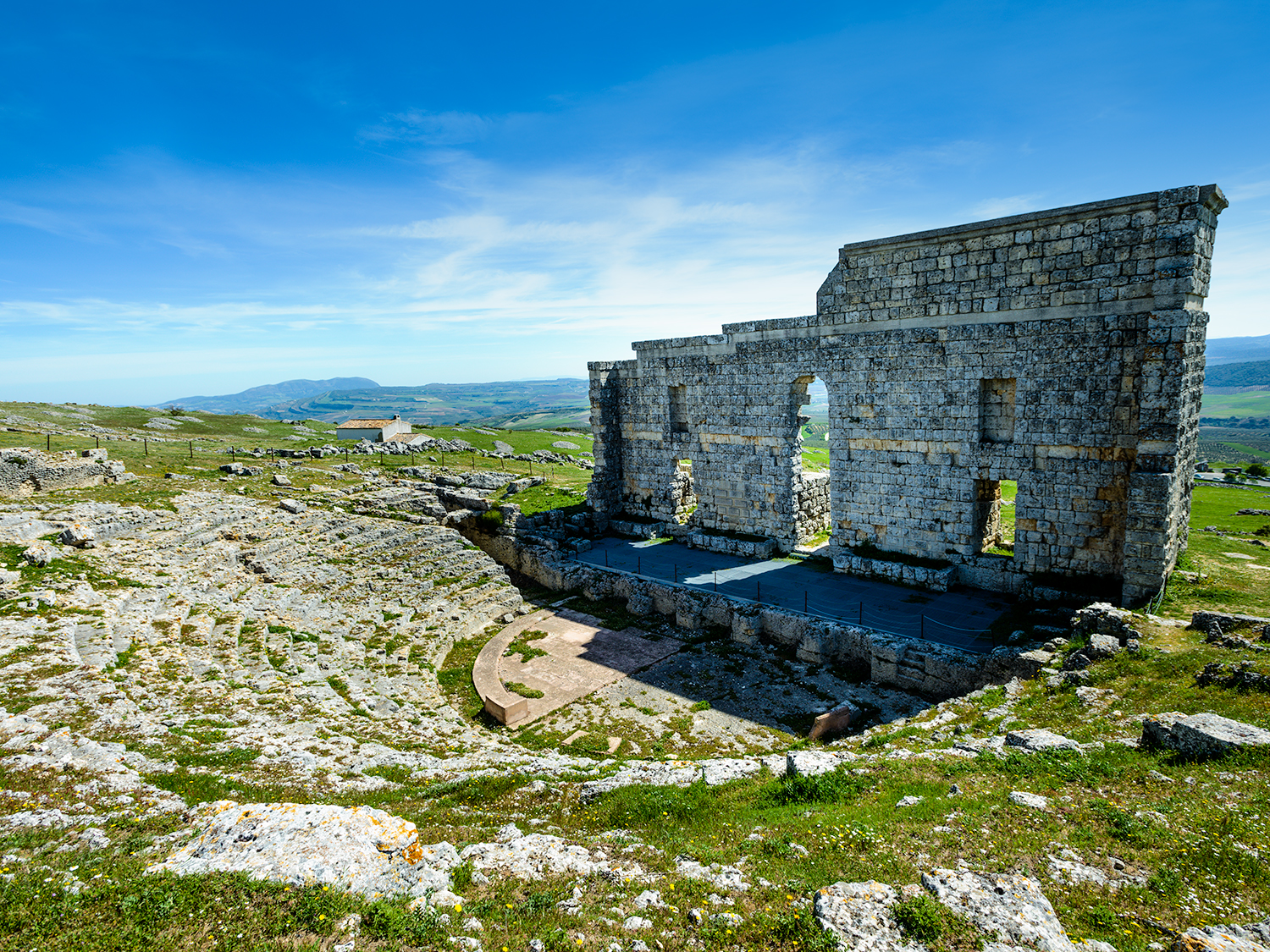
Acinipo Roman Ruins, Ronda


The BLOX Building (left); The Black Diamond (right)
Photo credit: Daniel Rasmussen
SEE OUR OFFERS

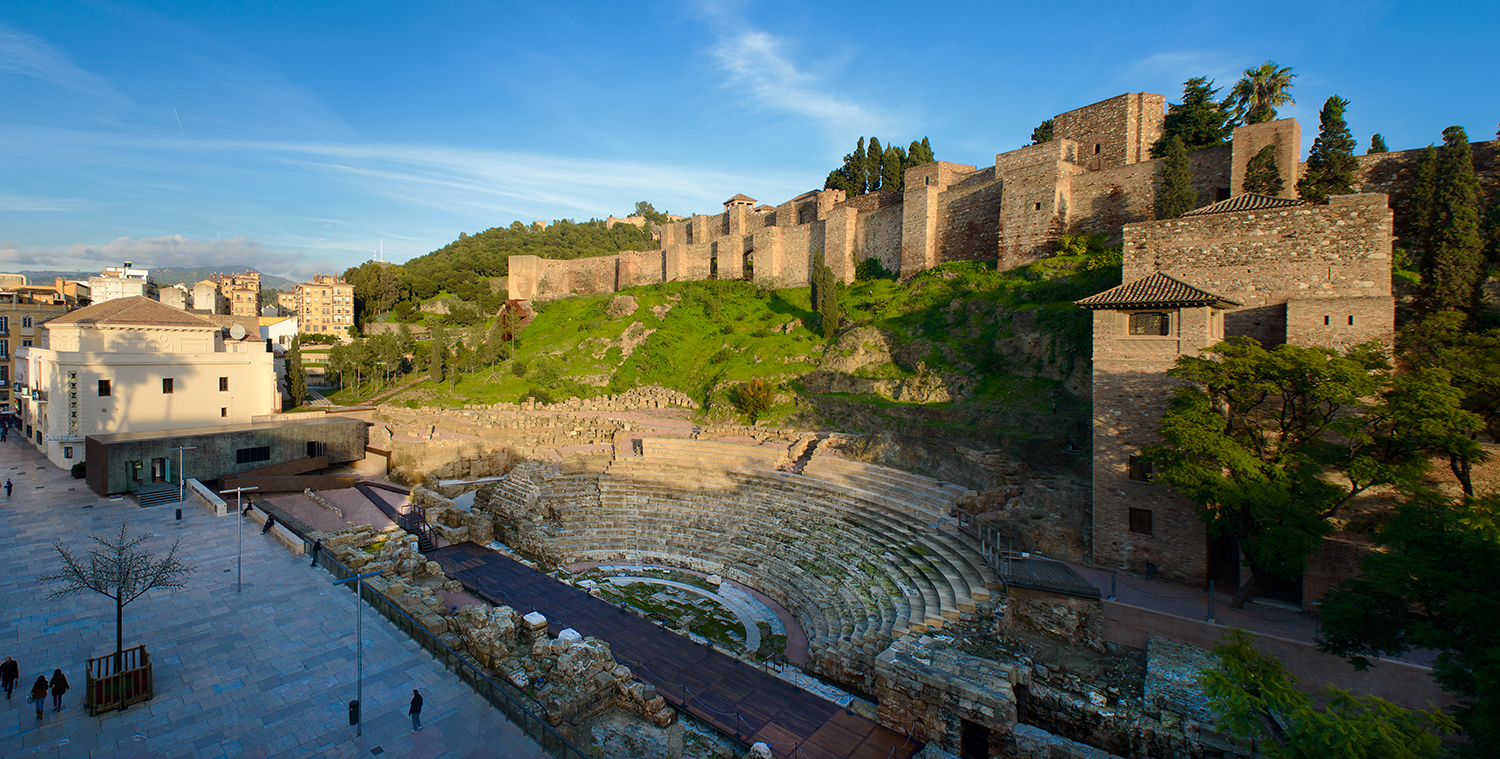
Modern-day Costa del Sol encompasses a legacy of civilizations, from the Phoenicians and the Romans, to the Visigoths and the Moors. At the foot of Mount Gibralfaro in Málaga lies a Roman theatre first constructed in the first century B.C., which was re-discovered in 1951 after hundreds of years underground. Look up and you’ll see the thousand-year-old Moorish palace-fortress of Alcazaba of Málaga, which you can stroll around. Head further up the hill to the 14th-century Gibralfaro Castle, where you can soak up sweeping views of the city’s terracotta rooftops and the seaside marina.
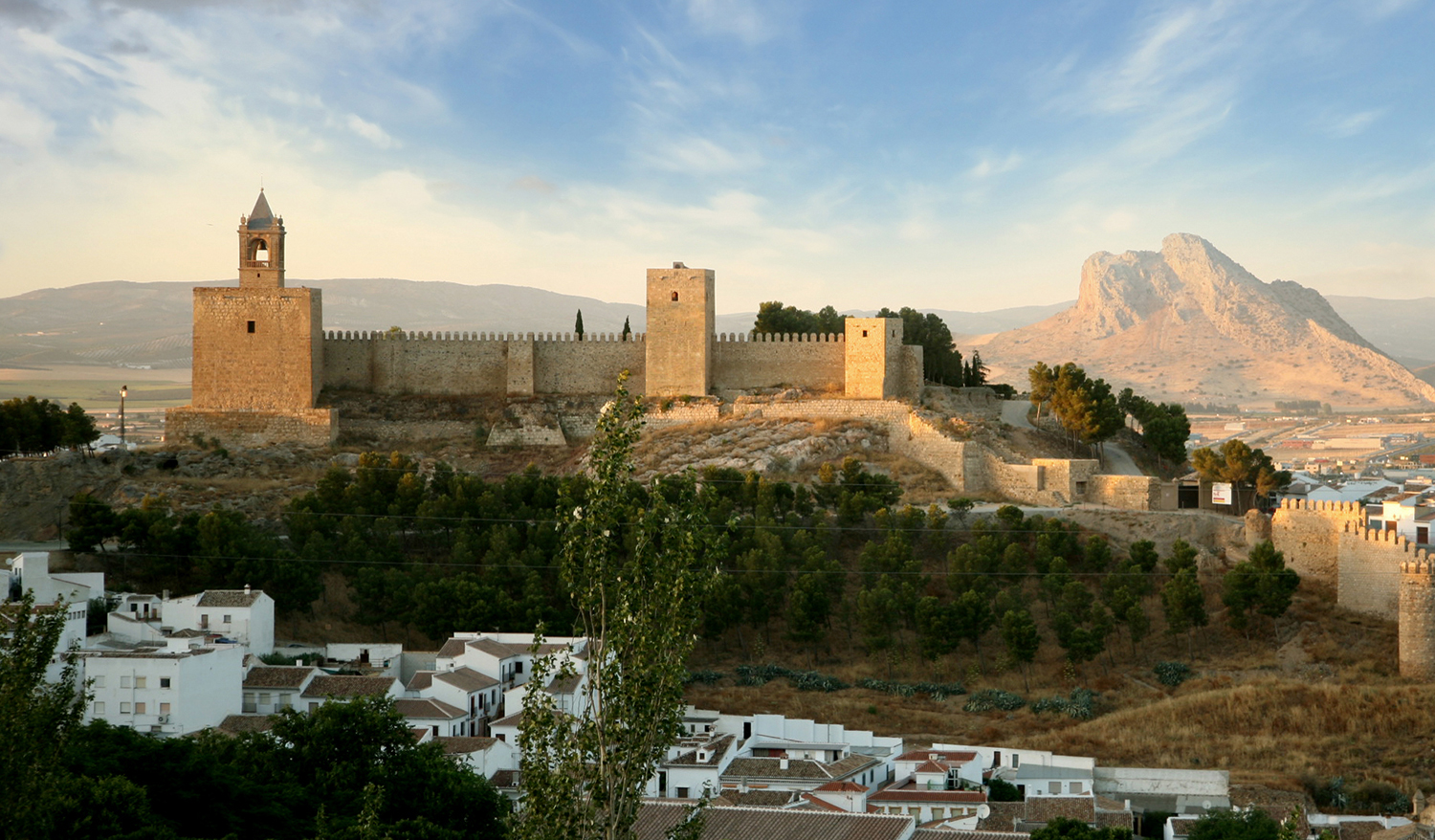
The Alcazaba of Antequera is another imposing structure and covers 15 acres on a hilltop. Dating back to the 14th-century, it was erected over Roman ruins to counter Christian advances from the north. Climb to the top of the Torre del Homenaje (only 50 steps) for views of the city and see if you agree with the locals that the Peña de los Enamorados rock resembles a human face.
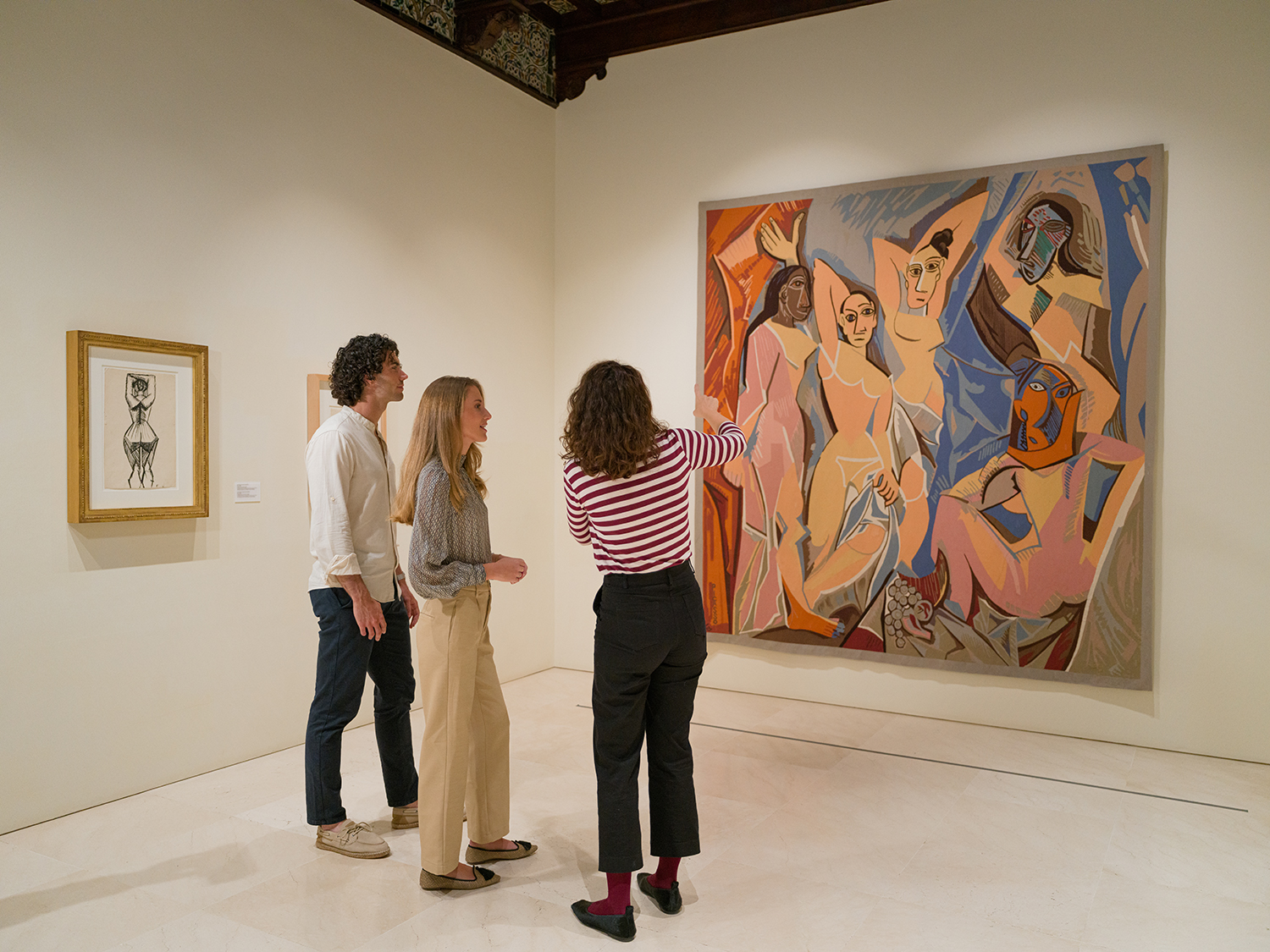
As part of the vibrant Andalusia province, Costa del Sol has a long history in the arts. Start with Picasso. Along with visiting the Museo Picasso Málaga to see his works, you can also tour his childhood home and see more paintings at the Museo Casa Natal Picasso Málaga. Writers flocked to this part of Spain as well. Ernest Hemingway spent time in Ronda, whose landscape and bullfighting tradition (more on that shortly) inspired him to write “For Whom the Bell Tolls.” Orson Welles fell in love with Ronda and chose to have his ashes scattered at a local estate, the Recreo de San Cayetano.
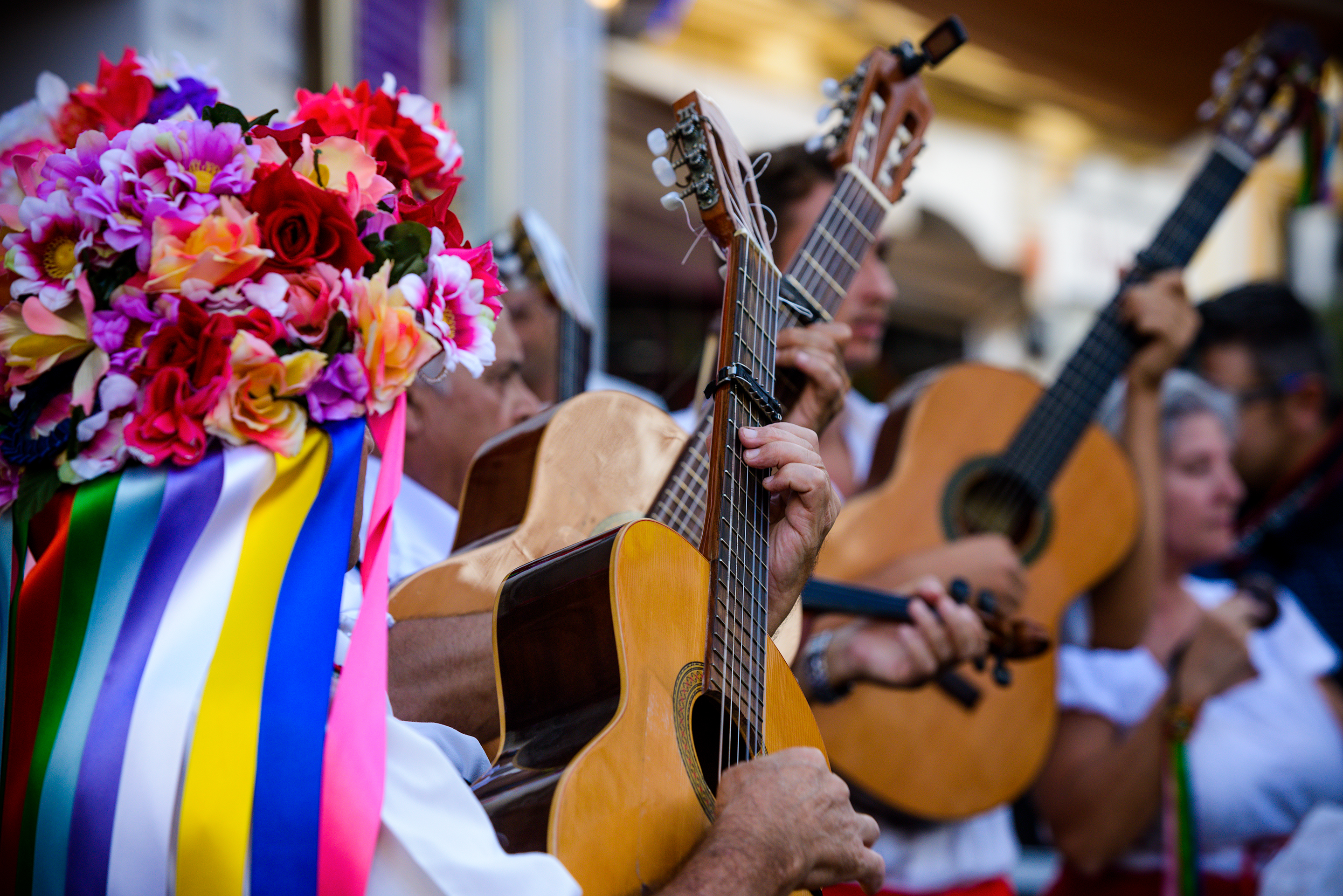
Flamenco originated in southern Spain, so you’ll be able to catch plenty of performances at tablaos (traditional flamenco venues) or peñas (local clubs) celebrating this art form throughout the year. It wasn’t until the 18th century that the songs and dances of the region came to be called “flamenco,” but they had been going on for centuries. The music is the culmination of the Andalusian community, gypsies, Arabs and Jews coexisting and mixing their customs. Many towns hold annual flamenco festivals as well.
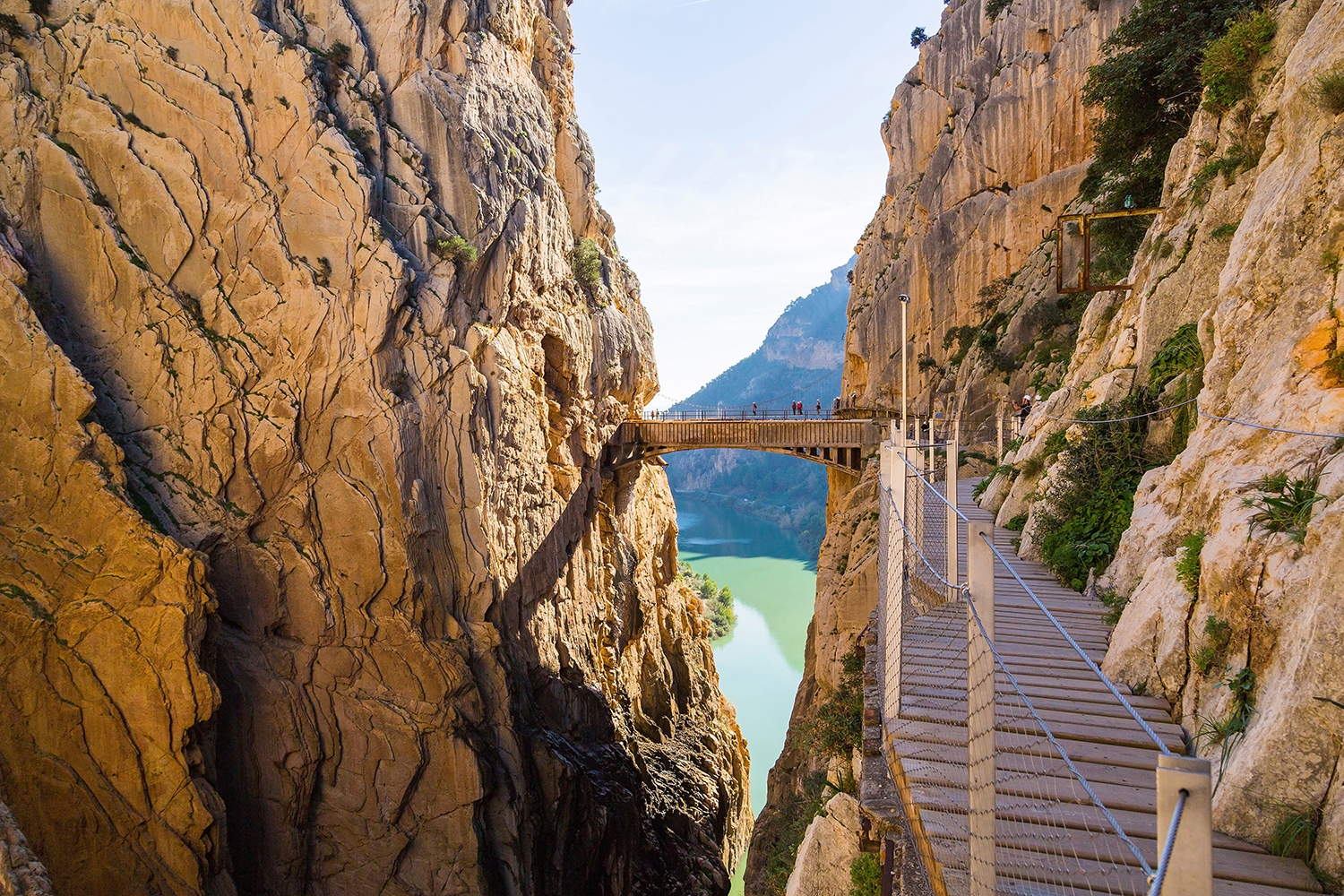
A mixture of mountain paths and suspended walkways set against the walls of steep cliffs, El Caminito Del Rey was once considered one of the world’s most dangerous hikes. Safety measures were implemented this century, but you still might need nerves of steel in order to relax and enjoy the incredible views of canyons, a large valley and animals like wild boar, golden eagles and Iberian ibex. This one-way path takes about three to four hours to complete, so be sure to bring water and snacks along.
If you like your outdoor adventures to be a little less strenuous, there’s plenty of golf to be had in Costa del Sol. In fact, there are more than 70 golf courses here, giving it the nickname of “Costa del Golf.” Marbella, Estepona, Mijas and Benahavis have the majority of courses, though you’ll also find some in La Axarquía and Antequera.
Oil tourism means something a bit different in Spain than, say, Texas. The region of Andalusía is the largest extra virgin olive oil producer in the world, and you can visit one of the many oil mills in Costa del Sol. Tour the groves to learn how the olives are cultivated, harvested, stored, packaged and marketed. Of course, and perhaps most crucially, you’ll also taste the olive oil as well. Head to oil mills such as Finca La Torre in Antequera, Molino del Hortelano in Casabermeja or LA Organic in Ronda.
There’s more to wash down a meal than olive oil; in fact, there are five wine-producing areas in the Costa del Sol. Each of these—Serranía de Ronda, Axarquía, Montes de Málaga, North Zone (Vega de Antequera) and West Coast (Costa Occidental-Manilva)—has a different climate and terrain, which means that a variety of wines can be produced and tasted. Moscatel de Málaga is a sweet wine made from Muscat grapes. Pedro Ximénez is another sweet wine, sometimes poured over vanilla ice cream. Sierras de Málaga is an official designation for the dry wines produced in the mountains around Málaga and these include dry reds, whites and rosés.
It should come as no surprise that seafood is the star in Costa del Sol. Fresh, natural and delicious is essentially the Mediterranean way and locals here combine goodies from the land and the sea. There are hearty stews, fresh produce, extra virgin olive oil and, of course, wine to try. With a nod to the Moors, many desserts include honey, almonds and spices.
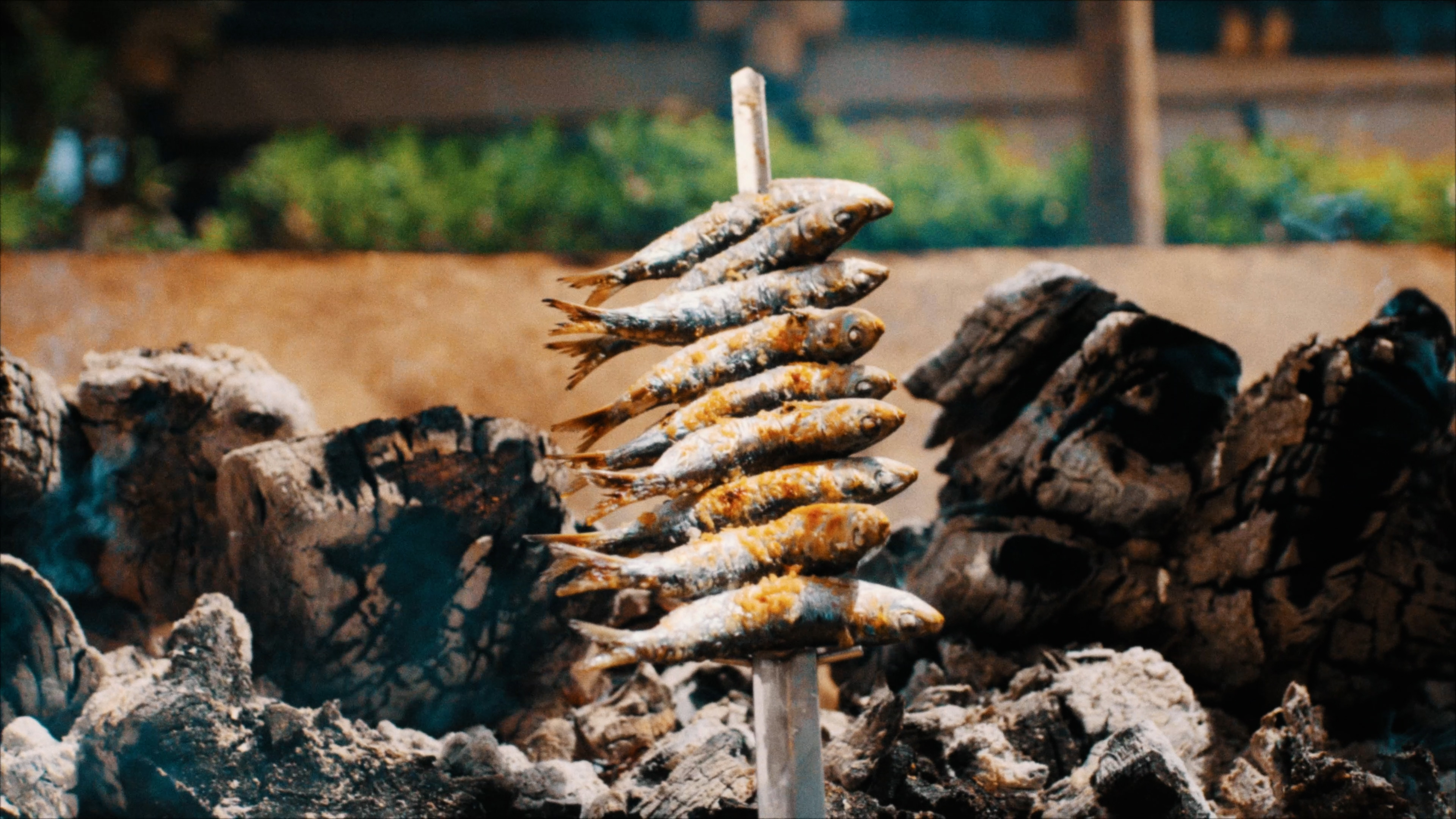
But where you need to start is at a beach bar, or chiringuito, because here is where you’ll immediately get a taste of local tradition. Espetos, or skewers, of sardines are placed in small boats filled with sand, angled towards an open fire to grill the fish. This practice dates back to the 19th century when fishermen would grill their surplus fish upon return to land.
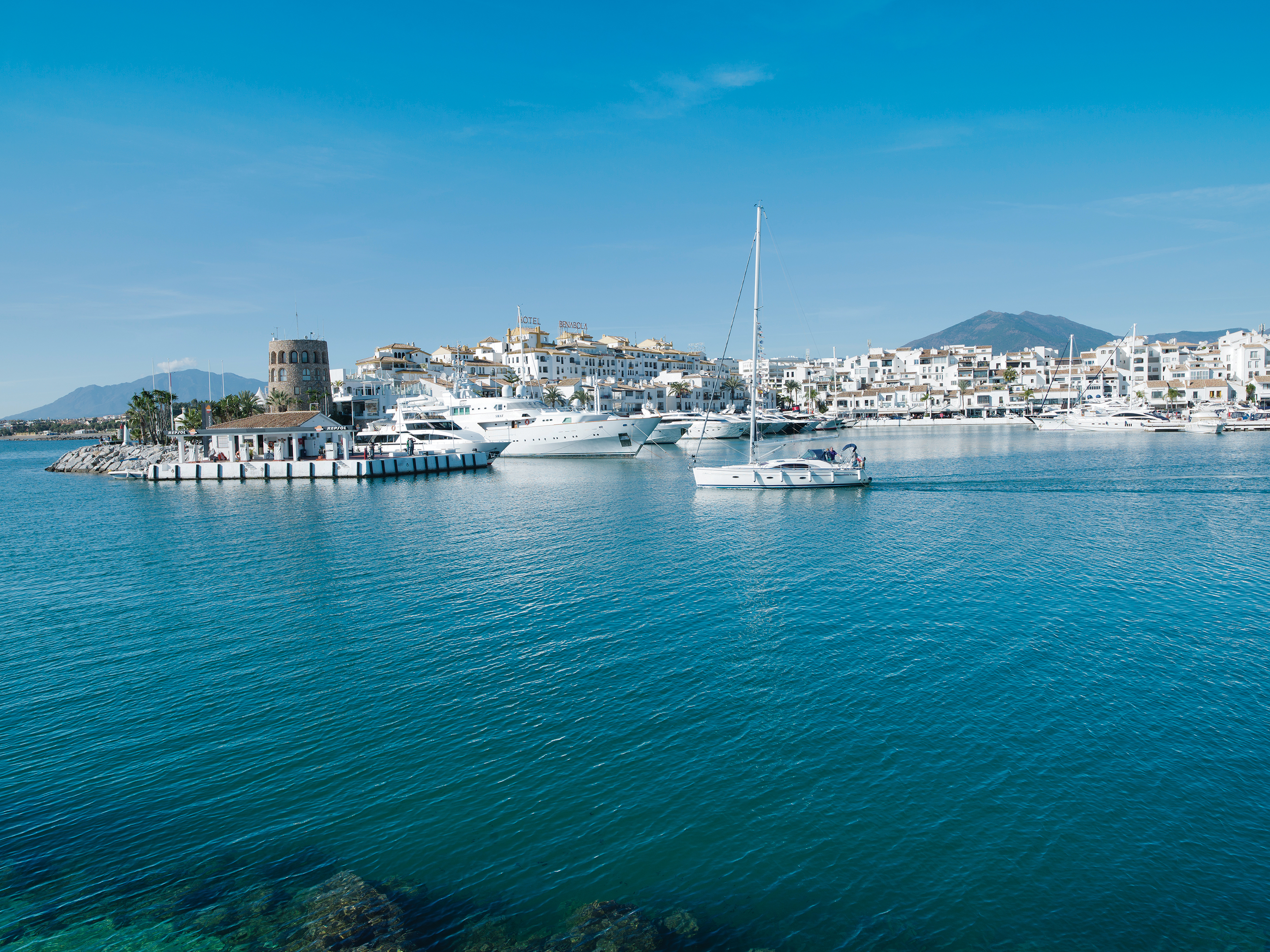
Celebrities flock to Marbella, which holds an enviable position between the Sierra Blanca Mountains and the Mediterranean. The city is full of upscale resorts and designer boutiques, not to mention golf courses and ritzy nightclubs. Along with its trendy modern vibes, Marbella also has a charming Old Town that includes the Plaza de los Naranjos, which is full of orange trees and dates back to 1485.
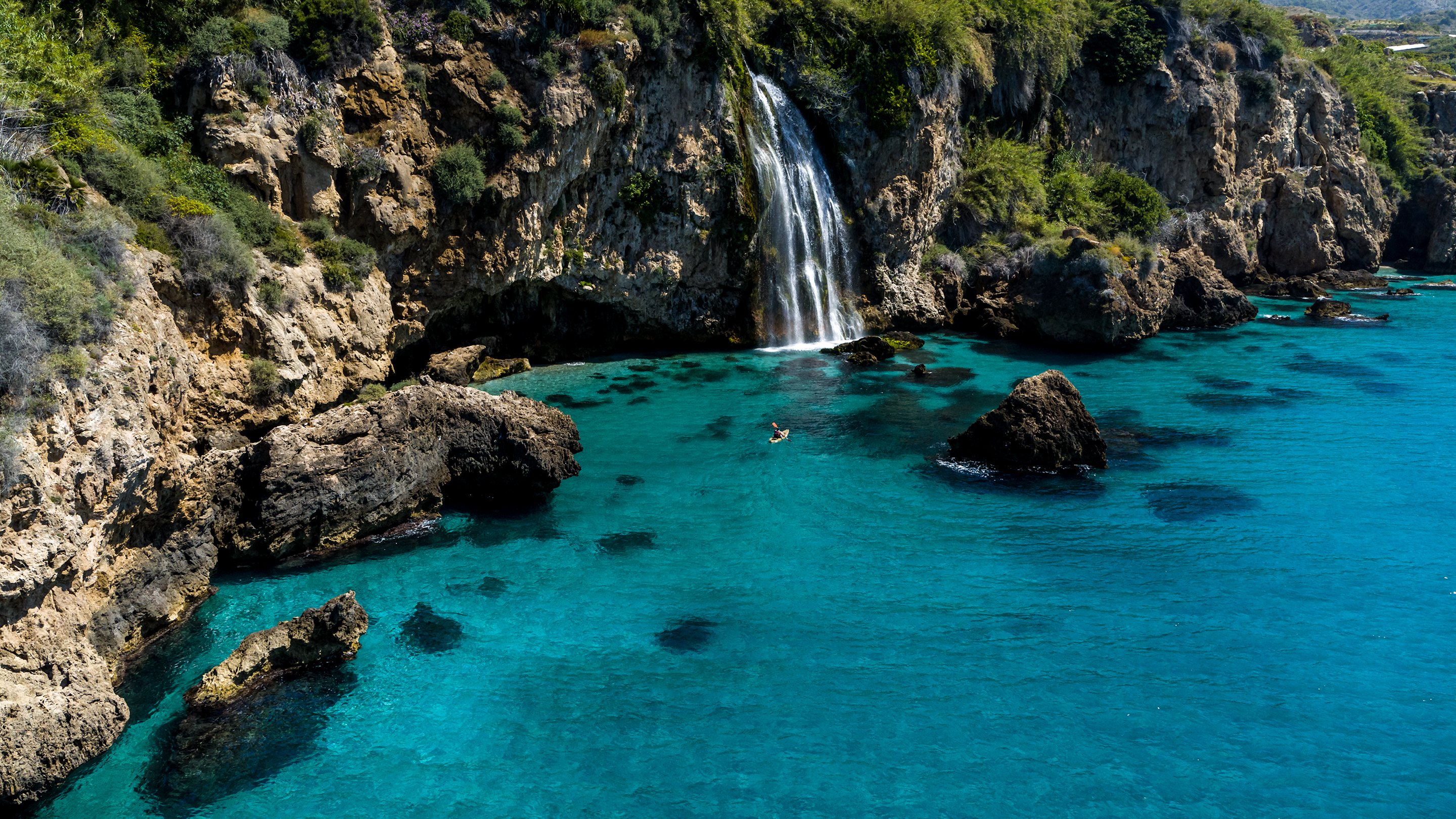
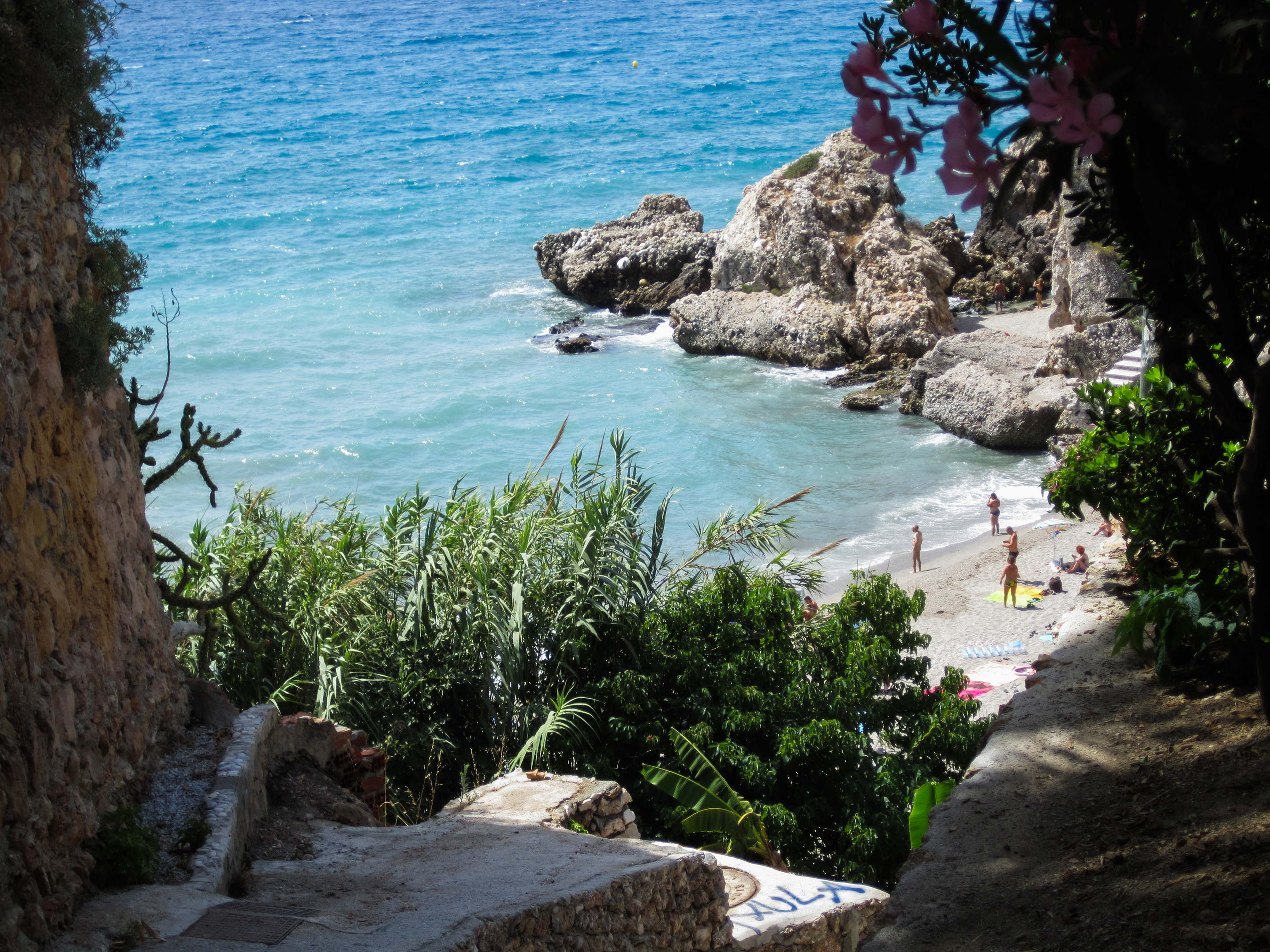
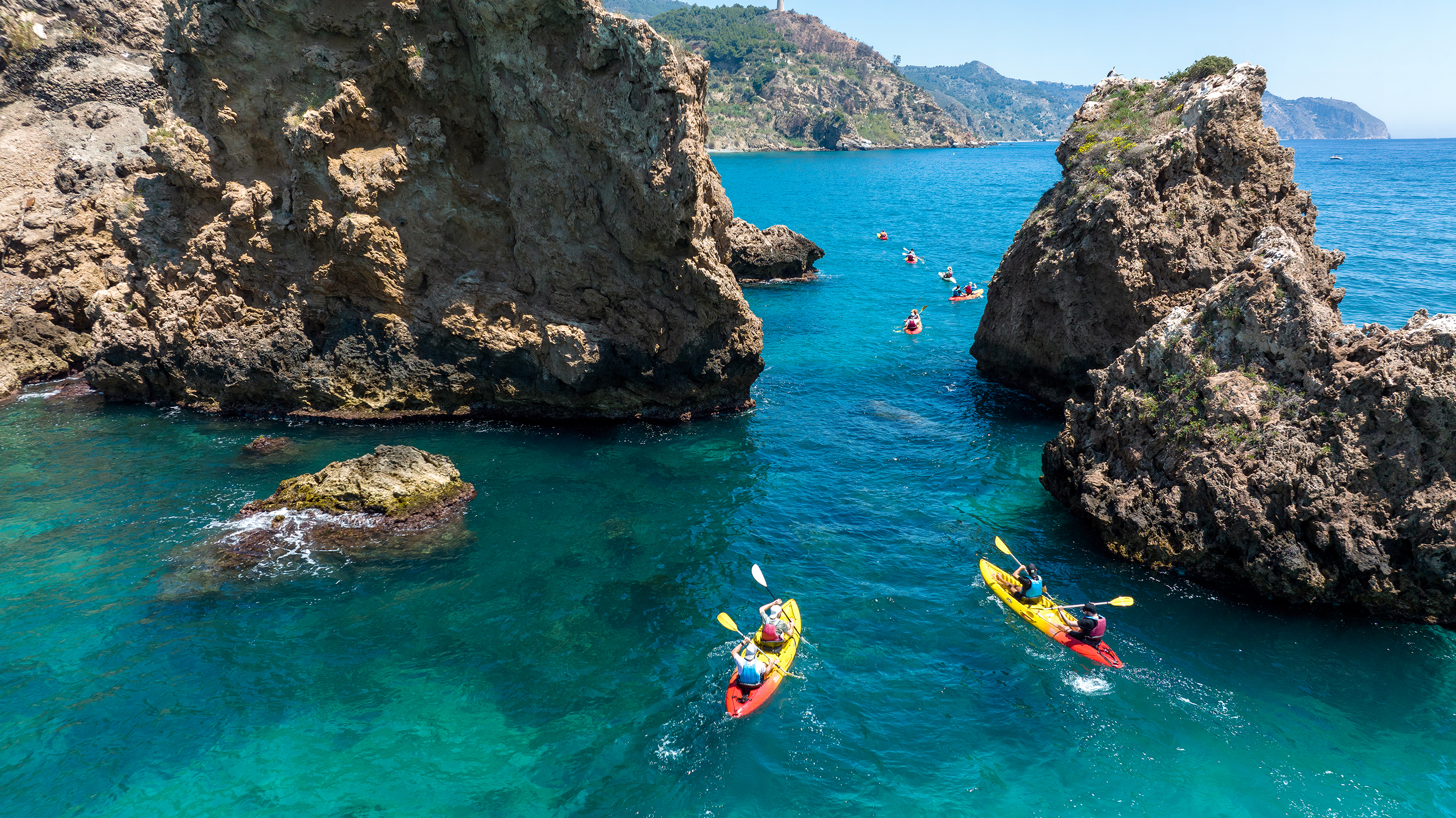
Dotted with 33 impressive churches like the Iglesia del Carmen, Antequera is also home to ancient burial mounds. A UNESCO World Heritage Site, the Antequera Dolmens Site is made up of three megalithic monuments—the Menga Dolmen, the Viera Dolmen and the Tholos of El Romeral—built between 3700 and 2200 BC and used as collective burial sites. About an hour away is Nerja, a popular spot for kayaking and snorkeling along the cliffs of Maro-Cerro Gordo. Nerja Cave hosted early humans starting around 40,000 years ago; some of the world’s oldest known cave paintings are believed to be here.
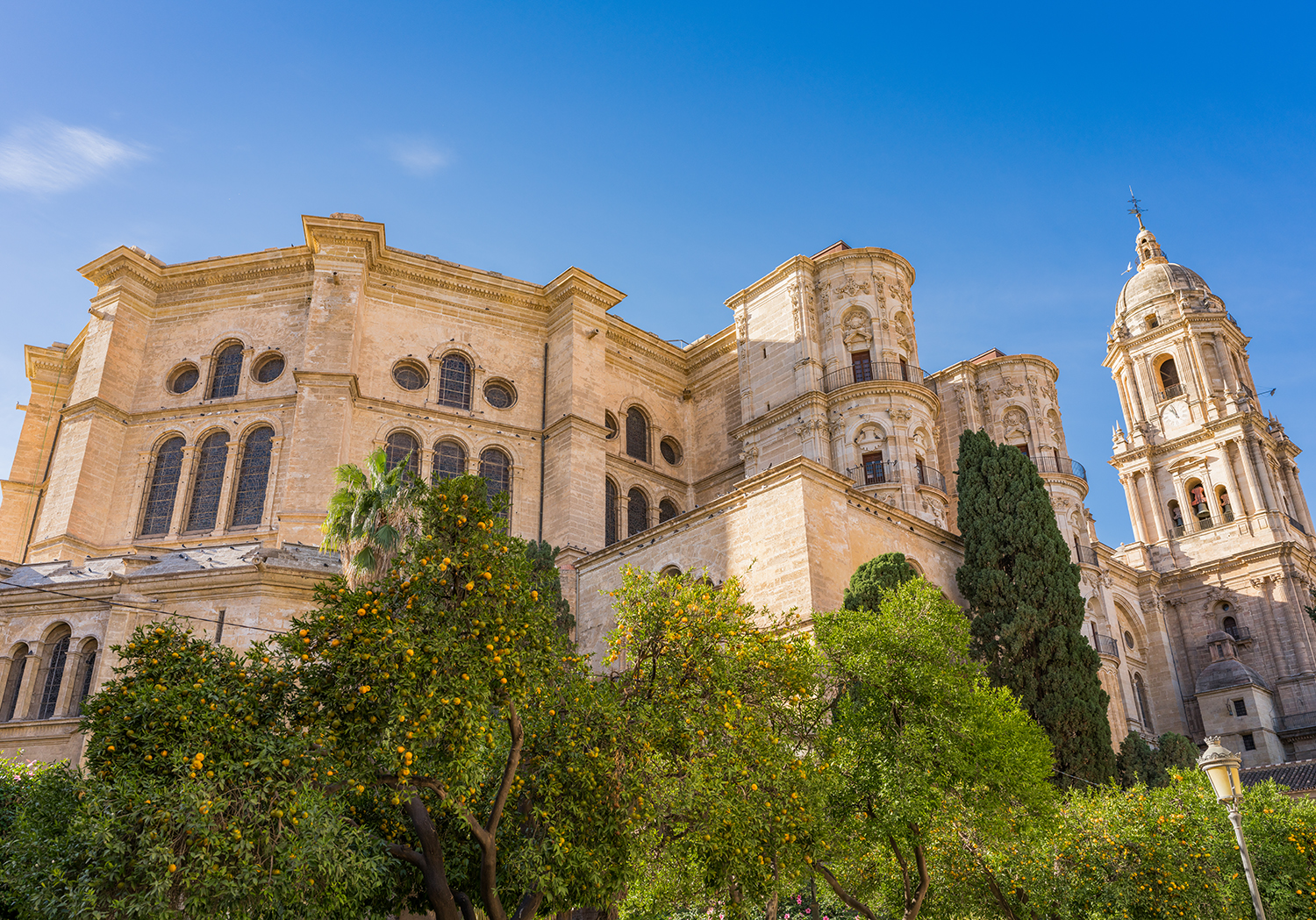
The Phoenicians established a trading post in Malaka around 770 BC; today we know this bustling port city as Málaga. A mixture of Phoenician, Roman and Moorish history, Málaga’s main attractions include the Alcazaba fortress, a Roman theatre and an asymmetrical cathedral, affectionately known as La Manquita, or the One-Armed Lady, due to its unfinished second tower. There are more than 40 different museums here, including a branch of France's Pompidou Museum and one for native son, Pablo Picasso; buy a ticket to see his paintings, sculptures and ceramics spanning his entire career or go on Sundays two hours before closing when admission is free.
Ronda perches dramatically atop a deep gorge and it’s not until you get closer to its architectural marvel that you realize the city is split in two. Puente Nuevo, the famous three-arched bridge, spans nearly 400 feet across the Guadalevín River chasm and stretches 322 feet in the air to connect the new and old parts of the city. Dating back to the 6th century, Ronda’s historic quarter is a maze of cobblestoned streets and Moorish architecture. While they’re no longer working spas, the 13th-century Arab baths are still well-preserved and worth a peek.
Thank Mother Nature for the wonder that is Torcal de Antequera in the Sierra del Torcal mountain range just south of Antequera. It’s considered one of Europe’s most impressive karst landscapes, which means limestone that dissolves in water over millions of years to create incredible rock formations. The Torcal de Antequera is a UNESCO World Heritage Site and a nature park full of hiking trails to get up close to the amazing scenery.
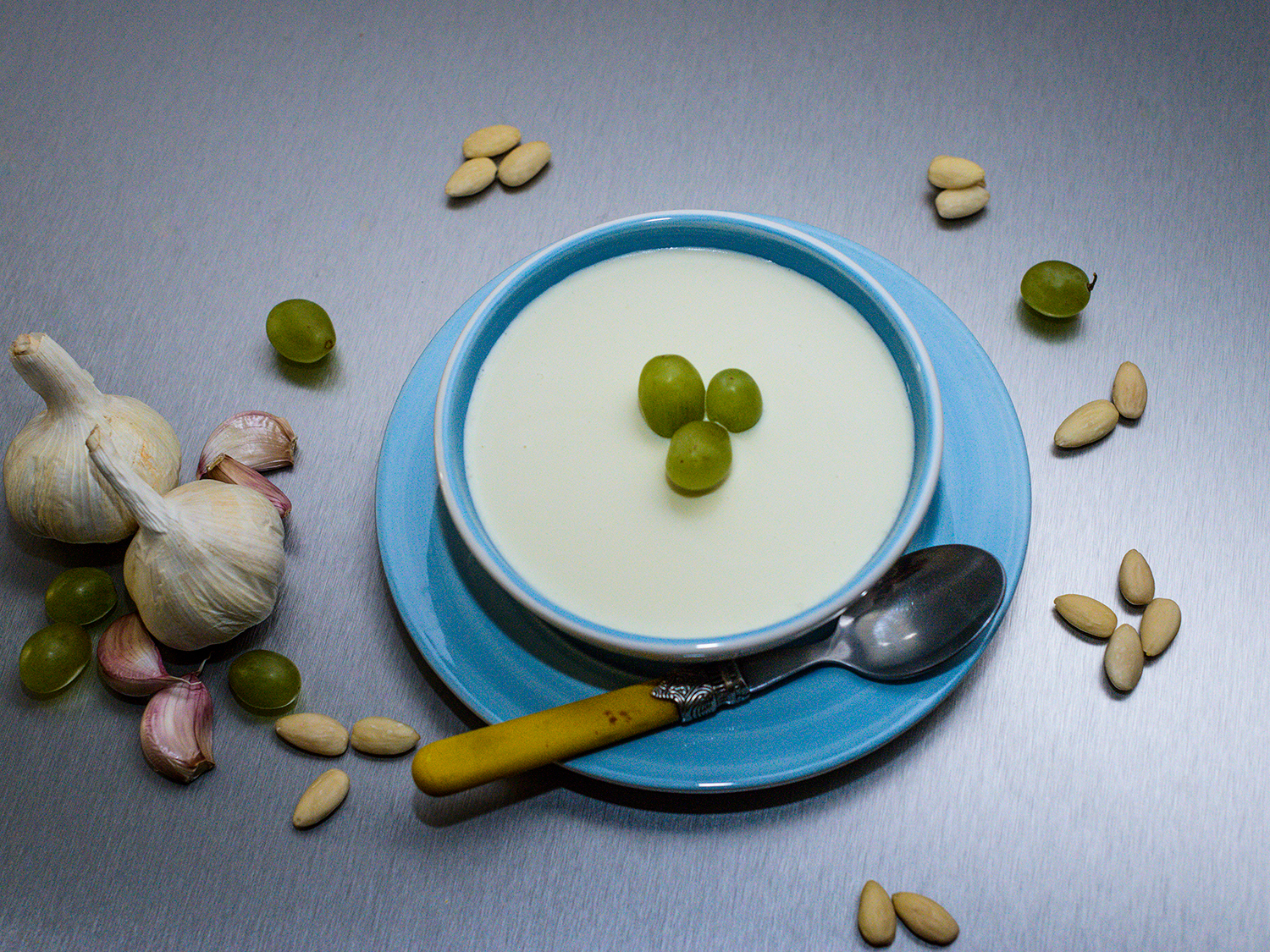
Sometimes referred to as “white gazpacho,” ajoblanco is a cold soup that originated in Axarquia. Consisting of stale bread, blanched almonds, green grapes, cucumbers, olive oil and garlic, this soup came well before Hernán Cortés brought tomato seeds back to Spain in the 16th century.
Thanks to Costa del Sol’s subtropical climate, the Axarquia region in particular grows tropical fruits like avocado, papaya, mango, lychee, loquat and cherimoya. This is the only place in Europe where these fruits are grown commercially, so it is a crucial supplier to the entire continent. Tropical farm tours are available to visit avocado and mango plantations where you can learn about the trees and eat fresh fruit.
Ronda is also considered one of the region’s white villages, picturesque towns known for their whitewashed houses and buildings as well as memorable landscapes. Casares is on a hilltop, surrounded by lush green vegetation stretching for miles. Genalguacil is known as an open-air museum, thanks to its many art installations around the town.
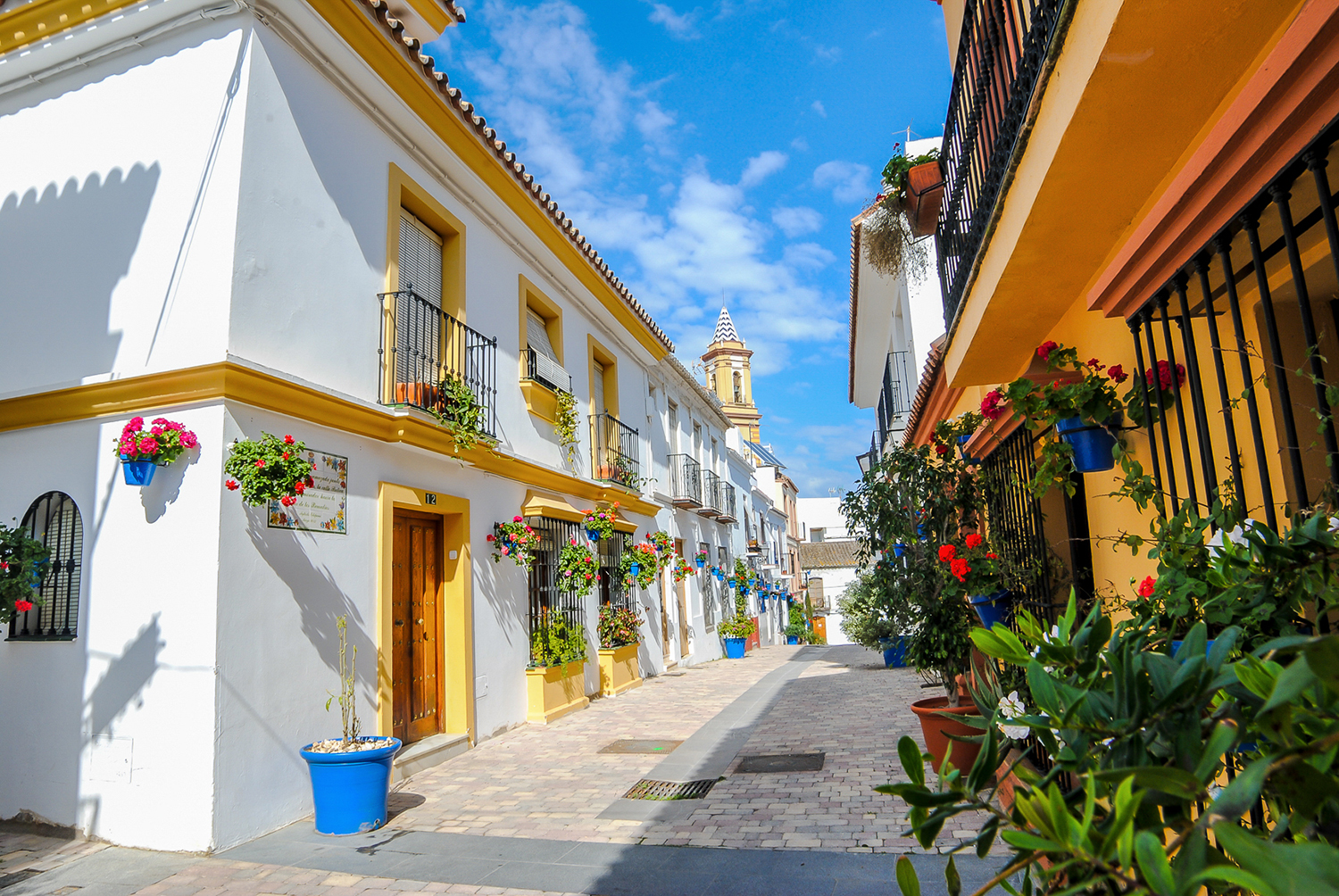
Estepona is about 20 minutes from Casares and it’s renowned for its family-friendly beaches, murals and sculptures. That said, this seaside town is best known as “the Garden of the Costa del Sol” due to the immense number of flowers everywhere you look. More than 23,000 flower pots adorn whitewashed houses, overhang from balconies and line pedestrian streets. Spain’s only Orchidarium is here as well, showcasing more than 1,500 orchid species.
Marbella | credit: José Banús
lorem ipsum | credit: lorem ipsum
Kayaking near Nerja
Flamenco musicians at Nerja Fair
Playa de Carabeillo, Nerja
Málaga's Roman Theatre
Alcazaba of Antequera
Málaga Cathedral


Espetos
Ajoblanco (white gazpacho)
Picasso's "Les Demoiselles d’Avignon"


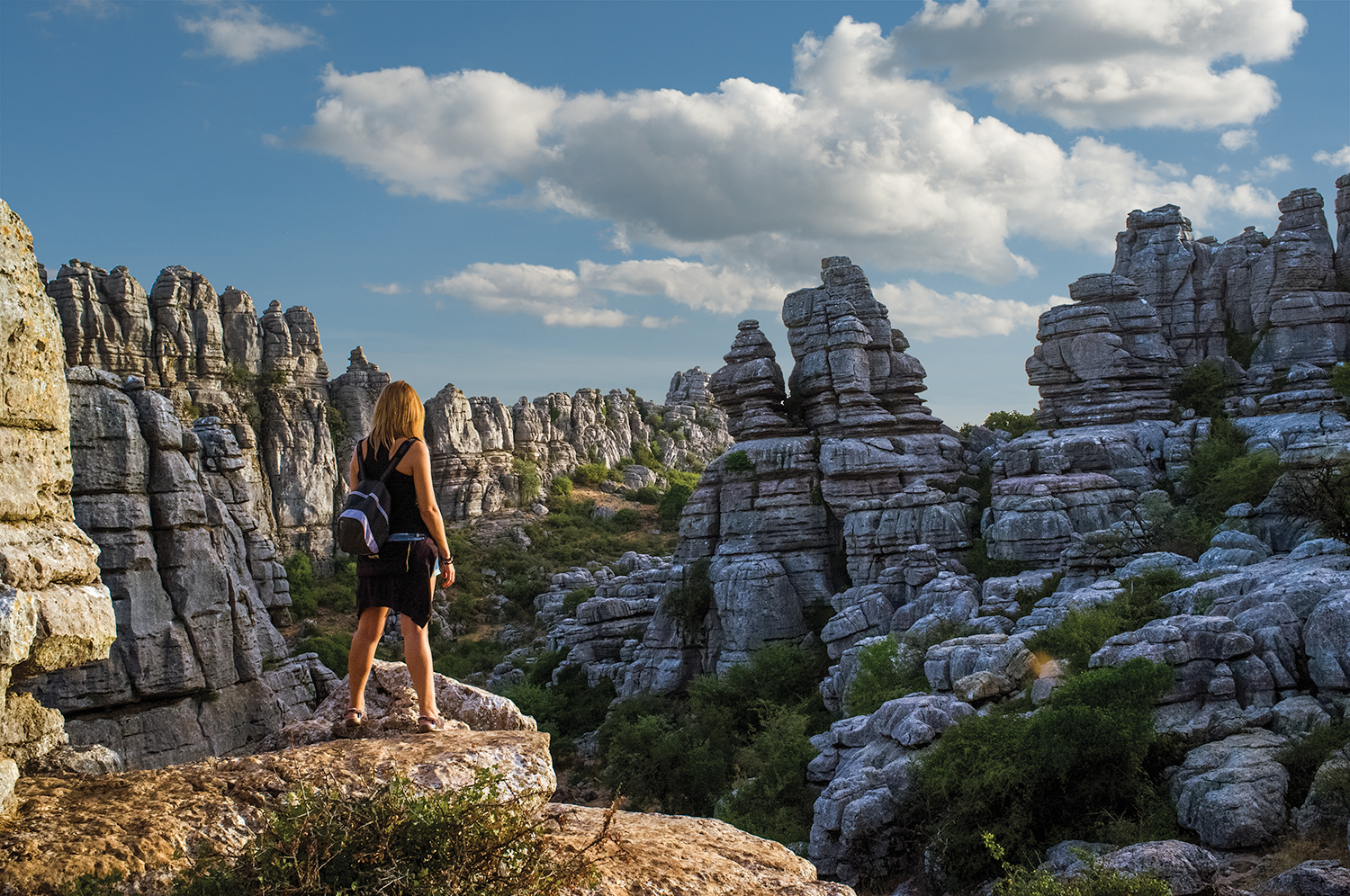
Torcal de Antequera


El Caminito del Rey
Follow in the footsteps of Hemingway and Welles to see why Ronda is so captivating. Head to the Moorish King’s Palace (La Casa del Rey Moro), a grandiose complex dating back to the 18th century and consisting of three parts: a main house, hanging gardens and a mine that was used to draw water from the river below during sieges and the Spanish Civil War.
In Ronda, you can also see some of the oldest relics of days gone by. The Ronda bullring is one of the oldest in Spain; while actual bullfighting here is now rare, the venue is a museum that offers guided tours and historical exhibits. One symbolic live bullfight does take place in early September for the Corrida Goyesca, part of the Feria de Pedro Romero. For this ceremonial fight, matadors wear costumes inspired by Goya’s 18th-century paintings. About 12 miles from Ronda, you can view the Roman ruins of Acinipo, a village with an amphitheatre built around the 1st century and relatively undisturbed by tourists, so you might just have the place to yourself. That’s pretty good for the soul too.








Nerja


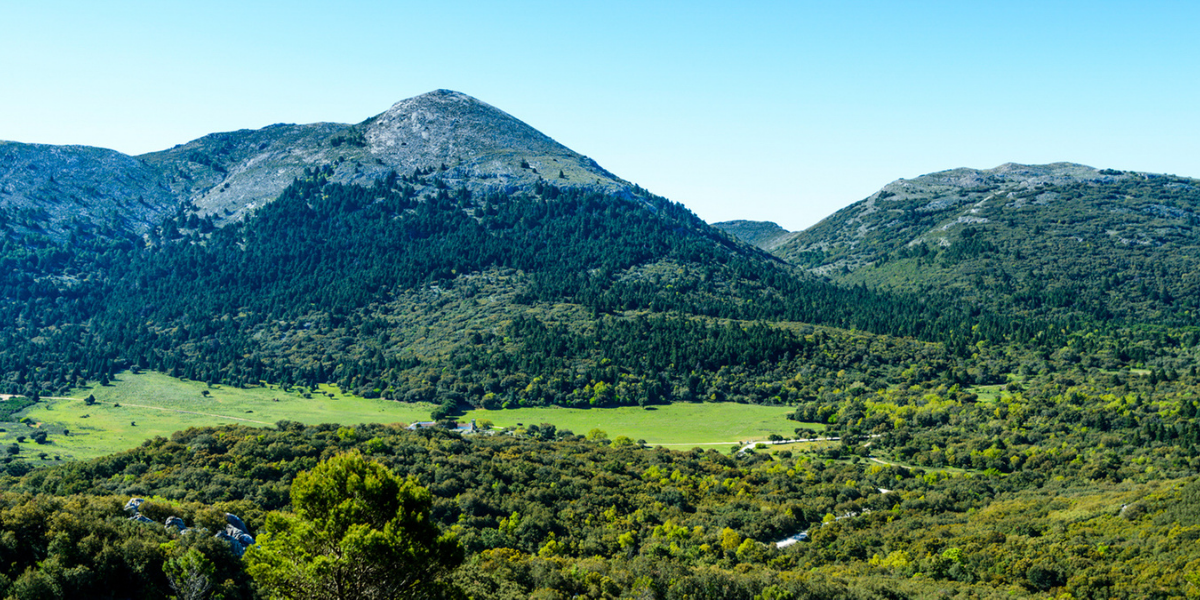
A trip to Sierra de las Nieves National Park shows the contrast in Costa del Sol’s landscape. Full of snowcapped peaks in winter as well as the deepest vertical cave in Andalusia, this mountainous area became Spain’s 16th national park in 2021 and has been a UNESCO Biosphere Reserve for 25 years. Not only do 1,500 different types of plants grow here, but you can also find living relics of the Iberian Peninsula’s Ice Age thanks to its forests of ancient Abies pinsapos, or Spanish firs.
Hike through these forests or go up to Torrecilla, the summit, which reaches nearly 6,300 feet in the air. There are also trails for cycling, mountain biking and horseback riding. Guided caving tours are available.
Sierra de las Nieves National Park
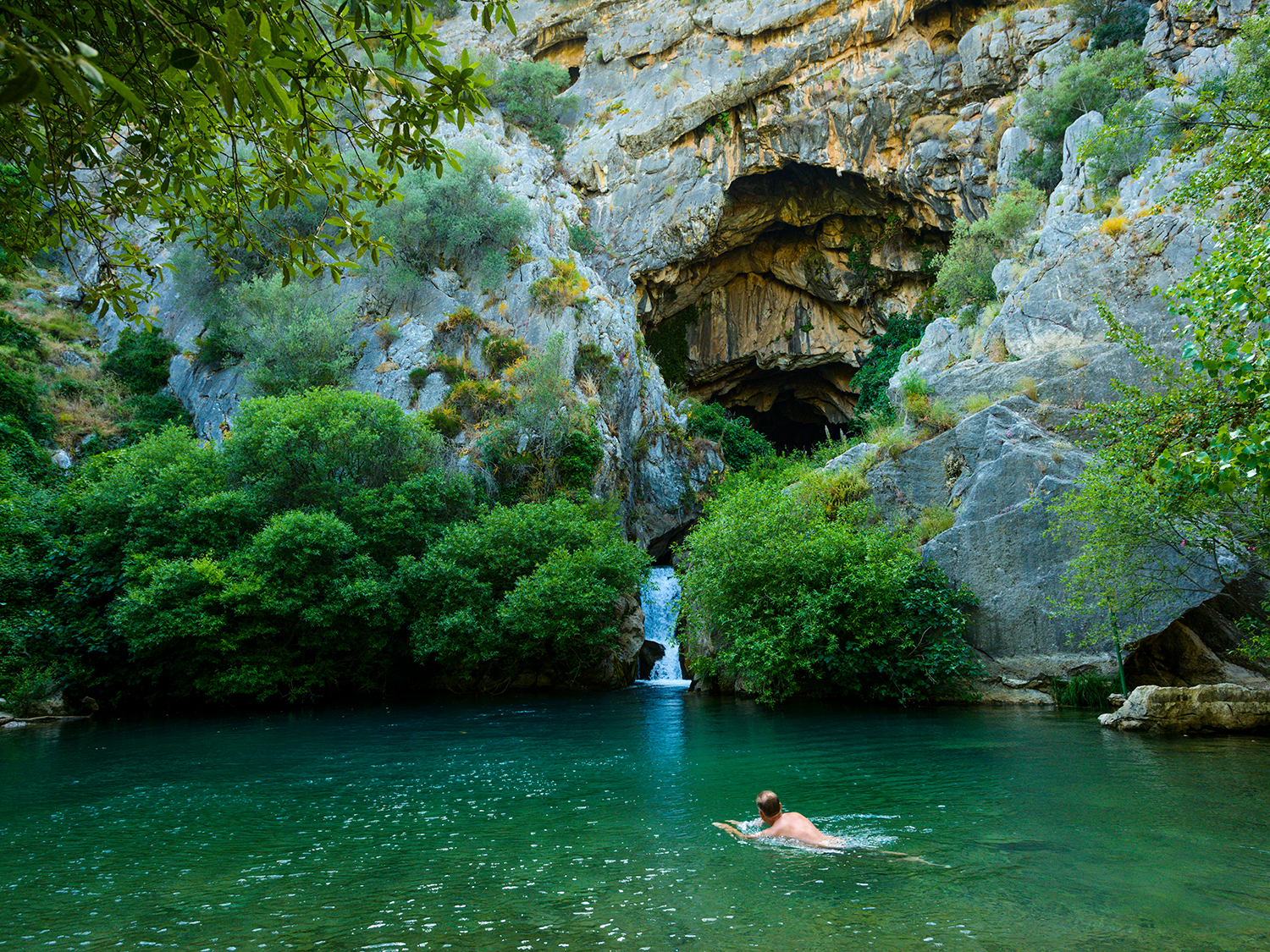
Cueva del Gato in Benaoján