Explore | Experience | enjoy
Malta
I first visited Malta in 2023. What I immediately noticed were labyrinthine streets, golden coastlines and a community of people that were somehow both full of energy and able to unwind in good Mediterranean fashion. That, plus marrying a man of Maltese heritage, is why I’ve returned every year since.
�Having an honorary local as my tour guide for each trip opened my eyes to the hidden magic of this tiny country. Yes, its limestone cliffs and turquoise sea make for beautiful Instagram photos, and its three UNESCO World Heritage Sites are mandatory stops. But what makes it truly special is something less tangible: the sidewalk restaurants with live bands playing on either side of you; the smell of fresh pastizzi wafting from the bakery you pass on your morning walk; the feeling of just-cold-enough water on your skin after you jump from an oceanside ladder.
I’ve traveled to numerous other countries, and the feeling you get from visiting Malta is one of a kind. And fortunately, with Delta announcing nonstop flights from New York starting in June 2026—the first direct flight from the U.S.—it’s easier than ever to see for yourself. (Though, I’d recommend you don’t wait that long to go.)
�Here’s how to make the most of your first (of many) visits.


The hidden magic of
in collaboration with:


BACK TO
THE TOP

BACK TO
THE TOP

BACK TO
THE TOP
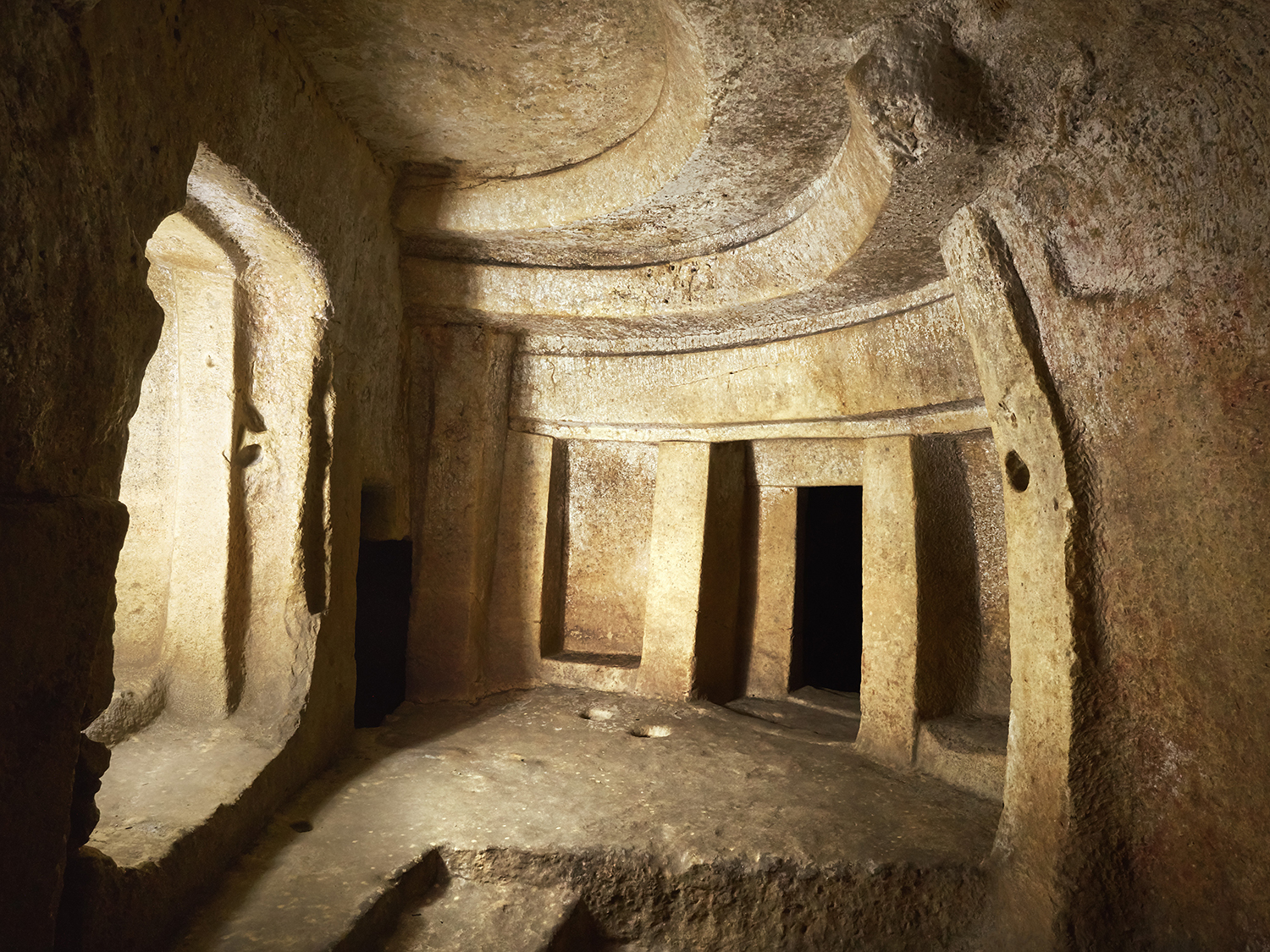


The Hypogeum


Explore
Experience
Enjoy

Plan your trip

Entrance to the walled city of Mdina
St. John's Co-Cathedral
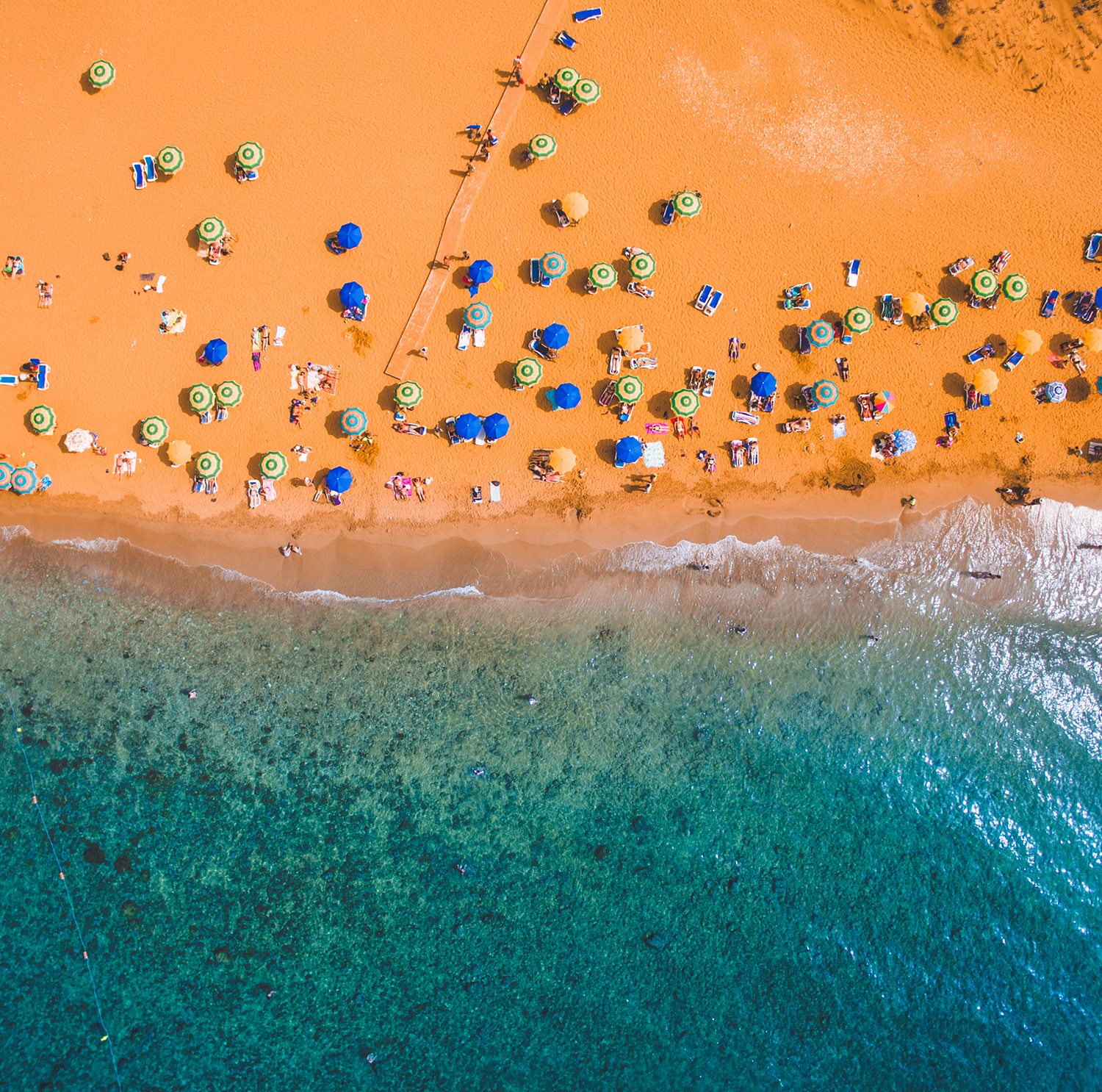
Ramla Beach
With strong family values and a slower pace of life, Maltese locals are famously warm and welcoming. And with English as an official language, connecting is effortless, whether you’re wandering Valletta’s historic streets, joining a lively village feast, standing in line for a pastry—or in my case, getting engaged in the Barrakka Gardens. Though we were tucked away in a quiet corner, one friendly local noticed and sweetly offered to take our photo. Later that night, over live jazz and flowing wine, the celebrations and friendliness continued when our neighboring table overheard our news and welcomed us into their conversation. It was moments like these that reminded me how effortlessly Malta blends everyday life with heartfelt connection. Even after such a memorable trip, there’s still so much to discover the next time I visit.
For those who want to take a beach vacation that won’t require you to take cover for a daily rainstorm, Malta is a must-see. One of the world’s sunniest destinations, the islands receive more than 3000 hours of sunshine every year and temperatures rarely drop below 50 degrees at its coldest. This makes packing easier than other trips—but don’t forget your sunscreen. The country’s positioning above Africa can invite hot winds from the Sahara, though the surrounding sea keeps temperatures generally moderate. While sunbathing is most fun along the water, I loved getting my vitamin D in the Barrakka Gardens while people watching. Plus, the fall and winter weather still works for exploring the island—and with smaller crowds, you’ll essentially get the most popular spots all to yourself.
You can’t go to Malta without a local urging you to experience a festival. Typically centered around religious traditions, village “festas” are held throughout the year and are worth the drive or ferry ride you might have to take to get there. They bring together crowds with live performances, heaps of freshly prepared street food and, of course, fireworks. While an American’s idea of fireworks are the aerial type that burst into visual displays of art in the sky, a Maltese’s idea is much closer to ground-level—and not for the faint of heart. A bright flash in the sky is your warning: the ground is about to shake with a celebratory explosion that excites the crowd and energizes the senses.
Malta’s expansive mix of cultures means that, when it comes to food, there’s something for every palette. Influenced by neighboring Sicily and North Africa, dishes are often flavored with a variety of spices and ingredients not typically found in traditional Mediterranean cuisine. One of the most popular dishes, rabbit stew, features a combination of the surrounding cultures with slow-cooked rabbit rubbed with curry powder and other spices on a bed of spaghetti and topped with red sauce. The dish is often served on festive occasions (I tried this after getting engaged in Valletta). Other food staples are pastizzi, ftira and timpana, all of which are deep-fried, savory treats that are everything except diet-friendly. They pair perfectly with Kinnie, a bittersweet Maltese soda that I found to be an acquired taste.
No trip to Malta is complete without a visit to its other two inhabited islands, Comino and Gozo. Board the ferry and, in just 15 minutes, enter a whole new dimension of turquoise waters and rugged coastlines waiting to be explored. You’ll only need one day for a visit to Comino, known for its crystal-clear water and many swimming points. With 12 recognized diving sites, it’s also considered a diver’s paradise, putting underwater explorers eye-level with a shipwreck, a chimney-like swim-through cavern filled with fish and more.
It’s hard to imagine what 9,000 years’ worth of history truly looks like until you’re standing in a subterranean former burial chamber listening to your tour guide talk about the rituals that took place inside. The Hypogeum is one of Malta’s most impressive UNESCO World Heritage Sites that’s not just beautifully preserved, but also slightly chilling. It’s believed that it was constructed in 4000 BC as a way of celebrating life and death. Today, visitors can walk inside the dimly lit site while listening to a story of its history on the provided headsets. This structure is a must-see, whether you’re a history buff or just someone who likes to be a little spooked. �
The cluster of islands is an activity-lover’s paradise. Malta’s beaches are anything but typical—Armier Bay offers views of both Gozo and Comino, and Ramla Beach is known for its signature red sand. The common thread throughout them all? Each one gives swimmers, snorkelers, sunbathers and boaters alike a unique Mediterranean experience. One of my favorite parts of every trip is taking a boat ride to some of the beaches and jumping into the crystal-clear waters of each one.
Despite its small size, Malta has more than 400 churches. That means if you visited one Maltese church every day, it would take you an entire year to see them all. One of my favorites is The Rotunda of Mosta, which has a story every local is eager to share: The church, which was modeled after the Pantheon in Rome, survived three bombs in World War II that landed inside of its walls but never detonated. It has one of the world’s largest unsupported domes, with a diameter of 121 feet, and is one of the country’s most visited landmarks. St. John’s Co-Cathedral in Valletta is another noteworthy church known for its preservation of Carvaggio’s “The Beheading of St John the Baptist” and “St Jerome Writing” paintings. Both are on grand display inside the church, which offers guided tours that teach half a million visitors every year about their significance.
It's this rich history and equally impressive beauty that makes Malta frequently the backdrop to many movies and shows, including popular favorites like “Game of Thrones.” The show featured landmarks like the striking Mtaħleb Cliffs and the medieval walled city of Mdina—an enclosed village with a life of its own, and home to the iconic winding streets you see when you search Malta online. The show’s first season also included a shot of the now-fallen Azure Window in Gozo’s Dwejra, which boasts a moon-like landscape that served as the setting of the Dothraki wedding feast between Khal Drogo and Daenerys Targaryen. One moment I’ve recreated on every single visit to Malta is standing on the enormous rock formations at sunset and watching the sky put on a pink and purple evening show of its own.
Grand Harbour
Local foods
Comino Caves
Barrakka Gardens


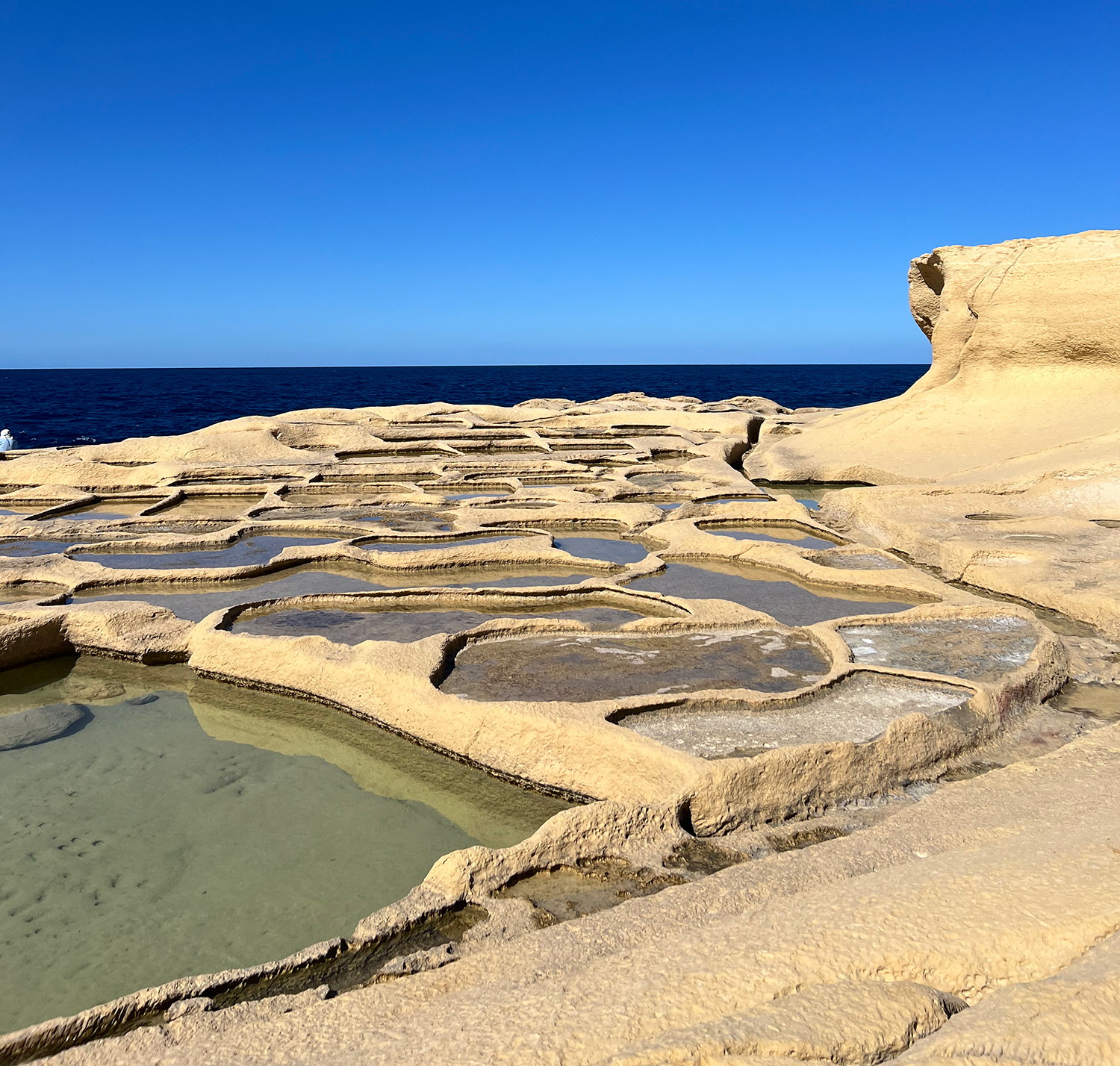
If Malta is the more modern and urban of the islands, Gozo is its rural, quieter sister frozen in time with all of its natural treasures—including salt. One of the country’s top exports, Maltese salt is harvested using a mix of natural and man-made methods, resulting in unique stretches of salt pans along the coastlines of Marsalforn, Qbajjar and Xwejni Bay. Shallow, flat pans are carved into the coastal rock to catch seawater, which evaporates and leaves behind crystallized salt. The pans themselves are a fascinating sight that showcases both the natural beauty and the culture of Malta. Gozo is also home to the famous Ġgantija, the world’s oldest free-standing temples believed to be built by giants. The structures are nestled in a part of the lush countryside that you can spend hours exploring.
Salt pans

Maltese love a good celebration, and seasonal events are part of the island’s charm. In October, Birgufest is a particularly picturesque festival, where the streets of Birgu are illuminated by candlelight. Visitors can expect historical re-enactments, musical and theatrical performances, exhibitions, traditional food and more. Later that month, the Rolex Middle Sea Race calls for sailors from around the world to navigate a roundtrip route from Malta. The following week, visitors can attend The Mdina Grand Prix, an adrenaline-fueled experience that sends drivers racing just outside Mdina’s fortified walls. Spectators watch as cars wind through vineyards and hills to get to the finish line. The holiday season is also full of cheer, with events like the Natalis Notabilis Christmas market in Rabat and Fairyland in Valletta, both of which transform their respective towns into festive Christmas villages. If you love the holidays but hate the frigid cold, you may just want to consider celebrating in Malta.
Rolex Middle Sea Race
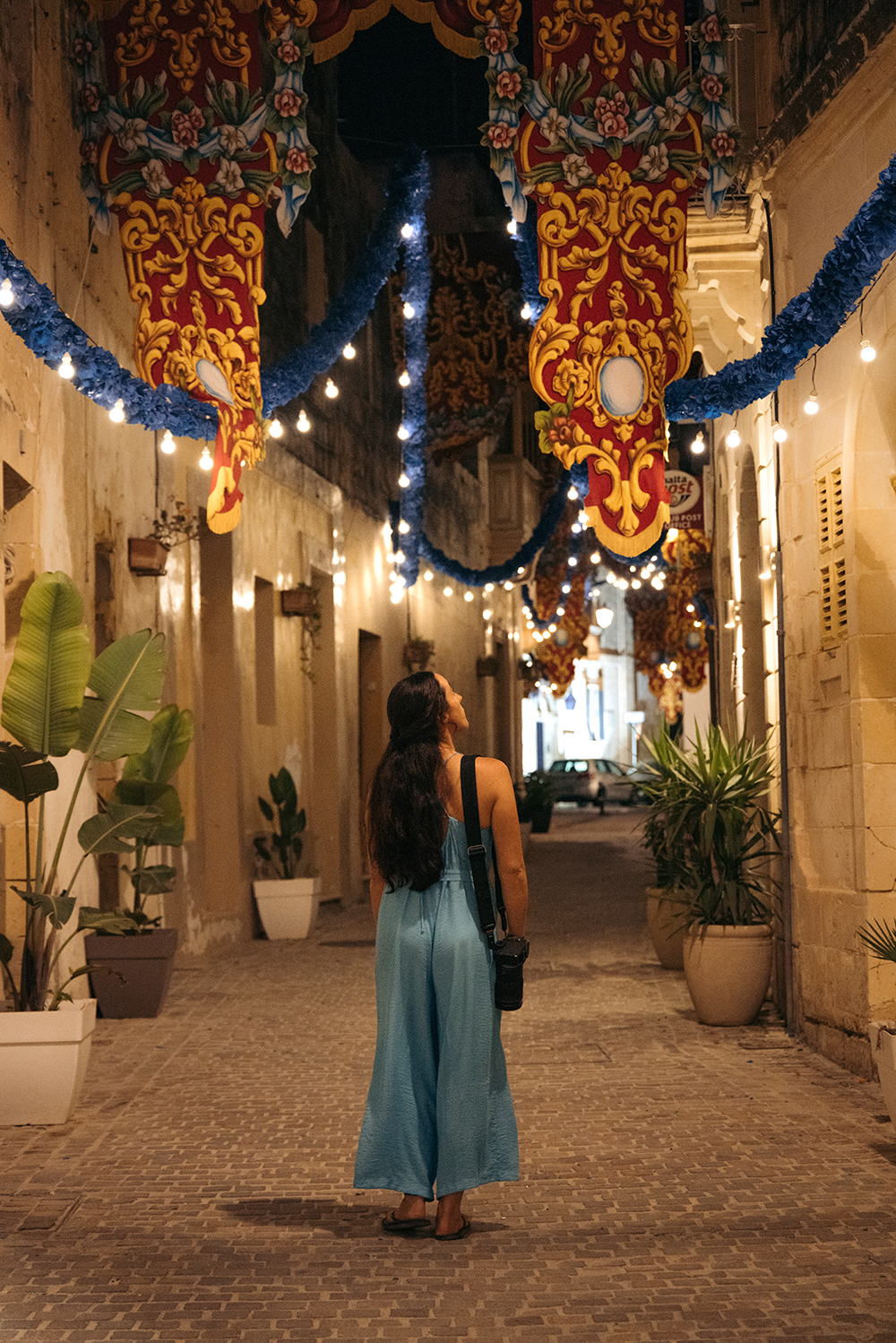
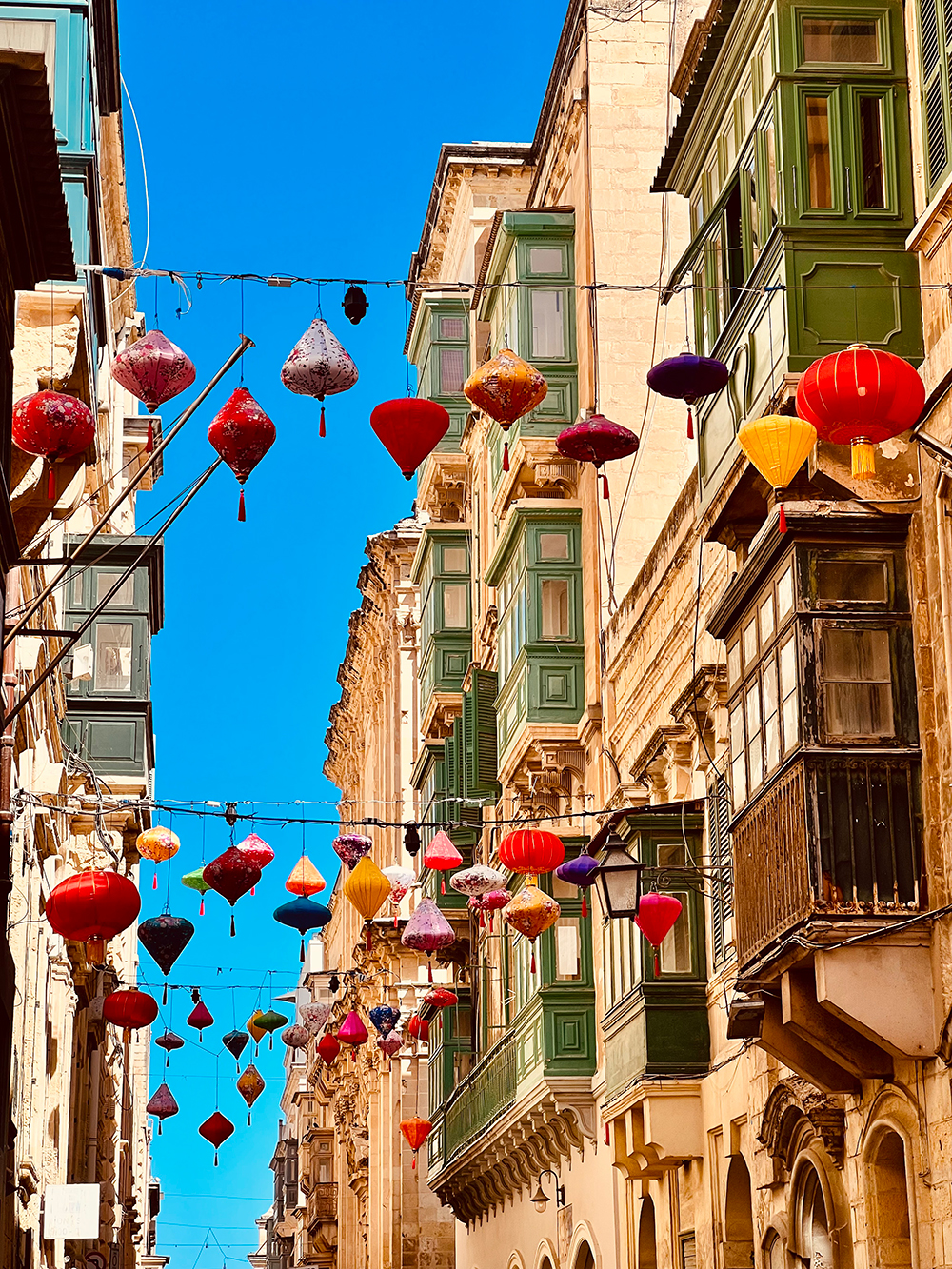
Streets decorated for village festas
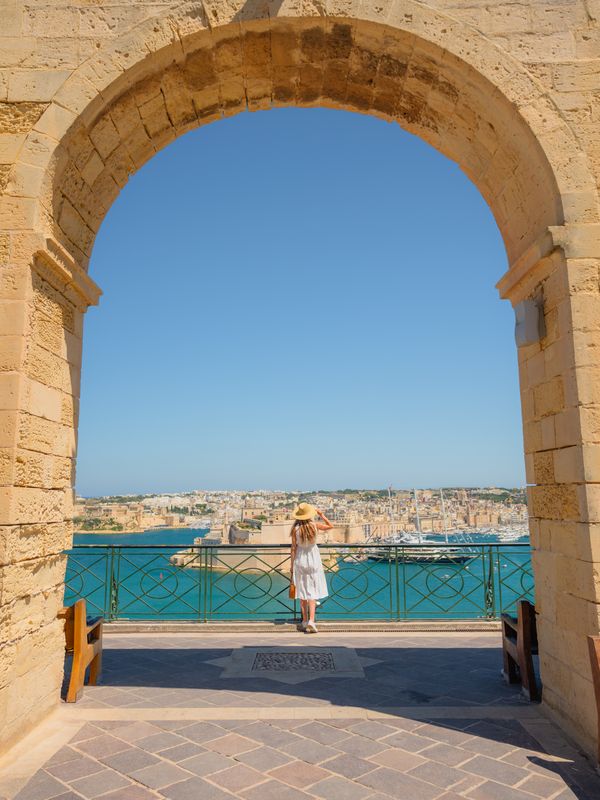
Barrakka Gardens


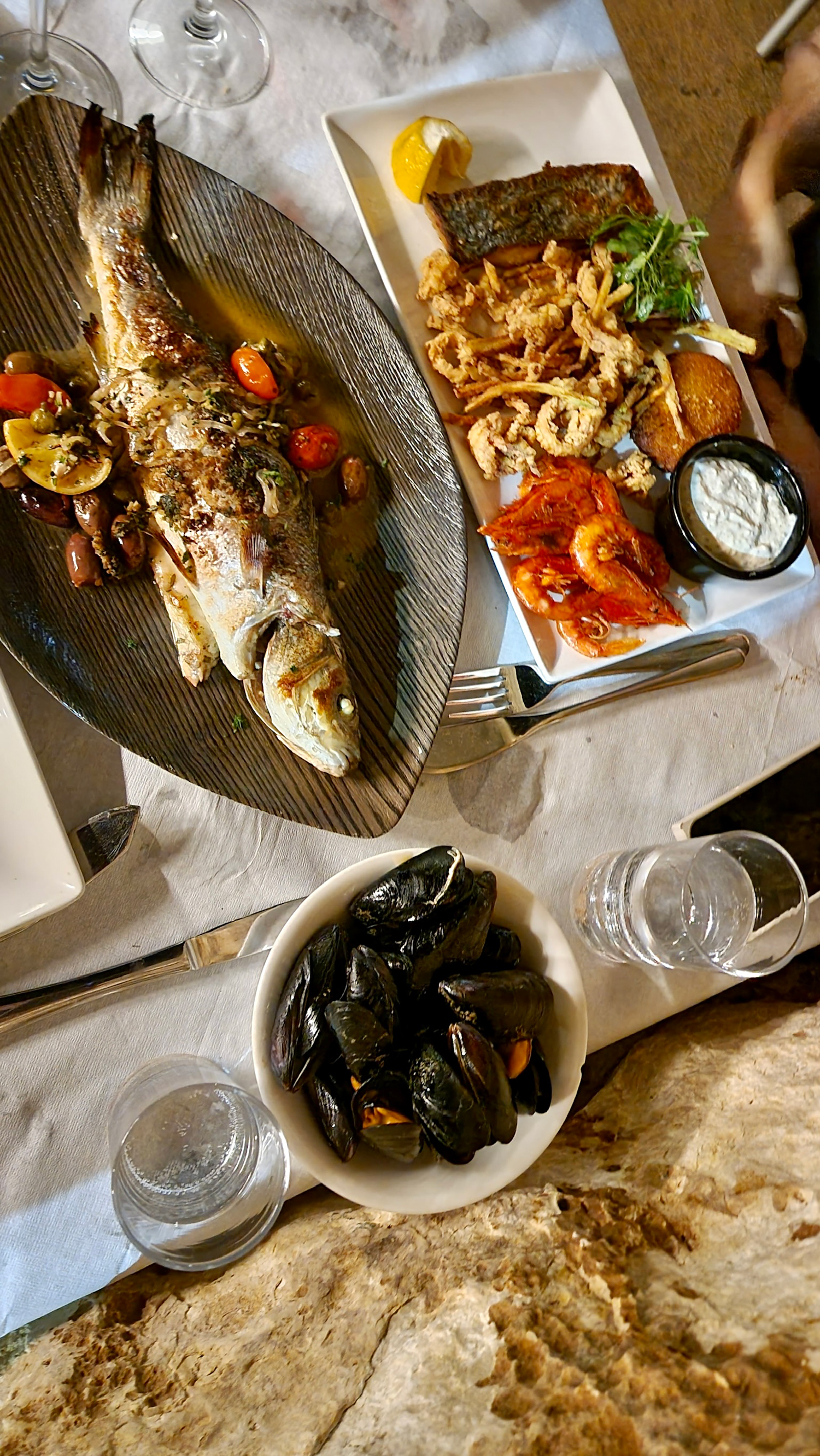
Dinner and sightseeing on Liz's recent trip to Malta
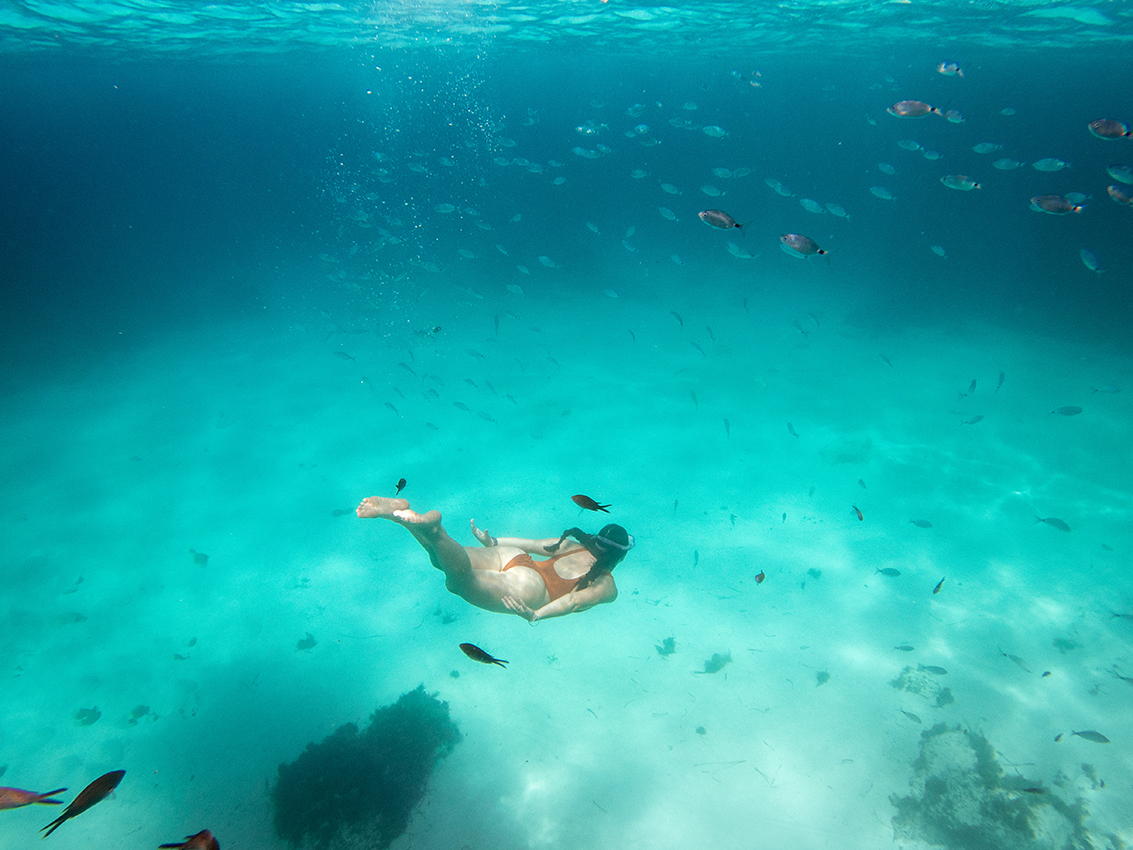
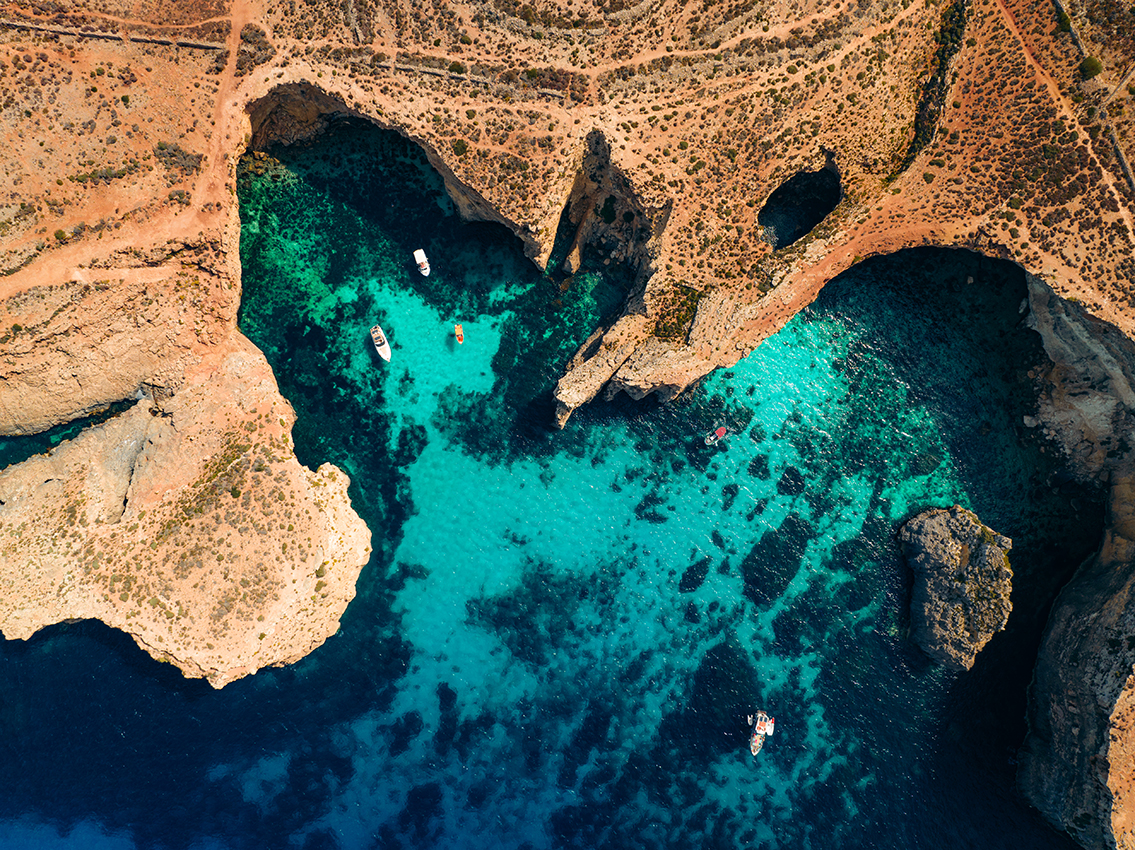
Comino
Story by Liz Warren, Deal Expert

Story by Liz Warren, Deal Expert