little details matter | beyond the surface | incredible value
Japan
A s I stood still in front of the mirror, activity swirled around me, directed by wardrobe assistants. Some women were swapping their regular socks for tabis, which separates your big toe from the adjacent four. Others were rushing behind curtains to undress and slip on white hadajubans (robes). Women were sat down, getting their hair carefully done up with braids and accessories. After being eyeballed and told what size would fit them, others were picking out which of the vibrantly colored kimonos they wanted to wear as well as their obi (belt) to be tied in a bow behind them.
Having decided on my burgundy and teal kimono with white daisies, my wardrobe assistant was layering me up with a mae-ita (a rectangular stiffener) and various sashes to keep everything in place. Surprisingly, a kimono felt like a corset. Despite the tightness, I couldn’t help but smile. Here I was in Japan, being totally immersed in their culture, even dressing the part before joining a tea ceremony where I would learn the phrase “ichi go ichi e” (one time, one meeting). Both the ceremony and the phrase are meant to convey a sense of harmony and the idea of cherishing every moment as unique.


Your guide to an immersive experience
in collaboration with:


BACK TO
THE TOP

BACK TO
THE TOP

BACK TO
THE TOP


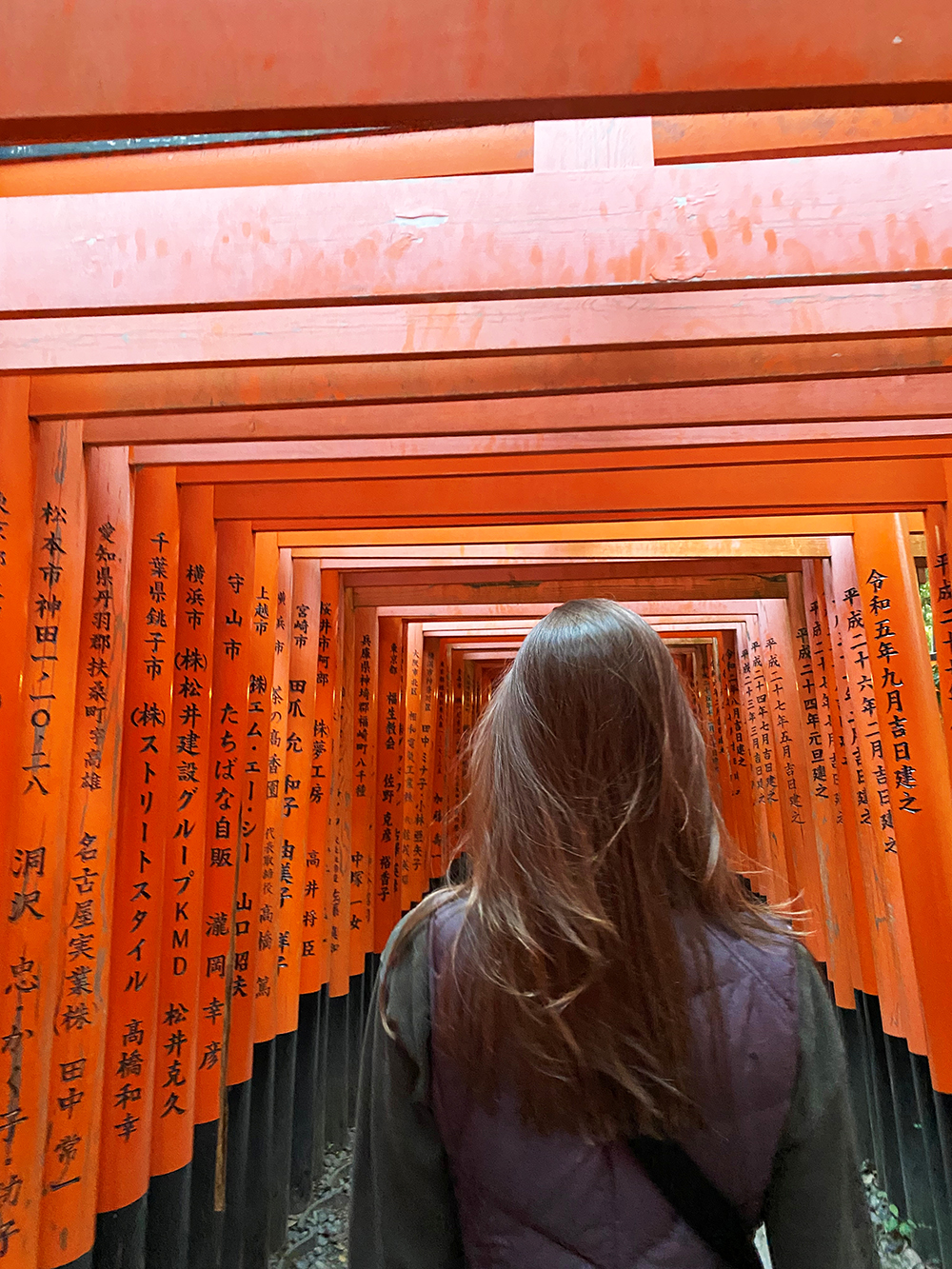
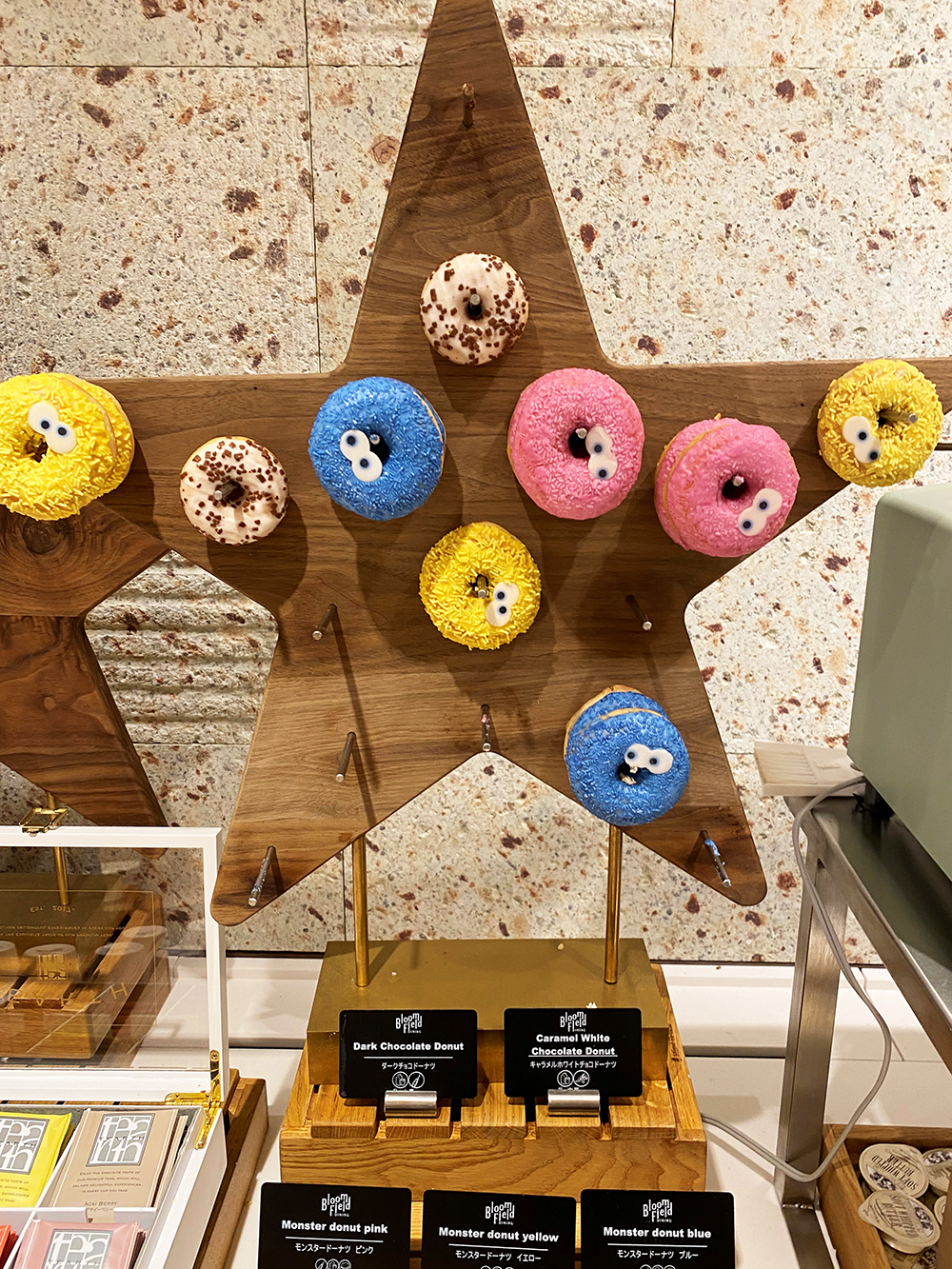
Fun donut display at breakfast in Osaka (left); Annemarie walking through Fushimini Inari Shrine's torii gates (right)
Little details matter
Beyond the surface
Incredible value
Plan your trip

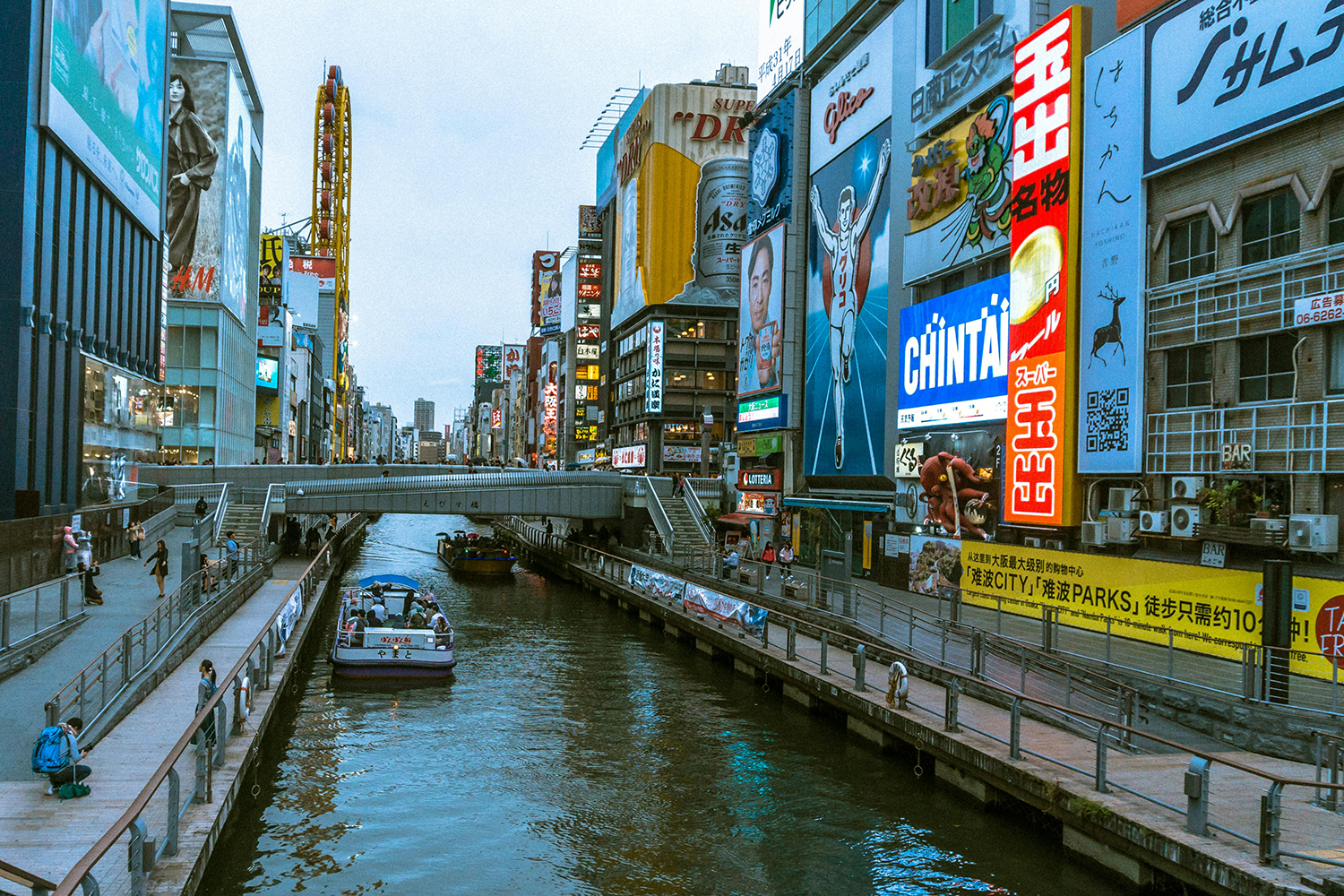
Dotonbori, Osaka
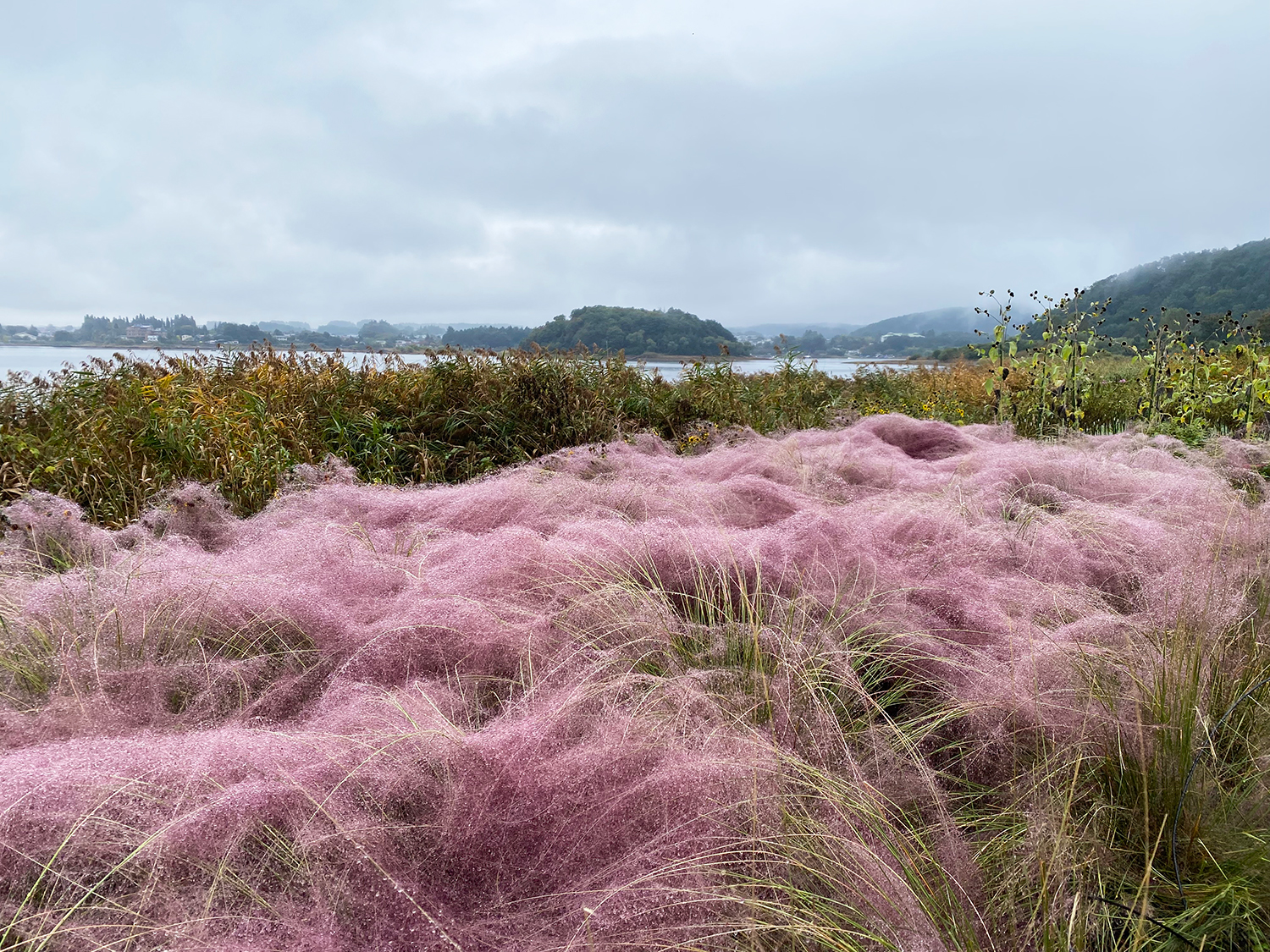
Pink muhly grass near Mt. Fuji
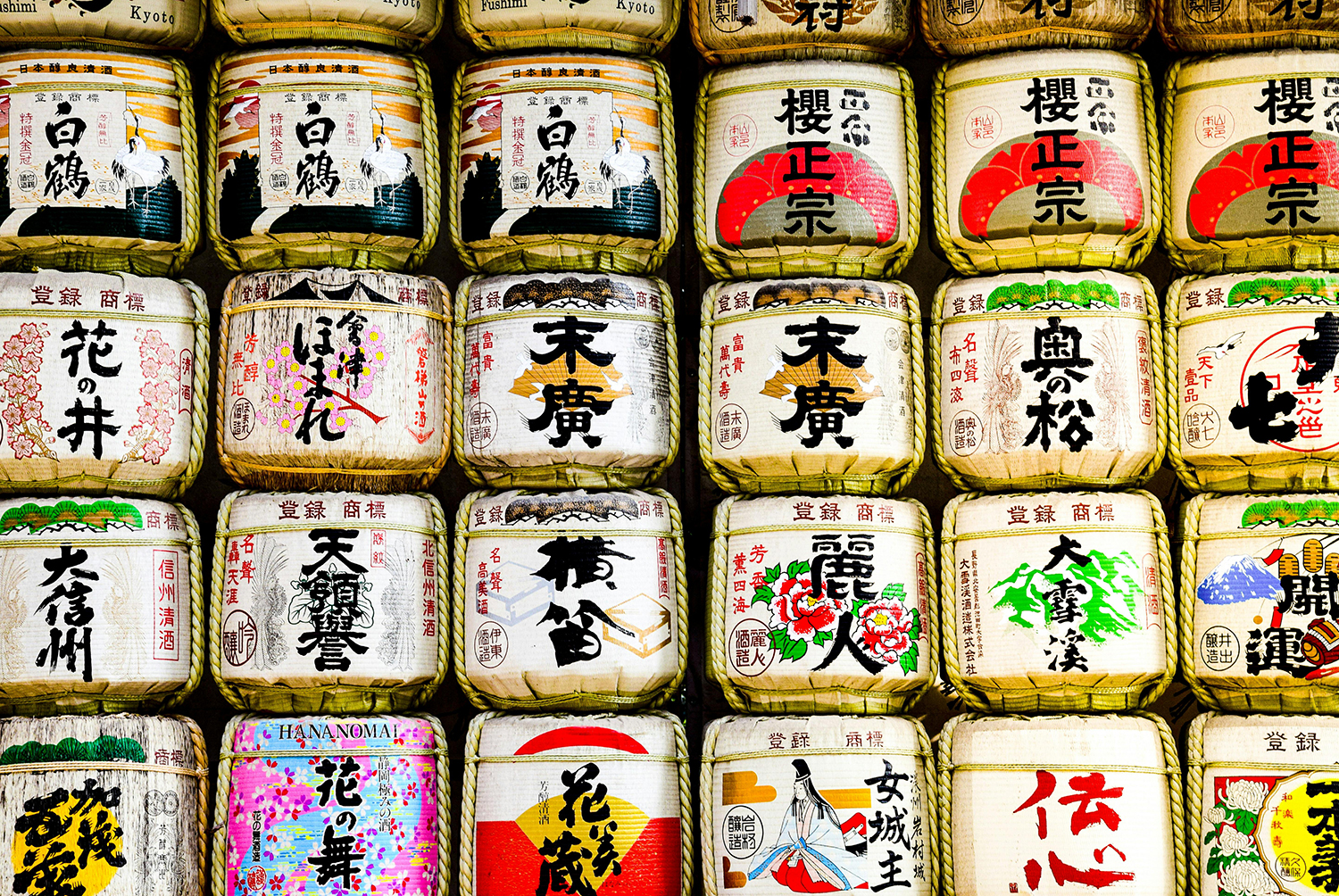
Meiji Jingu Shrine sake barrels, Tokyo
Annemarie's group following Emily's orange TripToGo flag in Kyoto
View of Mt. Fuji (if you're lucky)
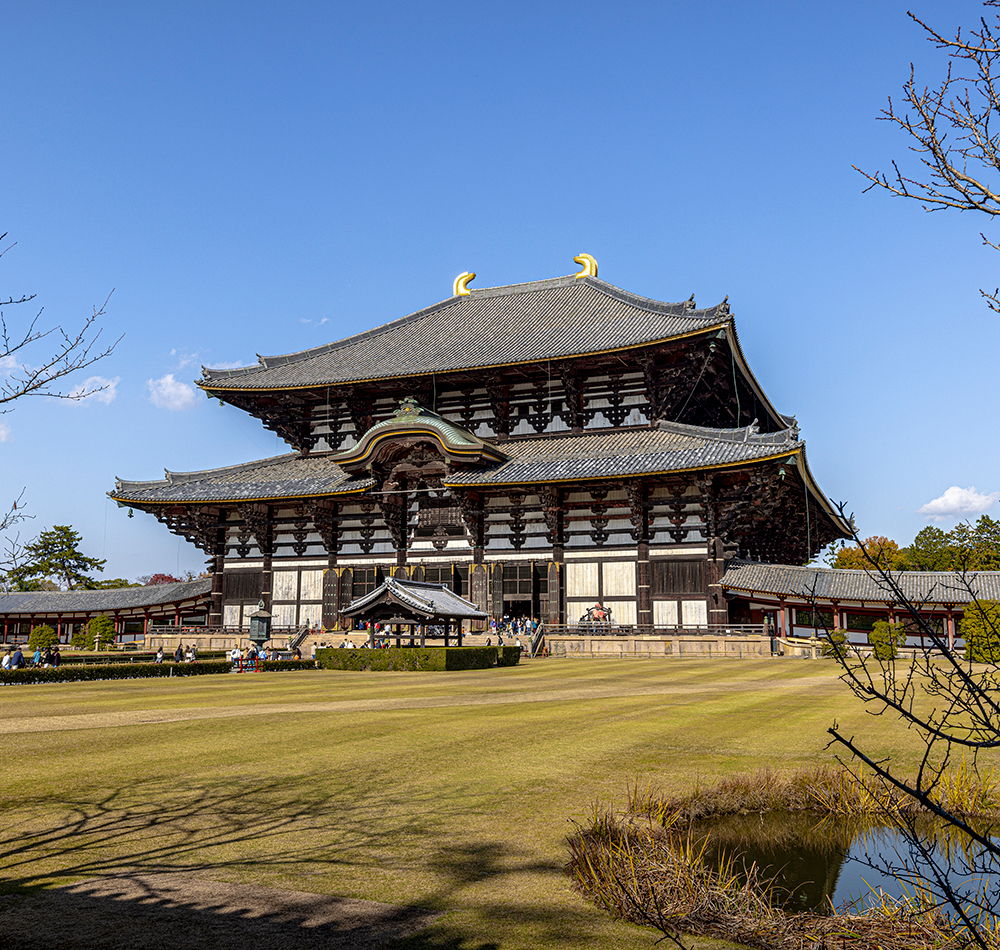
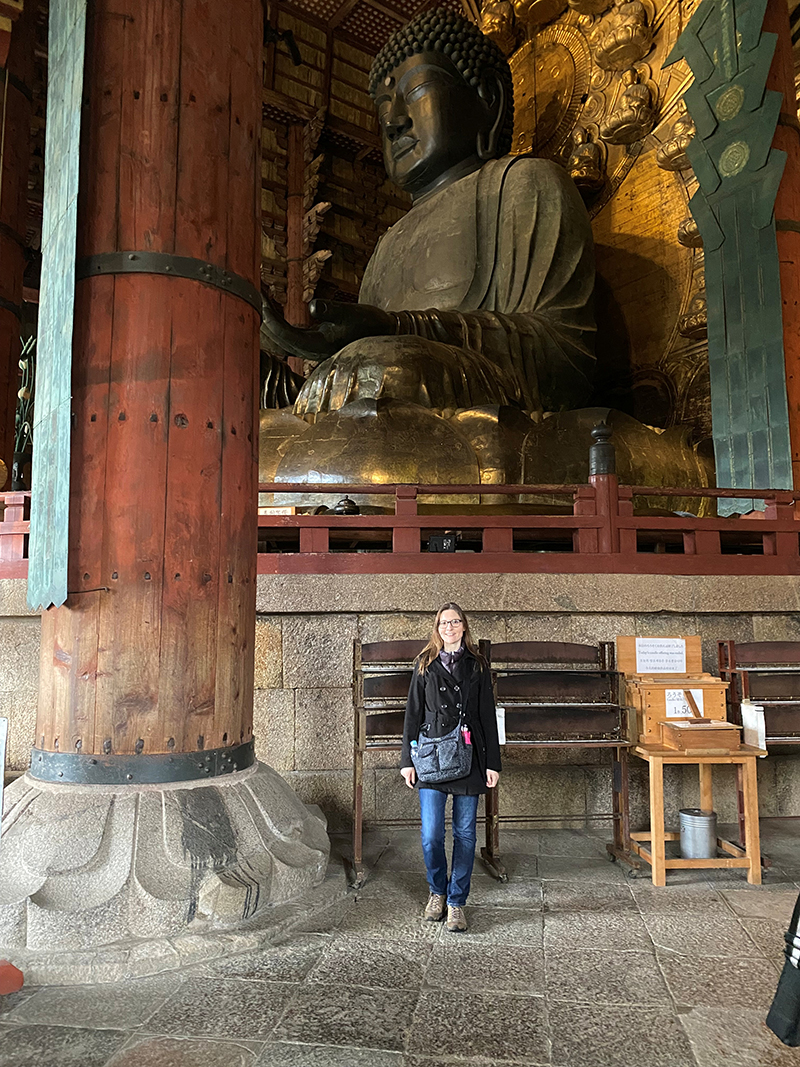
Giant Buddha inside of Todai-ji Temple, Nara
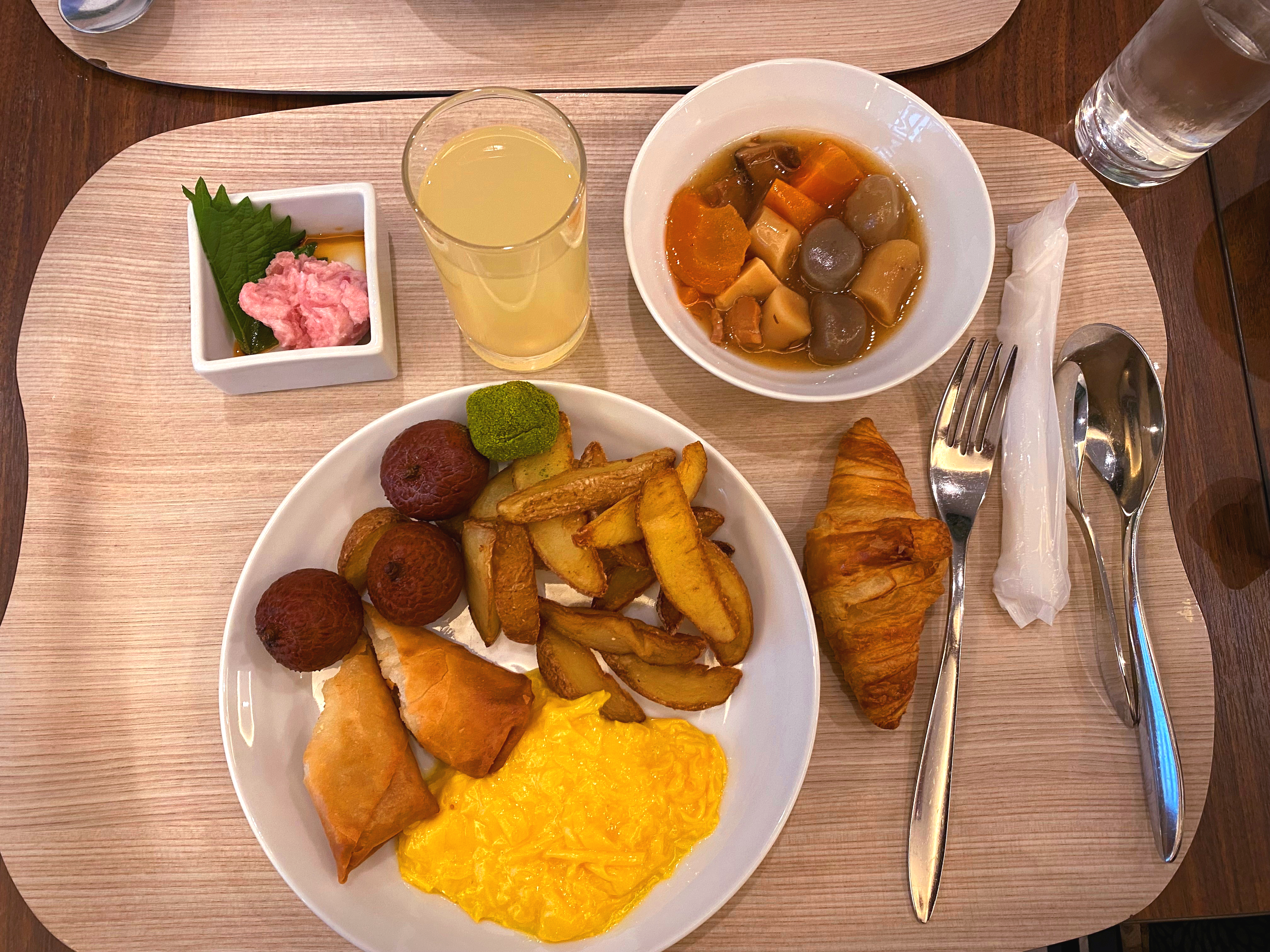
Tokyo hotel breakfast options included raw tuna and chikuzenni, a classic stew
Speaking of food, the buffet breakfast that was provided at each hotel on the tour was phenomenal in terms of choice and taste. I wasn’t sure what to expect from a Japanese breakfast, but the choices always included scrambled eggs, fruit, croissants, potato in some form, along with traditional Japanese cuisine. Some places had ramen, others had raw fish or a comforting stew. You could really fuel up for the day if you didn’t want to splurge on lunch or dinner. At our Mt. Fuji onsen hotel, we did have an unexpected surprise of a free buffet dinner with all the snowshoe crab legs you could eat, along with a huge selection of both Western and Japanese foods. Overall, with the current exchange rate, dining out in Japan is relatively inexpensive for Americans, making it a great choice for a vacation.
TripToGo offers more than 50 Japan tour packages, ranging from 7–24 nights, visiting interesting destinations and offering unique experiences such as riding the famous bullet train, cultural explorations and small group tours or trips paired with other Asian countries. It might be hard to choose just one tour; I know visiting Japan once with TripToGo was not enough for me. Yoi tabi wo! (Have a good trip!)
I’ve seen the prices on TripToGo tours in Top 20 over the years and always been skeptical. How can they do that tour for that price? There had to be a catch. A pro tip: If you include flights in your booking, you may get the flight information close to your departure date, so if you prefer to have that well in advance for peace of mind, book your own flights. But outside of that, having returned from the “Deeper Discoveries” tour, I’m a believer. Nothing felt left out or overlooked. Airport transfers were provided. All four hotels were comfortable, clean and well-located; our onsen hotel even had a raised section with cushions, low table and tatami mat flooring for your own private tea ceremony.
Not only is the tour incredible as a cultural experience, but it’s very affordable too, which can leave you with money left over to upgrade your flight or add on excursions. That’s what we did, to experience as much of Japan as we could without breaking the budget. We opted for the day trip to Kamakura, a coastal town (and medieval Japan’s political center) about 33 miles south of the capital. As it was a smaller group, we travelled in a minivan with a new guide, Brian.
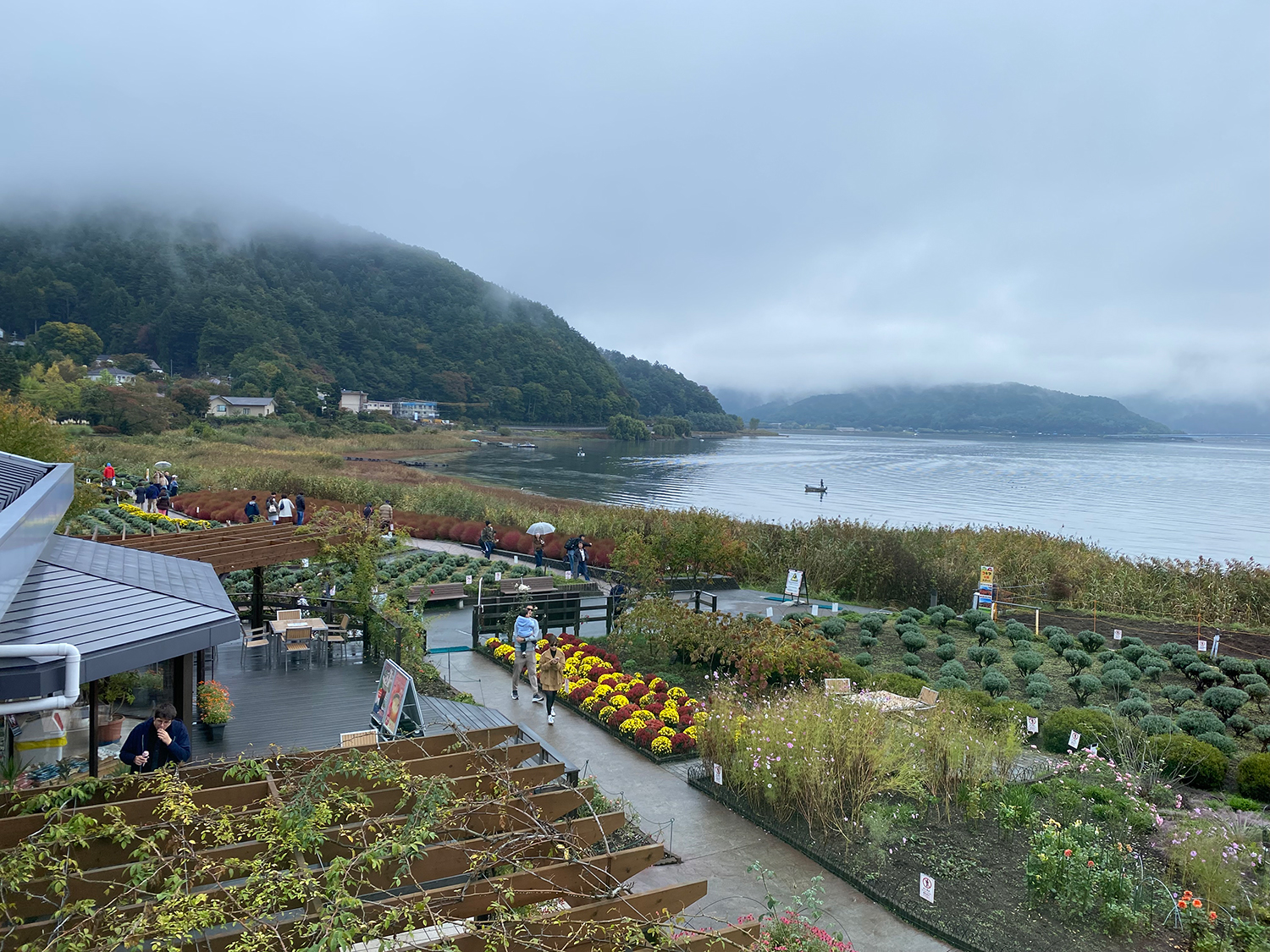
Mt. Fuji is only visible 80 days of the year, and the weather was rainy and overcast when we visited both nearby Oshino Hakkai, a small village of thatched roof buildings, and Lake Kawaguchiko. While they’re both known as good vantage spots for seeing the mountain, they still had their own charms. The lake’s Oishi Park offered brilliant pops of color through its flower displays.
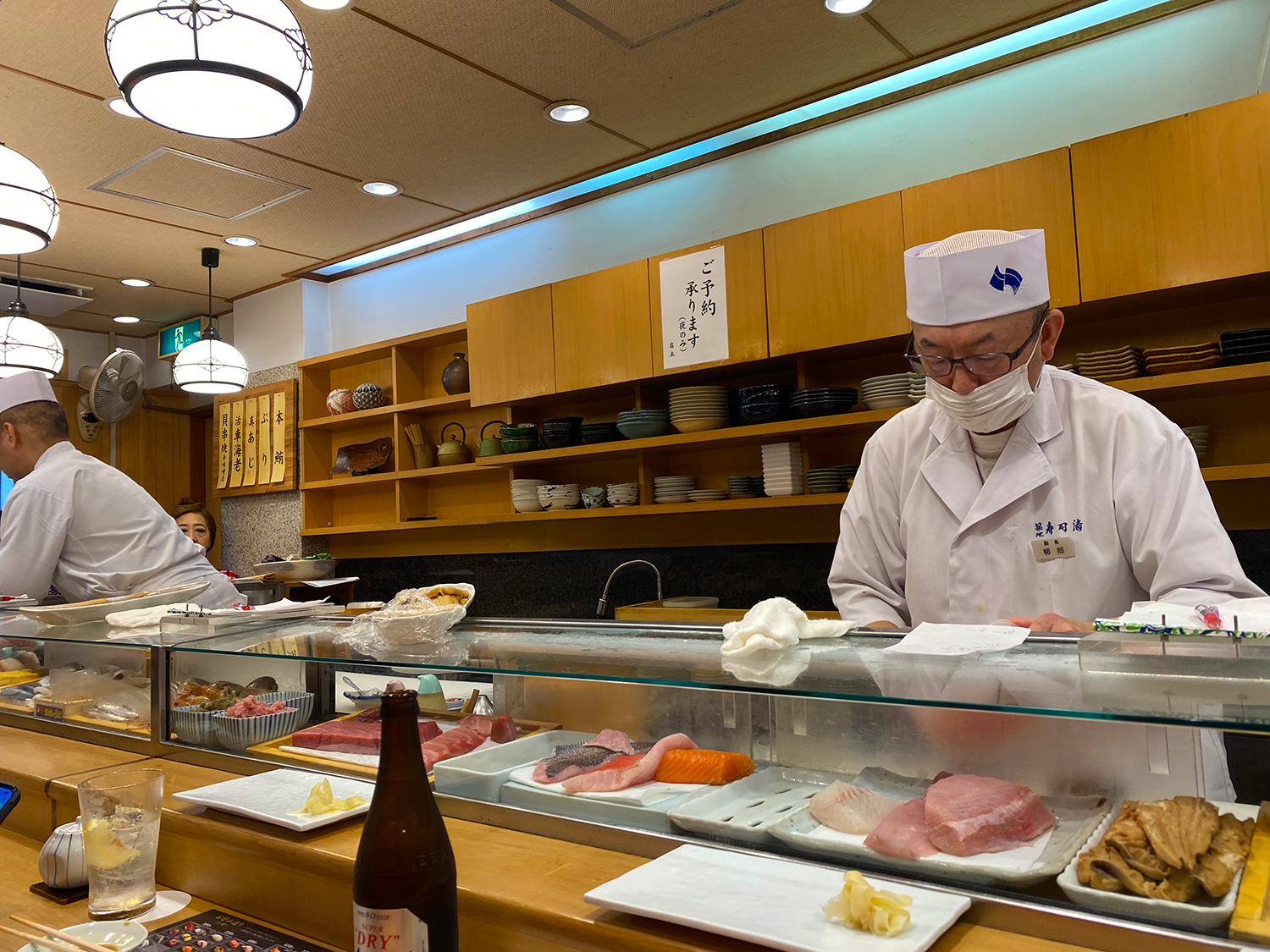
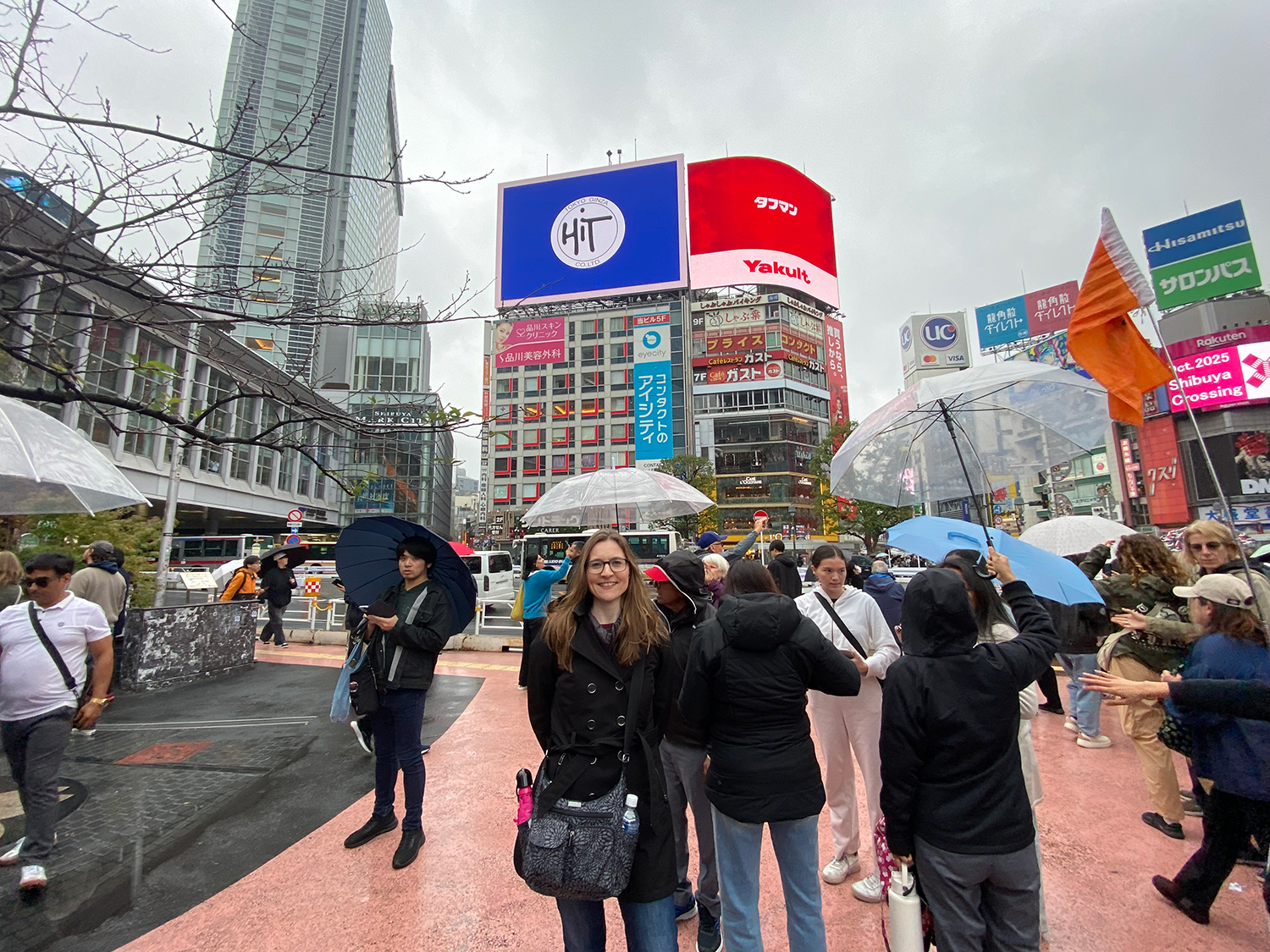
In Tokyo, Emily led us to the infamous Shibuya Crossing, the world’s busiest intersection where thousands of pedestrians cross from all directions at once. While that was thrilling to my eyes, my stomach appreciated the lunch stop at Tsukiji Outer Market, a seafood market that is the standard I will forever compare any future sushi meal.
I am not a morning person by any stretch of the imagination, but I had no trouble getting up with excitement at 6 a.m. each day to get ready and eat breakfast before we had to be on the bus at 8 a.m. Not having to worry about any of the logistics of getting from A to B in Japan (where the road signs are, of course, in Japanese and they drive on the left side) meant that we were ready to hit the ground running at every stop. Literally. I cannot stress enough how much comfortable shoes will be your best friend as we tracked nearly 100,000 steps on this tour.
With the “Deeper Discoveries” tour, we were not just seeing places from the outside, but we were given admission to a number of attractions as well. Though we were stopping at anywhere from four to six places per day, we still had free time at most of them so that we could explore further or enjoy lunch on our own.
Our trip to Japan started a few days before take-off. “Hello, dear Annemarie and Moira,” the Whatsapp text read. “I am Emily, your guide for this trip to Japan, I’m very pleased to meet you.” Wishing us a pleasant journey in advance, Emily noted our arrival time at the airport and how her colleague would be meeting us with a TripToGo sign. (Not only did that driver meet us in Osaka and carry our luggage, but he also waited with us at the hotel until we were checked in.)
In her text, Emily detailed everything we’d need to know upon arrival as well as where she would be waiting the first morning of the tour. She encouraged us to reach out with any questions in the meantime. Receiving that helpful text immediately put me at ease and I couldn't wait to get on that 14-hour flight. That ease turned into genuine warm feelings of friendship toward Emily upon meeting her in person.
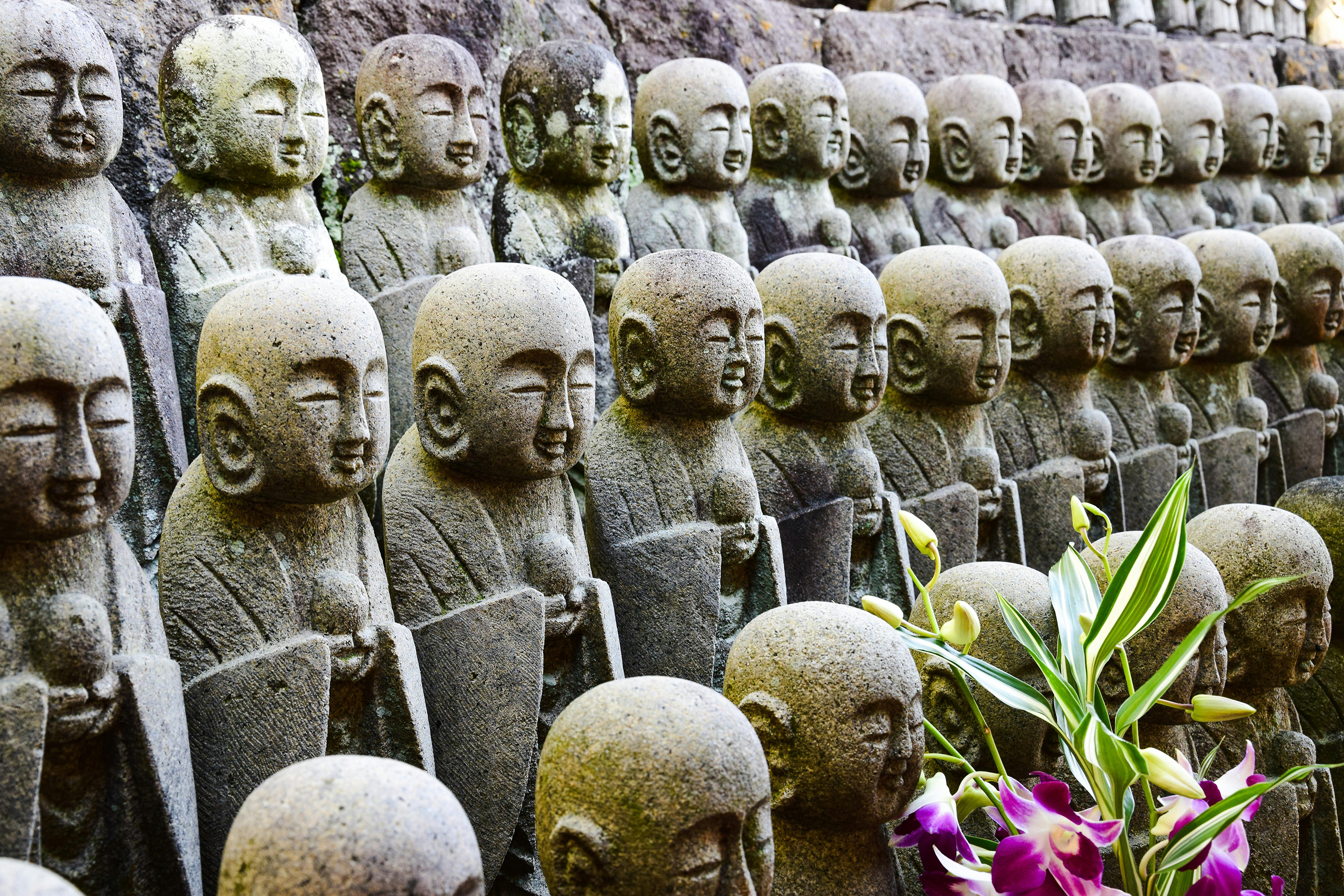
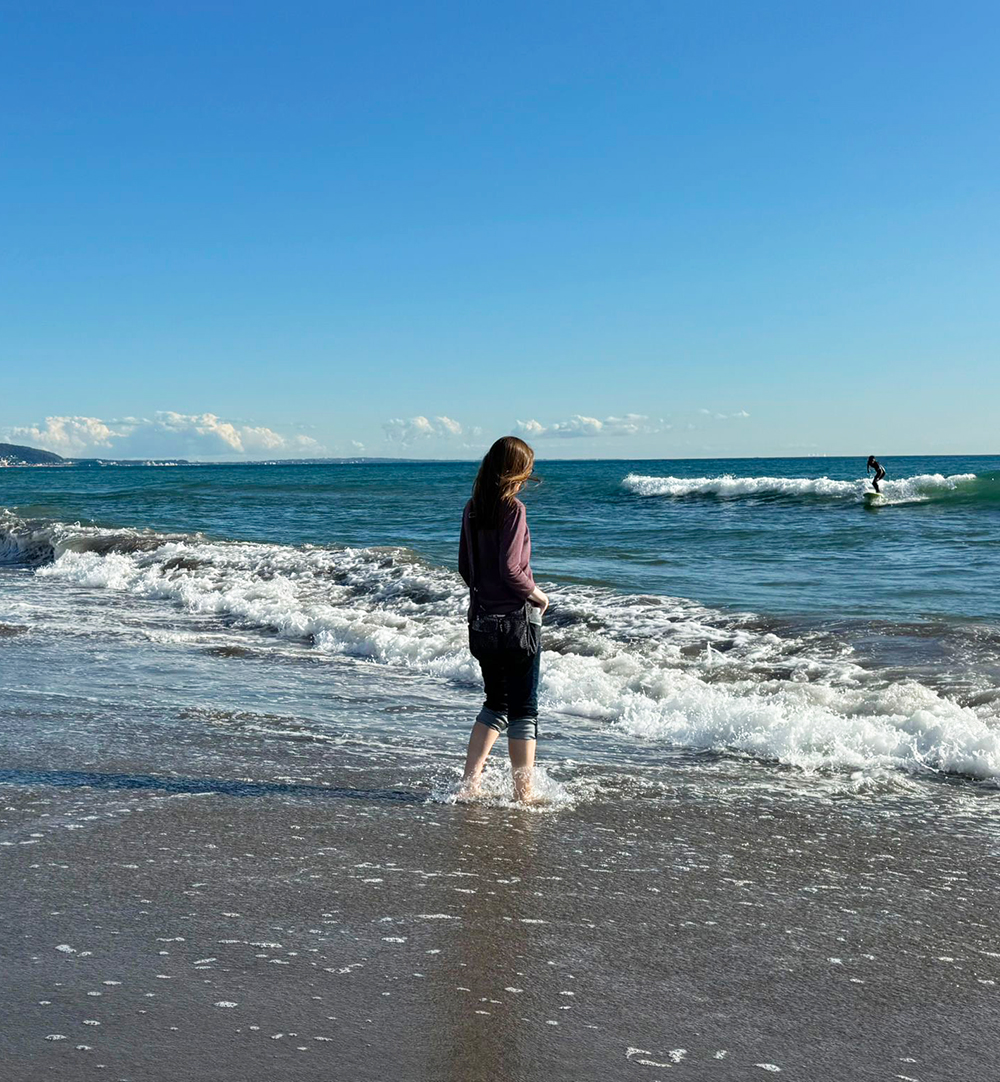
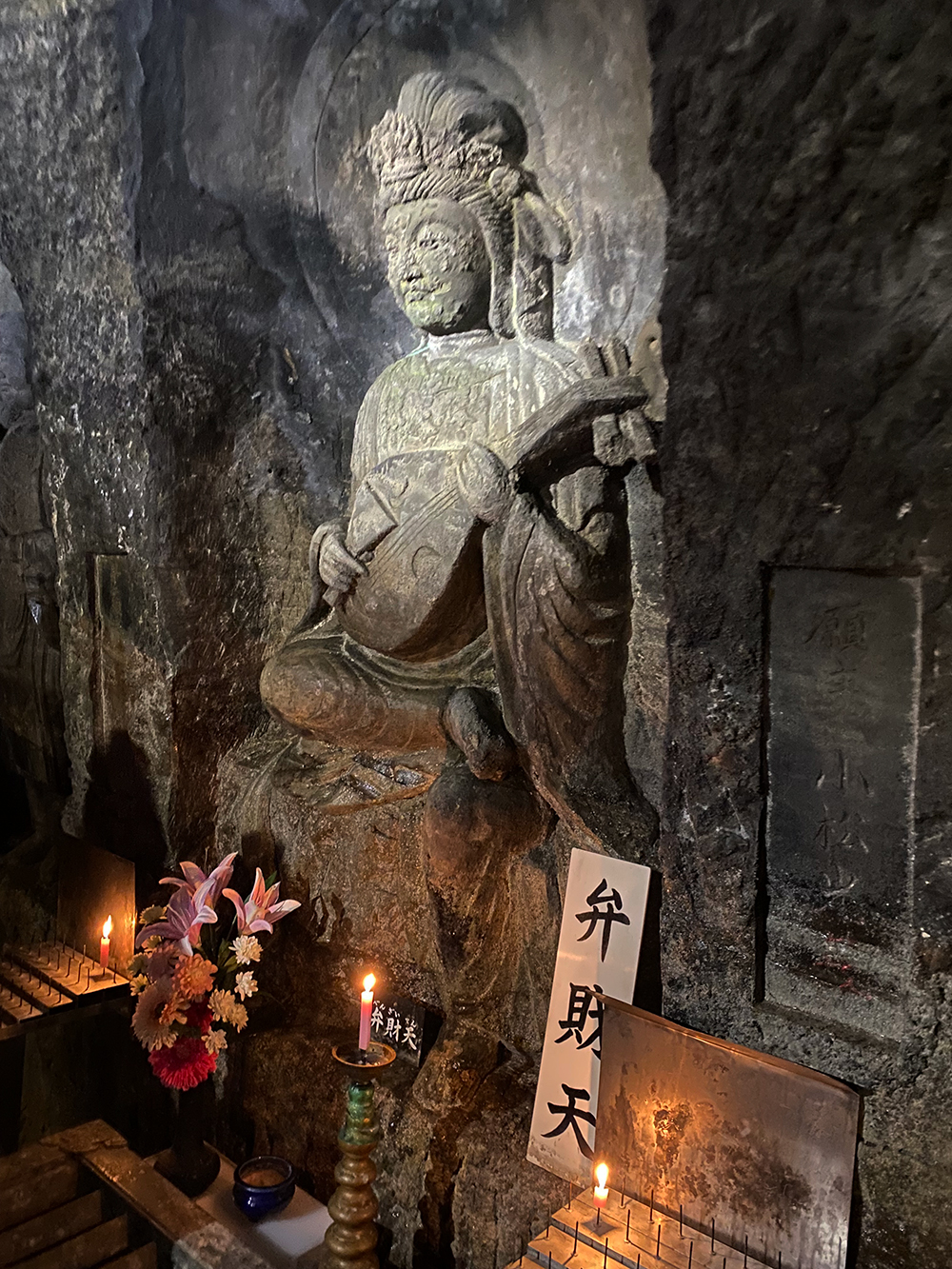
The difference between the two cities was like night and day, in that Kamakura had a laidback, chill vibe. After all, the beach and a ton of surfers were right down the road. We not only visited the Great Buddha—121 tons and at approximately 43 feet, second only in height to the Great Buddha we saw at Todai-ji Temple in Nara—but the tour also provided admission inside it. At the Hasedera Temple complex, we entered the Benten-Katsu cave, which is literally carved into the hillside. The temple grounds here are full of hundreds of small statues of a Buddhist deity believed to protect unborn souls. Unplanned, Brian took us to the beach so we could dip our toes in the Pacific Ocean as well, which was a welcome respite for feet that had walked so much.
In Osaka, I tried Kobe beef from a street vendor in the Dotonbori district, just down the street from the enormous moving crab sign at Kani Doraku, a popular local landmark. In Nara, outside the Todai-ji Temple, we were literally surrounded by more than 1,000 sacred deer, believed to be messengers of the gods, that you could pet and feed—some even bow for food. In Kyoto, we wandered around Nishiki Market, a five-block covered pedestrian arcade full of fresh seafood, produce, retail shops and restaurants.
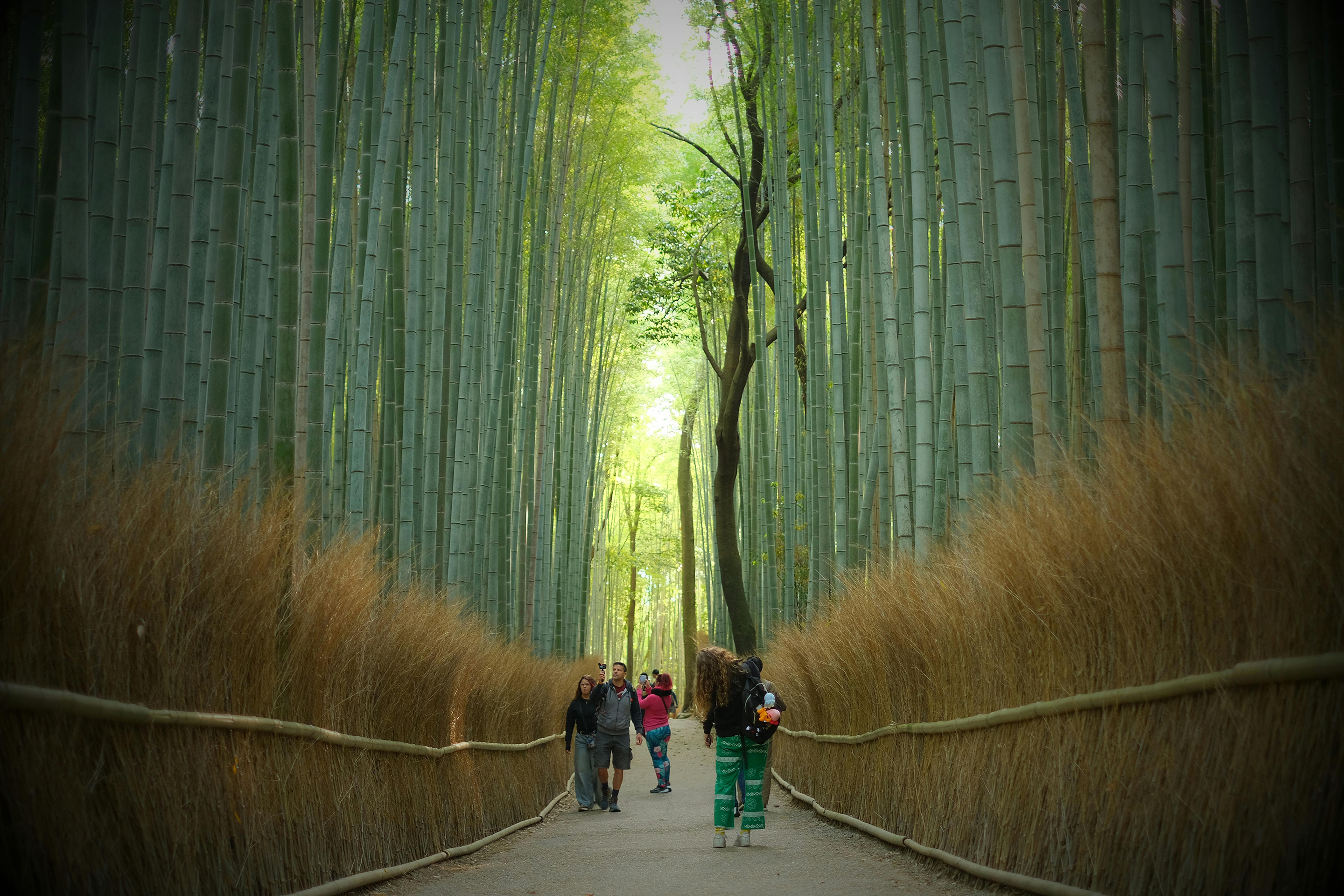
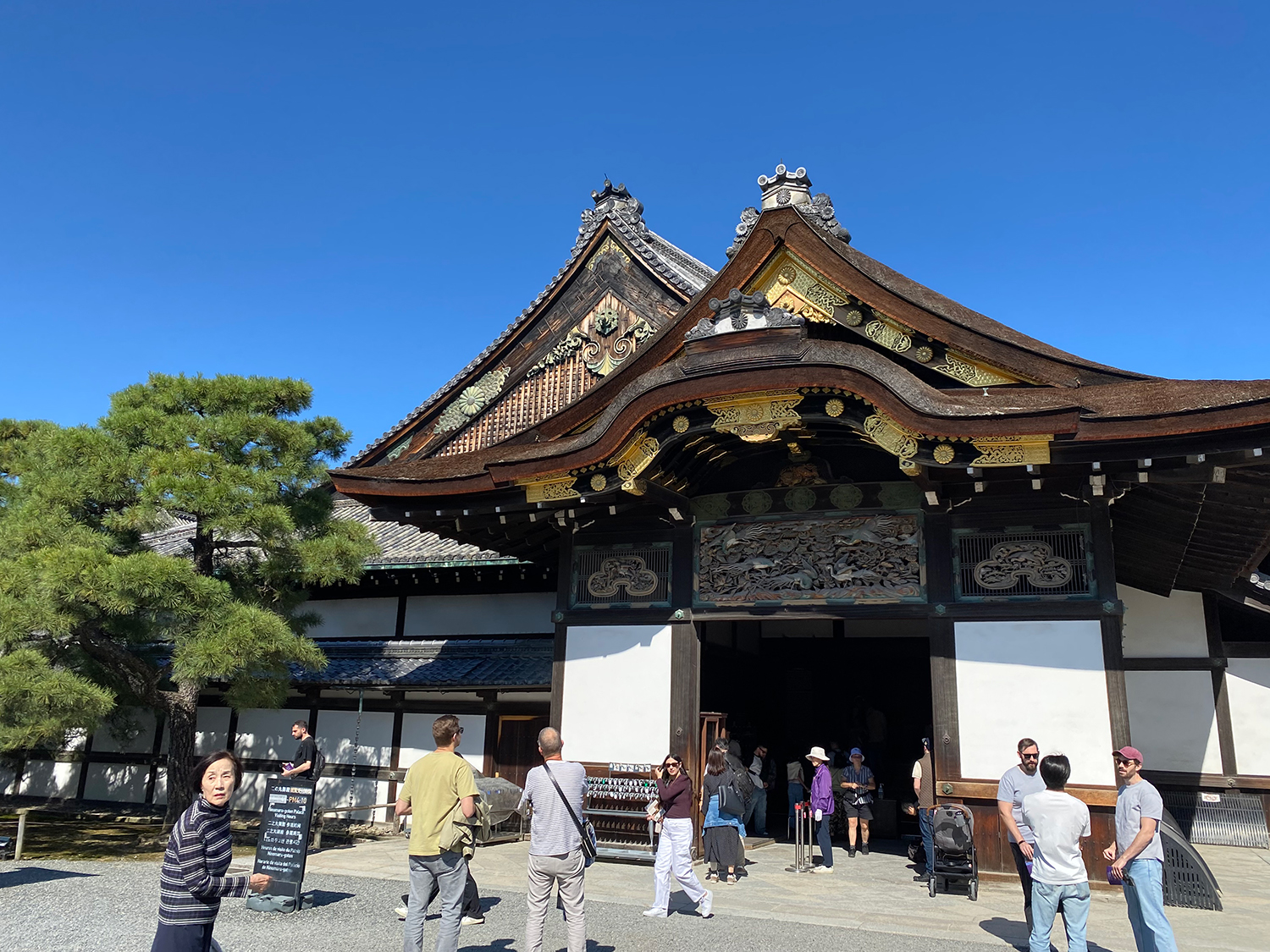
Walking through Kyoto’s famous towering Arashiyama Bamboo Grove and under the thousand vibrant orange torii gates of Fushimini Inari Shrine felt like being in a travel brochure of places I had seen for decades. But then we also went to Nijo Castle, a place I was unfamiliar with, home of the first shogun and dating back to 1603; here, we had to take our shoes off to pad around the corridors. Listen closely and you’ll hear what sounds like birds chirping as you walk along the interior; these “nightingale floors” were an ancient security method against intruders.
Not surprisingly, your guide on an escorted tour can make a big difference in your experience. The tour guides that TripToGo uses in Japan go through a rigorous interview process, and the tours, itineraries and accommodations are audited regularly to ensure they are up to the standard. From that first interaction to our five days together in Japan, Emily was excellent. We quickly became “Team Emily”, following her flying the orange TripToGo flag through the streets of every city we visited. She not only spoke fluent English, but was quick with a joke. She was funny and kind, even giving us all unique Mt. Fuji postcards as souvenirs.
lorem ipsum | credit: lorem ipsum
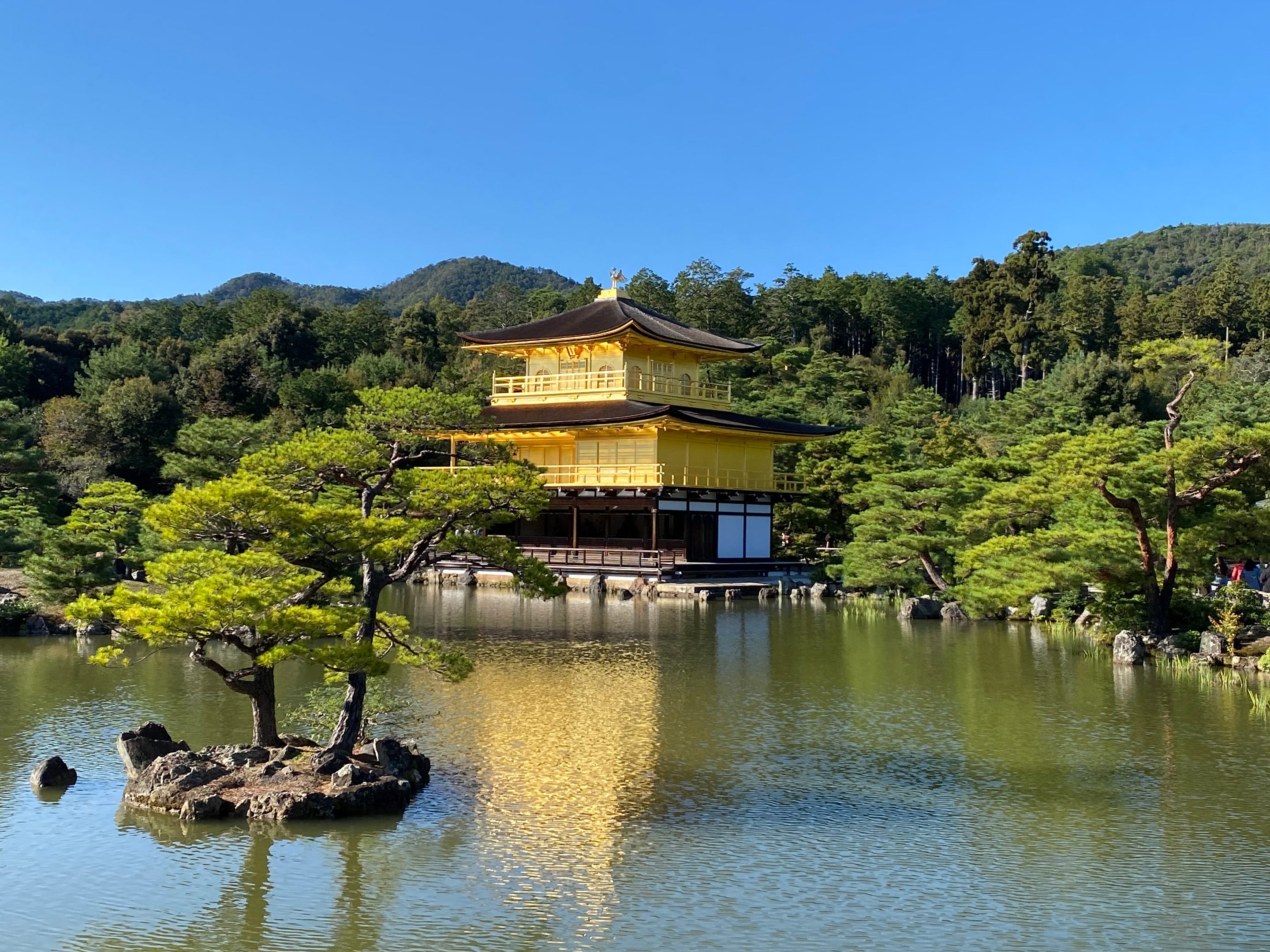
Kinkaku-ji (Golden Pavilion), Kyoto
Small statues at Hasedera Temple, Kamakura
Arashiyama Bamboo Grove
That was certainly something I felt the entire time I was on a group tour in Japan this fall. Every day was full of new sights and things to learn about the country. I had been interested in visiting Japan since taking language classes in college, and when given the opportunity to join this tour two decades later, I couldn’t say “Hai!” fast enough—in no small part because of the company with which I was traveling.
TripToGo’s “Japan Unveiled: Deeper Discoveries” 8-night tour took us to the most iconic places in Osaka, Nara, Kyoto, Mt. Fuji and Tokyo, but our guide also made sure we learned about the culture, history, language and currency. This was more than sightseeing; you'll leave a piece of your heart in Japan. Plus, the tour structure gives you plenty of leisure time, including a free day in Tokyo, to take advantage of the part of the culture you’re most interested in. Our guide suggested various uniquely Japanese things to do—such as flower arrangement (ikebana) or kabuki theater—and that is how my friend, Moira, and I found ourselves giddy with happiness at a tea ceremony in Tokyo.
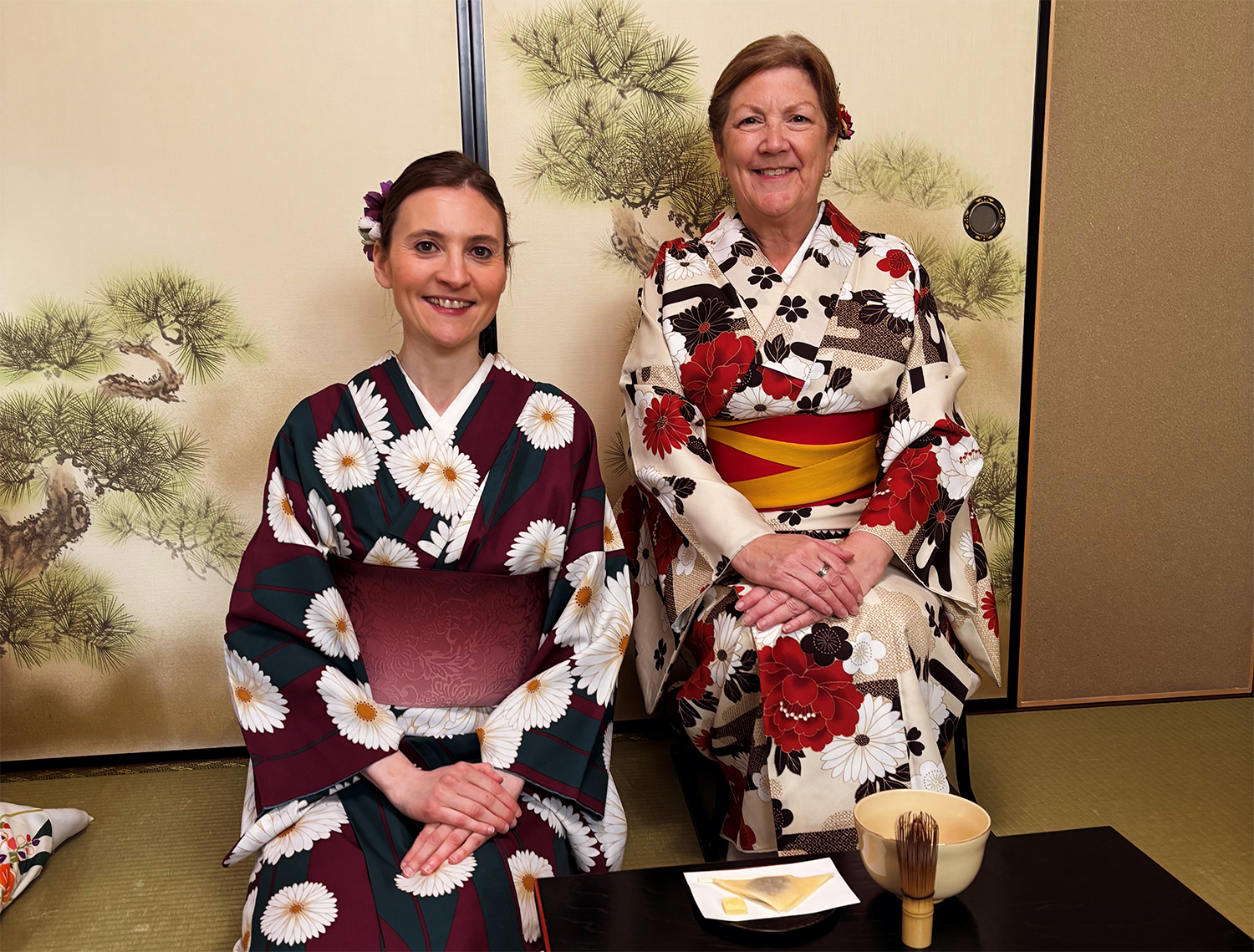
Annemarie, Travelzoo senior producer, and Moira at a tea ceremony
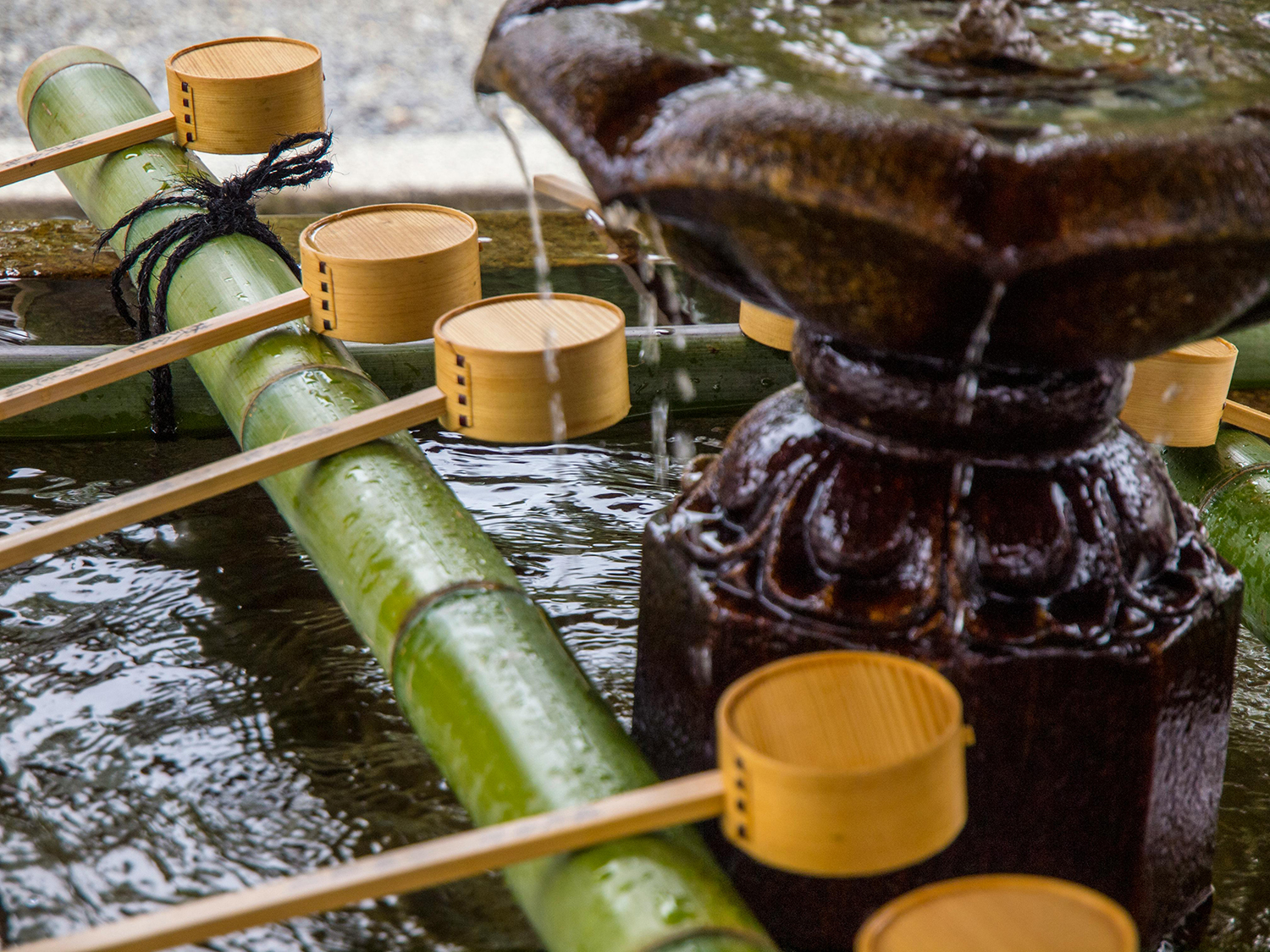
Purification station
At the shrines we visited, there were purification stations for your hands, heart and mouth, so Emily showed us the correct order of pouring the water and what to do with each hand. (Anyone who didn’t see the stations could walk right by and go in, but this was an important cultural lesson to teach us.) In addition, when it came time to make a wish, not only did we know from Emily that the 5-yen coin is the symbol of good luck and therefore the best coin to use, but she also taught us the steps of bowing and clapping.
When we were given free time to explore at different spots, Emily would text us a Google map pin so we could find her at the designated time if we got lost. Each evening, Emily would text with the following day’s schedule, so we always knew what was next. I’ve been on guided tours before and this wasn’t stifling or rigid; this was literally just someone taking care of you in a foreign land. It was a super relaxing experience from that standpoint.
As our tour traveled from spots in Osaka to Tokyo over a weeklong stretch, essentially spanning 300+ miles, we had lots of hours on the bus together; complimentary water was provided daily and the driver legally had to stop every two hours to rest for a bit, so there were plenty of bathroom breaks. Emily had just the right balance of talking to us from the front (with a microphone) to letting us rest and enjoy the scenery, or—during the 5-hour bus ride to Mt. Fuji—watch “Memoirs of a Geisha.” Her presentations were informative not just about what we were about to see but also about Japan in general. For example, garbage bins are scarce around the country, so we were all given individual baggies on the bus. She also informed an excited crowd about the hot springs at our onsen hotel in Mt. Fuji, but we all lost enthusiasm when we learned it's customary to go naked. She laughed and said that was a typical reaction of Americans and Canadians.
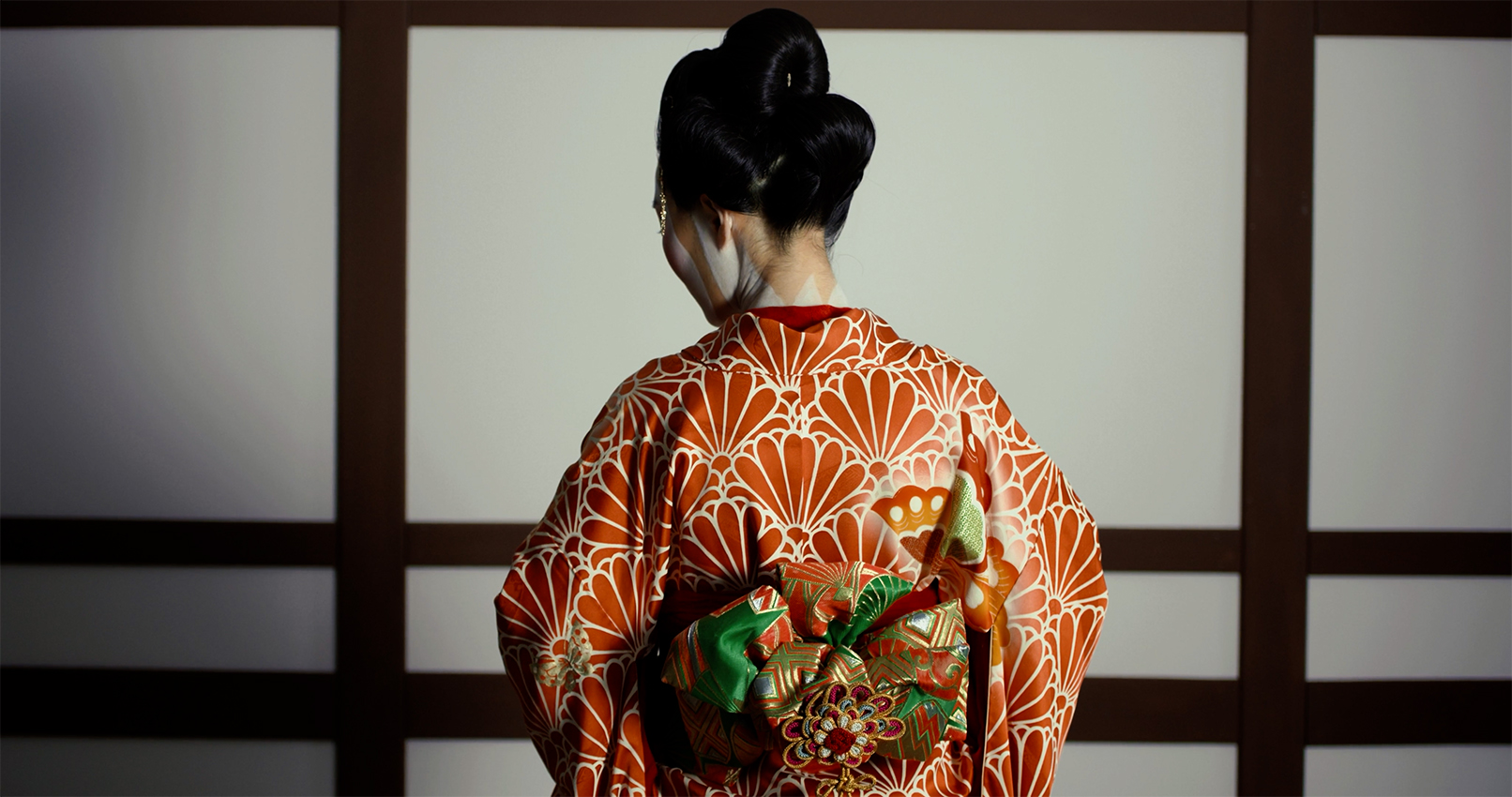
Woman dressed in a kimono


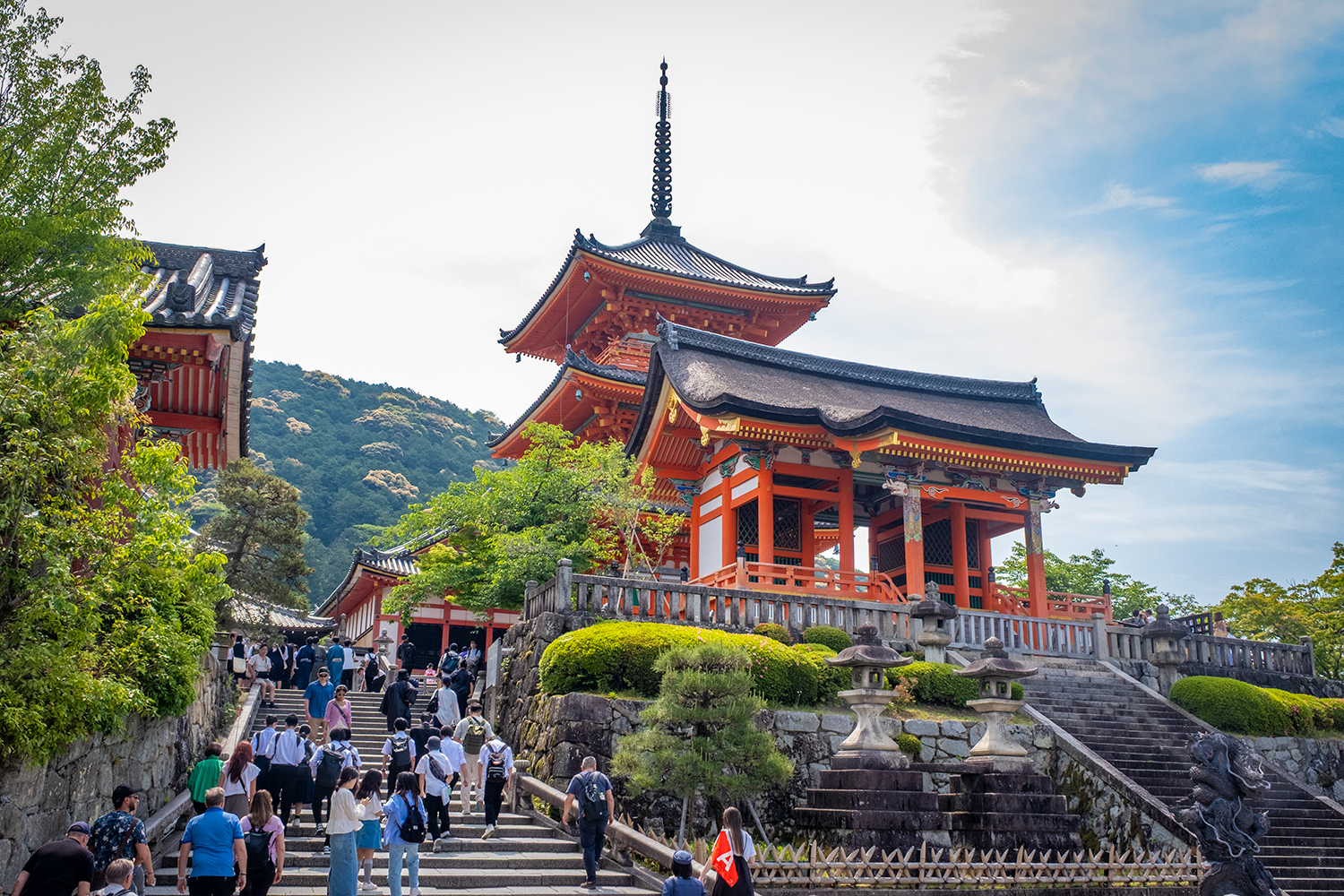
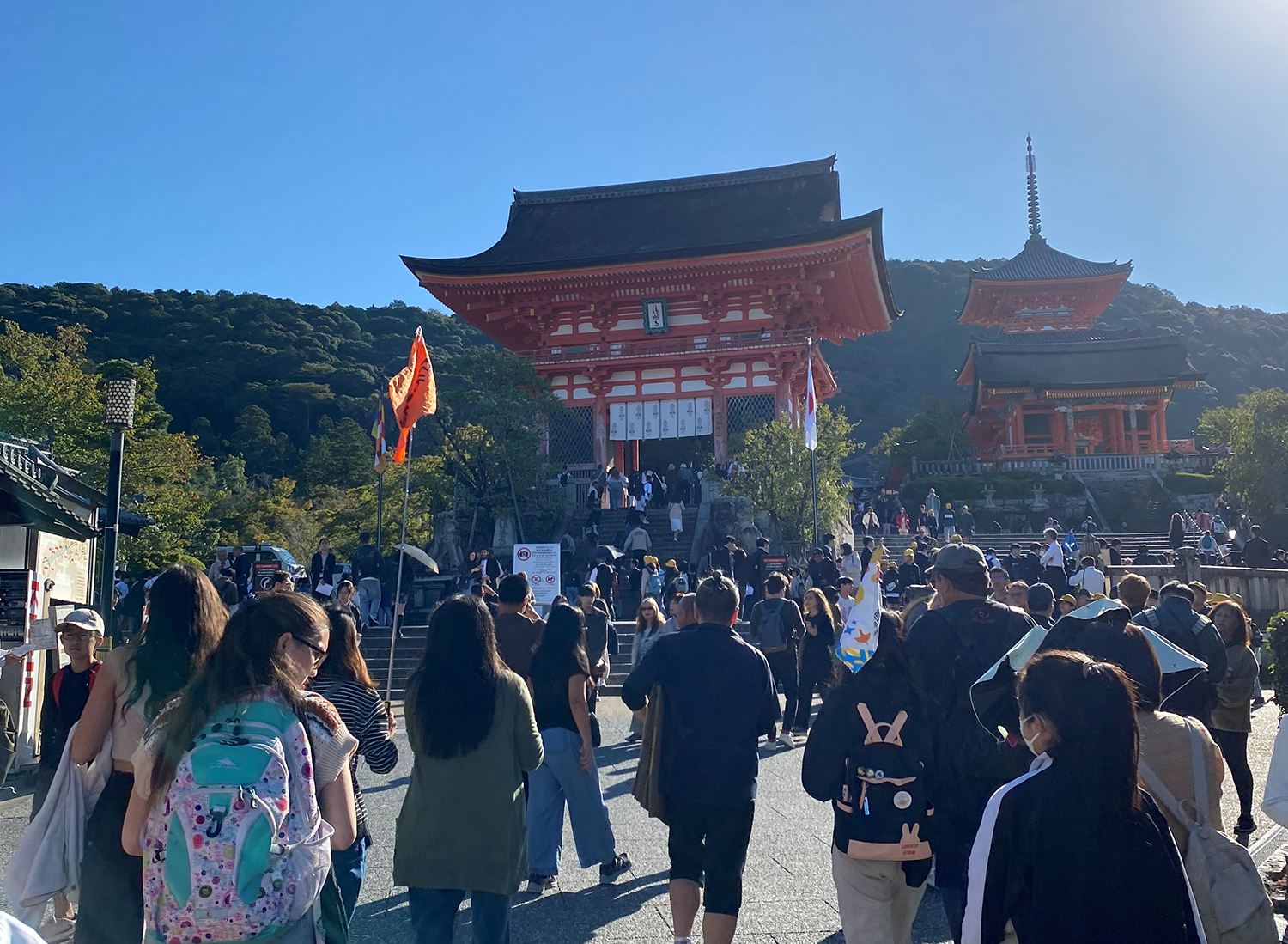
Kiyomizu-dera Temple, Kyoto
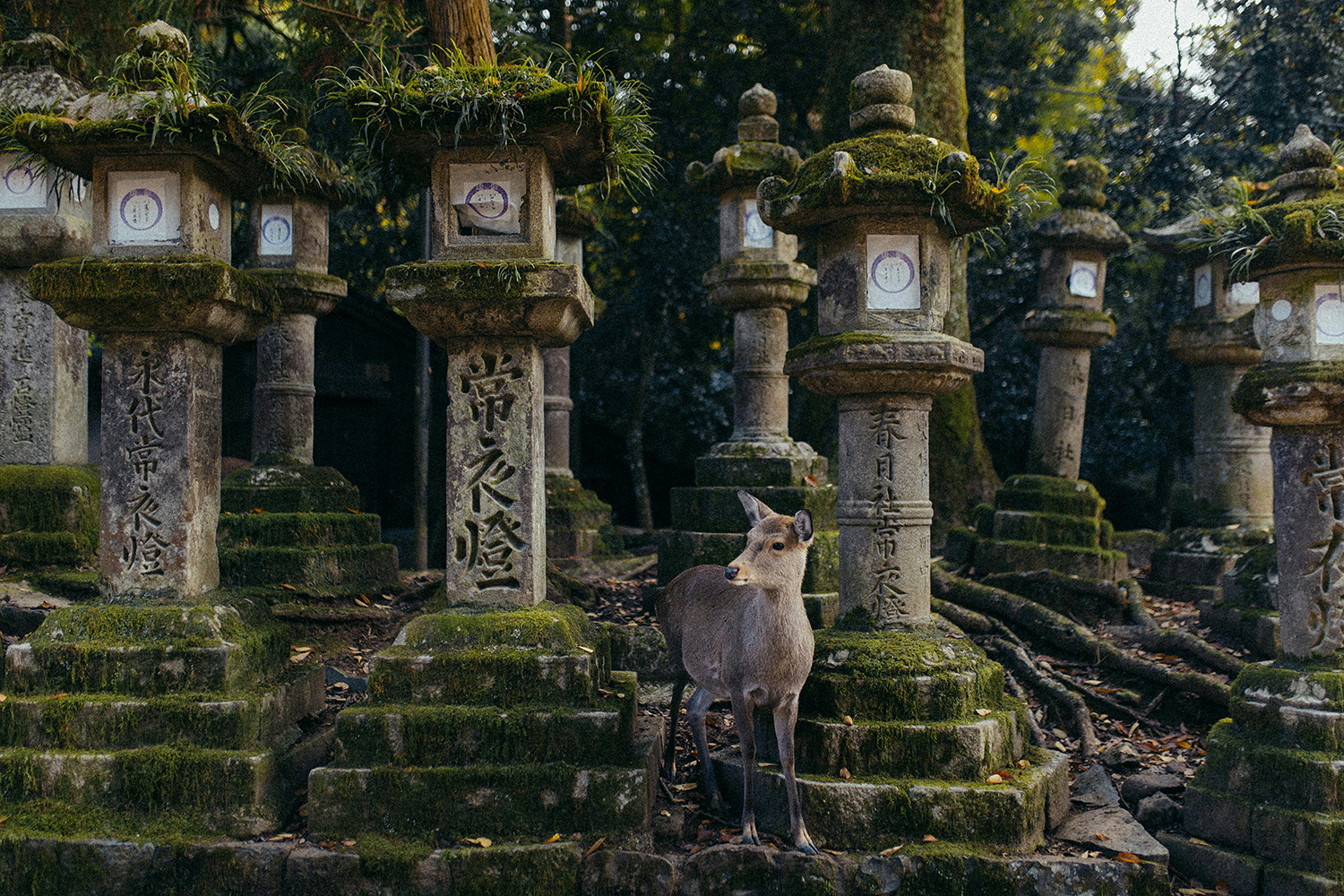
Nara deer
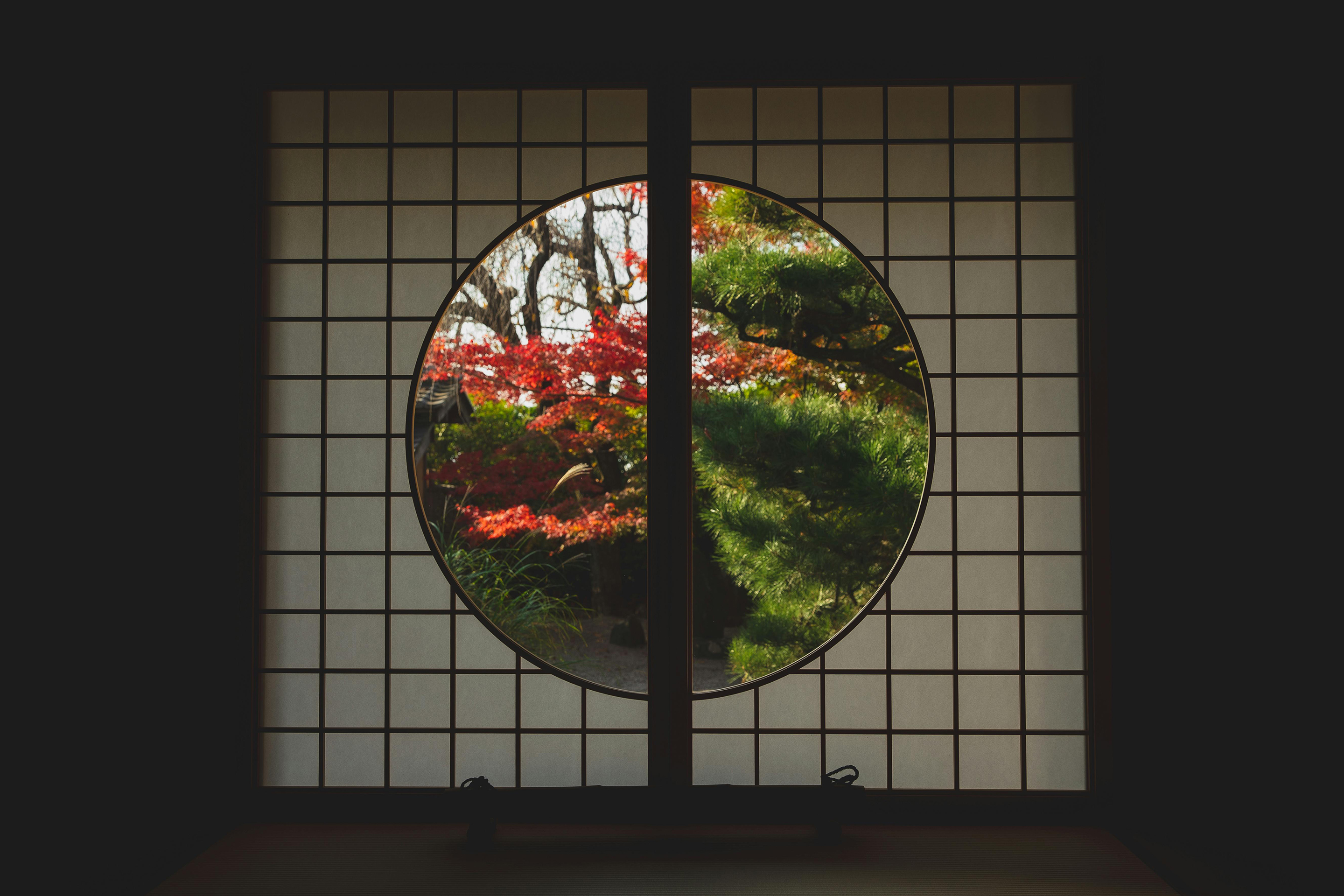
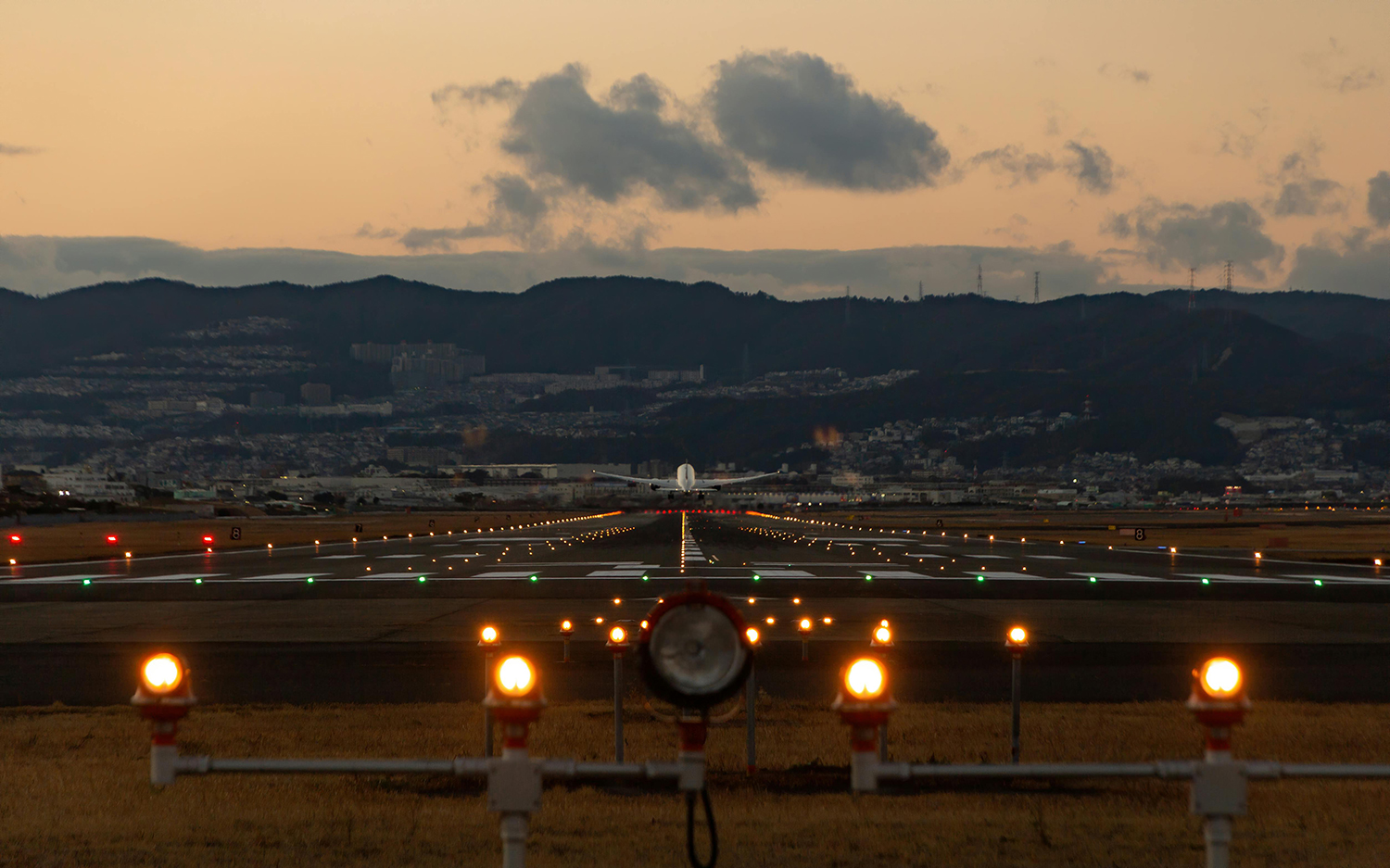
Airport in Osaka
Nijo Castle, Kyoto
Crab sign in Osaka


Sushi at Tsukiji Outer Market in Tokyo
Annemarie at Shibuya Crossing
Lake Kawaguchiko


Annemarie at the beach in Kamakura (left); Statue in the Benten-Katsu cave (right)

Deer bowing for food in Nara
By: Annemarie Kropf

Another excursion we tried was the "izakaya night tour with sake experience" in Tokyo. An izakaya is a Japanese-style pub with a casual restaurant. We took an elevator up to the third floor of a building and it opened to a cozy setting with an L-shaped counter and the chef cooking in the center, all with the backdrop of floor-to-ceiling windows overlooking the Ginza district. Here at Yakitori TAKE, we dined on an unforgettable 8-course meal, with each dish highlighting a different part of a Date Hen chicken, a specific breed from Fukushima. Literally no part of the animal was wasted, so be prepared if you're a picky eater. Our chef had worked at a Michelin-starred restaurant, so we were experiencing his skills at a more budget-friendly level.
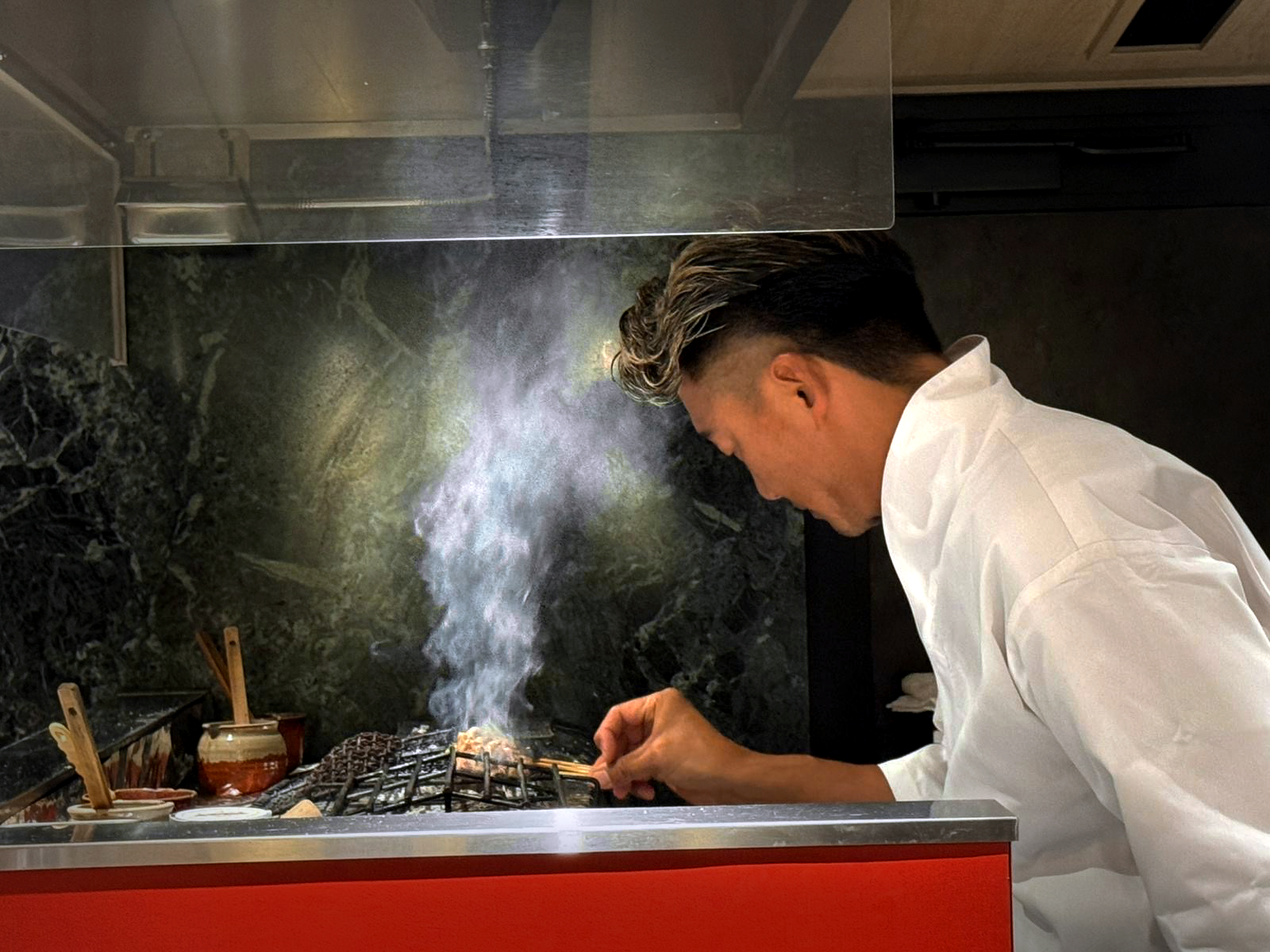
Chef at Yakitori TAKE
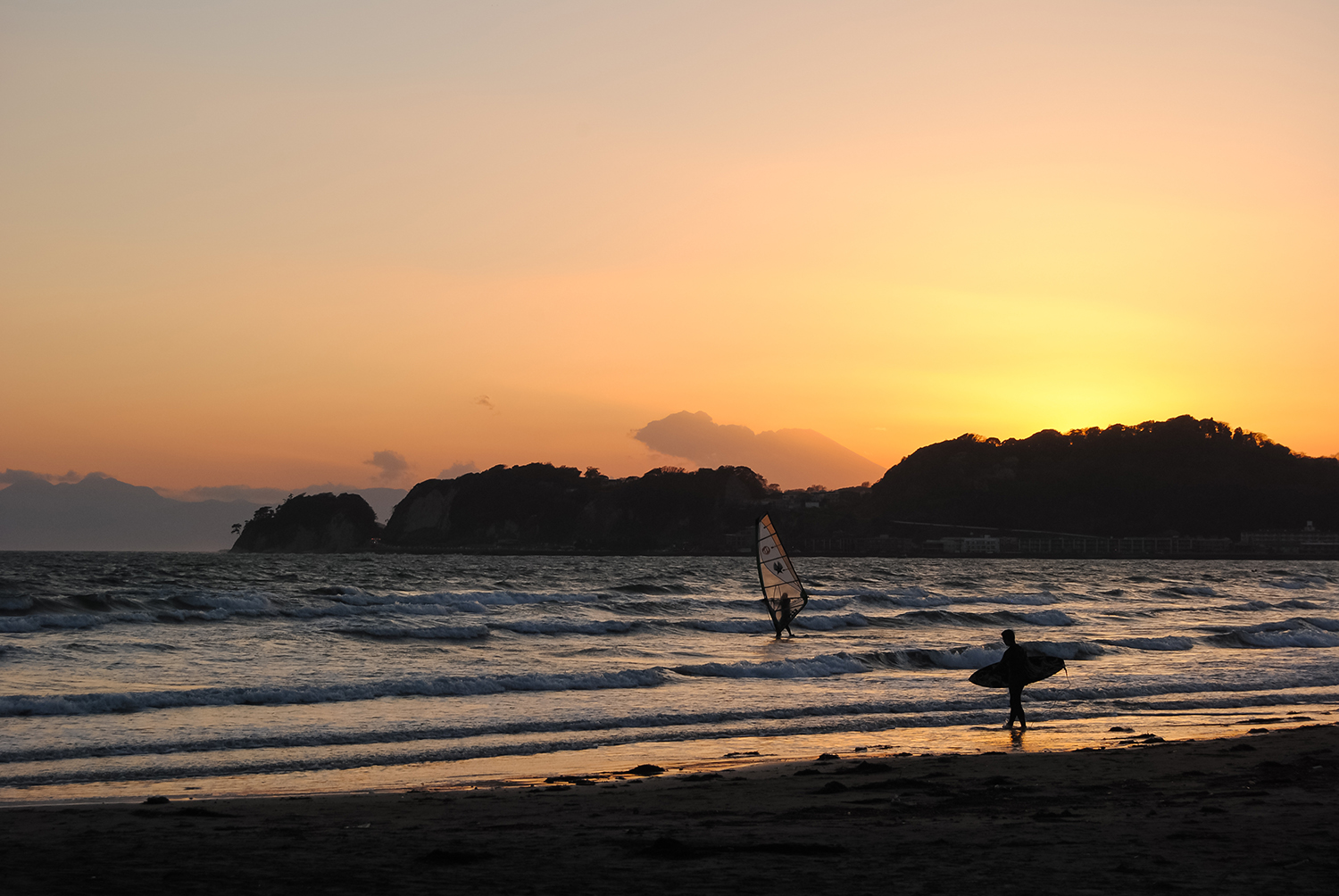
Kamakura